What It Means When Woodpeckers Target One Specific Tree In Your California Yard
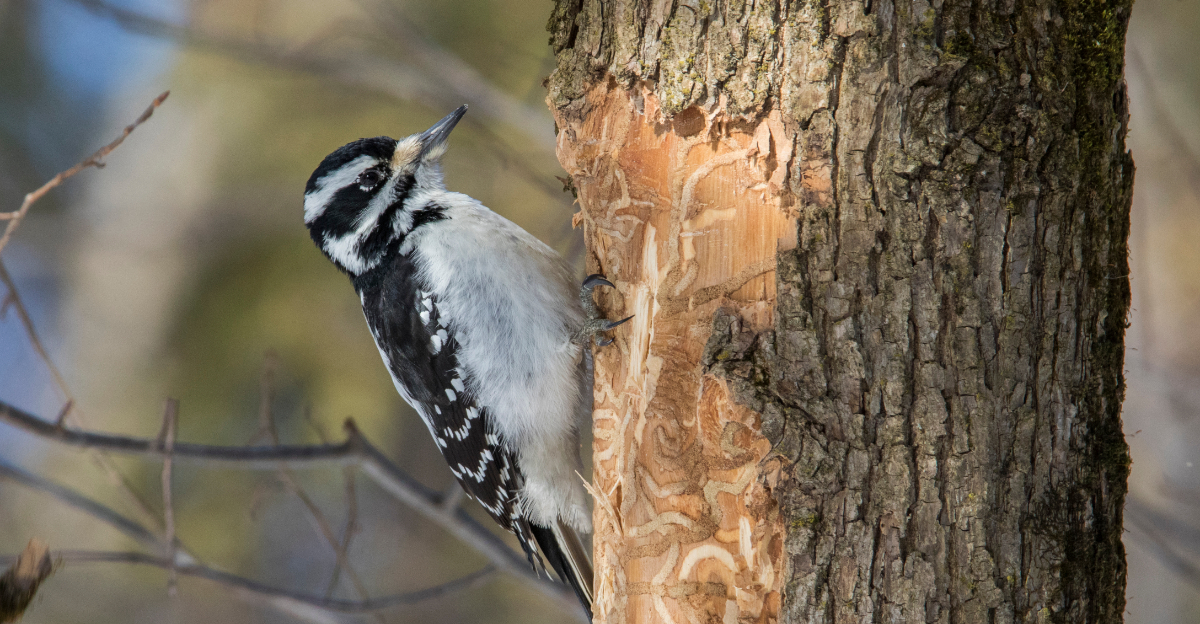
One tree in the yard gets all the attention. The others sit there untouched, while a woodpecker keeps returning to the same trunk, tapping, pecking, and inspecting it like there is something worth investigating.
That kind of repeat visit can be puzzling, especially when the tree looks normal at first glance.
No dramatic damage, no obvious reason, just a very persistent bird with a favorite spot. Backyard mystery officially unlocked.
Woodpeckers do not choose trees at random, and their behavior can sometimes reveal more than homeowners expect.
Bark texture, insects, sap, nesting opportunities, and the condition of the wood may all influence where they spend their time.
The pattern matters too. A few scattered holes can tell a different story than repeated pecking in one area or long rows of marks along the trunk.
If one California tree suddenly becomes the neighborhood woodpecker hotspot, pay attention to what the bird is doing and where. Those repeated visits may offer useful clues about the tree itself.
1. That Tree May Be Full Of Insects Under The Bark
Few things motivate a woodpecker more than a tree packed with insects hiding just beneath the surface. When a bird keeps returning to the same tree, one of the most common reasons is a healthy population of bugs living inside the bark.
Woodpeckers have an amazing ability to hear and feel the movement of insects through wood.
Bark beetles, ants, and wood-boring insects are favorite targets. These bugs often infest trees that are already weakened or stressed.
Once a woodpecker finds a reliable food source, it will visit that tree again and again until the supply runs out.
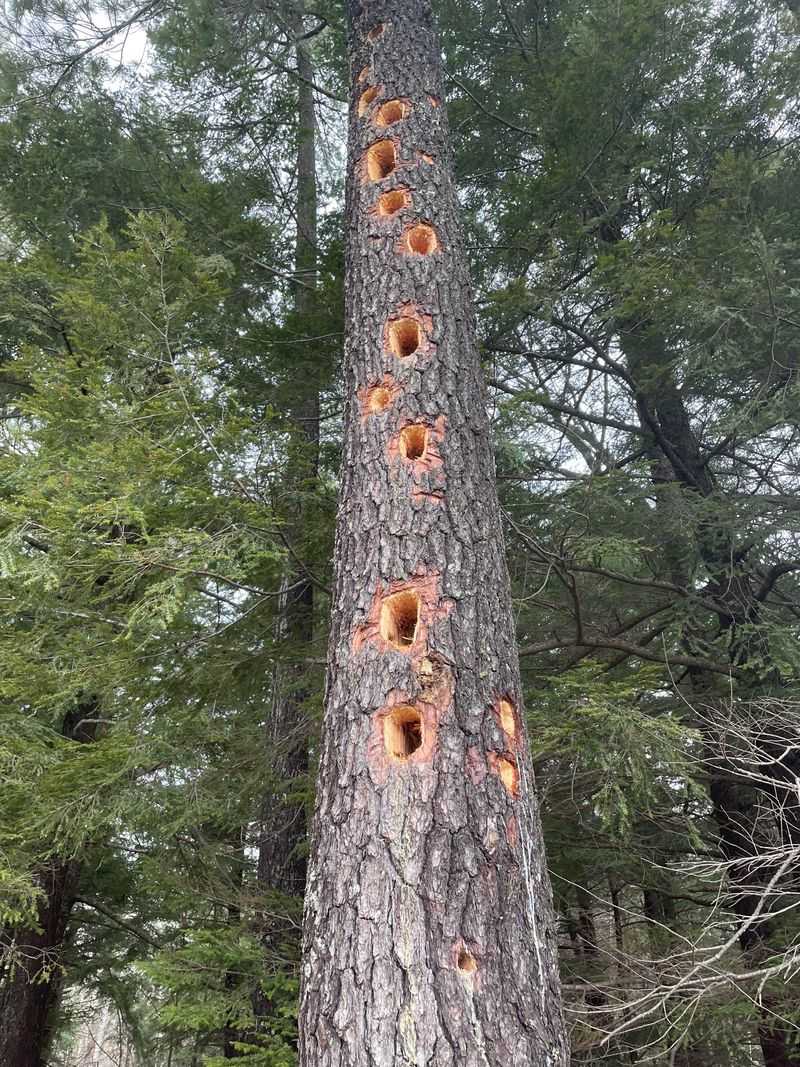
You might notice small, round holes or jagged gouges in the bark where the bird has been working. These marks show exactly where the woodpecker was digging for a meal.
The holes are not random. Each one points to a spot where the bird sensed activity below.
If your tree is attracting a lot of woodpecker attention, it may be worth having an arborist take a closer look. A heavy insect infestation can seriously weaken a tree over time.
Catching the problem early gives you a much better chance of keeping the tree healthy and strong for years to come.
2. Damaged Wood Can Make One Tree Especially Attractive
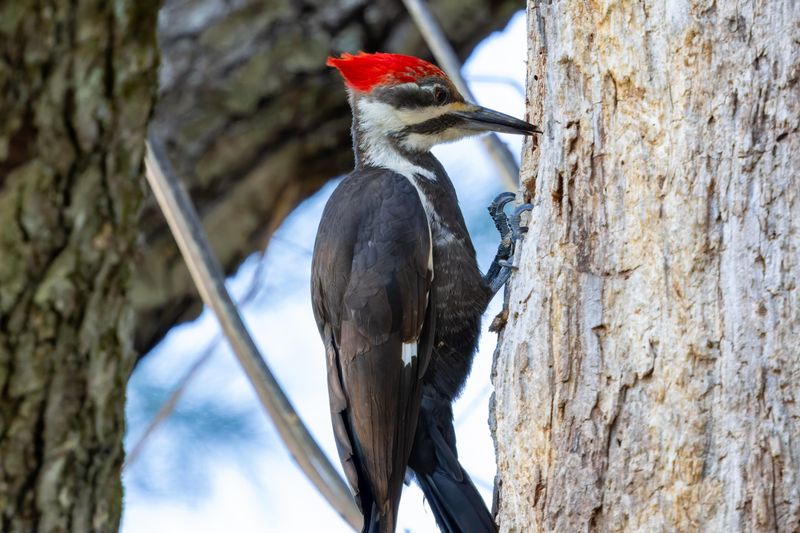
Not every tree in your California yard looks the same to a woodpecker. A tree that has been damaged by storms, drought, or disease stands out like a flashing sign.
Damaged wood is softer and easier to work with, which makes it far more appealing to a bird that spends its day pecking through tough surfaces.
When a tree suffers physical damage, it often becomes a hub for insects and fungi. Both of these things attract woodpeckers quickly.
A cracked limb or split trunk creates the perfect entry point for bugs to move in and set up home.
Woodpeckers are incredibly efficient hunters. They do not waste energy on trees that are hard to break into.
A damaged tree gives them quicker access to food with less effort, so they keep coming back to the same spot.
Your California Garden Changes Every Week. Your Plan Should Too.
Gardening in California changes quickly throughout the season. Every Friday you’ll receive a simple weekly plan showing exactly what to plant, prune, fertilize, harvest, and protect so you never miss the right timing.
From a homeowner’s perspective, heavy woodpecker activity on a damaged tree is a signal worth taking seriously. The bird is essentially pointing out a weak spot you may not have noticed.
Getting that tree inspected by a professional can help you decide whether it needs treatment, pruning, or other care to stay safe and stable in your yard for the long term.
3. Loose Bark Gives Woodpeckers Easy Places To Search
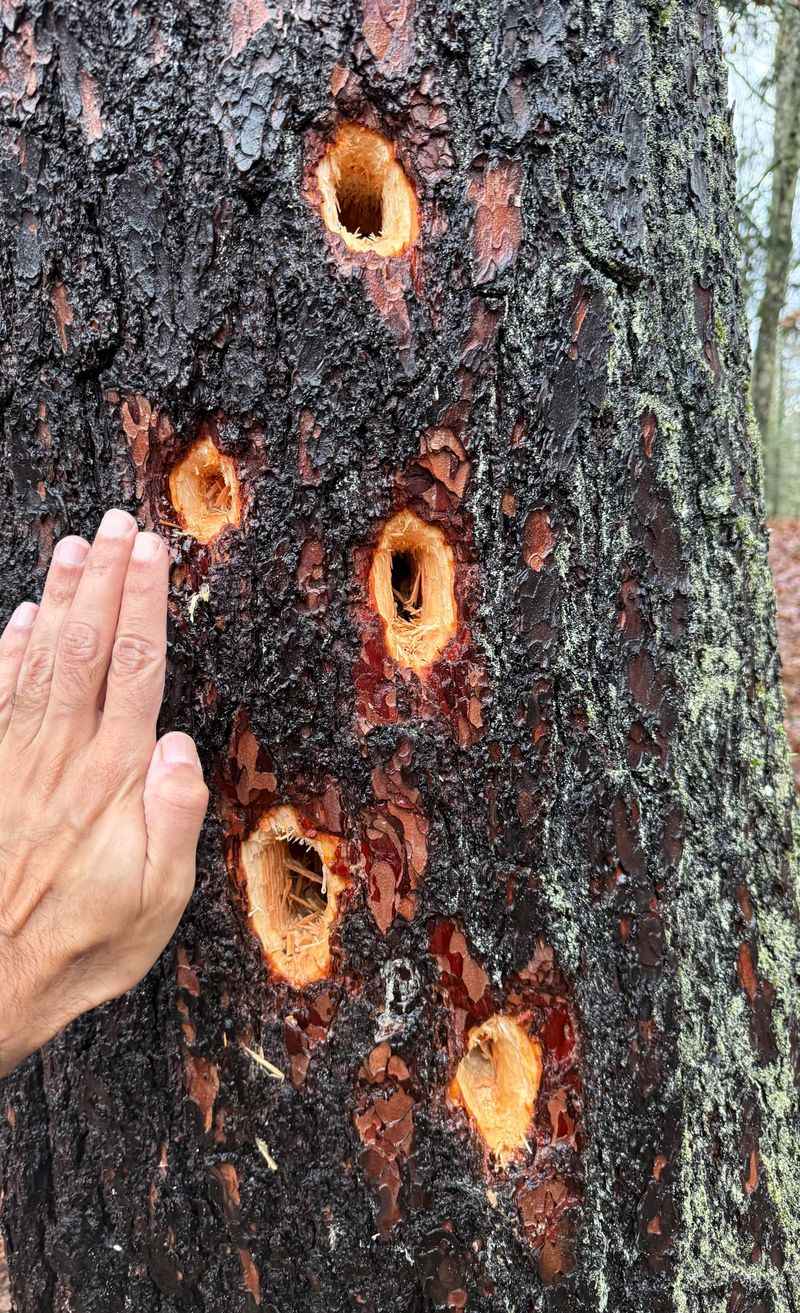
Loose or peeling bark is like an open invitation for a woodpecker. When bark starts to separate from the wood beneath it, small gaps form.
Those gaps quickly become hiding spots for spiders, beetles, ants, and other small insects that woodpeckers love to eat.
Trees with loose bark do not require as much effort to investigate. The bird can slip its bill under the bark and pry it away with ease.
This makes foraging faster and more rewarding, which keeps the woodpecker coming back to the same tree regularly.
Several things can cause bark to loosen. Fungal infections, old age, drought stress, and physical injuries can all cause bark to separate from the trunk.
Once it starts peeling, the process tends to continue, and more insects move in over time.
Watching where a woodpecker focuses its attention on loose bark can tell you a lot about the tree’s condition. If the bird keeps returning to the same section of the trunk, that area may have a more serious underlying problem.
A quick inspection of the loose bark yourself can sometimes reveal insect galleries or signs of wood decay. Sharing those findings with a certified arborist helps you make informed decisions about how to care for that tree going forward.
4. Repeated Pecking Can Point To Beetle Larvae Inside
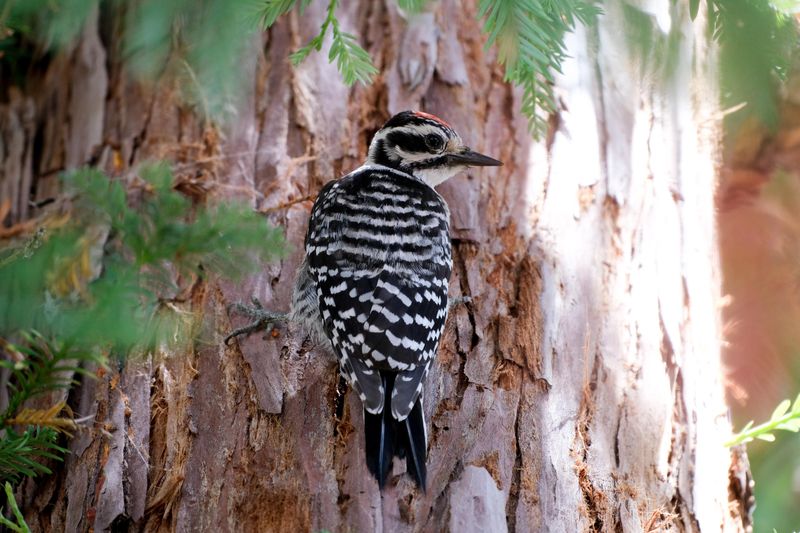
Beetle larvae are one of the most prized meals for many woodpecker species. These soft, worm-like grubs tunnel through wood and create winding galleries beneath the bark.
Woodpeckers can actually detect the faint sounds and vibrations these larvae make as they chew through the wood.
When you see a woodpecker pecking deeply and repeatedly in the same area, beetle larvae are often the reason. The bird is not just randomly drilling.
It is following a very specific trail left by the insects moving inside the tree. Some of the most common wood-boring beetles in yards include the flatheaded borer, the roundheaded borer, and various bark beetle species.
Each one leaves behind a unique pattern of tunnels that can weaken the tree’s internal structure over time.
Heavy infestations can affect the tree’s ability to move water and nutrients from its roots to its branches.
Woodpecker damage caused by beetle hunting often looks like rows of deep, narrow holes arranged in a rough line or cluster. If you see this pattern on a tree, it is a strong clue that something is happening beneath the surface.
An arborist can confirm whether beetles are present and recommend the right treatment to help the tree recover and remain a strong part of your landscape.
5. A Favorite Tree May Also Offer A Good Drumming Spot
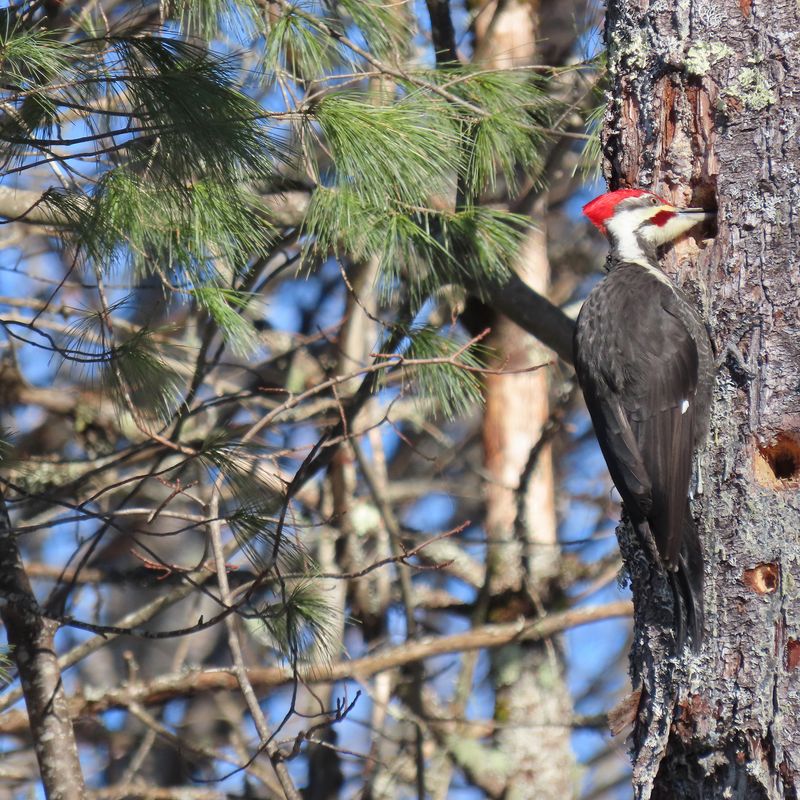
Woodpeckers do not just peck for food. They also drum on surfaces to communicate. Drumming is how they attract mates, warn rivals, and announce their territory.
A tree that produces a loud, resonant sound when struck becomes a favorite drumming post that the bird returns to again and again.
Withered or hollow sections of a tree tend to produce the best sound. A dry, partially hollow branch can ring out like a drum, carrying the woodpecker’s signal far across the neighborhood.
Once a bird finds that perfect spot, it uses it repeatedly throughout the breeding season You might notice that the drumming sounds different from feeding pecks. Drumming is usually faster, more rhythmic, and does not leave deep holes.
Feeding pecks are slower and result in visible wood being removed. Learning to tell the difference can help you understand what the woodpecker is doing each time it visits.
A drumming woodpecker is not necessarily a sign of tree trouble. But if the bird is using a withered or hollow section, that part of the tree may need attention.
Hollow branches can become unstable over time. Having a professional assess the tree ensures you stay ahead of any safety concerns while still enjoying the lively presence of these remarkable birds in your yard.
6. Soft Or Decaying Wood Is Easier To Excavate
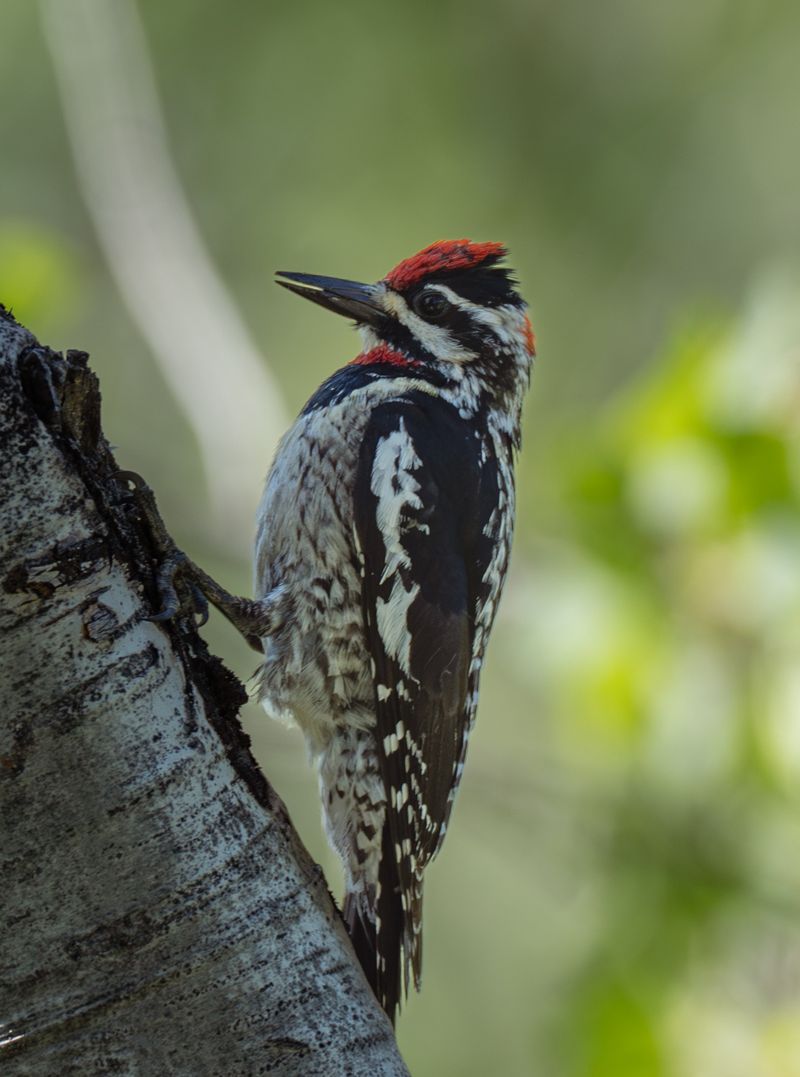
Wood does not stay hard forever. Over time, moisture, fungi, and age can break down the fibers inside a tree, making the wood softer and easier to work with.
Woodpeckers are very good at finding these soft spots, and they take full advantage of them.
Soft or decaying wood is much easier to excavate than healthy, dense wood. A woodpecker can carve out a cavity in soft wood in a fraction of the time it would take in solid timber.
That energy savings matters a lot for a bird that spends most of its day foraging and defending territory.
Decaying wood also tends to harbor more insects, fungi, and grubs than healthy wood. So a tree with soft sections offers a woodpecker both easy digging and a reliable food supply at the same time.
That combination makes it almost irresistible to a bird looking for an efficient feeding or nesting site.
For California homeowners, a tree with significant soft or decaying sections deserves careful attention. Decay can spread silently through the interior of a trunk while the outside still looks normal.
Woodpecker activity near the base of a tree or in the main trunk can be an early warning sign. Getting a professional evaluation sooner rather than later helps you understand the full extent of the decay and what options you have to address it.
7. Old Cavities Can Turn Into Nesting Or Roosting Sites
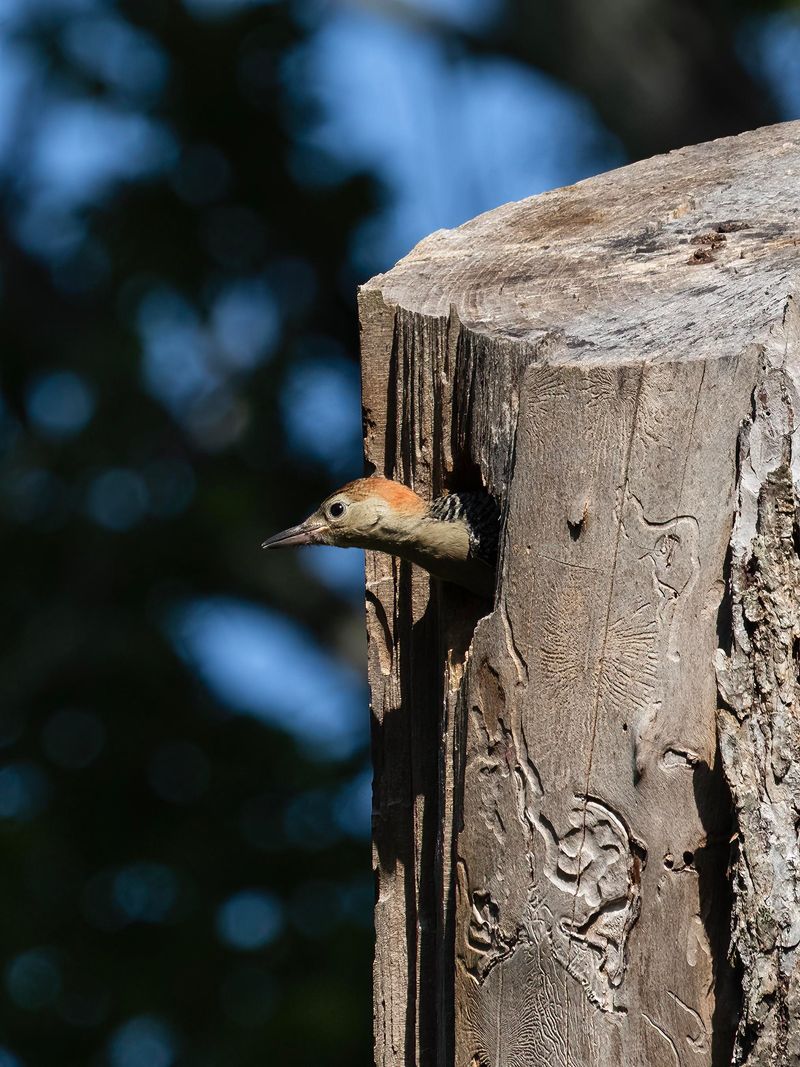
Once a woodpecker carves out a cavity, that hole does not go to waste. Old cavities quickly become some of the most valuable real estate in any yard.
Woodpeckers often return to cavities they have used before, either to roost on cold nights or to raise a new family during breeding season.
A tree with multiple existing holes is especially attractive because it shows the bird that the wood is workable and the location is safe.
Other woodpeckers may also try to claim a good cavity, which can lead to some interesting territorial disputes you might witness from your window.
Cavities are also used by many other wildlife species. Owls, small mammals, and other songbirds often move into holes that woodpeckers have abandoned.
A single tree with several cavities can support an entire community of wildlife, making it one of the most ecologically valuable trees in your yard.
If a woodpecker keeps visiting one tree and you notice it spending time near a specific hole, it may be preparing to nest or roost there. In California, several woodpecker species are protected by law, so it is best not to disturb active nest sites.
Observing from a respectful distance gives you a front-row seat to one of nature’s most rewarding wildlife experiences right at home.
8. Sap Wells Can Keep Some Woodpeckers Coming Back
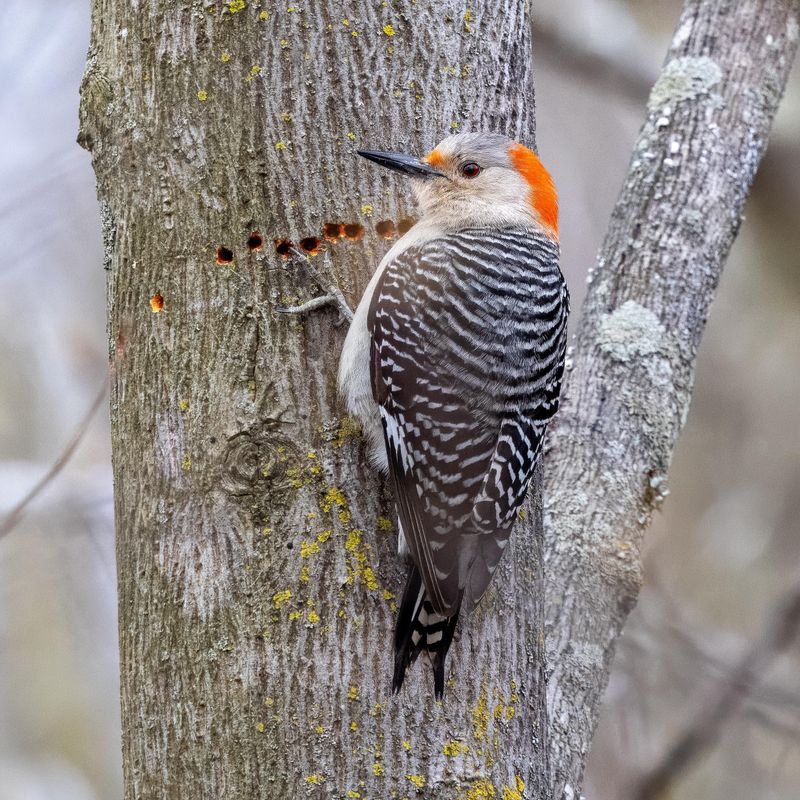
Not all woodpeckers eat insects. Sapsuckers, a specific group within the woodpecker family, have a very different diet.
They drill neat rows of small holes into tree bark to get to the sweet sap flowing just beneath the surface. These holes are called sap wells, and they are a reliable food source the bird defends closely.
A sapsucker will return to the same tree repeatedly to maintain its wells and feed on fresh sap. The bird actually manages these holes carefully, keeping them open and productive.
Insects and hummingbirds are also drawn to sap wells, which can make one targeted tree a surprisingly busy spot in your yard.
You can identify sapsucker activity by the neat, evenly spaced rows of small holes it leaves behind. These look very different from the irregular, deep holes left by woodpeckers hunting for insects.
The pattern is almost orderly, which makes it one of the easiest types of woodpecker damage to identify on your own.
Healthy trees can usually handle a moderate amount of sapsucker activity without major harm. But heavy feeding over many seasons can weaken a tree or allow fungi and bacteria to enter through the wounds.
Wrapping the affected area with burlap during peak feeding seasons is one gentle way to discourage sapsuckers without harming the birds. Checking with a local California wildlife expert can help you find the right balance for your specific situation.