Why Artificial Turf Is Quietly Hurting Texas Yard Wildlife
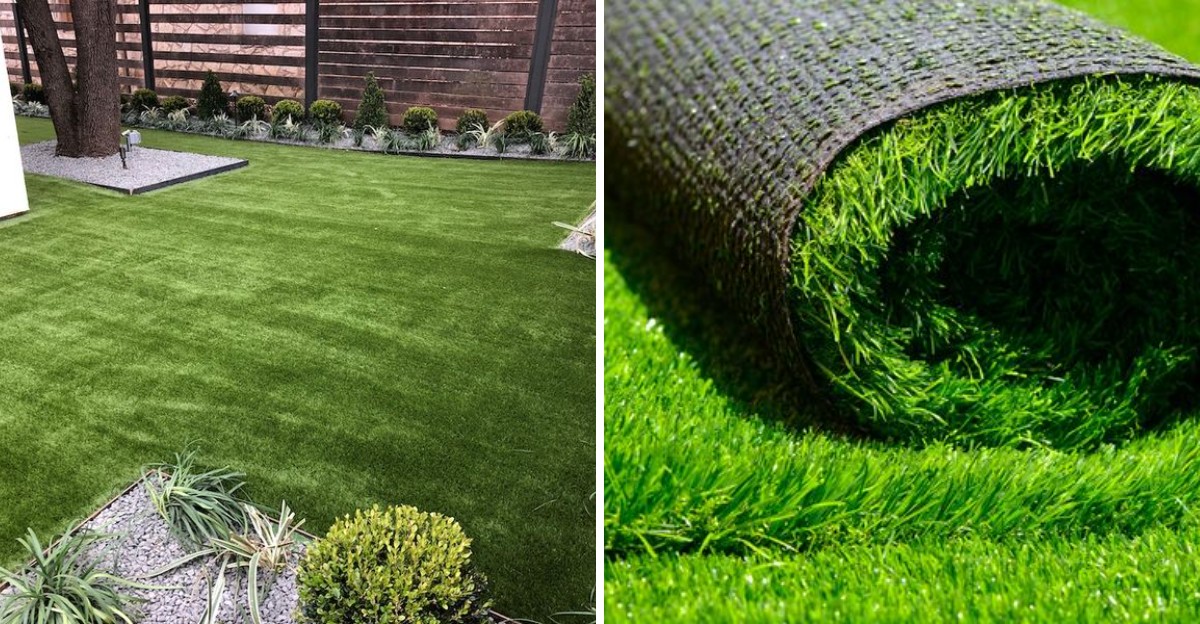
It never needs mowing. It stays green through drought. It looks perfect all year long. No wonder artificial turf has become so popular across Texas.
But that flawless lawn comes with a hidden cost, and local wildlife is paying it. Real grass is full of life, even if you don’t notice it.
Earthworms, beetles, caterpillars, and countless tiny insects live in the soil and roots. Birds depend on them for food, especially when raising their young. Toads, lizards, and pollinators rely on that space, too.
Plastic grass offers none of that. There’s no soil to dig into, no bugs to eat, and no shelter from predators.
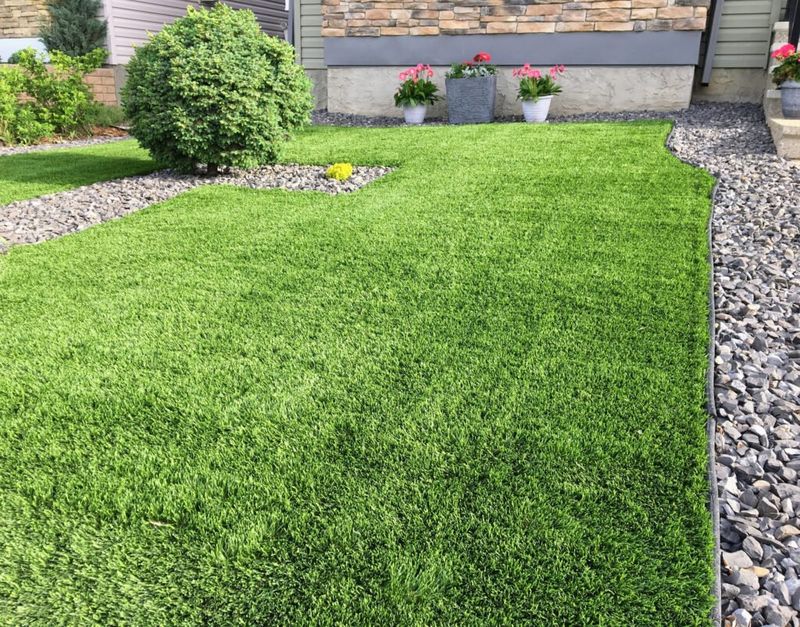
On a hot Texas afternoon, the surface can also get far hotter than natural grass, sometimes hot enough to burn paws. Many homeowners have no idea how much their yard changes once the real grass is gone.
1. It Removes The Base Of The Food Chain
Every hawk, songbird, and lizard in your neighborhood starts its story with a tiny bug. Insects are the snack bar of the natural world. Without them, the whole menu falls apart.
Artificial turf has no living plants at all. There are no leaves to chew, no seeds to gather, and no flowers full of nectar. For caterpillars, grasshoppers, crickets, and beetles, a turf yard is like a grocery store with empty shelves.
Once the insects leave, the animals that eat them follow. Carolina wrens, eastern bluebirds, and painted buntings rely on bugs, especially in spring.
Baby birds need soft insects like caterpillars to grow. A single nest of chickadees can need thousands of caterpillars before the chicks leave home.
Texas spiny lizards and green anoles also hunt insects in yards. Gulf Coast toads come out at night looking for beetles and moths. Take away the bugs, and these helpful critters move on or struggle to find enough food.
Here is a fun fact. Scientists have found that native plants can support many more kinds of caterpillars than non-native ones. Native oaks, for example, host hundreds of caterpillar species across the country.
So what can you do? Start small. Plant a patch of native plants like Turk’s cap, purple coneflower, or Mexican hat. Even a few square feet can bring insects back.
Leave some fallen leaves under shrubs too. Many insects hide and grow there. Skip broad bug sprays whenever you can.
You may notice more birds visiting within a single season. That busy chirping is a sign your yard is feeding the neighborhood again, from the ground up.
2. It Takes Away Homes For Ground-Nesting Bees
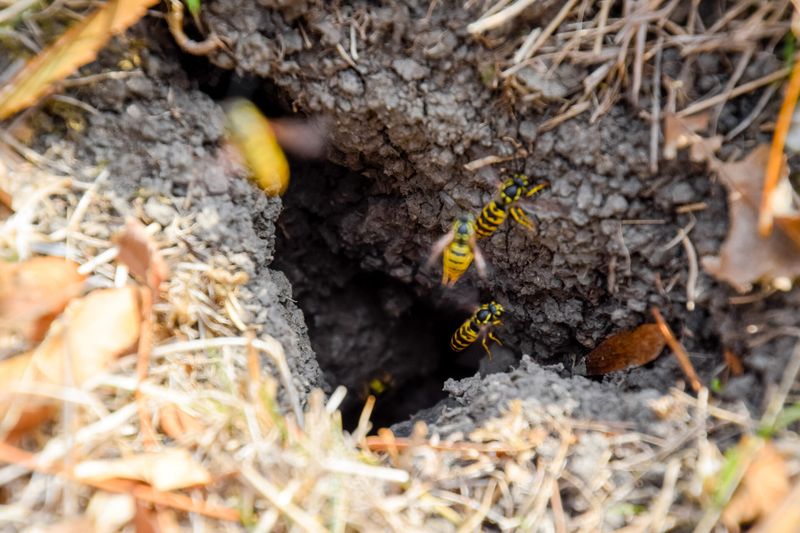
Most folks picture bees living in a big wooden hive. Honeybees do that, but they are only one kind. Around 70 percent of native bees actually live underground.
Texas has more than 800 native bee species. Many of them, like mining bees, sweat bees, and digger bees, dig tiny tunnels in bare or lightly covered soil.
A mother bee builds little rooms inside, packs each one with pollen, and lays an egg. The young bees grow safely below the surface until they are ready to fly.
Your Texas Garden Changes Every Week. Your Plan Should Too.
Gardening in Texas changes quickly throughout the season. Every Friday you’ll receive a simple weekly plan showing exactly what to plant, prune, fertilize, harvest, and protect so you never miss the right timing.
Now think about what happens when turf goes down. First comes a layer of crushed rock or sand packed down hard. Then a plastic backing covers it.
Finally, the fake blades and infill sit on top. A bee cannot dig through any of that.
Without nesting spots, these bees simply vanish from the area. That hurts more than you might guess.
Native bees pollinate wildflowers, fruit trees, tomatoes, squash, and peppers. Some are even better at pollinating certain crops than honeybees.
The best part? Helping them is easy and costs almost nothing. Leave a sunny patch of bare soil somewhere in your yard. A spot near a garden bed or along a fence line works great.
Avoid heavy mulch in that area. Try not to water it too much, since most ground bees like dry, well-drained dirt. Don’t worry about stings. Most ground-nesting bees are calm and rarely sting people.
Watch closely in spring. You might see small holes with little piles of dirt around them. Those are front doors for your newest garden helpers.
3. It Smothers Life In The Soil
A handful of healthy soil holds more living things than there are people on Earth. That sounds wild, but it’s true. Tiny microbes, fungi, worms, and beetles all share that small space.
These underground workers do an important job. They break down dry leaves and grass clippings.
They turn waste into nutrients that plants can use. Earthworms also dig tunnels that let air and water sink into the ground.
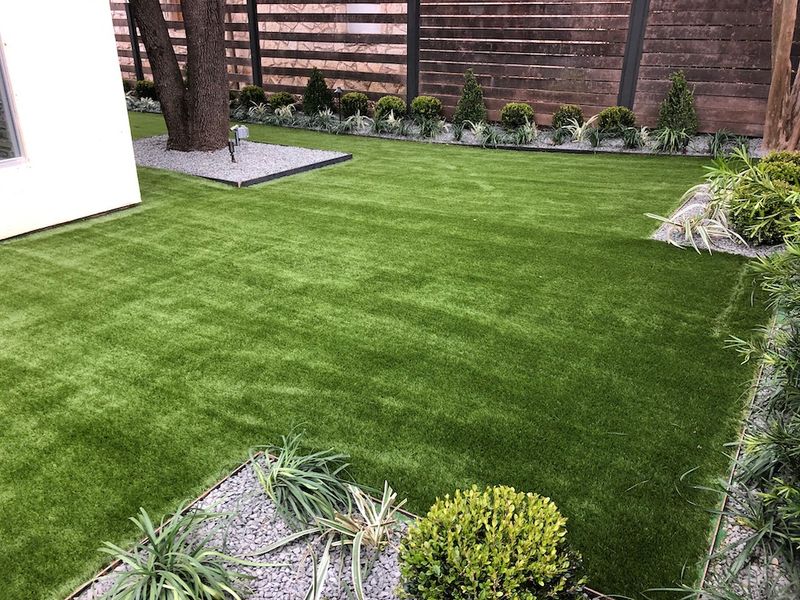
Artificial turf seals all of that away. Fresh leaves and roots no longer reach the soil. The ground gets packed hard during installation. Over time, the living community below starts to fade because it has nothing to eat.
Birds notice right away. American robins love to hop across lawns, tilt their heads, and pull up worms.
Northern mockingbirds, the Texas state bird, also forage on the ground for beetles and grubs. A plastic yard gives them nothing to find.
Healthy soil helps your home too. It soaks up heavy rain, which can lower flooding during those sudden Texas storms. It also stores carbon and keeps nearby trees strong.
Want to build better soil? Try leaving grass clippings on your lawn after mowing. They break down fast and feed the ground. Add compost to garden beds once or twice a year.
Skip heavy chemical fertilizers when possible. They can harm the tiny creatures you want to keep. Mulch around trees with shredded leaves or wood chips.
After a good rain, go outside and look closely. If you see worms wiggling across the sidewalk, give yourself a pat on the back. Your soil is alive and working hard.
4. It Gets Dangerously Hot In Texas Sun
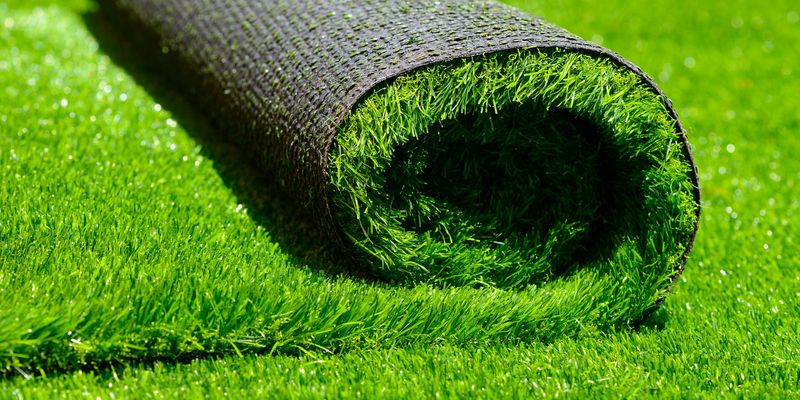
Walk barefoot on fake grass at 3 p.m. in July, and you will only do it once. Ouch is an understatement. Plastic grass soaks up the sun like a black car seat.
Studies have measured artificial turf reaching well over 150 degrees Fahrenheit on hot days.
Some readings have gone even higher. Natural grass nearby often stays much cooler because plants release water that cools the air around them.
That kind of heat is a real problem for animals. Dogs and cats can burn their paw pads in just a short time.
Wildlife has it even worse, since they don’t wear shoes or get carried inside. Toads, lizards, box turtles, and baby birds that land on the surface can get hurt fast.
The heat doesn’t stay on the ground either. Turf warms up the air around your house. That means your yard feels hotter, and your air conditioner may work harder. In a state where summer lasts forever, that matters.
Some people spray turf with water to cool it down. It helps, but only for a short while. And using water that way cancels out one of the main reasons people choose turf in the first place.
A better plan is to keep some living plants around. Shade trees like live oak, cedar elm, or Mexican plum can cool your yard a lot. Native grasses stay far cooler than plastic.
If you already have turf, add shade structures or potted plants nearby. Check the surface with your hand before letting pets play. If it’s too hot for your palm, it’s too hot for their paws.
5. It Can Shed Microplastics And Chemicals
Plastic never really goes away. It just breaks into smaller and smaller pieces. That simple fact is what makes old artificial turf a sneaky problem.
Sunlight and foot traffic wear down turf blades over the years. The Texas sun is especially tough on plastic.
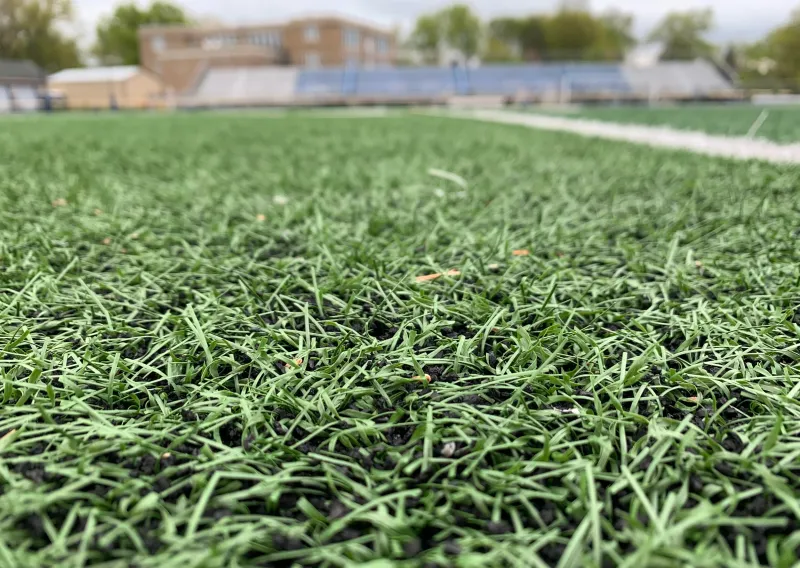
Slowly, the blades crack and shed tiny bits called microplastics. Many turf systems also use rubber crumb infill, often made from old tires.
When a big rainstorm hits, some of those pieces wash away. They flow into gutters, then storm drains, and then creeks and rivers.
Eventually, some may reach the Gulf of Mexico. Fish, frogs, turtles, and birds can swallow these particles by mistake.
There is another concern too. Some artificial turf products have been found to contain PFAS. People call them forever chemicals because they last a very long time in the environment.
Researchers are still studying their effects, but PFAS have been linked to health and environmental worries.
Did you know? Some cities and schools in the United States have started taking a closer look at turf because of these chemicals. Rules are still changing as scientists learn more.
If you already have turf, you can lower the risk. Ask your installer about PFAS-free products. Choose infill made from natural materials like cork or coconut fiber instead of crumb rubber.
Sweep up loose bits rather than hosing them into the street. Replace worn sections before they fall apart.
Of course, the simplest fix is choosing living ground covers. Real plants don’t shed plastic. They hold soil in place, filter rainwater, and keep local creeks a little cleaner for everyone downstream.
6. It Breaks Up Wildlife Habitat
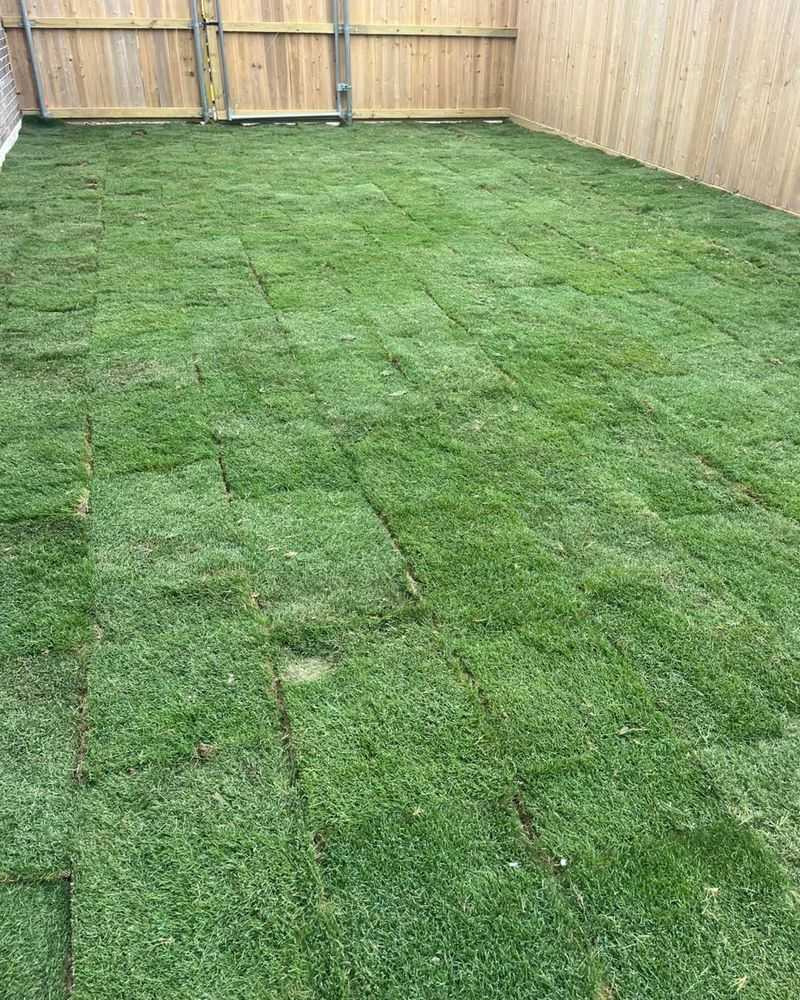
Think of your neighborhood like a river with stepping stones. A butterfly, a bird, or a box turtle hops from one yard to the next to cross it. Take out a few stones, and the journey gets much harder.
Scientists call these paths wildlife corridors. Yards with grass, shrubs, trees, and flowers connect to parks, creeks, and green belts.
Animals use them to find food, water, mates, and safe places to rest. Monarch butterflies even pass through Texas every spring and fall on their long migration.
When several yards switch to turf, those stepping stones turn into lifeless gaps. Small animals may not be able to cross them.
Insects can’t find flowers. Birds skip the area. Over time, the whole neighborhood loses its variety of wildlife.
Here’s the hopeful part. You can still have a low-water yard that looks tidy and helps nature.
Buffalograss is a native Texas grass that needs little water and very little mowing. It stays soft underfoot and handles drought like a champ.
Sedges are another great choice, especially in shady spots where grass struggles. Wildflower beds with plants like black-eyed Susan, Texas lantana, and salvia add bright color and feed pollinators.
You don’t have to redo everything at once. Start with one corner or a strip along the fence. Talk with neighbors and share extra plants. When several homes work together, the corridor grows stronger.
Programs like the Texas Parks and Wildlife Community Wildlife Habitat effort offer tips and even yard certification. It’s a fun way to turn your space into a real stepping stone for wildlife.