How Florida Gardeners Keep Mulch From Floating Away During Heavy Rains
Florida summers are beautiful, right? But those afternoon storms can turn a tidy garden bed into a muddy mess in minutes.
Heavy rain hits fast and hard, and suddenly the mulch you carefully spread last weekend is floating down the driveway or piling up against the sidewalk in a soggy heap.
Keeping mulch in place is one of the most common struggles for Florida gardeners, and it gets worse every year as storms seem to arrive harder and faster than they used to.
The frustrating part is that most of the solutions are simple, low-cost, and quick to put in place before storm season hits in earnest.
Smart gardeners across the Sunshine State have figured out a handful of strategies that actually work, from choosing the right type of mulch to reshaping garden beds so water has somewhere to go that is not straight through your plantings.
You do not need fancy equipment or a big budget to protect your garden.
A few changes made before the rains arrive can save hours of cleanup and keep your plants healthier all season long.
1. Use Heavier Pine Bark Nuggets
Not all mulch is created equal, and Florida rain will prove that fact fast.
Fine shredded mulch acts almost like a raft during heavy downpours, lifting off the soil and riding runoff water right out of your garden bed.
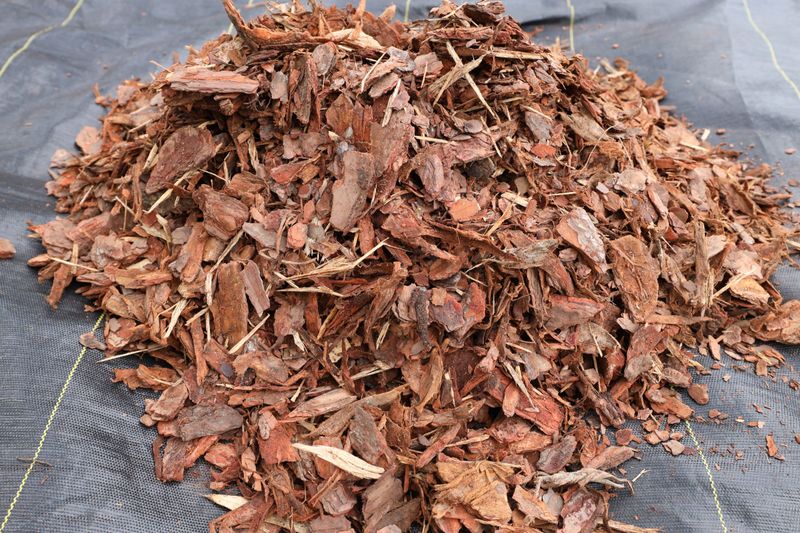
Large pine bark nuggets, on the other hand, are chunky and dense enough to stay put when the sky opens up.
Pine bark nuggets are cut from the outer bark of pine trees and come in sizes ranging from small chips to pieces as big as your fist.
The larger the nugget, the harder it is for moving water to carry it away. Gardeners in Florida have used pine bark for decades because it handles heat, humidity, and heavy rain better than most other mulch options on the market.
Beyond weight, pine bark nuggets interlock loosely with each other, creating a surface that slows water flow rather than riding along with it.
That rough, uneven texture breaks up the energy of falling rain before it ever reaches your soil.
Pine bark nuggets also break down slowly, so you do not have to replace them as often as finer mulches.
They improve soil drainage over time and add a rich, natural look to any Florida landscape.
For beds near slopes, driveways, or lawn edges where washout is a real problem, upgrading to large pine bark nuggets is one of the smartest first moves you can make before storm season starts.
2. Keep Mulch Layers Shallow
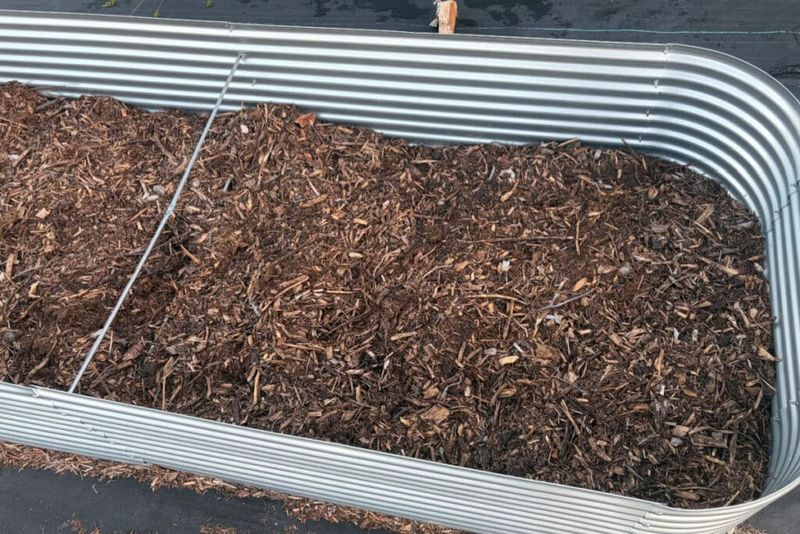
Piling mulch high might feel like you are giving your plants extra protection, but thick layers cause more problems than they solve during Florida storms.
A deep mulch pile acts like a sponge that eventually lifts off in one heavy sheet when water builds up underneath it. Shallow layers stay closer to the soil and have less surface area for water to grab.
The sweet spot for Florida gardens is two to three inches of mulch.
Your Florida Garden Changes Every Week. Your Plan Should Too.
Gardening in Florida changes quickly throughout the season. Every Friday you’ll receive a simple weekly plan showing exactly what to plant, prune, fertilize, harvest, and protect so you never miss the right timing.
That depth is enough to hold moisture, regulate soil temperature, and block weeds without creating a thick mat that floats away. Anything over four inches starts working against you when rain comes down hard and fast.
Keeping layers thin also helps air reach your plant roots and prevents the soggy, suffocating conditions that lead to root rot, which is already a concern in Florida’s wet climate.
Thin layers dry out faster between storms, reducing the chance of fungal problems too.
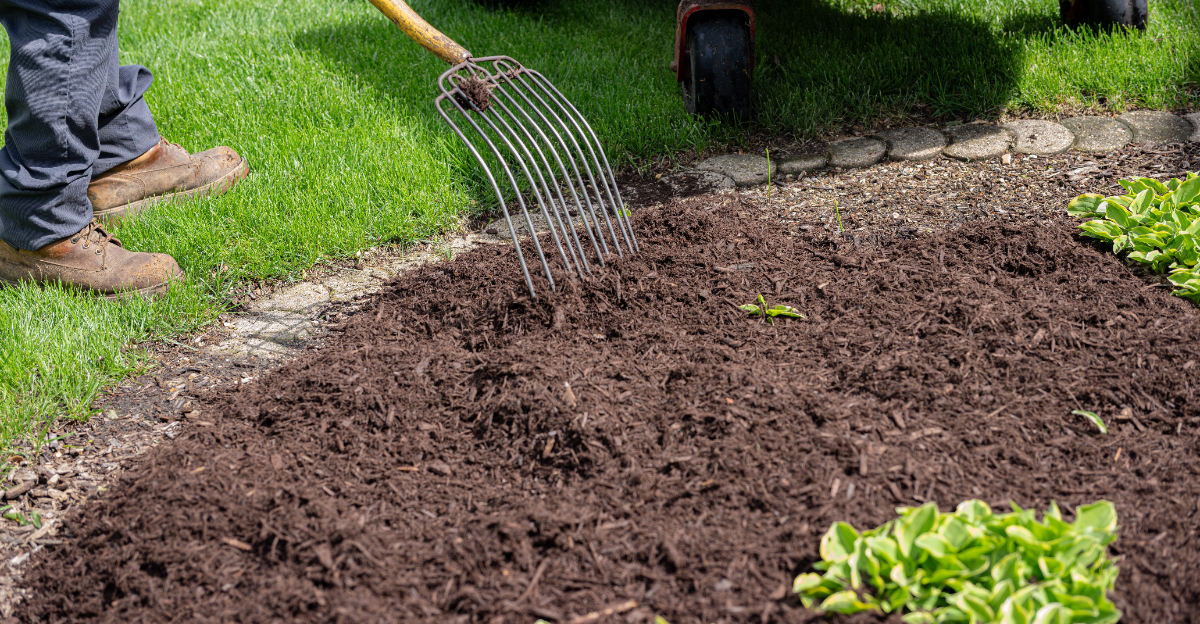
When you apply mulch, use a rake to spread it evenly and pull it slightly away from plant stems and tree trunks.
A thick ring of mulch pressed against a trunk holds moisture in the wrong place and can damage bark over time. Shallow, even coverage is the goal every time you mulch.
You will use less material, save money, and still give your garden beds all the protection they need through even the stormiest Florida summer.
3. Add Edging Before Storm Season
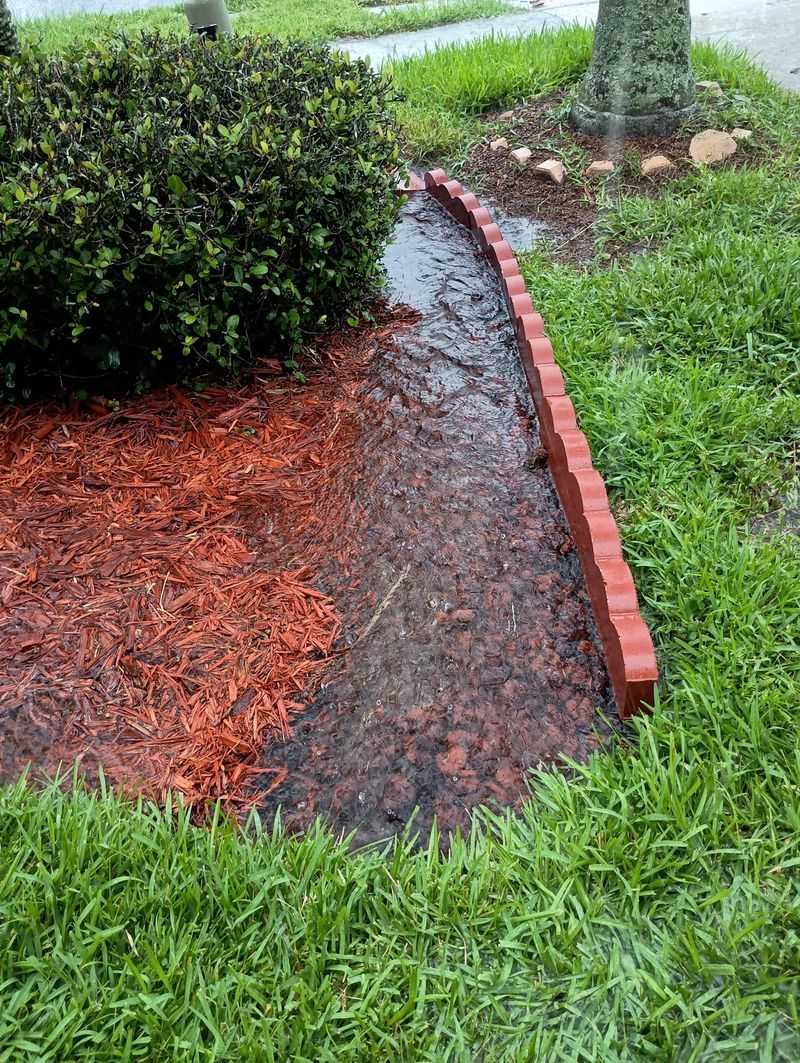
Garden edging is like a seatbelt for your mulch. It creates a physical barrier that holds mulch inside the bed even when water rushes through at full speed.
Installing edging before Florida’s summer storm season begins is one of the most effective steps you can take to protect your landscaping investment all year long.
Edging comes in many forms, including metal, plastic, rubber, brick, and natural stone.
Metal and thick rubber edging tend to perform best in Florida because they hold their shape in heat and do not crack or warp over rainy seasons.
Brick and stone edging adds a decorative look while still doing the heavy lifting of keeping mulch contained.
The key is getting that edging in the ground before June, when Florida’s rainy season officially kicks off.
Edging that sits at least three to four inches above the soil surface creates enough of a wall to stop most mulch from riding out with runoff.
Lower edging might look tidy on a dry day but barely slows things down when a real storm hits.
Secure edging firmly into the ground so it does not shift when soil gets saturated. Loose edging can actually make things worse by creating gaps where mulch funnels out in concentrated streams.
Walk your garden beds after each major storm to check for any sections that have shifted or sunk. A quick reset takes only minutes and keeps your beds looking sharp all season.
4. Build Low Berms Around Beds
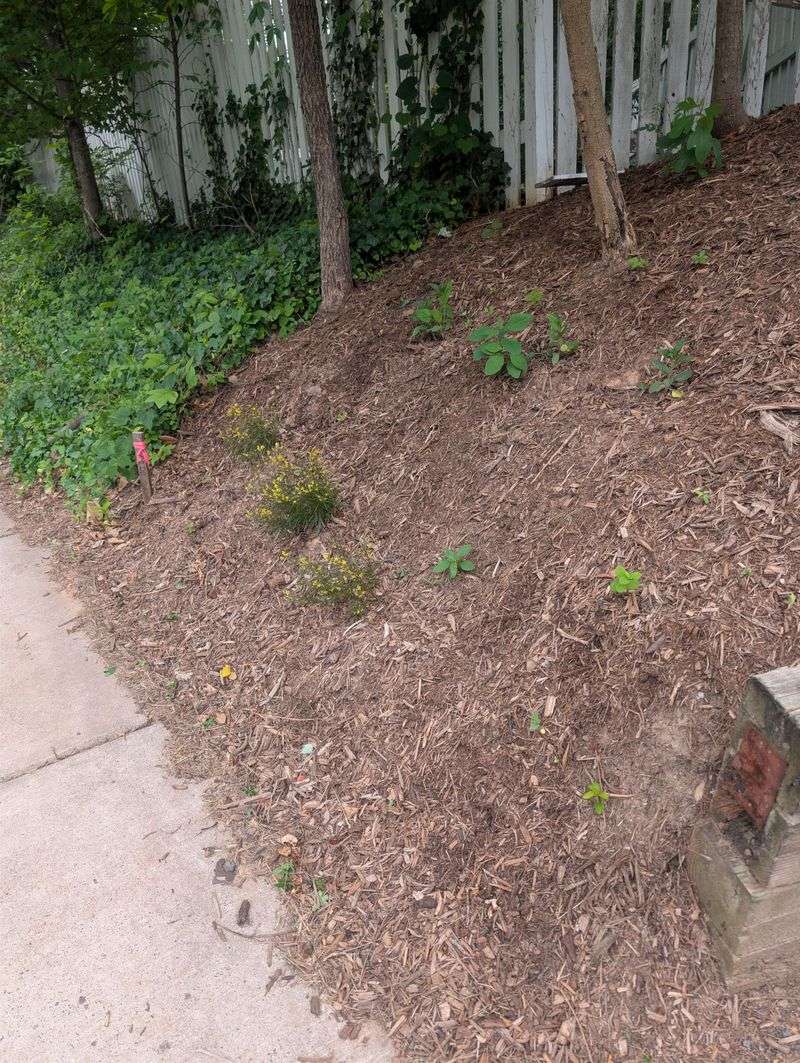
Water always finds the path of least resistance, and without anything to slow it down, that path runs straight through your mulched garden beds.
Building low berms, which are small raised ridges of soil along the edges of your beds, gives runoff water a reason to slow down and spread out instead of rushing through and carrying mulch with it.
A berm does not need to be dramatic to be effective.
A ridge just three to five inches tall along the downhill side of a garden bed can make a huge difference during a Florida downpour.
The berm acts like a tiny dam, holding mulch inside the bed while letting water gradually seep into the soil rather than run off all at once.
Berms are essentially free if you use soil from your own yard, making them one of the most budget-friendly mulch retention tricks available.
You can shape them with a flat spade or garden hoe in under an hour. For larger beds, combine berms with edging for double protection that handles even the most aggressive summer storms Florida can throw at you.
Plant low ground covers or ornamental grasses on top of berms to hold the soil in place and prevent the berm itself from eroding.
Once established, a planted berm becomes a permanent, low-maintenance feature that protects your beds season after season. Your neighbors might even ask how you keep your garden looking so tidy after every storm rolls through.
5. Level Sloped Beds Before Mulching
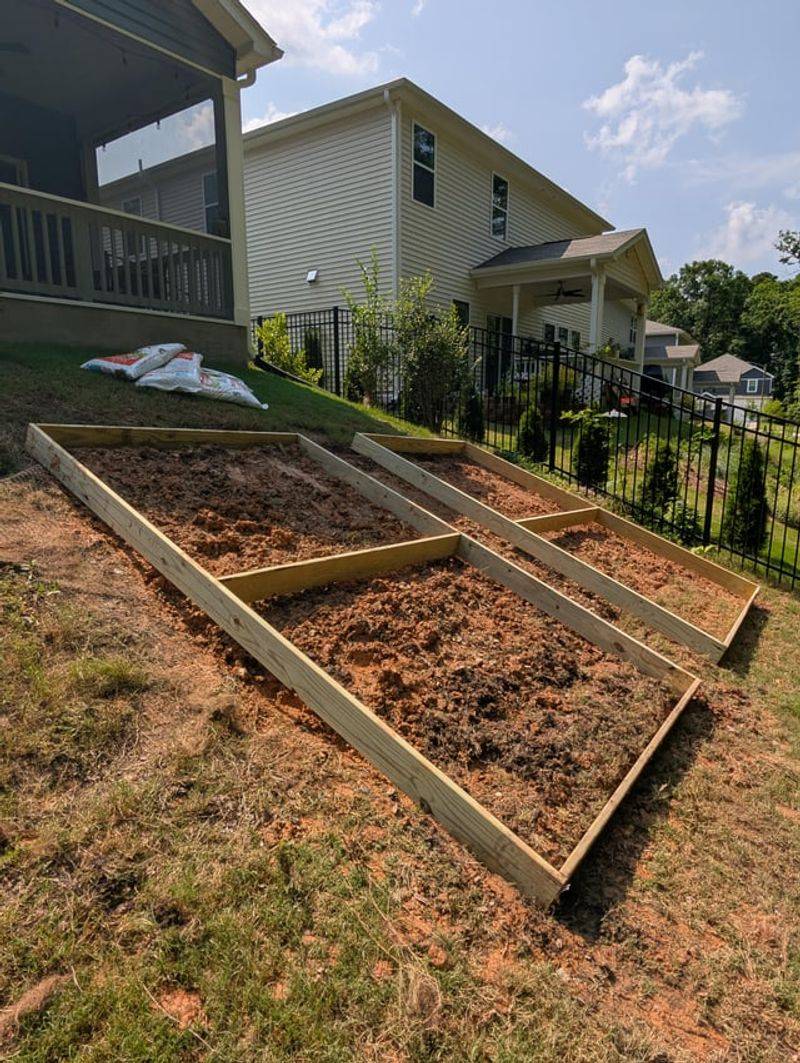
Slope is mulch’s worst enemy in Florida.
The steeper the angle of your garden bed, the faster water accelerates across it, and the more mulch it takes along for the ride.
Leveling or terracing sloped beds before you spread any mulch is one of the most overlooked but highly effective ways to stop washout before it starts.
Even a gentle slope can become a problem during Florida’s intense summer storms, where an inch of rain can fall in less than thirty minutes.
On a flat bed, that water spreads evenly and soaks in. On a sloped bed, it channels into streams that carve paths right through your mulch and carry it down to the lowest point in your yard.
Correcting slope does not always require major earthmoving.
Sometimes all it takes is adding a few inches of soil to the low end of a bed, raking it level, and tamping it down firmly before mulching.
For steeper slopes, simple terracing with landscape timbers or stacked stone creates flat planting areas that hold mulch naturally.
After leveling, let the soil settle for a few days before applying mulch.
Freshly loosened soil is more likely to shift during the first rain, which can create new low spots. Water the bed lightly to help it settle, then check for dips and fill them in before you spread your mulch.
A level bed paired with the right mulch type gives you the best possible defense against Florida’s relentless summer rains.
6. Anchor Bare Spots With Ground Covers
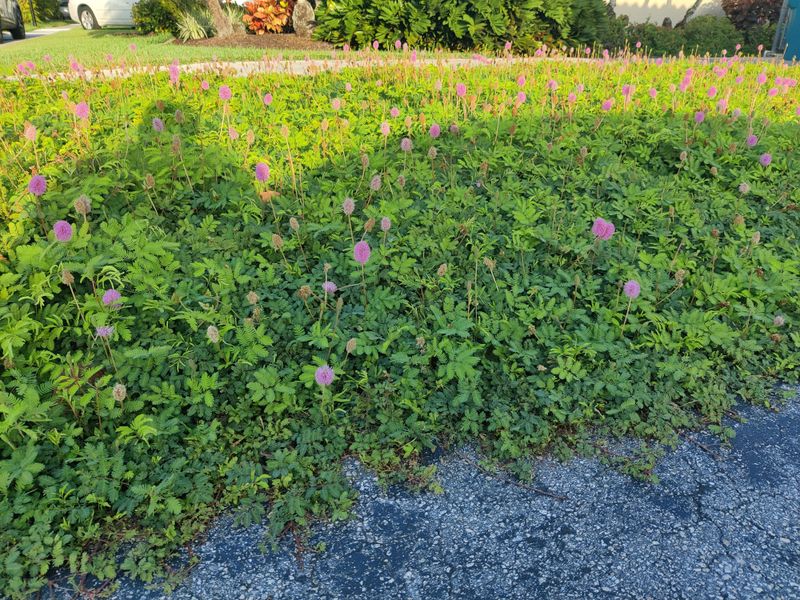
Bare soil in a Florida garden bed is an open invitation for trouble.
When mulch washes away from a spot and nothing is growing there, the next rain hits exposed soil directly, splashes it outward, and creates a cycle of erosion that gets worse with every storm.
Ground covers break that cycle by holding both soil and mulch in place with their roots and foliage.
Florida-friendly ground covers like Asiatic jasmine, sunshine mimosa, and railroad vine spread quickly and create a dense mat that stabilizes soil across wide areas.
Their root systems grip the ground firmly, and their low leafy growth slows the impact of raindrops before they can disturb the soil surface beneath. Ground covers do the anchoring work so your mulch does not have to do it alone.
Planting ground covers in trouble spots also reduces the amount of bare mulch you need to maintain over time.
As plants fill in, you need less mulch to cover the area, and the plants themselves help retain soil moisture and block weeds just as effectively as mulch alone.
Choose ground covers that match your light and moisture conditions.
Shady spots under trees do well with cast iron plant or wild ginger, while sunny open beds thrive with sunshine mimosa or perennial peanut.
Once established, most Florida ground covers handle heat, drought, and heavy rain with ease, making them a smart long-term investment for any garden bed prone to washout.
7. Keep Drainage Paths Open
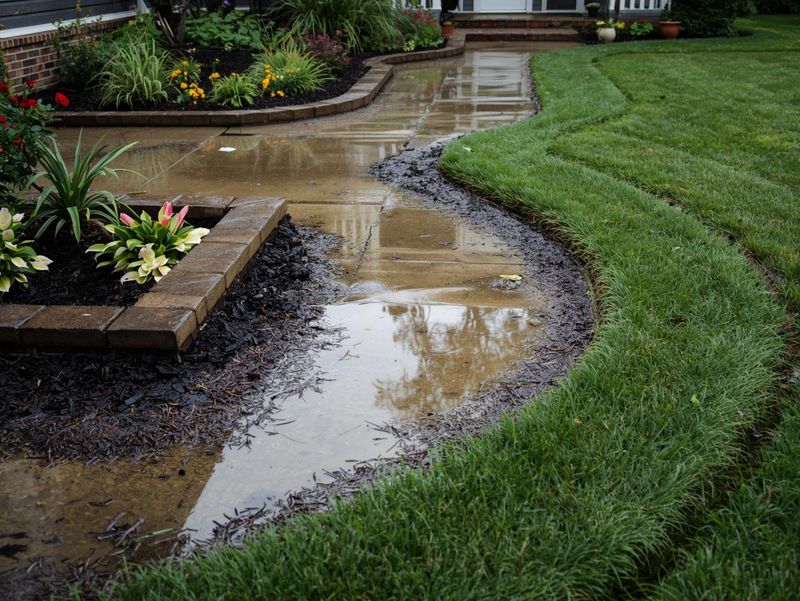
Mulch and clogged drains are a bad combination in Florida, and it happens more often than most gardeners expect.
When mulch floats into drainage paths, swales, or storm drain openings, it blocks the flow of water and creates backup that floods plant beds, lawns, and sometimes even driveways.
Keeping those drainage paths clear is just as important as keeping mulch in your beds.
Walk your property before storm season and identify every spot where water naturally flows out of your yard.
These include swales along the street, drainage pipes, low spots near fences, and any areas where water pools after a rain. Make sure mulch beds near those areas have solid edging and are not placed directly on top of drainage flow paths.
During storm season, check drainage openings after every major rain event.
If mulch has floated into a drain or swale, remove it right away before the next storm arrives and compounds the problem. A simple garden rake and a few minutes of cleanup can prevent serious flooding issues down the line.
Keep a gap of at least six inches between the edge of any mulched bed and a drainage opening.
That buffer zone gives water a clear path to move without pulling mulch along with it. In areas where mulch consistently migrates toward a drain, consider replacing it with river rock or gravel in that specific zone.
Gravel stays put far better than organic mulch and still looks clean and intentional in your landscape.
8. Refresh Washout Areas After Rain
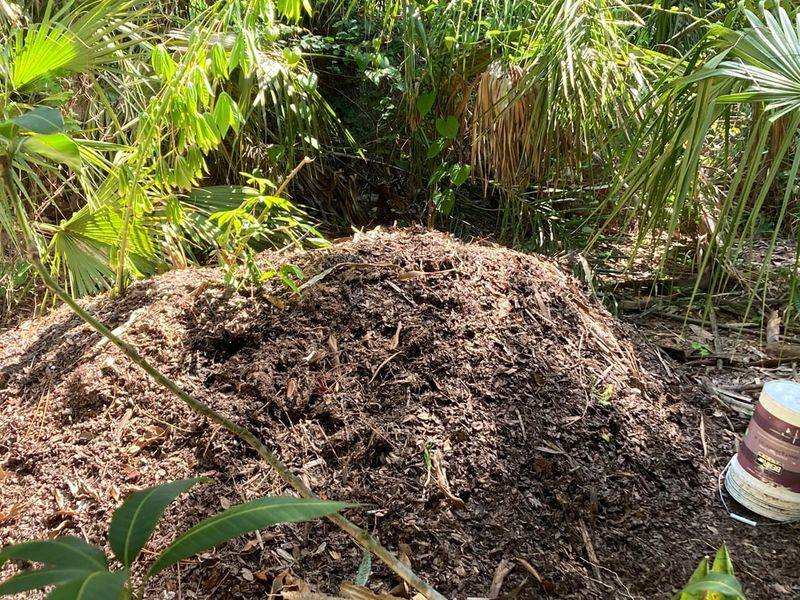
After a big Florida storm passes, the real work begins.
Walking your garden beds within a day of heavy rain lets you spot exactly where washout happened, rake mulch back into place, and identify the repeat trouble spots that need a more permanent fix.
Post-storm cleanup protects your soil and plants from drying out or eroding further before the next storm hits.
Start by raking scattered mulch back toward the beds it came from.
Most of the time, mulch does not travel far and can be recovered from lawn edges, sidewalks, or low spots in the yard.
A flexible leaf rake works well for gathering loose mulch without damaging nearby plants. Once back in place, spread it evenly and check that depth is still in that two to three inch range.
Pay close attention to areas where mulch washes out repeatedly after every storm.
Those spots are telling you something specific: the slope is too steep, the edging is missing or weak, drainage is blocked, or the mulch type is too light for that location.
Mark those spots and address them before the next rain with one of the strategies covered in this article.
Keeping a small stockpile of extra mulch on hand makes post-storm refreshing quick and easy. Even a single bag or two stored in a dry spot gives you what you need to patch bare areas fast.
A little post-storm attention goes a long way toward keeping your Florida garden beds healthy, tidy, and ready for whatever the sky sends next.