How Florida Homeowners Keep Armadillos From Turning Yards Into Digging Zones
Wake up to a lawn that looks like it lost a fight with a rototiller, and you already know who ran the night shift.
Armadillos don’t dig for fun. Your yard has something they want, and Florida lawns stock it by the plateful.
Chase one off tonight and a cousin shows up tomorrow, because the menu never changed.
Most quick fixes online go after the animal and skip the reason. That’s why the holes keep coming back, week after week, no matter how many traps you rent.
The real fix starts with the buffet, not the bandit. Change what’s on offer and the night crew moves on to the next street.
1. Armadillos Dig For Insects And Earthworms
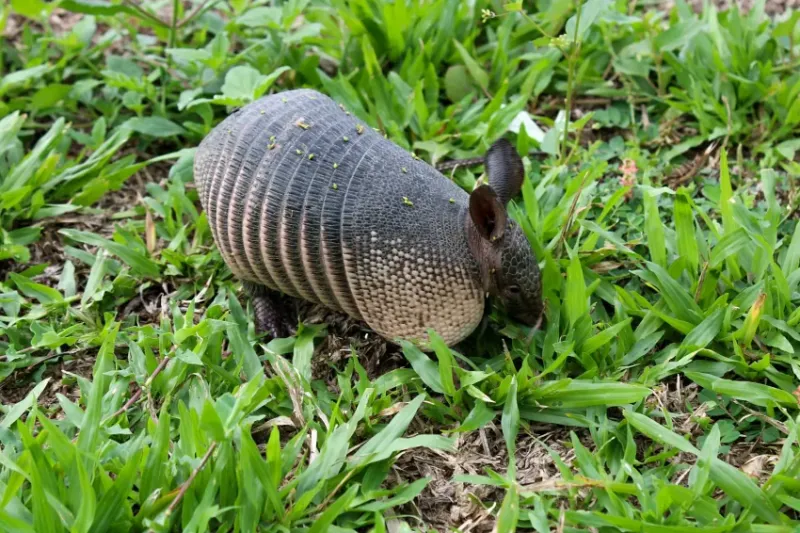
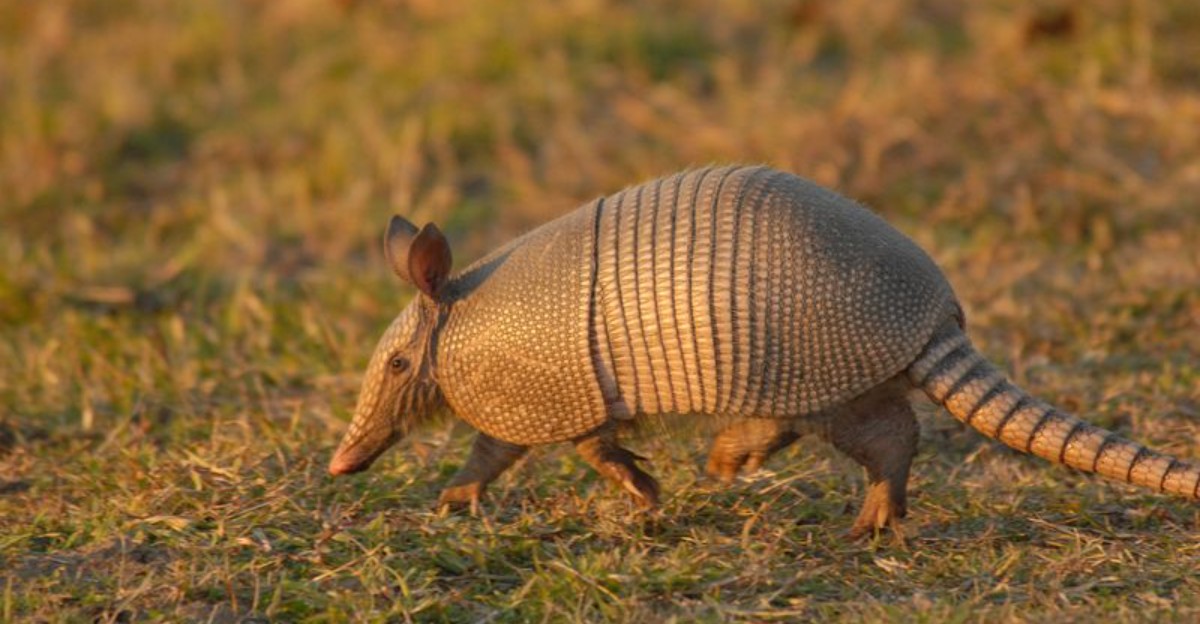
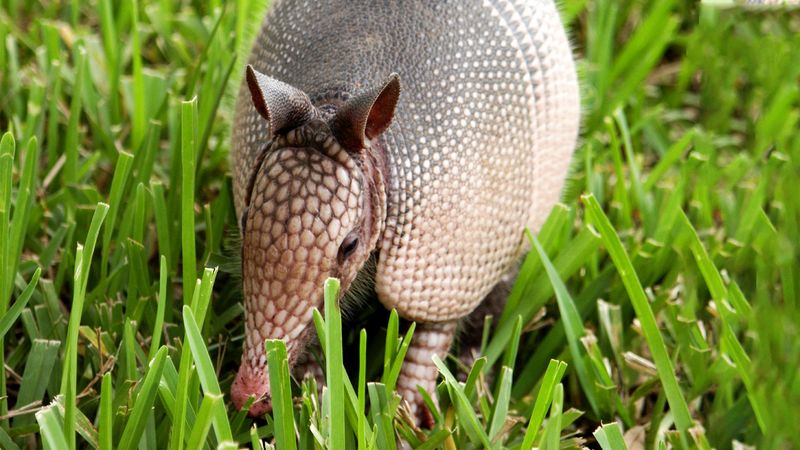
Picture a tiny tank with a nose like a vacuum cleaner. That is the nine-banded armadillo, and its snout can sniff out a grub buried several inches deep.
These diggers are not after your flowers or your grass roots. They want the insects, larvae, grubs, and earthworms living in the soil below.
Florida lawns make a tasty buffet for them. Moist soil, heavy watering, and thick turf pull worms and larvae close to the surface.
Soft, damp ground is also easy to dig. That means less work and a bigger reward for a hungry animal on the night shift.
A single armadillo can leave dozens of holes behind before sunrise. The holes are usually small cone shapes, about one to three inches deep and three to five inches wide.
Spotting that pattern helps you tell armadillo work from other critters. Moles leave raised tunnels, while armadillos leave neat little craters scattered across the yard.
Fun fact: armadillos have poor eyesight but a sharp sense of smell. They often bump into things while foraging because their noses are doing most of the steering.
Once you know what they crave, the rest of this plan makes sense. Take away the snacks or block the path, and the digging slows down.
2. Cut Back On Watering And Fertilizing
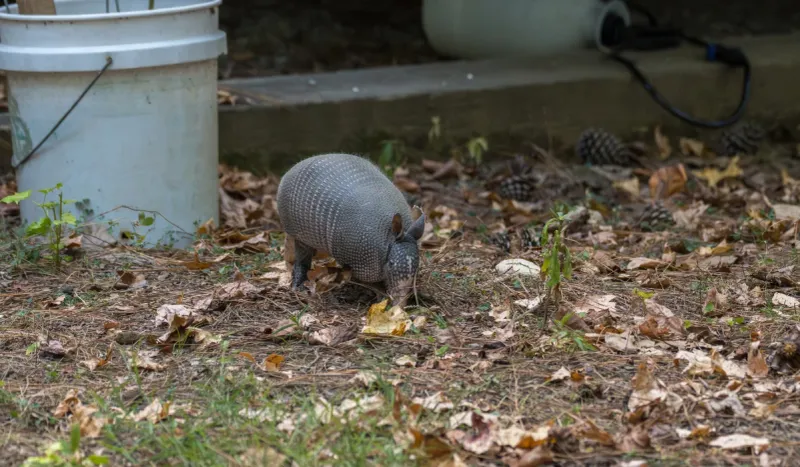
Here is a twist that might surprise you. A lush, soggy, perfectly fed lawn is basically a neon sign that says free dinner.
Wet soil and rich growth invite earthworms and insect larvae to party near the surface. Armadillos follow the food, so a thriving worm crowd brings them right to your door.
Easing up on the hose changes the menu. Drier soil pushes worms and grubs deeper, where digging takes more effort and pays off less.
Start by checking your sprinkler timer. Many yards get watered far more than the grass needs, especially during the rainy season.
Try watering deeply but less often. Your grass grows stronger roots, and the top layer of soil gets a chance to dry out between soaks.
Fertilizer deserves a second look, too. Heavy feeding creates thick, spongy turf that holds moisture and shelters lots of bugs.
Follow your county fertilizer rules and use only what your lawn needs. Some counties even limit fertilizing during summer months to protect local waters.
Your Florida Garden Changes Every Week. Your Plan Should Too.
Gardening in Florida changes quickly throughout the season. Every Friday you’ll receive a simple weekly plan showing exactly what to plant, prune, fertilize, harvest, and protect so you never miss the right timing.
You may notice a small trade-off in lawn color at first. A slightly less glossy yard is a fair price for fewer craters every morning.
Bonus perk: your water bill shrinks. Saving money while frustrating a hungry digger feels like a double win.
3. Water A Spot Away From Your Beds
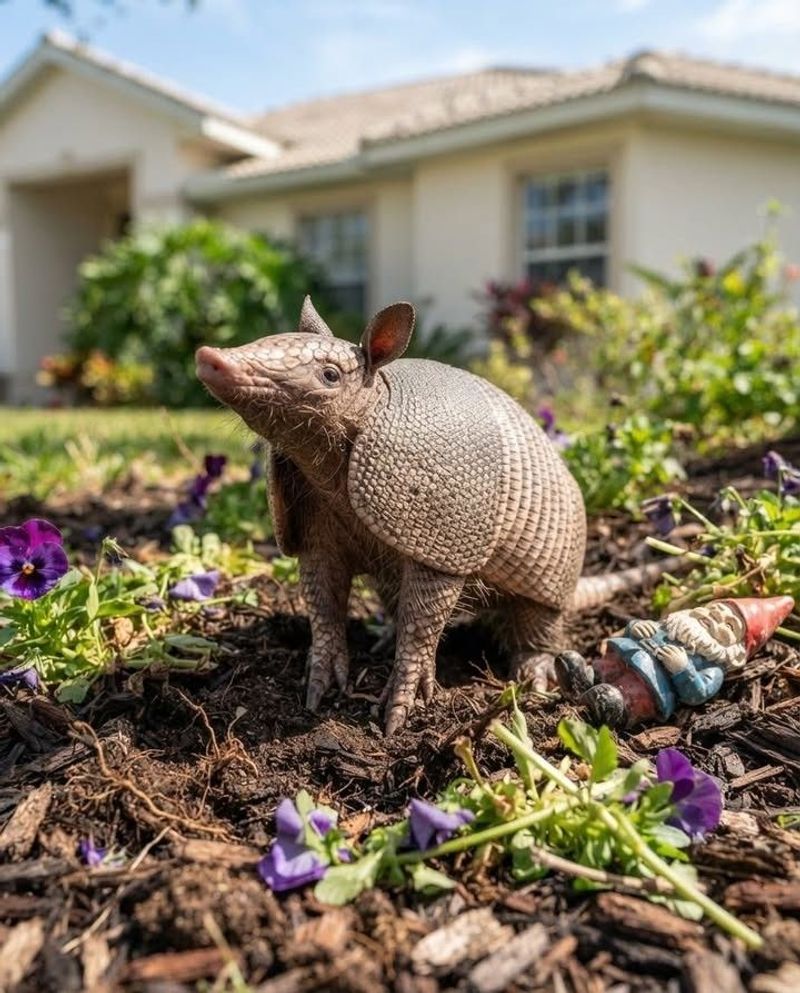
Think of it as setting up a decoy snack bar. If armadillos are going to dig somewhere, you might as well choose the spot for them.
Pick a corner of the yard that you care less about. A back patch near the fence or behind the shed works well.
Give that area a regular drink while keeping your flower beds on the drier side. Worms and larvae gather where the soil stays moist, and armadillos tend to follow them.
The goal is to pull digging away from your prized plants. A few holes in a forgotten corner beat a ruined row of begonias any day.
Timing matters a lot here. Water your gardens in the morning instead of the evening.
Morning watering lets the sun dry the top layer during the day. By nightfall, when armadillos wake up and go hunting, the soil is firmer and less tempting.
Evening watering does the opposite. It leaves soft, damp ground waiting for a hungry visitor at midnight.
A simple hose timer can handle this trick for you. Set it for early hours and let the schedule do the work.
Keep an eye on results for a couple of weeks. If digging shifts to the decoy zone, you know the plan is working.
4. Fence Prized Beds With Buried, Slanted Wire
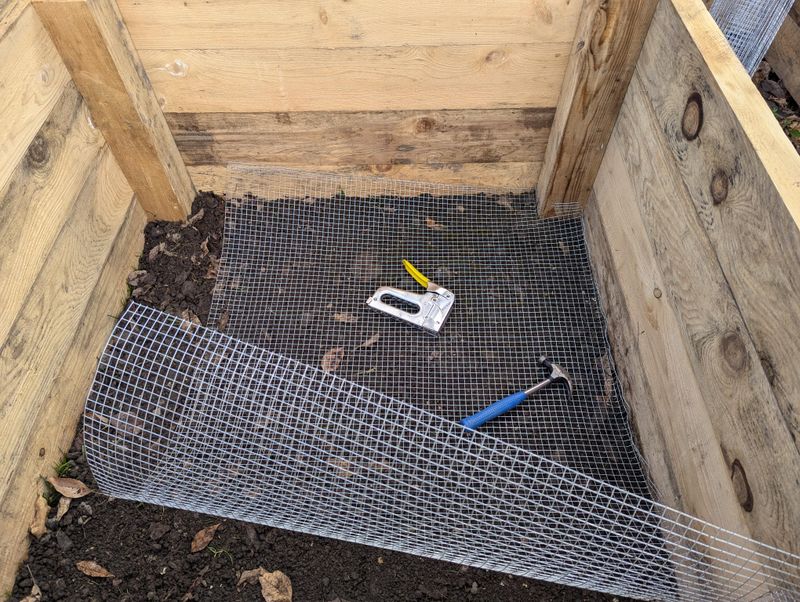
Armadillos are excellent diggers and surprisingly decent climbers. A flimsy little border fence will not slow them down for long.
Experts at the University of Florida IFAS suggest a sturdy fence at least 24 inches tall above ground. That height helps stop armadillos from scrambling over the top.
The real secret is what happens below the surface. The fence material should go at least 18 inches into the ground.
Angle that buried section outward, away from the garden bed. This slanted apron is what makes the whole setup work.
When an armadillo starts digging at the fence line, it hits wire. Instead of finding a way under, it keeps bumping into the barrier and usually gives up.
Choose strong welded wire or galvanized mesh for the job. Thin material can bend or tear under those powerful claws.
Installing a fence like this takes a weekend and some sweat. Dig a trench, set your posts, and shape the wire before backfilling with soil.
Save this method for the spots you value most. Vegetable gardens, rose beds, and new plantings are great candidates.
Once built, a good fence lasts for years. You plant once, and your veggies get to grow up in peace.
5. Lay Chicken Wire Along Patios And Foundations
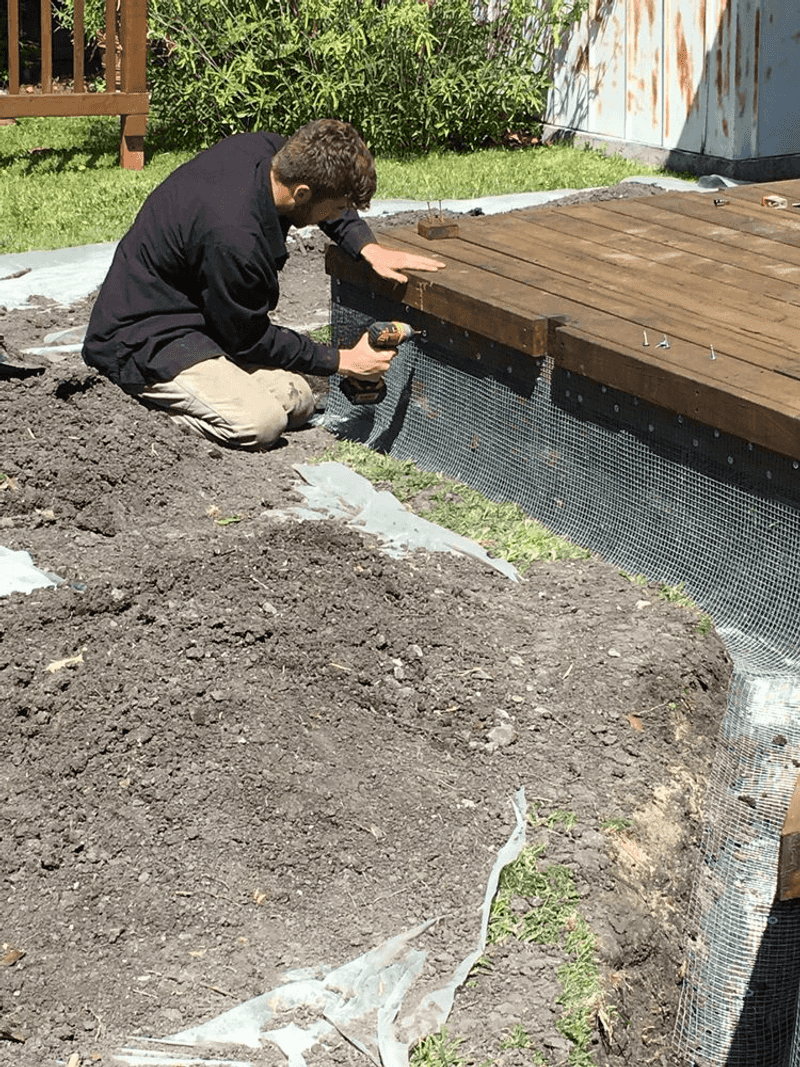
Chicken wire sounds like the easy answer, and plenty of folks grab it first. Sadly, armadillo claws can push it aside or rip right through it.
Wildlife pros suggest an upgrade for patios and foundations. Galvanized wire mesh or hardware cloth with 1×1 or 2×2 inch openings holds up much better.
Why protect these areas at all? Armadillos love to burrow under slabs, decks, and AC pads, and that tunneling can weaken the ground beneath them.
Bury your mesh deep along the edge of the structure. Then bend the bottom outward so it forms an underground skirt.
That skirt works like the fence trick in your garden. A digging armadillo hits metal and has nowhere to go.
Look closely at gaps under porches, sheds, and crawl spaces. These shady pockets make cozy hideouts, and armadillos are happy to move in.
Seal those openings with the same sturdy mesh. Fasten it tightly with landscape staples or screws so nothing can wiggle loose.
Do a quick check before sealing anything shut. You want to be sure no animal is still inside the space.
A little extra money on stronger wire saves headaches later. Your foundation and your patio pavers will thank you.
6. Set Traps Near Burrow Entrances
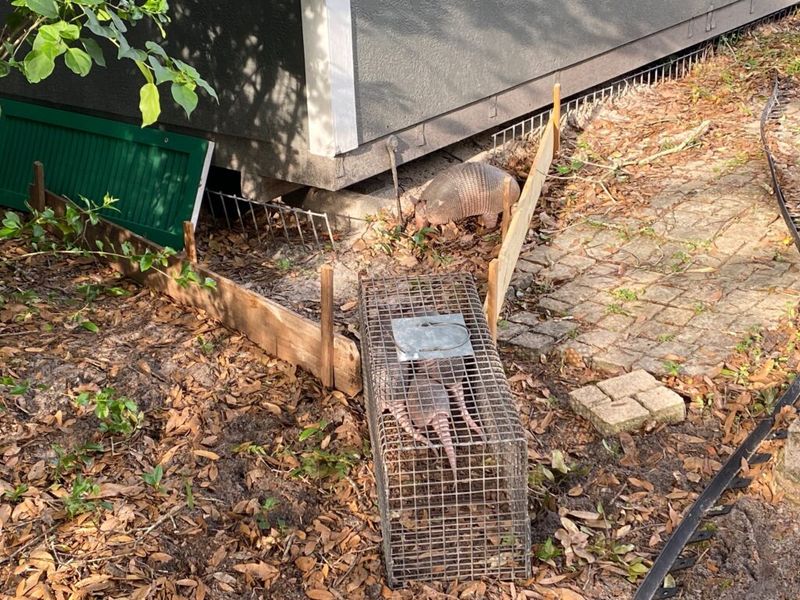
Ever tried to tempt a picky eater with dessert? Armadillos are a bit like that, because classic baits that lure raccoons do not interest them much.
Location matters more than snacks with these animals. Put a live cage trap near the entrance of an active burrow.
Walls and building edges are also smart spots. Armadillos like to travel along the sides of houses and sheds while they forage.
If you want to add bait, a few choices can help. Pond worms, wigglers, red worms, crickets, or over-ripe fruit are popular picks.
Here is a sneaky tip from trappers. Cover the wire floor of the trap with leaf litter or loose soil.
That natural carpet makes the trap feel like regular ground. An armadillo is more likely to stroll inside when its feet are not touching bare metal.
Check your trap often, especially early each morning. Armadillos move around at night, so the morning check is when you will usually find a visitor.
Wear thick gloves when handling the cage. A stressed armadillo can kick and scratch with surprising strength.
Not comfortable trapping on your own? A licensed Florida wildlife trapper can handle the job safely and follow state rules.
7. Add Boards To Funnel Them Into Traps
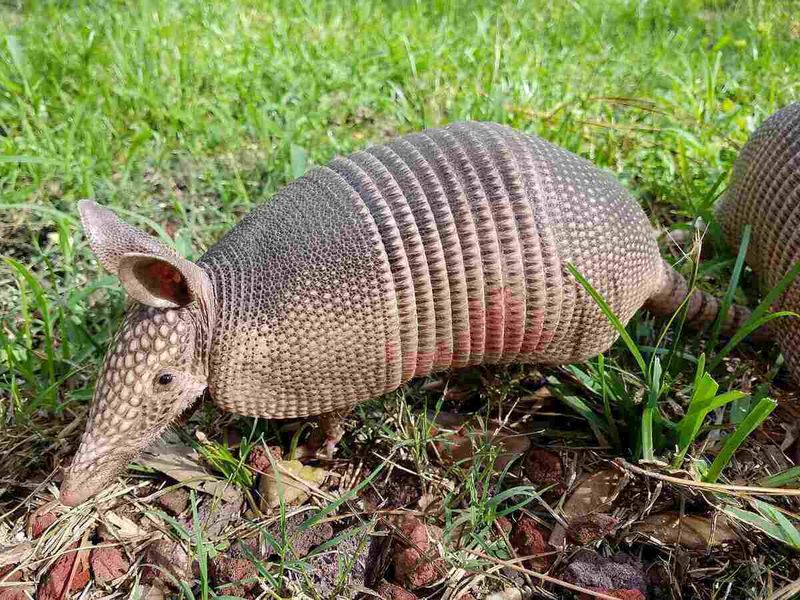
Armadillos are creatures of habit, a little like commuters on the same highway every day. They follow familiar paths, fences, and walls as they wander.
You can use that habit to your advantage. Low guide fences or simple boards can steer an armadillo straight into your trap.
Set two boards on their edges in a V shape. The wide end faces the area where the animal travels, and the narrow end leads to the trap door.
As the armadillo shuffles along, it bumps into a board. Instead of climbing over, it usually follows the edge right into the cage.
Old fence pickets, scrap lumber, or garden edging all work well. Each board should be about six inches tall and a few feet long.
Secure the boards with stakes or bricks so they stay put overnight. A wobbly guide can fall over and ruin the setup.
Place the whole V along a known travel route. Fresh holes, scratch marks, and burrow openings are good clues.
This trick can boost your chances of a quick catch. Trappers have used it for years because it works with the animal’s nature instead of against it.
Patience still helps here. Give the setup a few nights before moving anything.
8. Releasing Them Just Anywhere Is Illegal In Florida
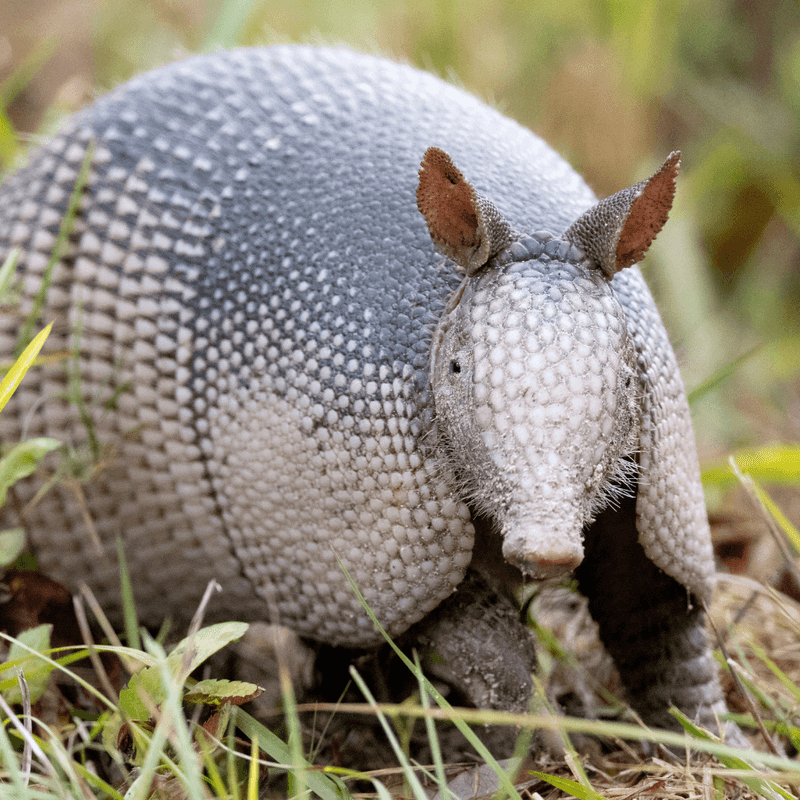
So you caught one, and your first thought is a scenic drive to the woods. Hold that idea, because Florida law says no to most off-site releases.
Armadillos arrived in the state partly on their own, and the Florida Fish and Wildlife Conservation Commission, known as FWC, considers them naturalized. FWC still has clear rules about what to do with one you trap.
Under FWC rule 68A-9.010, a captured nuisance armadillo must be released on the same property where it was caught. The other legal option is humane euthanasia within 24 hours of capture or trap check.
Moving one somewhere else is tightly limited. The release site must be at least 40 connected acres in the same county.
You also need written permission from that landowner. Without all of that, dropping an armadillo at a park or patch of woods breaks the law.
There is a wildlife reason behind the rule, too. Animals dropped into strange territory often struggle to find food, shelter, and safety.
Many homeowners find it easier to hire a licensed trapper. These pros know the rules and can handle a captured animal properly.
Pair any trapping with fences and mesh barriers. That way, a new armadillo will not simply move into the empty spot next month.
9. Skip Poison Baits And Repellents
Mothballs, cayenne pepper, castor oil, predator urine. The internet is full of home remedies, and sadly, armadillos seem to shrug at nearly all of them.
No chemical repellent is officially registered or proven to work well on armadillos in the state. Tests on popular remedies have shown little to no effect.
Worse, many of these products can cause harm. Mothballs and poisons can sicken pets, birds, frogs, and even curious kids.
Think about who else visits your yard at night. Your dog, a neighbor’s cat, or a gopher tortoise could find that bait first.
Spreading chemicals can also soak into soil and wash into ponds. Waterways have enough troubles without extra toxins running into them.
The University of Florida IFAS extension puts it plainly. Trapping and exclusion are the methods with real, documented success for armadillo control.
Spend your money on sturdy wire, a good trap, or a licensed pro instead. Those choices actually move the needle.
Smart watering and less fertilizer round out the plan. Together, these steps make your yard a dull place for a hungry digger.
Your lawn can bounce back quickly once the craters stop appearing. Soon your morning coffee will come with a smooth green view again.