The Florida Wildlife Most Likely To Show Up Around Homes After A September Storm
Storms rearrange more than just your yard debris, and Florida wildlife tends to show up on your property right after the wind slows down.
Flooding and heavy wind push animals out of their usual territory, and displaced wildlife often ends up somewhere closer to your house than you’d expect.
Certain species show up more reliably than others after a storm, drawn in by disrupted food sources and damaged shelter that used to keep them elsewhere.
Most homeowners don’t think to watch for this in the days after a storm passes, focused instead on cleanup and repairs while wildlife quietly moves into the gaps.
Keep an eye on your property for a few days after the next storm rolls through. What shows up might surprise you more than the damage itself.
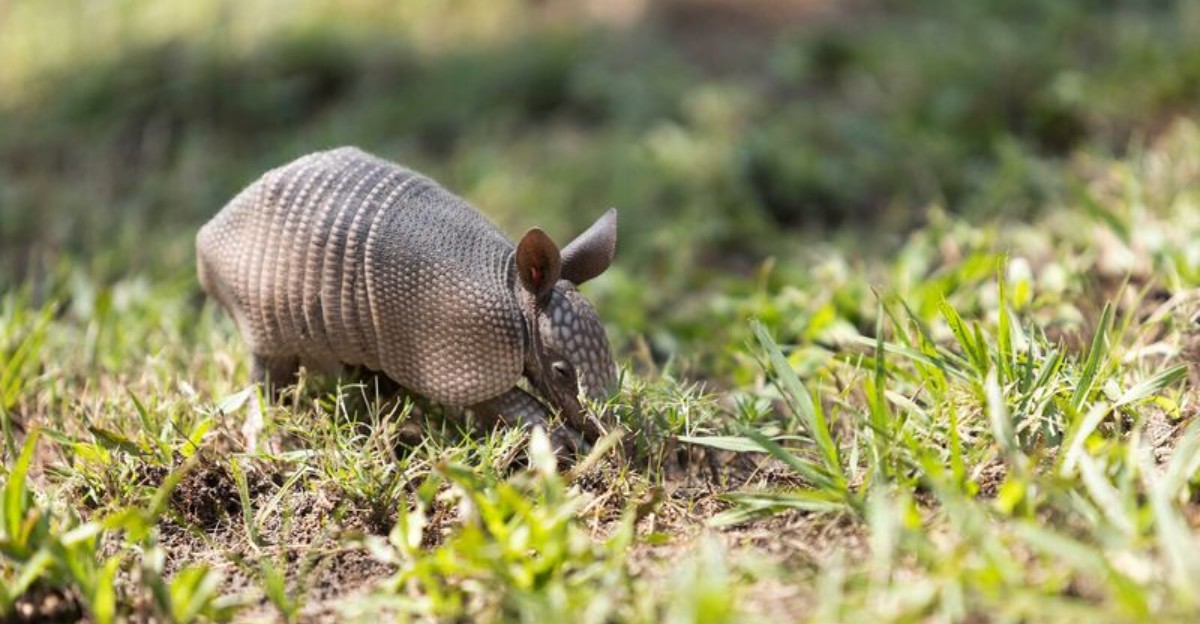
1. Armadillos Move Into Yards Looking For Easy Meals
Picture waking up to a lawn that looks like someone played golf with a spoon overnight. Small, cone-shaped holes dot the grass, and the culprit is long gone by sunrise.
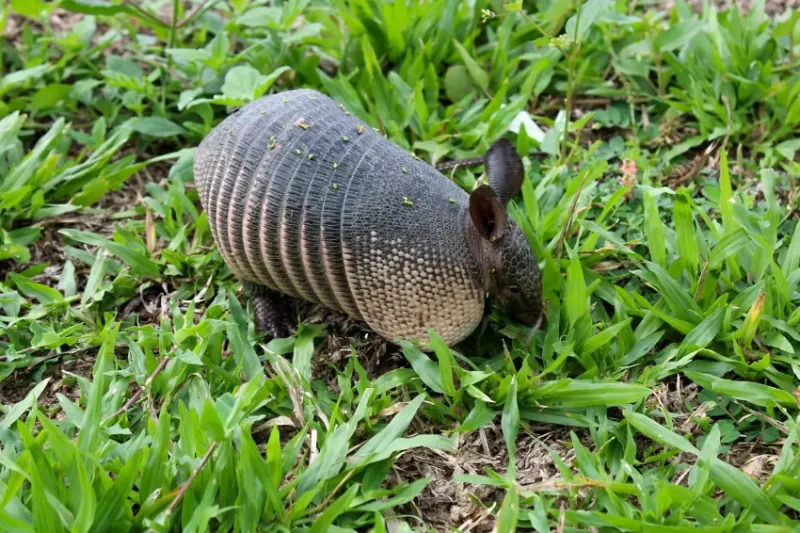
Armadillos are night workers, and soft ground after a storm is their dream job. Wet soil makes it easy to sniff out grubs, beetles, worms, and other tiny critters hiding below the surface.
Their feeding holes are usually one to three inches deep and three to five inches wide. You may spot them in flower beds, along sidewalks, and near the edges of your home.
A bigger hole, about seven or eight inches across, is a different story. That often means an armadillo has moved in, especially near foundations, sheds, or thick bushes.
Fun fact: the nine-banded armadillo almost always gives birth to four identical babies at once. Nature likes matching sets, apparently.
To send them elsewhere, try cutting back on extra lawn watering after storms, since damp soil keeps the buffet open. Treating grub problems can also make your yard less tasty.
A sturdy fence about two feet high and buried 18 inches underground helps protect gardens. Filling empty burrows after the animal leaves also keeps new tenants from settling in.
2. Raccoons Search For Food After Heavy Storms
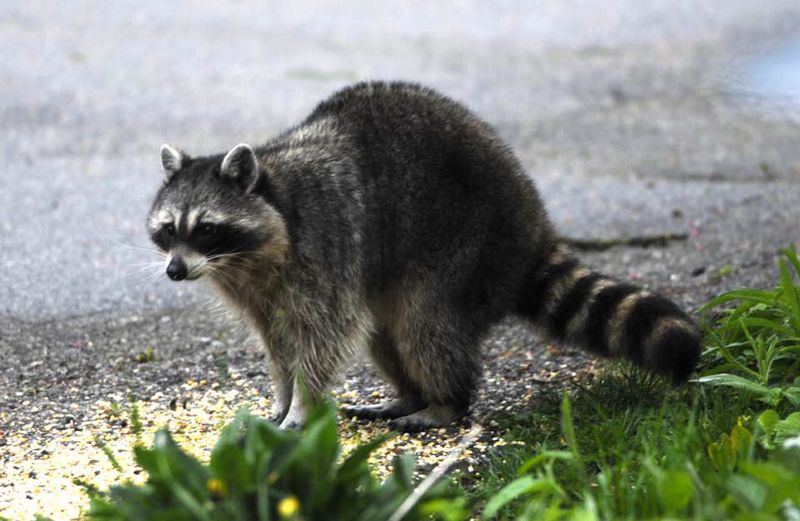
Masked, clever, and bold enough to open a cooler, raccoons treat storm cleanup like a neighborhood garage sale. When floods wash out their usual hunting spots, they go looking for something easier.
These furry bandits eat just about anything. Insects, fruit, crayfish, crabs, small animals, and vegetables all make the menu.
After a storm, your yard can look like an open kitchen. Pet bowls left outside, loose trash bags, and fruit knocked down by wind are all easy wins for a hungry raccoon.
Their little hands are surprisingly skilled. Raccoons can pry open lids, twist latches, and even work some door handles with enough practice.
They are also excellent climbers. An opening only about four inches wide can let one squeeze into an attic or crawl space, which is the last surprise anyone wants during cleanup.
Start by bringing pet food indoors at night and using trash cans with locking lids or bungee cords. Pick up fallen fruit as soon as it is safe to go outside.
Your Florida Garden Changes Every Week. Your Plan Should Too.
Gardening in Florida changes quickly throughout the season. Every Friday you’ll receive a simple weekly plan showing exactly what to plant, prune, fertilize, harvest, and protect so you never miss the right timing.
Walk around your house and look for storm damage near the roof, vents, and soffits. Patching those gaps quickly keeps a curious raccoon from turning your attic into its new apartment.
3. Snakes Follow Frogs And Rodents Into Wetter Areas
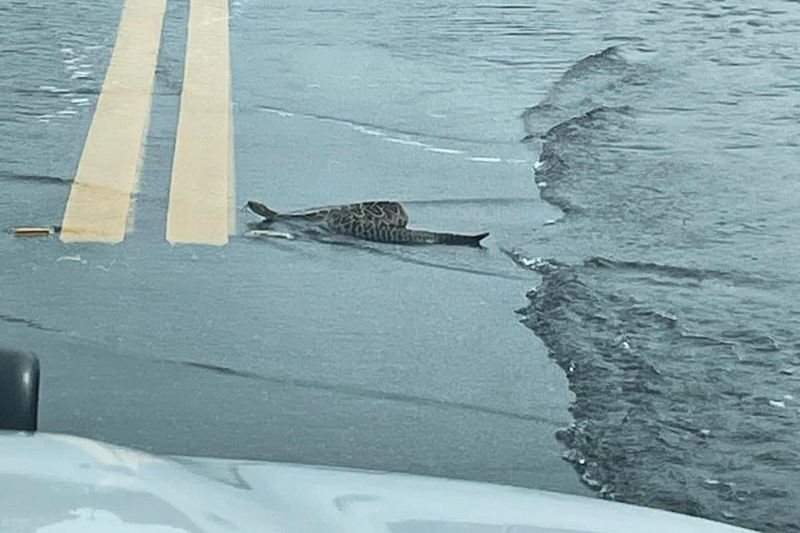
Here is a calming truth to start with: most snakes you meet in Florida are not venomous. Most of them would rather slip away than deal with you.
Still, storms push snakes into places they usually skip. When heavy rain floods low ground, they head for higher, drier spots, and your yard might be the closest option.
Food plays a big part too. Snakes follow frogs, mice, rats, and insects, and those animals often gather in damp corners near homes after a downpour.
Cottonmouths are one species people report near homes after serious flooding. These swamp dwellers can deliver a dangerous bite, so give any thick, dark snake near water plenty of room.
During cleanup, wear boots and gloves. Use a rake or stick to move debris piles instead of reaching in with bare hands.
Keep grass trimmed and clear away brush piles once the ground dries. Fewer hiding places means fewer rodents, which means fewer snakes checking in.
If a snake shows up, stay calm and back away slowly. Snap a photo from a safe distance if you want help identifying it, and call a licensed wildlife professional if it ends up inside your garage or home.
4. Toads Crowd Around Lights Where Insects Gather
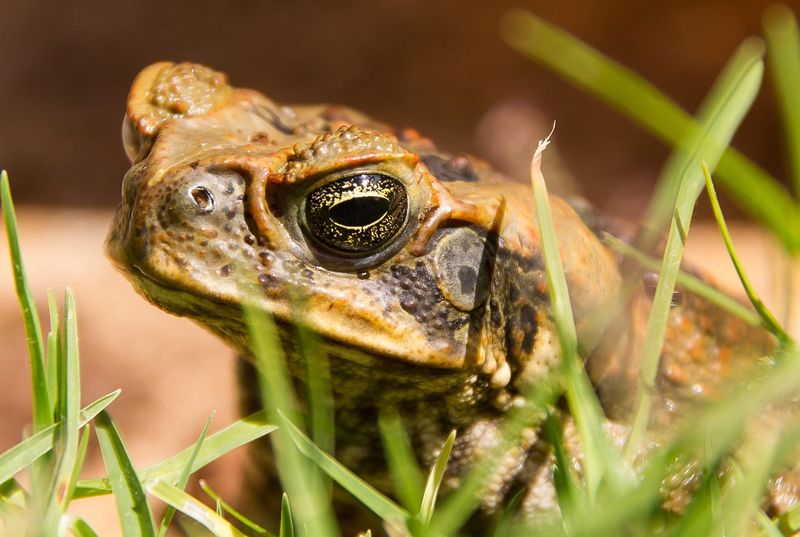
Flip on the porch light after a rainy September evening, and you might find a lumpy welcome committee. Toads love lights for one simple reason: bugs.
Insects swarm toward the glow, and toads sit below like kids waiting for candy at a parade. Warm, wet nights bring out the biggest crowds.
The toad to watch for is the cane toad. This invasive species is large, brownish, and has big glands behind its head that ooze a toxin.
That toxin is a real danger for dogs and cats. A pet that licks or mouths a cane toad may drool, paw at its mouth, or act wobbly, and needs a vet right away.
Cane toads also help themselves to pet food left outside. Golf courses and neatly watered yards are some of their favorite hangouts.
Heavy rain triggers breeding for many toads, both native and invasive. The eastern spadefoot, a native species, pops out after big storms to breed in shallow pools, and soon tiny toadlets hop everywhere.
To keep pets safe, walk dogs on a leash at night and scan the yard first. Bring food bowls inside, and consider yellow bug lights, which draw fewer insects and fewer hungry toads.
5. Frogs Leave Flooded Spots For Higher Ground
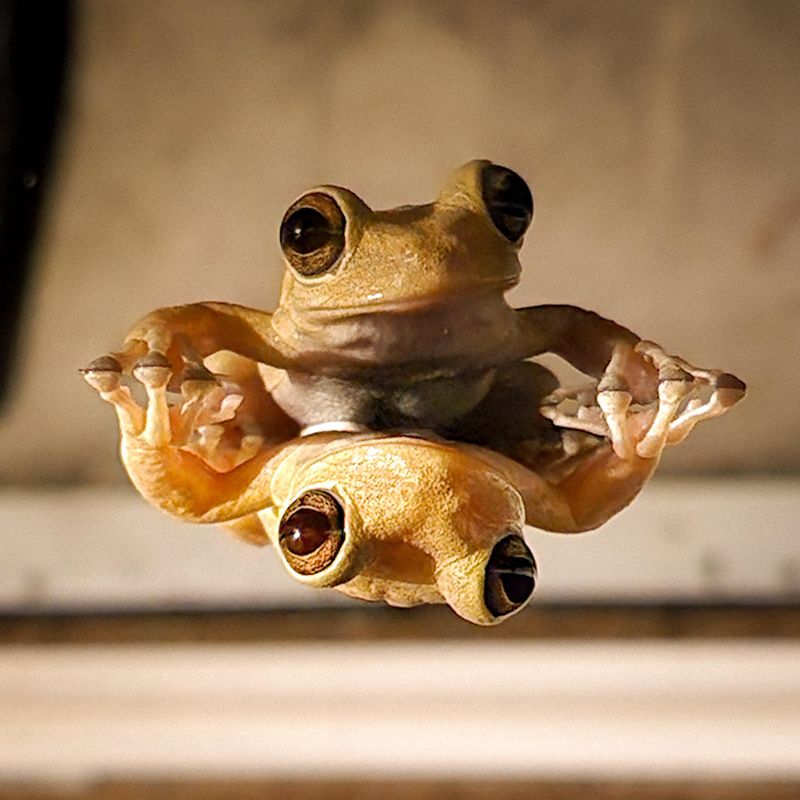
Ever looked up from dinner and seen a tiny green face stuck to your window? After a storm, that sight is pretty common across Florida.
Flooding washes frogs out of their usual ponds, ditches, and marshes. They scramble for higher ground, and walls, windows, and patio screens work just fine.
Lit windows are extra popular. Bugs gather at the glass, and frogs line up for an easy midnight snack with a view.
Rain also tells frogs it is time to find a mate. That is why the chorus outside gets so loud after a big storm, sometimes loud enough to drown out the TV.
A few days later, you may notice hundreds of teeny froglets hopping across driveways and sidewalks. Many come from temporary rain pools that pop up overnight.
Most native frogs are helpful neighbors. They eat mosquitoes and other pests, so letting them pass through is a nice favor to your yard.
Watch out for Cuban tree frogs, though. These invasive frogs are large, warty, and can crowd out native species.
If you spot one, contact your local extension office for advice. Wash your hands after touching any frog, since their skin can irritate eyes.
6. White Ibis Probe Soft Soil For Exposed Food
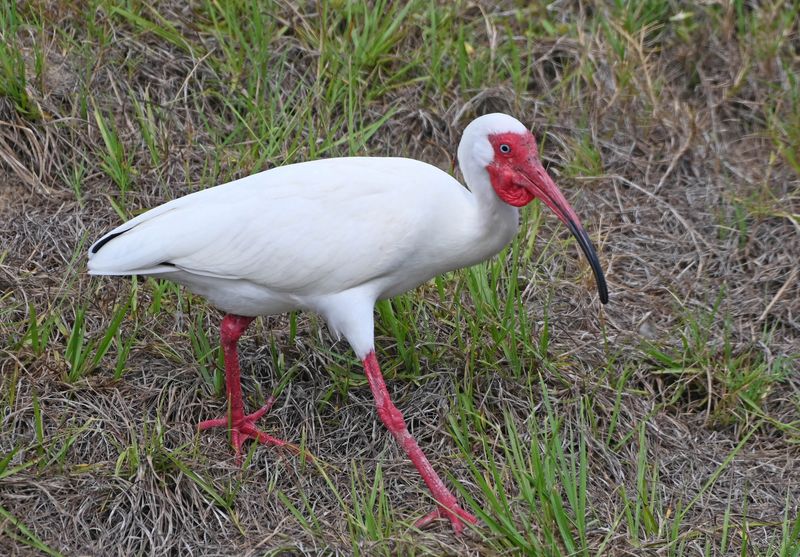
Old Florida folks have a nickname for the white ibis: the hurricane bird. Legend says they are among the last to leave before a storm and the first to return after.
So if a flock of bright white birds with curved orange bills lands on your lawn, take it as a sign the worst has passed. They look a bit like a marching band on a field trip.
That long, bent bill is their secret tool. Ibises poke it into soft soil, mud, and shallow puddles, feeling around for hidden snacks.
Rain-soaked lawns are perfect for this. Wet dirt makes it easy to reach worms, insect larvae, crayfish, snails, crabs, and even small frogs or fish.
The good news is that ibises are basically free pest control. They gobble grubs and bugs that might otherwise chew up your grass.
Enjoy them from a distance and resist the urge to toss them bread. Human food is not healthy for wild birds and can make them pushy around people.
Keep dogs from chasing the flock so they can feed in peace. Grab binoculars instead, and you might catch them working together as they sweep across the yard in a neat line.
7. Anhingas May Appear Near Newly Flooded Water
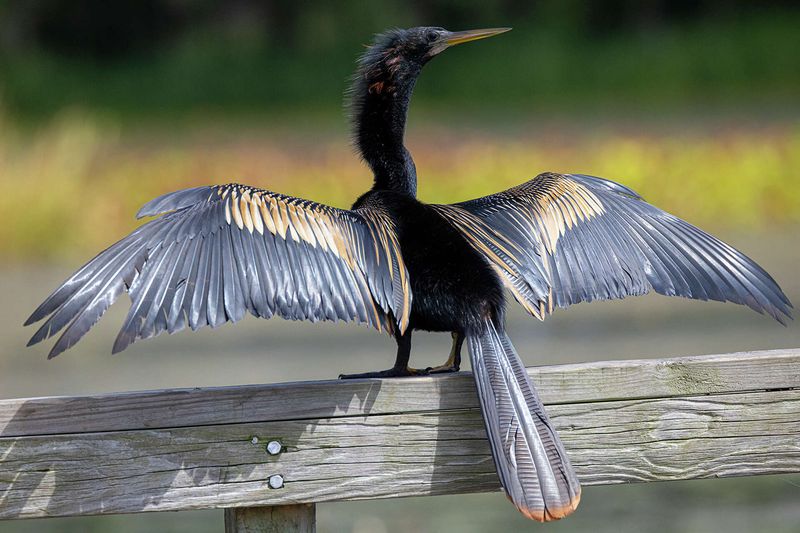
Spot a dark bird perched on a fence post with its wings spread wide like a cape? You have probably met an anhinga, one of Florida’s most dramatic waterbirds.
Locals call it the snakebird, because only its skinny neck pokes out of the water while it swims. Some also call it the water turkey, thanks to its fan-shaped tail.
Anhingas hunt underwater, using their sharp bills to spear fish, shrimp, crayfish, and frogs. They have even been known to catch small snakes and baby alligators.
Here is the quirky part. Their feathers soak up water instead of repelling it, which helps them sink and swim well but means they must sunbathe to dry off.
These birds like calm, sheltered water. After a storm fills retention ponds, canals, and low fields, new quiet pools may draw them closer to neighborhoods than usual.
An anhinga is not a threat to your home. It is more like a visiting celebrity, posing for photos on a dock or railing.
Give it space, especially while it dries its wings, since it cannot fly well when soaked. Watching one shake out its feathers in the sun is a fun reward after a long, gray storm day.
8. Opossums Take Advantage Of Storm-Damaged Cover
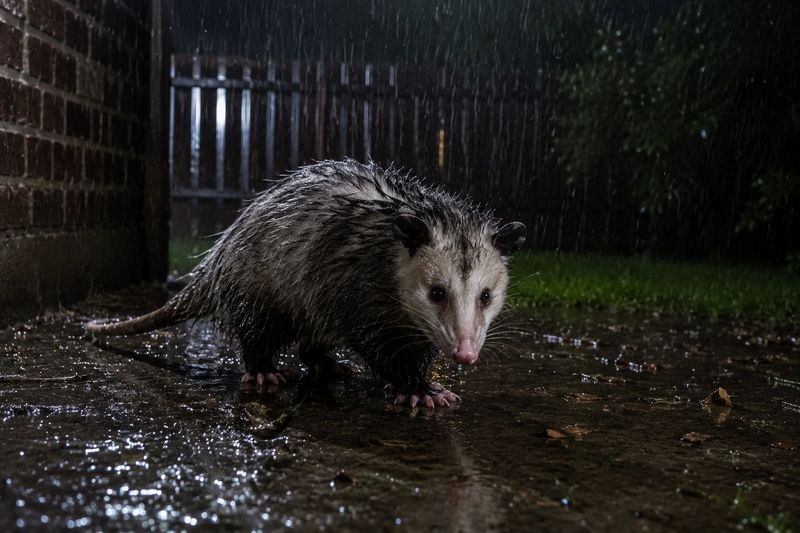
Opossums are the house hunters of the animal world, except they never build anything themselves. They simply borrow whatever shelter looks cozy.
Hollow logs, woodpiles, old burrows, and empty sheds all work for them. After a storm, fallen trees and heaps of branches create brand new hideouts overnight.
Around homes, opossums may slip under decks, into crawl spaces, or behind garage clutter. Thick shrubs near the house also make handy bedrooms.
Food is the other big draw. Trash, pet food, fallen fruit, snails, slugs, insects, and even small rodents and snakes all interest these hungry travelers.
Did you know? The opossum is North America’s only marsupial, meaning moms carry their babies in a pouch like tiny kangaroos.
They also rarely carry rabies, thanks to their low body temperature.
Opossums are shy and usually harmless. If one hisses or plays possum by flopping over, it is just scared and hoping you will leave.
To keep them from settling in, clear storm debris as soon as you safely can. Close gaps under porches and sheds with sturdy wire mesh, secure trash, and bring pet food inside at night.
A tidy yard sends a clear no vacancy message.
9. Fire Ants Build New Rafts When Water Rises
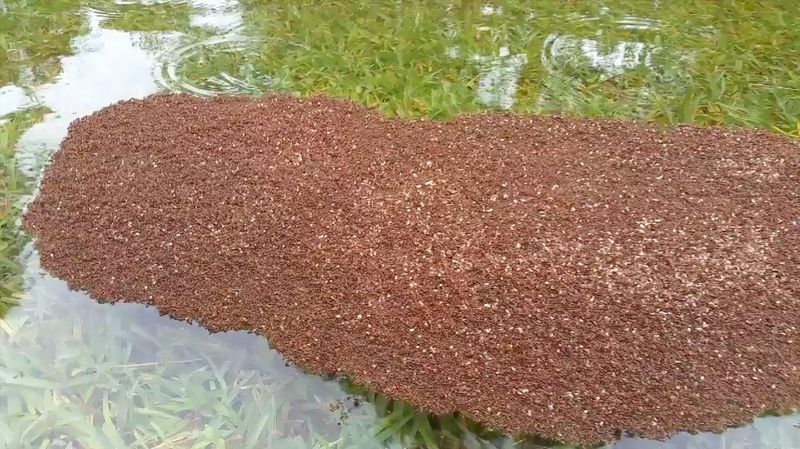
Floodwater swirling through the yard might carry a floating surprise that looks like a clump of dirt. Look closer, and that clump could be moving.
When water fills their underground nests, fire ants link their bodies together and build a living raft. Thousands of workers, larvae, and the queen float as one team.
Their bodies have a waxy coating and tiny hairs that trap air bubbles. That air keeps the raft buoyant, and colonies can drift for days, sometimes up to two weeks.
These rafts are not friendly. The ants are on high alert, and anything that bumps into them, whether a hand, a boot, or a curious dog, can get stung many times fast.
Once the raft hits dry land, the ants may start a brand new colony. That could be your flower bed, mailbox post, or the base of your porch steps.
Stay out of floodwater whenever possible, and wear tall rubber boots and gloves if you must wade in. Keep kids and pets away from floating debris.
If ants get on your skin, brush them off quickly rather than trying to rinse them away. In the weeks after a storm, check your yard often for new mounds so you can treat them early.