How Georgia Gardeners Can Keep Joro Webs Away From Backyard Bird Feeders
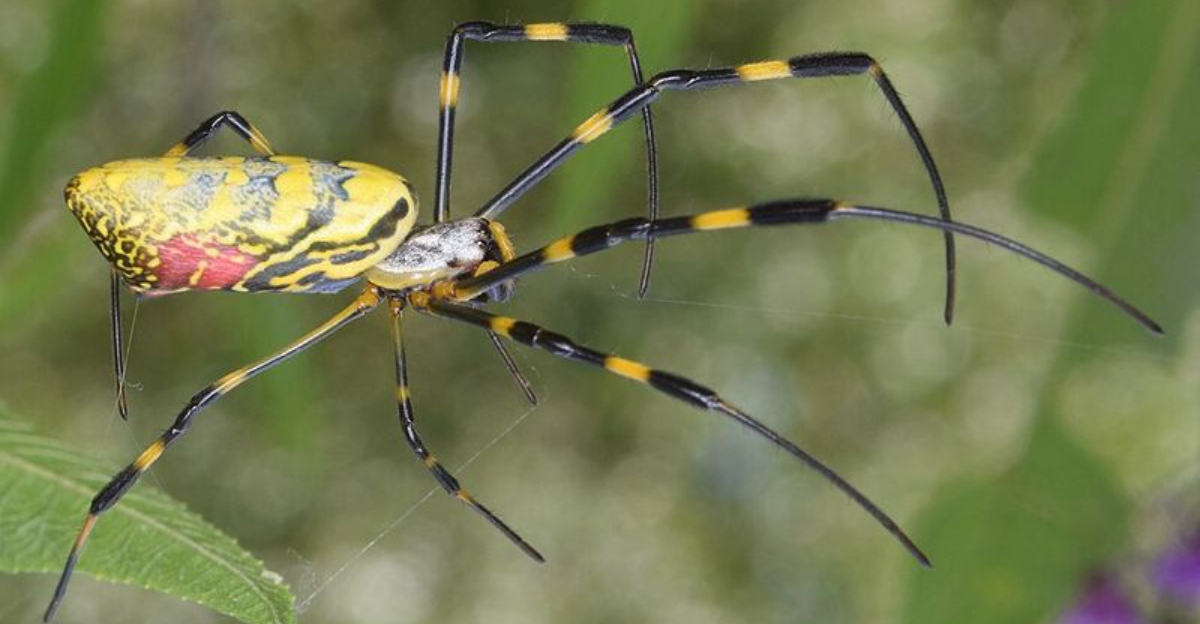
Finding a giant Joro web stretched beside your bird feeder can quickly turn a peaceful feeding spot into an awkward space. Those webs often appear wherever strong anchor points sit close together.
That can make certain feeder locations especially convenient places for spiders to build.
Georgia gardeners do not need to clear every spider from the yard to keep feeders accessible. Small changes around the feeding area can make web building less convenient.
The first step is understanding why the same spots keep getting covered again.
Joro spiders depend on nearby branches, posts, and other supports to hold their large webs. Change those connections, and the immediate feeder area may become less suitable.
With the right setup, you can enjoy visiting birds without constantly dealing with new webs around their food.
1. Joro Webs Can Quickly Become A Problem Near Feeders
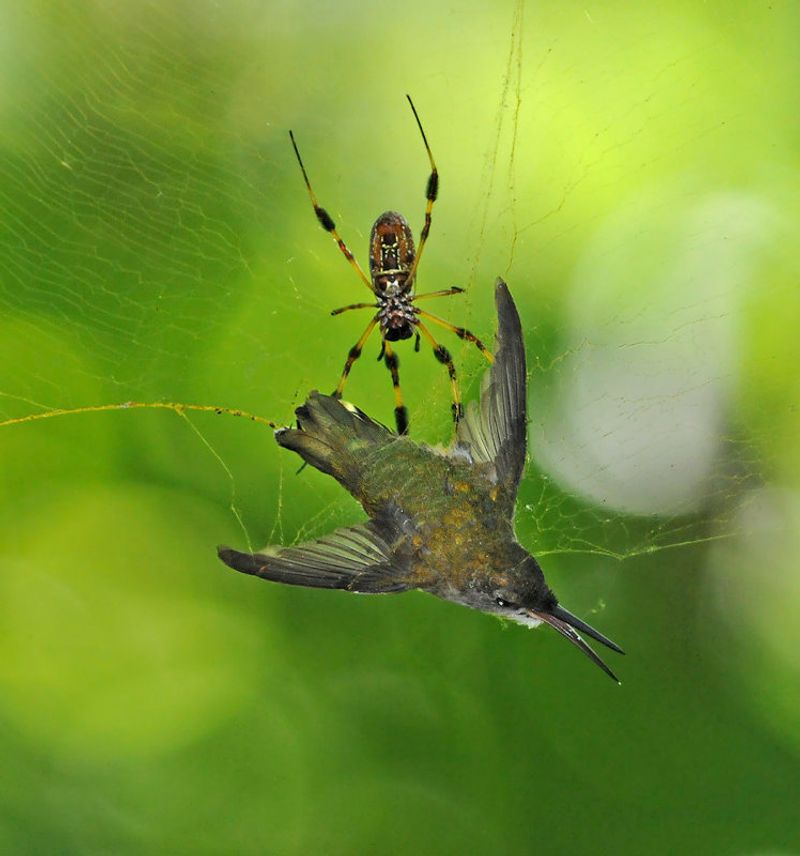
One morning the feeder is clear. The next, a web the size of a car window is stretched across it.
Joro spiders like open gaps with solid anchor points. Feeder poles, shepherd hooks, and nearby branches give them exactly that.
Bird feeders also attract insects, especially when seed hulls pile up underneath.
Spilled seed draws gnats, moths, and beetles. That steady insect traffic makes the area appealing to a web builder looking for a good spot.
Across Georgia, gardeners tend to notice this most from late July through October.
Webs near feeders cause real headaches. You walk into silk, birds hesitate to land, and refilling turns into an awkward dance.
Some birds may still use a feeder with webbing nearby, but heavy silk can make them cautious.
Smaller songbirds are the ones most likely to shift to a different perch. Larger birds usually push through without much concern.
The webs themselves are strong and noticeably golden in sunlight.
Once a spider settles in a productive spot, it tends to stay. Rebuilding in the same corner night after night is common behavior.
Knowing why they pick your feeder helps you plan.
The goal is not clearing every strand from the yard. It is keeping the few feet around your feeder usable for you and the birds.
2. Check The Area Regularly For New Joro Webs
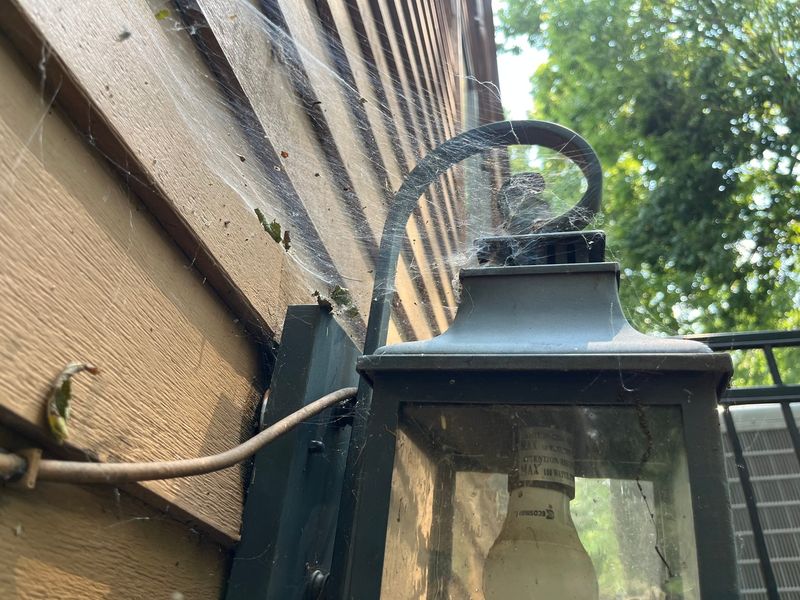
Walking face-first into silk is a rough way to start the day.
A quick look before you refill saves you that surprise. Morning light hits the strands and makes them easy to spot.
Dew helps too, outlining the whole web in tiny droplets.
Try scanning from a low angle. Crouch slightly and look toward the sun, and hidden anchor lines suddenly show up.
Those long anchor threads often stretch six feet or more.
Pay attention to the space between the feeder and whatever sits closest. Shrubs, gutters, deck rails, and porch columns all serve as tie-off points.
Check above the feeder as well, not just beside it.
In much of Georgia, web activity picks up as the humidity settles in and stays. Late summer mornings are prime building time.
Twice a week is usually enough during the heavy stretch.
Your Georgia Garden Changes Every Week. Your Plan Should Too.
Gardening in Georgia changes quickly throughout the season. Every Friday you’ll receive a simple weekly plan showing exactly what to plant, prune, fertilize, harvest, and protect so you never miss the right timing.
Keep a stick or an old broom near the back door. Having a tool ready means you actually deal with the web instead of ducking under it.
Frequency matters more than thoroughness here.
Small, regular checks beat one big cleanup every few weeks. Catching a new web early takes seconds, while an established one takes real effort and leaves sticky residue on the pole.
3. Remove New Webs When They Appear Near The Feeder
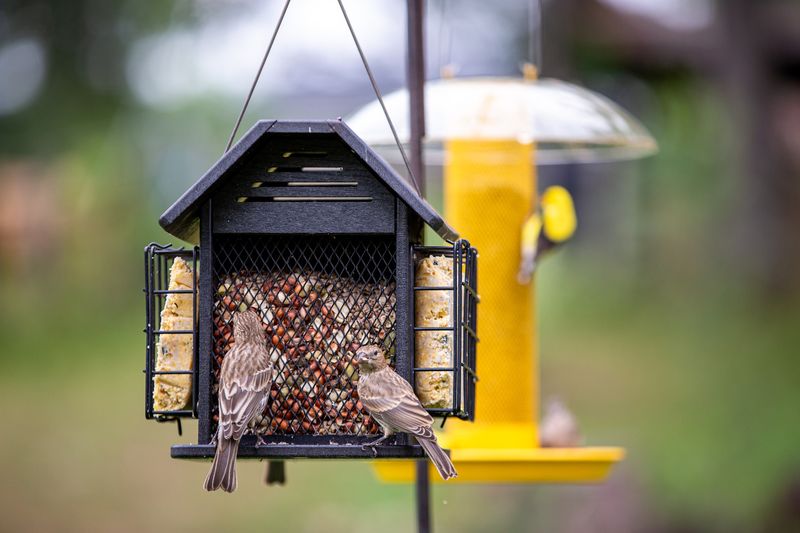
Fresh silk comes down with almost no effort.
A stick, a broom handle, or a garden stake works fine. Twirl it through the web and lift the strands away in one motion.
Older webs are tougher and leave sticky patches behind.
Work slowly enough to see where the spider sits. Most Joro spiders hang in the middle and will drop or scoot to the edge when disturbed.
Give it a second to move before you sweep.
Aim for the anchor lines first if you want the web to collapse quickly. Cutting those long support threads brings the whole structure down.
Then wipe any leftover silk off the feeder pole with a rag.
Georgia yards with lots of shrubs tend to need this more often. More anchor points mean more building options.
Timing helps as well.
Clearing in the late afternoon can buy you a quieter morning. Webs are often rebuilt overnight, so evening cleanup gives you one clean visit.
Skip the hose for this job.
Blasting water scatters seed, soaks the feeder, and can push wet silk into the ports. A dry sweep keeps the seed usable and the feeder tidy.
4. One Cleanup May Not Stop The Spider From Rebuilding
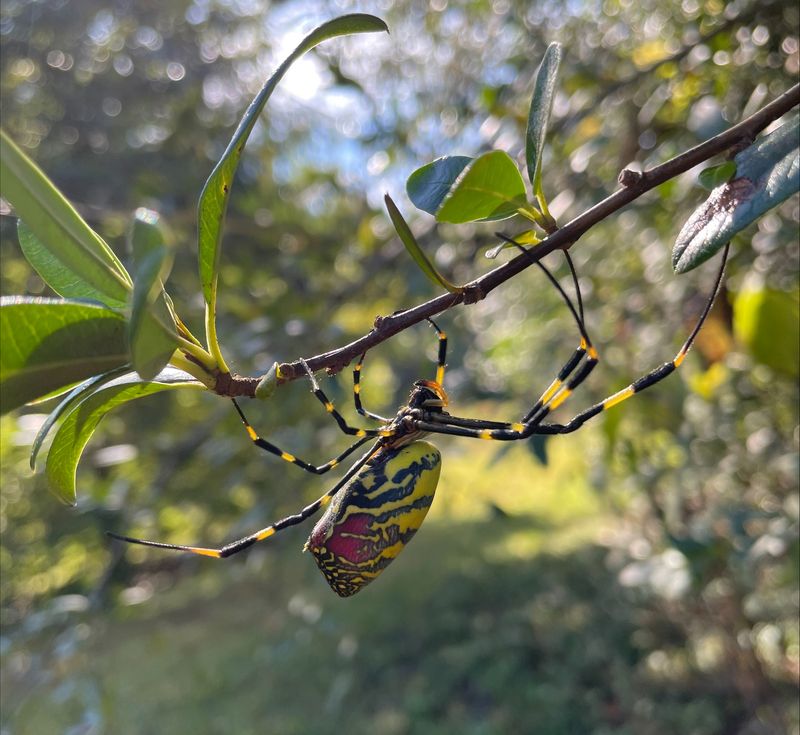
Clear a web at noon and it may be back by breakfast.
Joro spiders rebuild quickly when the location works for them. Good anchor points and steady insect traffic are hard for them to give up.
Expect two or three repeats before anything changes.
That is not a sign you did something wrong. It just means the spot still checks every box from the spider’s point of view.
Patience usually wins out over frustration here.
Repeated disturbance sometimes encourages a move, though results are not consistent. Weather, food supply, and nearby cover all play a role in whether the spider relocates.
Some individuals shift a few feet and settle right back in.
Gardeners across Georgia report the same pattern each fall. The same corner of the yard gets claimed year after year.
Keeping a simple routine makes the repeats manageable.
Sweep the area every couple of days during peak season. Once the web is small and new, removal takes under a minute.
Cooler weather eventually slows things down.
Activity typically drops off as temperatures fall later in the season. Until then, treat cleanup like watering or deadheading, just another small chore on the list.
5. Move The Spider Farther From Busy Feeding Areas
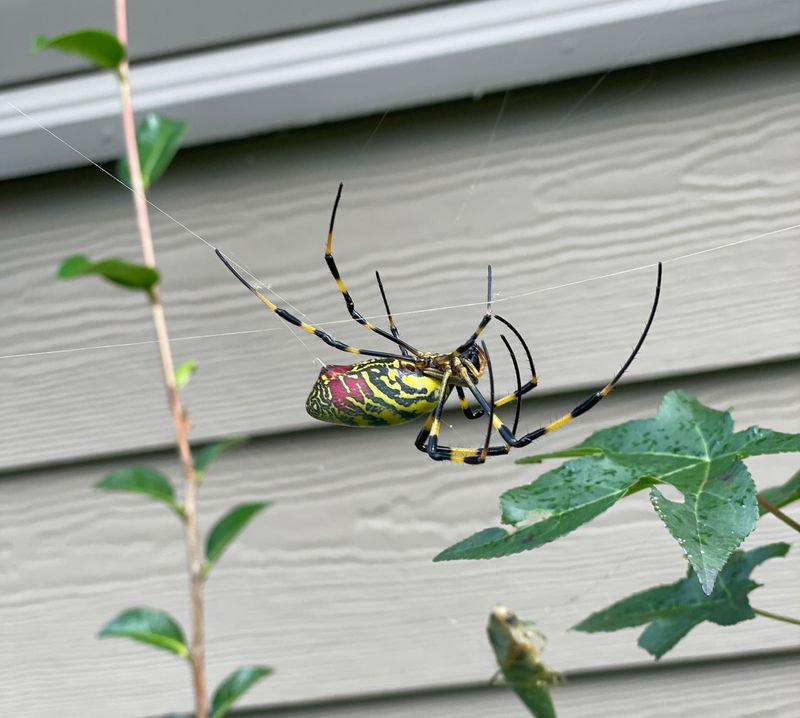
Relocation beats confrontation.
A long stick held near the spider often gets it to climb aboard. Carry it slowly to a shrub or tree line well away from the feeder.
Twenty or thirty feet is a reasonable distance to aim for.
Joro spiders are not aggressive toward people. Bites are rare, and they generally try to drop away rather than stand their ground.
Gloves are still a smart idea if handling makes you uneasy.
Pick a landing spot with real structure. Dense shrubs, fence corners, or low tree branches give the spider something to work with right away.
Dropping one in open grass rarely sticks.
Plenty of Georgia gardeners move them toward garden beds instead of removing them. The spiders catch stink bugs, mosquitoes, and other pests that bother vegetables.
Relocation is not a permanent fix, though.
Spiders can wander back, and new ones arrive on air currents during the season. Younger spiders travel on silk threads and land wherever the wind drops them.
Handle the job when the spider is calm.
Early morning or evening tends to work better than midday heat. Moving quickly startles them, and a startled spider drops fast and disappears into the mulch.
6. Avoid Spraying The Whole Area Around Your Feeder
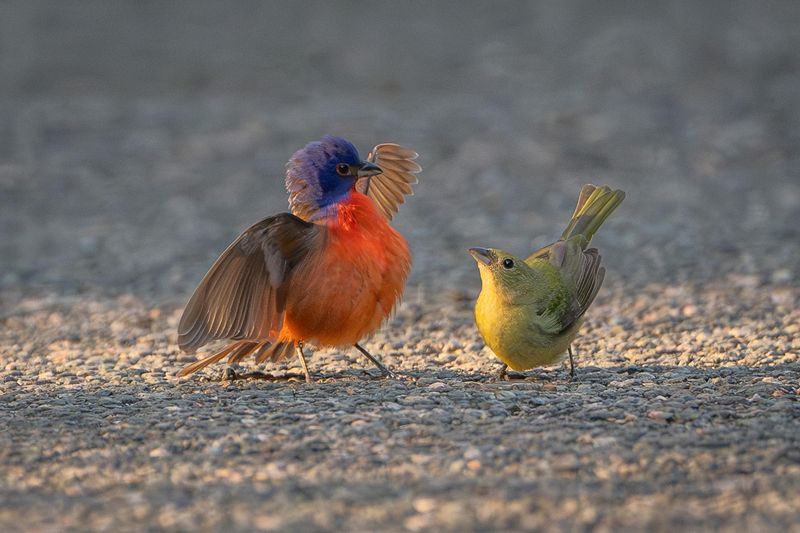
Broad spraying near a feeder creates more problems than it solves.
Insecticides drift onto seed, perches, and the ground where birds forage. Residue on feeding surfaces is a genuine concern for songbirds.
Ground feeders like doves and towhees are especially exposed.
Sprays also hit the beneficial insects your garden depends on. Bees, ladybugs, and predatory wasps do not get to opt out.
Losing them creates gaps that pests happily fill.
Coverage rarely works the way people hope. Web builders keep arriving from surrounding trees and yards, so treated areas get repopulated within days.
You end up spraying repeatedly for temporary results.
Georgia yards sit close together in most neighborhoods, which means spiders drift in from every direction. No amount of spraying stops that movement.
Mechanical removal is simply more effective here.
A stick and thirty seconds of effort clear a web without any chemical exposure. Nothing lands on the seed, and nothing washes into the soil.
Label restrictions matter too.
Many pesticide labels warn against use near feeding stations or water sources. Reading the fine print usually confirms that spraying around a feeder is the wrong application.
7. Focus Your Effort On Webs That Are Actually In The Way
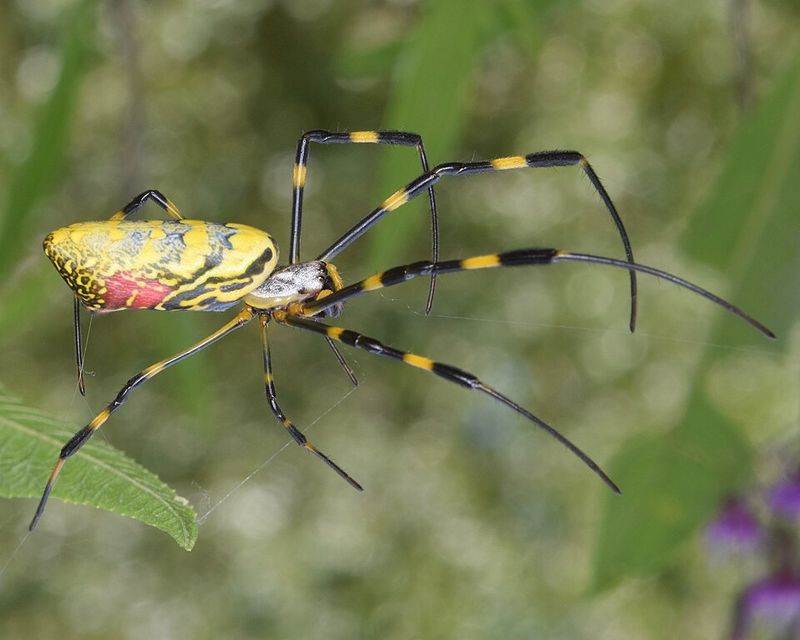
Clearing every web in the yard is a losing project.
Focus on the paths you use and the space right around the feeder. Everything beyond that can usually stay put.
A three or four foot bubble around the feeder is plenty.
Webs along the back fence or in the far garden bed do real work. They catch mosquitoes, flies, and garden pests without bothering anyone.
Leaving them alone saves you time and helps the yard.
Think about your walking routes as well. The trip from the back door to the feeder deserves the same attention as the feeder itself.
Overhead silk across a walkway is the most annoying kind.
Many Georgia gardeners end up settling into this middle ground after a season or two. Clear what blocks you, ignore the rest.
Native birds like wrens and cardinals sometimes pick at webbing on their own.
Some species gather silk for nest building in spring. Others snag trapped insects right out of the strands, which is worth watching for.
Cold weather eventually resets everything.
Web activity drops sharply once temperatures fall and stay down. Until that point, a short weekly sweep keeps the feeder area open without turning your yard into a construction zone.