Why So Many Hummingbirds Are Suddenly Showing Up In Arizona Yards This September
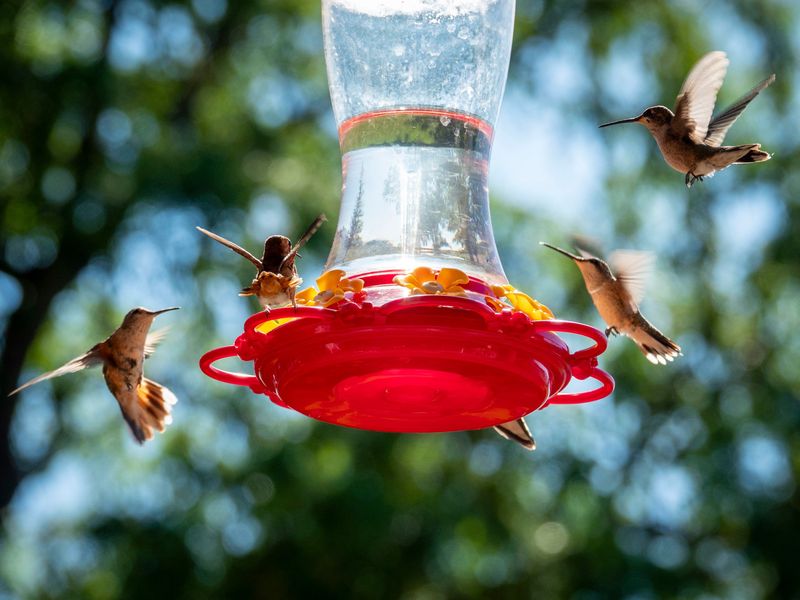
Yards across parts of Arizona can feel noticeably busier with hummingbirds from late August into early fall, and that shift is not just your imagination. In southeastern Arizona especially, migration, resident birds, and monsoon-fueled food sources can all overlap at once, creating moments where feeders and flowers seem suddenly crowded.
Understanding what is actually driving the activity helps you support these birds without overstating what is happening or setting up your yard in ways that could do more harm than good.
What Arizona Homeowners Are Seeing Is a Seasonal Pattern, Not a Statewide Invasion
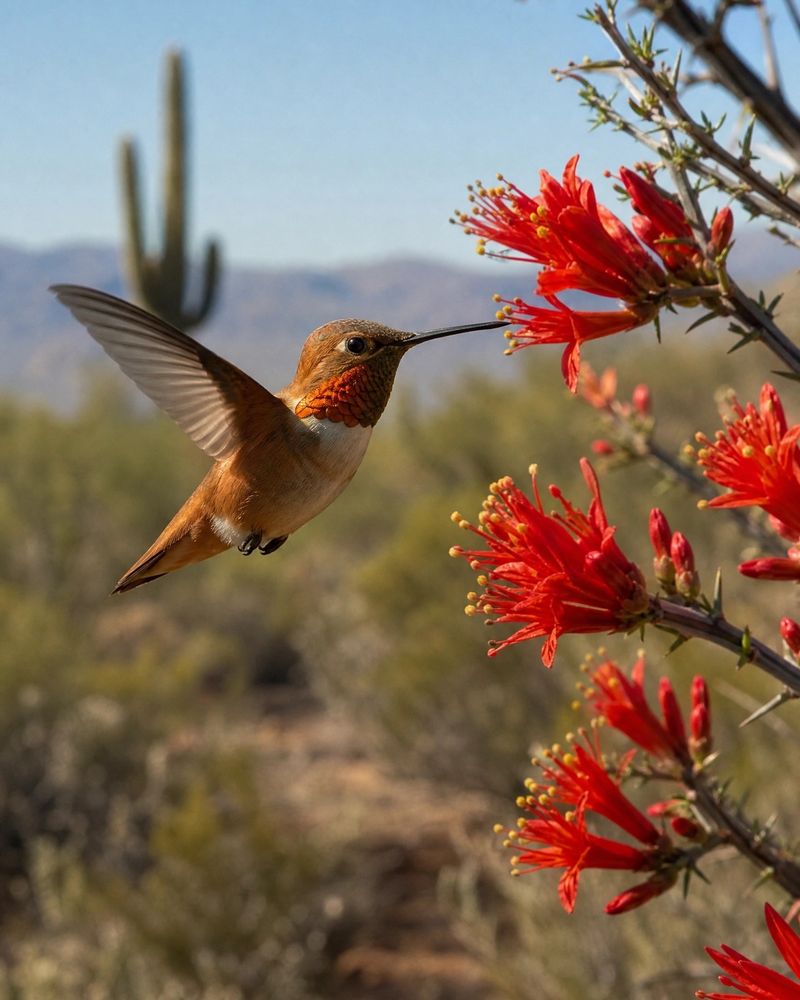
Busier feeders and flowers in late August and September are a real observation for many Arizona residents, particularly those living in southeastern Arizona or near riparian corridors and higher-elevation habitats. What is happening reflects a predictable seasonal overlap rather than a sudden statewide population explosion.
Migration, resident birds still using local habitat, and local food conditions can all converge during this window, making some yards feel noticeably more active than they were a few weeks earlier.
The distinction between a personal observation and a verified statewide trend matters here. Arizona is a large and ecologically diverse state.
Hummingbird abundance can differ sharply between Phoenix, Tucson, the mountain canyons of southeastern Arizona, riparian corridors, and rural desert yards, and weather, elevation, nearby flowering patches, drought, and local habitat all influence where birds concentrate in any given year.
According to the Southeastern Arizona Bird Observatory, fall migration through southeastern Arizona typically peaks from late August through mid-September, a window that lines up with many homeowners noticing increased activity. That said, southeastern Arizona is a documented migration hotspot with exceptional habitat diversity.
Its experience does not translate uniformly to every corner of the state.
A yard that suddenly has five hummingbirds where there was one before is not evidence of a statewide surge. It may mean a migrant passed through, that a nearby flowering patch dried up and birds redistributed, or simply that territorial behavior loosened as the season shifted.
Recognizing that distinction helps you focus on what you can actually do: provide reliable habitat so that when birds are moving through your part of Arizona, your yard is worth stopping in.
Migration and Resident Birds Overlap Differently Across Arizona
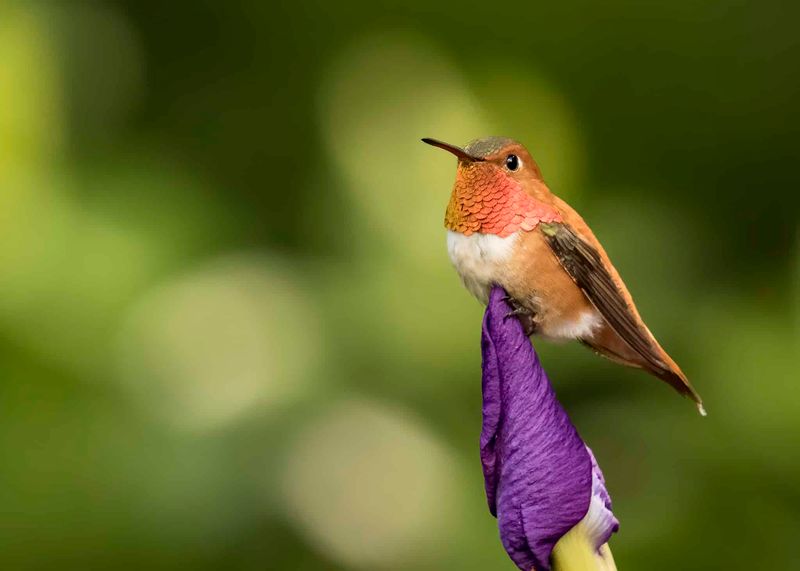
Not every Arizona yard gets the same mix of hummingbirds, and understanding why requires a quick look at what species are actually present and why their timing differs. Southeastern Arizona functions as one of the most productive hummingbird migration corridors in North America, drawing species like Rufous, Calliope, Broad-tailed, and Black-chinned Hummingbirds through its mountain canyons and riparian areas during the late-summer window.
Anna’s Hummingbirds follow a different pattern entirely. Rather than passing through as seasonal migrants, they commonly remain year-round in the Phoenix and Tucson areas, taking advantage of urban plantings, feeders, and the relatively mild winters of the low desert.
A homeowner in central Phoenix who notices more hummingbirds in September may simply be observing Anna’s birds shifting their foraging range among neighboring yards, not a wave of southbound migrants.
Your Arizona Garden Changes Every Week. Your Plan Should Too.
Gardening in Arizona changes quickly throughout the season. Every Friday you’ll receive a simple weekly plan showing exactly what to plant, prune, fertilize, harvest, and protect so you never miss the right timing.
Riparian corridors along rivers and streams, and canyons in southeastern Arizona, concentrate migrating birds in ways that flat suburban neighborhoods typically do not. If your yard sits near one of those habitats, you are more likely to see genuine migration traffic.
Elsewhere in Arizona, the late-summer increase is often a quieter combination of resident birds, local movement, and the occasional visitor rather than a high-volume migration event. Knowing which situation applies to your location sets realistic expectations and helps you make smarter choices about what your yard actually needs.
Arizona’s Monsoon Can Improve Local Food Conditions
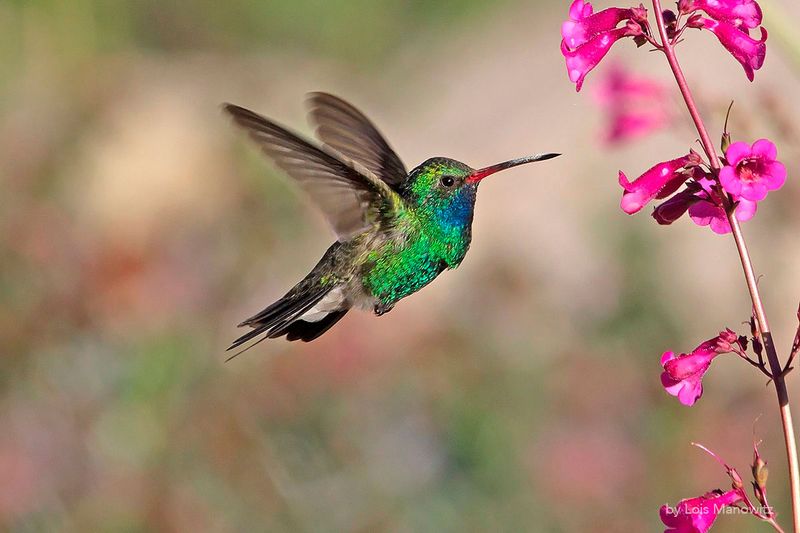
Arizona’s monsoon season officially runs from June 15 through September 30, a definition used by the University of Arizona and Arizona weather agencies. During that window, afternoon thunderstorms can trigger a remarkable flush of plant growth, flowering, and insect activity across parts of the state.
For hummingbirds, that flush matters because they rely on nectar for quick energy and on insects and spiders for the protein they need to sustain flight and raise young.
When monsoon rains reach a yard consistently, flowers that had been dormant or sparse may open, aerial insects become more abundant, and leaf surfaces host the small arthropods that hummingbirds glean while foraging. That combination can make a yard meaningfully more attractive to birds moving through the area.
However, rain is not the sole cause of any increase in hummingbird activity. Migration timing, the presence of resident birds, nearby habitat quality, and annual weather variation all contribute alongside whatever the monsoon delivers.
A yard in Tucson’s foothills might receive regular storm cells while a yard thirty miles away in a drier microclimate gets almost nothing. One wet yard and one dry yard in the same metro area can have noticeably different insect and flower conditions, which in turn affects how many hummingbirds linger.
The practical takeaway for Arizona residents is not to count on the monsoon to do all the work. Rain can improve local conditions, but a yard that also has established native plants, reduced pesticide use, and a reliable water source will hold up better during dry stretches and give hummingbirds more reason to stay regardless of whether the storms arrived on schedule that year.
Choose Arizona Plants for Habitat, Not a Guaranteed September Display
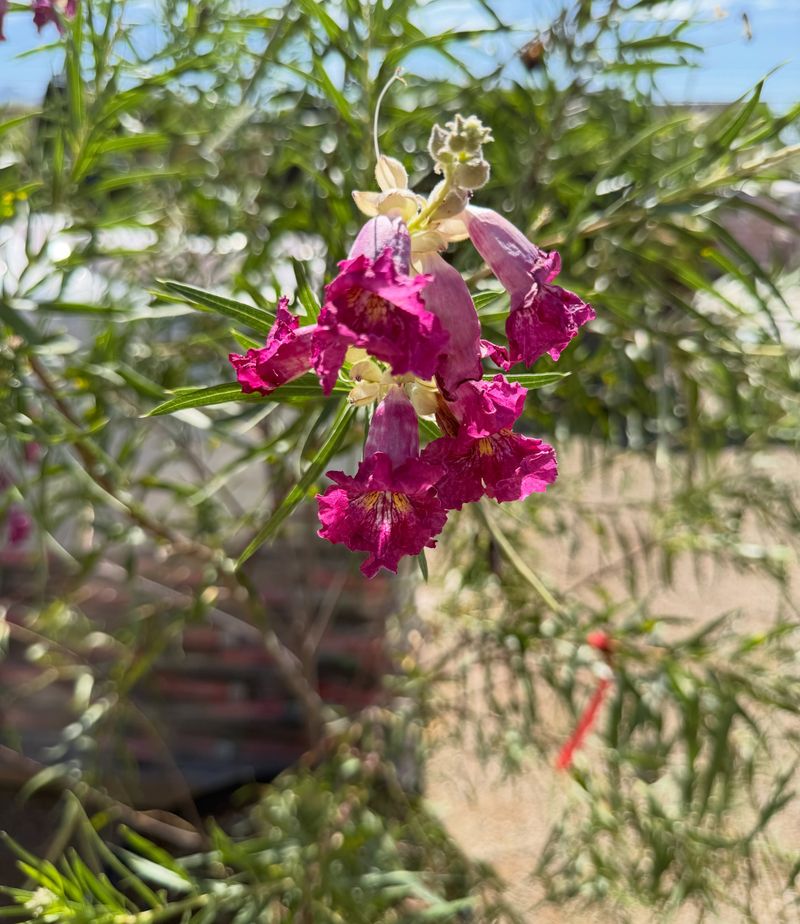
One of the most reliable ways to support hummingbirds in an Arizona yard is to grow plants that provide real nectar rather than relying entirely on feeders. Native and desert-adapted plants have the advantage of being suited to Arizona’s soils, heat, and water availability, which means they are more likely to survive and produce flowers without constant intervention.
The key is choosing a variety of species with staggered bloom windows rather than expecting any single plant to carry the whole season.
Desert willow is documented as a nectar source from April through September, though actual bloom timing in your yard depends on irrigation, exposure, and the specific cultivar you plant.
Other strong options for Arizona yards include fairy duster, desert honeysuckle, yellow bells, penstemons in multiple species, and hummingbird trumpet. The University of Arizona Cooperative Extension’s low-desert pollinator resources confirm that bloom timing for all of these varies with elevation, sun exposure, soil moisture, and local weather.
A plant that blooms reliably in a Tucson foothill yard in September may behave quite differently at a lower, hotter Phoenix elevation.
Layering plants by height and bloom period pays off more than planting a single species in a large block. Shrubs and small trees provide cover and perching spots alongside flowers, while low-growing penstemons or salvias fill in gaps closer to the ground.
Avoiding the expectation of a perfectly timed September display protects you from disappointment and encourages a longer-term approach to habitat that benefits hummingbirds across multiple seasons, not just during the fall migration window.
Use Arizona Feeders Safely in the Heat
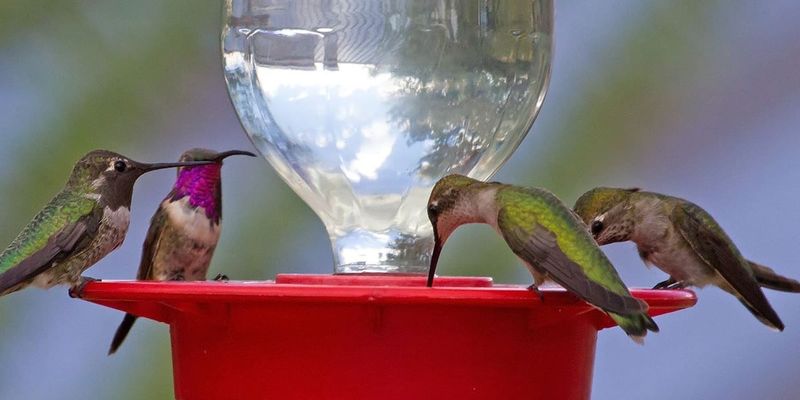
Feeders can be a useful supplement to flowers and insects in an Arizona yard, but the state’s extreme heat creates maintenance demands that generic bird-feeding advice often underestimates. Getting the basics right starts with the nectar itself.
The correct mixture is one part refined white sugar dissolved in four parts water. That ratio is the standard used by authoritative bird-feeding sources, and there is no benefit to adjusting it.
What you add to that mixture matters just as much as what you leave out. Honey can promote dangerous fungal growth in hummingbird feeders and should never be used as a sugar substitute.
Red food dye is equally unnecessary. A feeder with red parts already provides enough visual contrast to catch a hummingbird’s attention, and adding dye to the water introduces a substance that has no documented benefit and some potential risk.
Arizona summers punish neglected feeders quickly. Nectar that sits in a feeder during triple-digit heat can ferment or grow mold within a day or two, and contaminated nectar can make birds sick.
The practical rule for Arizona’s low desert is to make small batches, store unused nectar in the refrigerator, inspect feeders daily, and replace the contents immediately if the liquid looks cloudy, smells off, or shows any visible growth. During the hottest stretches, cleaning feeders every day or every other day is the responsible standard, not once a week.
Positioning feeders in shade or filtered light slows spoilage and reduces the temperature inside the feeder itself. A shaded spot under a patio cover, a tree canopy, or a north-facing wall can add meaningful time before nectar degrades, giving birds a cleaner food source and you a slightly more forgiving maintenance schedule.
Build an Arizona Yard Around More Than Nectar
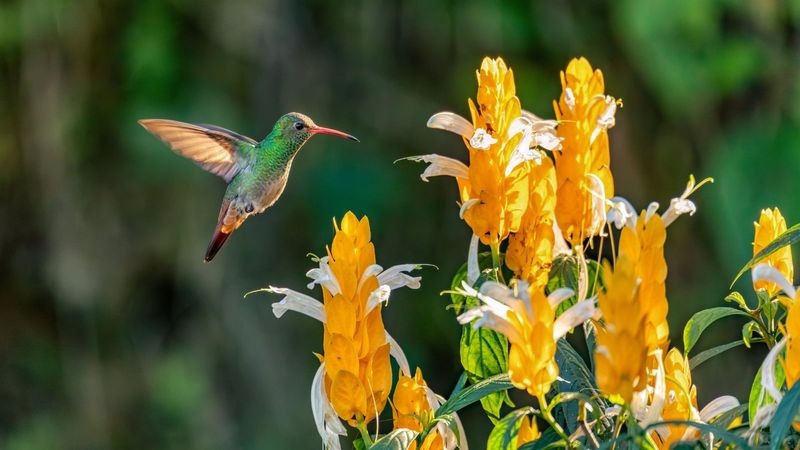
Nectar, whether from flowers or feeders, is only one part of what makes an Arizona yard genuinely useful to hummingbirds. Shelter, perches, water, and insects round out the picture, and leaving any of them out limits how long birds will stay and how well they will fare while they are there.
Shrubs and small trees give hummingbirds places to hide from predators, rest between feeding bouts, and nest during breeding season. Dense, low cover is especially valuable in the open desert landscapes that dominate much of Phoenix and Tucson.
Exposed perches serve a different purpose. Territorial hummingbirds spend a surprising amount of time sitting and watching, and a bare branch or thin wire positioned above the main feeding area gives them a vantage point to monitor their patch.
Water is a simple addition that many Arizona yards overlook. A shallow dish, dripper, or mist system gives hummingbirds a place to bathe and drink.
Keep the water fresh and the container clean, since standing water in heat can attract mosquitoes if not refreshed regularly.
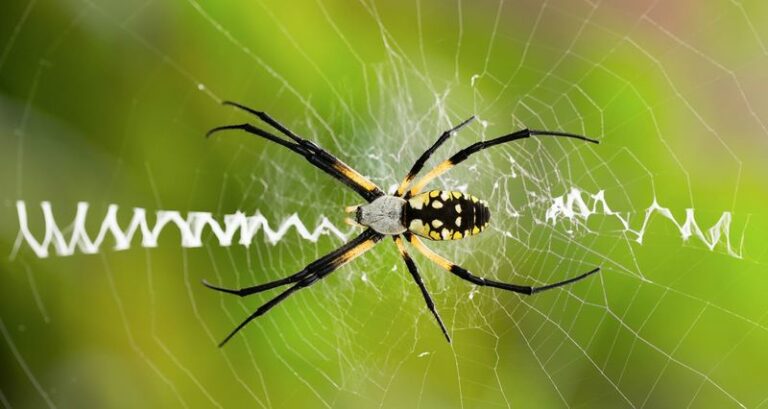
Pesticide reduction is one of the highest-impact choices an Arizona homeowner can make for hummingbirds. These birds eat aerial insects, glean small arthropods from leaves, and rob spider webs for both food and nesting material.
A yard managed with integrated pest management principles rather than broad pesticide applications keeps that food base intact. The payoff is not that hummingbirds will eliminate scorpions or mosquitoes from your property; that would be an overstatement.
The realistic benefit is a yard that supports the full range of food hummingbirds actually need.
Feeder placement also involves a few safety considerations specific to Arizona yards. Keep feeders away from strong afternoon wind, near but not hidden inside dense vegetation where cats could wait unseen, and within three feet of windows to reduce the risk of collision with reflective glass.
Support Arizona Hummingbirds Without Trying to Control Migration
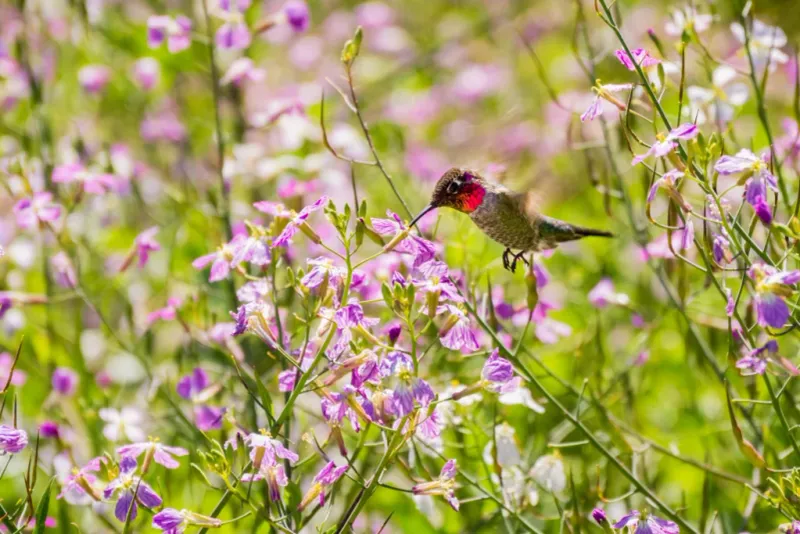
Southeastern Arizona holds the strongest documented evidence for conspicuous late-summer hummingbird movement, with long-term banding data from the Southeastern Arizona Bird Observatory confirming substantial fall migration activity from late August through mid-September. Phoenix and Tucson present a different picture, where year-round Anna’s Hummingbirds may be joined by seasonal visitors, making it harder to draw a clear line between migration traffic and ordinary local movement among yards.
For Arizona homeowners, the most useful priority order is straightforward. Start with plants and insects, because flowers and arthropods are the foundation of a hummingbird’s diet and no feeder can replace them.
Add shelter and water, since cover and a clean water source make your yard a complete stop rather than just a snack bar. Then maintain feeders rigorously if you choose to use them, applying the heat-specific standards described earlier.
One concern that comes up often is whether keeping feeders out in fall will prevent birds from migrating. Audubon is clear that migration is driven primarily by day length, not by feeder availability.
Removing feeders does not push birds to leave, and leaving them up does not trap birds that are ready to go. Arizona homeowners can keep feeders available through fall without worry, as long as the nectar stays fresh and the equipment stays clean.
The goal is a yard that functions as reliable habitat during a season when some Arizona birds genuinely need it, without chasing a specific count or trying to manufacture a spectacle. A hummingbird that stops in your southeastern Arizona yard for an hour on its way south, finds clean nectar, a safe perch, and a spider web worth raiding, and moves on, has been served exactly as well as one that lingers for a week.