How Georgia Gardeners Keep Gardenias Healthy Through Summer Heat
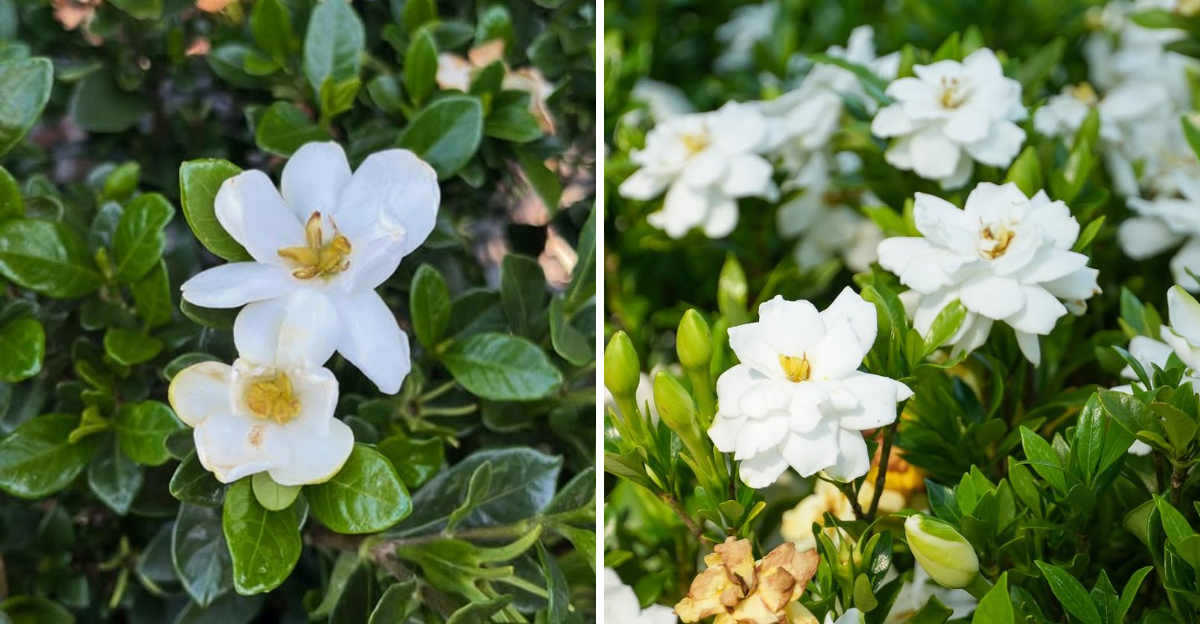
There is a moment in a Georgia summer when a gardenia blooms nearby and the whole yard shifts. That heavy, sweet fragrance stops you mid-step and everything feels worth it.
Getting to that moment consistently, year after year through Georgia heat, is where many gardeners struggle.
Gardenias are particular in ways that catch people off guard. The afternoon sun scorches them. The wrong soil turns them yellow. One dry week without deep watering and the buds fall before they ever open.
Georgia gardeners who grow gorgeous, bloom-heavy gardenias are not luckier than everyone else. They follow a system built around a handful of consistent habits applied from late spring through August.
That system is not complicated. It just requires knowing which details actually matter and which ones the plant will forgive. Here is what works.
1. Give Them Morning Sun First
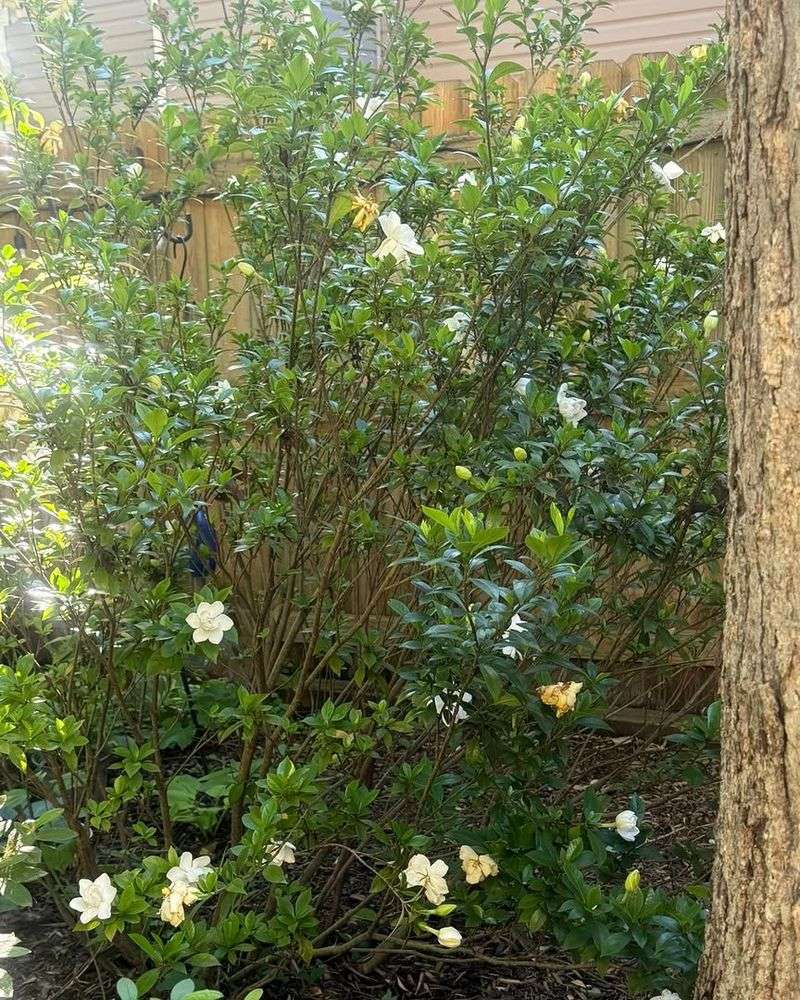
Placement is everything with gardenias, and most struggling plants can trace their problems back to where they were put in the ground.
Full sun all day sounds reasonable in March. By July in Georgia, that afternoon western exposure is punishing.
Temperatures regularly climb past 95 degrees, and direct afternoon sun scorches gardenia foliage fast. Leaves brown at the edges, buds fall, and the whole plant looks depleted by midsummer.
Morning sun is the productive kind. Gardenias need at least four to six hours of direct light daily to produce strong blooms, but that light should arrive when temperatures are still manageable.
By noon or early afternoon, some shade from a tree, fence, or structure gives the plant breathing room. East-facing beds or spots with filtered afternoon light consistently produce the healthiest plants across Georgia landscapes.
A spot under a tall pine that lets light filter through works beautifully. So does an east-facing bed along a house wall that blocks the harsh western exposure naturally.
University of Georgia Extension recommends planting gardenias where they receive bright morning light and protection from the harshest afternoon rays, especially in the Piedmont and coastal regions where summer heat is most intense.
Once the light situation is right, everything else gets easier. The plant stays hydrated longer, blooms last a few extra days, and the foliage holds that deep waxy green color all season.
Placement is the one decision that cannot be corrected with fertilizer or extra watering after the fact.
2. Keep Soil Acidic And Rich
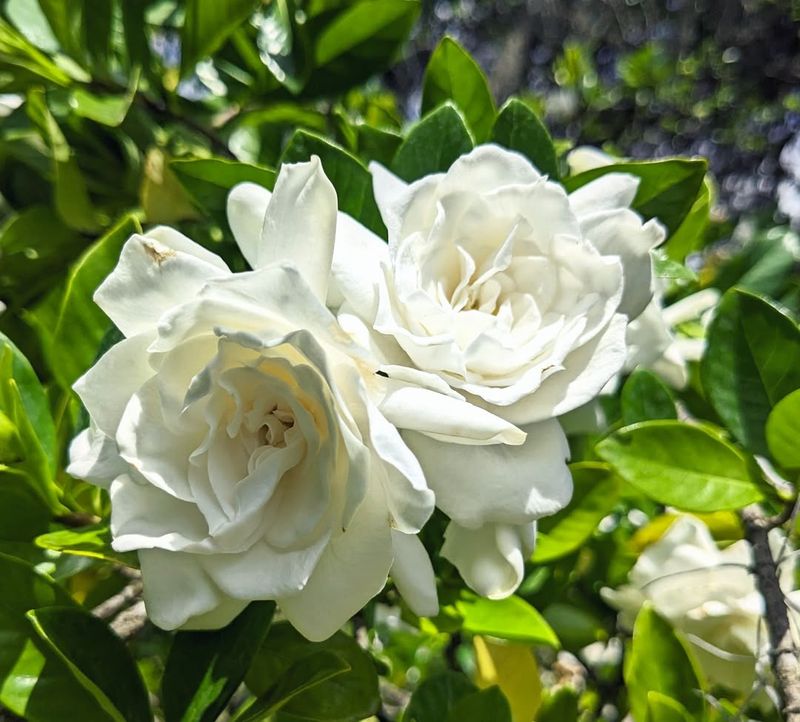
Gardenias are particular about soil, and that particularity has a very specific number attached to it. They thrive in a pH range of 5.0 to 6.0.
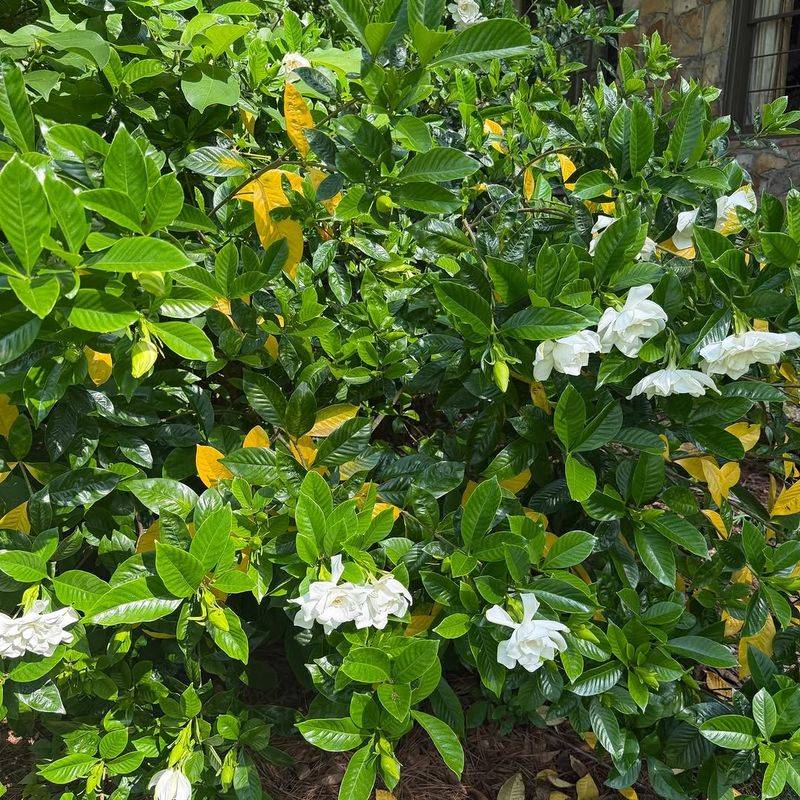
Push above 6.5 and the plant cannot absorb iron and manganese properly, which produces chlorosis, the condition where leaves turn yellow while the veins stay green.
It is one of the most common complaints from Georgia gardeners every summer, and it is almost always a soil chemistry problem rather than a watering problem.
Georgia soils vary widely. The red clay of the Piedmont tends to be acidic naturally but compacts easily and drains poorly.
Sandy coastal soils drain fast but lose nutrients quickly. In both cases, working generous amounts of organic matter into the planting area before putting anything in the ground makes a real difference.
Your Georgia Garden Changes Every Week. Your Plan Should Too.
Gardening in Georgia changes quickly throughout the season. Every Friday you’ll receive a simple weekly plan showing exactly what to plant, prune, fertilize, harvest, and protect so you never miss the right timing.
Aged pine bark, composted leaf mold, and peat moss all lower pH while improving soil structure. A two to three inch layer of compost worked into the top twelve inches gives roots something rich and well-drained to grow into.
Testing soil before planting is worth the small effort. Georgia residents can submit samples through the UGA Cooperative Extension soil testing program and receive specific amendment recommendations.
Once gardenias are established, top-dressing with acidic organic mulch each spring maintains pH over time without requiring repeated testing.
Healthy soil is the foundation everything else depends on. No fertilizer, no watering schedule, and no pest management routine compensates for soil that the plant fundamentally cannot thrive in.
3. Mulch With Pine Bark Or Straw
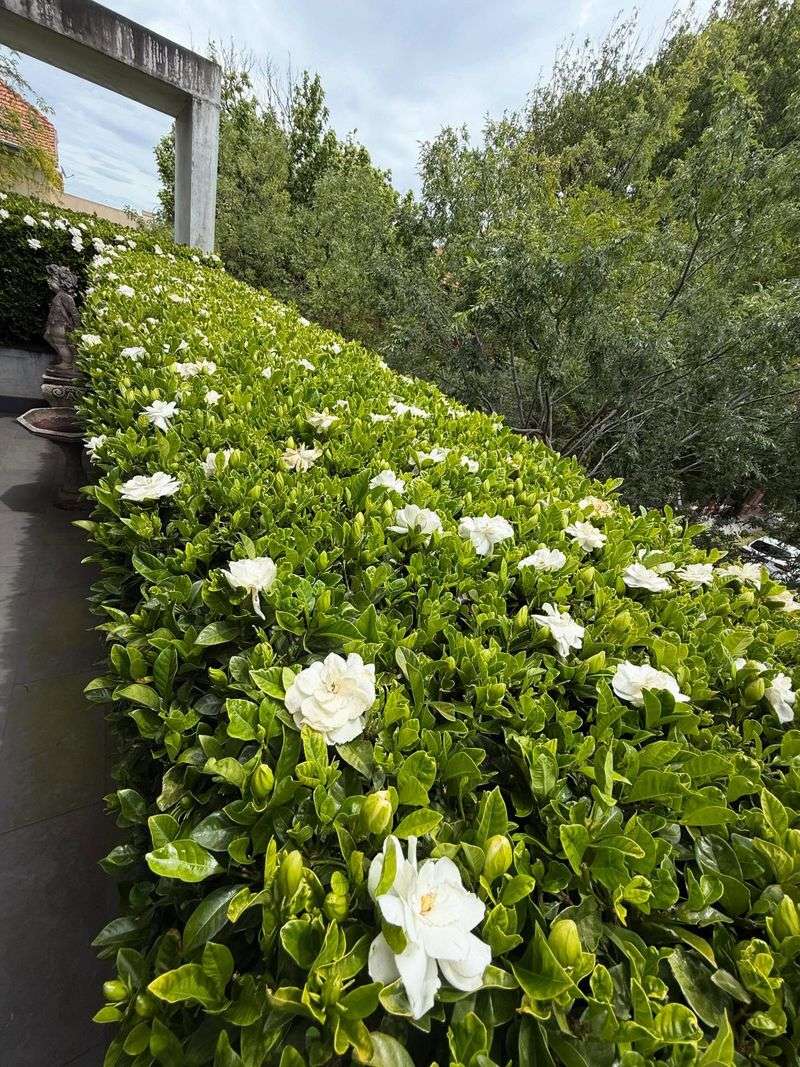
Mulch might be the single most underrated tool in a Georgia gardener’s summer toolkit.
Beneath that layer of pine bark or straw, the soil stays cooler, holds moisture longer, and supports the beneficial microbial activity that feeds plant roots.
Without it, Georgia clay bakes hard in July heat and sandy soils dry out within a day of watering. Gardenias feel the difference quickly under both conditions.
Pine bark mulch is a strong choice for gardenias specifically because it breaks down slowly and slightly acidifies the soil as it decomposes.
That is a natural double benefit for a plant that craves low pH. Pine straw, a staple across Georgia landscapes, works equally well and is often easier to source locally.
It knits together nicely, resists blowing away, and decomposes into organic matter that enriches the soil over time.
Apply a three to four inch layer around each plant, extending out to the drip line where feeder roots are most active.
Keep mulch pulled back about two inches from the main stem to prevent moisture buildup against the bark, which can invite fungal problems at the crown. Refresh the layer each spring before summer heat arrives.
During especially hot and dry stretches in July and August, that mulch layer acts like insulation for the root zone, keeping temperatures significantly lower than the surrounding soil.
Cooler roots mean less heat stress, more consistent moisture uptake, and a plant that keeps producing blooms instead of spending its energy just managing the conditions around it.
4. Water Deep During Dry Weeks
Water is where many well-meaning gardeners go wrong with gardenias.
A quick daily sprinkle feels attentive, but it trains roots to stay shallow near the surface where they are most vulnerable to heat and dry spells.
Deep, infrequent watering encourages roots to push down into cooler, more stable soil layers. That root depth is what keeps plants resilient when Georgia summers turn dry.
The general guidance is to provide about one inch of water per week, from rainfall or supplemental irrigation combined.
During dry weeks in July and August, that often means watering two to three times per week depending on soil type. Sandy soils need more frequent attention than clay-heavy beds.
A slow, deep soak at the base of the plant works far better than overhead sprinkling, which keeps foliage wet and encourages leaf spot and sooty mold over time.
Morning watering is the right timing. It gives foliage time to dry before nighttime humidity settles in, reducing fungal pressure at the point in the day when conditions are most favorable for disease.
A soaker hose or drip irrigation on a timer delivers consistent moisture directly to the root zone without the drawbacks of overhead watering.
Check soil moisture by pushing a finger two inches into the ground near the plant. Dry at that depth means time to water. Still damp means wait another day.
Roots that stay too wet develop problems just as real as roots that stay too dry, and gardenias signal both conditions with the same yellowing leaves and bud drop that send gardeners reaching for the wrong solution.
5. Improve Drainage Before Planting
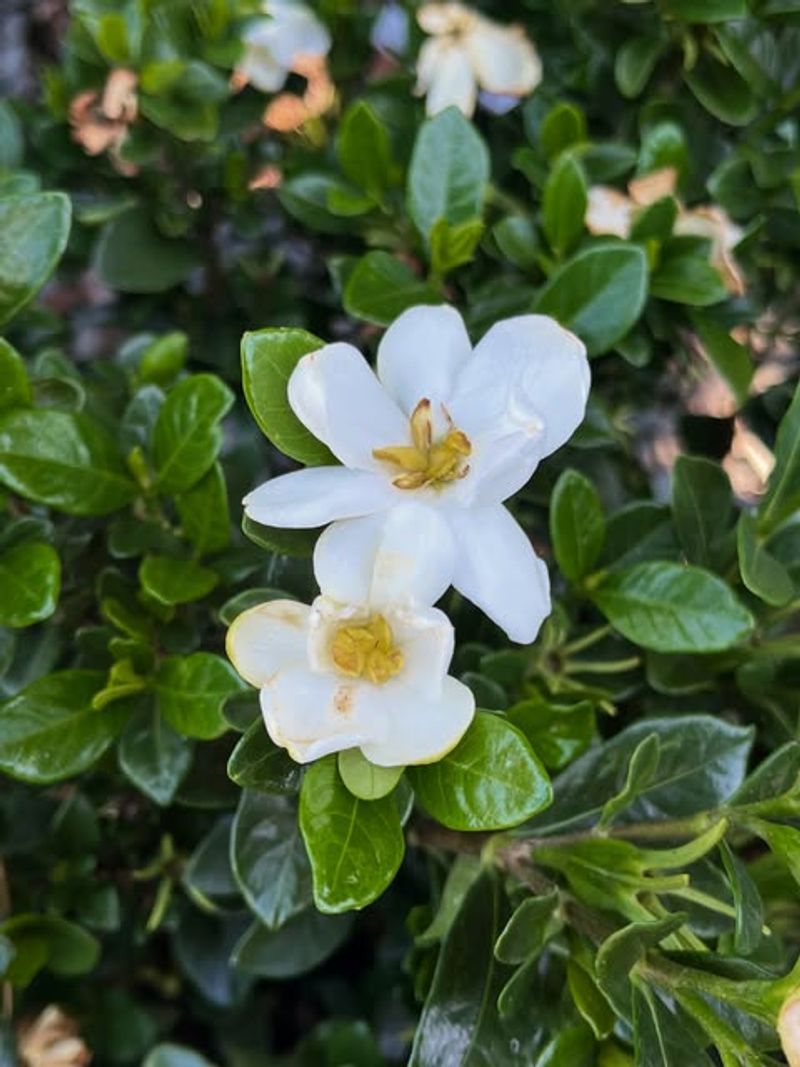
Standing water is one of the fastest ways to stress a gardenia in Georgia. Heavy clay soils across large portions of the Piedmont hold water long after rain events.
Gardenias planted in poorly drained spots sit in saturated soil with roots unable to breathe, and the plant declines gradually before most gardeners identify the actual cause.
The frustrating part is that the symptoms look almost identical to drought stress, so the instinct to add more water makes things worse.
The fix starts before anything goes in the ground. Dig down at least twelve inches and watch how quickly water drains after a heavy rain.
If water still pools six hours later, that site needs significant amendment or a different approach entirely.
Working coarse sand, perlite, and composted organic matter into the soil improves drainage in clay over time. For spots with chronic drainage issues, raised beds or bermed planting areas offer the most reliable long-term solution.
Raising the planting area by even six to eight inches above the surrounding grade dramatically improves how quickly excess water moves away from the root zone.
Build up the bed with a blend of native soil, pine bark fines, and compost. This also naturally lowers pH over time as organic matter breaks down, which is a secondary benefit that works directly in the gardenia’s favor.
Gardenias planted in raised or well-amended beds consistently outperform those planted directly into unamended clay.
Getting drainage right at the start removes one of the most common sources of summer stress before it ever has a chance to become a problem.
6. Feed Lightly At The Right Time
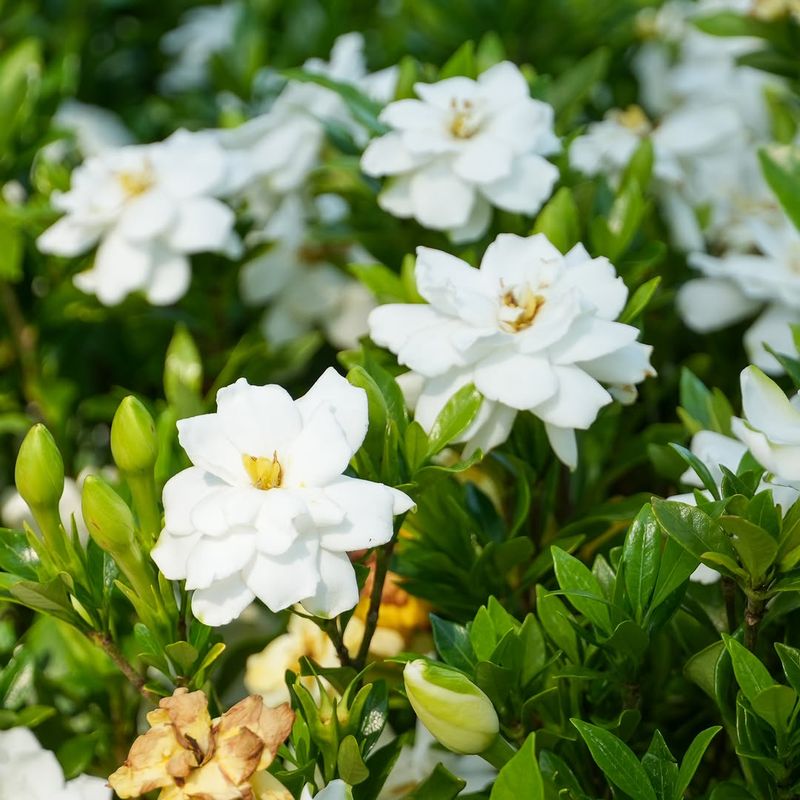
Fertilizing gardenias sounds simple, but timing and dosage matter more than most gardeners realize.
Too much nitrogen during the hottest weeks of summer pushes out soft, weak new growth that cannot handle heat stress and becomes a target for pests like aphids and whiteflies.
More fertilizer is not always better, and late summer feeding on gardenias in Georgia often creates more problems than it solves.
The right schedule starts in early spring as new growth begins. A second application in late May or early June gives the plant energy for its main bloom cycle.
After that, most horticulture guidance recommends holding off on feeding until temperatures cool in fall.
Acid-forming fertilizers formulated for gardenias, azaleas, and camellias work well and help maintain soil pH at the same time, which is a practical combination.
Slow-release granular fertilizers applied at the drip line and watered in well are easier to manage than liquid feeds.
Choose a formula with a slightly higher nitrogen number but in slow-release form so nutrients trickle in gradually rather than all at once. Follow label rates carefully.
Over-fertilizing leads to salt buildup that shows up as brown leaf tips and reduced root function.
A light hand with fertilizer, applied at the right points in the season, keeps gardenias well-nourished without triggering the vulnerable growth flushes that make summer harder for the plant to navigate.
7. Leave Room For Airflow
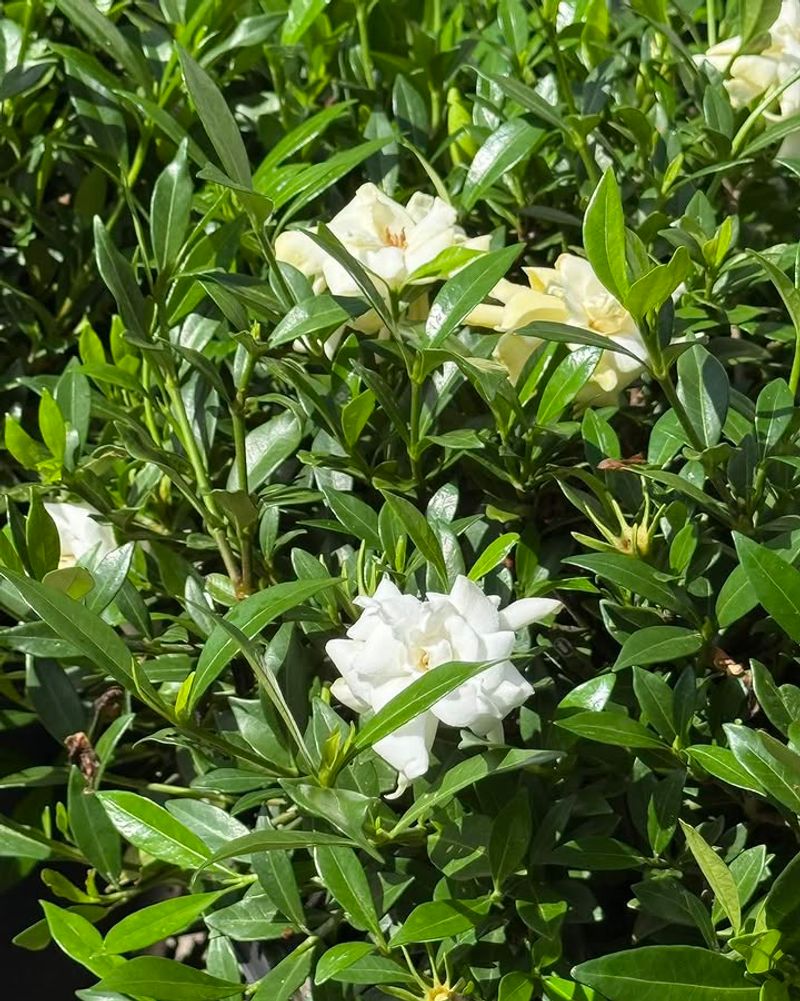
Crowded plants are stressed plants in Georgia summers. Poor airflow around gardenias creates perfect conditions for fungal diseases like powdery mildew and leaf spot.
When foliage stays damp overnight and morning dew cannot evaporate quickly, fungal issues spread fast. A plant pressed against a wall, fence, or neighboring shrub rarely gets the circulation it needs to stay healthy through August.
Most gardenia varieties grown in Georgia need at least four to six feet of space between plants and structures.
Larger varieties like August Beauty or Mystery can spread six feet wide at maturity.
Planting too close looks manageable in the first year or two, but once those plants fill in, interior branches stay perpetually shaded and damp. That interior is where fungal problems almost always begin.
Spacing also affects root competition. Gardenias planted too close to large trees or aggressive shrubs share the same root zone and compete for water and nutrients during the weeks when dry spells put the most pressure on the plant.
Checking the mature spread on the plant tag and honoring that spacing from day one prevents a problem that is much harder to correct after the plant is established.
If existing plants are already crowded, selective pruning to open up the canopy improves airflow significantly.
Prune right after the main bloom cycle ends in late spring or early summer to avoid removing next season’s buds.
A little breathing room goes a long way in Georgia heat, and the plants that have it consistently outperform the ones that do not.