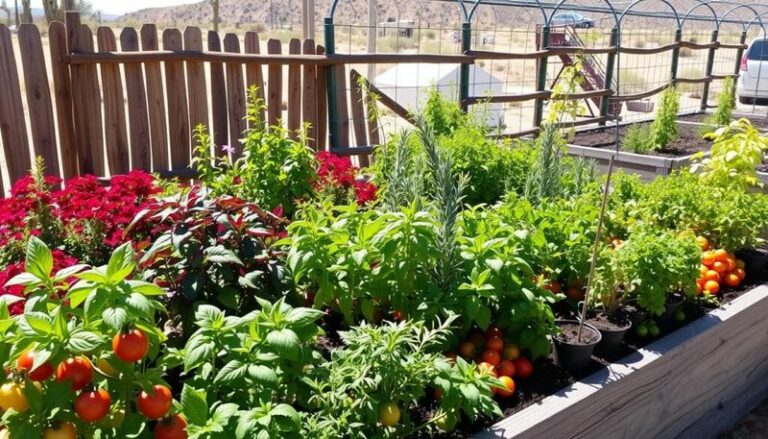
These Flowers Replant Themselves In Arizona Yards If You Just Stop Deadheading In Fall
A single desert wildflower stalk can drop hundreds of tiny seeds, and many of them sprout right where they land. I find it funny that the laziest fall habit might actually be the smartest one for desert gardeners.
Those crispy brown heads you want to snip are really little seed packets, already sealed and ready for winter rain. Birds peck at them too, so that messy look feeds finches and quail through the cooler Arizona months.
I have to admit, I used to tidy every faded bloom by October and wonder why my beds looked bare. You might notice the same pattern in your own yard if you trim everything before the seeds can ripen.
The flowers ahead are tough Arizona natives that handle heat, sip little water, and invite helpful wildlife into your space. So what happens if you simply put the pruners away this fall and let the plants handle planting?
1. Desert Marigold
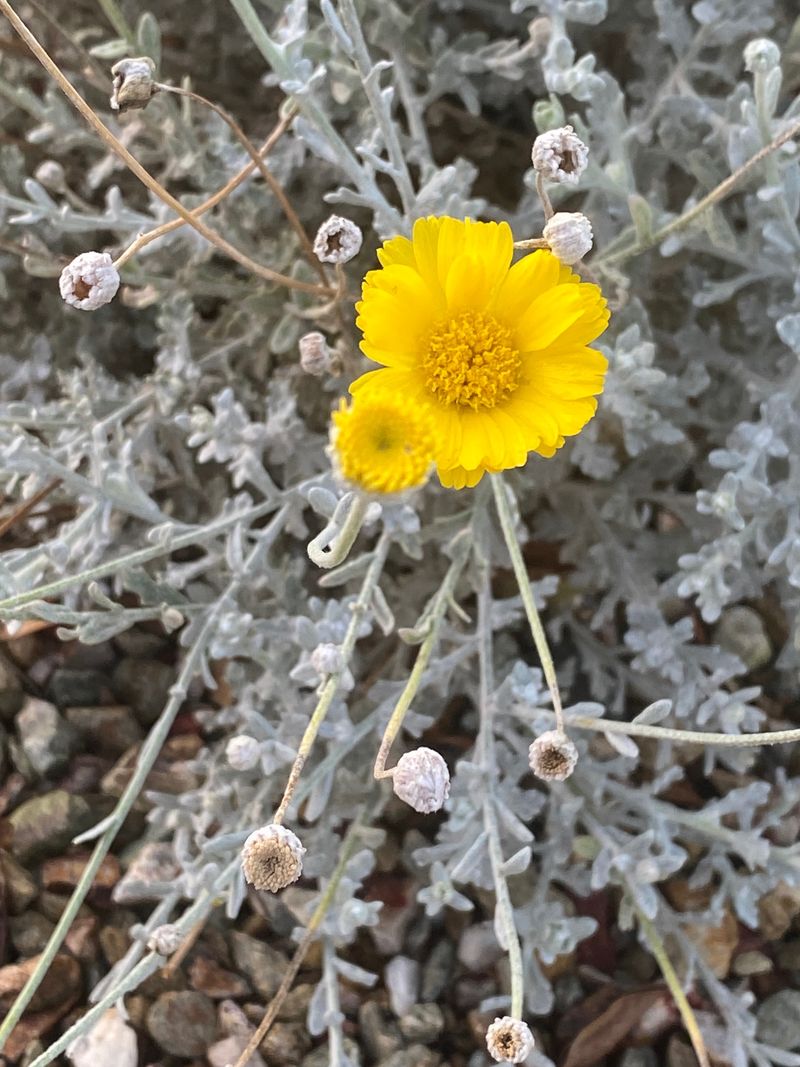
Sunny yellow daisies on silver stems pop up in gravel cracks where nobody ever planted a single seed. I love finding desert marigold seedlings in odd spots, like sidewalk edges, because it feels like a free gift.
Baileya multiradiata is native to the Southwest and blooms from spring into fall, sometimes nearly year round in warm spots. It loves full sun and lean, fast-draining soil, and too much water can shorten its fairly brief life.
Leave the papery seed heads standing through October so they can ripen and scatter on bare, open ground nearby. The seeds need light to sprout, so avoid covering them with thick mulch or burying them under soil.
Finches and doves often visit those dry heads, which makes your yard a busy little snack bar this season. Personally, I enjoy watching small birds bounce on the stems more than I ever enjoyed snipping off faded flowers.
One quick caution is worth sharing, because desert marigold can be toxic to sheep and goats if eaten heavily. For most backyards that rarely matters, but keep it in mind if you raise livestock or have curious grazing animals.
2. Globemallow
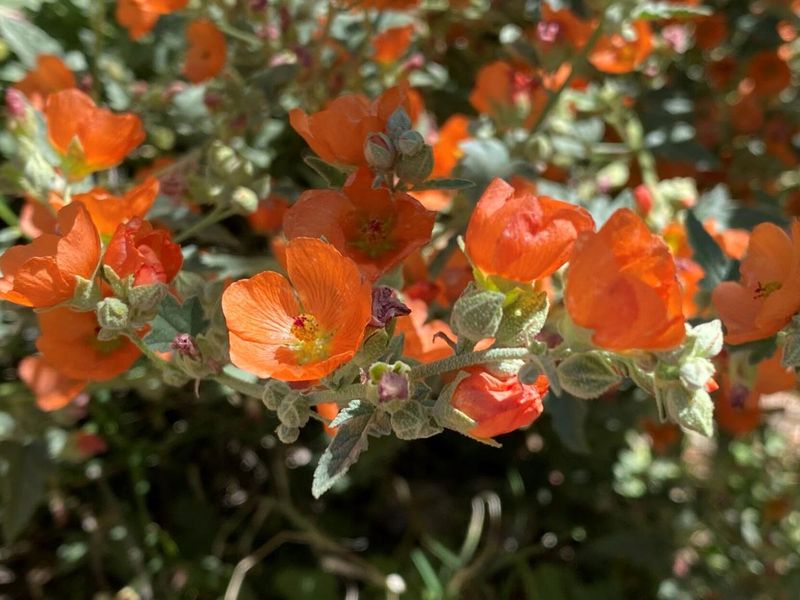
Tiny apricot cups glowing against fuzzy gray leaves make globemallow look like a cottage flower that moved to the desert. Native bees seem to agree, because I often see several crawling inside one blossom on warm mornings.
Sphaeralcea ambigua is a tough native perennial that handles reflected heat, rocky ground, and caliche with surprising ease. Plants usually grow two to three feet tall and bloom heavily in spring, then rebound nicely after summer rains.
Let a few flower spikes finish and dry this fall, since the small seeds will drop and modestly reseed nearby. You can still trim the plant back by about a third later, but wait until seeds have scattered first.
October and November are great months to add more plants, because cooler soil helps roots settle before next summer arrives. Water new plants regularly for the first season, then cut back once they show steady new growth on their own.
One fun detail involves the leaves, since tiny star-shaped hairs on them can irritate eyes if you rub your face. Wear gloves while handling them, and you will avoid that scratchy feeling after an afternoon of garden cleanup.
3. Parry’s Penstemon
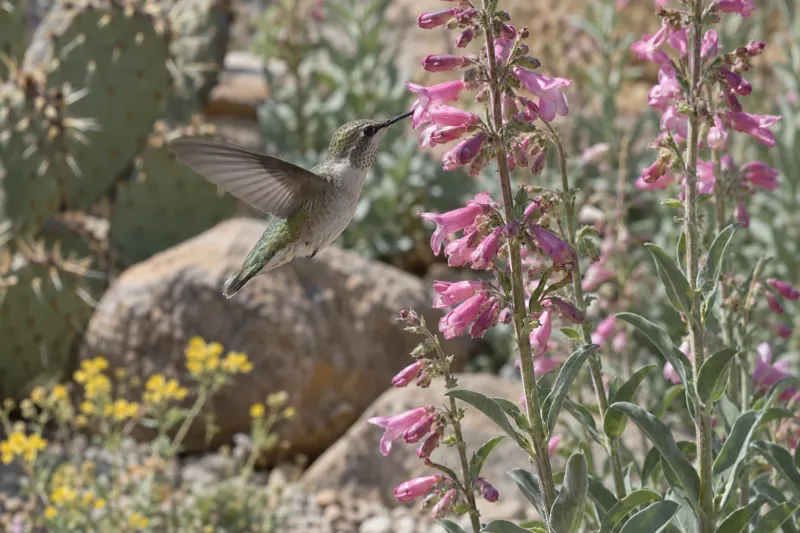
Hummingbirds seem to know exactly when Parry’s penstemon opens, often arriving within days of the first hot pink blooms. I like keeping a chair near my patch because the aerial squabbles over those flowers are pure entertainment.
Penstemon parryi is native to southern Arizona and northern Mexico, sending up flower stalks two to four feet tall. It wants full sun and gravelly soil with sharp drainage, and soggy ground quickly causes the base to rot.
Plants often live only a few years, so their tall dried seed stalks are your best insurance for the future. Leave them standing this fall, and seeds will tumble onto nearby gravel where young rosettes often appear by winter.
You can also shake a ripe stalk over bare soil to help seeds land exactly where you want new color. Seedlings that sprout this season usually form small leafy rosettes first, then flower the following spring once roots settle in.
A sprinkle of seed now beats buying replacement plants, and the reward feels much sweeter with that extra patience. Personally, I think a whole drift of volunteer penstemons looks better than anything I could ever plan on paper.
4. Firecracker Penstemon
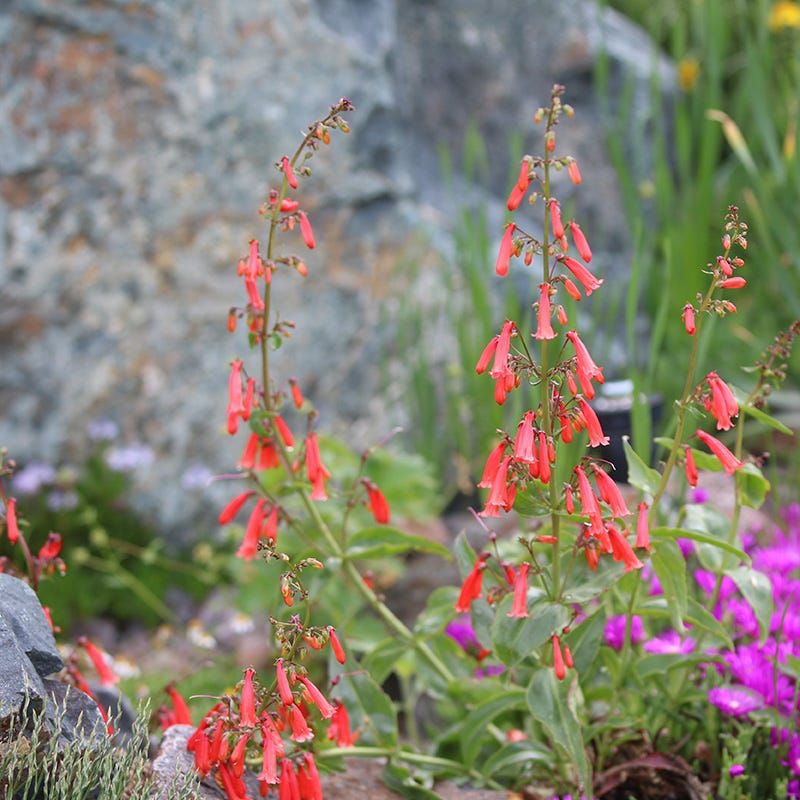
Scarlet tubes lined up like tiny trumpets give firecracker penstemon its fun name and an instant hummingbird fan club. You can spot those red spikes from across the yard, and so can every hungry hummer passing through.
Penstemon eatonii grows wild across much of the West, including higher parts of the state, and handles cold nicely. In low desert yards it appreciates some afternoon shade, good drainage, and occasional deep watering during long dry stretches.
Plants are fairly short-lived, yet they reseed readily when you leave the spent stalks standing through autumn and winter. The capsules split open as they dry, and new seedlings often show up close to the parent plant next season.
October is a fine time to scatter extra seed, since many penstemon seeds sprout better after cool, damp winter weather. Press seeds lightly onto the soil surface, then keep the area slightly moist until rains arrive later in the season.
Its basal leaves stay green through winter, so the bed rarely looks empty while you wait for spring stalks. I find that little patch of steady green comforting during months when many other garden plants look tired and sleepy.
5. Brittlebush
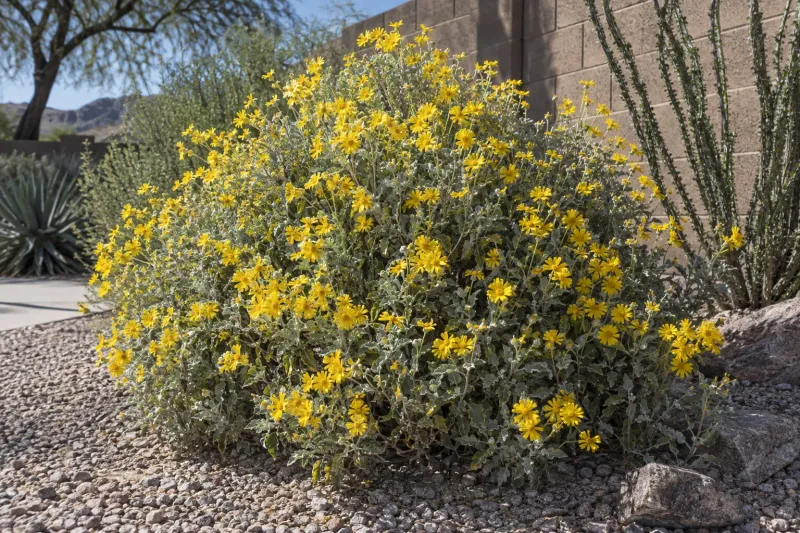
Whole hillsides turn golden each late winter when brittlebush blooms, and that glow can start right in your front yard. Early settlers reportedly used its fragrant resin as incense, which explains a common nickname you may hear, incienso.
Encelia farinosa is a native shrub that grows about three feet tall and wide with soft silvery leaves. Those pale leaves reflect sunlight, helping the plant handle brutal summer heat with very little supplemental water once established.
Blooms usually peak from February through April, then seed heads dry and scatter if you leave them alone afterward. Volunteer seedlings often show up in gravel beds, so let a few stalks remain while you lightly shape the shrub.
October through early December is prime planting time, because cooler weather lets new roots spread before summer heat returns. Water deeply but infrequently during that first year, and the shrub will reward your patience with strong, sturdy growth.
Leaves may drop during severe summer drought, which is a normal survival trick rather than a sign of trouble. I was nervous the first time mine looked bare, but fresh leaves returned quickly once the monsoon rains arrived.
6. Mexican Gold Poppy
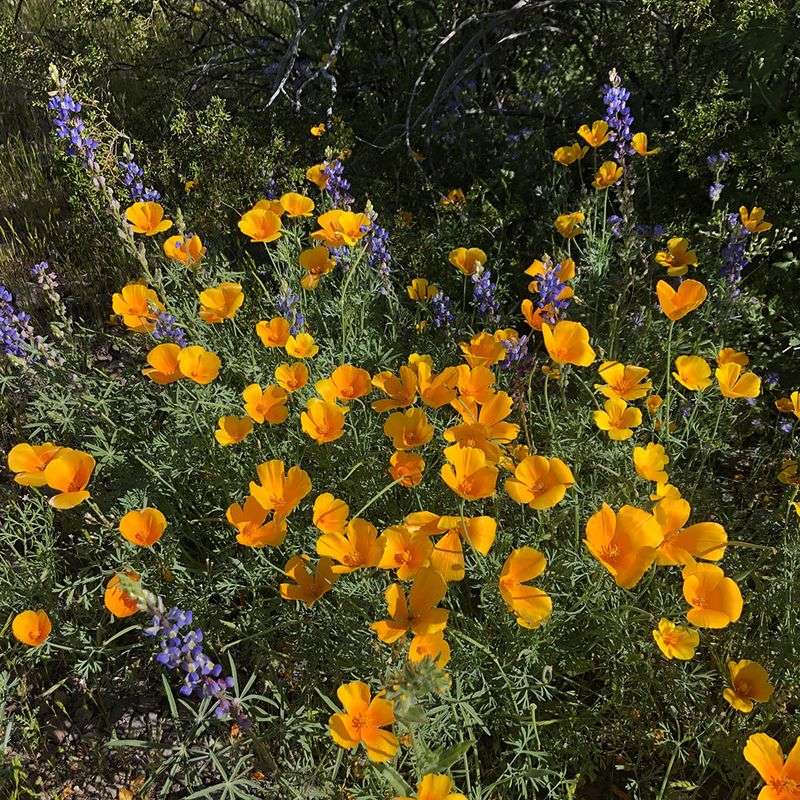
Each Mexican gold poppy flower closes up on cloudy days and at night, then opens again with the morning sun. I love how a patch of them seems to wake up right alongside me during early spring breakfast.
Eschscholzia californica subspecies mexicana is a native annual that sprouts after fall and winter rains in desert areas. Seeds need cool weather to germinate, so October and November are the perfect months for getting them started now.
Since these are annuals, letting the slender seed pods ripen in late spring is how next year’s show happens. If last season’s pods already popped, check the soil surface this fall for tiny blue-green seedlings starting to appear.
Rake the soil lightly before scattering seed, because good contact with bare ground helps the small seeds sprout well. Avoid heavy mulch over the area, and gentle watering after sowing helps if winter rains arrive late this year.
Native bees work these flowers busily, gathering pollen from the bright cups on sunny spring days in the garden. You may also spot quail nibbling seedlings, so a little extra seed helps share the bounty with hungry neighbors.
7. Desert Bluebells
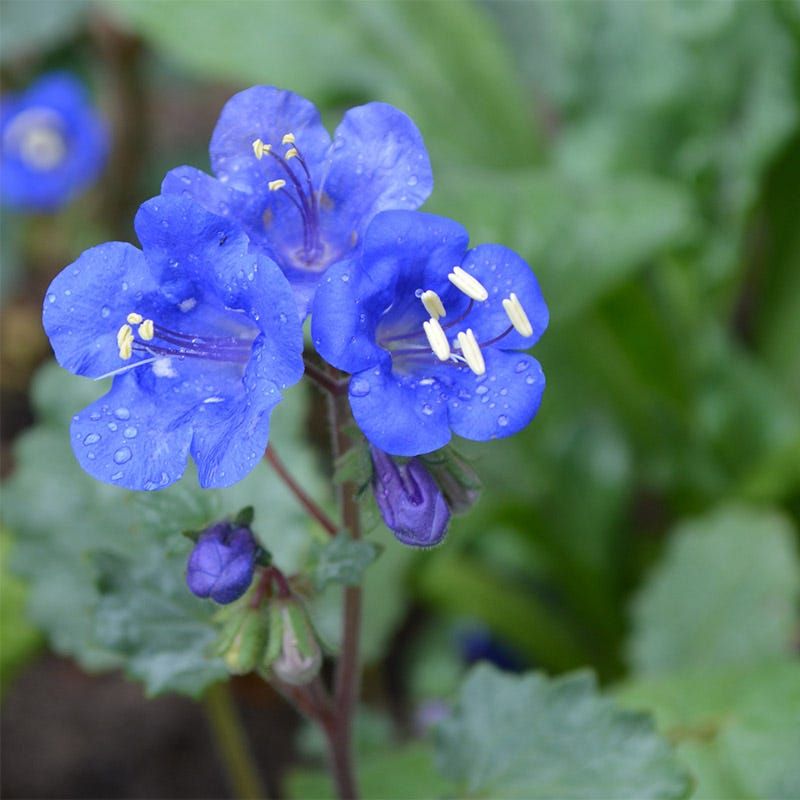
Few desert flowers match the electric blue of desert bluebells, which look almost too vivid to be real. You might catch yourself bending down for a closer look, and honestly, I still do that every spring.
Phacelia campanularia is a native annual from the Sonoran and Mojave deserts that grows about a foot tall. It thrives in full sun and sandy, well-drained soil, and it prefers dry conditions once its roots settle.
Leave the plants in place after flowering so their seed capsules can ripen and spill seed across the ground. Those seeds often wait in the soil until fall rains arrive, then sprout when cooler temperatures return in autumn.
October is a smart time to sow extra seed, since young plants need winter moisture to grow strong roots. Scatter seed on bare soil, press it down gently, and resist burying it too deep under loose sand.
Some people get an itchy rash from touching the leaves, a reaction common with many phacelia species. Gloves help during weeding, and bees will happily handle the pollination work while you admire the color from nearby.
8. Blackfoot Daisy
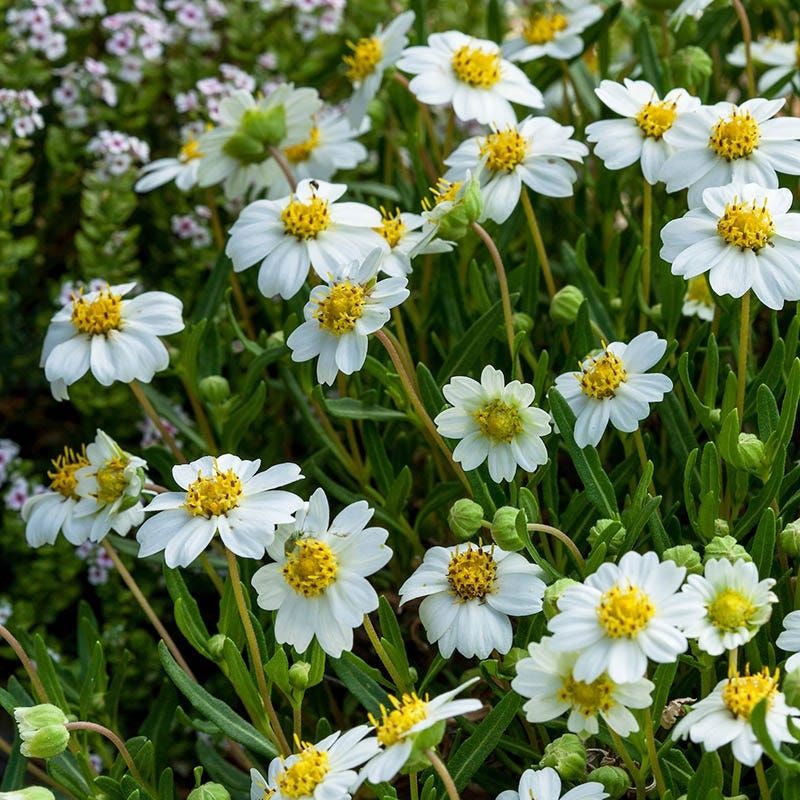
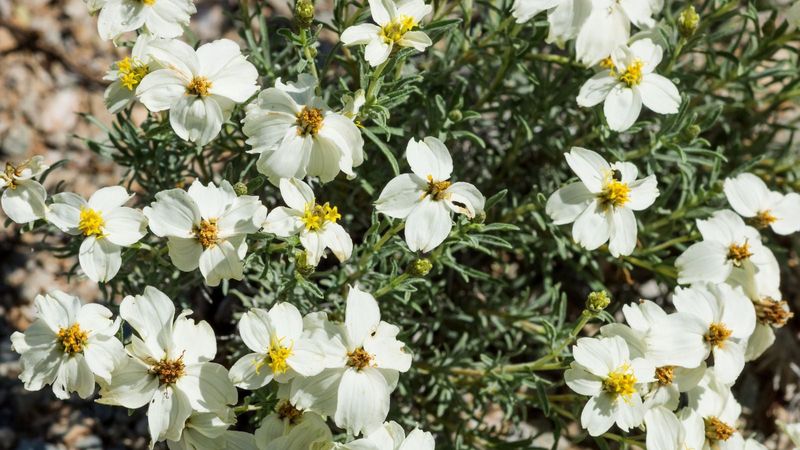
A tidy cushion of white daisies smelling faintly of honey makes blackfoot daisy a sweet surprise in rocky beds. I like tucking it near walkways because the scent drifts up on warm afternoons when you pass by.
Melampodium leucanthum is a native perennial that stays under a foot tall and spreads about two feet wide. It loves full sun, gritty soil, and reflected heat, but overwatering often makes plants weak and short-lived.
The flowers bloom from spring into fall, and dried heads drop seeds that can sprout nearby in gravel areas. Seedlings appear in modest numbers rather than crowds, which keeps this tough little plant easy to manage over time.
Fall is an ideal time to plant nursery starts, giving roots several cool months to settle before summer returns. Choose a spot with excellent drainage, and skip rich compost, since lean soil keeps the mound compact and healthy.
Small native bees and butterflies visit the blooms, so even a single plant adds a bit of buzzing life. Personally, I think it earns its place simply by staying cheerful during weeks when bigger plants look worn out.
9. Desert Zinnia
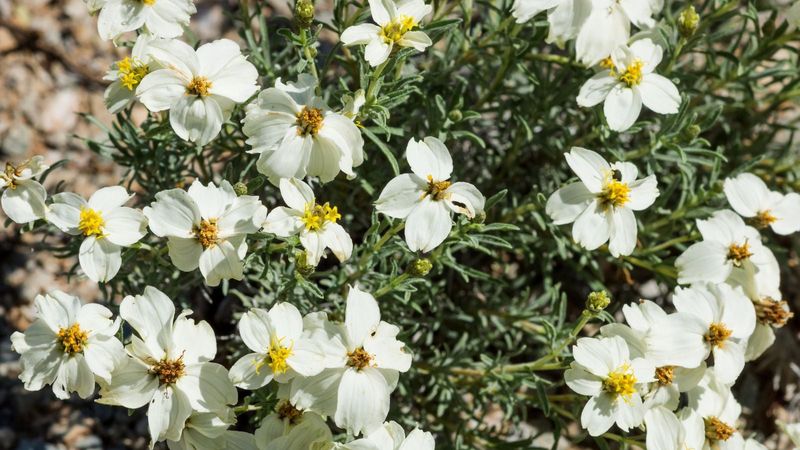
Tiny papery petals on desert zinnia stay attached even after they fade, turning from creamy white to soft tan. You get a flower that looks decorated long after blooming ends, which feels like bonus color for free.
Zinnia acerosa is a low native subshrub found in the state’s southeastern deserts and nearby regions. It stays under a foot tall with narrow needle-like leaves, and it handles heat and drought with very little help.
Leaving the dry flower heads in place lets seeds fall into nearby gravel, where occasional seedlings can take root. Results are slower than with wildflower annuals, so think of reseeding here as a pleasant extra rather than a guarantee.
October planting gives nursery plants a cool season to grow roots before facing next year’s heat in your garden. Water deeply every week or two at first, then taper off as the plant becomes steady and settled.
Its low habit works beautifully along borders, giving lizards and ground beetles cover among the rocks and stems. I enjoy seeing that little habitat corner busy with life, especially since it costs almost nothing to maintain each year.
10. Arizona Lupine
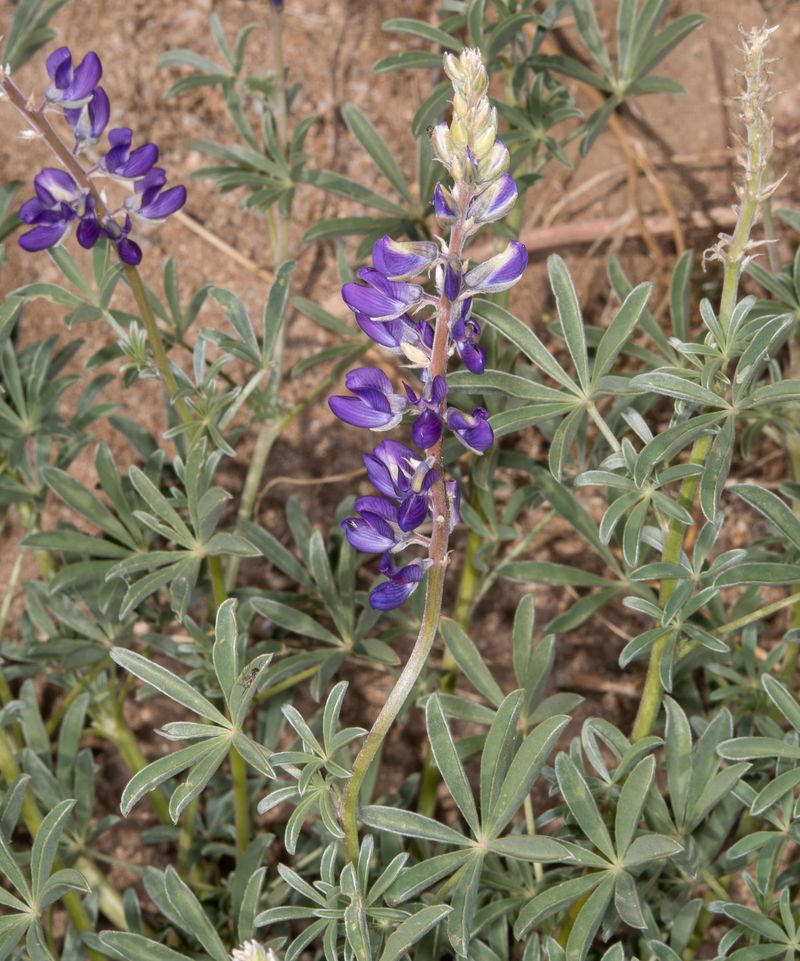
Lupine seed pods actually snap open as they dry, flinging seeds several feet away from the parent plant. I once heard that little pop on a quiet spring afternoon and laughed at the plant’s tiny show.
Lupinus arizonicus is a native annual with pinkish purple flower spikes rising above hand-shaped leaves in early spring. Like other lupines, it partners with soil bacteria to capture nitrogen, which can help enrich poor desert ground.
Letting those pods ripen and burst is the simplest way to keep lupines returning year after year in your yard. Seeds have a hard coat, so many wait in the soil until cool fall rains help them sprout.
October sowing works well, and nicking or soaking seeds overnight can improve germination for anyone planting new seed. Pick a sunny spot with sandy soil, and keep it lightly moist if winter rains arrive later than usual.
Lupine seeds can be toxic if eaten, so keep curious pets and children away from the pods. Bees adore the blooms though, and watching them land on those purple spikes makes the patience worthwhile each spring.