How Georgia Homeowners Can Get Rid Of Chamberbitter Before It Spreads
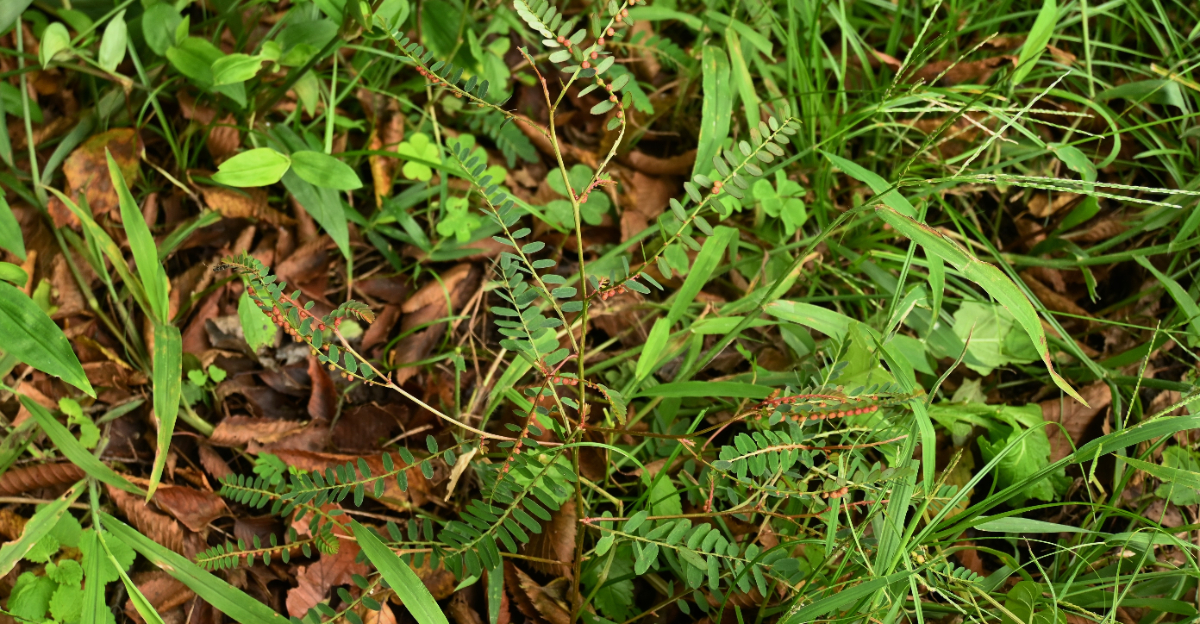
Chamberbitter can look harmless when only a few stems appear between your lawn or garden plants. Ignore those small patches, though, and this stubborn weed can quickly become much harder to control.
Getting ahead of it requires good timing rather than simply pulling whatever greenery catches your eye. You need to recognize the plant and act before it spreads further.
Warm Georgia summers give chamberbitter conditions that can help it establish quickly. Waiting until the yard is covered makes the job far more frustrating.
Start by checking garden beds, lawn edges, and other disturbed areas where unfamiliar growth appears. Early attention gives you more control over what happens next.
Several removal methods can work, but choosing the right approach matters.
Handle chamberbitter while patches are manageable, and you can limit how much ground it gains.
1. Early Removal Is The Best Way To Stop Chamberbitter
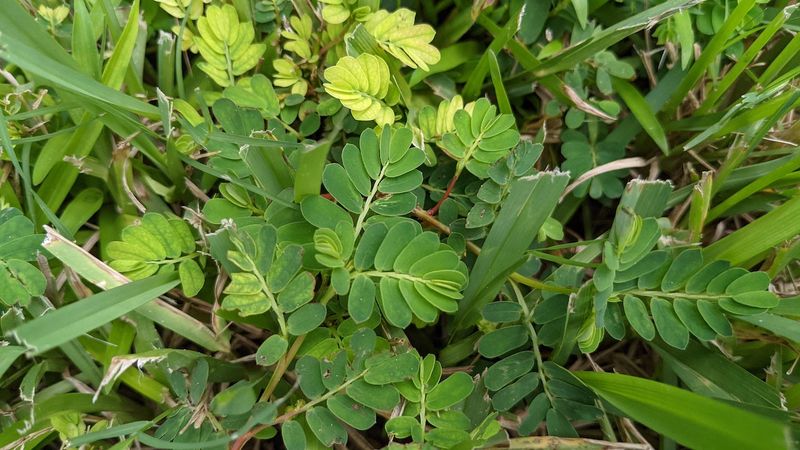
Chamberbitter does not wait around. Once it sprouts, it moves fast toward producing seeds, and that window closes quicker than most people expect.
Catching this weed in its earliest stage, when it is just a tiny seedling with soft stems, is far easier than fighting a mature plant. Young chamberbitter pulls cleanly from loose soil without much effort.
Waiting even two or three weeks changes everything. Older plants develop a stubborn taproot and begin loading up with seeds along their branches.
Once those seeds drop, you are dealing with a much bigger problem next season.
A good habit is to walk your yard every week during late spring and summer. Look closely at garden edges, fence lines, and bare soil patches where chamberbitter tends to appear first.
Act the moment you spot one. Pulling a single plant before it seeds can prevent hundreds of new ones from sprouting later.
Small actions taken early add up to real results over time.
Timing matters more than the method you use. Even the best tools will not make up for waiting too long.
Early removal is genuinely the most practical strategy a homeowner has against chamberbitter before it takes over a yard.
2. Tiny Seeds Hide Along The Undersides Of Its Branches
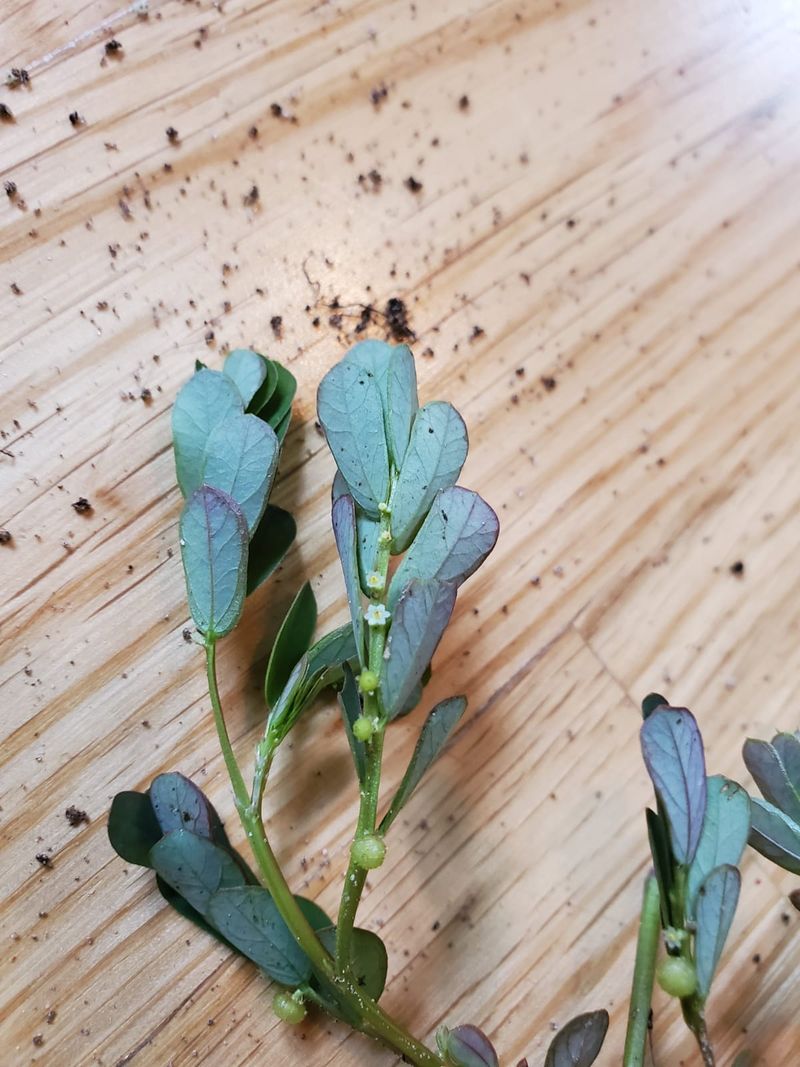
Flip a chamberbitter branch over and you will see something surprising. Rows of tiny round seeds line up neatly underneath, hidden from view unless you look carefully.
Most people mistake chamberbitter for a harmless little plant because it looks almost delicate. What they miss is that those hidden seeds are already developing before the plant looks fully mature.
By the time the plant appears large, many seeds are already close to dropping.
Each plant can produce a significant number of seeds, and those seeds stay viable in the soil for more than one season. That means seeds from this year can sprout next year and the year after.
When pulling chamberbitter, avoid shaking the plant. Shaking it can knock seeds loose directly into the soil you are trying to clean up.
A slow, steady pull and then placing the plant into a bag right away reduces that risk.
Your Georgia Garden Changes Every Week. Your Plan Should Too.
Gardening in Georgia changes quickly throughout the season. Every Friday you’ll receive a simple weekly plan showing exactly what to plant, prune, fertilize, harvest, and protect so you never miss the right timing.
Bag every pulled plant before moving on to the next one. Leaving pulled plants on the ground is a common mistake that allows seeds to finish ripening even after the plant is uprooted.
Understanding where the seeds hide changes how you handle removal. Treating chamberbitter as a seed-producing machine, not just a weed, helps you approach the job with the right level of care.
3. Pulling Young Plants Works Best Before Seeds Mature
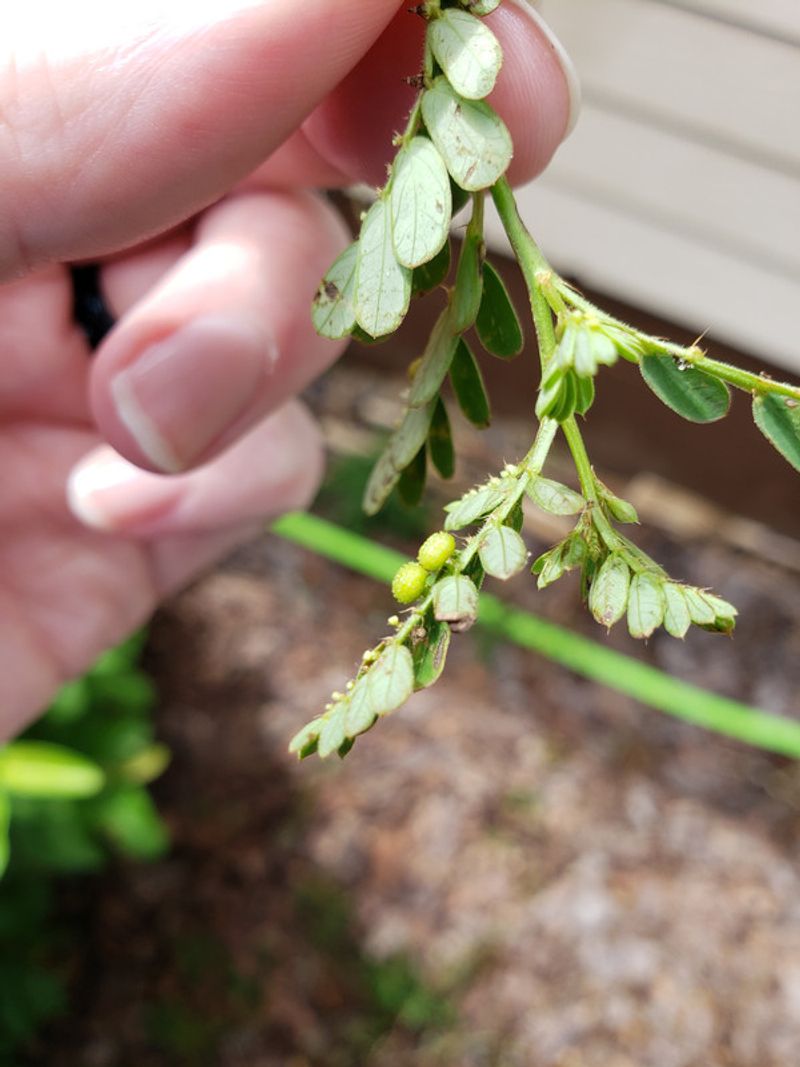
Hand-pulling sounds simple, but doing it right at the correct time is what actually works. Young chamberbitter plants have shallow roots and soft stems that come out of the ground easily.
Wait until after a light rain or watering session. Moist soil releases roots more cleanly, and you are less likely to snap the stem and leave the root behind.
A snapped stem means the plant can regrow from what remains underground.
Grip the plant low, as close to the soil line as possible. Pull slowly and steadily rather than yanking quickly.
A quick pull often breaks the stem, while a slow pull gives the root time to release from the soil in one piece.
Young plants pulled before seeds mature do not pose a reseeding threat. That is the key advantage of acting early.
Once seeds develop along those branches, even a successfully pulled plant can still leave seeds in the soil if you are not careful.
A simple hand tool like a dandelion digger or a narrow weeding fork can help with slightly older seedlings that have started forming a taproot. These tools let you loosen the soil around the root before pulling.
Consistency beats intensity here. Pulling a few plants every week is more effective than one big session after the problem has grown out of control.
4. Moist Soil Makes The Taproot Easier To Remove
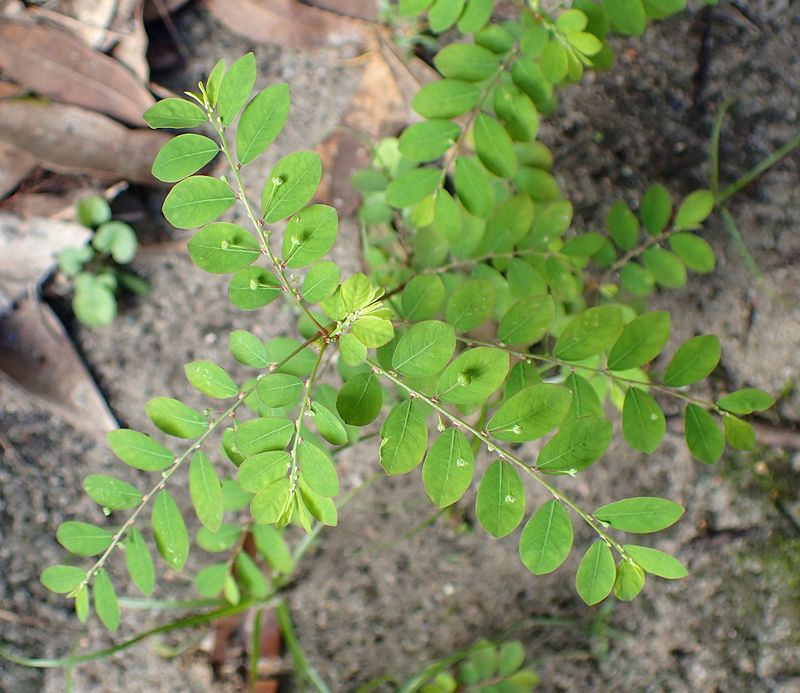
Dry, hard soil is a weed’s best defense. When the ground is compacted and dry, roots grip tightly and stems snap before the root comes free.
Chamberbitter develops a taproot fairly quickly as it matures. In dry conditions, that taproot can break off underground during removal, leaving enough plant material behind to regrow.
Getting the whole root out matters.
Watering the area the evening before a planned weeding session is a practical trick. Morning soil after evening watering tends to be loose enough that roots slide out with steady pressure and minimal breakage.
After rain is another ideal time to weed. Georgia summers bring afternoon thunderstorms that leave the soil soft and workable for a day or two afterward.
Taking advantage of that window can make a big difference in how cleanly plants come out.
A narrow hand tool inserted a few inches beside the plant, angled toward the root, helps break the soil seal around the taproot. Rock the tool gently before pulling.
That loosening step often means the difference between a clean removal and a broken stem.
Removing the full taproot reduces the chance of regrowth from that same spot. Broken roots do not guarantee regrowth, but leaving them behind creates unnecessary risk.
Moist soil simply gives you a better shot at a complete removal every time.
5. Mulch Blocks The Light New Seedlings Need
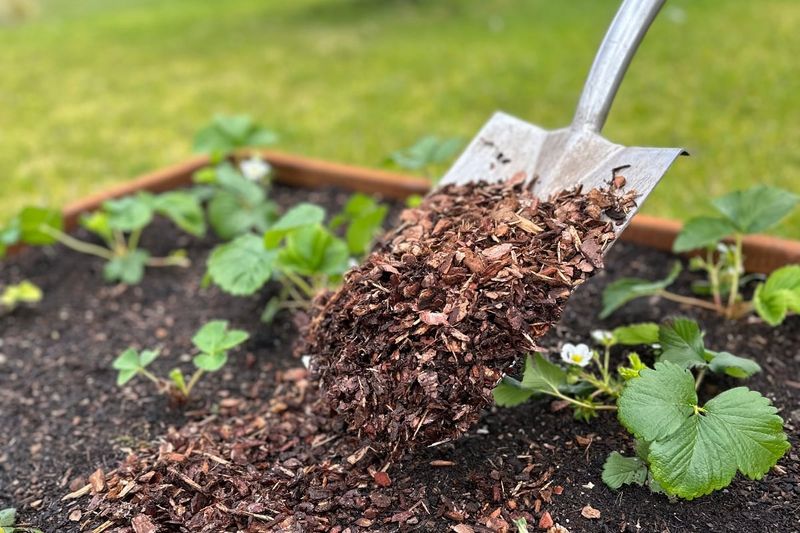
Chamberbitter seeds sitting in your soil cannot sprout without light. Blocking that light is one of the more reliable ways to reduce how many new plants emerge each season.
A layer of mulch two to three inches thick over garden beds creates a physical barrier that makes it much harder for small seeds to germinate and push through. Thinner layers allow more light to reach the soil surface and offer less protection.
Wood chip mulch, shredded bark, and pine straw are all common choices in Georgia yards. Each one works reasonably well at suppressing weed germination when applied at the right depth.
Pine straw tends to be widely available and easy to spread across larger areas.
Mulch also helps retain soil moisture, which benefits your garden plants while creating less favorable conditions for weed seeds near the surface. It is a practical two-in-one benefit.
Refresh your mulch layer each season. Over time, mulch breaks down and thins out, reducing its effectiveness as a light barrier.
Adding a fresh layer in early spring, before chamberbitter seeds begin germinating, gives you the best head start.
Mulch alone will not solve a serious chamberbitter problem, but it meaningfully reduces the number of new seedlings that emerge. Combined with regular hand-pulling, it becomes a solid part of a practical long-term management approach.
6. Established Lawns Leave Less Room For New Growth
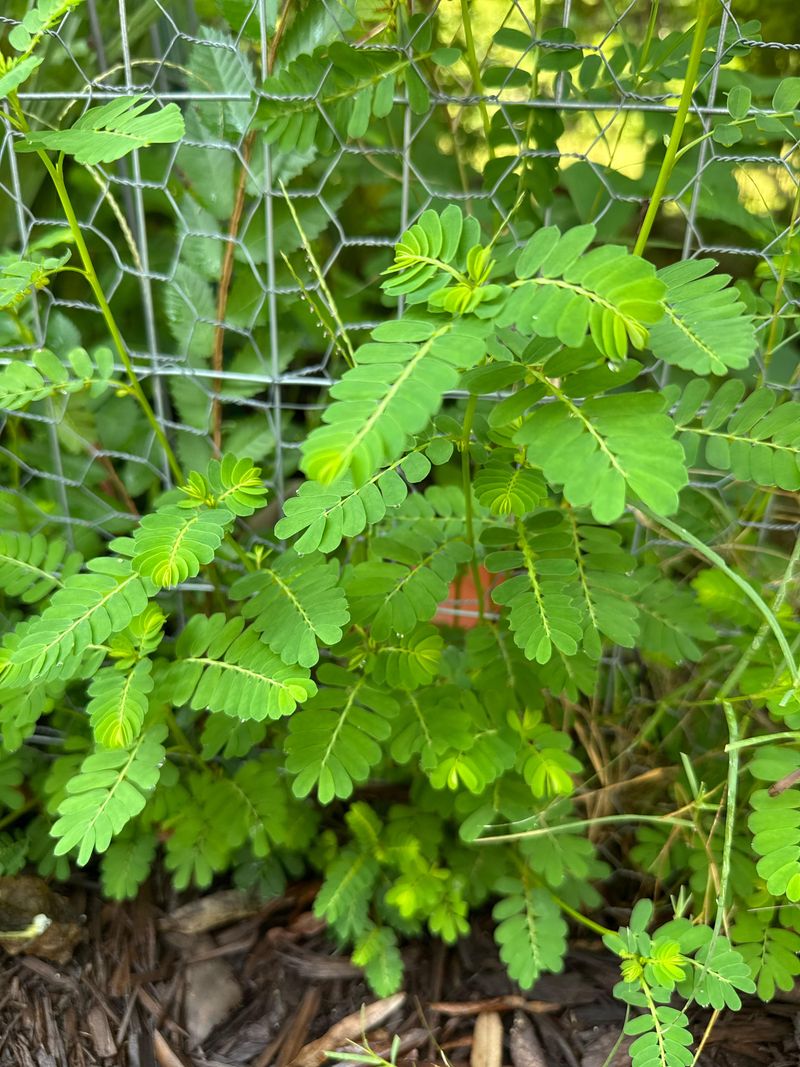
A thin, patchy lawn is an open invitation for chamberbitter. Bare soil patches are exactly where this weed tends to establish first, because there is no competition blocking its path.
Dense, healthy turf grass crowds out weed seedlings by shading the soil and competing for water and nutrients. Chamberbitter seedlings struggle to get a foothold when grass is thick enough to cover the ground well.
Proper mowing height matters more than many homeowners realize. Cutting grass too short removes the leaf canopy that shades the soil and helps suppress weed germination.
Keeping turf at the right height for your specific grass type supports a thicker, more competitive lawn.
Fertilizing on a proper schedule encourages dense turf growth. Sparse lawns often result from nutrient deficiencies or compacted soil that limits root development.
A soil test can reveal what your lawn actually needs rather than guessing.
Aerating compacted soil allows grass roots to spread deeper and fill in thin areas over time. Overseeding bare patches in the appropriate season for your grass type also helps close up the gaps where weeds tend to appear.
A lawn that covers the ground well naturally pushes back against chamberbitter without requiring constant intervention.
Building toward that kind of turf density is a long-term investment that pays off each summer with fewer weeds competing for space.
7. Regular Checks Help Break The Cycle Next Summer
Chamberbitter does not disappear after one season of effort. Seeds already in the soil can germinate the following year, so staying consistent is what prevents the problem from rebuilding itself.
A quick weekly walk through your yard during the growing season takes only a few minutes.
Looking at garden edges, bare patches, and areas under trees or shrubs where chamberbitter tends to hide gives you a chance to catch new seedlings before they progress.
Keep a small bucket and a hand tool nearby during these checks. Removing plants on the spot, rather than making a mental note to return later, prevents the habit from slipping.
Small plants spotted during a walk can be pulled in seconds.
Late summer is a critical window. Chamberbitter that escaped earlier in the season is now working hard to produce seeds before temperatures drop.
Catching these plants before seeds fully develop can reduce next year’s seedling count noticeably.
Record what you observe from one season to the next. Noting where chamberbitter appears most consistently helps you focus your attention in the right spots each year.
Patterns often repeat in the same locations.
Breaking the seed cycle takes more than one season of effort. Consistent monitoring over two or three years steadily reduces the seed bank in your soil, and fewer seeds mean fewer plants to manage each summer going forward.