What To Do If Deer Keep Showing Up In Your Georgia Yard This Summer
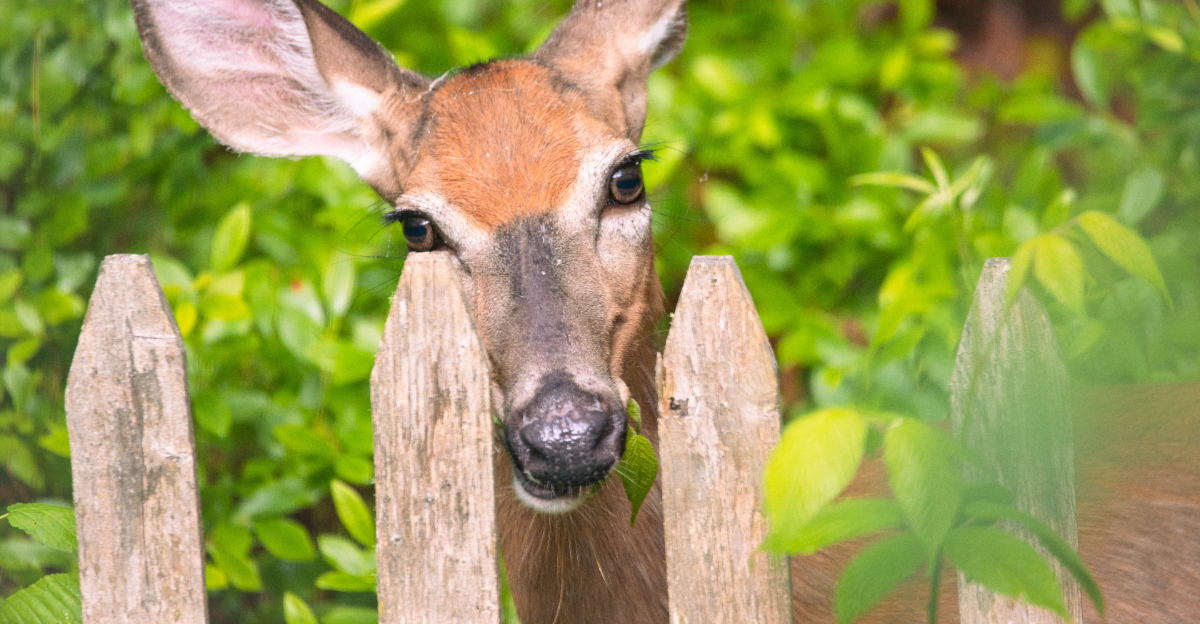
One unexpected visit from a deer can feel like a special moment. When those visits become a regular occurrence, though, the excitement usually fades.
Flowers disappear overnight, fresh growth is chewed back, and plants that looked perfectly healthy a day earlier suddenly tell a different story.
It doesn’t take long before you start wondering why your yard keeps attracting them while others nearby seem untouched.
Deer rarely wander into the same places without a reason. Food, shelter, and even simple landscaping choices can make one property far more appealing than another.
During summer, those patterns often become even more noticeable.
If you’re dealing with repeated visits in Georgia, a few practical changes can make your yard much less inviting without harming the wildlife that passes through.
1. Remove Food Sources That Attract Deer
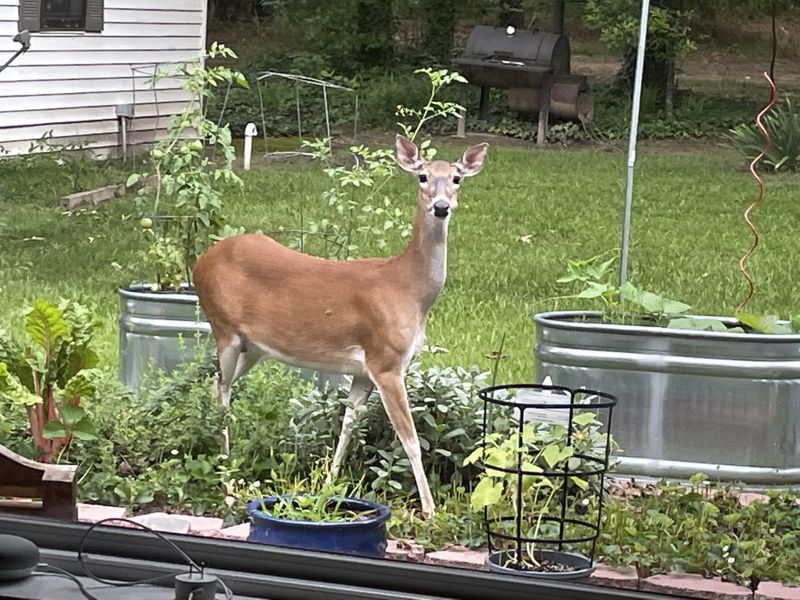
Deer do not wander into yards randomly. Something is pulling them in, and nine times out of ten, it is food.
Start by looking around your yard with fresh eyes. Fallen fruit, vegetable scraps, and even bird seed scattered on the ground are major attractants.
Deer have strong noses and can smell food from a distance.
Fruit trees are a big culprit. If you have peach, apple, or pear trees, pick up any dropped fruit immediately.
Do not let it sit overnight. A deer that finds one peach will be back looking for more.
Vegetable gardens are equally tempting. Tomatoes, beans, lettuce, and sweet corn are like a welcome sign for deer.
Consider moving edible plants closer to your home or into raised beds near high-traffic areas where deer feel less comfortable approaching.
Compost piles also attract deer. If you compost fruit or vegetable scraps, use a sealed bin rather than an open pile.
Open compost sends a strong scent signal to every deer in the neighborhood.
Even ornamental plants can be part of the problem. Hostas, impatiens, and daylilies are among the most browsed plants in residential yards.
2. Protect Plants With Temporary Fencing
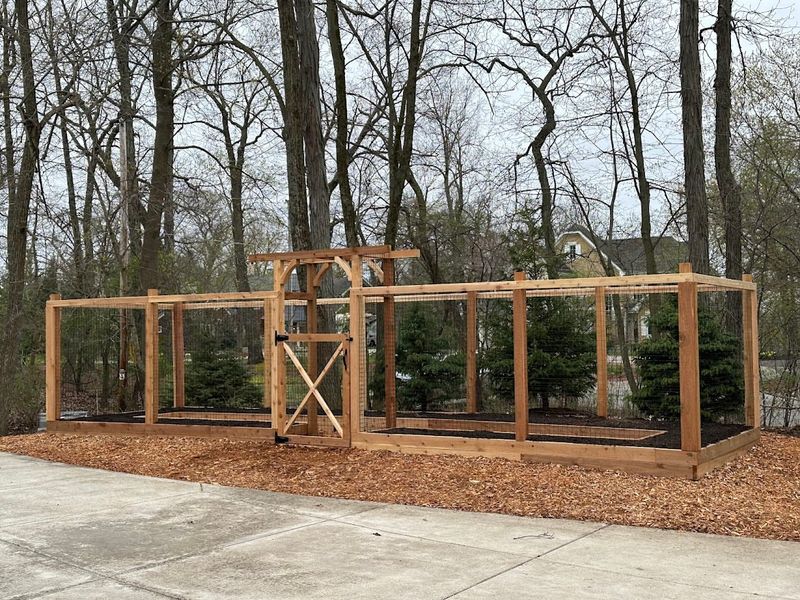
Fencing does not have to be permanent to be effective. Temporary options work surprisingly well, especially during summer when deer pressure peaks.
Black mesh deer netting is affordable and easy to install. Wrap it around individual shrubs or stretch it around garden beds.
It blends into the landscape and does not require posts or heavy hardware.
Tomato cages wrapped with mesh netting can protect individual plants quickly. Stakes and zip ties hold everything together without much effort.
Setup takes maybe twenty minutes per bed.
For larger areas, use metal T-posts and welded wire fencing. Deer can jump high, so aim for at least seven feet if you want a full barrier.
A shorter fence at an angle can also confuse deer since they struggle to jump wide and high at the same time.
Electric fencing is another option that many gardeners in rural areas use with good results. A single strand baited with peanut butter teaches deer to avoid the area quickly.
Always follow local guidelines before installing electric fencing near neighbors or public areas.
Your Georgia Garden Changes Every Week. Your Plan Should Too.
Gardening in Georgia changes quickly throughout the season. Every Friday you’ll receive a simple weekly plan showing exactly what to plant, prune, fertilize, harvest, and protect so you never miss the right timing.
Temporary fencing works best when combined with other methods. A fence alone slows deer down, but removing food sources and using repellents creates stronger results overall.
3. Grow More Deer-Resistant Plants
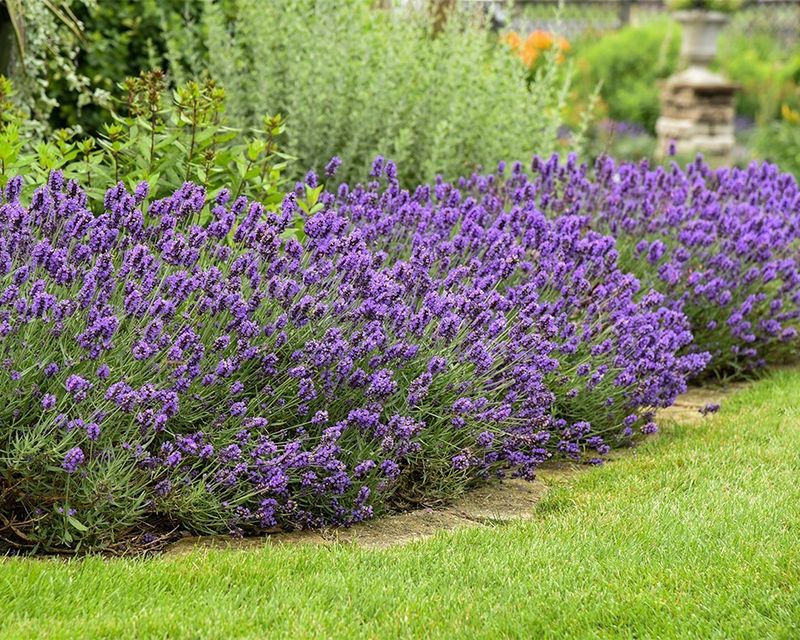
Swapping out vulnerable plants for deer-resistant varieties is one of the smartest long-term moves you can make. It does not guarantee deer will never browse, but it dramatically lowers the appeal of your yard.
Deer tend to avoid plants with strong scents, fuzzy textures, or bitter tastes. Lavender, rosemary, sage, and yarrow are solid choices that hold up well in warm Southern summers.
These plants also attract pollinators, which is a bonus.
Ornamental grasses are largely ignored by deer. Switchgrass, muhly grass, and fountain grass add movement and texture to a yard without becoming a snack.
They are also drought-tolerant once established, which matters during hot dry spells.
Native plants are worth considering too. Many native wildflowers and shrubs evolved alongside local deer populations and tend to be browsed less heavily than exotic ornamentals.
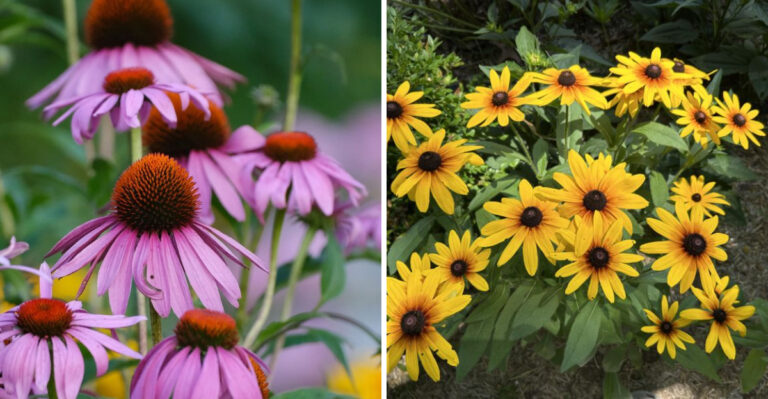
Beautyberry, native azaleas, and black-eyed Susans are popular choices in Georgia landscapes.
Spiky or thorny plants like barberries, hollies, and rugosa roses create physical deterrents. Deer prefer easy meals and will often skip plants that scratch or poke.
Keep in mind that hungry deer will eat almost anything when food is scarce. Drought, late summer heat, and overpopulation can push deer to browse plants they normally avoid.
Deer-resistant does not mean deer-proof, so stay realistic about expectations.
4. Cover New Plants Until They Become Established
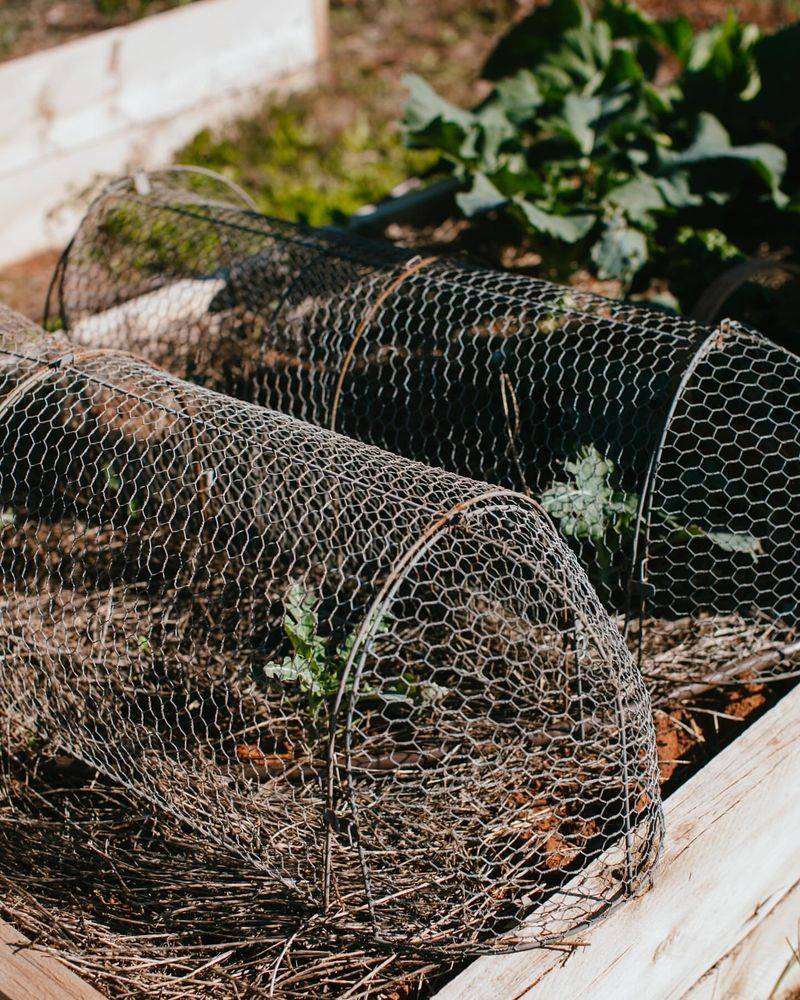
Newly planted material is the most vulnerable thing in your yard. Roots are shallow, leaves are tender, and the plant has zero defense against browsing pressure.
Fresh transplants smell different from established plants. That new growth scent actually draws deer in.
Covering new plants for the first growing season gives them time to toughen up and develop more mature foliage.
Row cover fabric works well for low-growing plants and ground covers. It is lightweight, breathable, and easy to pin down with landscape staples.
Plants underneath still get light and air while staying protected from nibbling.
Wire cloches or tomato cages draped with netting are good for small shrubs and perennials. They create a physical barrier that deer bump into and move away from.
Remove covers once the plant shows strong new growth and has had time to settle in.
For larger shrubs or young trees, use tree tubes or individual mesh sleeves. These protect the main stem and lower branches where deer tend to browse first.
Wrap loosely so the plant can still move slightly in the wind, which helps strengthen the trunk.
Check covered plants regularly for heat buildup during peak summer. On very hot days, ventilation matters.
Lift edges of row cover fabric in the afternoon if temperatures are extreme.
5. Pick Up Fallen Fruit As Soon As It Drops
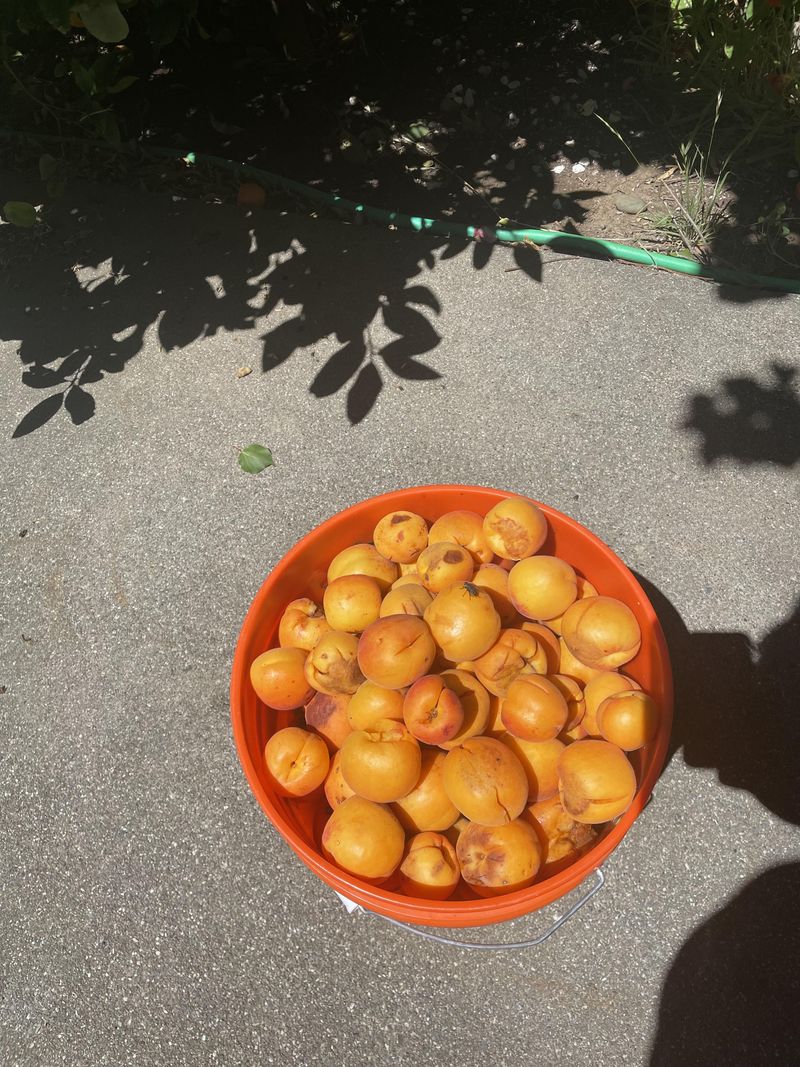
Fallen fruit on the ground is basically a free meal delivered to your yard every single day. Deer figure this out fast, and once they do, expect nightly visits all season long.
Stone fruits are especially problematic. Peaches, plums, and cherries drop throughout summer and rot quickly in the heat.
That fermentation process actually intensifies the scent, making it even more noticeable to deer from a distance.
Get into the habit of walking your yard every evening. Pick up anything on the ground before dark.
Deer are most active at dusk and dawn, so clearing the yard in late afternoon cuts off easy access before they arrive.
A simple bucket or garden cart makes collection quick. Do not pile fruit near your compost unless it is in a sealed container.
Tossing it into an open bin just relocates the problem a few feet away.
If you have fruit trees you are not actively harvesting, consider thinning the crop earlier in the season. Fewer fruits on the tree means fewer on the ground.
It also improves the quality of the fruit you do harvest.
Netting placed under trees can catch fruit before it hits the soil. Shake the net daily and dispose of the contents properly.
This method works especially well for trees in tight spaces where ground cover makes collection harder.
6. Keep Bird Feeders Clean And Off The Ground
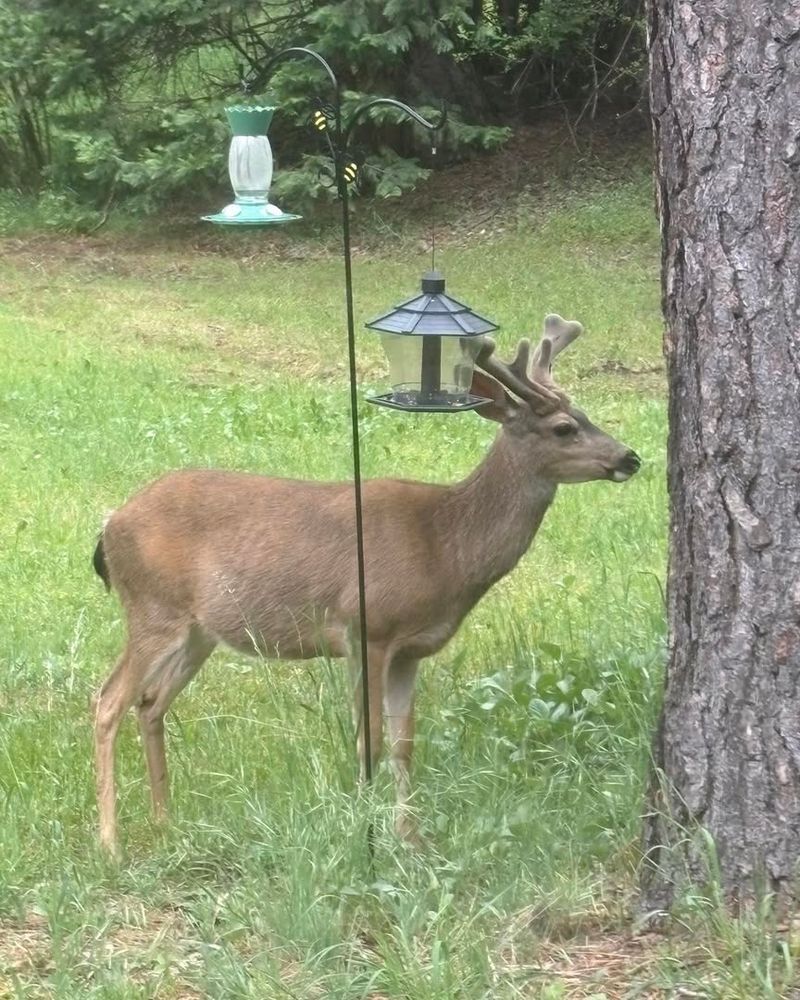
Bird feeders are one of the sneakiest deer attractants in residential yards. Most people never connect the feeder to the deer problem until they watch it happen.
Seed that spills onto the ground is the real issue. Sunflower seeds, millet, and cracked corn are all foods deer readily eat.
A feeder that drips seed constantly creates a ground-level buffet that draws deer in night after night.
Raise feeders high enough that deer cannot reach them directly. Mount feeders on tall poles at least six feet off the ground.
Baffles on the pole prevent squirrels from climbing up, which also reduces the amount of seed knocked to the ground.
Choose feeders with built-in trays that catch spillage. Tray feeders reduce scatter significantly compared to tube feeders with no catch basin.
Clean the tray every few days so seed does not accumulate and ferment on the ground below.
Consider switching to safflower seed during summer months. Squirrels tend to avoid it, which means less spillage overall.
Many songbirds accept safflower readily, so you will not lose your feathered visitors by making the swap.
Move feeders closer to your home or porch during peak deer activity months. Deer are less comfortable near buildings and foot traffic.
7. Change Your Garden Layout To Make Browsing Harder
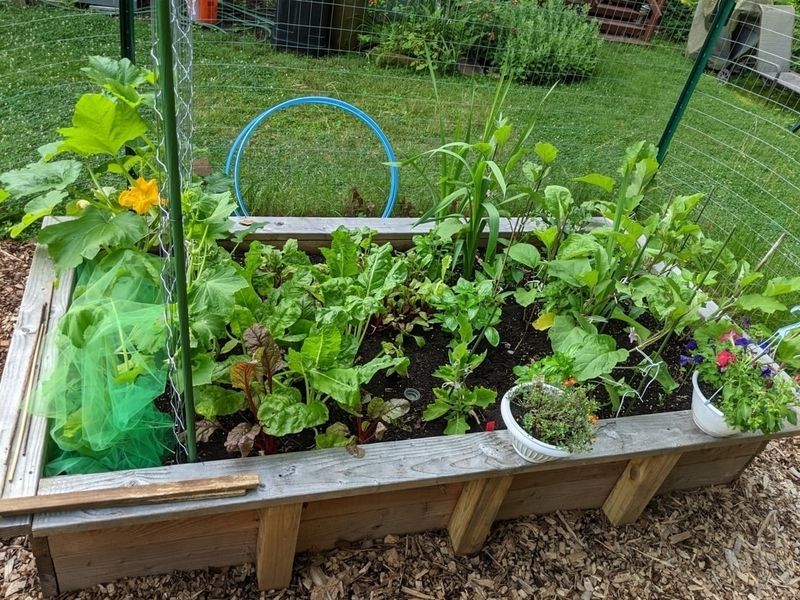
Layout matters more than most gardeners realize. Deer are creatures of habit and prefer open, easy-to-navigate spaces where they can browse without feeling trapped or exposed.
Breaking up sight lines makes deer uncomfortable. Dense plantings of thorny or fragrant shrubs along the yard perimeter create a natural barrier.
Deer hesitate to push through tight or scratchy vegetation when easier options exist elsewhere.
Raised beds positioned near your house or patio change the dynamic. Deer prefer to graze in open spaces away from structures.
Moving your most valuable plants closer to high-activity areas of your yard naturally reduces browsing pressure on them.
Gravel or crushed stone paths create noise when walked on. Deer are cautious animals and dislike surfaces that alert them or feel unstable underfoot.
Strategic placement of gravel around garden beds adds a subtle layer of deterrence.
Layered planting is another useful approach. Tall plants behind medium plants behind low plants create visual complexity.
Deer generally prefer to browse at the edge of a planting rather than push through multiple layers to reach something.
Motion-activated lighting or sprinklers add another variable. Sudden light or water startles deer and breaks the comfortable routine they rely on.
Rotate which areas are activated to prevent deer from learning the pattern.