What It Really Means When Spiders Take Over Your Texas Porch This Summer
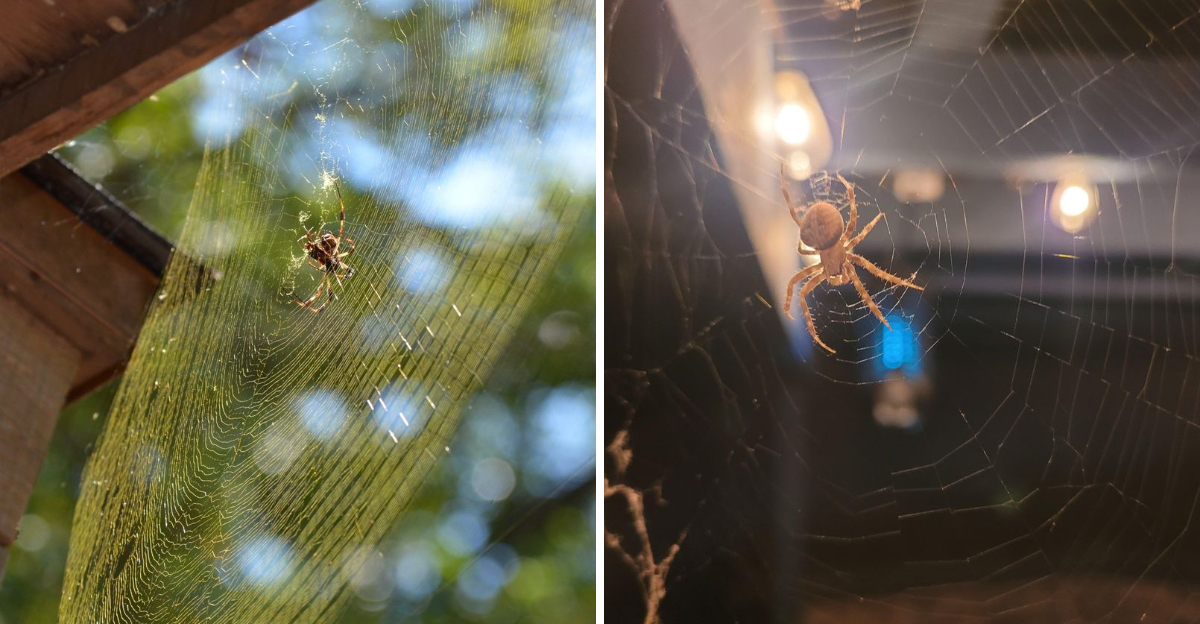
A Texas porch can look completely normal at sunset and turn into silk architecture before breakfast.
One web spans the railing. Another fills the corner above the door. By the weekend, every porch light seems to have its own eight-legged tenant.
That sudden change looks dramatic.
Most of the time, it says more about the porch than the spider.
Warm nights keep insects active. Lights pull some of that traffic toward the house. Eaves, rails, screens, and sheltered corners give web builders easy places to anchor silk where prey passes.
So what does a summer spider surge actually mean?
Usually, your porch has become a productive prey site.
That does not make every spider harmless, and Texas homeowners should recognize black widows and brown recluses. Most spiders around homes, however, are not considered dangerous to people.
Before you reach for a spray, read the setup.
A few changes to light, clutter, entry gaps, and web locations can make the porch less attractive and avoid a household emergency over one predator.
1. Blame Porch Lights For The Insect Buffet
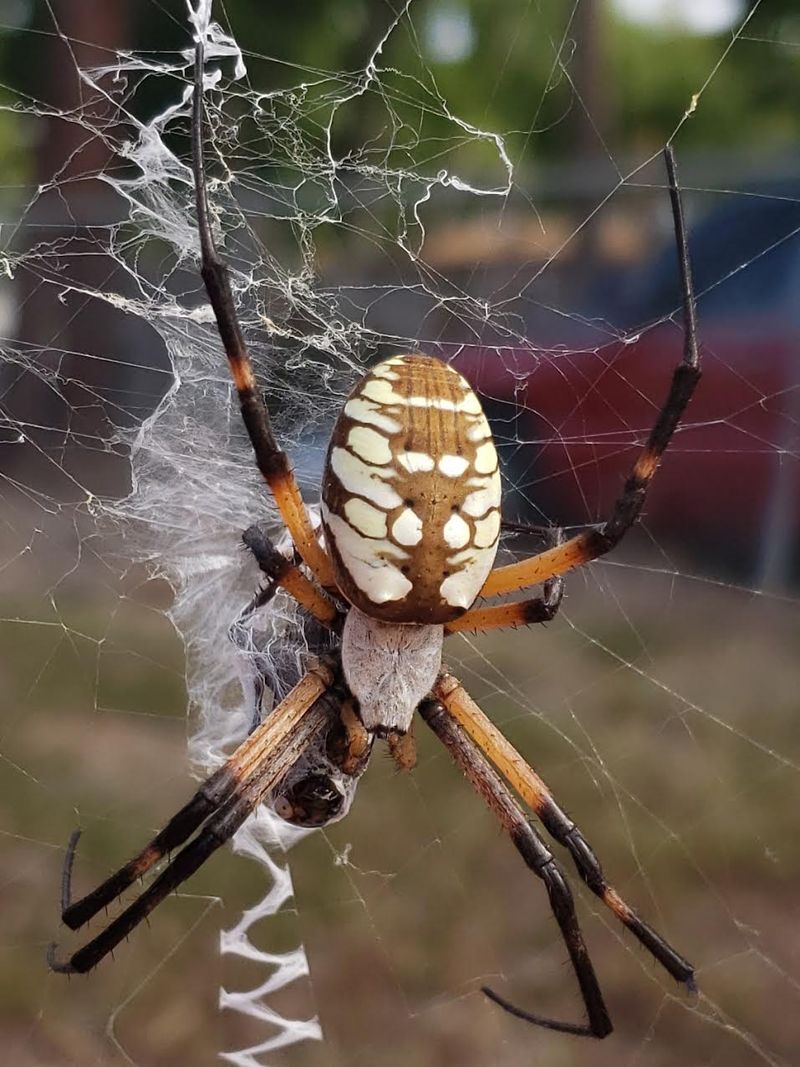
A bright bulb after dark can explain why one porch corner suddenly fills with silk.
Outdoor lights draw nocturnal insects toward the house, and spiders respond to that concentrated food source.
Spider problems around exterior walls often trace back to abundant prey. Fewer hours of light can reduce the food that gathers nearby.
Watch the fixture for ten minutes after dusk.
Moths, small flies, beetles, and other insects may circle the bulb or rest on the siding. A web beside that traffic lane gives a spider a far better chance at a meal than an isolated spot in the yard.
That is why the same corner can gain a new web night after night.
The spider is not drawn to your porch because it wants contact with people. It has found a dependable site with light, prey, and solid anchors close together.
Change that setup before you reach for pesticide.
Turn off decorative lights once the porch is no longer in use. A timer or motion sensor can shorten the nightly attraction period. Yellow bug bulbs or other lower-UV options can also draw fewer nocturnal insects than bluer light sources.
Your porch light may serve more than one purpose.
2. Expect Web Builders Where Prey Stays Busy
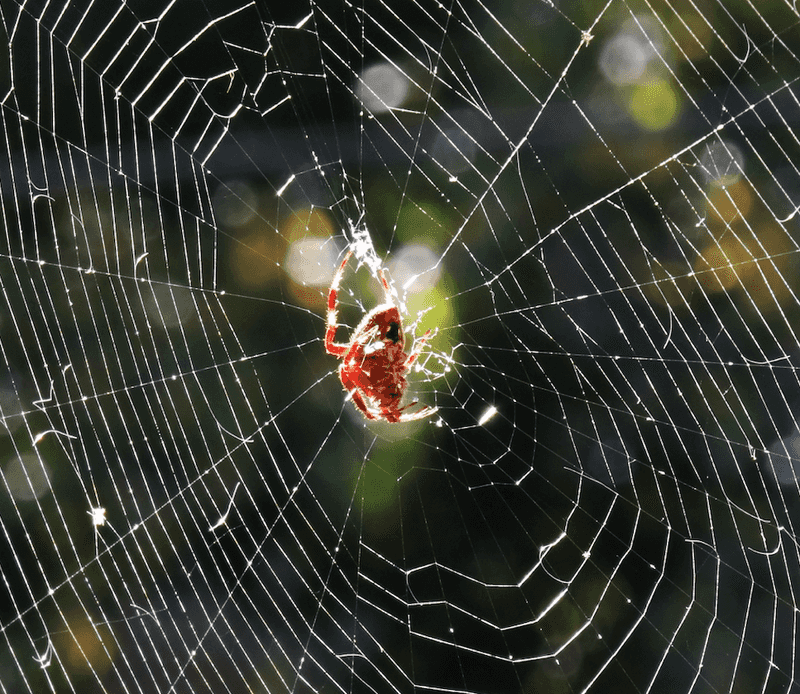
A web stretched between a railing and a shrub usually means the spider found a productive traffic lane.
Porch architecture gives web builders two valuable advantages: stable anchor points and some shelter from weather. Homes can provide reliable web supports while nearby lights and insects supply food.
Look at where the silk sits.
A web beside a window screen, porch post, hanging basket, or rail often crosses the exact route small insects use around the house.
The spider does not need the whole porch. It needs one gap where prey passes often enough to make silk worth the effort.
Give that location a small reset.
Move a planter away from the doorway. Trim a branch that touches the rail. Create a little open space between dense vegetation and the porch edge. Those changes remove convenient bridges and anchors and still preserve the yard.
Your Texas Garden Changes Every Week. Your Plan Should Too.
Gardening in Texas changes quickly throughout the season. Every Friday you’ll receive a simple weekly plan showing exactly what to plant, prune, fertilize, harvest, and protect so you never miss the right timing.
Do not assume every web means the spider population exploded.
Repeated webs in one productive location can reflect good prey access and shelter rather than a coordinated invasion. Large circular webs also become hard to miss once they span open gaps between porch structures.
Stand back and read the geometry.
Silk across a busy insect route is less a takeover notice than a successful trap.
Your railing did not become spider territory by accident.
It became useful real estate because the traffic pattern pays.
3. Let Eaves And Corners Offer Easy Anchors
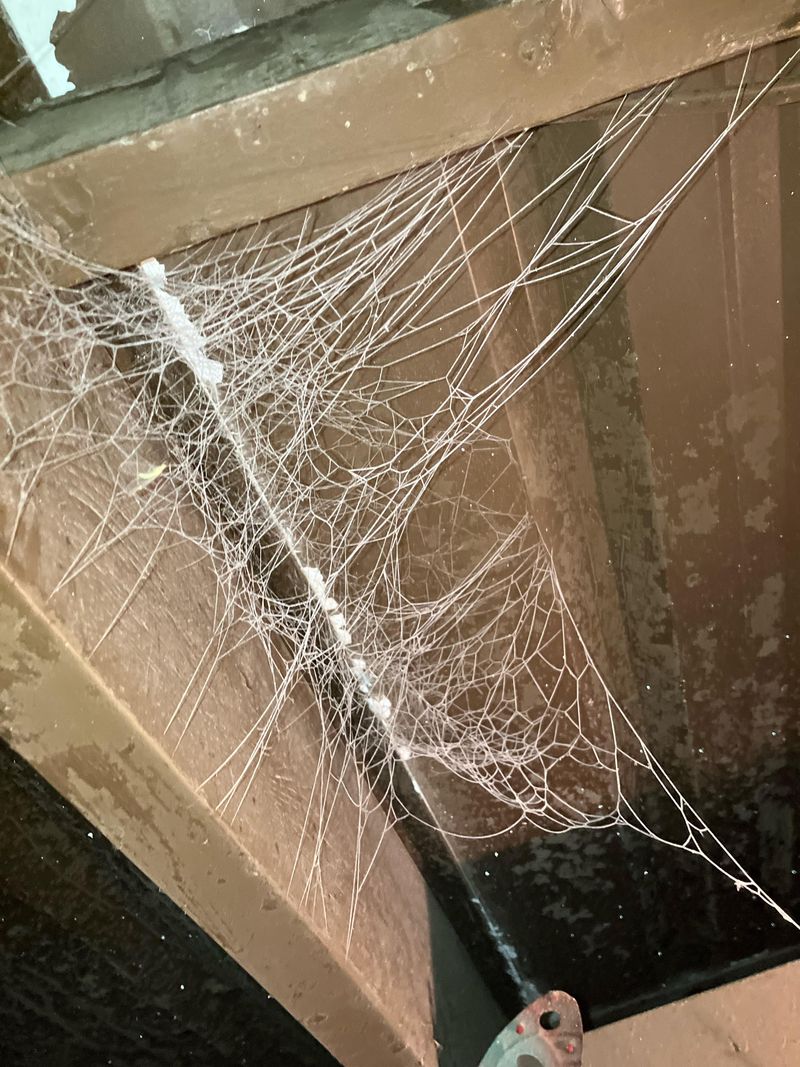
A web tucked under an eave says more about shelter than aggression.
Deep corners, soffits, porch ceilings, and the undersides of outdoor furniture protect spiders from direct rain, hard wind, and frequent disturbance. Black widows, in particular, prefer dark, protected, low-disturbance sites.
That distinction matters.
A large, tidy orb web across an open gap belongs to a very different style of spider from the irregular web hidden under a chair or beside stored boxes.
Black widow webs tend to look messy and stay in sheltered areas, while brown recluses do not rely on a substantial capture web.
Clean the busiest human spaces first.
Sweep silk from door frames, handrails, chair backs, and ceiling corners where people pass often. Use a long-handled duster rather than bare hands, especially where the spider itself is out of sight.
Then reduce the shelter that keeps the same spot attractive.
Move cardboard, stacked pots, unused cushions, and other clutter away from porch corners. Keep stored items off the floor where practical. A cleaner edge leaves fewer protected pockets for spiders and the insects they hunt.
Routine removal works best as maintenance, not punishment.
The goal is a less convenient doorway, not war on the whole yard.
A spider under an eave has usually found good architecture.
Your job is simply to make the human part of that architecture less rentable.
4. Notice Summer Insects Feeding The Surge
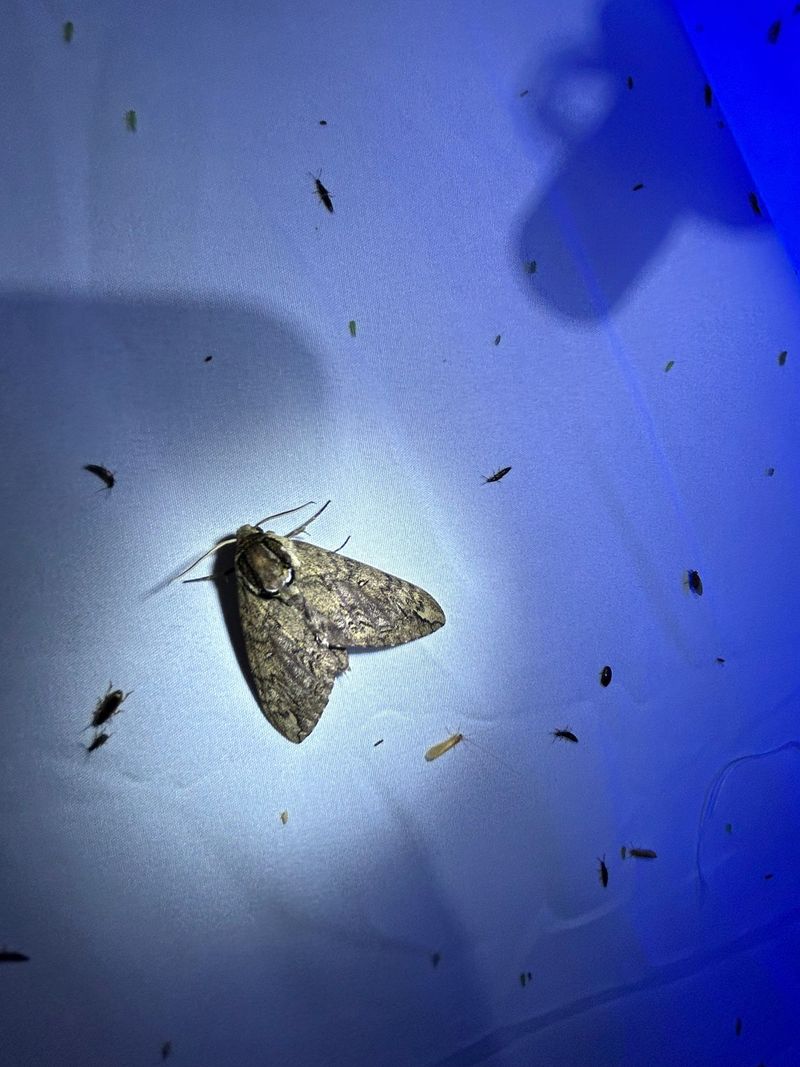
More visible webs in summer usually mean the food web around your house is active, not that spiders organized a porch invasion.
Spiders benefit wherever prey stays plentiful. Dramatic spider concentrations have even appeared near Texas water sites after large insect emergences supplied an exceptional food source.
The same basic relationship can work on a smaller scale around homes.
Look at the porch after dark.
A cluster of moths near the light, mosquitoes around plants, or small flies beside a screen can support several predators without any connection among the spiders themselves.
Summer can also make web builders far easier to notice.
Large orb webs stand out across rails, walkways, shrubs, and windows, especially once porch lights catch the silk after dark.
That visual change can feel much more dramatic than the actual number of spiders present. Orb-weavers create the familiar circular webs with radiating lines and spiral silk.
Do not use a calendar alone to diagnose a problem.
Check prey, light, moisture, and shelter around the porch. A wet area, nearby pond, lush plants, or insect-heavy light can create a local hotspot that another house down the street never sees.
Accept a few webs in low-traffic corners when they do not bother anyone.
Spiders consume insects and other arthropods, so total removal also removes predators from the porch ecosystem.
The summer surge has a simple message.
Your porch has enough food to support hunters, and the hunters noticed before you did.
5. Clear Old Webs From Busy Doorways
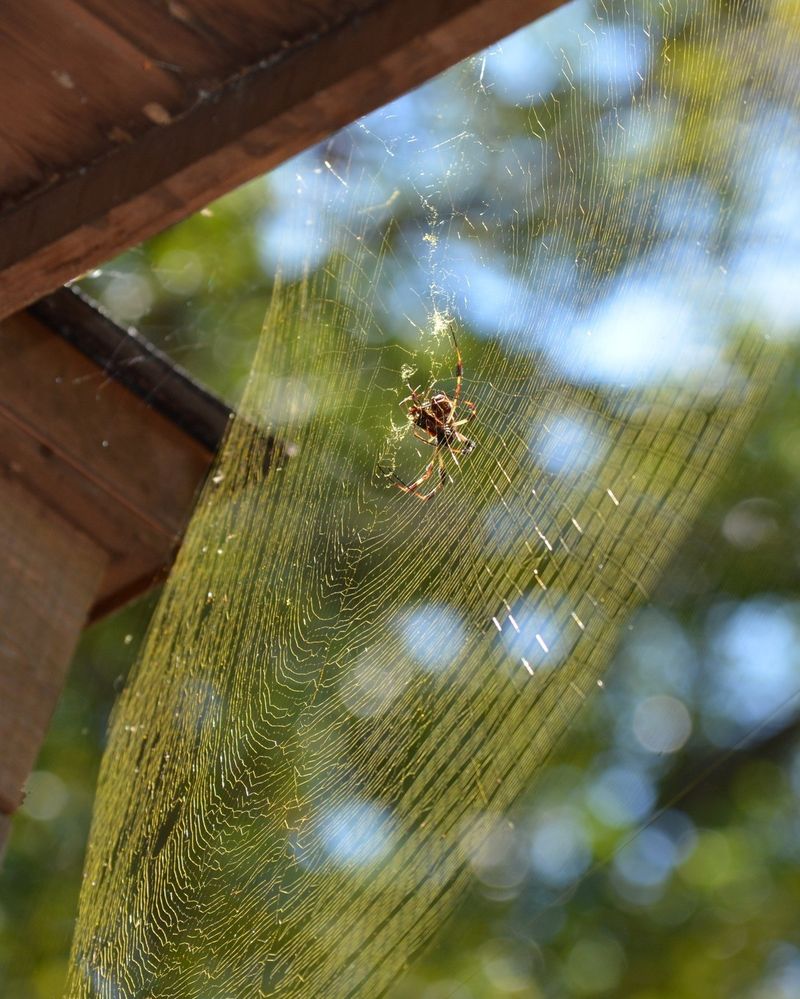
A web across the doorway means one location has become profitable enough to deserve repeat visits.
That is inconvenient for you, but it does not require a chemical response. Web removal can be part of an integrated approach around homes, along with sanitation and reduction of insect prey.
Make the entry your priority zone.
Sweep fresh silk from the door frame, porch ceiling, nearby trim, and handrail. Use a broom or long duster so your hands stay away from hidden corners. Repeat the cleanup as new silk appears.
Consistency changes the value of the site.
A web that disappears every morning offers less return than a quiet corner several feet away. The spider may shift to a spot with fewer interruptions, especially once easy anchor points and nearby prey also decrease.
Move objects that make the doorway easy to bridge.
A hanging decoration beside a post, a tall plant close to the jamb, or a chair pushed against the wall can create perfect attachment points. Give the entrance a little more open space instead.
Leave low-traffic webs alone where practical.
One orb web at the far end of the porch may catch insects and stay clear of your path. The goal is not a porch stripped of every strand of silk.
You want the door to belong to people.
Regular cleanup teaches that lesson much more quietly than a broad spray across every corner.
6. Reduce Outdoor Lighting After Dark
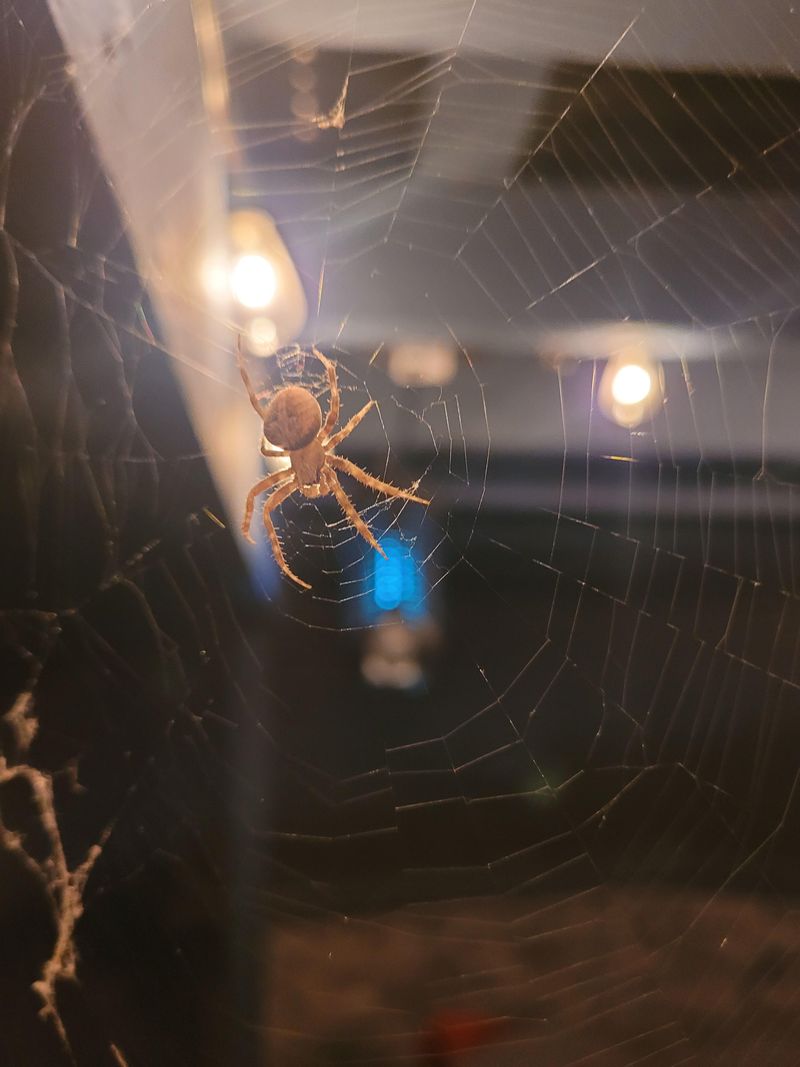
A porch that glows for hours after bedtime can keep the spider food supply open far longer than necessary.
Shorten that attraction period first.
Less bright outdoor light can reduce spider pressure because insects drawn to those lights become prey. Yellow bug bulbs and light sources with less ultraviolet output can also reduce attraction by nocturnal insects.
Use light only where it serves a purpose.
Motion sensors work well at doors and walkways because the fixture comes on for people, then goes dark again. Timers can handle decorative lights that otherwise stay on until morning.
Aim fixtures toward the porch surface rather than outward across the yard.
A shielded light can still illuminate steps and locks and reduce the bright area that insects can see from farther away.
Use curtains near bright indoor lamps beside known web sites when practical too. Shielded exterior lights can also reduce insect attraction near structures.
Do not expect a bulb swap to erase spiders overnight.
Existing spiders may stay near a successful web site, and insects come from many sources besides one fixture. Over time, the porch becomes less dependable as a prey concentration point.
Pair the light change with web removal and less clutter for a stronger effect.
Spiders follow food.
Reduce the nightly insect crowd, and your porch starts to look less like the easiest table in Texas after dark.
7. Seal Gaps Before Spiders Move Inside
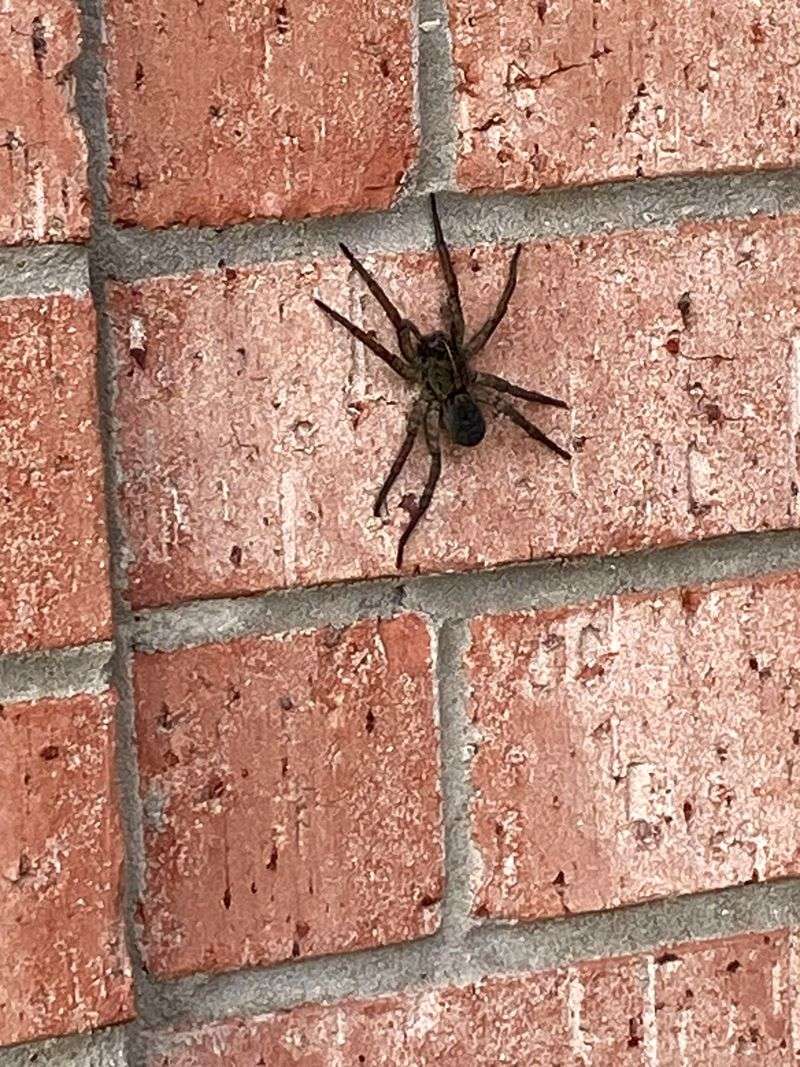
A spider beside the threshold is also a good reason to inspect the gaps that let prey move indoors.
Spiders hunt other arthropods, so abundant indoor prey can support more spiders inside a structure.
Large numbers of brown recluses in a building can point to plentiful insect prey, which makes better seals, sanitation, and prey reduction useful parts of control.
Start with the door.
Replace a worn sweep that leaves daylight under the threshold. Check weather stripping along the frame, then inspect window screens and utility penetrations near the porch.
Caulk small cracks that provide easy entry where the material and building design allow it. Exclusion measures such as door sweeps and sealed cracks are standard parts of long-term pest prevention.
Move clutter away from the wall too.
Boxes, unused pots, stacked firewood, and stored equipment create protected spaces for insects and spiders. A cleaner perimeter also makes a new web or hidden pest easier to spot.
Trim vegetation away from doors and windows.
Branches and dense foliage can place insects directly beside openings, so a little separation simplifies the whole boundary.
Do not treat exclusion as a guarantee of a spider-free home.
An occasional spider can still slip inside. The point is to reduce the number of easy routes and the prey that makes indoor shelter worthwhile.
Your porch is the transition zone.
Make that boundary harder to cross, and fewer six-legged meals arrive inside for eight-legged hunters to follow.
8. Identify Widows And Recluses With Care
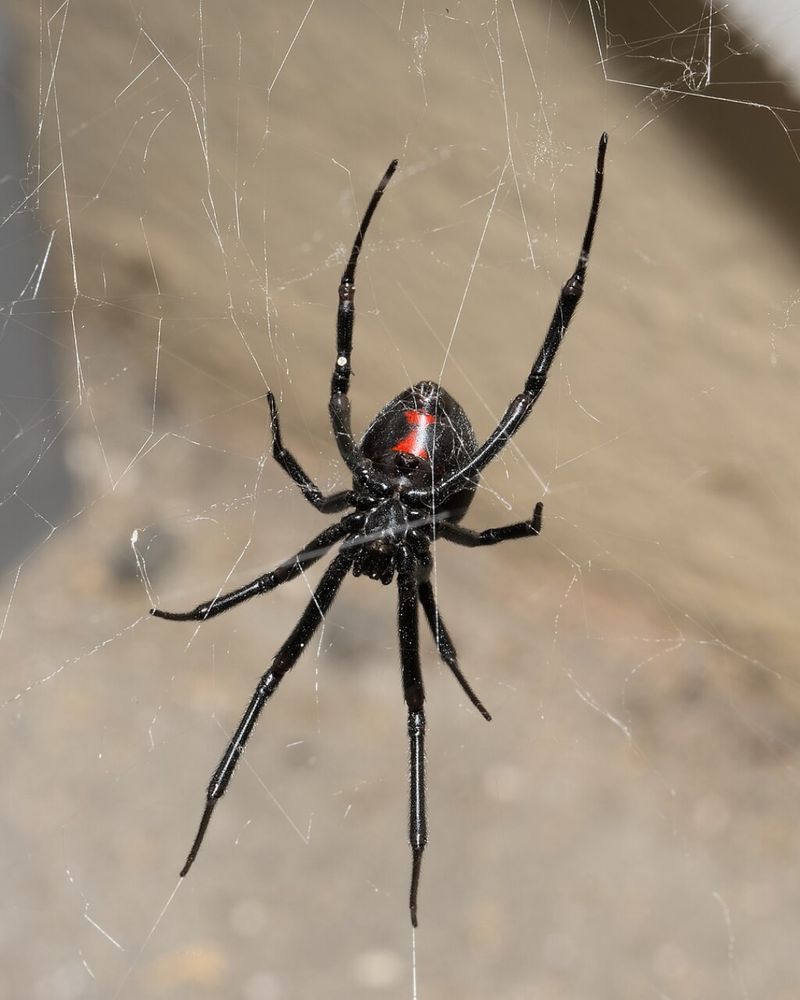
A dark spider in a hidden porch corner deserves identification, not an automatic worst-case label.
Most spiders found around Texas homes are harmless to people.
Black widows and brown recluses are the two groups of greatest medical concern in the state, and their habits differ from the large orb webs that often appear across open porch spaces.
Female black widows are glossy black with a red hourglass on the underside of the abdomen. They favor protected, low-disturbance sites such as areas under outdoor furniture, wood, brick piles, trash containers, and other sheltered spaces.
Their webs tend to look irregular rather than like a neat circular orb.
Brown recluses are tan to brown and prefer hidden, undisturbed areas. They hunt at night and do not rely on a large capture web. They often occur in garages, boxes, closets, crevices, and similar protected places.
Use gloves before you move stored porch items.
Shake out shoes, cushions, towels, and other objects that have sat untouched. Keep hands out of dark gaps where you cannot see the occupant.
Capture a clear photo from a safe distance when identification remains uncertain.
A giant geometric web across the railing may look theatrical, but its owner is unlikely to be either of the two spiders Texans need to recognize most carefully.
The messy hidden corner deserves the closer look.