Desert Lavender: A Native Shrub Worth Considering for Low-Desert Pollinator Yards
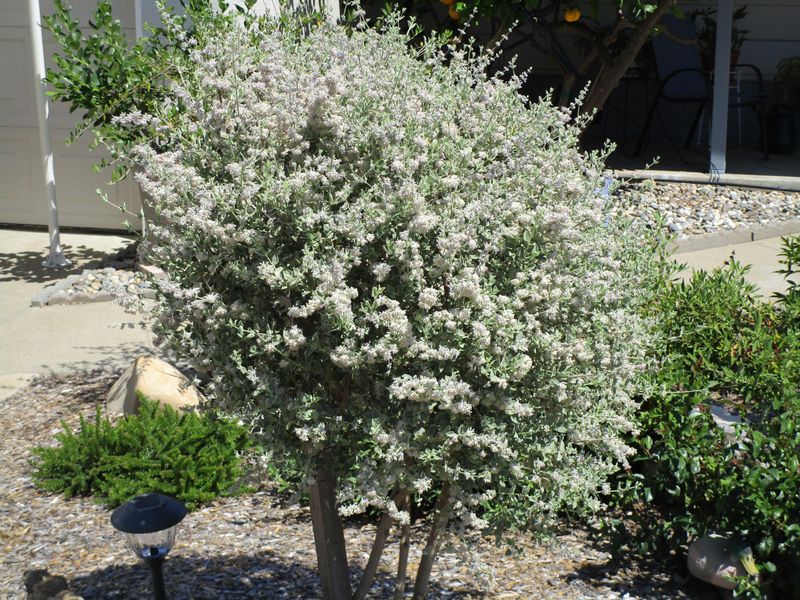
A shrub with soft gray-green leaves and small purple flowers can add real food and habitat to a Phoenix or Tucson yard. Desert lavender is a native plant that shows up in University of Arizona pollinator guidance.
It offers nectar for bees and butterflies, and it hosts one butterfly caterpillar. It will not suit every yard, so here is how to tell whether yours is a good fit.
Meet desert lavender, a low-desert native candidate
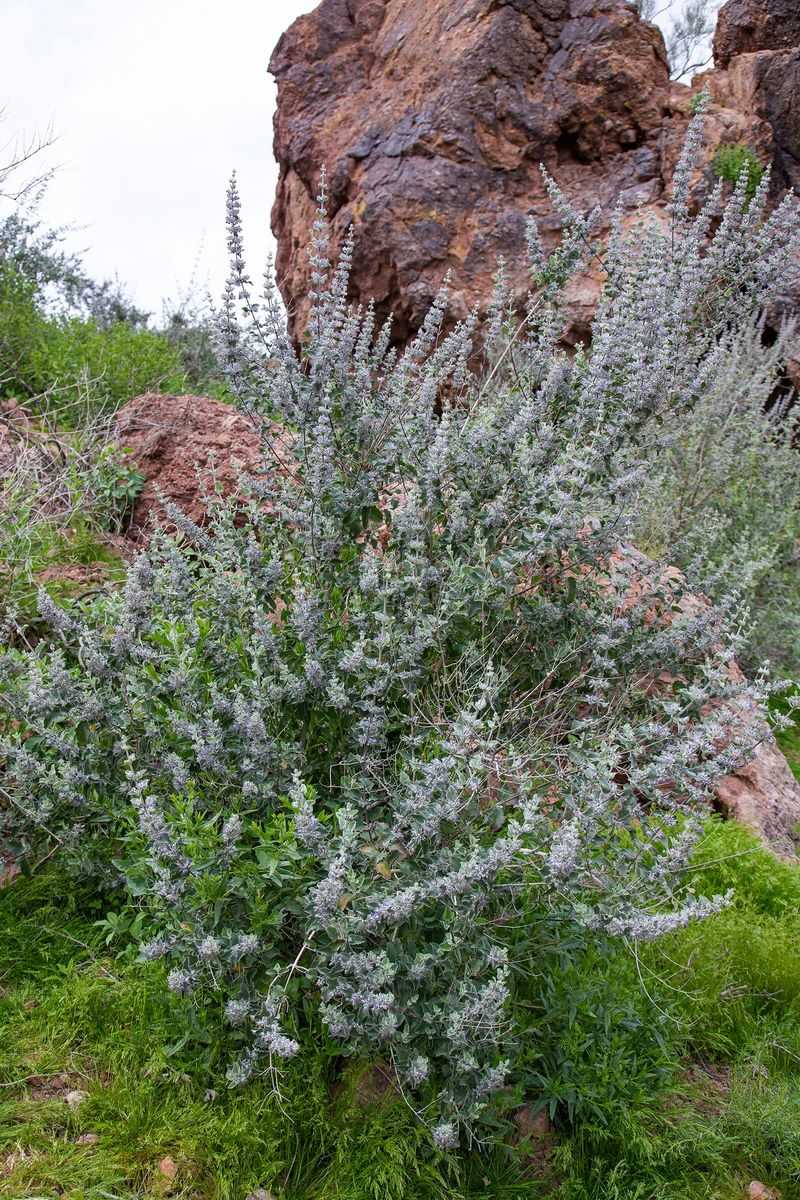
Desert lavender goes by the botanical name Condea emoryi. Some Arizona references still list it as Hyptis emoryi, so you may see both names at nurseries and in older guides.
This shrub is native to western Arizona, where it grows on dry, rocky slopes, in washes, and in canyons. That background tells you a lot about the kind of spot it prefers in a home landscape.
University Extension includes it in a low-desert pollinator plant guide, and the campus arboretum describes its habitat and traits in its plant profile. Being on a list like that makes it a solid candidate for your yard.
It does not guarantee success in every microclimate, so the next sections cover how to judge your site.
Bees and butterflies can use its flowers
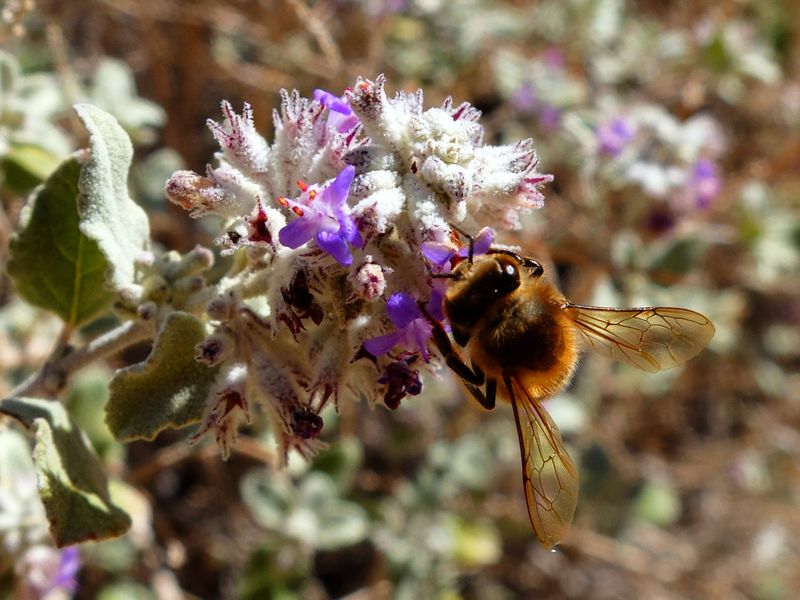
Picture a warm spring morning with a native bee working its way along a branch of purple blooms. According to the campus arboretum, desert lavender flowers provide nectar for bees and butterflies.
The same source notes that the shrub hosts the Gray Hairstreak butterfly, meaning the caterpillars can use it as a food plant.
Those are documented uses, but they are not a promise. Which insects show up depends on your neighborhood, nearby wild areas, the weather, and what else is blooming around you.
Think of the shrub as setting a table. Some guests may come and some may not, and a few seasons of watching your own yard will tell you more than any plant list can.
A useful plant is not proof of a population rescue
It is tempting to say one shrub can turn the tide for struggling pollinators. Nothing in the sources shows that planting a single desert lavender produces a measured, population-level change.
What the sources do show is narrower and still worthwhile. The shrub offers nectar and serves as a butterfly host, as described in the arboretum profile.
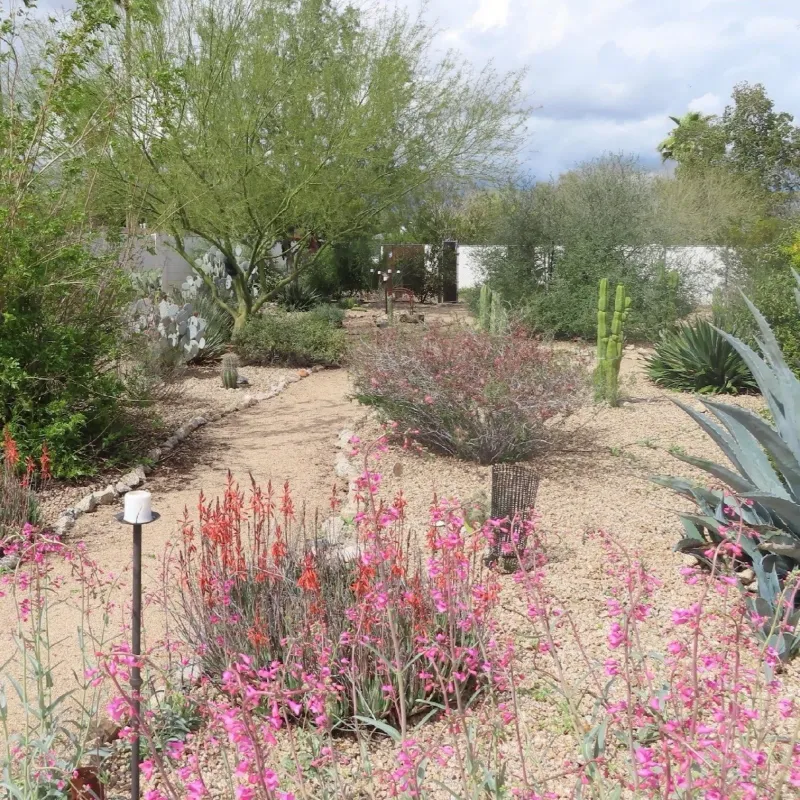
The Extension pollinator guidance also stresses a variety of flowering plants rather than leaning on one species. So the sensible goal is modest: add a useful plant to a varied garden that suits your site.
Full sun and quick drainage help it fit the site
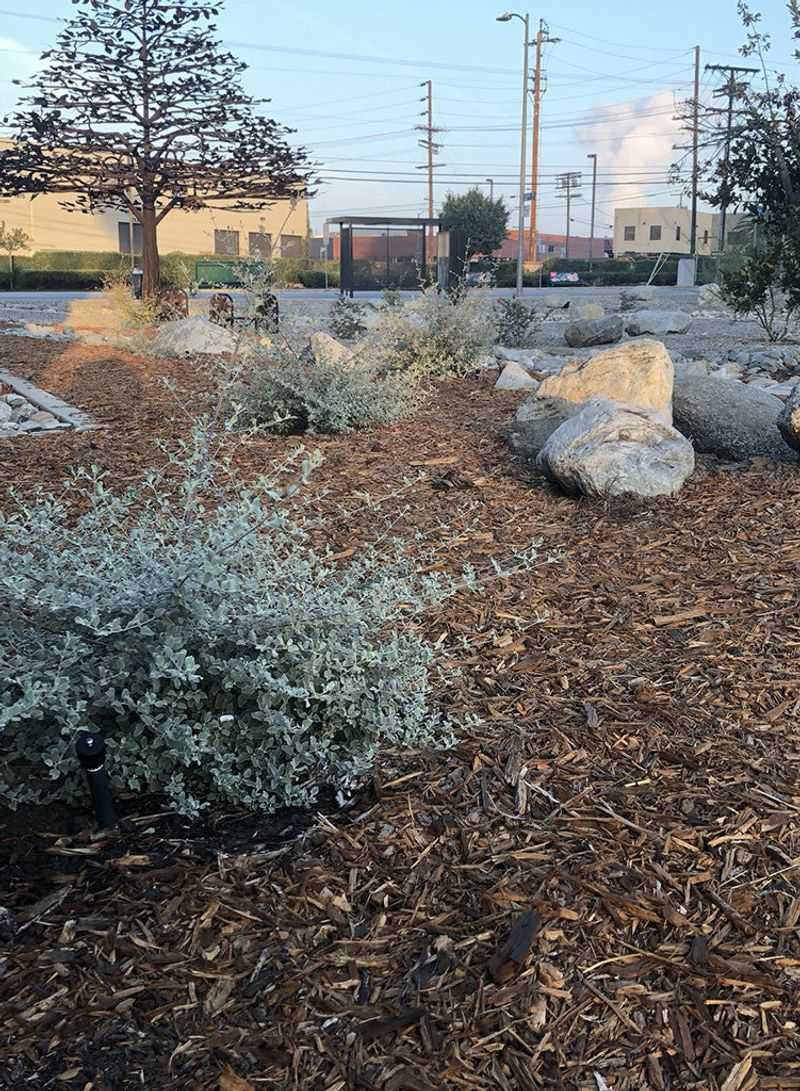
Look to its natural home for placement clues. In the wild, desert lavender grows on dry, rocky slopes and in washes, where the soil is sandy, drains quickly, and gets full sun, as described in the arboretum profile.
In a yard, that points to a bright spot with soil that does not hold water. It is a heat- and drought-resistant shrub that can reach up to 6 feet, so leave room for it to grow.
Your Arizona Garden Changes Every Week. Your Plan Should Too.
Gardening in Arizona changes quickly throughout the season. Every Friday you’ll receive a simple weekly plan showing exactly what to plant, prune, fertilize, harvest, and protect so you never miss the right timing.
Cold is the main limit. The arboretum lists it as only marginally frost tolerant, with a minimum near 25°F, and a campus garden profile supports its use in low-desert settings.
If your yard sits in a frost pocket or at higher elevation, choose a protected spot near a warm wall or consider another plant.
Fall planting and drainage checks reduce avoidable problems
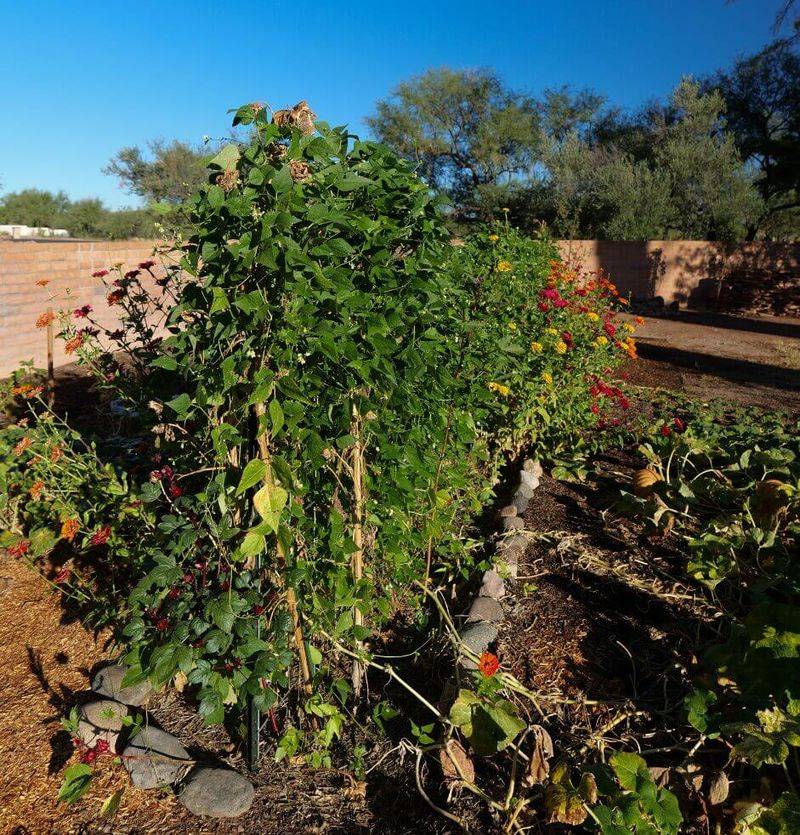
Timing matters in the low desert. The Pima County gardening guide from Extension lists October as a time to plant shrubs, and it suggests gradually cutting back irrigation on newly planted native and desert-adapted plants.
That advice is written for the Tucson area, so adjust for your own conditions.
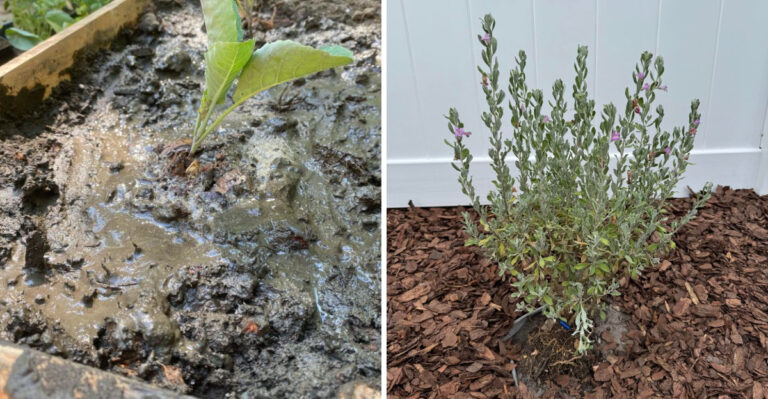
Before you dig, test the spot. Fill the hole with water and see how fast it empties.
If it lingers, you may be dealing with compacted soil or caliche.
Extension explains that caliche can restrict roots and drainage. It recommends making sure water drains well, or raising the planting area when needed.
A low mound can give roots a better start.
New shrubs still need deliberate watering
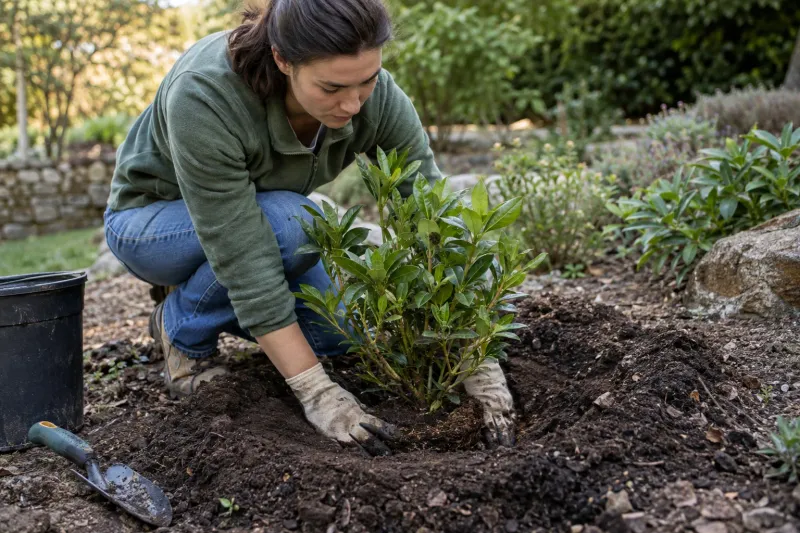
Drought-resistant does not mean no water at all. For its first hot season, a new desert lavender needs close attention, and the arboretum advises weekly watering at first, then easing off once the plant is established.
Young shrubs generally get thirstier more often than mature ones. University of Arizona watering guidance recommends deep watering at the root zone instead of shallow, frequent sprinkling.
Deep soaks encourage roots to reach down. There is no single schedule that fits every yard, so check the soil a few inches down and watch the leaves.
Drooping or crispy foliage is a cue to adjust.
Pair it with other flowers for a longer forage season
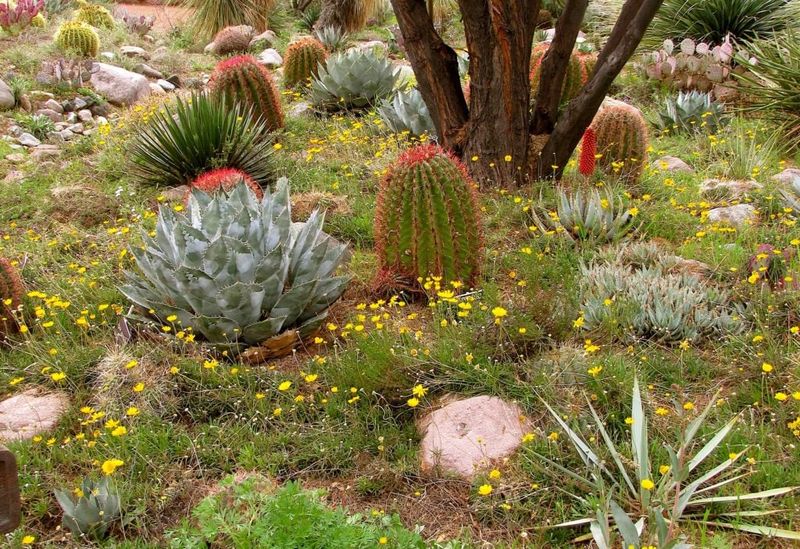
Bees and butterflies look for food across many months, and no single shrub covers all of them. Extension’s pollinator guide suggests aiming for flowers throughout the year, and it notes that bloom timing shifts with weather, exposure, and elevation.
Desert lavender’s own season is not pinned down. The arboretum describes winter to late-spring flowering, while another profile lists spring.
So plan around it. Tuck in other low-desert natives that bloom at different times, such as penstemon or desert marigold, and keep notes on when your shrub actually flowers.
Use desert lavender as one useful piece of a desert yard
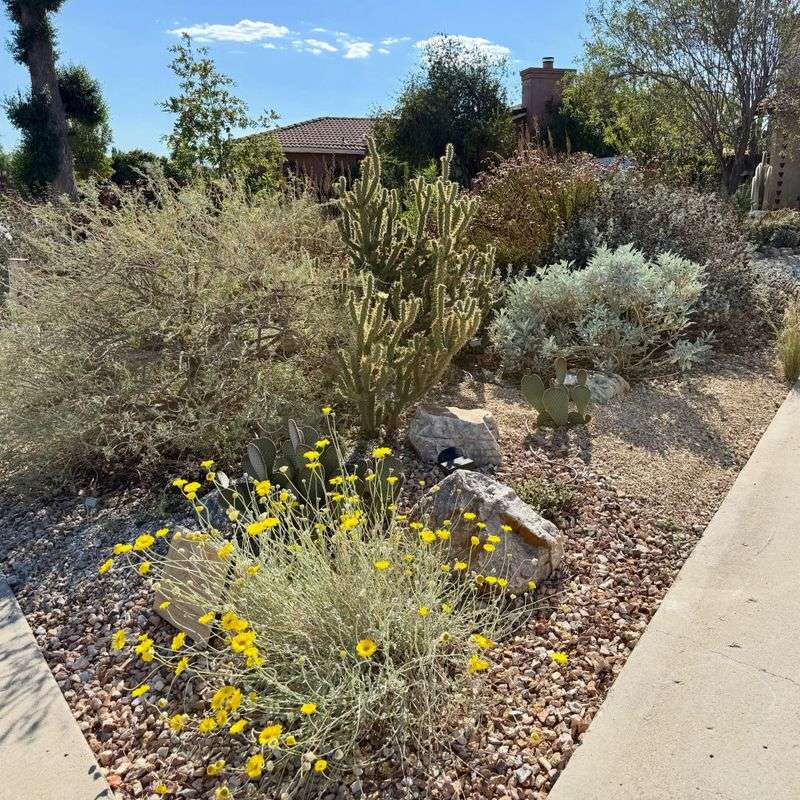
If you have a sunny, well-drained, protected spot, desert lavender deserves a place on your short list. It offers nectar and Gray Hairstreak host value, and it fits Extension’s low-desert pollinator guidance.
Water it carefully while it settles in, and surround it with other flowering natives.
It is a good candidate, not a cure-all. A yard full of well-chosen plants does more than any single star.