Why Ohio Impatiens Always Look Rough By Late Summer (And What To Plant Instead)
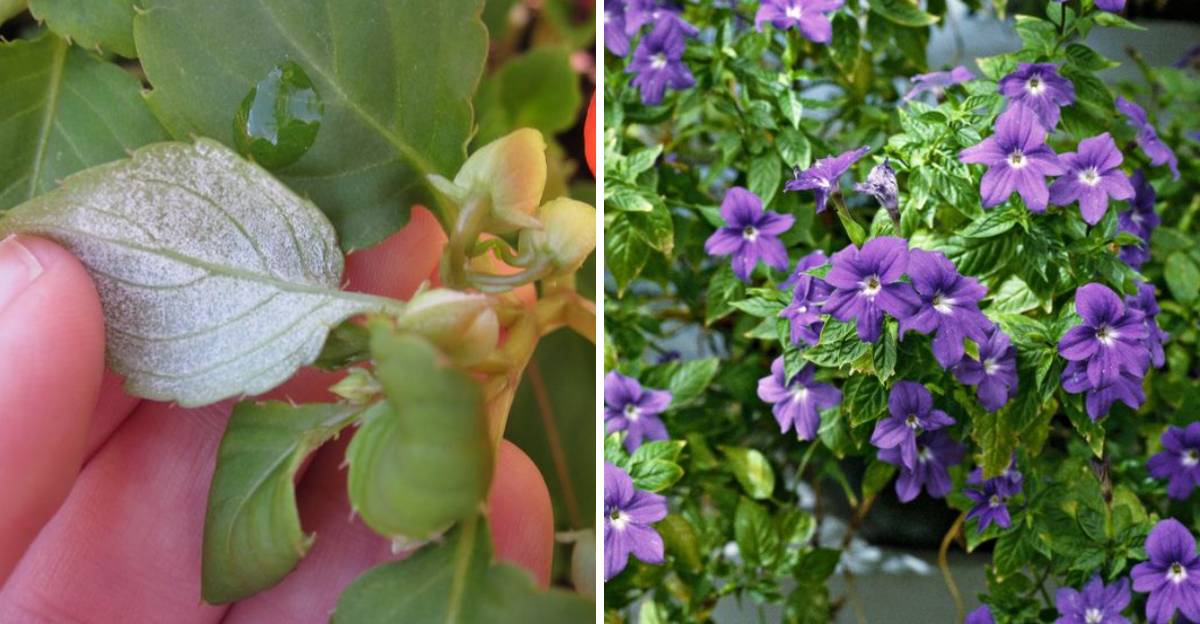
Impatiens in an Ohio shade bed has a reputation for reliability that August destroys every single year. Leggy stems, powdery mildew, that washed out look that makes a bed that cost real money appear completely defeated before fall has even arrived.
It is not bad luck. It is just the wrong plant for the wrong window.
Late summer Ohio shade belongs to something tougher. Plants that actually respond to August heat and humidity instead of surrendering to it.
Several of them bloom harder in late summer than impatiens ever managed in its best spring week. A shade bed that peaks in August instead of apologizing for it is not a fantasy.
It is a plant selection decision that most Ohio gardeners make once and never revisit because nobody told them there was a better option sitting right there at the native plant nursery.
1. August Heat Exposes Every Missed Watering
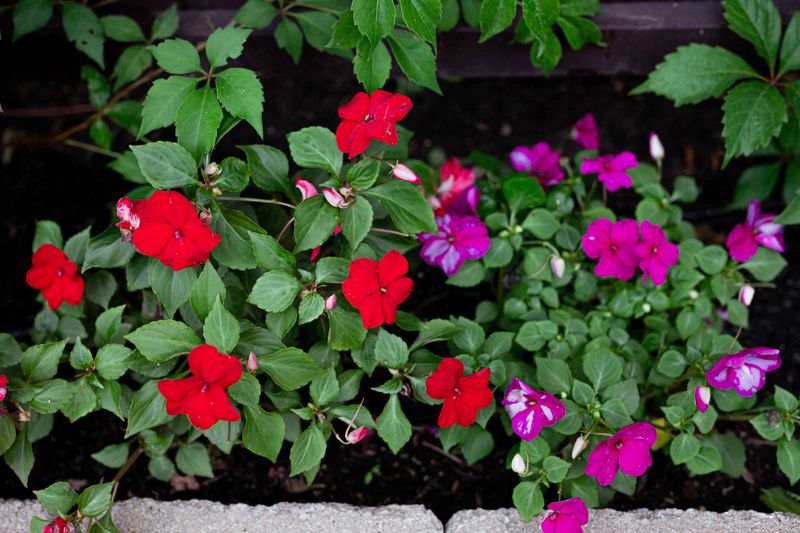
Consistent moisture is something common impatiens count on more than many gardeners realize. Their roots sit close to the soil surface, and their foliage is thin enough that stress shows up fast during a hot stretch.
A plant that looks fine in the morning can appear wilted by early afternoon when temperatures climb into the upper eighties or nineties.
Before reaching for the hose, check the root zone first. Afternoon wilting during extreme heat can be a temporary response to high temperatures, even when soil moisture is adequate.
Pressing a finger two inches into the soil gives a much clearer picture than looking at the leaves alone.
Containers and small raised beds dry out faster than in-ground plantings. A pot sitting on a sunny patio can lose moisture quickly, even on days that do not feel extreme.
Checking containers daily during hot weather is a practical habit worth building.
Repeated cycles of severe drying are where the real damage builds up over a season. Each drought episode stresses roots, reduces branching, and leaves plants thinner and less vigorous heading into late summer.
Soil that swings from bone dry to soaking wet repeatedly puts more strain on plants than a slight and steady moisture level would. Mulching around the base of plants helps slow evaporation and buffers soil temperature.
Aim for moist but not waterlogged conditions, and adjust based on rainfall and heat rather than following one rigid watering schedule.
2. Too Much Afternoon Sun Leaves Thin Foliage Scorched
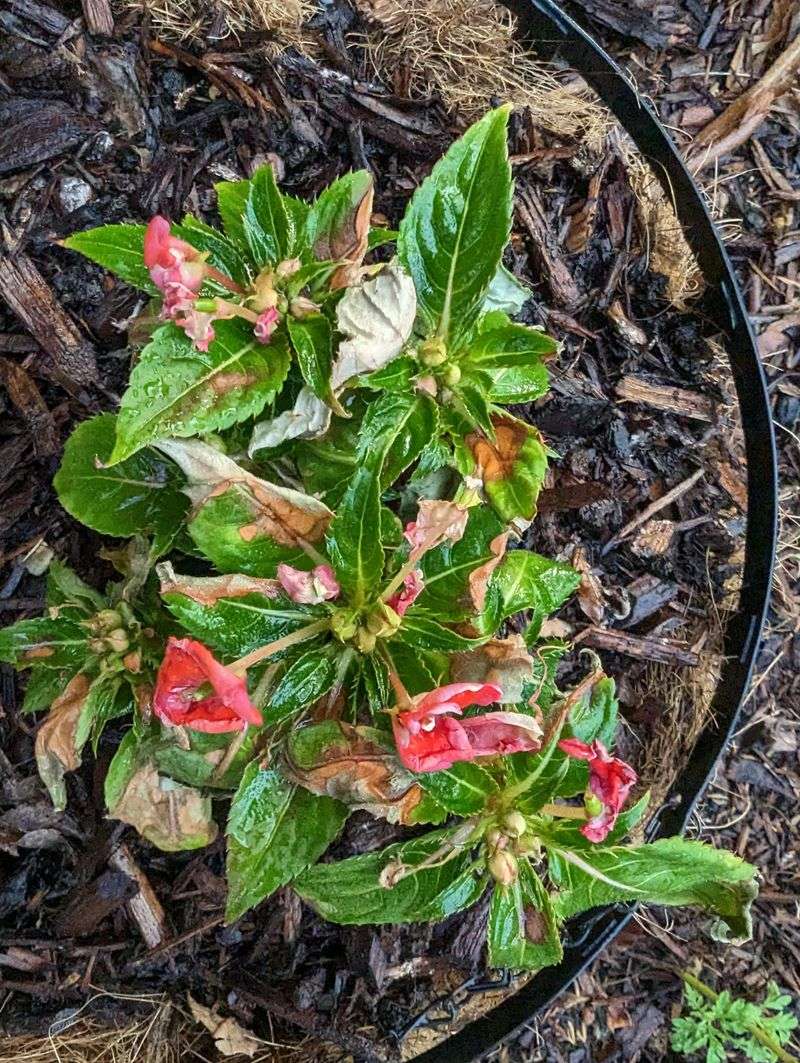
Impatiens walleriana was bred for shaded conditions, and its foliage reflects that heritage. The leaves are soft and relatively thin, which makes them poorly equipped to handle the intensity of direct afternoon sun in an Ohio summer.
Fading flower color, bleached or papery patches on leaves, and a general wilted appearance during the afternoon are all signs that the light level may be too high.
Bright indirect light or morning sun with afternoon shade tends to support the best flowering. A site that is too dark can reduce blooming just as much as a site that is too bright, so finding the middle ground matters.
Your Ohio Garden Changes Every Week. Your Plan Should Too.
Gardening in Ohio changes quickly throughout the season. Every Friday you’ll receive a simple weekly plan showing exactly what to plant, prune, fertilize, harvest, and protect so you never miss the right timing.
East-facing beds that catch morning light and shade out by noon often produce strong, compact plants with good flower coverage.
Reflected heat adds another layer of stress that gardeners sometimes overlook. A bed near a white wall, concrete sidewalk, or brick patio can receive significantly more radiant heat than the surrounding area.
That can happen even when direct sun exposure seems limited. That extra heat can mimic drought stress even when the soil holds adequate moisture.
Not every brown or discolored leaf points to sun scorch. Fungal spots, insect feeding, and other issues can look similar.
Checking the pattern and location of the damage helps narrow down the cause. Sun scorch tends to appear on the parts of the plant most exposed to direct light, often the upper and outer leaves first.
3. Crowded Beds Can Turn Late Summer Moisture Into Trouble

Planting impatiens too closely together creates a microclimate that plants would not choose for themselves. When foliage from neighboring plants overlaps, air movement through the bed slows significantly.
After rain or overhead irrigation, leaves stay wet much longer than they would in a properly spaced planting.
Prolonged leaf wetness creates favorable conditions for certain fungal pathogens. Crowding alone does not cause disease, but it can make a bed more vulnerable when a pathogen is already present in the environment.
Some diseases that affect impatiens respond more strongly to cool, wet conditions than to August heat. Blaming summer temperatures alone can therefore lead to the wrong conclusions.
Sensible spacing at planting time is the most practical way to manage this risk. Checking the mature size listed on the plant tag and spacing accordingly prevents much of the problem before it starts.
Most standard impatiens cultivars do best with eight to twelve inches between plants, though larger varieties may need more room.
Where overhead irrigation is used, switching to drip irrigation or soaker hoses reduces the time foliage stays wet. Watering in the morning rather than the evening also allows leaves to dry before cooler nighttime temperatures arrive.
Good airflow through a bed is genuinely useful for reducing disease pressure, but it cannot guarantee healthy plants on its own. Soil drainage, plant selection, and overall site conditions all contribute equally to how a bed performs by late summer.
4. Downy Mildew Can Strip Common Impatiens Surprisingly Fast
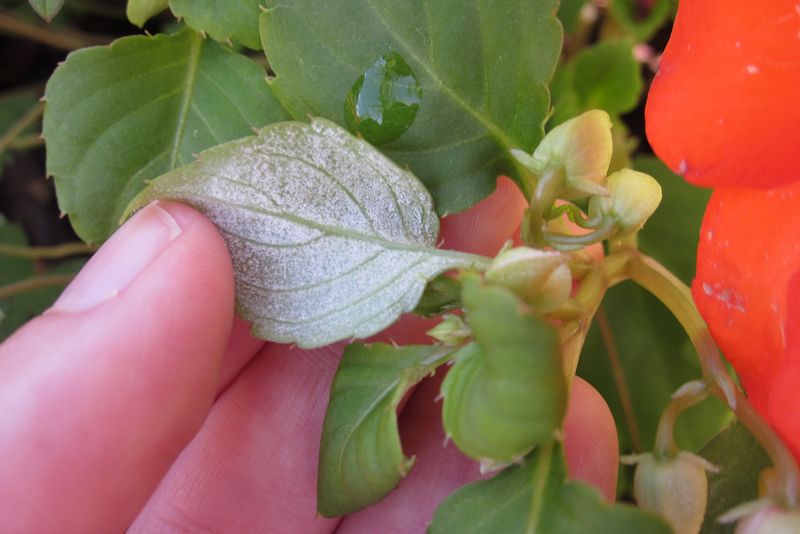
Few plant diseases move through a bed as visibly as impatiens downy mildew, caused by the pathogen Plasmopara obducens. A planting that looked healthy one week can show significant decline the next.
The speed of the decline is part of what makes the disease so frustrating for Ohio gardeners who have experienced it firsthand.
Symptoms worth knowing include pale or yellowing foliage, leaves that curl downward at the edges, and a white or grayish powdery growth on the undersides of leaves. As the disease progresses, leaves drop and stems are left bare.
Yellow leaves alone are not enough to confirm downy mildew, since nutrient deficiency, overwatering, and other issues can cause similar discoloration.
Cool and wet conditions favor the spread of Plasmopara obducens. Blaming August heat for downy mildew outbreaks is a common mistake.
Outbreaks often begin during cooler, wetter stretches of spring or early summer, then become visible later in the season as the disease progresses.
Resistant Impatiens walleriana cultivars are now available from several breeding programs, and they represent a meaningful improvement for gardeners who love the plant. Resistance reduces the likelihood of infection but does not make a plant immune.
If downy mildew is confirmed in a bed, removing and bagging affected plants promptly limits further spread. Avoid replanting common impatiens in the same spot the following season.
Routine fungicide use by home gardeners is generally not recommended as a first response to this disease.
5. Wax Begonias Keep Shady Beds Colorful Into Fall
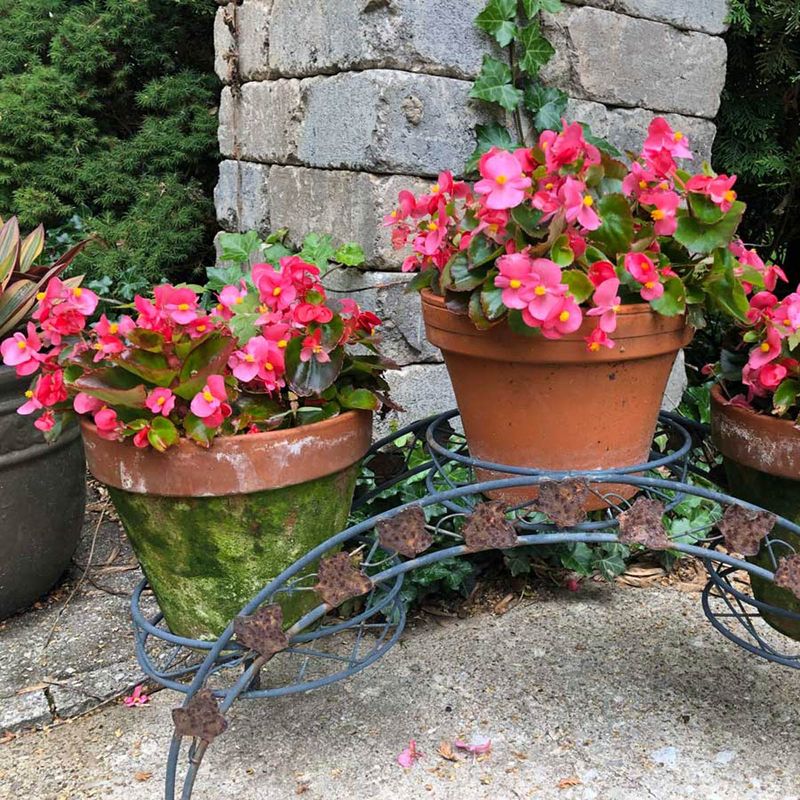
Reliable is the word most experienced Ohio gardeners reach for when describing wax begonias. These compact plants bloom steadily from late spring through the first frost without the mid-season slump that common impatiens can show.
Wax begonias belong to the Begonia group of fibrous-rooted begonias. They are widely sold under names like Begonia x semperflorens-cultorum, though classification details vary by source.
They handle a wider range of light conditions than common impatiens do. Green-leaved varieties generally prefer part shade to shade, while bronze-leaved types can tolerate more sun exposure in many situations.
Both types appreciate afternoon shade during the hottest parts of an Ohio summer, which aligns well with the shady spots where impatiens are typically grown.
Soil preference leans toward moist and well-drained conditions. Wax begonias do not perform well in soggy ground, and standing water around their roots can cause problems.
Raised beds, borders with good drainage, and containers with drainage holes all work well for them.
Their compact, mounded habit makes them easy to use in mass plantings, mixed borders, and container arrangements. Flower colors include red, pink, coral, and white, giving gardeners plenty of options to work with.
Spent flowers drop cleanly without trimming, which keeps maintenance simple. Comparing them with impatiens fairly means acknowledging that both plants have real strengths.
Wax begonias simply hold up better under the heat and variable moisture conditions that Ohio summers regularly deliver.
6. Torenia Keeps Blooming Where Summer Sun Is Limited
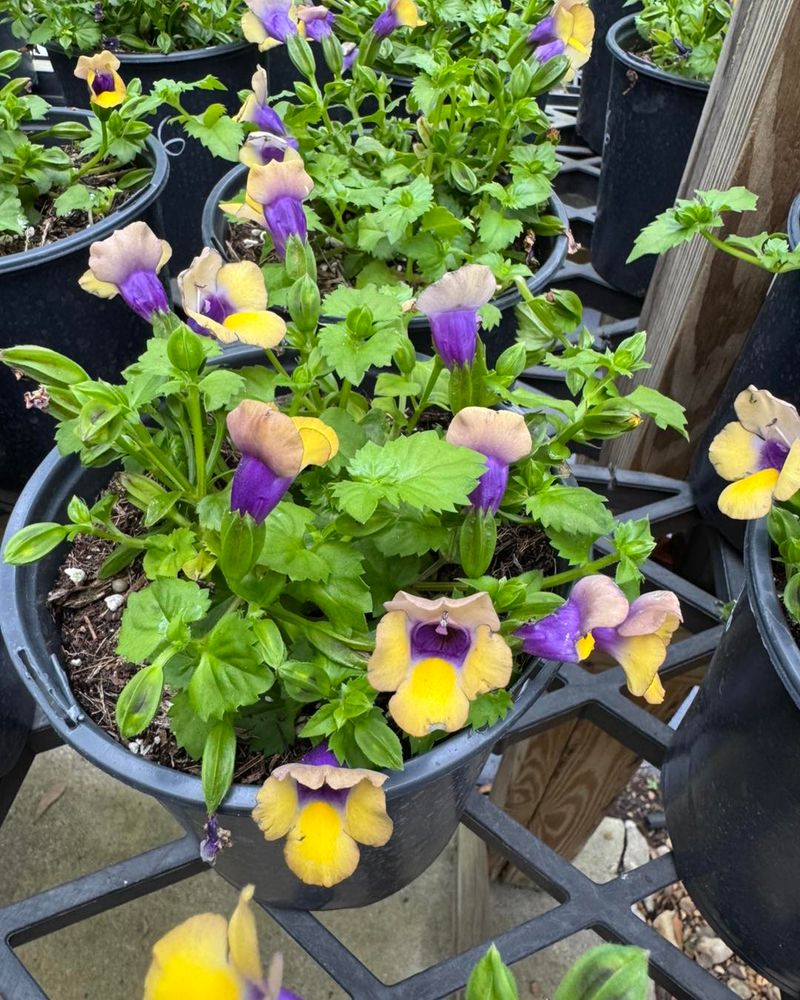
Torenia fournieri carries a common name that suits it well: wishbone flower. The name comes from the shape of the stamens inside each tubular bloom, which arch together like a wishbone.
The flowers themselves are charming, typically showing two-toned color combinations in shades of purple, violet, pink, and white, often with a contrasting throat.
Part sun to shade is where torenia performs best. Afternoon shade is especially helpful during Ohio’s hottest weeks, since the plant prefers cooler root zones and consistent moisture.
A spot that gets morning light and afternoon shade often brings out the best flowering and keeps foliage looking fresh well into September.
Growth habit is low and bushy, which makes torenia a natural fit for the front of a shaded border. It also works well in containers and hanging baskets, where its slightly trailing stems fill out nicely over the course of the season.
Soil should stay evenly moist and drain well, since waterlogged conditions create problems just as dry soil does.
Heat-tolerant cultivars have been developed and are worth seeking out for Ohio gardens, where summer temperatures can be unpredictable.
Not every cultivar handles heat equally, so checking variety descriptions before purchasing helps match the plant to your specific conditions.
Torenia is not drought tolerant as a general rule, so consistent moisture management remains important. Treating it as a direct shade substitute for common impatiens works well when the site offers the filtered light and steady moisture that both plants prefer.
7. Coleus Carries Tired Borders With Bold Foliage
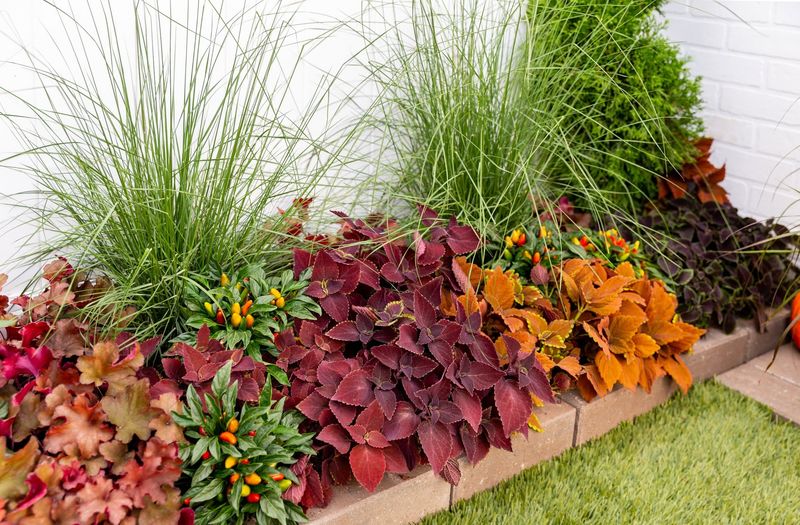
No flower can match what a well-chosen coleus does for a shaded border in terms of sheer color impact. The foliage is the entire point.
Modern cultivars deliver combinations of red, burgundy, lime green, orange, cream, and near-black that stay vivid from planting through frost.
Botanically, coleus is now classified under Plectranthus scutellarioides, though many growers still use the older name Solenostemon scutellarioides.
Sun tolerance varies widely across the coleus family, and this is one of the most useful things to understand before buying. Some cultivars hold their color best in deep shade.
Others are bred for sunny spots and can handle several hours of direct light without fading or scorching. Reading variety descriptions carefully before purchasing saves a lot of guesswork.
Soil should be moist and well-drained. Coleus does not tolerate prolonged drought well, and foliage quality drops noticeably when plants are consistently underwatered.
Mulching the bed helps maintain the steady moisture level that keeps leaves looking their best.
Flower spikes appear in late summer on most varieties. They are small and relatively inconspicuous, and many gardeners remove them to keep energy directed toward foliage growth.
Pinching flower spikes is a reasonable option but not a strict requirement. Coleus is not immune to pests or disease, and aphids occasionally appear, but problems are generally manageable.
As a foliage anchor for a shaded planting, it brings a level of dependable color that few other annuals can match across a full Ohio summer.
8. Browallia Brings Fresh Blue Flowers To Shadier Beds
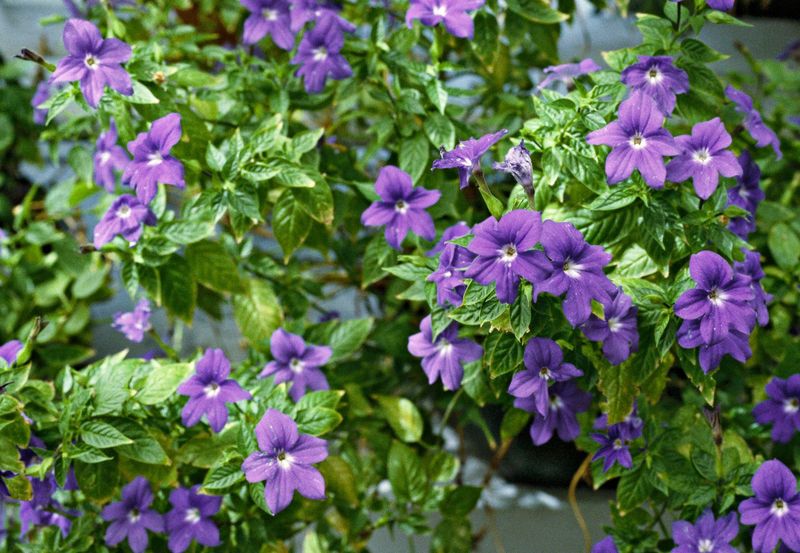
True blue flowers are genuinely rare among annuals that perform in shade, which is part of what makes browallia worth knowing. Browallia speciosa, commonly called bush violet, produces star-shaped blooms in shades of blue, violet, and white.
The flowers stand out clearly against dark foliage or a shaded backdrop. The color alone earns it a second look from gardeners tired of the usual pink and red options.
Shade to partial shade suits browallia well. It appreciates protection from intense afternoon sun, making it a reasonable fit for the same spots where impatiens are commonly grown.
Evenly moist, well-drained soil supports the best growth and flowering, and containers with good drainage work especially well for this plant.
As a warm-season annual in Ohio, browallia is treated as a seasonal plant that will not survive frost. It grows at a moderate pace and fills in nicely by midsummer, producing a tidy, bushy habit that works in borders and mixed container plantings.
Not every cultivar handles heat and light identically, so checking variety descriptions before buying helps set realistic expectations.
Replacing struggling impatiens with any shade annual works best when the new plant actually matches the site. A spot that is too dry, too sunny, or too poorly drained will challenge browallia just as it challenged the impatiens before it.
Match the plant to the real conditions of the bed rather than the ideal conditions listed on the tag. That difference can separate a successful replanting from another disappointment.