How Missouri Homeowners Are Designing Pet-Friendly Backyards
Your dog stares at the fence like it owes him something. Cats slip into corners you never noticed before. Missouri weather turns fast, and your unprepared yard struggles badly each season.
Backyards across Missouri are becoming spaces of quiet tension. Owners want space that protects without limiting your pet’s natural joy. Nobody wants a yard that feels confining to your pet.
Every fence line and plant choice shapes your pet’s mood. Shade decides whether your dog’s summer becomes comfort or misery. Drainage decides whether spring turns your entire lawn soft and messy.
Boundaries keep your curious pet from wandering into trouble. Smart owners like you plan before problems ever appear. Texture, safety, and stimulation work together for your pet.
Pets notice details you might overlook completely. Comfort and containment can blend seamlessly without losing your yard’s true charm. What comes next will change how your pet experiences home forever.
1. Choose Non-Toxic Plants For Curious Noses
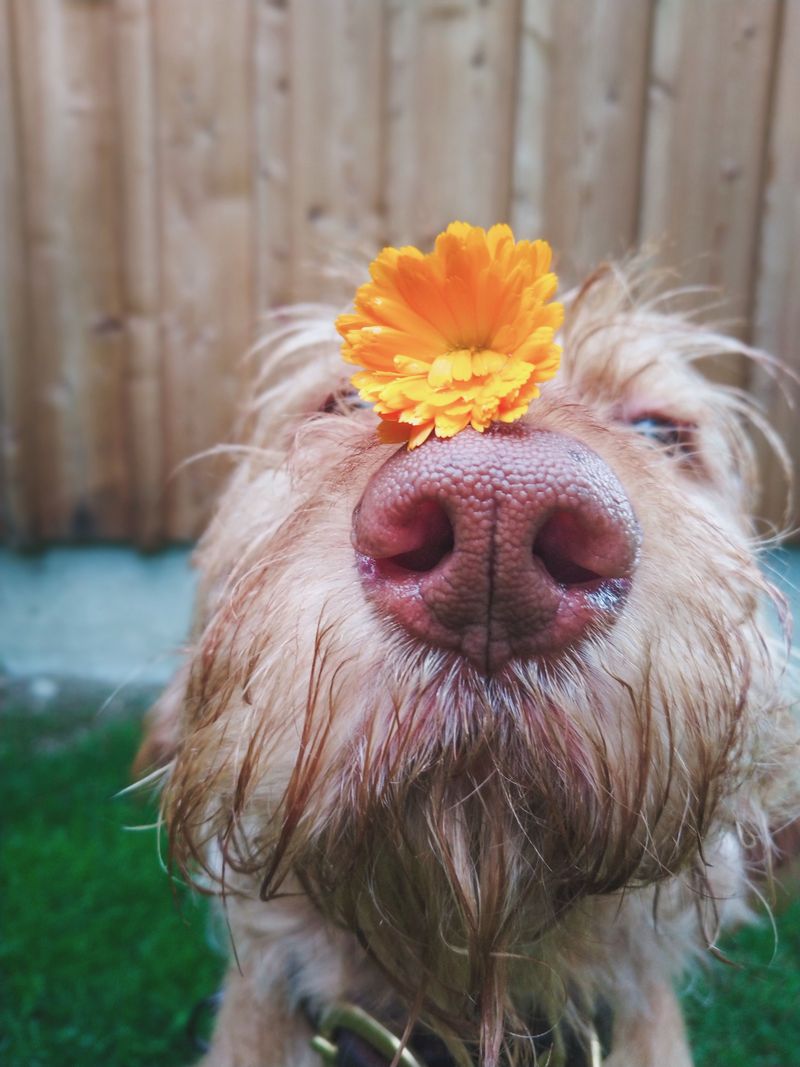
Your dog’s nose leads the way, sometimes toward things it shouldn’t touch. Many common garden plants are toxic to pets, so choosing the right greenery matters more than most owners realize.
Marigolds, sunflowers, and petunias are all pet-safe and look stunning in Missouri gardens. Swap out any azaleas, foxglove, or sago palms you might already have planted.
Lavender is generally low-risk in small amounts, though it’s best kept out of reach of dogs who like to chew. Its purple blooms add color while keeping the space safe for curious four-legged explorers.
Hostas are a popular shade plant in Missouri, but they are toxic to dogs and cats. Replace them with Boston fern or catnip, which are far safer choices for households with pets.
When shopping at your local garden center, ask staff specifically about pet-safe varieties. Many stores now carry labeled sections for pet-friendly landscaping, making the process much easier.
Herbs like basil, rosemary, and dill are safe for most pets and double as kitchen staples. Planting them near your patio gives your backyard a practical, aromatic touch.
Checking the ASPCA toxic plant list before buying anything new is a smart habit. Bookmark that page on your phone and pull it up right in the garden aisle.
A pet-friendly backyard starts from the ground up, and the plants you choose set the tone. Safe greenery means your pets can sniff, explore, and roam without you holding your breath.
2. Install Sturdy Fencing Around The Perimeter
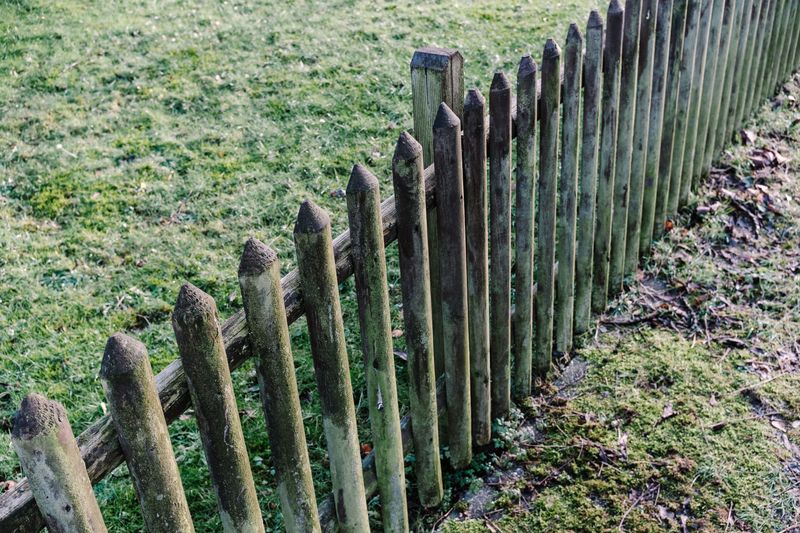
A fence is one of the most important investments a pet owner can make outside. Without one, even the most well-trained dog can bolt into traffic in seconds.
Missouri homeowners are choosing between wood, vinyl, and aluminum fencing depending on their budget and yard size. Each material has strengths, but all three can create a secure boundary when installed correctly.
Height matters a lot, especially for larger breeds like German Shepherds or Labrador Retrievers. A fence that stands at least six feet tall stops most dogs, though some athletic breeds can still clear it.
Your Missouri Garden Changes Every Week. Your Plan Should Too.
Gardening in Missouri changes quickly throughout the season. Every Friday you’ll receive a simple weekly plan showing exactly what to plant, prune, fertilize, harvest, and protect so you never miss the right timing.
Check the bottom of your fence line regularly for gaps or loose boards. Small dogs and determined diggers can squeeze through surprisingly tight spaces when motivated enough.
Adding a dig guard along the base is a popular trick among Missouri pet owners. Buried wire mesh or concrete footings make escaping from below nearly impossible.
For cats who love the outdoors, catio-style fence toppers create an enclosed zone they cannot leap over. These curved extensions attach to existing fences without requiring a full replacement.
Gate latches deserve serious attention because they are the most common escape point. Choose a double-latch system that requires two separate motions to open, confusing even the smartest pets.
Pet-friendly backyard design in Missouri always includes fencing as a foundation piece. A secure perimeter gives both pets and their owners the freedom to relax outside together.
3. Create Shaded Rest Spots For Hot Days
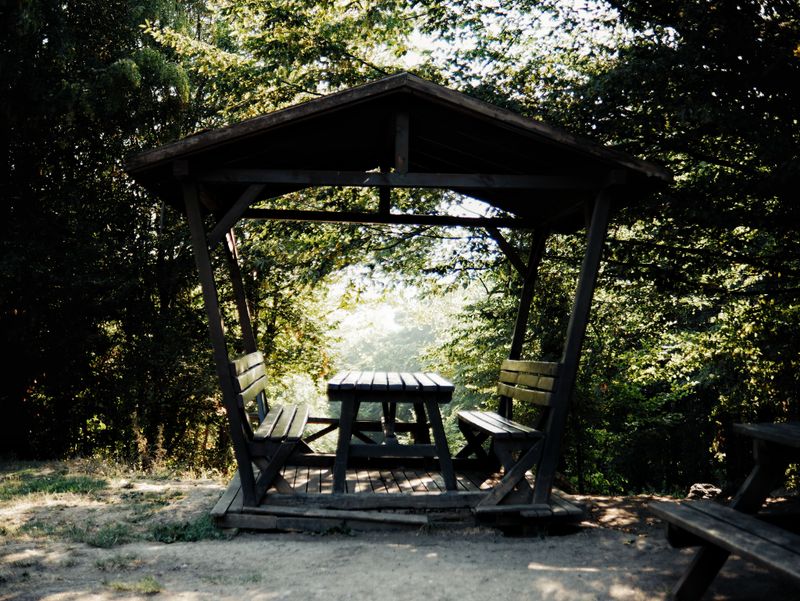
Missouri summers hit hard, and your pet feels that heat even more than you do. Dogs cool themselves through panting, which becomes much harder when there is no shade around.
Pergolas, shade sails, and large patio umbrellas are all excellent options for creating cool retreats. Position them over a grass or gravel area where your pet naturally likes to lounge.
Elevated pet cots are a game-changer for outdoor comfort during warm months. They lift your dog off the hot ground and allow air to circulate underneath their body.
Dense trees provide the best natural shade, but planting them takes years to pay off. In the meantime, temporary shade structures give your pet instant relief without a long wait.
Dark-colored surfaces like asphalt and black mulch absorb heat and can burn paw pads quickly. Swap those areas out for light-colored pea gravel or natural grass where your pet walks most.
Placing a cooling mat inside a shaded zone gives your dog a spot that feels almost like air conditioning. These mats use pressure-activated gel that stays noticeably cooler than the surrounding air.
Cats who roam outdoors also need shaded hideaways to escape the midday sun. A small wooden shelter tucked under a deck or bush gives them a private, cool retreat.
A shaded backyard is not just a comfort upgrade, it is a health necessity for Missouri pets. Beat the heat now, and your furry friend will thank you all summer long.
4. Add Durable Turf That Handles Heavy Traffic
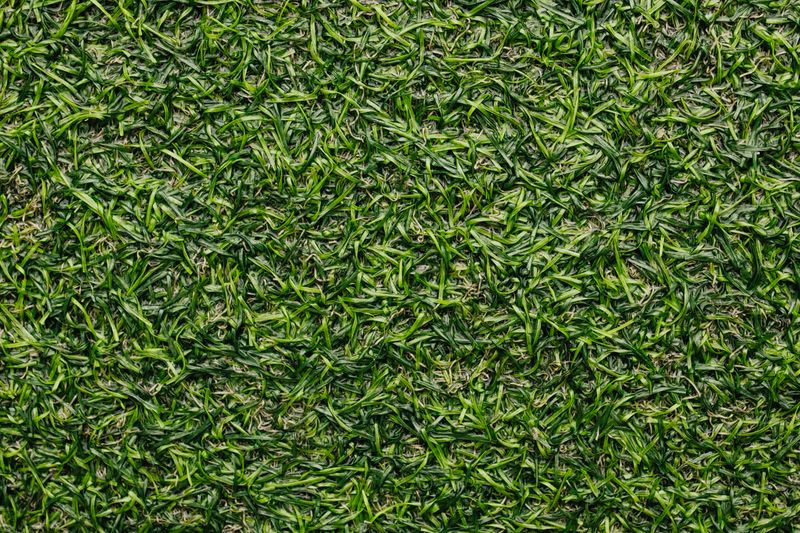
Natural grass looks gorgeous in April but turns into a muddy mess by June. Pets who love to run, wrestle, and zoom destroy traditional lawns faster than any drought could.
Artificial turf designed for pets has become a top choice among Missouri homeowners who want a clean, green yard year-round. These products drain quickly, resist odors, and hold up to rough play.
Not all artificial turf is created equal, so look for products with antimicrobial backing and good drainage holes. Cheaper versions trap moisture and odors, creating problems worse than bare dirt.
For homeowners who prefer natural grass, Zoysia and Bermuda varieties hold up better under heavy pet traffic. Both grow thick enough to recover from digging and running without turning patchy.
Overseeding bare spots in the fall is a simple way to keep natural turf looking full. Missouri’s cooler autumn temperatures help new grass establish roots before winter sets in.
Rubber mulch pathways between grass zones give pets a defined route to follow. This reduces wear patterns and keeps your main lawn looking intentional rather than torn up.
Paw-friendly surfaces matter beyond just appearance, since rough or uneven ground can cause joint stress. Smooth, even turf reduces the impact on hips and knees, especially for older dogs.
Building a pet-friendly backyard in Missouri often starts with the ground beneath their pets’ paws. Choose the right surface now, and your yard stays beautiful for seasons to come.
5. Remove Sharp Edges From Garden Borders
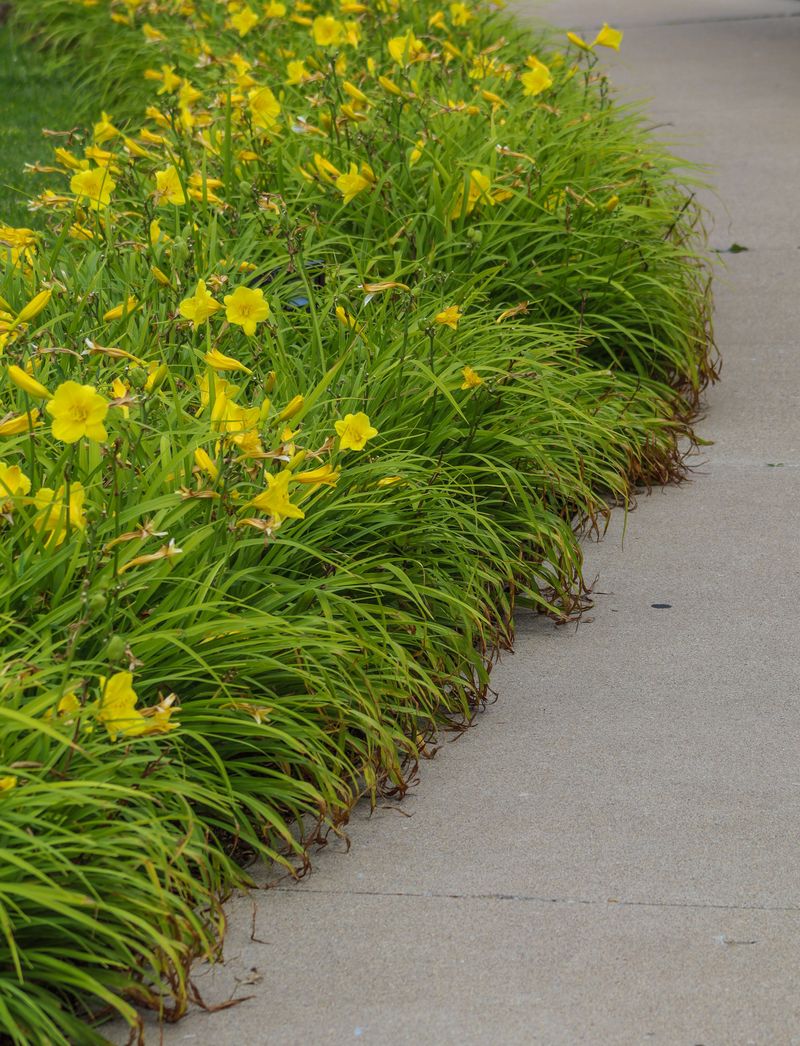
Sharp metal garden edging looks sleek in a magazine, but it is a hazard at paw level. Dogs and cats brush against borders constantly, and a jagged edge can slice skin without warning.
Replacing metal edging with smooth, rounded stone or flexible rubber alternatives is an easy weekend project. Both options define your garden beds clearly without posing any risk to curious animals.
Decorative river rocks make excellent border materials that are gentle on paws. They come in various sizes and colors, making it easy to match your existing backyard aesthetic.
Brick borders are another pet-safe classic that Missouri gardeners have used for decades. Lay them flat or on an angle, and they create a clean boundary without any sharp protrusions.
Raised garden beds with smooth wooden frames remove the need for ground-level edging entirely. The height keeps most pets from wandering in while protecting both plants and paws at once.
Check every border in your yard at ground level by crouching down to your pet’s height. What looks harmless from standing position often reveals hazards invisible to adult eyes.
Plastic landscape edging with rounded tops is inexpensive and widely available at Missouri hardware stores. It flexes slightly on impact, reducing the chance of a scrape during a fast-paced chase.
A safe yard is one where every detail has been considered from your pet’s perspective. Smooth edges mean fewer trips to the vet and more carefree afternoons spent playing outside together.
6. Provide A Fresh Water Station Outdoors
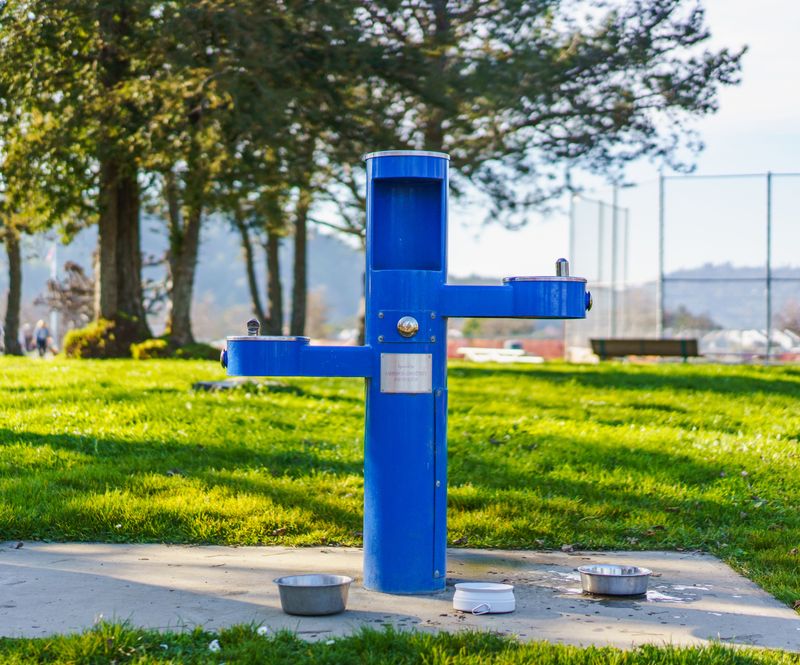
Hydration is not optional when temperatures climb into the Missouri summer range. A pet who plays hard outdoors can become dehydrated faster than most owners expect.
Setting up a dedicated outdoor water station solves this problem without constant trips back inside. A simple bowl works, but a recirculating pet fountain keeps water fresh and encourages more drinking.
Stainless steel bowls are the top choice because they resist bacteria buildup and stay cooler than plastic. Avoid dark-colored bowls left in direct sunlight since they heat water to uncomfortable temperatures quickly.
Anchoring the bowl to a sturdy base prevents playful dogs from flipping it during an excited moment. Weighted bases and wall-mounted brackets are both available at most pet supply retailers.
Automatic pet water dispensers connect directly to your outdoor hose bib for a hands-free solution. Fill the reservoir once, and it refills itself as your pet drinks throughout the day.
Place the water station in a shaded spot so the water stays cool even on the hottest afternoons. A station baking in full sun defeats the purpose of keeping your pet properly hydrated.
Clean the bowl or fountain at least every other day to prevent algae and bacterial growth. A quick scrub with a pet-safe cleaner keeps the station safe and appealing to thirsty animals.
Fresh water outside is one of the simplest and most impactful upgrades you can make today. Your pet will drink more, feel better, and enjoy outdoor time without overheating.
7. Build A Designated Digging Zone For Fun
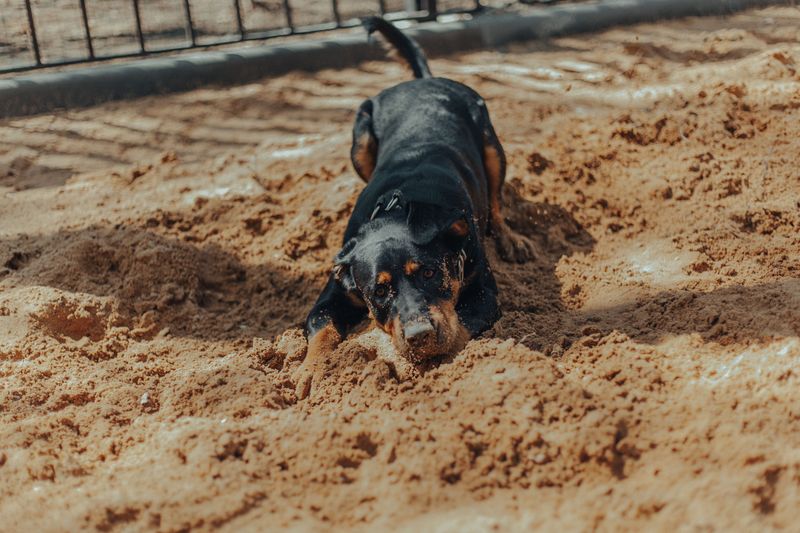
Some dogs are born to dig, and no amount of scolding will fully change that instinct. Instead of fighting nature, smart Missouri pet owners are working with it by creating a dedicated dig zone.
A simple raised sandbox or bordered soil patch gives your dog a guilt-free place to go wild. Fill it with loose, sandy soil that is easy to excavate and gentle on paw pads.
Bury a few toys or treats inside the zone to encourage your dog to use it consistently. Once they discover the buried treasure, they will return to that spot again and again on their own.
Choose a corner location that does not interfere with your garden beds or main lawn area. Keeping the digging zone separate from the rest of the yard makes it easier to maintain boundaries over time.
Cedar wood frames hold up well outdoors and resist rot without needing chemical treatments. Build a simple four-sided border at least eight inches deep to give your dog enough room to really go for it.
Redirect your dog firmly but calmly whenever they start digging in an off-limits area. Consistent redirection combined with positive reinforcement at the designated zone speeds up the learning process significantly.
Cats also enjoy digging, especially in loose soil or sand, and they appreciate their own private patch. A small enclosed sandbox near a garden corner can double as both a play area and a litter alternative.
Channeling your pet’s natural energy into a purposeful space transforms restless energy into joy. A designated dig zone keeps the rest of your yard intact while giving your dog exactly what they crave.
8. Keep Chemical Treatments Away From Play Areas
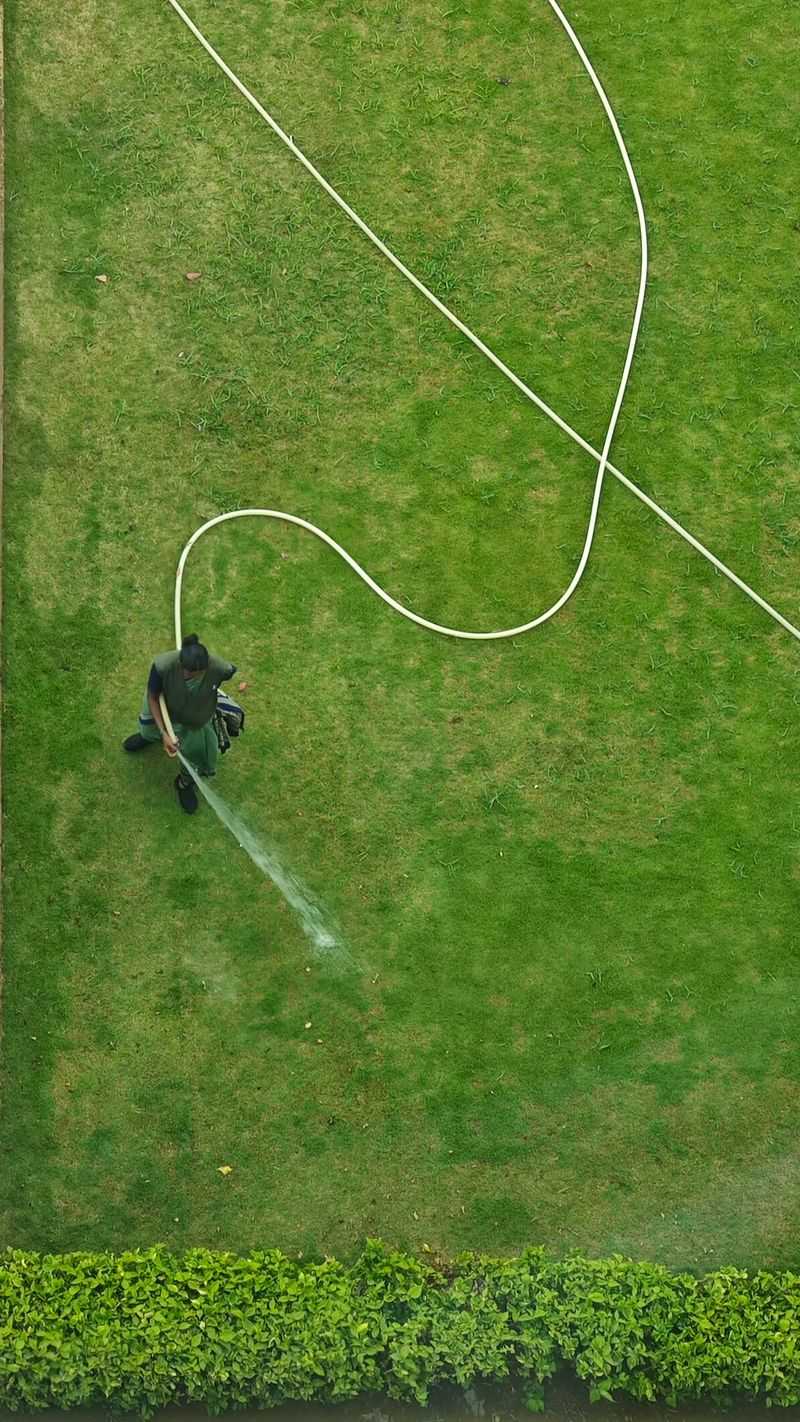
Lawn chemicals seem harmless once they dry, but residue can linger on grass blades for days. Pets who walk through treated areas and then groom their paws ingest those chemicals directly.
Switching to organic fertilizers and natural weed control methods protects your pets without sacrificing a healthy lawn. Products made from corn gluten, vinegar, or iron-based compounds work well and break down safely.
Always read labels carefully before applying anything to a yard where pets roam freely. Even products marketed as natural can contain ingredients that irritate skin or upset a pet’s stomach.
Create a buffer zone between any treated garden beds and your pet’s main play area. A simple physical barrier like a low fence or raised bed keeps treated soil away from paws and noses.
If professional lawn services treat your yard, ask them specifically about pet-safe product options. Many companies now offer pet-friendly programs that use lower-toxicity formulas designed with animals in mind.
Keep pets indoors for the time recommended on the product label, since safe re-entry periods vary by chemical. Waiting gives the solution time to absorb into the soil and reduce surface contact risk.
Pest control around the perimeter of your home also requires careful selection of pet-safe products. Granular baits and certain insecticide sprays are especially dangerous if a curious dog sniffs or licks them.
Creating a safe backyard for Missouri pets always comes back to prioritizing what’s underfoot. Clean, chemical-free grass means your pets can roll, sniff, and play without any hidden risks lurking underfoot.