How Much Water Your Plants Actually Need In Fall
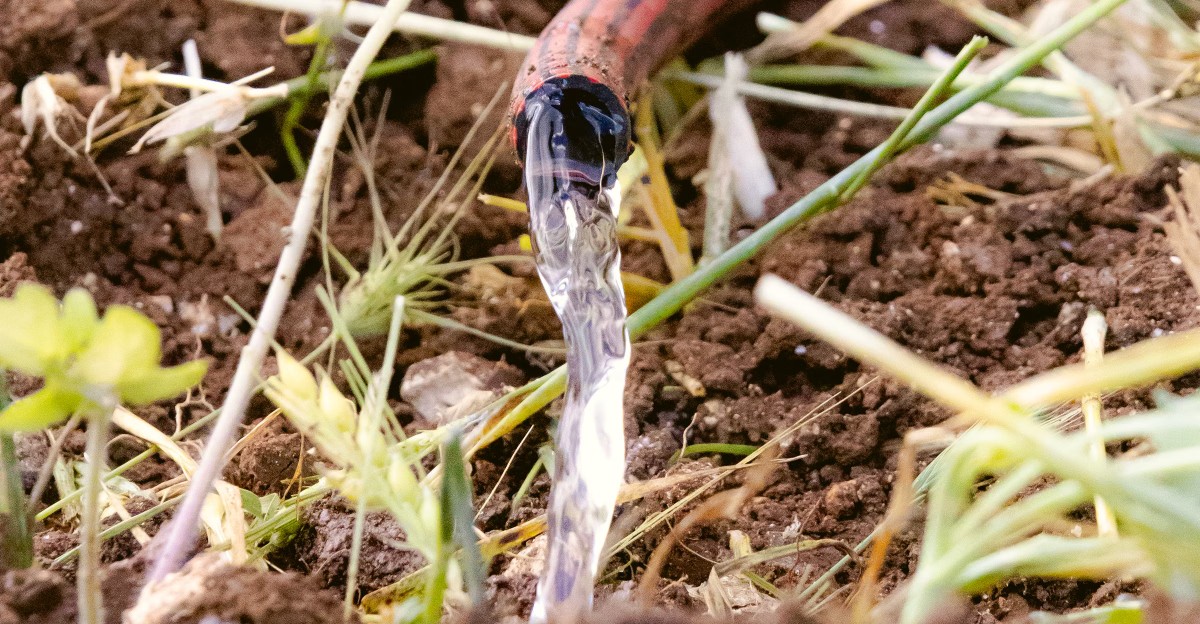
Tree roots can keep growing in fall soil until it cools to about 40 degrees. That means the busiest part of your yard might be the part you cannot see.
I used to coil up the hose the moment the maples turned orange. Not going to lie, I paid for it the next spring with brown, crispy shrubs and a few very sulky perennials.
Fall weather plays tricks on gardeners. Cool air and short days make the soil feel wetter than it really is, yet dry autumn winds can pull moisture out of leaves faster than you would guess. Evergreens are especially sneaky about hiding their thirst until it is too late to help them.
So how much water does your garden really want once sweater weather shows up? The answer is less than summer, but probably more than you think.
Those Quiet Fall Roots Are Busier Than Your Leaves Let On
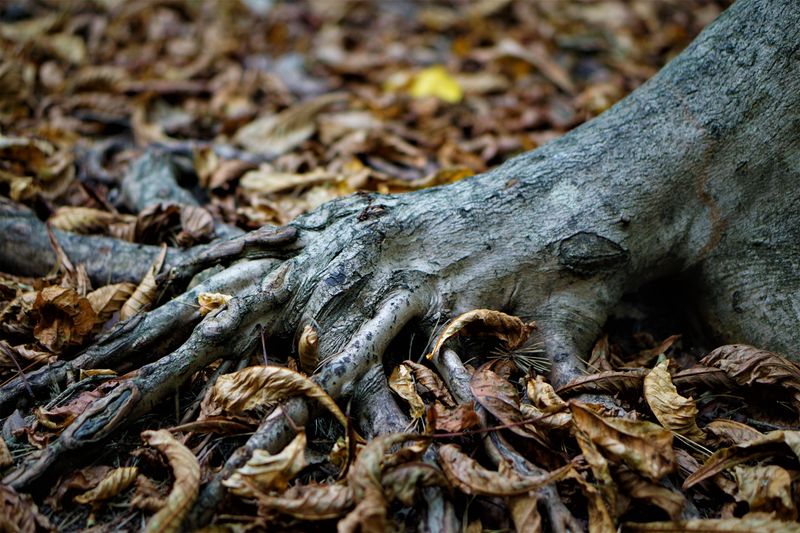
Above the ground, your garden looks like it is winding down. Below the surface, roots are doing some of their most important work of the year.
Warm soil and cool air create a sweet spot for root growth. University extension experts note that roots of many trees and shrubs keep growing until soil temperatures drop near 40 degrees Fahrenheit, which can be weeks after the first frost. Those roots need moisture to stretch out and store energy for winter.
Leaves use less water in fall because days are shorter and cooler. That drop in demand fools plenty of us into skipping water altogether. A dry autumn, though, leaves roots with little to work with right when they are building reserves.
I like to think of fall as the packing season. Your plants are loading up their suitcases before a long trip, and water helps them pack well.
Plants that go into winter dry often show the damage months later. You might see slow spring growth, browned evergreen needles, or twig dieback on shrubs. Keeping the soil evenly moist now is one of the easiest ways to avoid those spring surprises and give your garden a stronger start next year.
One Inch of Water a Week Is the Magic Number for Most Garden Beds
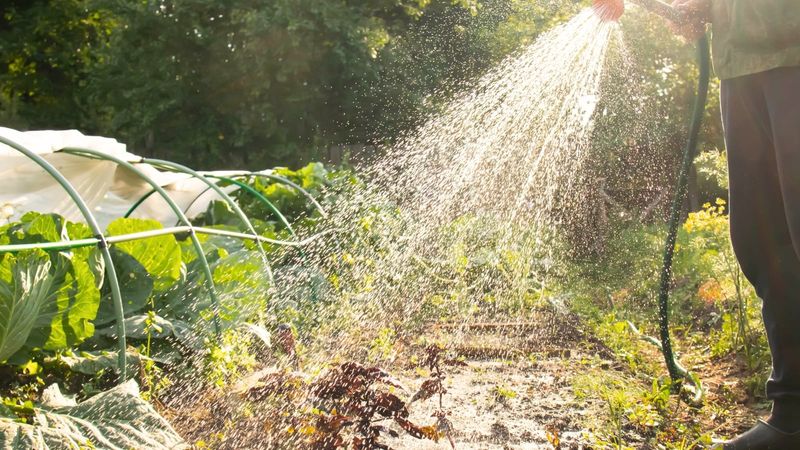
Most lawns, perennials, and shrub beds do well with about 1 inch of water per week in fall. That number includes rain, so a simple rain gauge becomes your best friend.
Check the gauge after each storm. If the week brings half an inch of rain, you only need to add about half an inch more. When rain covers the full inch, you can relax and leave the hose alone.
Not sure how much your sprinkler puts out? Set a few empty tuna cans around the bed and run it for 30 minutes. Measure the water in the cans, and you will know exactly how long it takes to reach an inch.
Timing helps too. Water in the morning so leaves dry before chilly nights, which lowers the chance of fungus problems.
Soil type changes the plan a bit. Sandy soil drains fast and may need two smaller soakings each week. Heavy clay holds water longer, so one deep soaking usually does the job.
Fall rain in the Midwest and Northeast often covers much of this need, while drier Western states may require steady help through October and November.
Big Shade Trees Want a Slow, Deep Soak Instead of a Quick Spray
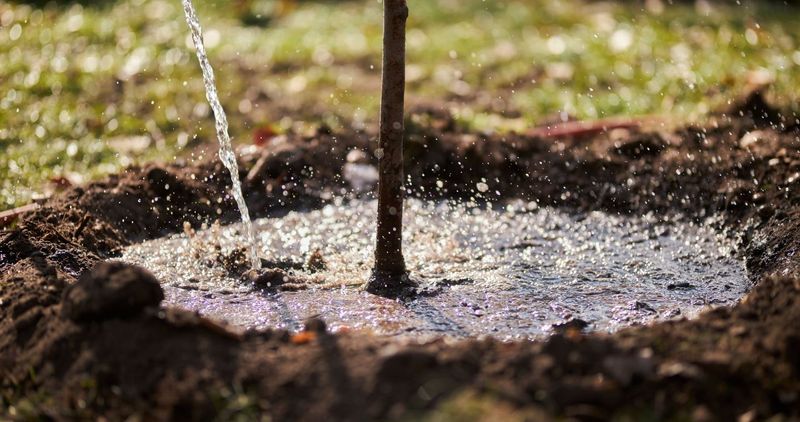
A mature oak or maple can look tough enough to handle anything. Still, a dry fall can stress even the giants on your street.
A common guideline from arborists is about 10 gallons of water for each inch of trunk diameter. So a tree with a 6-inch trunk would get roughly 60 gallons per watering during a dry spell. Spread that over a long, slow session so the water sinks instead of running off.
Soaker hoses work beautifully here. Lay one in a loose circle starting a few feet from the trunk and reaching out toward the drip line, where many absorbing roots live. A garden hose on a gentle trickle, moved every 20 minutes, works too.
Aim to moisten the top 8 to 12 inches of soil. Push a long screwdriver into the ground afterward, and it should slide in easily if water reached deep enough.
Once or twice a month is usually plenty for established trees when rain is scarce. Skip it after a soaking rain. A ring of shredded bark mulch, kept a few inches from the trunk, helps the soil hold onto that moisture longer.
Newly Planted Shrubs and Perennials Need You Most This Season
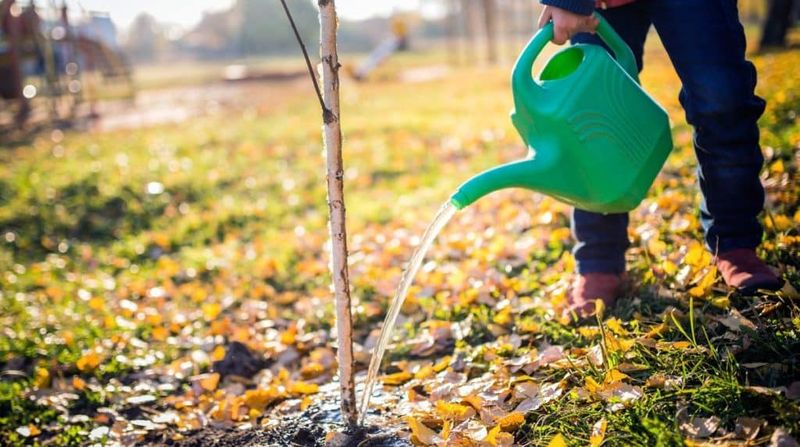
Fall is a fantastic time to plant, and I am a sucker for those end-of-season nursery sales. The catch is that new plants arrive with small, tight root balls that cannot reach far for water.
Shrubs and trees planted this year, or even last spring, need extra attention. Their roots often stay in the original soil ball for weeks, and that ball can dry out even when the soil around it feels damp.
Check new plantings every few days. Water deeply when the top inch or two feels dry, which often works out to two or three times a week in dry weather. Soak right over the root ball first, then a little beyond it to coax roots outward.
Wet is good, but soggy is not. Roots need air as much as moisture, so puddles that linger for hours mean you should ease off.
Perennials divided or planted in September and October follow the same rule. A 2 to 3 inch layer of mulch keeps the soil evenly moist and protects young roots from wild temperature swings. Keep this routine going until the ground starts to freeze.
Boxwoods, Hollies, and Pines Keep Losing Water All Winter
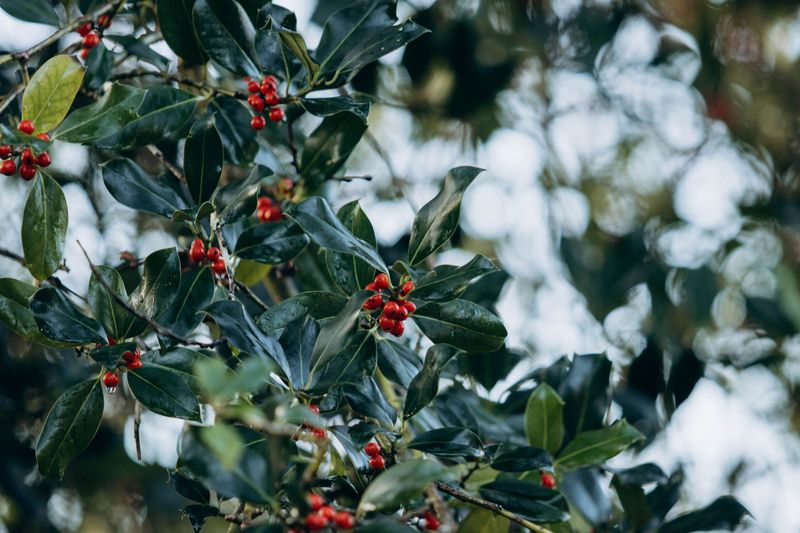
Evergreens do not get a winter break. Their needles and leaves stay on the branches, and they keep releasing moisture on sunny or windy days, even in January.
Frozen ground creates a tricky problem. Roots cannot pull water from icy soil, yet the foliage keeps losing it. That mismatch leads to winter burn, the brown, scorched patches you might spot on arborvitae, boxwood, holly, rhododendron, and yew come spring.
Deep fall watering is your best defense. Give evergreens a thorough soaking every week or two during dry stretches, right up until the soil freezes. Plants that enter winter well hydrated hold up much better against drying winds.
Broadleaf types like rhododendrons and hollies tend to struggle most because their larger leaves lose more water. Plants on the south or west side of a house, or near reflective driveways, take a beating too.
A layer of mulch over the root zone keeps soil warmer and moist a bit longer. In very exposed spots, a burlap screen on the windy side adds extra protection. Skip the spray-on anti-transpirant products unless you research them first, since studies show mixed results.
Potted Mums and Container Plants Dry Out Faster Than You Expect
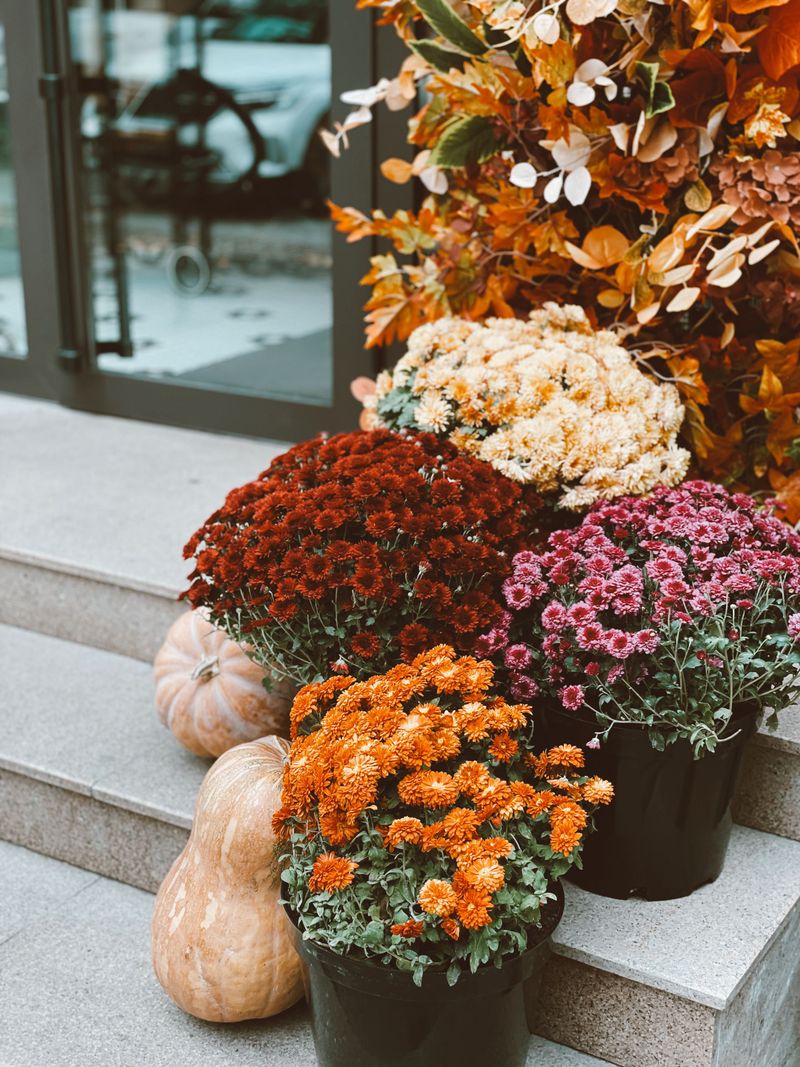
Guilty as charged, I have lost more porch mums to thirst than to frost. Those big, bushy fall mums sit in small pots packed with roots, and they can wilt in a single breezy afternoon.
Containers hold a limited amount of soil, so they dry out much faster than garden beds. Sun, wind, and terracotta pots speed that up even more.
The finger test works best. Push a finger about an inch into the soil, and if it feels dry, water until it drains out of the bottom. Mums in full bloom may need daily water on warm, sunny days.
As fall moves along and temperatures fall, you will water less often. Keep checking anyway, because a surprise warm spell can dry pots quickly.
Mums sold in tight plastic pots often benefit from moving into a slightly bigger container. Watering at the soil line rather than over the flowers helps the blooms last longer.
Bringing tropical plants indoors? Cut back on water once they settle in. Indoor plants grow slowly in fall and winter, so letting the top inch or two of soil dry between drinks prevents soggy roots.
Drooping Leaves Can Mean Too Much Water, Not Too Little
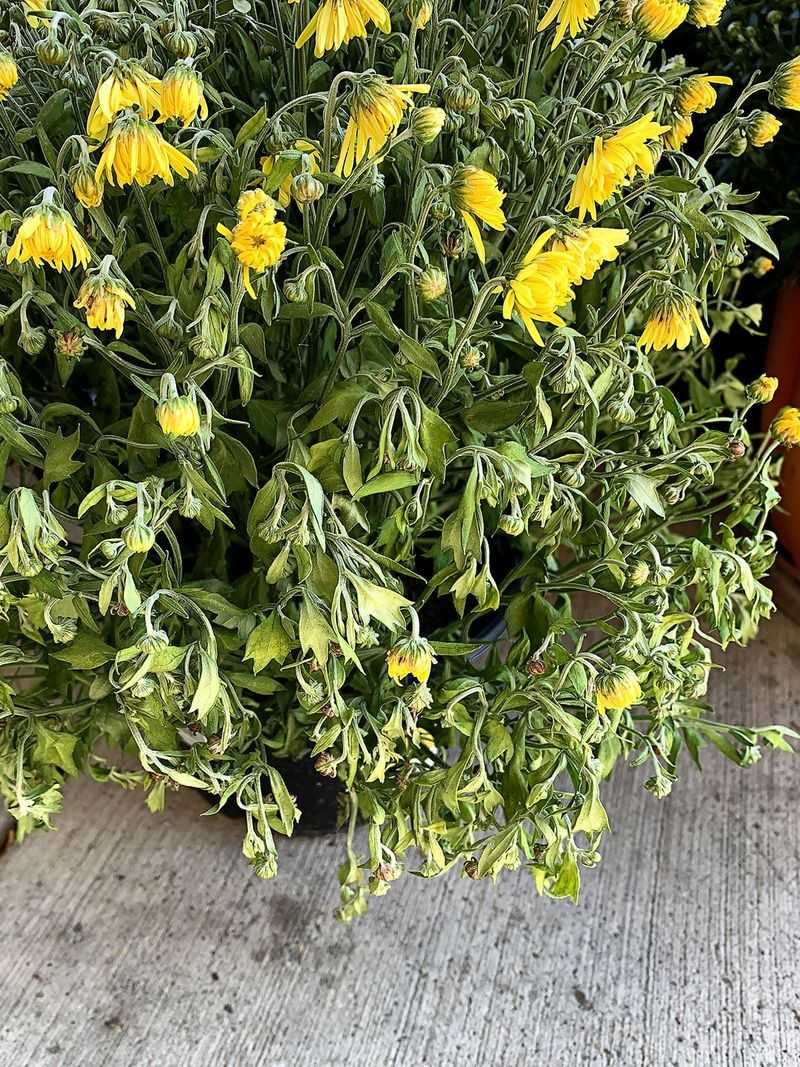
A wilted plant sends most of us running for the hose. In fall, that instinct can backfire.
Overwatered plants often look strangely similar to thirsty ones. Leaves turn yellow, go soft and limp, and droop. Roots sitting in soggy soil cannot breathe well, so they struggle to move water up to the leaves, even with plenty around them.
Cool weather makes this mistake easier. Soil dries slowly when days are short and the sun sits low, so a summer watering schedule can leave beds waterlogged.
Before you water, check the soil. Wet soil plus drooping, yellow leaves usually points to too much water. Dry, crumbly soil with crispy brown leaf edges points to too little. A plant that perks up within a few hours of watering was simply thirsty.
Moisture meters are handy, but a finger or a small trowel works just as well. Dig down a few inches near the roots to see what is really happening.
If soil stays soggy, stop watering and let it dry. Improving drainage with compost next season, or moving plants out of low spots, helps prevent repeat trouble.
Keep the Garden Hose Handy Until the Ground Freezes
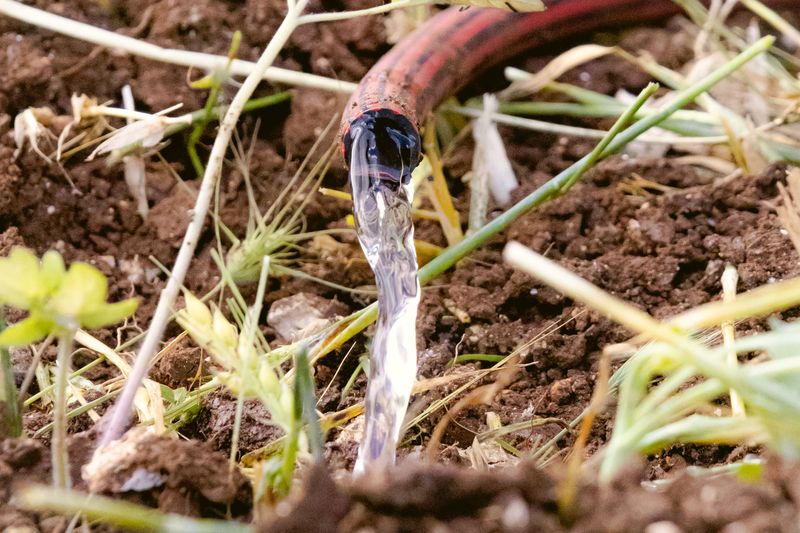
A light frost on the lawn does not mean watering season is over. Soil holds warmth much longer than air, so roots keep absorbing moisture after those first chilly mornings.
The general rule from many extension services is simple. Keep watering during dry spells until the ground freezes. In northern states, that might be late November, while gardeners in milder southern areas may water lightly through winter during dry stretches.
Pick warmer days, ideally above 40 degrees, and water at midday so moisture soaks in before nighttime cold. A final deep soak right before the freeze gives evergreens and new plantings one last boost.
Once the soil is frozen or snow covers the beds, you can retire the hose. Drain it fully, store it in a garage or shed, and shut off outdoor spigots to protect pipes from cracking.
Here is my favorite takeaway after years of trial and error. Fall watering is less about a calendar and more about paying attention. Check the rain gauge, poke the soil, and give deep drinks when it runs dry. Your spring garden will show the difference in fuller growth and healthier, greener foliage.