9 Tips On How To Care For A Thanksgiving Cactus So It Blooms Every Year
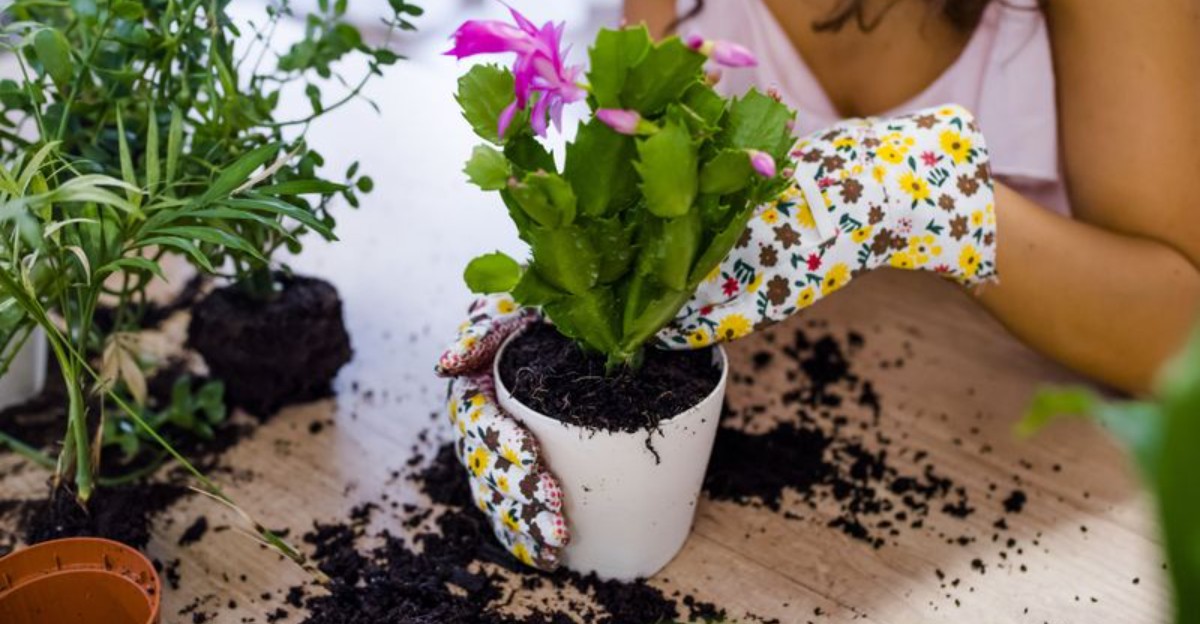
In the wild, my favorite fall houseplant grows on mossy tree branches high in Brazil’s coastal mountain forests. Hummingbirds visit its hanging flowers there, and nobody seems to mind the word cactus attached to its name.
Its flat green stems carry little pointed teeth along the edges, almost like tiny crab claws reaching outward. Those claws help separate it from a smoother-edged holiday cousin that usually blooms several weeks later in winter.
I’ll admit it, my first one sulked for two whole years without opening a single bright pink flower. I kept treating it like a desert plant, and it kept politely ignoring every hopeful glance I gave it.
Once I learned what triggers those buds, everything changed on my windowsill each autumn without much extra effort. So what does this rainforest oddball secretly want from you before it agrees to put on a show?
1. Bright Indirect Light Keeps Thanksgiving Cactus Stems Green
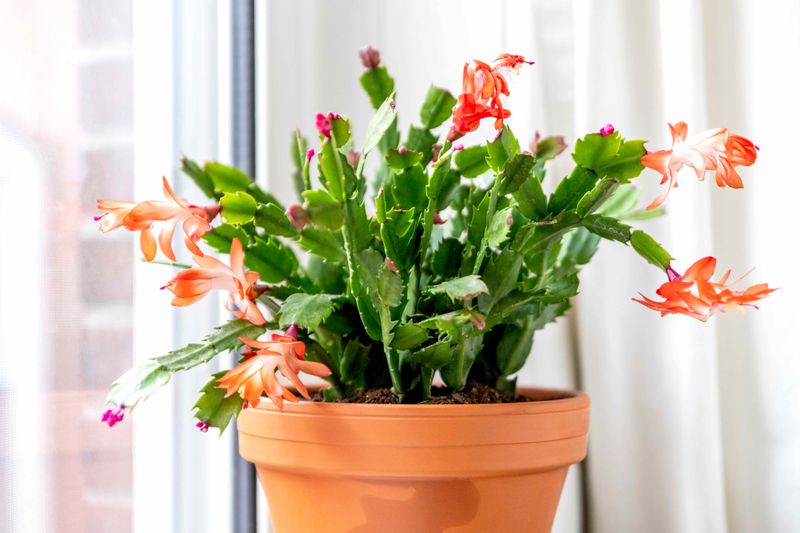
Sunburned leaves on a cactus sound like a joke, yet this rainforest plant blushes red when the sun gets harsh. Those flat stem segments are built for dappled shade under tree branches, not open desert skies.
Bright indirect light keeps the stems a healthy medium green and gives the plant energy for future flowers. An east-facing window works beautifully because gentle morning sun fades before the hotter afternoon hours arrive.
A south or west window can still work if you hang a sheer curtain to soften the glare. I learned this after my plant turned a sad reddish purple during one particularly bright summer stretch.
Summer outdoors can be a real treat for this plant, as long as you choose a shaded porch spot. Dappled light under a tree or a covered patio mimics the forest canopy it naturally calls home.
Bring it back inside before nights fall below about 50 degrees, since cold snaps can harm tender stems. University extension experts note that chilly outdoor fall nights can also help nudge buds into forming naturally.
Too little light causes trouble too, leading to weak growth and fewer flower buds by late autumn. A plant tucked in a dim corner may stay green but often refuses to bloom at all.
Rotate the pot occasionally during the growing season so every side gets a fair share of light. Once buds appear, though, leave it facing the same way because moving it can cause them to fall.
2. Long Dark Nights Trigger Thanksgiving Cactus Flower Buds
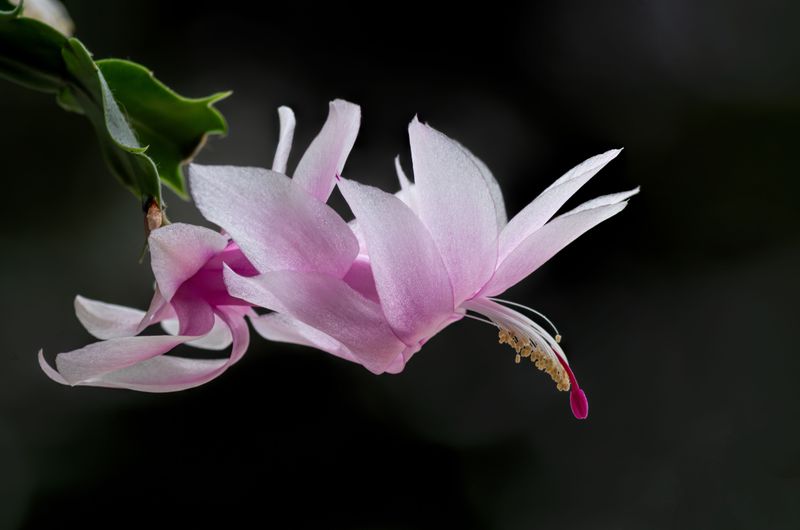
Darkness is the secret ingredient most people overlook, and this plant counts the hours of night like a careful timekeeper. Thanksgiving cactus is a short-day plant, which means long nights tell it that flowering season has arrived.
Most extension guides recommend about 12 to 14 hours of uninterrupted darkness each night for roughly six weeks. Starting this routine in mid to late September usually lines up nicely with blooms around late November.
Not going to lie, I once kept mine beside a reading lamp and wondered why nothing happened. Even short bursts of light from lamps or televisions can interrupt the signal and delay those precious buds.
A spare bedroom that stays dark at night is often the easiest solution for busy plant owners. You can also slip the pot into a closet each evening, then return it to daylight every morning.
Some gardeners cover their plants with a dark box or cloth, which works as long as air circulates. Just remember to remove the cover each morning, since the plant still needs bright daytime light to grow.
Streetlights shining through a window can sneak in and confuse the plant more than you would expect. Moving the pot a few feet away or closing heavy curtains at dusk can solve that problem quickly.
Once flower buds are clearly visible, the strict darkness routine can relax and normal household lighting is fine. Keep the plant in its spot, though, because sudden changes in location often upset developing buds.
3. Cool Fall Nights Help Holiday Cactus Buds Form
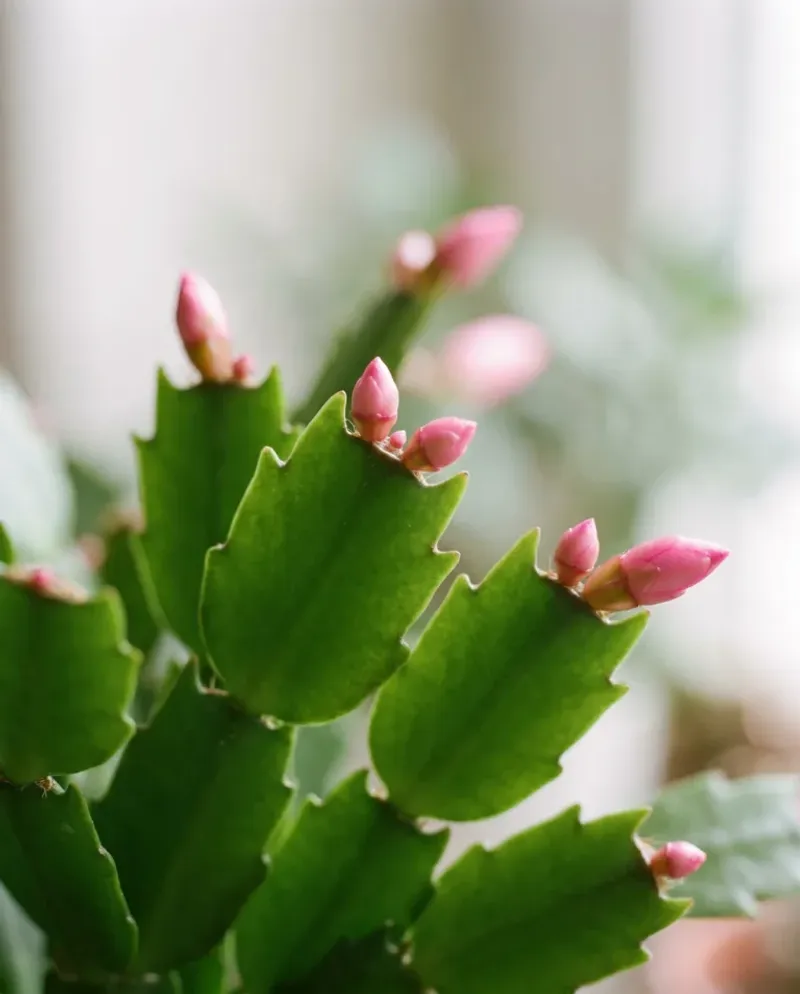
Chilly evenings feel like sweater weather to us, but to this plant they whisper that blooming time is near. Cool temperatures can actually trigger flower buds on their own, even without a strict darkness routine.
Night temperatures between about 50 and 55 degrees Fahrenheit encourage buds to form, according to several university extension services. Daytime temperatures around 60 to 70 degrees keep the plant comfortable while those buds quietly develop.
In its native Brazilian mountains, the forest air cools noticeably after sunset, so the plant expects that pattern. Recreating that gentle evening dip at home is easier than most people think during the fall months.
An unheated sunroom or enclosed porch can provide the right conditions with very little effort on your part. Just keep an eye on the forecast, because temperatures below 50 degrees can cause trouble for tender stems.
I’m a sucker for watching the weather this time of year, mostly for my plants rather than myself. A cheap indoor thermometer near the pot helps you know exactly what the plant is experiencing overnight.
Warm rooms above roughly 70 degrees at night can slow bud formation or stop it from happening altogether. Keep the pot away from heating vents and radiators, which dry the air and confuse the plant.
Cold drafts from exterior doors can be just as troublesome once buds start forming along the stem tips. A steady, cool spot away from both extremes gives your plant the best chance at a generous display.
4. Water Your Thanksgiving Cactus When The Top Inch Dries
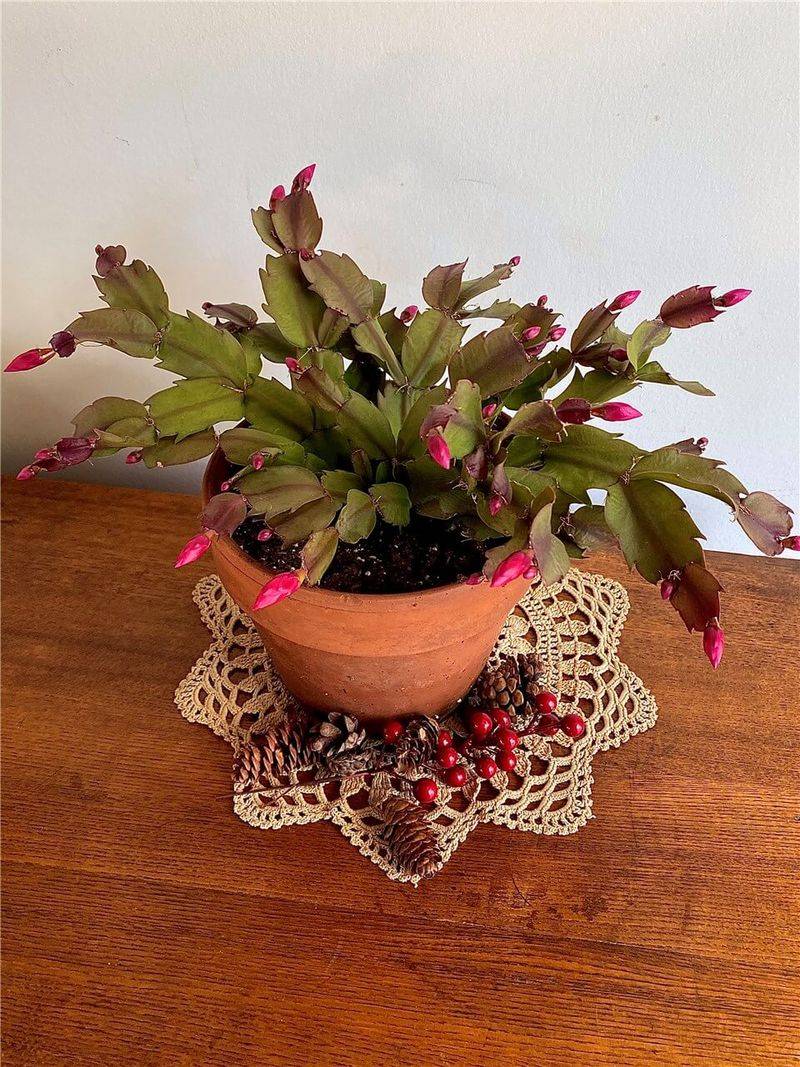
You’d think anything called a cactus could go weeks without a drink, but this one gets thirsty much sooner. Its rainforest roots prefer regular moisture, though they still hate sitting in soggy soil for long stretches.
Check the soil with your finger, and water thoroughly once the top inch or so feels dry. Let the extra water drain out of the bottom, then empty the saucer so the roots can breathe.
I learned the hard way that overwatering causes far more problems than forgetting a drink now and then. Soggy soil leads to root rot, which shows up as limp, wrinkled stems that refuse to perk up.
During spring and summer, the plant grows actively and usually needs water more often than in winter. Warm weather and small pots both speed up drying, so check the soil every few days during hot spells.
Many experts suggest easing back on water slightly in early fall as the plant prepares to set buds. Keep the soil from drying out fully, though, because a stressed plant may skip blooming that year.
Once buds appear, aim for evenly moist soil so the developing flowers stay firmly attached to the stems. Big swings between bone-dry and soaking wet are a common reason buds fall off before opening.
Room-temperature water is a kinder choice than icy tap water straight from a cold faucet in winter. Your plant will reward that small courtesy with plump segments and a much happier overall appearance.
5. Airy Well-Draining Potting Mix Protects Cactus Roots
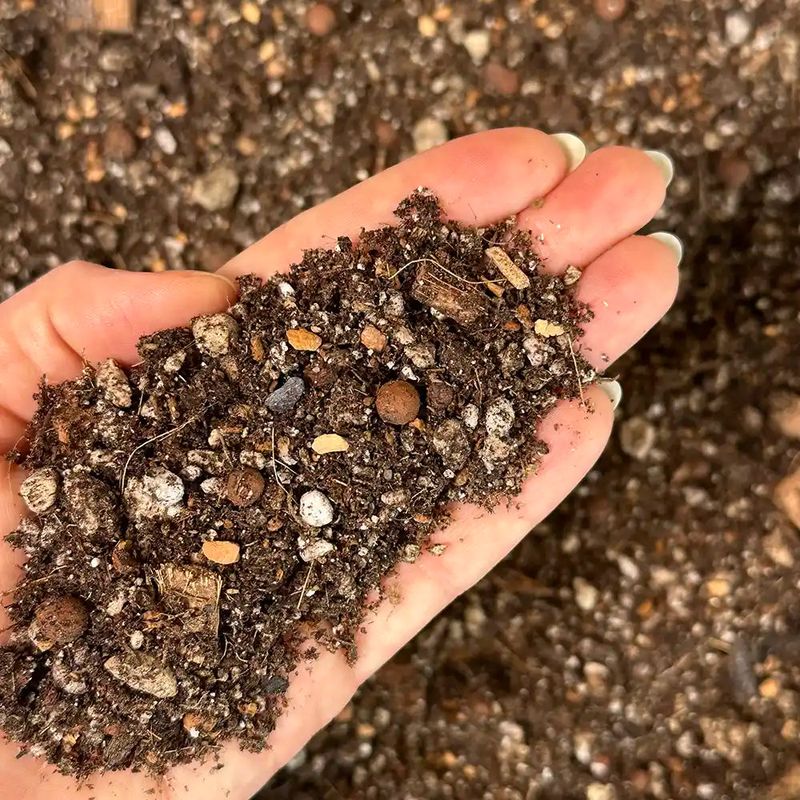
Roots that cling to tree bark in the wild do not enjoy being smothered in heavy, dense potting soil. Thanksgiving cactus grows as an epiphyte, so its roots expect plenty of air between every bit of organic material.
A light and fast-draining potting mix keeps those roots healthy and lowers the risk of rot considerably. Many growers start with a commercial cactus mix, then blend in extra organic matter for a bit more moisture.
Another popular recipe combines regular potting soil with perlite in roughly equal parts for better airflow. Some gardeners add small orchid bark chips, which feel close to the plant’s natural home on branches.
Guilty as charged, I once used plain garden soil, and my poor plant sulked for an entire season. The soil packed down hard, stayed wet too long, and the roots slowly turned brown and mushy.
Slightly acidic soil, roughly between 5.5 and 6.5 on the pH scale, suits this plant well. Most bagged potting mixes already fall in that range, so testing is rarely necessary for home growers.
Pot choice matters too, and every container should have at least one drainage hole in the bottom. Terra cotta pots breathe nicely and dry faster, which helps if you tend to water a little generously.
Plastic pots hold moisture longer, so they work well for gardeners who sometimes forget the watering can. Either option succeeds when the mix stays loose and water runs straight through after every thorough soaking.
6. Feed Thanksgiving Cactus In Spring And Summer Only
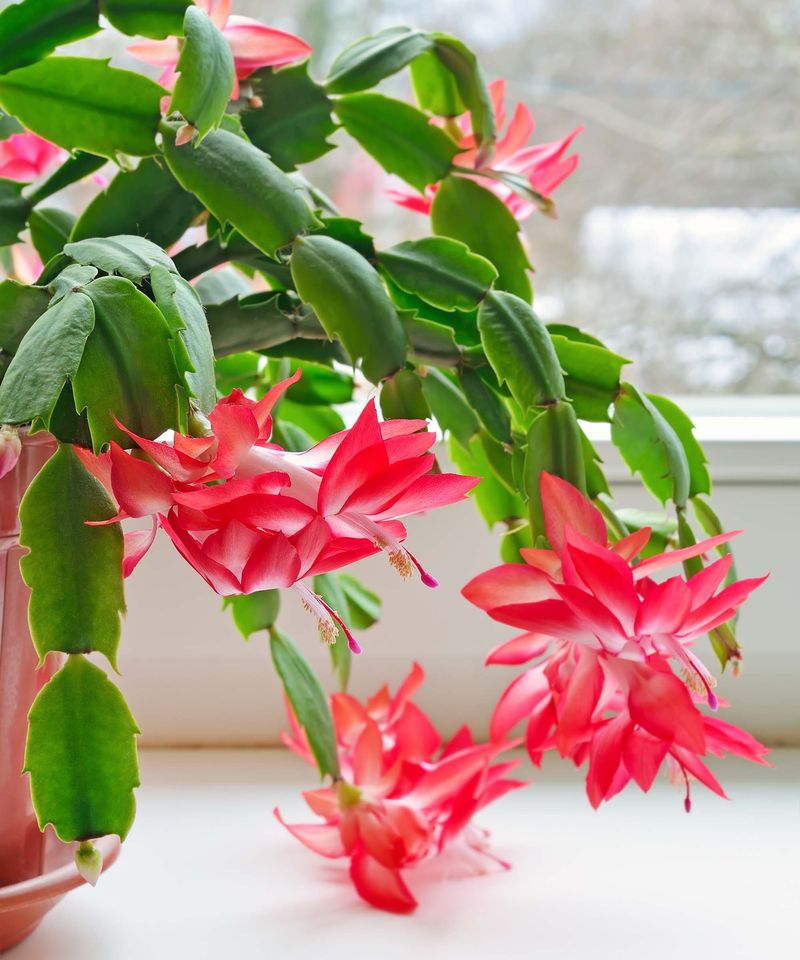
Feeding a houseplant feels generous, yet poor timing with fertilizer can quietly cost you an entire season of flowers. This plant appreciates regular meals during its growing months and prefers a break as fall approaches.
From spring through summer, use a balanced, water-soluble houseplant fertilizer mixed at about half the label strength. Feeding once a month is usually plenty, though some growers prefer smaller doses every two weeks.
Those warm months are when new stem segments form, and each fresh segment tip becomes a potential flower site. More healthy segments mean more places for buds to appear once the nights grow long and cool.
It took me a while to notice how much late fertilizer encouraged leafy growth instead of blossoms. Most extension sources suggest stopping feeding by late summer or early fall so the plant can focus.
Holiday cacti are often described as needing a bit more magnesium than many other common houseplants. Some growers dissolve one teaspoon of Epsom salt in a gallon of water and apply it monthly.
Keep that magnesium treatment separate from your regular fertilizer, alternating the weeks rather than mixing them in one can. Stop both treatments when you stop the regular feeding, giving the plant a calm rest before blooming.
Water the soil before feeding, since fertilizer poured onto bone-dry roots can cause burn and damage. A little patience with the feeding schedule pays off when those layered blossoms open later in autumn.
7. Snug Pots And Spring Repotting Suit Thanksgiving Cactus
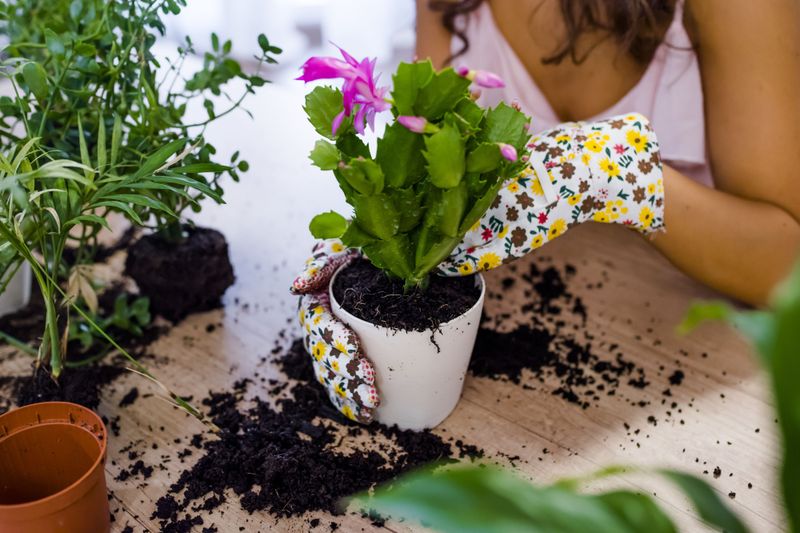
Crowded roots sound like a problem, but this plant actually seems happiest when its pot feels a little snug. Many growers notice heavier blooming on plants that have been in the same container for a few years.
I’m the first to admit I used to repot everything the moment roots peeked out the bottom. My Thanksgiving cactus responded by putting all its energy into roots, and the flower show suffered noticeably.
Repotting every two or three years is generally enough for a healthy plant in good potting mix. Signs it is time include roots circling the surface or water rushing straight through without soaking in.
Spring is the ideal season, right after blooming ends and new growth starts to appear on the tips. Repotting in late summer or fall can disturb the plant just when it should be setting flower buds.
Choose a new pot only one or two inches wider than the old one to keep things cozy. A massive pot holds too much wet soil around small roots, which invites rot and slows flowering.
Gently loosen the root ball, trim away any mushy brown roots, then settle it in fresh mix. Plant it at the same depth as before, since burying the stems too deeply can lead to decay.
Wait about a week before watering heavily, letting any small root injuries heal over in the meantime. Many families keep these plants for decades, so gentle repotting helps them thrive well into the future.
8. Steady Conditions Stop Thanksgiving Cactus Bud Drop
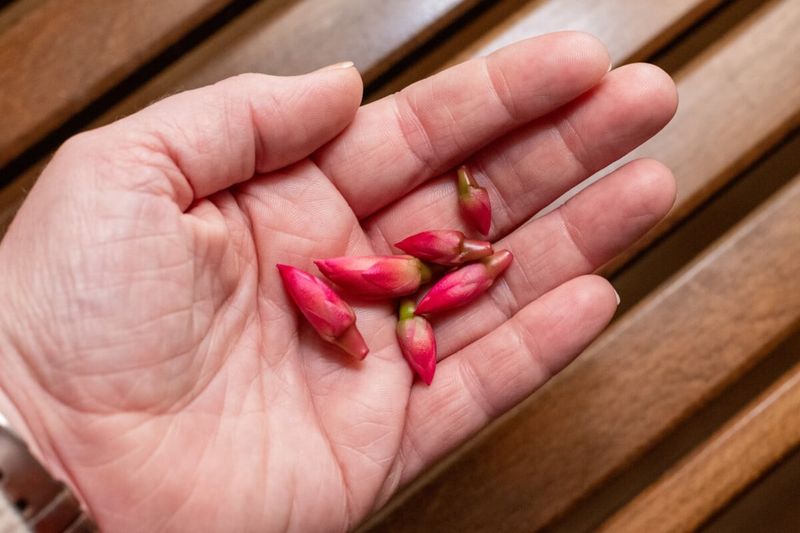
Few things sting quite like watching plump pink buds tumble onto the windowsill just days before opening. Bud drop is a common frustration, and it usually means something in the plant’s surroundings changed suddenly.
Fair warning, this plant dislikes surprises once buds form, whether that means moving rooms or chilly drafts. Even carrying it from the store to your car on a cold day can trigger a few dropped buds.
Pick one bright, cool spot before buds appear, and leave the pot there until flowering finishes. Resist the urge to turn it around for a better view, as tiny changes can upset developing buds.
Dry indoor air from heating systems is another frequent culprit once colder weather settles in each year. This rainforest native prefers moderate humidity, so very dry rooms can stress both stems and swelling buds.
Grouping several houseplants together raises humidity a little, since each plant releases moisture into the nearby air. A pebble tray filled with water also helps, as long as the pot sits above the waterline.
A small room humidifier works even better in very dry homes, especially during the long heating season. Uneven watering ranks right up there with dry air, so keep the soil consistently moist during this stage.
Once the flowers open, they often last several days each, and the full display can stretch for weeks. Cooler room temperatures help those blooms last longer, giving you more time to admire every layered petal.
9. Pinch Back Thanksgiving Cactus Segments After Blooming
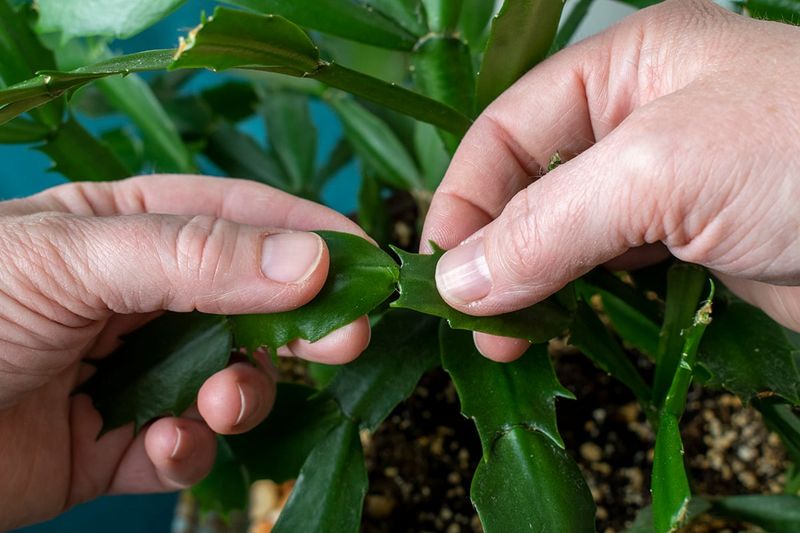
Every branch tip on this plant is a potential flower, so more tips simply means more color later. A little pruning after blooming encourages branching and turns a lanky plant into a fuller, bushier specimen.
The best time is late winter or early spring, once flowers fade and before new growth takes off. Pruning then gives the plant months to grow fresh segments that will carry next year’s buds.
Rather than cutting, simply twist off a stem at the joint between two segments using gentle pressure. Removing one to three segments from the end of each stem is usually plenty to encourage new branching.
Some growers trim back as much as a third of the plant, though lighter pinching works well too. Avoid pruning in late summer or fall, because you would be removing the very tips that would bloom.
I didn’t expect those leftover pieces to become a whole new hobby on my kitchen windowsill. Pieces with two or three segments root easily when set upright in slightly moist potting mix.
Let the cuttings sit out for a day or two first so the broken ends can dry slightly. Roots usually appear within a few weeks, and the new plants make thoughtful gifts for friends and family.
Pets get a pass with this plant, since the ASPCA lists holiday cacti as nontoxic to cats and dogs. Your cuttings can sit safely on low shelves, spreading cheerful blooms throughout your home every single autumn.