How Occultation Clears Weeds From Virginia Garden Beds Without Digging
Black silage tarps, the kind farmers use to cover cattle feed, can quietly clear a weedy garden bed by spring. Farmers in Maine and Vermont helped popularize the trick, and it works beautifully in Virginia backyards too.
Weeds sprout in the warm, damp darkness underneath, then fade because they cannot reach a single ray of sunlight.
Meanwhile, earthworms and soil microbes keep working away, turning old roots and leftover stems into soft, crumbly soil.
I skipped fall cleanup one year and spent April yanking chickweed and henbit out of every single bed. You probably know that back-aching spring scramble too, especially in Virginia, where winter weeds rarely take a break.
After I tested a cover on just one bed, the difference by March honestly felt like a small miracle. So what does a winter bed need before that dark blanket goes down, and how long should it stay?
1. Pull Spent Tomato Vines And Squash Plants
Nothing looks sadder than a tomato cage sagging under brown, crispy vines after the first hard frost arrives. I admit those tangled stems used to sit in my beds until spring, quietly hosting trouble all winter.
Clearing spent crops first matters because a tarp works best on a fairly bare, flat surface with few lumps. Thick stalks poke holes in plastic, and they also leave gaps where light sneaks in and wakes up weeds.
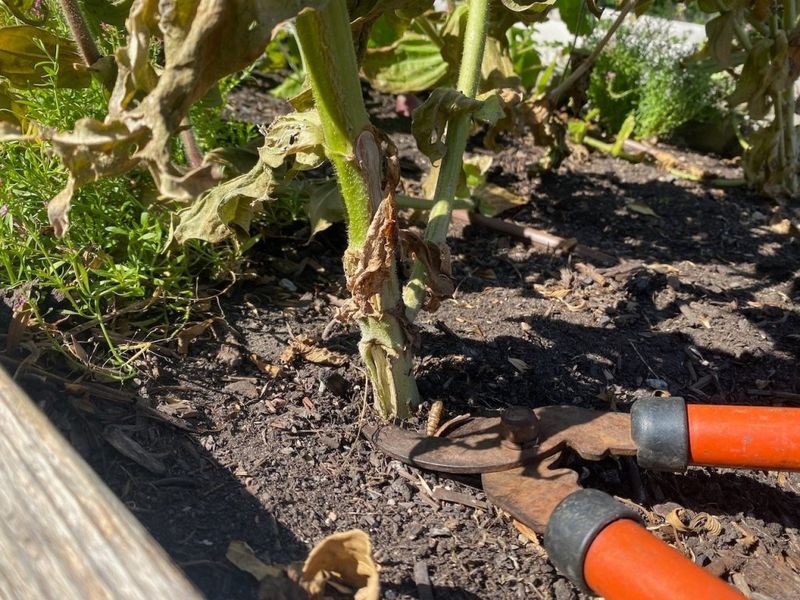
Start by cutting tomato, pepper, and squash plants at the soil line instead of yanking every root free. Leaving roots in place keeps the soil structure intact and gives underground microbes a slow, steady snack.
Diseased material deserves special attention, since pathogens like early blight can survive the winter on old leaves. Bag those plants for the trash rather than tossing them onto a backyard compost pile that runs cool.
Healthy leaves and stems can go straight to compost, or you can chop them small and leave them. Short pieces break down faster under a dark cover, especially when the soil stays moist through the cold months.
You might also notice a few seed heads worth saving for birds, like coneflowers along the bed edges. Goldfinches love picking through those dried cones, so I leave a handful standing outside the area I plan to cover.
Once the bed looks tidy, rake away loose sticks and rocks so the surface feels smooth underfoot. That simple sweep makes every later step easier, and your tarp will sit flatter against the ground.
2. Mail A Soil Sample To The Virginia Tech Lab
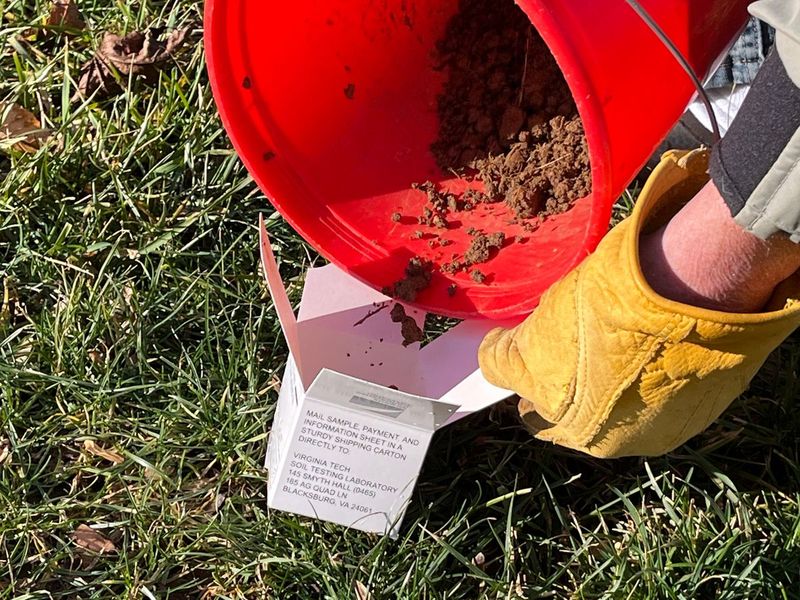
Every garden keeps secrets, and the soil test is the cheapest way I know to hear them out loud. Local extension offices hand out sample boxes and forms, and the lab at Virginia Tech runs the analysis.
Most experts suggest testing every three to four years, unless plants show odd yellowing or stunted growth sooner. Fall is a smart time because results return before spring, giving amendments months to settle into the soil.
Collecting a sample takes only a clean trowel and a plastic bucket, plus about fifteen spare minutes. Dig small slices from ten or more spots, about six inches deep, and mix them together well.
Skip areas near compost piles or old fire pits, since those spots can skew the numbers quite a bit. Let the mixed soil air dry on newspaper before filling the box to the marked line.
The report shows your pH plus key nutrients like phosphorus and potassium, along with clear fertilizer suggestions. Many vegetables grow happiest when soil pH sits somewhere between about 6.0 and 6.8, according to extension guides.
Acidic clay is common across much of the Piedmont, so lime often shows up as a recommendation. Lime works slowly, which makes winter the perfect window to spread it before the cover goes down.
I was surprised the first time my results arrived, because my supposedly rich bed needed almost no phosphorus. That single report saved me money and stopped me from piling on fertilizer the plants simply did not need.
3. Loosen Garden Soil Gently With A Digging Fork
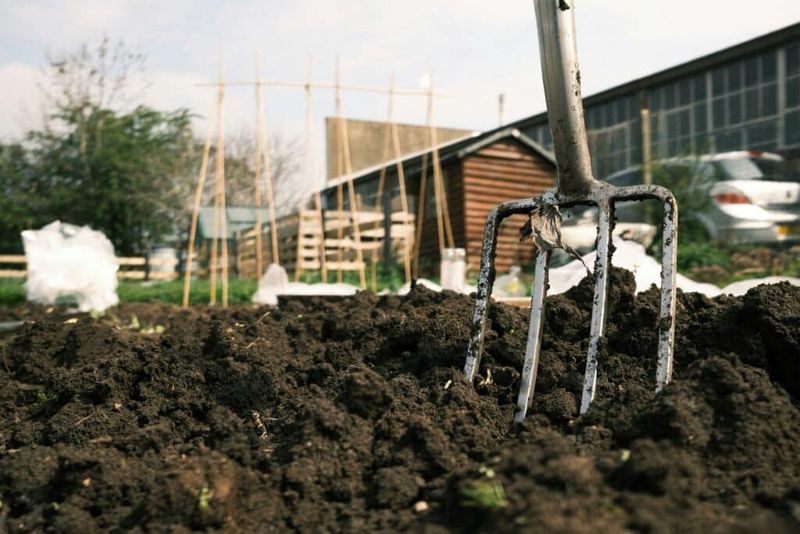
A digging fork sliding into damp soil makes a satisfying crunch, and that sound tells you plenty about texture. Heavy clay resists with a stubborn squeak, while healthy loam parts easily and smells sweet and earthy.
Light loosening helps compost and lime mingle with the top layer instead of sitting on hard-packed ground. The goal is gentle aeration, not the deep churning that a rented rototiller gives your backyard beds.
Deep tilling breaks apart soil crumbs and tears the fungal threads that help roots find water and nutrients. It also drags buried weed seeds up toward the surface, where they wait for their big chance.
Instead, push the fork in, rock it back and forth slightly, and move over a few inches. Working this way keeps soil layers mostly in place while still letting air and water slip down below.
Timing matters too, so wait until the soil crumbles in your hand rather than forming a sticky ball. Working wet clay squeezes out air pockets and leaves hard clods that linger well into the next season.
I learned that lesson after an eager November afternoon left my bed looking like broken pottery shards. Now I squeeze a handful first, and if it oozes between my fingers, I go make tea instead.
Raised beds usually need even less effort, since their soil rarely gets trampled the way open rows do. A quick pass with a hand cultivator often does the job in just a few relaxed minutes.
4. Spread A Thick Layer Of Dark Crumbly Compost
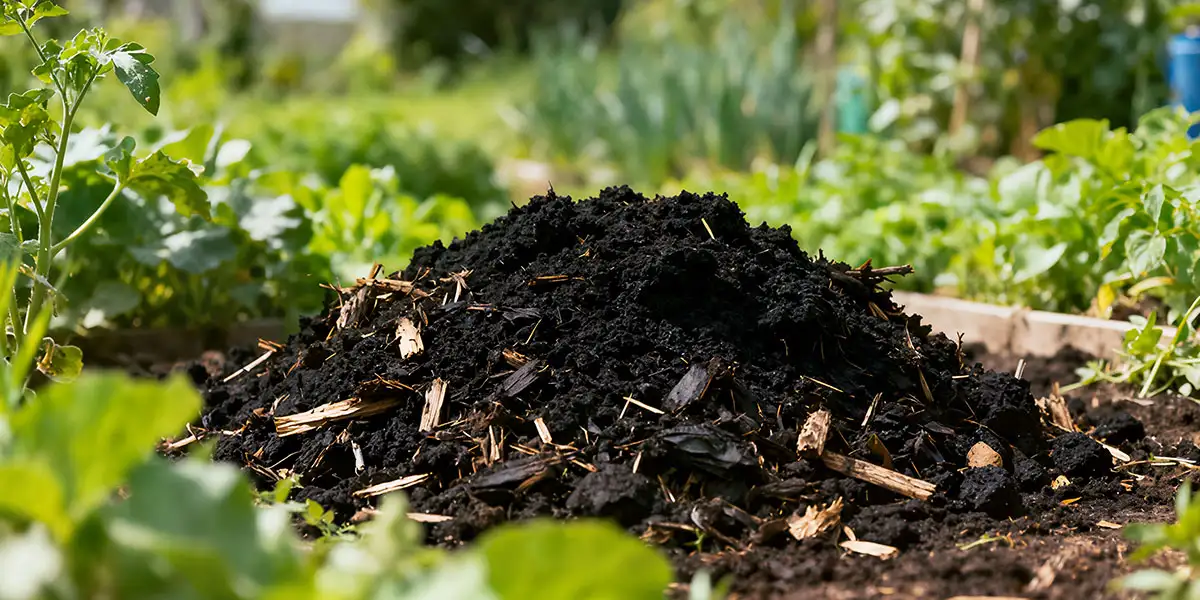
Finished compost smells like a forest floor after rain, and your soil craves it more than any bagged fertilizer. I love scooping that dark, crumbly stuff onto a bare bed because it instantly looks richer and more alive.
Aim for a layer about two to three inches thick spread evenly across the whole loosened surface. Use a garden rake to smooth it flat, which helps the tarp rest snugly against the ground later.
Compost feeds earthworms and countless microbes that stay active under a cover whenever temperatures stay above freezing. Those tiny workers pull organic matter downward, slowly building better structure without any shovel work from you.
Clay soils benefit from improved drainage, while sandy coastal soils gain the ability to hold more moisture. That flexibility makes compost useful almost anywhere in Virginia, from mountain valleys to the Eastern Shore.
Shredded leaves make a fine free addition, especially since autumn drops piles of them right in your yard. Just run a mower over them first, because whole leaves can mat down and block water from soaking in.
Avoid fresh manure right before planting edible crops, since raw manure can carry harmful bacteria for months. Aged or composted manure works better, and a winter under cover gives it extra time to mellow.
You build your future harvest right here, one wheelbarrow load at a time, while the garden rests. Come spring, that compost will have blended in nicely, leaving soil soft enough to plant with bare hands.
5. Soak The Bed With A Garden Hose Before Covering
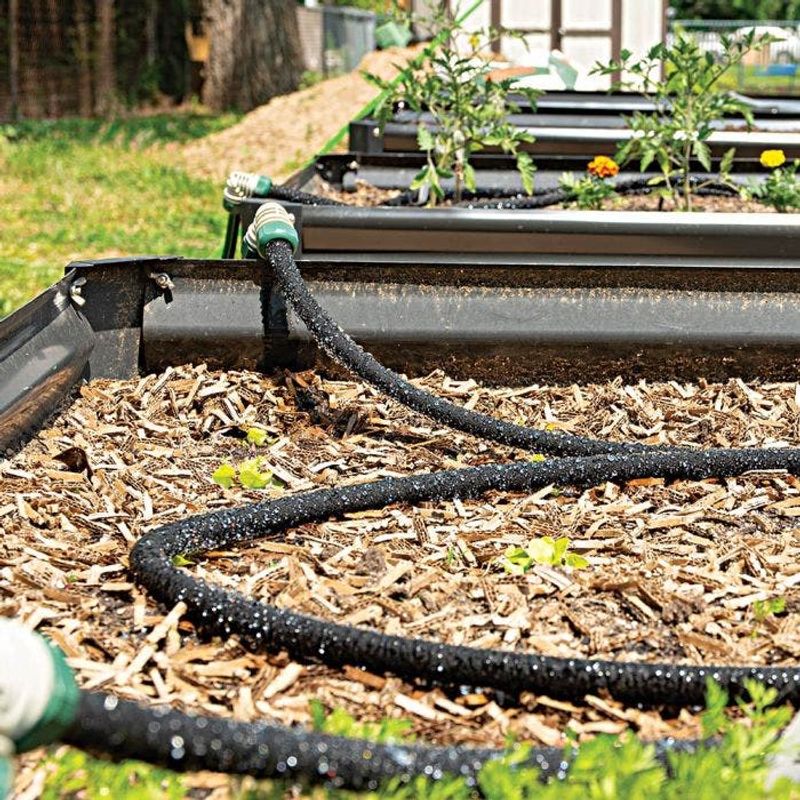
Watering a garden in the chilly off-season feels a little silly, but this soak sets the whole trap. Weed seeds need moisture to sprout, and a dry bed under plastic often just sits there doing nothing.
Run a hose or sprinkler until the soil feels moist several inches down, ideally reaching close to twelve inches. A long screwdriver makes a handy probe, since it slides easily through damp soil and stops at dry layers.
Once the cover goes on, that moisture stays trapped, creating a dark and humid space underneath. Many weed seeds germinate in those conditions, then fade away because they cannot find light to make food.
The trick tempts the seed bank into sprouting early, long before your spring vegetables ever go in. Fewer seeds waiting in the soil means fewer hours spent weeding once the warm season returns.
Moisture also helps decomposition, since microbes break down leftover roots much faster in damp soil than dry dirt. I noticed my covered beds turned crumbly much faster after I started soaking them well first.
Water during a mild afternoon, when temperatures sit comfortably above freezing and hoses are not stiff with ice. Late fall rains can help, but a dry spell means the hose still needs to come out.
Avoid creating puddles or mud, because waterlogged soil can lose oxygen and turn sour under the plastic. Steady, even moisture is the target, so take breaks and let the water soak in between passes.
6. Stretch A Black Silage Tarp Across The Bed
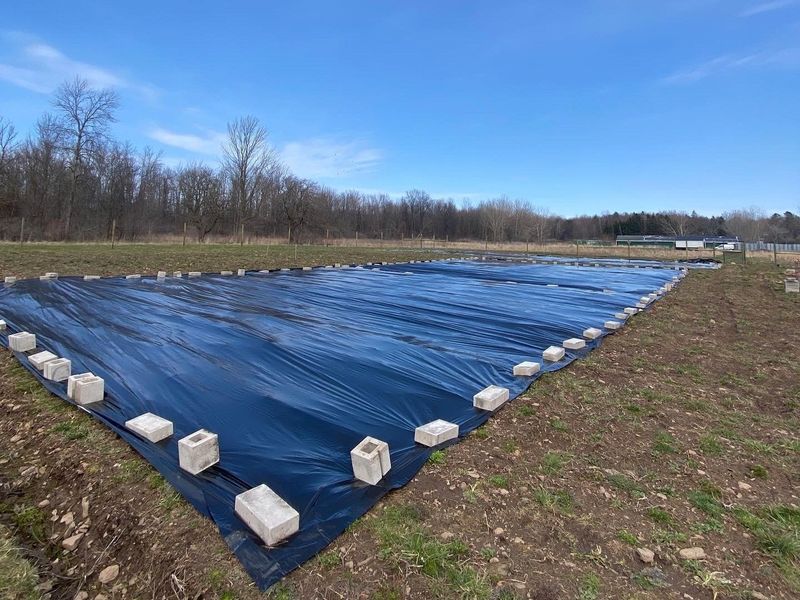
Silage tarps were designed to cover cattle feed, so they shrug off sun and weather like champions. Many small farms now reuse the same thick tarp for years, which makes the upfront cost easier to swallow.
Opaque matters more than color, because any tarp that lets light through can actually help weeds grow faster. Clear plastic is used for solarization, a different method that relies on intense summer heat instead of darkness.
Lay the tarp so it extends at least a foot beyond every edge of the bed. That extra margin blocks creeping weeds like bermudagrass from sneaking in sideways along the soil surface.
Wind is the biggest challenge, and a loose tarp flapping across the yard is no fun to chase. Sandbags or heavy rocks along the edges work well, especially when placed every few feet apart.
Landscape staples can help in calm spots, but weights hold up better when winter storms whip through. I keep a stack of old bricks nearby, which also lets me peek under a corner easily.
Most research suggests at least four weeks of cover, with results leveling off around six weeks. Many gardeners simply leave tarps on all winter, then pull them a few weeks before spring planting.
Puddles may collect on top after heavy rain, so sweep them off to reduce strain on the material. Fold and store the tarp dry afterward, and it should serve your garden for many seasons ahead.
7. Sow Crimson Clover Or Cereal Rye In Uncovered Beds
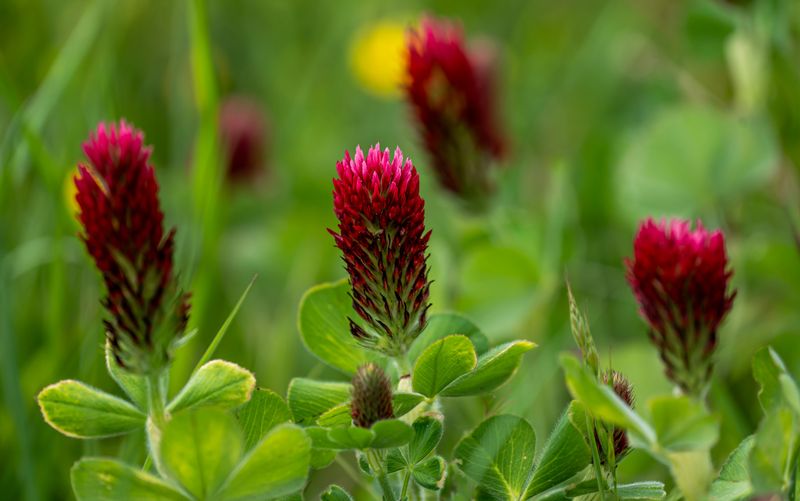
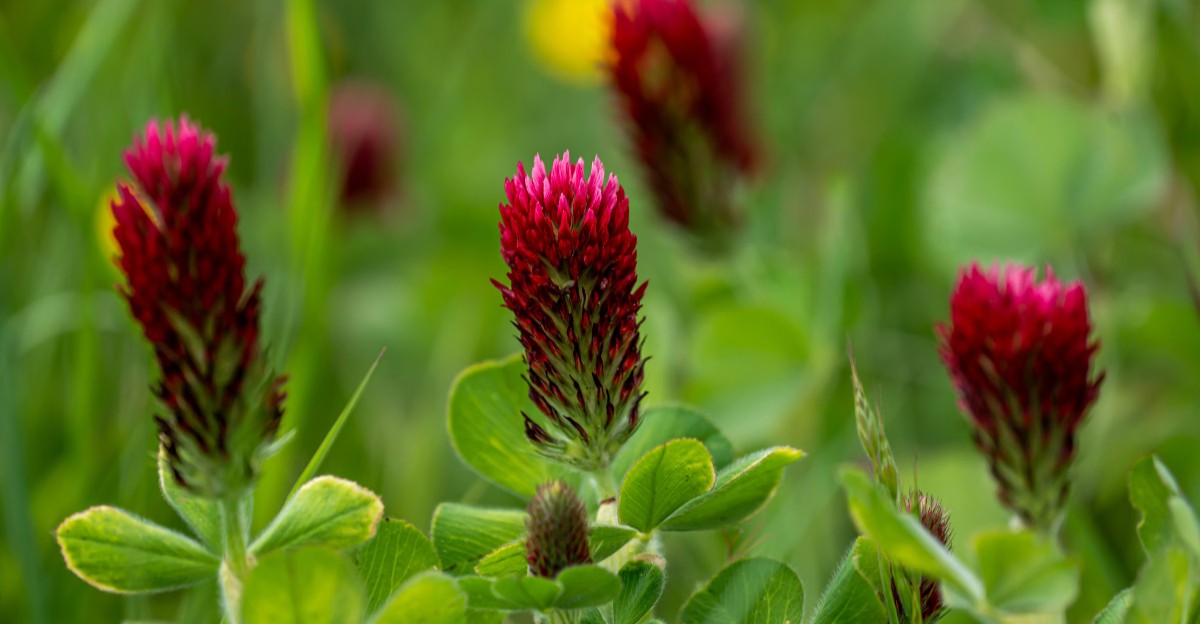
Crimson clover turns a winter bed into a sea of scarlet blossoms by late spring, and pollinators adore it. Not every bed needs a tarp, and a cover crop can be a lovely partner for occultation.
Extension guidance for Virginia lists cereal rye, oats, crimson clover, and hairy vetch as reliable winter choices. Seeding windows generally run from August into early November, depending on your region and local frost dates.
Cereal rye is the toughest of the bunch, handling cold snaps and late sowing better than most options. Its dense roots hold soil in place, which helps reduce erosion on sloped beds during heavy winter rains.
Clovers and vetch belong to the legume family, so they partner with bacteria to capture nitrogen from air. That stored nitrogen becomes available to vegetables after the cover crop is cut and breaks down in spring.
Oats grow quickly in fall but usually decline after a hard freeze, leaving a soft mulch behind. Gardeners in colder western counties often appreciate that, since no regrowth needs managing when spring arrives.
I like splitting my garden, tarping weedy beds while seeding cleaner ones with a clover and rye mix. Both approaches protect soil through the winter, and comparing them side by side is surprisingly fun.
In spring, cut cover crops before they set seed, then lay a tarp over the clippings. A few weeks of darkness helps the residue break down, so beds are ready for planting much sooner.
8. Sharpen Pruners And Drain Hoses Before Spring Planning
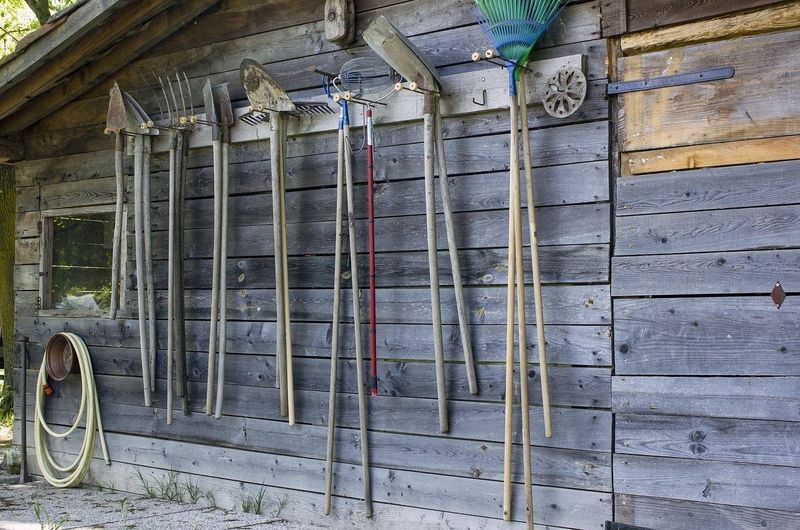
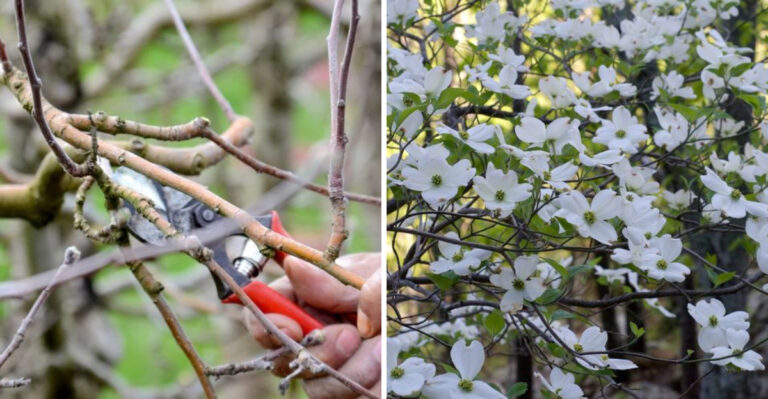
Rusty pruners crush stems instead of slicing them, and that ragged cut gives plant diseases an easy entry point. A quiet winter afternoon is my favorite time to fix that problem with a sharpening tool and coffee.
Scrub caked soil from shovels and forks with a stiff brush, then let them dry before storing. A light coat of vegetable oil on metal surfaces helps slow rust while tools hang in the shed.
Hoses and drip lines need attention too, since trapped water can freeze, expand, and split them open. Drain them fully and coil them loosely, then store them somewhere sheltered from the coldest winter nights.
Outdoor spigots can crack in a deep freeze, so disconnect hoses and consider insulated covers for exposed faucets. Mountain areas in western Virginia can dip well below freezing, making that small step especially worthwhile.
Once tools are tucked away, grab a notebook and sketch where each crop grew this past season. Rotating vegetable families helps reduce soil diseases and pests, so tomatoes should move to a new spot.
Seed catalogs arriving in January are my favorite reward, and planning beds under tarps feels wonderfully hopeful. You already know which beds will be weed-free, so you can save those for fussy crops like carrots.
Write down when each tarp went on, because that date helps you time its removal for spring. Lift covers about two to four weeks before planting, and those bare, crumbly beds will greet you warmly.