How To Tell If Ants In Your California Yard Are An Invasive Species
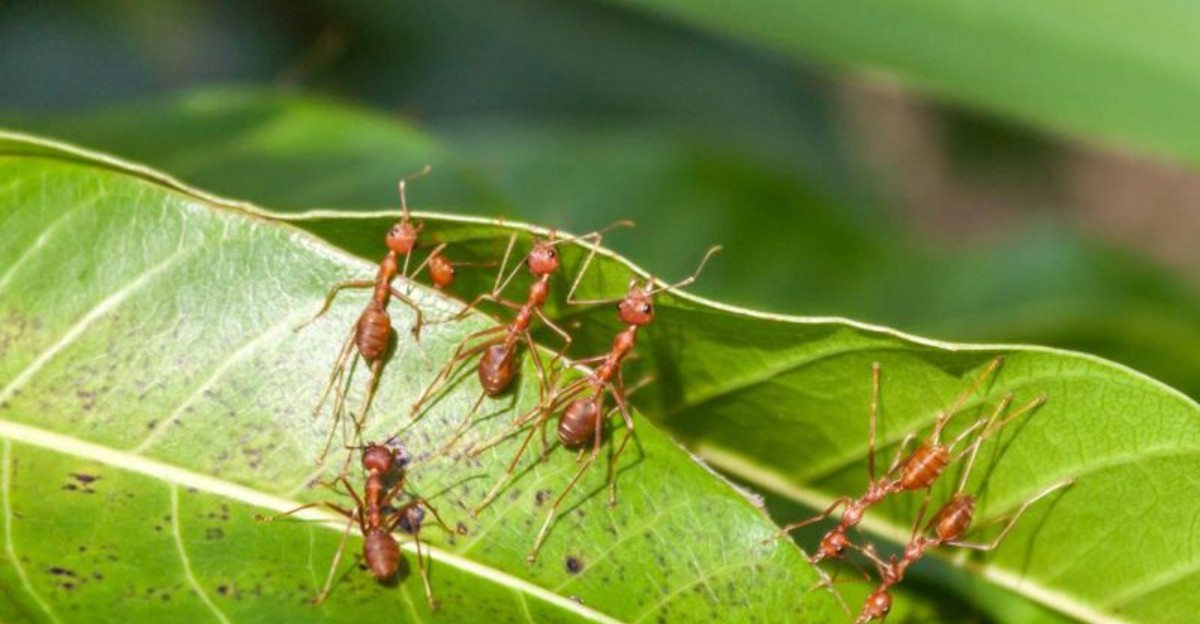
Long lines of tiny brown ants marching along fences, up walls, and toward kitchen windows are a familiar sight in California yards.
Some of those ants are harmless natives. Others belong to invasive species that have spread across much of the state.
Telling them apart matters more than many people realize. Invasive ants can push out native species, protect plant-damaging pests, and keep returning no matter how many get wiped away.
Fortunately, a handful of simple clues can be checked right at home. Trail patterns, smell, nest layout, and behavior all reveal a surprising amount.
Together, those signs make it much easier to figure out exactly who has moved into the yard.
Trailing In Straight Lines Suggests Argentine Ants
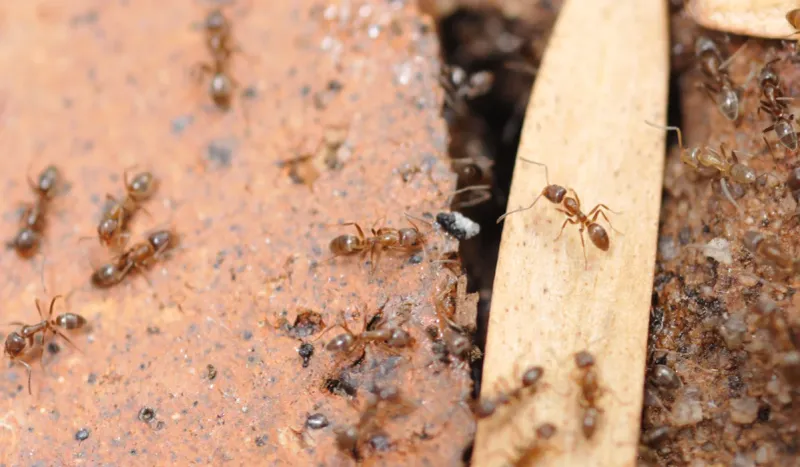
An Argentine ant trail often resembles a tiny highway with no exits. A steady, narrow stream of small brown ants moves back and forth along a clearly defined path.
According to the UC Statewide IPM Program, Argentine ants are known for forming these obvious trails. Fences, sidewalks, tree trunks, and building edges are favorite routes.
The ants themselves measure about one-eighth of an inch long and range from light to dark brown. Huge numbers, sometimes thousands, travel the same path day after day.
They follow scent markers laid down by nestmates, which keeps the line tidy and busy. That organization is one of their most recognizable traits.
A simple observation test helps. Watching a trail for five minutes in the morning and again in late afternoon reveals a lot. The same thick, organized route at both times strongly hints at Argentine ants.
Following the trail adds more information. Argentine ant trails often lead to plants covered in aphids, scale insects, or mealybugs, since the ants love the sweet honeydew these pests produce.
Trails may also lead indoors, especially during hot, dry spells or after heavy rain. Kitchens and bathrooms are common destinations once they find a way in.
One trail alone doesn’t prove anything, since some native ants also travel in lines. A thick, constant, straight trail still ranks among the most useful early clues worth noting.
A Musty Smell When Crushed Is A Clue
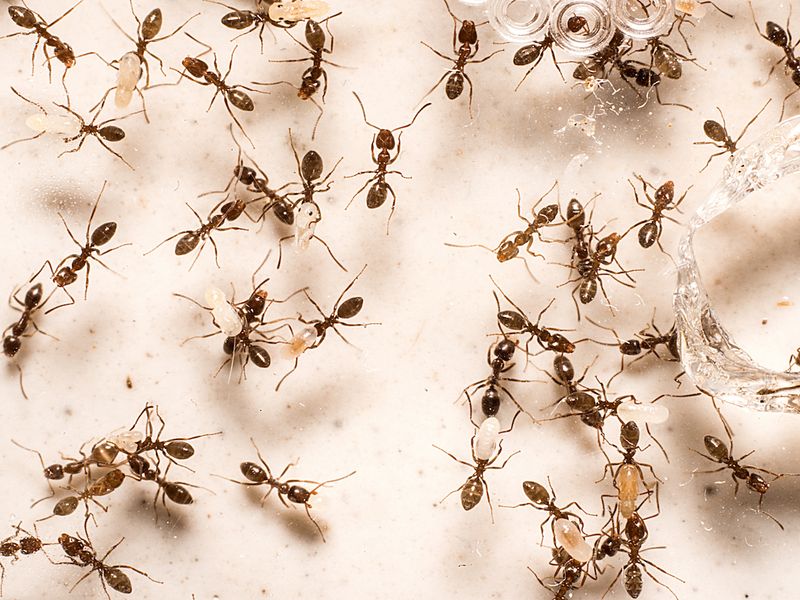
A nose can make a surprisingly good bug detective. Crushed Argentine ants often give off a faint, musty or greasy smell, and UC IPM lists this odor as one of the clues for identifying them.
The test is simple. Gently squishing a couple of ants on a paper towel and holding it close to the nose usually reveals the scent.
A stale, musty smell points toward Argentine ants. Hand washing afterward is a good idea, and the test works best done out of sight of young helpers who might copy it with stinging insects.
There’s a tricky part, though, that catches many people off guard. The odorous house ant, a native species, also gives off a smell when crushed.
Its scent is often described as sweet and rotten, a bit like old coconut. That means smell alone can’t settle the question.
Your California Garden Changes Every Week. Your Plan Should Too.
Gardening in California changes quickly throughout the season. Every Friday you’ll receive a simple weekly plan showing exactly what to plant, prune, fertilize, harvest, and protect so you never miss the right timing.
Used wisely, this clue works best as one piece of a larger puzzle. A musty smell combined with a thick, straight trail and huge numbers of ants builds a much stronger case than any single sign.
Ants communicate mostly through chemicals rather than sounds or sight. The smell comes from compounds the ants carry on their bodies, which send messages about danger, food, and home.
A quick written note about the scent comes in handy later. Those notes make the remaining clues easier to compare.
Supercolonies Show Little Aggression Between Nests
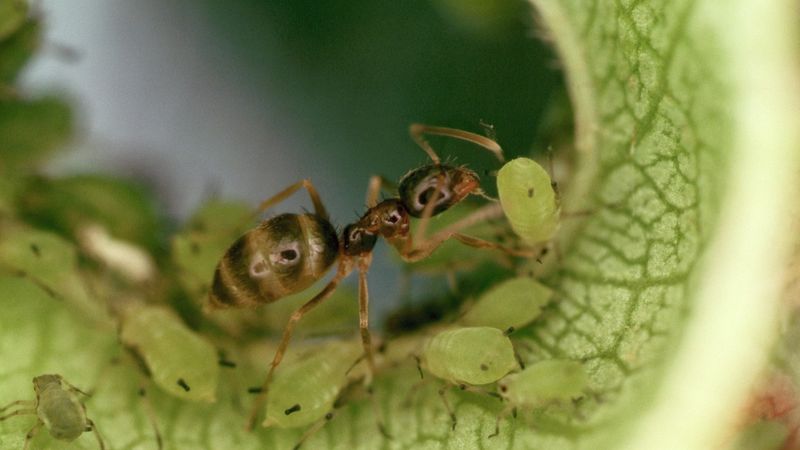
A city where every neighborhood treats every other neighborhood like family sums up Argentine ant life pretty well. Scientists call this arrangement a supercolony.
In California, one enormous supercolony stretches for hundreds of miles along the coast. That scale is hard to match almost anywhere in the insect world.
Most ant colonies fight with outsiders. Argentine ants from different nests in the same supercolony, however, usually get along with almost no aggression.
UC IPM notes this behavior helps explain how they spread so well. They waste little energy battling each other and can team up against native ants instead.
A careful home experiment can reveal this trait. A few ants collected in a small jar from one trail can be gently released near a different trail at least 20 or 30 feet away.
A few minutes of close watching tells the story. Ants that simply touch antennae and blend into the new trail without biting or wrestling fit the supercolony pattern. Peaceful mixing is a strong hint.
The test works best with ants from separate nests or trails, not the same line. A mild day when ants are active, and trials in more than one spot, give the most reliable results.
That friendly behavior benefits the ants but makes yard management tougher. A united supercolony can return again and again, even after treatment.
Native Ants Defend Individual Nests Fiercely
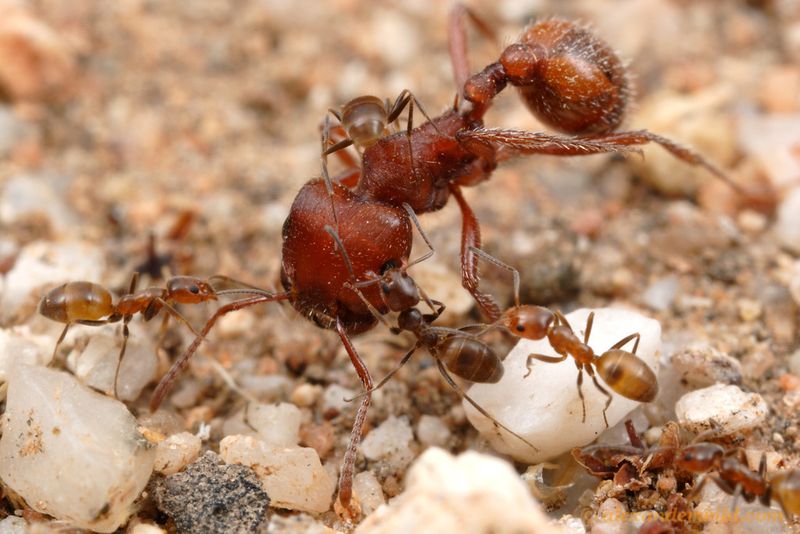
Strangers get a very different welcome at a native ant nest. Many California species, like harvester ants and field ants, treat ants from other colonies as enemies.
An outsider dropped near their nest can trigger a real battle. That contrast is one of the most useful identification clues around.
Where Argentine ants from separate nests mix calmly, native colonies usually defend their own territory. Biting, grabbing legs, pulling, or dragging an intruder away from the entrance are all common reactions.
The same jar test works here. A few ants gathered from one nest and released near another nest of similar-looking ants some distance away can reveal a lot.
Fighting that starts within seconds or minutes points toward a native species living in separate colonies. The response is usually hard to miss, even from a few feet away.
Some caution is wise. Certain native ants, especially harvester ants, can sting, and the sting really hurts. Gloves, a lidded jar, and plenty of distance for kids and pets all make sense.
These feisty locals do plenty of good. Native ants spread seeds, loosen soil, and feed lizards and birds.
The coast horned lizard depends heavily on them for food and struggles where Argentine ants take over.
Watching native ants defend their homes is actually good news. It often means invasive ants haven’t fully moved into the yard yet.
Scattered Mounds Often Point To Natives
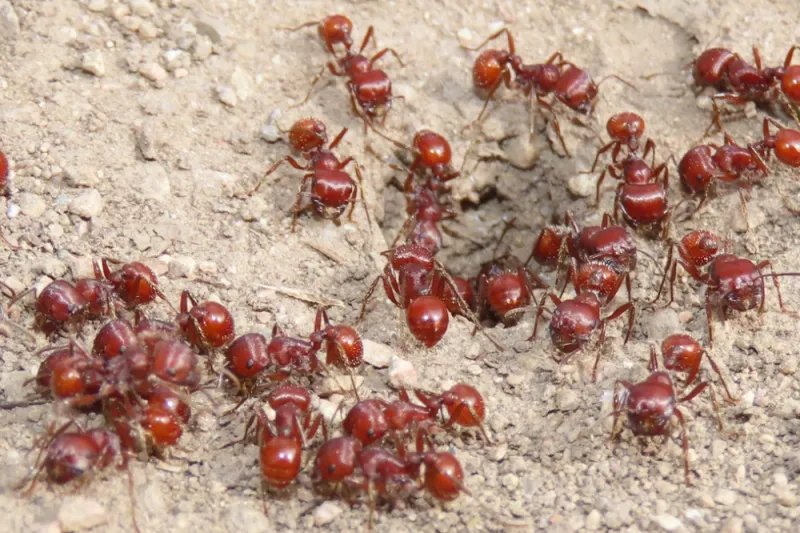
A slow walk around the yard with eyes on the ground reveals a lot about its residents. The pattern of ant nests often says more than the ants themselves.
Native California ants usually build individual nests spaced well apart. A harvester ant mound may sit inside a cleared circle of bare ground, with nothing else for many feet until the next one.
Each nest belongs to its own colony. That layout fits neatly with the territorial behavior native ants show elsewhere.
Argentine ants work very differently underground. Their nests are often shallow and hidden under stepping stones, mulch, potted plants, or along foundations.
Because they belong to one connected supercolony, many small nests may sit close together. Busy trails usually link them all together like a network.
A careful yard check covers a few key points. Single, distinct mounds with clear entrance holes stand out. It also helps to note whether trails connect several nests or each nest seems to stand alone.
Lifting a few pavers or pots can quickly reveal crowds of small brown ants and their white larvae.
Scattered, separate mounds lean toward natives, while lots of shallow, connected nests and endless trails lean toward Argentine ants.
This clue isn’t perfect, since some natives also nest under rocks. Combined with the other signs, though, nest spacing helps sort out mystery ants with real confidence.
Erratic Looping Paths Signal A Crazy Ant Species
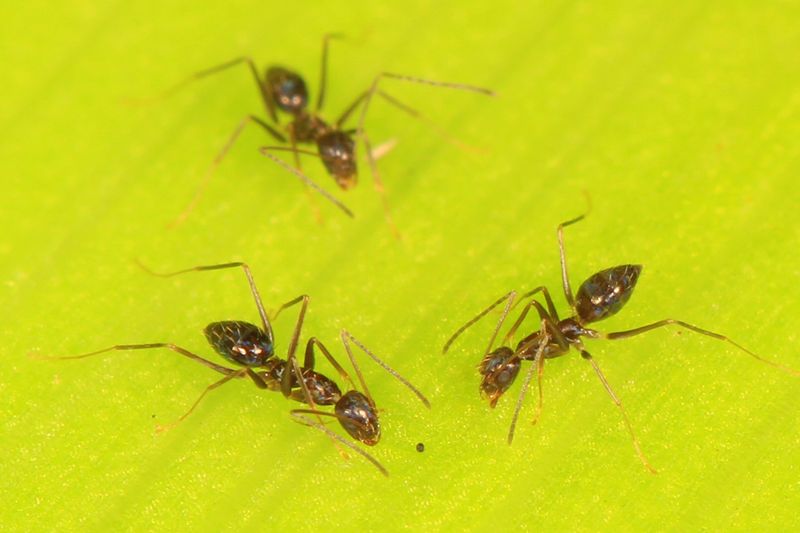
Some ants look like they’ve had far too much sugar. Crazy ants earn their name by running fast in jerky, zigzag, looping paths instead of a calm, neat line.
Frantic, random movement in the yard may signal one of these speedy travelers. The best-known example in California is the longhorned crazy ant, an introduced species.
It’s small and dark, with very long legs and antennae that give it a spindly look. UC IPM describes its quick, erratic movement as a key way to recognize it.
Reports of other crazy ant species in the state exist. Their exact spread is less clear, however, so those cases remain uncertain.
Telling crazy ants apart from Argentine ants gets easy with careful watching. Argentine ants move in steady, organized lines, while crazy ants dash around in a scattered, wild way even when heading toward food.
A simple bait test makes the difference obvious. A tiny drop of honey or jelly on a card near some ants shows how they arrive and leave.
Organized marching suggests Argentine ants. Scrambling, looping runs suggest a crazy ant species instead, often within seconds.
These ants often nest in soil, trash, potted plants, and wall gaps, and they can wander indoors.
A short phone video helps a lot, since moving clips are far more useful than still photos when an expert reviews the ants later.
When In Doubt, Ask Your Local Extension Office
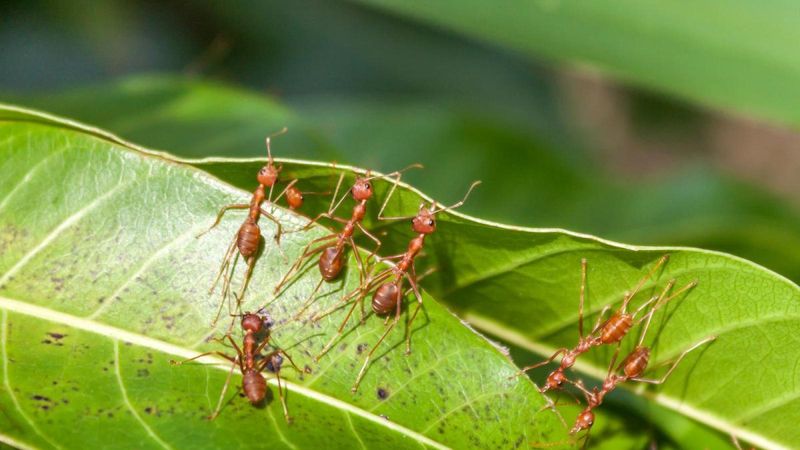
Even professional entomologists sometimes need a microscope to be certain. Many ants look nearly identical to the naked eye, and clues like smell or trail shape can overlap between species.
That’s where expert identification earns its place. The UC Statewide IPM Program offers detailed Pest Notes with photos of common California ants, which make a great first stop.
County agricultural commissioner offices can also help identify samples. Some handle identification directly, while others pass samples along to specialists.
A good sample makes the process much smoother. Ten or more ants sealed in a small container or zip-top bag and kept in the freezer preserve key details well.
A label with the city, date, and exact location, such as a fence line, kitchen counter, or garden bed, adds valuable context. Small details often make a big difference.
Notes from earlier observations help, too. Whether the ants trailed in straight lines, smelled musty, fought or mixed peacefully, nested in scattered mounds, or ran in erratic loops all narrows the possibilities.
Phone videos showing movement are a big bonus for any expert. They capture behavior that photos and preserved samples can’t show.
A confirmed identification saves both money and frustration. Treatments that work for Argentine ants, like slow-acting baits, may not suit other species.
Native ants often need no treatment at all, and leaving them in place may even help keep invaders out.