This Is The Easiest Shade Tree Florida Gardeners Aren’t Planting Yet
A shady backyard does not have to begin with a complicated landscaping plan or years of waiting for a giant canopy to develop.
Some Florida trees settle into the landscape with surprisingly little fuss, yet they rarely get the attention given to more fashionable choices.
That is a shame when you consider what a good shade tree can change. A hot patio becomes usable again.
Afternoon glare softens. Windows get relief from the sun.
The yard feels cooler without looking crowded. The tree matters, but so does the kind of work it demands from you after planting.
Florida’s heat, storms, sandy soil, and long growing season can expose weaknesses that are easy to overlook at the nursery. One underappreciated native option handles those conditions with an ease that makes it worth a second look.
If your yard has an open, sun-baked spot waiting for shade, you may already have the perfect candidate in mind without realizing it.
1. The Winged Elm Is A True Florida Native
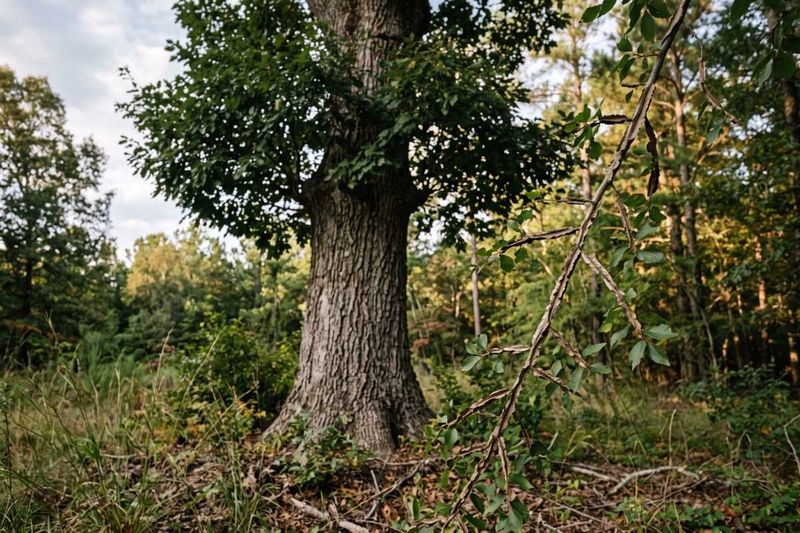
Long before neighborhoods and parking lots filled central Florida, the Winged Elm was already growing here. It belongs to the Southeastern United States and calls Florida home, which means it fits right into the local environment without needing extra fuss.
Planting a native tree comes with real perks. Because it evolved in the Southeast, it is well adapted to many of the region’s conditions, including a range of soils and moisture levels.
You will not have to baby it the way you might with a tree shipped in from somewhere far away.
Native trees also help the bigger picture. They support the birds, bugs, and animals that have depended on them for thousands of years, keeping the whole ecosystem balanced and healthy.
For gardeners who care about doing right by their region, choosing a tree like this feels good. You get shade and beauty while also giving back to the land around you.
Fun bit of history: because it has grown wild across the South for so long, you have probably driven past dozens of Winged Elms without ever noticing. Once you learn to spot them, they seem to pop up everywhere along country roads and forest edges.
2. Those Curious Corky Wings
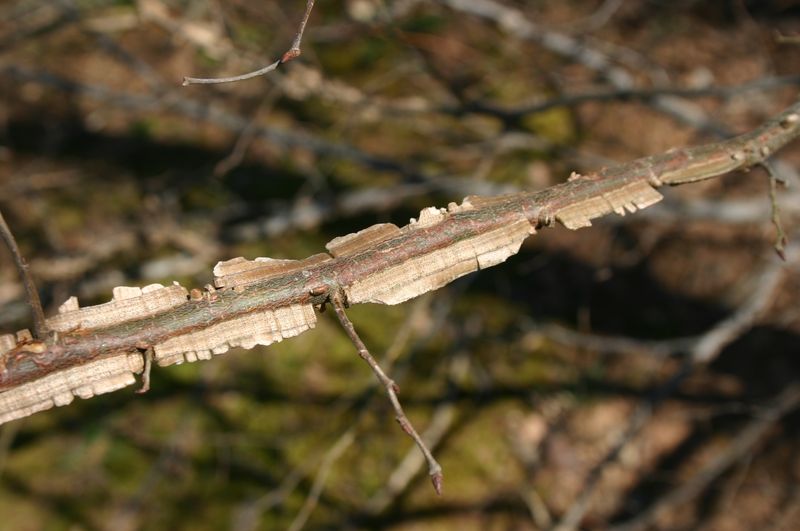
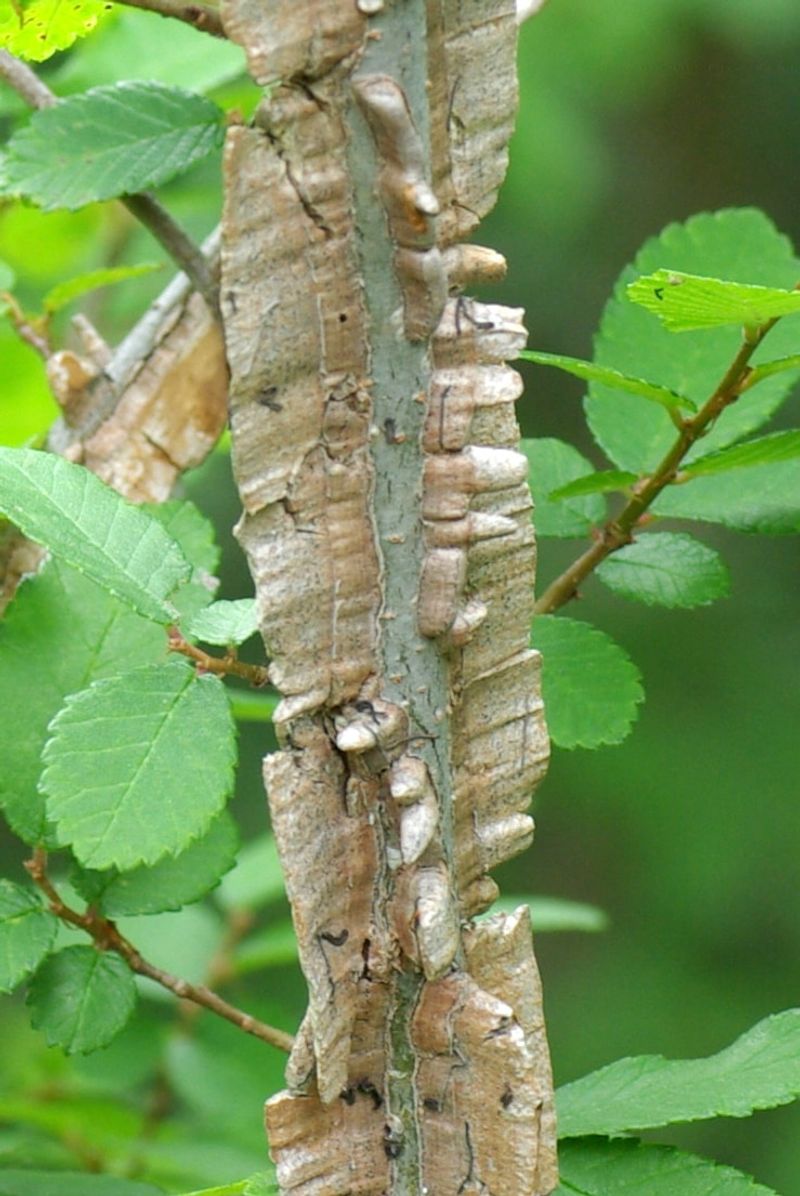
The name gives away its coolest feature. Along the twigs and younger branches, this tree grows flat, corky ridges that look almost like little wings sticking out from the sides.
Run your hand along a branch and you can feel them.
Those wings are what make the Winged Elm easy to identify, even when other elms nearby look similar. Those distinctive corky ridges make the Winged Elm much easier to recognize once you know what to look for.
What I love most is that the wings give you something to enjoy in every season. When the leaves drop in winter and other trees look plain and bare, the Winged Elm still shows off its textured, sculptural branches.
Kids especially get a kick out of the wings. They make a great backyard science lesson, and the strange shapes are fun to sketch or photograph up close.
Your Florida Garden Changes Every Week. Your Plan Should Too.
Gardening in Florida changes quickly throughout the season. Every Friday you’ll receive a simple weekly plan showing exactly what to plant, prune, fertilize, harvest, and protect so you never miss the right timing.
The corky texture is not just for looks, either. It adds a rugged, weathered character to the tree that many gardeners find charming, giving your yard a bit of wild personality that smooth-barked trees simply cannot match.
It is one of those quiet details that makes people ask what kind of tree you planted.
3. Shade That Shows Up Fast
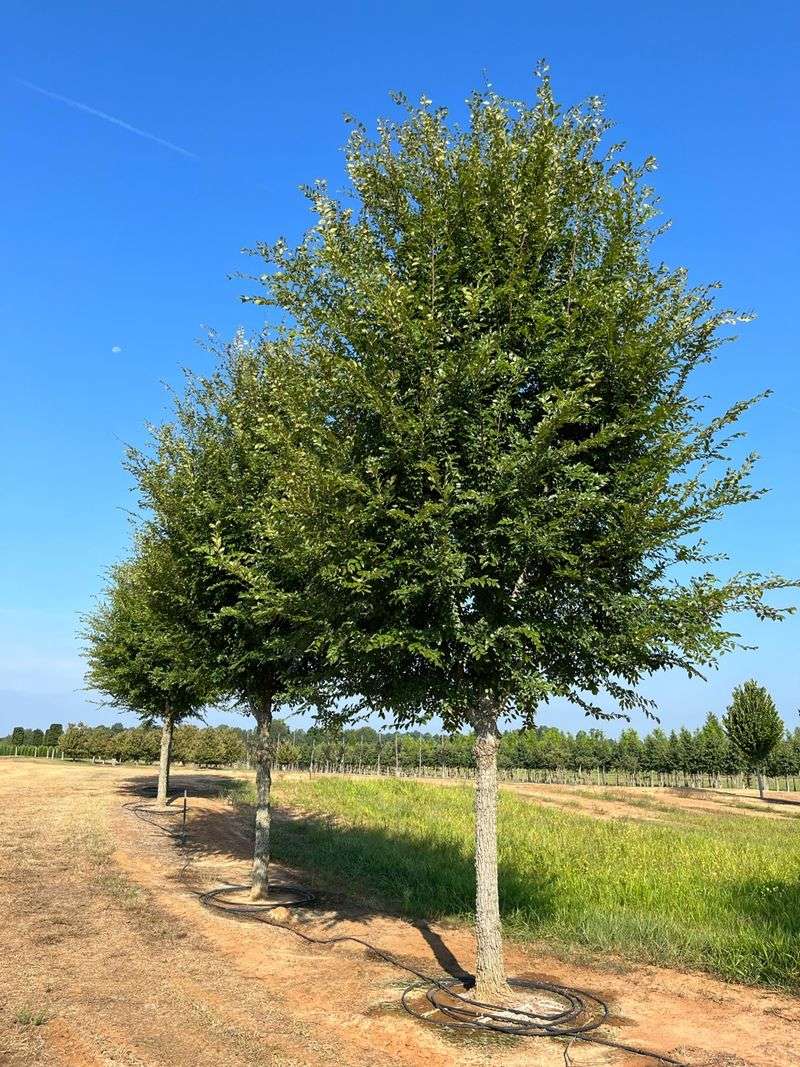
Waiting years for a tree to finally block the sun can test anyone’s patience. The Winged Elm skips a lot of that waiting, since it grows quickly, especially when planted in an open, sunny spot with room to stretch out.
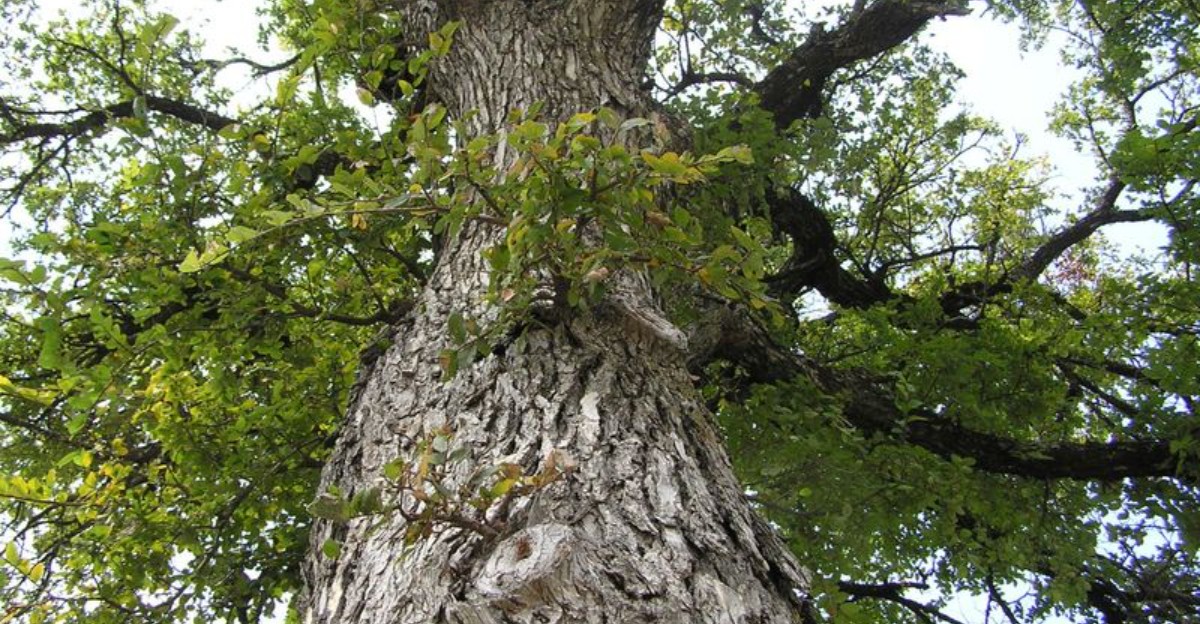
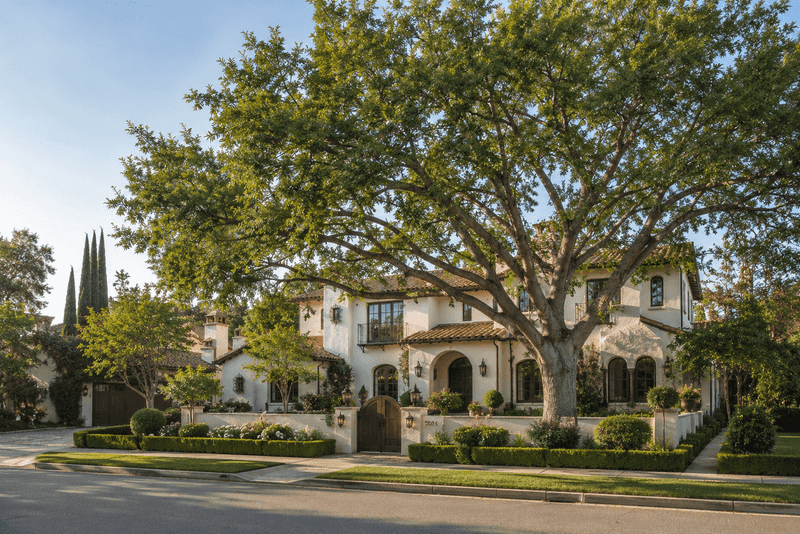
At full size, it reaches somewhere between 40 and 70 feet tall with a spread of 30 to 40 feet. That broad, rounded crown throws down a generous pool of shade, perfect for cooling a patio, a porch, or a hot corner of the yard.
Shade like this does more than keep you comfortable. A well-placed tree can lower your cooling costs in summer by shielding your house and windows from the strongest afternoon sun.
Because it drops its leaves in fall, you still get warm sunlight coming through in the cooler months. That natural on-and-off switch is exactly what makes deciduous trees so handy in our state.
If you plant one on the west or south side of your home, you set yourself up for years of relief from the heat. Give it a little space so the canopy can widen properly, and before long you will have a shady spot the whole family gravitates toward on scorching days.
4. Not Picky About Dirt
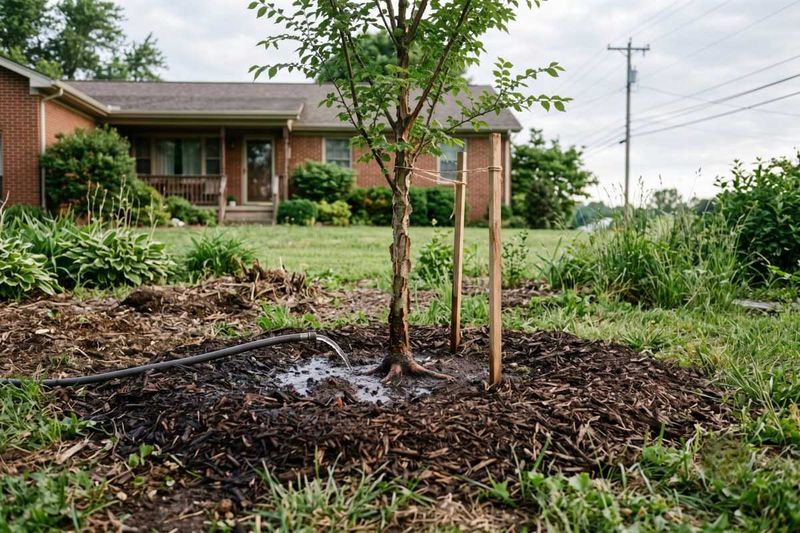
Some trees throw a fit if the soil is not just right. The Winged Elm is the opposite kind of neighbor, happy to settle into almost any ground Florida can throw at it.
Sandy soil? Fine.
Heavy clay? No problem.
Rich loam in between? Also great.
It even shrugs off both soggy, wet spots and dry patches, which is a rare talent in the plant world.
That flexibility takes a lot of pressure off gardeners. Its adaptability means you usually do not need to create a special soil mix just to give this tree a good start.
It also handles both full sun and partial shade, so you have real freedom when picking a planting spot. Sunny front yard or a slightly shadier side yard, either works.
For folks who have struggled with fussy plants that died the first season, this easygoing attitude feels like a breath of fresh air. You plant it, water it while it settles in, and let it do its thing.
If your yard has that one problem area where nothing seems to grow, the Winged Elm might be exactly the tough customer you have been looking for to finally fill the gap.
5. Built To Beat The Heat And Wind
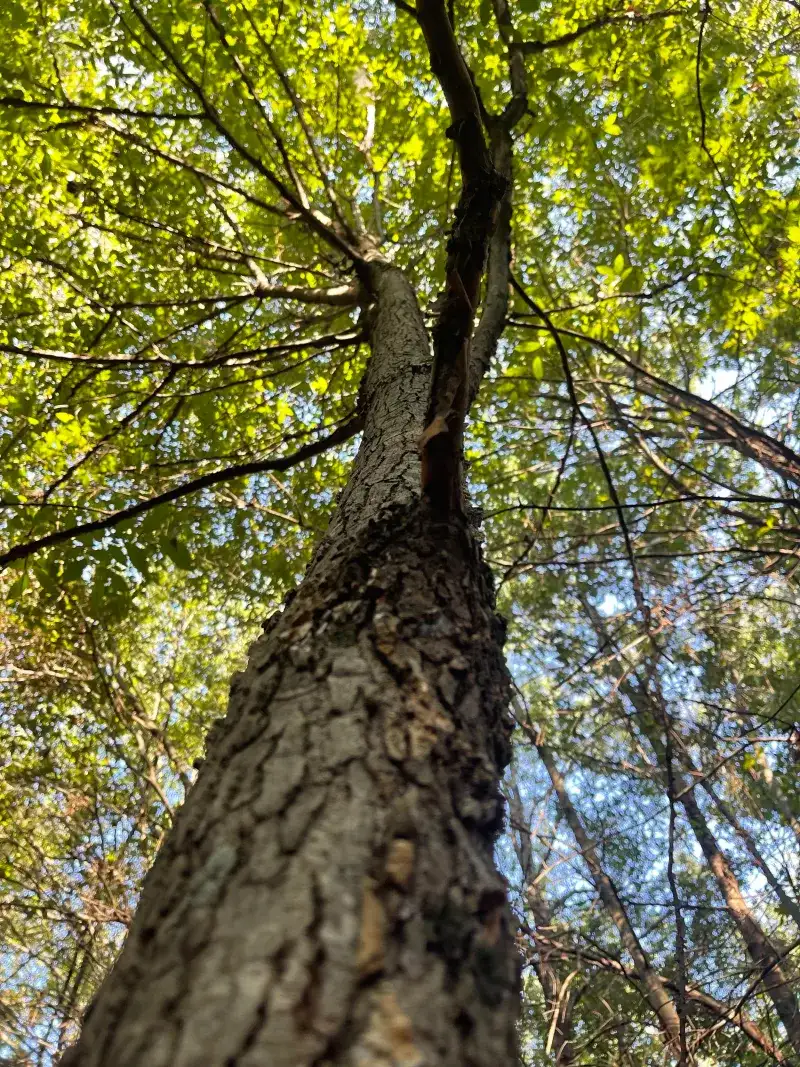
Florida weather can be brutal, swinging from bone-dry stretches to howling storms. The Winged Elm takes it in stride, which is why it earns a reputation as a resilient choice.
Once the roots settle in, the tree becomes drought-tolerant, meaning it can go through dry spells without wilting or dropping withered.
You will still want to water it regularly while it establishes, and once mature, it can handle dry periods better than many less drought-tolerant trees.
Storm season is where it really shines. This tree is noted for holding up well against hurricane winds, so it is far less likely to snap or topple than many weaker species.
For anyone who has watched a big branch crash down during a summer storm, that toughness is a huge relief. Fewer broken limbs means less cleanup and less worry about damage to your house or car.
Choosing wind-resistant trees is one of the smartest things a gardener can do. It keeps your yard safer and cuts down on the stress that comes with every tropical forecast.
Pair that storm strength with its drought toughness, and you have a low-maintenance tree that keeps standing tall while flimsier plants are left needing constant rescue and repair after rough weather rolls through.
6. A City-Tough Survivor
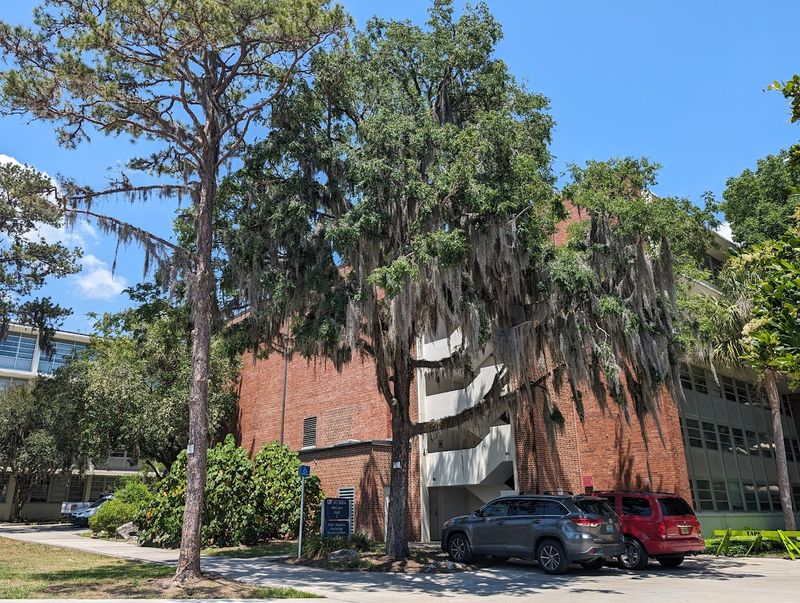
City life is hard on trees. Between cramped root space, reflected heat from pavement, and dirty air, plenty of species struggle downtown.
The Winged Elm, though, handles the urban grind surprisingly well.
Its sturdy build and easygoing nature let it thrive in tight, tough spots. You will find it doing just fine in parking lot islands and along busy roadsides where softer trees would give up.
One big reason is its tolerance for air pollution. Exhaust and grime that stress other trees do not knock this one out of the game.
That makes it a smart pick for city planners, business owners, and homeowners with small or challenging lots. It can green up a harsh space and provide shade where shade is badly needed.
Trees in urban areas do more than look nice. They cool overheated streets, filter the air, and make neighborhoods feel calmer and more welcoming for everyone walking by.
If your property sits near a road, a driveway, or a slab of hot concrete, the Winged Elm can turn that unfriendly space into something greener. It is proof that a tough tree does not have to be plain, and it quietly improves the whole block while doing its job.
7. A Feast For Local Wildlife
Plant a Winged Elm and you are basically setting the table for local critters. This tree feeds a whole cast of wildlife throughout the year.
Birds and small mammals use its seeds for food, while its foliage and branches also contribute to the food and habitat available to wildlife. That steady supply of food makes it a valuable stop for hungry animals.
It also plays host to butterflies. The question mark butterfly lays its eggs on the tree, and its caterpillars grow up feeding on the leaves, turning your yard into a nursery for future fliers.
Watching wildlife show up is one of the quiet joys of gardening with native plants. Morning coffee gets a lot more fun when songbirds are flitting through the branches right outside your window.
Supporting these creatures matters more than ever, since so many are losing the wild spaces they depend on. A single tree can become a tiny refuge in the middle of a busy neighborhood.
Did you know the question mark butterfly gets its odd name from a small silvery mark on the underside of its wing? Plant a Winged Elm and you just might spot one fluttering around, thanks to the food and shelter your tree provides.
8. Better Luck With Dutch Elm Disease
Elms have a rough reputation up north thanks to Dutch elm disease, a nasty illness that wiped out countless trees over the years.
Winged Elm is susceptible to Dutch elm disease, but the disease has historically been much less of a problem in Florida than in many northern regions.
That gives gardeners a little more breathing room, though planting a diverse mix of tree species is still the smarter long-term approach.
Historically, this disease has been much less of a problem in Florida than in colder northern regions. That gives the Winged Elm a better shot at a long, healthy life in the Sunshine State.
Still, smart gardeners plan ahead. The best advice is to avoid planting nothing but Winged Elms in one spot, and instead mix in a variety of tree species.
Planting different kinds of trees is like not putting all your eggs in one basket. If a disease ever did show up, a diverse yard would not lose everything at once.
Variety brings other bonuses too. Different trees bloom, fruit, and change color at different times, giving your landscape more interest across the seasons.
They also support a wider range of wildlife, since different animals prefer different plants. So while the Winged Elm is a strong and mostly worry-free choice for Florida, pairing it with other species keeps your whole garden healthier and more resilient.
A little diversity now protects your green investment for many years down the road.