These Are The Shrubs Florida Gardeners Should Cut Back Before August
August in Florida is not the month to be cutting shrubs back. The heat is at its worst, and plants are already under pressure.
Hard pruning during the most intense stretch of summer stresses root systems that have better things to focus on than pushing new growth through brutal conditions. July is the window.
Specifically, the weeks left in July before August commits fully. Certain Florida shrubs have a pruning timeline that most homeowners either ignore or get backwards.
Cut them at the wrong time and the plant spends the rest of summer recovering instead of performing. Cut them now, before August arrives, and new growth hardens off before the heat peaks and the fall bloom cycle sets up the way it should.
The shrubs that need attention before August are specific. So is what needs doing and how far back to take them.
That window is closing faster than most gardeners realize.
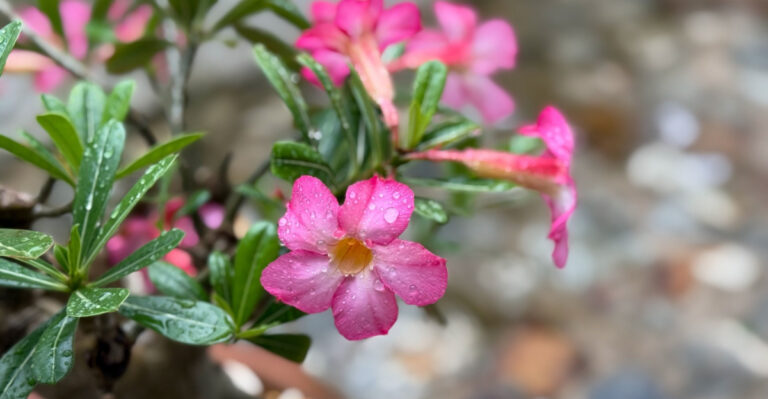
1. Hibiscus Can Handle A Light Summer Shape Up
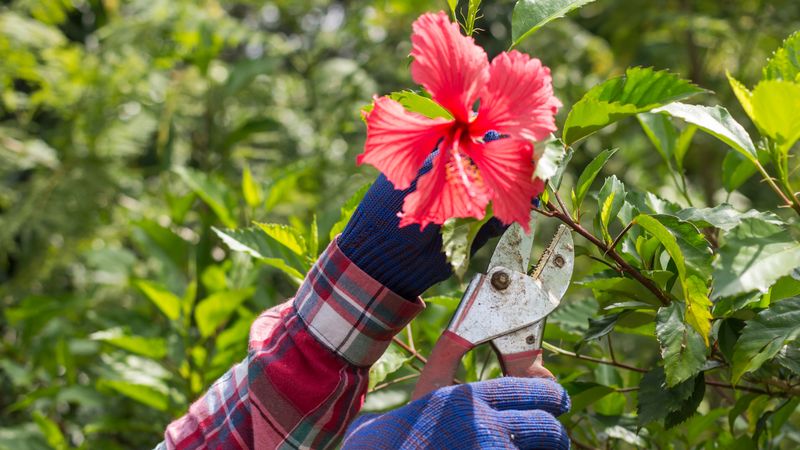
Walk past a hibiscus hedge in late July and you will likely notice the classic signs of warm-season enthusiasm. Long, arching stems reach in every direction, a few spent blooms cling on, and new growth pushes out from every angle.
Tropical hibiscus is a warm-season bloomer, which means it produces flowers on new growth. That is actually good news for Florida gardeners who want to do a little shaping before August.
Light pruning can be done on healthy hibiscus during active summer growth. That includes removing leggy tips, trimming crossing stems, cutting back weak or awkward shoots, and cleaning up the overall shape.
Removing spent blooms and cutting back overly long branches by about one-third is generally considered safe when the plant is well-watered and showing no signs of stress.
The important word there is healthy. A hibiscus dealing with drought stress or pest pressure like whiteflies or aphids is not a good candidate for a hard cutback right now.
The same is true for one that was recently transplanted. Water deeply before and after pruning.
Avoid cutting during the hottest part of the day. Use sharp, clean pruners to make smooth cuts that heal more easily.
Keep the form natural rather than shearing it into a tight box, which can trap humidity and invite fungal issues. A light shape-up now can keep foundation plants and patio hibiscus looking tidy heading into August.
2. Oleander Responds Well To Careful Warm Season Pruning
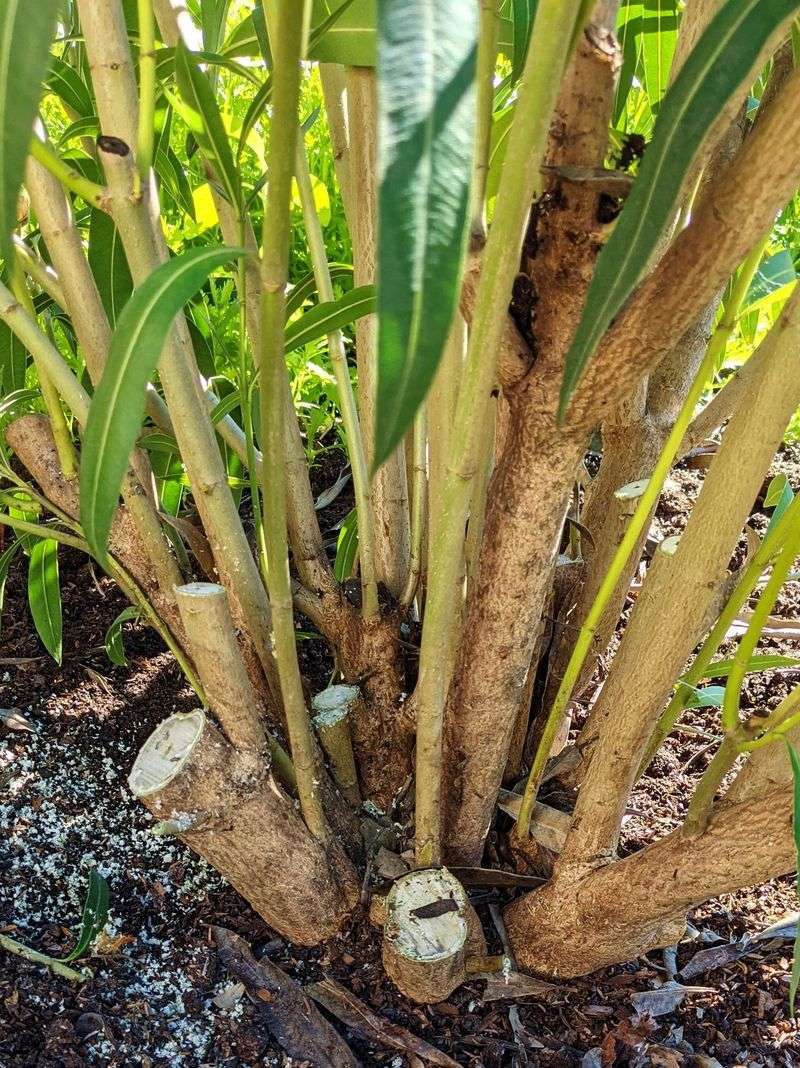
Before picking up the pruners on this one, put on a sturdy pair of gloves. Oleander is a beautiful, heat-tolerant shrub that handles warm-season pruning reasonably well, but every part of the plant is toxic.
Sap contact can irritate skin, and clippings should never be left where children or pets can reach them. Never burn oleander debris; the smoke carries toxins that can cause serious harm.
With safety handled, oleander can be shaped during warm months when growth is active. Removing overgrown tips, thinning crowded interior branches, and cutting back stems that are crossing or rubbing each other helps improve airflow.
Your Florida Garden Changes Every Week. Your Plan Should Too.
Gardening in Florida changes quickly throughout the season. Every Friday you’ll receive a simple weekly plan showing exactly what to plant, prune, fertilize, harvest, and protect so you never miss the right timing.
It also keeps the shrub looking controlled. Oleander tends to bloom in flushes, so light pruning after a bloom cycle can encourage the next round of flowers without removing too much at once.
Heavy cutting is a different story. Severely reducing an oleander that is already dealing with heat stress, disease, or pest damage is not recommended.
Oleander leaf scorch, caused by a bacterial pathogen spread by a leafhopper insect, has affected many plants across the state.
If leaves look scorched or bleached and the problem is spreading, that is a sign to contact your Florida county extension office before pruning, not a reason to cut harder.
Keep shaping modest, dispose of clippings carefully, and always wash hands thoroughly after working with oleander.
3. Crape Myrtle Can Be Tidied After Summer Bloom
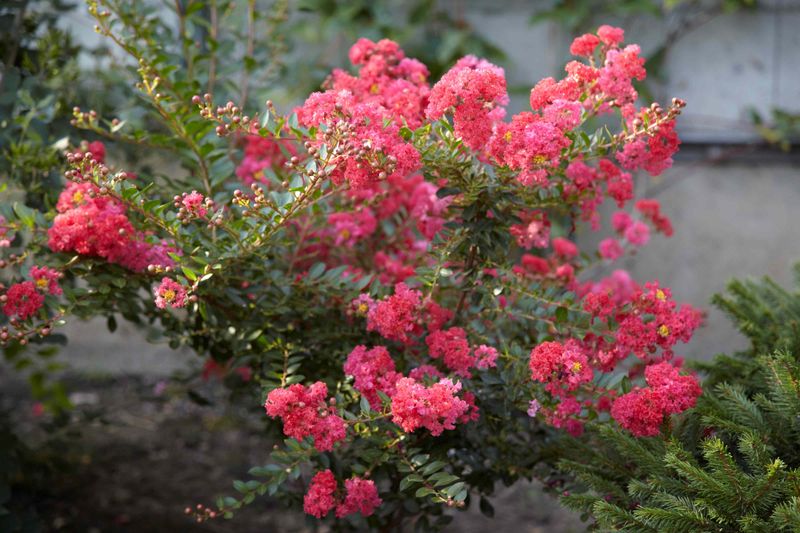
Few pruning mistakes in warm-weather landscapes are as recognizable as crape murder, the practice of cutting crape myrtles back to thick, ugly stubs every year.
It weakens the tree over time, creates knobby regrowth that never fully recovers, and simply is not necessary.
If you see a crape myrtle with a tangle of spent flower clusters or a few awkward small shoots crowding the base, a modest cleanup before August is perfectly reasonable.
Crape myrtles bloom on new growth during summer, so removing faded flower clusters can sometimes encourage a second flush of blooms.
Snipping off small, twiggy growth at the base, removing branches that cross or rub, and clearing suckers from the root zone are all light tasks.
They cause no harm to a healthy plant. That is the kind of tidying that makes sense in late July.
What does not make sense is cutting large, established branches back to stubs in the name of summer maintenance. Major structural pruning, if truly needed, is generally better done during dormancy in late winter.
A crape myrtle that has simply gotten taller than expected should be replaced with a variety that fits the space, not repeatedly topped. Keep the work minimal and purposeful.
Sharp bypass pruners or loppers work well for small stems. Step back often to check the shape.
The goal before August is a clean, natural form, not a dramatic reduction.
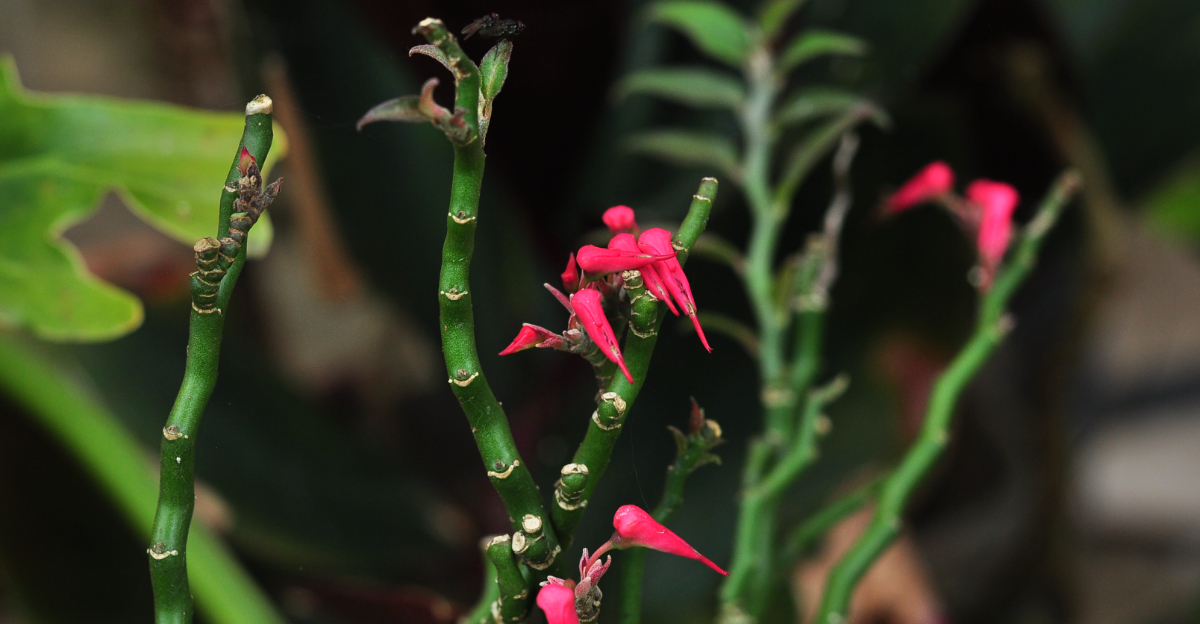
4. Poinsettias Need Their Final Pinch Before Buds Form
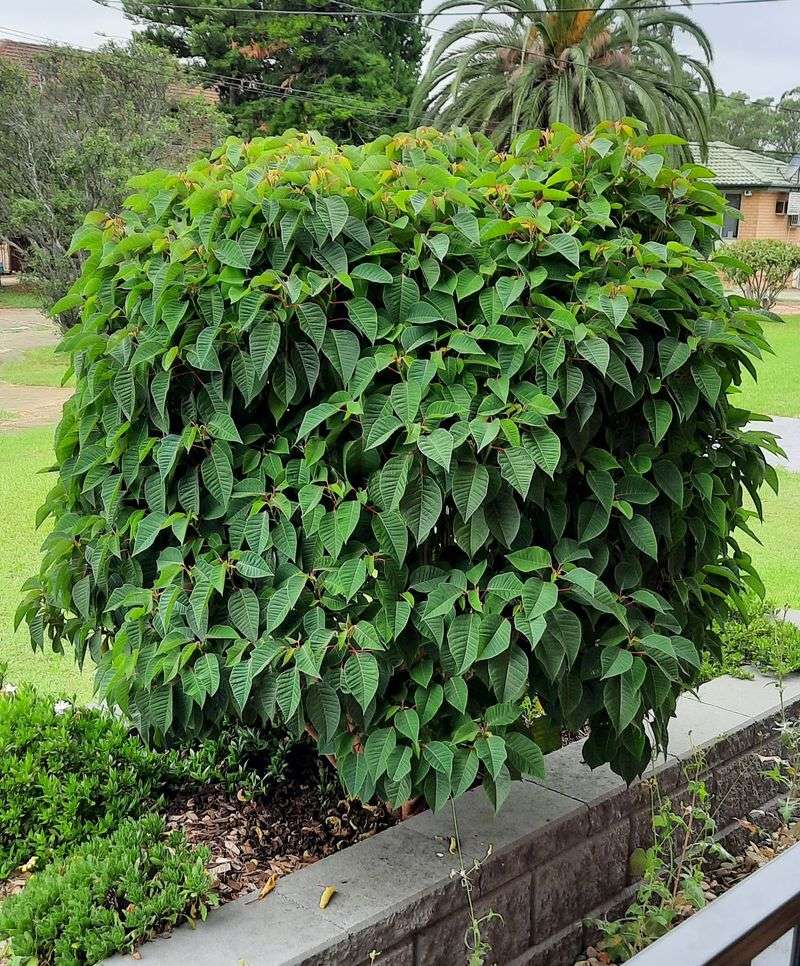
Most people only think about poinsettias in December. But in Florida, landscape poinsettias grow outdoors year-round and need timely attention to produce their famous colorful bracts by the holidays.
The tricky part is that timing a final pinch or light pruning cut too late in the season can interfere with bud formation. It can also reduce the display you are counting on in winter.
Poinsettias are photoperiodic plants, meaning they respond to the length of darkness each night to trigger bud development. As summer shifts toward fall, longer nights begin sending the signal to form buds.
Pinching or lightly pruning stems earlier in the warm season encourages branching and a fuller plant. But cutting after buds have started forming can interrupt the process.
According to UF/IFAS guidance, the final pinch for outdoor landscape poinsettias in most parts of the state should be completed before mid-August at the latest.
If you are still seeing soft, leafy tips with no signs of bud development, a light tip pinch now can still help shape the plant. Remove only the soft growing tip of each stem, leaving plenty of healthy foliage below.
Do not cut into thick, woody stems this late in summer. Water the plant consistently and avoid heavy fertilization that pushes too much vegetative growth when you want the plant preparing for its color show.
Watch the calendar closely.
5. Bougainvillea Benefits From A Controlled Trim
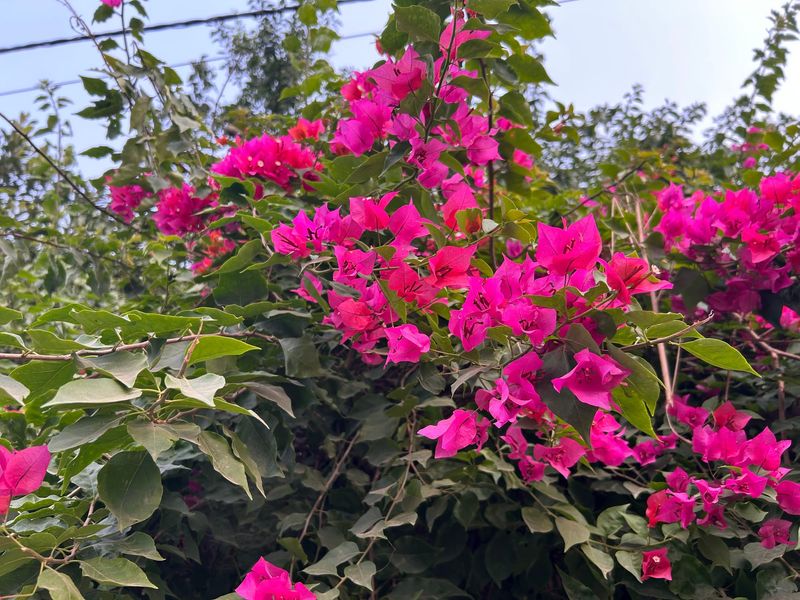
Left unchecked through the rainy season, bougainvillea can swallow a fence, block a gate, and send thorny canes reaching into places they were never meant to go.
A controlled trim before August is often less about plant health and more about keeping the plant from taking over the yard.
This is one shrub where the gardener’s comfort and safety matter as much as the plant’s needs.
Always wear thick gloves when working with bougainvillea. The thorns are sharp and can cause puncture wounds that are slow to heal.
Long sleeves are also a smart choice. Focus on removing wayward canes that are reaching into walkways, overhanging structures, or tangling into neighboring plants.
Light shaping to reduce overall size and remove crossing growth is reasonable during warm months when the plant is actively growing.
Avoid cutting too deeply into old, woody stems during peak summer heat. Bougainvillea performs best in full sun with excellent drainage, and pruning will not fix a poorly sited plant.
If the shrub is in shade or sitting in wet soil, address those conditions rather than compensating with heavy cuts. Bougainvillea blooms on new growth, so a light trim can actually encourage fresh color later in the season.
Remove only what is causing a problem, step back to check the shape, and resist the urge to cut more than about one-quarter of the plant at once.
6. Firebush Can Be Shaped Before Late Season Growth
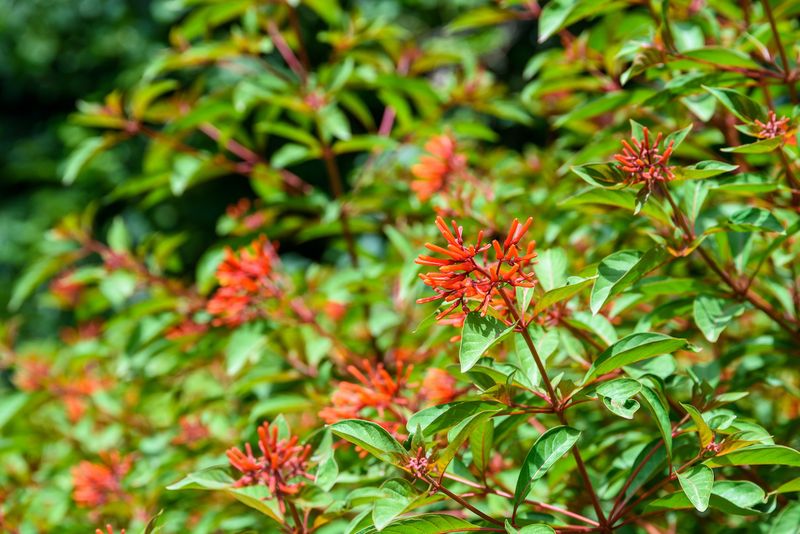
Firebush earns its place in warm-weather Florida landscapes partly because of its wildlife value. Hummingbirds, butterflies, and other pollinators visit the tubular orange-red flowers regularly throughout the growing season.
That wildlife connection is worth keeping in mind before you start cutting, because trimming the plant does temporarily reduce available blooms and nectar sources.
That said, a light shaping before August can help control the size of a firebush that has grown too wide for its space. It can also clear stems hanging into walkways or remove leggy growth that has gotten floppy from summer rains.
The goal is to remove only what is genuinely in the way, not to reduce the plant dramatically. Firebush bounces back quickly in warm weather and will push new growth and fresh blooms relatively fast after a modest trim.
Gardeners in northern regions of the state should be aware that firebush can be more cold-sensitive than it appears in warmer parts of the Sunshine State. Heavy pruning late in the season can leave stems more exposed if an early cold snap arrives.
In most central and southern areas, the plant is more reliably evergreen and handles warm-season shaping without much trouble. Avoid cutting into thick, woody stems during extreme heat or after a period of drought stress.
Water the plant well before trimming, use clean sharp tools, and remove only problem growth to keep pollinators coming back.
7. Plumbago Keeps Blooming After A Light Cutback
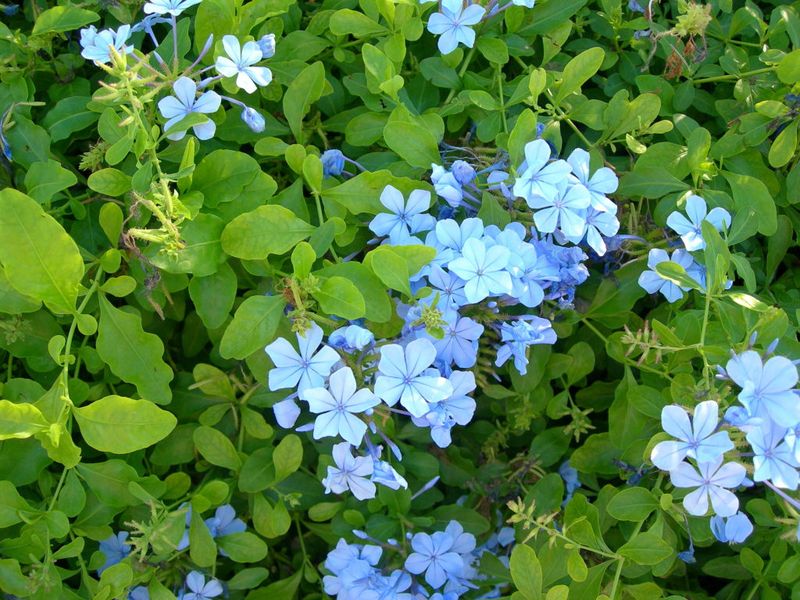
Plumbago has a way of looking tidy and contained in spring, then turning into a sprawling tangle by midsummer. The long, arching stems push outward quickly in warm weather.
Before long, the plant is blocking a pathway, flopping over a neighboring shrub, or just looking messy from the street. A light cutback before August can restore some order without stopping the bloom cycle.
Plumbago blooms on new growth, which works in the gardener’s favor here. Trimming back long, unruly stems and removing tangled or crossing growth encourages fresh branching.
It can also lead to continued flowering through the rest of the warm season. The key word is light.
Cutting plumbago back hard during peak summer heat is not the same as a tidy shape-up, and doing too much at once can stress the plant unnecessarily.
Focus on stems that are clearly out of bounds, stems that are rubbing against structures, and any growth that has gotten so long it is no longer supporting itself well. Cut back to a healthy set of leaves or a side branch rather than leaving bare stubs.
Sharp bypass pruners make cleaner cuts than anvil-style tools, which can crush stems. Water the plant before and after trimming, especially if rainfall has been inconsistent lately.
Plumbago is generally forgiving and resilient, but like any shrub, it handles pruning better when it is not already under stress from heat or dry conditions.
8. Skip Azaleas Before You Cut Off Spring Color
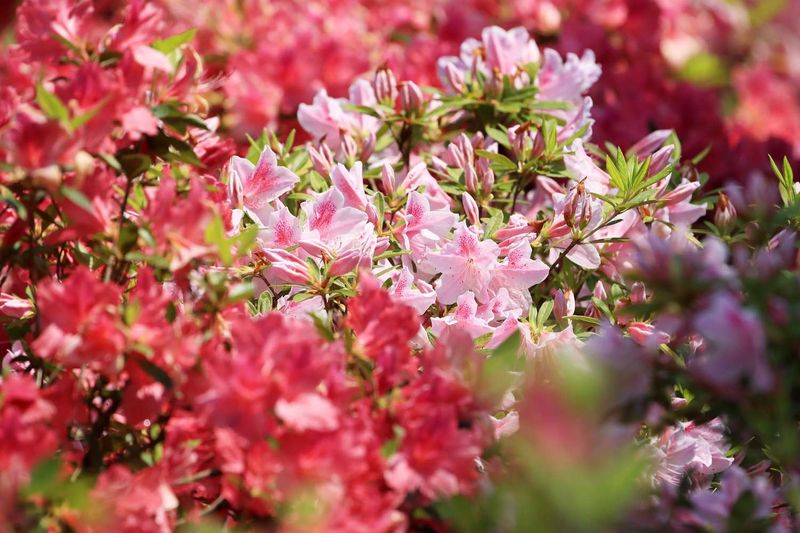
Not every shrub on the property deserves a trim before August, and azaleas are the clearest example of why timing matters more than the calendar.
Azaleas are spring-flowering shrubs that set their flower buds during the summer months following their bloom period.
Pruning them in late July means cutting off the very buds that would have opened next spring.
The right time to prune azaleas is shortly after they finish flowering, typically in spring. That window gives the plant the rest of the growing season to develop new growth and form next year’s buds undisturbed.
Waiting until late summer to shape an azalea is a common mistake that leaves gardeners wondering why the shrub barely bloomed the following year. The plant was not failing; the pruning removed the blooms before they had a chance.
This same principle applies to other spring-blooming shrubs in the landscape. Before picking up the pruners on any unfamiliar plant, take a moment to identify it and research its bloom cycle.
A quick call to your local county extension office or a look at UF/IFAS resources can save an entire season of color. The smartest pruning decision in late July is sometimes simply setting the pruners down and walking away.
Knowing which plants to leave alone is just as valuable as knowing which ones can handle a summer trim.