The Arizona Desert Tree That Lost Its Groves And Is Quietly Staging A Comeback
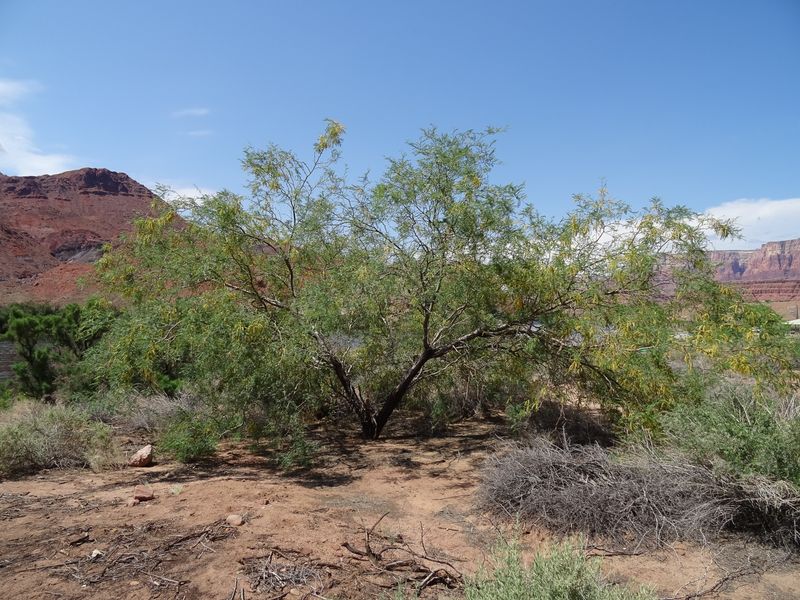
Long ago, thick green woodlands of mesquite grew along Arizona’s rivers, and most people today have never seen one. Many of those groves faded away, yet a few places show young trees returning.
The story is real, but it is smaller and more local than the headline suggests. Here is what happened, what the tree can and cannot do, and how it fits a low-desert yard.
Arizona’s lost mesquite groves were floodplain woodlands
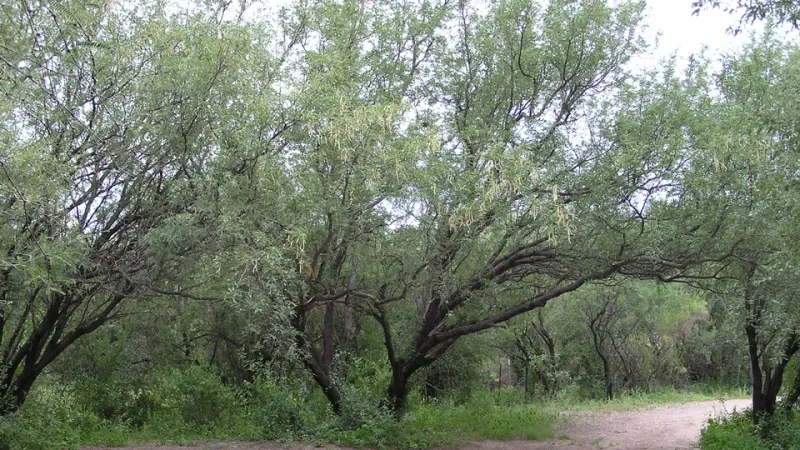
Picture a river valley where mesquite trees grow shoulder to shoulder, their crowns knitting into a shady canopy. Those are bosques, closed-canopy woodlands on river floodplains, and the tree at the heart of the story is most likely velvet mesquite (Prosopis velutina).
Bosques were once more common than they are now. A Forest Service review of vanishing riparian mesquite bosques describes their decline, and places such as the Santa Cruz River floodplain hold only a fraction of what grew there before.
No single cause explains every loss. Wood cutting, development, grazing, groundwater pumping, and changes to floodplain conditions all played a part, and the mix differs from one valley to the next.
The National Park Service notes that the Tumacácori area still has a mesquite bosque, which shows how much these woodlands depend on the local setting and water.
Resprouting does not explain every return
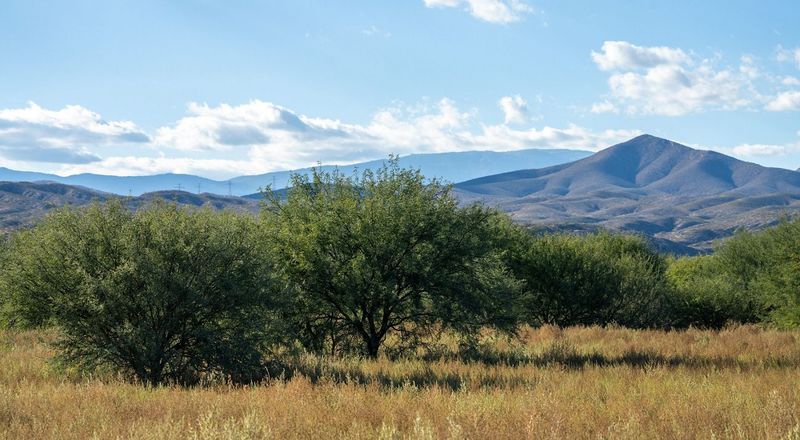
Cut a velvet mesquite to the ground and it often grows back. The Forest Service species review describes regrowth from dormant buds on the underground stem after the above-ground part is removed or damaged.
That toughness is real, but it is a different thing from a grove returning to old farmland. Young mesquites have recolonized a former field at The Nature Conservancy’s Middle San Pedro River Preserve, yet the sources do not show that surviving roots caused it.
Seeds, water, and site conditions may all matter.
Root depth is another spot for caution. A USGS study in a dry southeastern Arizona basin found it doubtful that roots, mesquite included, went deeper than 40 to 50 feet there.
The finding applies to that study area, so skip the popular claim of 200-foot roots.
The San Pedro shows a local, conditional recovery
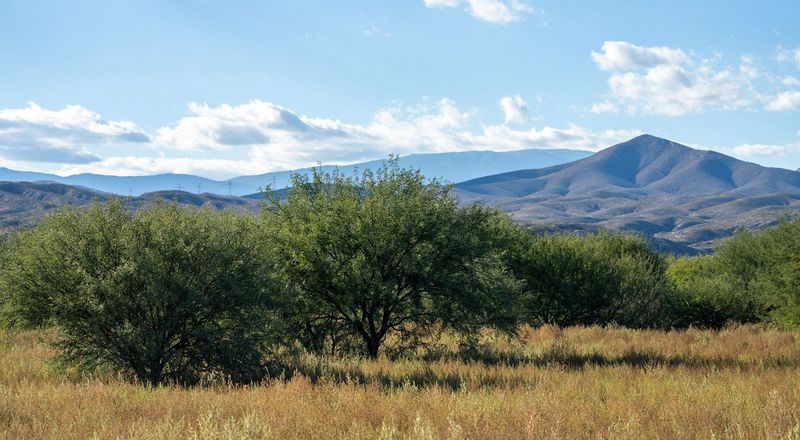
Along the Middle San Pedro River, farming stopped on a stretch of floodplain in 2002 when crop irrigation ended. The Nature Conservancy reports that young mesquites moved back onto the formerly farmed ground.
A restoration study found that where growing conditions are suitable, bosque-like habitat can return in 20 years or less. The words that matter there are “where conditions are suitable.” Water, soil, and floodplain setting all have to line up.
So the hopeful part is real, and it is local. One preserve shows what is possible, not what will happen at every former grove, and not a statewide return.
Think of it as a proof of concept that needs the right ground.
A bosque is more than a group of mesquite trees
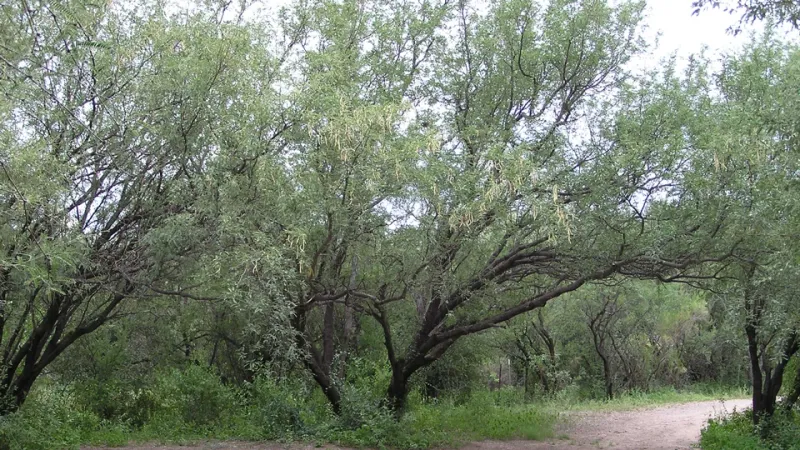
What makes a bosque is the setting as much as the trees. Floodplain conditions and groundwater within reach of the roots shape the whole woodland, from the canopy to the soil beneath it.
Your Arizona Garden Changes Every Week. Your Plan Should Too.
Gardening in Arizona changes quickly throughout the season. Every Friday you’ll receive a simple weekly plan showing exactly what to plant, prune, fertilize, harvest, and protect so you never miss the right timing.
At Tumacácori, the National Park Service describes the bosque as habitat for diverse wildlife and as part of a migration corridor. Those benefits come from a large, connected stretch of woodland.
A few mesquites in a residential yard are a different thing. They cannot recreate a floodplain, and one tree cannot promise that any particular bird or animal will visit.
A yard tree can still add shade and a bit of structure, as long as you keep expectations honest.
Choose a mesquite that fits the yard
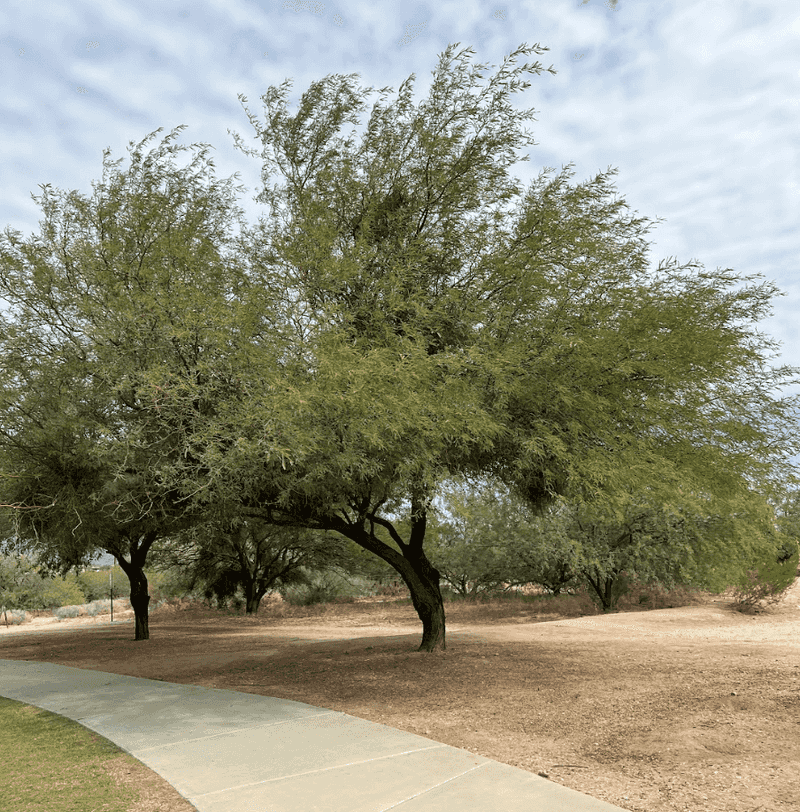
Velvet mesquite is native to central and southern Arizona. University of Arizona Extension describes mesquites as heat tolerant and well suited to low-water landscapes, hot exposures, and alkaline or poor soils.
Size is the catch. Velvet mesquite can reach roughly 30 to 50 feet in height and spread when it has deep soil and adequate water.
Measure the space overhead and around the trunk before you buy, and keep it away from walls, pools, and power lines.
Read the plant tag with care. Nursery mesquites and thornless hybrids are not automatically velvet mesquite or Arizona natives, since hybrids can mix native and South American species.
If a native tree matters to you, ask for Prosopis velutina by name. Either way, a yard tree plays a landscape role and does not restore a bosque.
Give a young tree room and establishment care
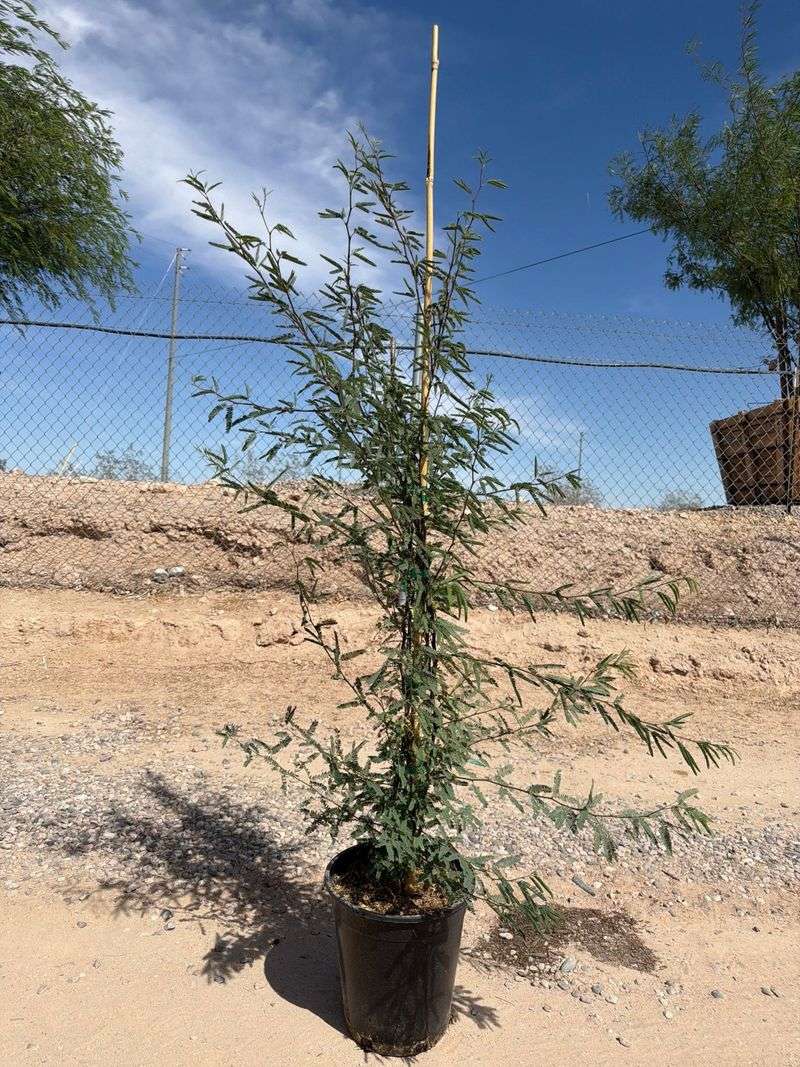
Start with room. Pick a spot that can hold the tree’s full height and spread, and plan for it to look very different in ten years.
Fall and early spring are good planting windows, because the weather is not too hot and dry.
Following Extension planting guidelines for container trees, dig a shallow, wide hole and water the root ball as the tree establishes. Keep mulch pulled back from the trunk.
How often you water depends on weather, soil, and your irrigation system, so check the soil rather than following a fixed calendar.
Drought tolerant does not mean no water from day one. Watch for thorns near paths and play areas.
Also skip heavy lawn-style watering, since excessive irrigation can leave a mesquite unstable.
A well-placed mesquite makes a useful shade tree. A restored river woodland needs a river.