How Ohio Gardeners Use Rose Hips After Frost Sweetens Them
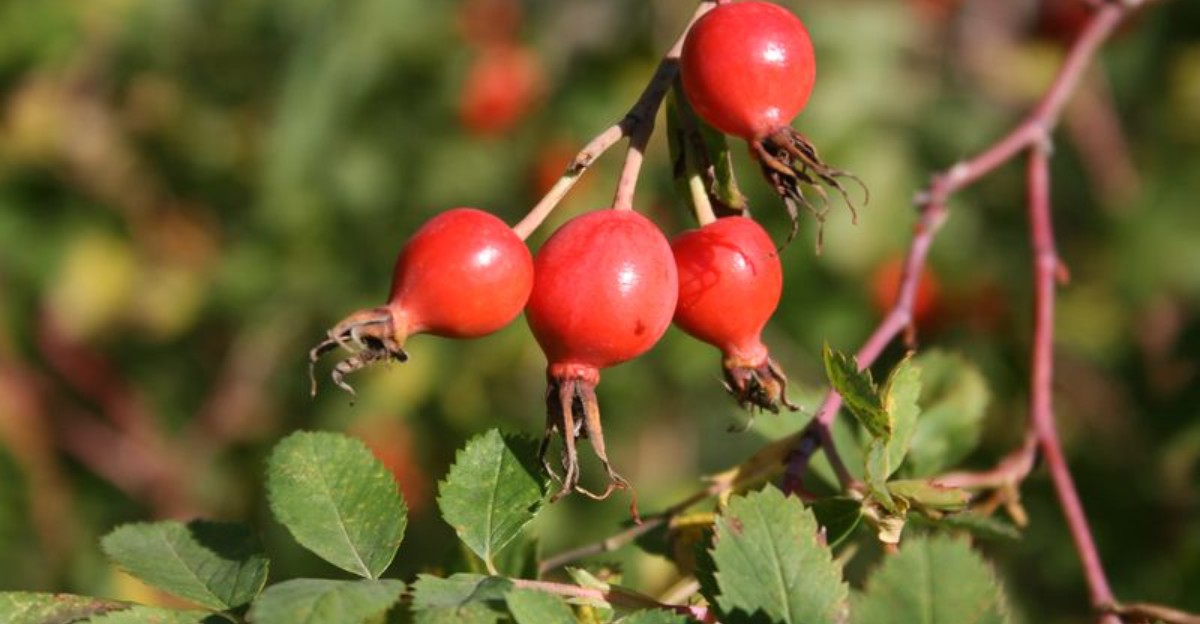
Frost nips your rose bushes, the blooms are long gone, and the bright orange-red fruit left behind gets overlooked by almost everyone who walks past.
Ohio gardeners who know better wait for a cold snap on purpose. Something shifts in those little fruits once the temperature drops, and the flavor turns from sharp to something worth saving.
Old family recipes pull them out of the pantry every year.
The uses go well beyond one jar on a shelf. Some are sweet.
Some are soothing. A few land on the table in ways that surprise first-timers.
Picking time matters, and so does what you do in the first hour after the harvest. Skip those steps and the results fall flat.
Hold off on that pruning for now. The best part of your roses may still be hanging on the bush.
1. Cook Up A Batch Of Rose Hip Jelly
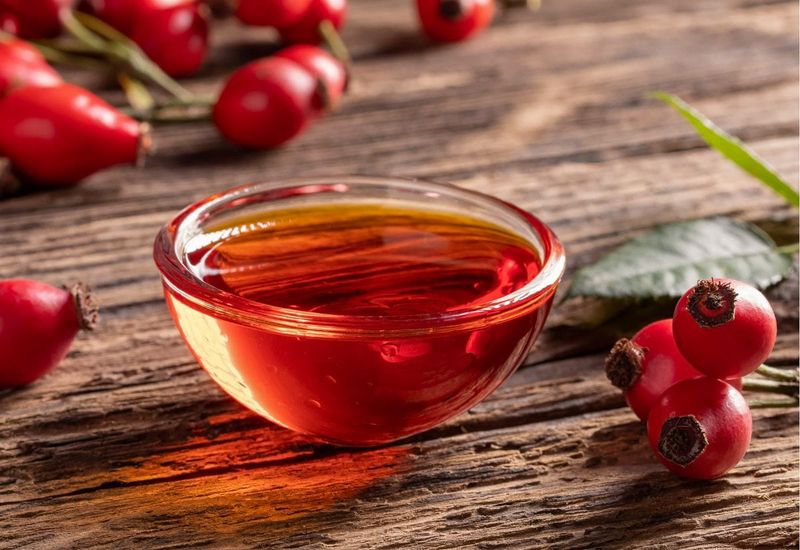
Picture a jar glowing like a stained-glass window on your kitchen counter. That bright color comes from a fruit many Ohio gardeners walk right past every fall.
Rose hips taste best after the first light frost but before a hard freeze. The cold turns some of their starches into sugar, so the hips get softer and sweeter.
Pick hips that are bright red or orange and feel a little soft, like a ripe cranberry. Skip any that are rock hard or mushy.
Only harvest from roses that haven’t been sprayed with pesticides or fed with systemic rose care products. Those chemicals can end up in the hips, so they’re not safe to eat.
Back in the kitchen, rinse your haul and snip off the stems and the dry tips. Then cover the hips with water and simmer them until they turn tender and easy to mash.
Next comes the patient part. Pour everything into a jelly bag or a few layers of cheesecloth and let the juice drip into a bowl, which can take a few hours.
Many cooks strain the juice twice for a clear, jewel-like result. Pressing on the bag speeds things up, but it can make your jelly cloudy.
Measure the juice and pour it into a pot with sugar and a splash of lemon juice. Some recipes add pectin to help the jelly set, especially if your hips were very ripe.
Boil the mix hard, then test it by dropping a little on a cold plate. If it wrinkles when you push it with your finger, the jelly is ready for jars.
The flavor is tart, fruity, and a bit like apple mixed with hibiscus. Kids love it on toast, and grown-ups often spread it on biscuits or swirl it into plain yogurt.
Fresh hips only last about a week in the fridge, so plan your jelly day soon after picking. A small batch makes a lovely holiday gift for neighbors, too.
2. Simmer Them Into A Sweet Syrup
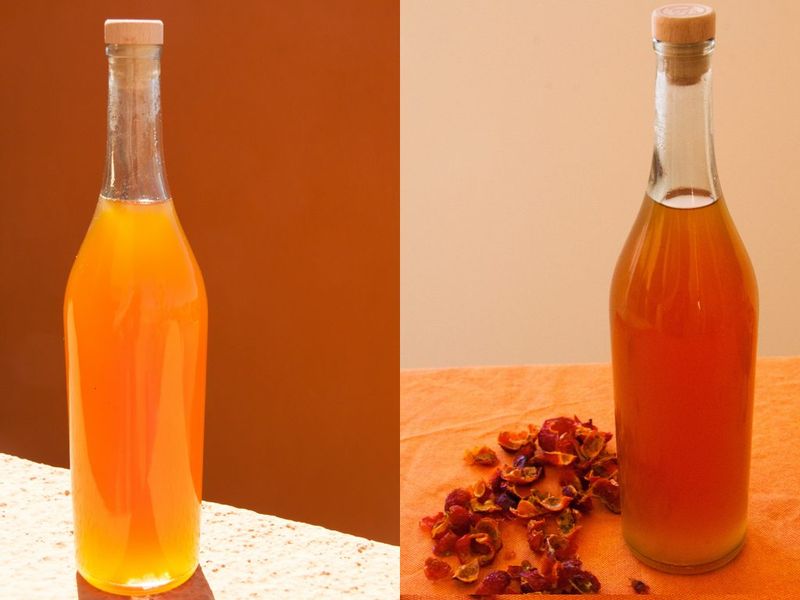
Pancakes deserve better than plain old store syrup. A ruby-red pour made from your own backyard roses might just become the star of Saturday breakfast.
Your Ohio Garden Changes Every Week. Your Plan Should Too.
Gardening in Ohio changes quickly throughout the season. Every Friday you’ll receive a simple weekly plan showing exactly what to plant, prune, fertilize, harvest, and protect so you never miss the right timing.
Rose hip syrup has a warm, floral, fruity taste that is hard to describe until you try it. Some folks say it reminds them of cranberries with a hint of honey.
Start by gathering a couple of cups of frost-kissed hips. Rinse them well and remove any leaves, stems, or little bugs that hitched a ride.
Now for the fun part, which is breaking them up. You can chop them in a food processor or crush them with a potato masher to let the juices escape.
Drop the crushed hips into boiling water, then turn the heat down. Let the pot simmer gently for about 15 to 20 minutes while the liquid cooks down.
Strain the mix through muslin or cheesecloth, and then strain it again. That second pass catches the tiny hairs inside the hips, which can make your throat itchy.
Return the clear liquid to a clean pot and stir in sugar until it dissolves. Simmer a few more minutes until it feels a bit thicker, but not gooey.
Pour your syrup into clean glass bottles and keep them in the fridge. Small bottles work well because you can open one at a time and keep the rest fresh.
So what do you do with it? Drizzle it over waffles, oatmeal, or vanilla ice cream, or mix a spoonful into sparkling water for a homemade soda.
Fun fact: during World War II, British kids collected rose hips so families could make syrup rich in vitamin C. Oranges were hard to find, so the humble hip saved the day.
Ohio gardeners can carry on that tradition with a quick afternoon project. Your kitchen will smell sweet, and breakfast will feel extra special.
3. Brew A Cup Of Rose Hip Tea
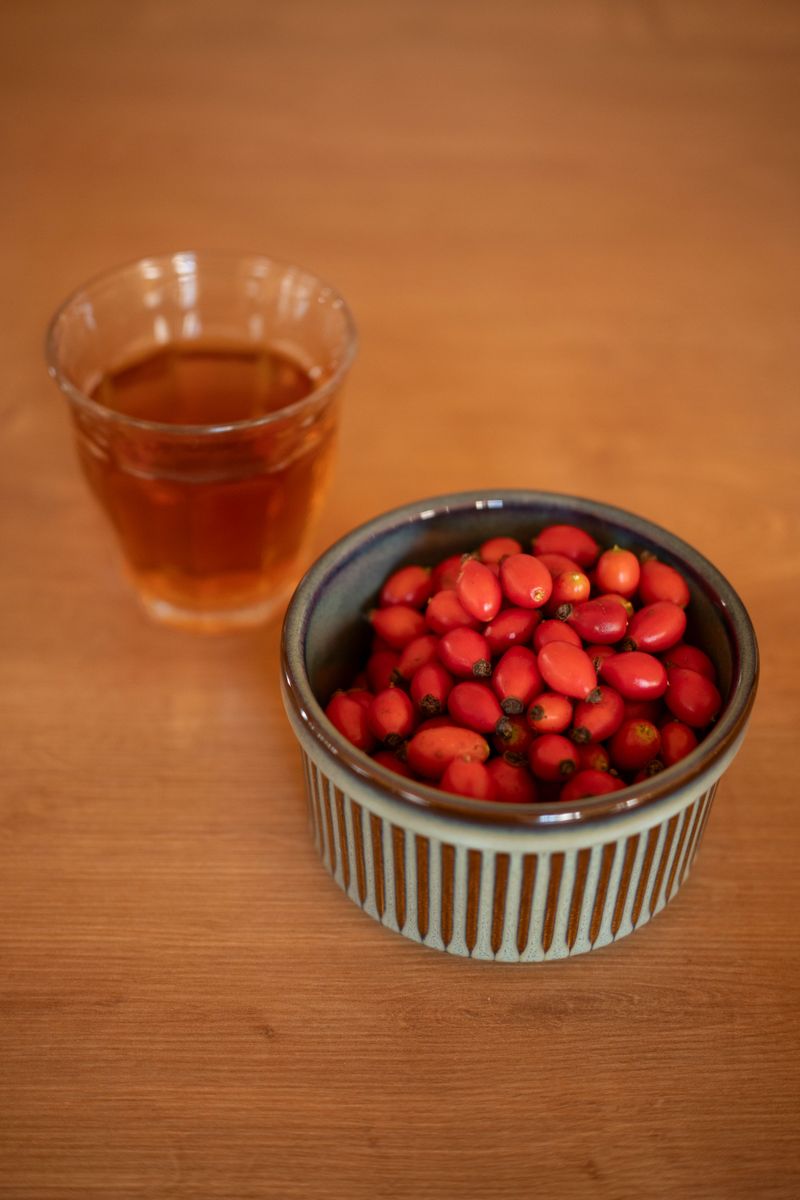
Tea tastes better when you picked it yourself, as one old gardener likes to say. On a gray November afternoon in Ohio, a warm mug of rose hip tea feels like a sunbeam in a cup.
You can brew this tea with fresh or dried hips. Each choice gives a slightly different flavor, so feel free to try both.
For fresh hips, use about a quarter cup of hips for every cup of water. Cut larger hips in half and scoop out the seeds and fuzzy hairs with a small spoon.
Those hairs might look harmless, but they can tickle and irritate your mouth and throat. A tea strainer or coffee filter helps catch any strays you miss.
Dried hips are easier because the hard work is done. One or two teaspoons per small teapot usually does the trick.
Heat your water to around 180 to 190 degrees Fahrenheit for the best flavor. Many people simply pour boiling water over the hips, which works fine, too.
Let the tea steep anywhere from 4 to 20 minutes. A short steep tastes light and fruity, while a long one turns bold and tangy.
The color ranges from soft pink to deep orange-red. It looks lovely in a clear glass mug, especially when the afternoon light hits it.
Rose hip tea tastes a bit sour on its own, kind of like a mild cranberry. A spoonful of honey or a cinnamon stick makes it smooth and cozy.
Rose hips are known for vitamin C, which is one reason people sip this tea during cold season. It also makes a fun caffeine-free drink for kids after school.
Try brewing a big batch and chilling it for summer, too. Mixed with a little lemonade, it becomes a bright pink treat on a hot day.
4. Dry Or Freeze Them For Winter Use
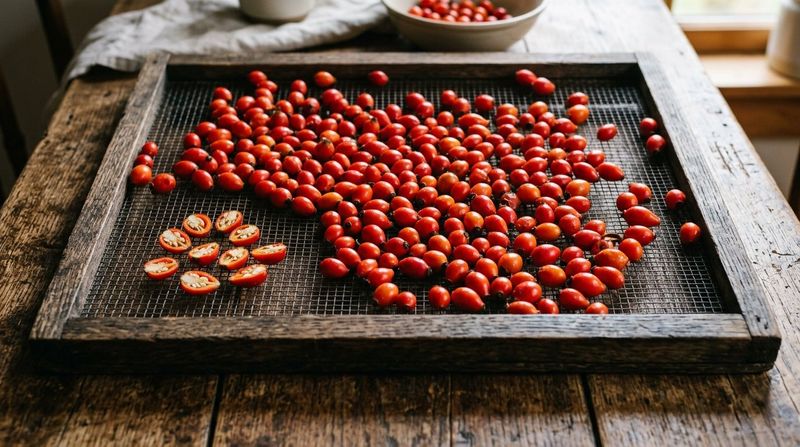
Winter in Ohio can feel long, gray, and snowy. Stashing away a supply of rose hips now means you can enjoy a taste of autumn whenever you like.
Fresh hips spoil in about a week, even in the fridge. Drying and freezing are the two best ways to stretch your harvest for months.
First, give your hips a good rinse and pat them dry with a towel. Cut the bigger ones in half so they dry evenly, and scoop out seeds if you want ready-to-use pieces.
For air drying, spread the hips on a screen or tray in a warm, dry spot. Turn them every few days until they feel hard and shriveled.
Oven drying is quicker if you are short on time. Set your oven to its lowest heat, crack the door slightly, and check often until the hips turn brittle.
A food dehydrator might be the easiest choice of all. It keeps the heat steady, so you can set it and get on with your day.
Store dried hips in an airtight jar in a cool cupboard. They stay good for about a year, which carries you right to the next harvest.
Prefer the freezer? Spread clean hips in a single layer on a baking sheet and freeze them until solid, then pour them into freezer bags.
That quick trick keeps the hips from clumping into one big icy lump. Frozen hips can last six months or even longer, up to about two years.
Drying and heat do lower vitamin C a bit, but dried hips still contain plenty. Freezing helps hold onto more of the flavor and nutrients.
Label every jar and bag with the date. Future you will be glad when a February craving for tea or jelly comes along.
5. String Them Into A Natural Garland
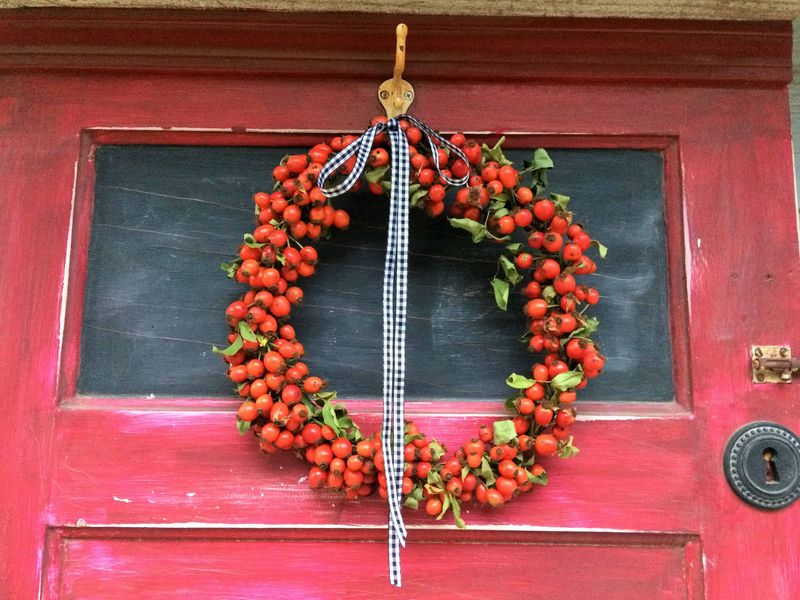
Who needs store-bought decorations when your rose bushes are already handing out free beads? Bright red hips cling to their stems for weeks, which makes them perfect for crafts.
Ohio gardeners love turning these little fruits into garlands for mantels, doorways, and holiday trees. The look is rustic, cheerful, and a little bit old-fashioned.
Begin by snipping hips with some stem still attached. Choose firm, glossy ones, since soft hips can squish and stain your fingers.
Grab a large needle and sturdy thread, fishing line, or thin wire. Gently push the needle through the center of each hip and slide it down the line.
For a fancier strand, mix in dried orange slices, pinecones, or cinnamon sticks. Popcorn and cranberries look great alongside the hips, too.
Another method skips the needle altogether. Bundle small clusters of hips by their stems and wrap them onto twine with floral tape.
Feeling ambitious? Weave long rose hip stems into a grapevine wreath form, tucking in bits of evergreen for extra color.
Wear gardening gloves while you work, because rose stems still have thorns. A good pair of pruners makes snipping much easier and keeps the ends clean.
Your garland will slowly darken and shrink as it dries, and that is part of its charm. Many crafters say the deep burgundy shade looks even prettier than the fresh red.
Indoor garlands can last through the whole holiday season. Keep them away from heaters and fireplaces so they do not dry out too fast.
When the season wraps up, you can hang your garland outdoors on a fence or tree. Hungry birds will gladly nibble the leftovers, so nothing goes to waste.
Kids can join in on this project, too. Little hands love threading the bright beads, and the result feels like a family keepsake.
6. Leave Some On The Bush For The Winter Birds

On a snowy January morning, a flash of wings darts into the rose bush by the fence. A hungry bird has found the hips you left behind.
Not every hip needs to end up in a jar. Many Ohio gardeners save part of their harvest for the wild visitors that brighten the winter yard.
Rose hips give birds a helpful snack in fall and winter. Food gets scarce once snow covers the ground and insects disappear.
Thrushes, robins, cedar waxwings, and goldfinches are a few of the birds that enjoy hips. Some gobble the whole fruit, while others peck out the seeds inside.
Here is a neat twist. Birds often wait until late winter to eat rose hips, after several rounds of freezing and thawing make the fruits softer.
That timing means your bush can serve as a backup pantry. Just when other berries run out, the hips are ready and waiting.
A simple plan is to pick about half and leave the rest. Focus your harvest on the hips you can reach easily, and let the high or tangled ones stay for the birds.
One exception: if your bush is multiflora rose, with clusters of small white flowers and tiny hips, pick or remove every hip you can. Birds spread its seeds into Ohio’s fields and woods, where it forms thorny, invasive thickets.
Stop trimming off faded blooms late in summer if you want plenty of hips. Spent flowers need time on the stem to swell into fruit.
Place a window feeder or a comfy chair where you can see the bush. Bird watching from a warm kitchen is one of winter’s sweetest little joys.
Keep a notebook handy to jot down which birds stop by. Kids especially love checking off new visitors and learning their names.
Sharing your roses this way connects your garden to the bigger world around it. A little generosity in fall turns into lively, chirping company all winter long.