Don’t Miss This Important Hydrangea Task In October In Pennsylvania
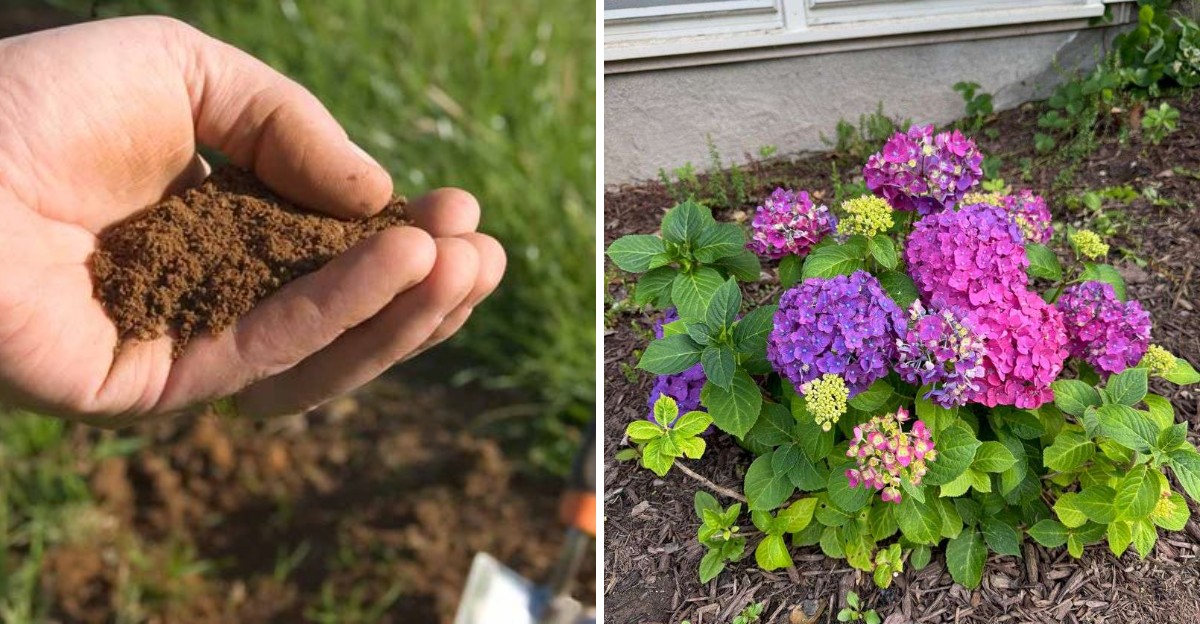
Plant two identical hydrangeas in two different Pennsylvania yards, and they might bloom in completely different colors.
One could be covered in sky-blue flowers, while the other turns soft pink or even lavender. It almost seems like magic, but there’s a simple explanation.
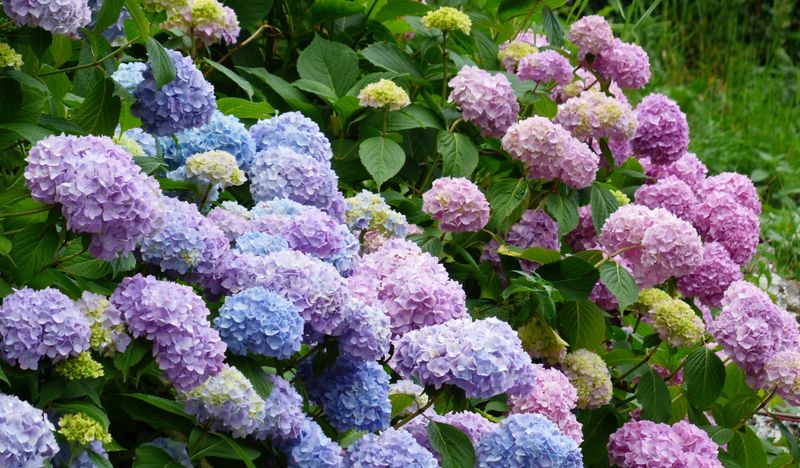
Many popular hydrangeas, especially the classic bigleaf types, don’t have a fixed color. Their blooms respond to the conditions they’re growing in, and those conditions can slowly shift from season to season.
That’s why a plant that dazzled you with blue one summer might surprise you with pink the next.
If you have a favorite shade in mind, October is the time to act. The changes that influence next summer’s flowers take months to work, so waiting until spring is often too late.
One simple task this fall can help you get the color you’re hoping for when those big blooms open again.
Adjust Your Soil For Next Year’s Flower Color
Last summer, my neighbor stood in her yard staring at her hydrangeas with a frown. She wanted bright blue flowers, but they came out a muddy purple. Her mistake was simple. She waited until May to fix the soil.
October is the sweet spot for this job. The summer heat is gone, and the ground is still soft enough to work with. Your hydrangeas are slowing down, but their roots are still active under the surface.
When you add soil amendments in fall, they get a long runway. Fall rain, winter snow, and spring showers all help move them deeper into the ground. By the time buds form, the soil has had months to change.
Think of it like baking bread. You cannot rush the rising part. Soil works the same way, and it needs slow, steady time to shift.
Start by looking at your plants closely. Are they bigleaf hydrangeas with round mophead flowers or flat lacecap blooms? Are they mountain hydrangeas? Those are the types that respond to soil changes.
Panicle and smooth hydrangeas, like Limelight or Annabelle, will not change color no matter what you add.
Next, decide on your goal. Do you want deeper blue, richer pink, or just a more even shade? Write it down so you remember come spring.
Pick a dry, mild day to do the work. Clear away fallen leaves and weeds from around the base. Then you can test, choose your product, and apply it evenly.
A little effort now pays off big later. Your future self will thank you every time you step outside next summer and see those blooms glowing in the exact color you planned.
Why Hydrangea Colors Change
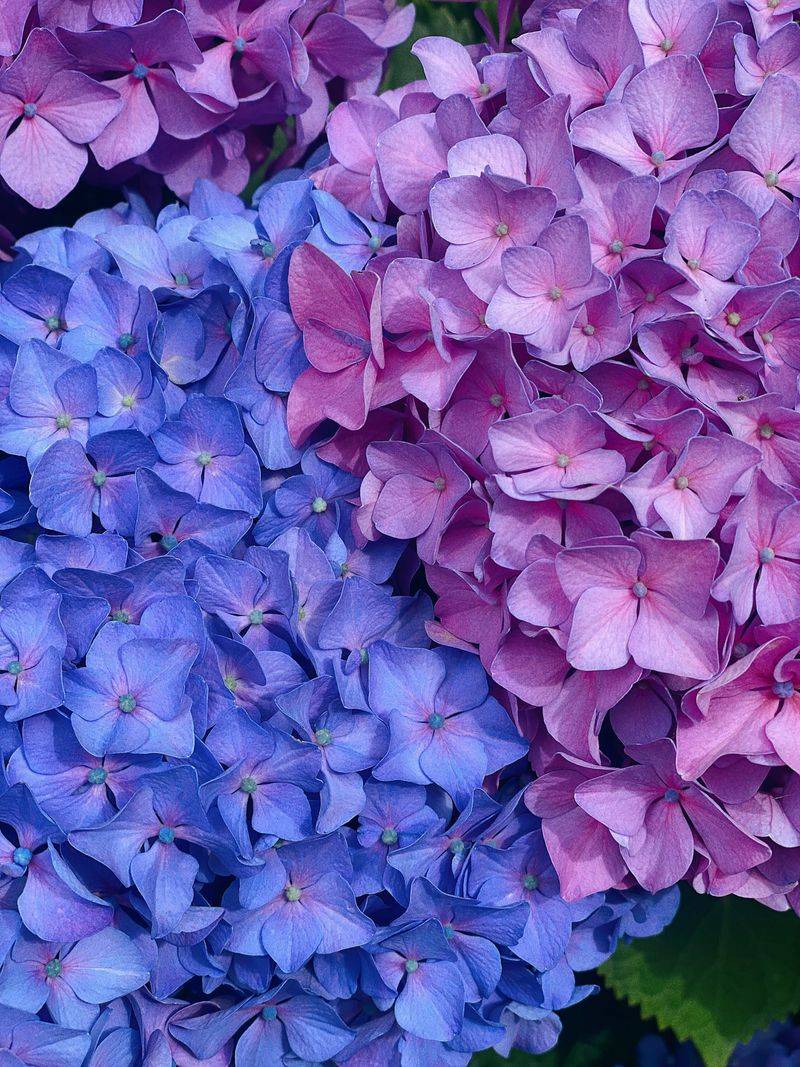
Did you know a hydrangea is a bit like a living science kit? The same plant can grow blue flowers in one yard and pink ones in another. It all depends on the dirt.
The magic ingredient is aluminum. Most soils already have some aluminum in them. The real question is whether the plant can actually pull it up through its roots.
Your Pennsylvania Garden Changes Every Week. Your Plan Should Too.
Gardening in Pennsylvania changes quickly throughout the season. Every Friday you’ll receive a simple weekly plan showing exactly what to plant, prune, fertilize, harvest, and protect so you never miss the right timing.
That is where soil pH comes in. pH is a number that tells you how acidic or alkaline your soil is. The scale runs from 0 to 14, and 7 is neutral.
In acidic soil, usually below about 5.5, aluminum becomes easy for roots to grab. The plant soaks it up, and the flowers turn blue. When soil is closer to neutral, around 6.0 to 6.5 or higher, aluminum gets locked away. Without it, the blooms turn pink.
Somewhere in the middle, you may get purple or a blend of colors on one shrub. Some gardeners love that mixed look. Others find it a little messy.
White hydrangeas play by their own rules. They do not have the pigment that reacts to aluminum. So no matter what you add, a white variety will stay white. It might blush a little pink as it ages, but that is normal.
Only bigleaf and mountain hydrangeas shift color this way. Oakleaf, panicle, and smooth types keep their natural shades.
Here is a fun bit of history. In Japan, where many bigleaf hydrangeas come from, the soil is often volcanic and acidic.
That is why so many classic hydrangea pictures show deep blue flowers. Once you understand the aluminum trick, you hold the paintbrush for your own garden.
Start With A Soil Test
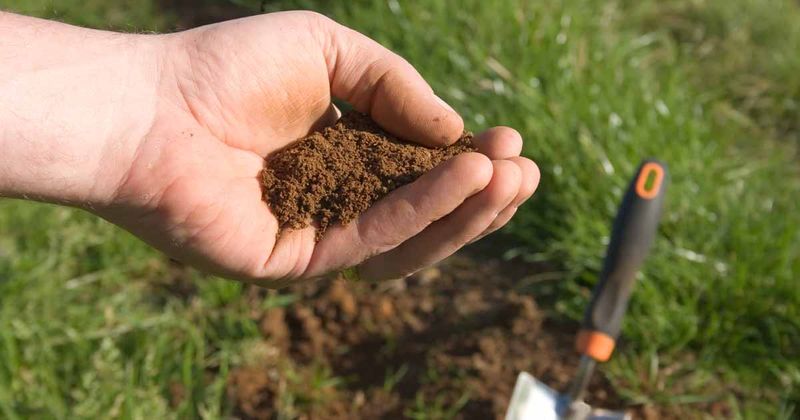
Guessing is the fastest way to waste money in the garden. You might add sulfur to soil that is already plenty acidic. Or you might spread lime where it is not needed at all.
A soil test clears up the mystery. It tells you your soil’s exact pH, plus other details like nutrient levels. With that number in hand, you know how far you need to go.
Pennsylvania gardeners have a great option. Penn State Extension sells easy soil test kits. You can find them at county Extension offices, some garden centers, or online. They are affordable and come with clear directions.
Collecting a sample is simple. Use a clean trowel to dig small bits of soil from several spots around your hydrangea. Go down about four to six inches, where the roots live.
Mix those bits together in a clean bucket. Let the soil dry, then fill the bag from the kit. Mail it to the lab and wait for your results, usually in a week or two.
Your report will show your pH and give advice on what to add. Some reports even list how many pounds of product to use for your space.
Here is some good news for many folks in the state. Lots of Pennsylvania soils are naturally acidic, thanks to our rainfall and forest history. That explains why you see so many blue hydrangeas in towns from Pittsburgh to the Poconos.
Still, soil can vary a lot, even within one yard. Spots near concrete walks or house foundations often run less acidic because of lime leaching from the cement. Testing each bed gives you the full picture.
Choose The Right Amendment
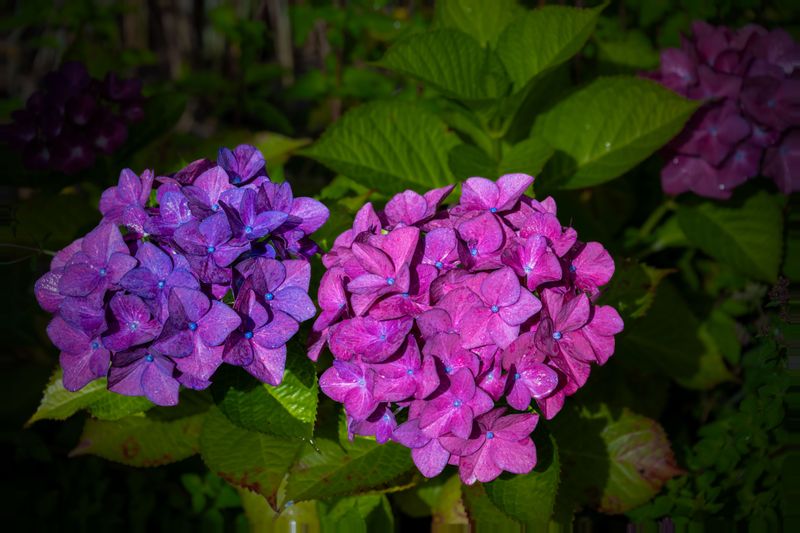
Walk into any garden center and you will find shelves full of bags promising better blooms. It can feel overwhelming. Luckily, for hydrangea color, you only need to know a few products.
Going blue? You want to lower the pH and make the soil more acidic. Two common choices can help with that.
Garden sulfur, also called elemental sulfur, works slowly. Soil microbes break it down over time, which makes it perfect for a fall application. It is gentle and lasts a long while.
Aluminum sulfate works faster. It lowers pH and adds aluminum directly. Be careful, though. Too much can burn roots and harm your shrub. Always measure and follow the label exactly.
Dreaming of pink? Then you need to raise the pH. Garden lime is the go-to product here. Dolomitic lime also adds magnesium, which many plants enjoy.
Pelletized lime is easier to spread than powder and makes less mess. Sprinkle it evenly around the drip line, which is the area under the outer edge of the branches. That is where many feeder roots live.
A few smart habits help a lot. Wear gloves when handling these products. Water lightly after you apply them so they start soaking in. Keep everything away from the stems and leaves.
More is not better. Adding extra product will not speed things up much, and it can cause real damage. Small, steady changes over several seasons usually work best.
If your test shows soil is already very acidic, you may not need anything for blue. Sometimes the best move is simply to leave things alone and let nature do its work.
Why Fall Timing Works Best
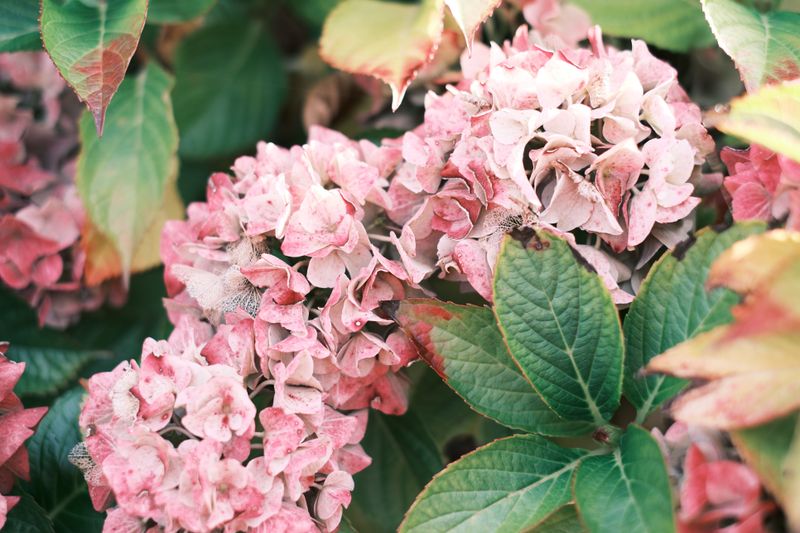
Patience is a gardener’s best friend, and soil chemistry proves it. Changing pH is a slow process. It often takes months before you see any real difference in your flowers.
Many people get excited in spring. They see buds forming and rush to sprinkle sulfur or lime. Sadly, by then it is usually too late for that year’s blooms.
Here is why. Hydrangea flower color is set as the buds develop. If the soil has not changed by late spring, the plant will use whatever it finds. Your spring effort may only show up the following year.
October flips that problem around. Adding amendments in fall gives them a long head start. You gain six to eight months of extra working time.
Pennsylvania weather helps too. Fall rains soak the ground and start moving products downward. Winter snow melts slowly, carrying them deeper into the root zone. Spring showers finish the job.
Freezing and thawing also play a role. As the ground freezes and thaws, it shifts and cracks a little. That movement helps amendments mix into the soil naturally.
Sulfur in particular loves this slow schedule. Soil microbes need time to turn it into acid. Even as they slow down in cold months, they keep working whenever the ground warms a bit.
Try to apply your products before the ground freezes solid. In most of Pennsylvania, mid to late October is ideal. In northern counties, aim for early October since cold arrives sooner.
Mark your calendar now so you do not forget next year. Making it a yearly fall habit keeps your soil steady and your blooms reliable, summer after summer.
Support Your Color Goals All Year
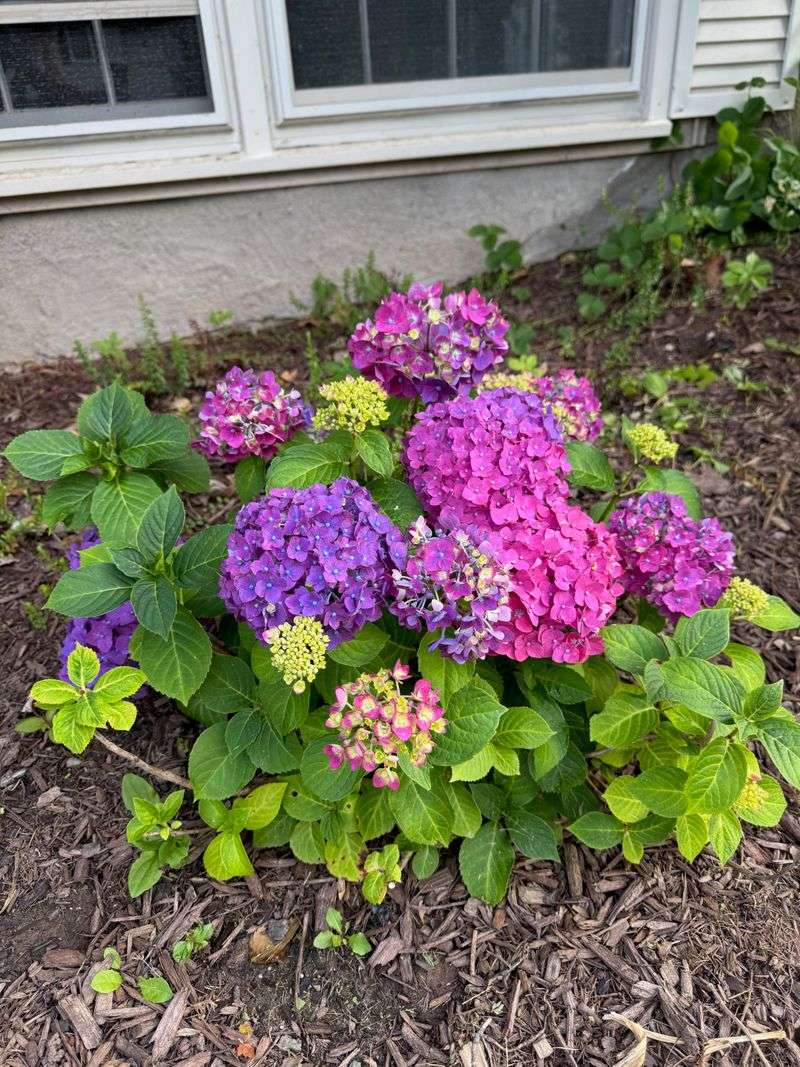
Getting the color you want is not a one-and-done job. Think of it more like keeping a garden friendship going. A little care throughout the year keeps your hydrangeas on track.
Mulch is a simple place to start. For blue flowers, pine needles and shredded oak leaves are wonderful choices. As they break down, they help keep the soil slightly acidic.
Best of all, many Pennsylvania yards have these materials for free. Rake up oak leaves this fall, run them over with a mower, and spread them around your shrubs. Pine needles from nearby trees work great too.
Keep mulch about two to three inches deep. Leave a small gap around the stems so moisture does not sit against the bark. Mulch also protects roots and flower buds during cold winters.
Fertilizer choices matter more than many people realize. If you want blue blooms, avoid products high in phosphorus. That is the middle number on a fertilizer bag, like the 10 in 10-10-10.
Phosphorus can grab onto aluminum in the soil and lock it up. When that happens, your plant cannot absorb it, and flowers drift toward pink. Look for low phosphorus blends labeled for acid-loving plants.
Aiming for pink instead? A balanced fertilizer with more phosphorus can actually help. Just do not overdo it.
Watering also plays a quiet role. Rainwater is naturally a bit acidic, while some tap water is more alkaline. If your blue goal keeps slipping, try collecting rain in a barrel.
Finally, retest your soil every couple of years. Small checkups help you catch changes early and keep your favorite shade blooming season after season.