How Pennsylvania Gardeners Can Keep Robins Visiting For Natural Grub Help
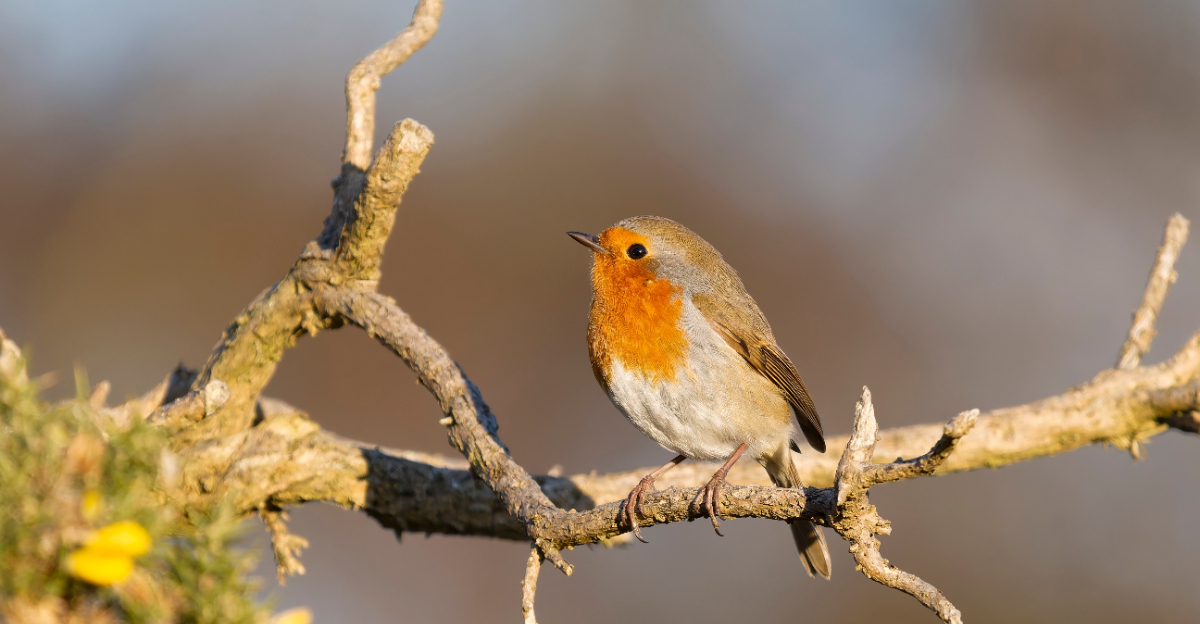
There is a bird doing free pest control in Pennsylvania yards right now, and many homeowners are not doing much to keep it around.
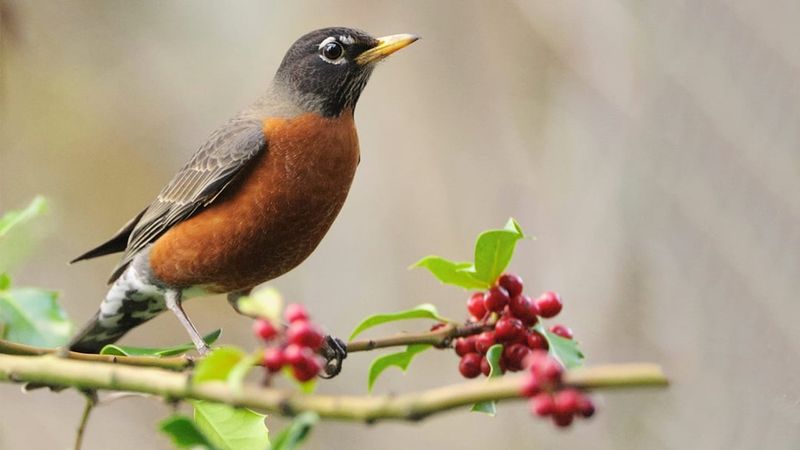
The American robin is so familiar that it barely registers anymore. Red breast, lawn, worm. We have all seen it a thousand times.
But a yard that actively supports robins looks different by midsummer. The grub pressure stays lower. The soil gets worked in ways no garden tool replicates. The insect balance shifts in a direction that benefits everything growing there.
Robins are not random visitors. They are creatures of habit who return to yards that give them what they need, and once they find a reliable spot, they come back season after season without any convincing.
The setup is not complicated. It is mostly about understanding what robins actually respond to and then making a few small adjustments that benefit the whole yard anyway.
Here is what that looks like in practice.
1. Berry Shrubs Give Robins A Reason To Stay
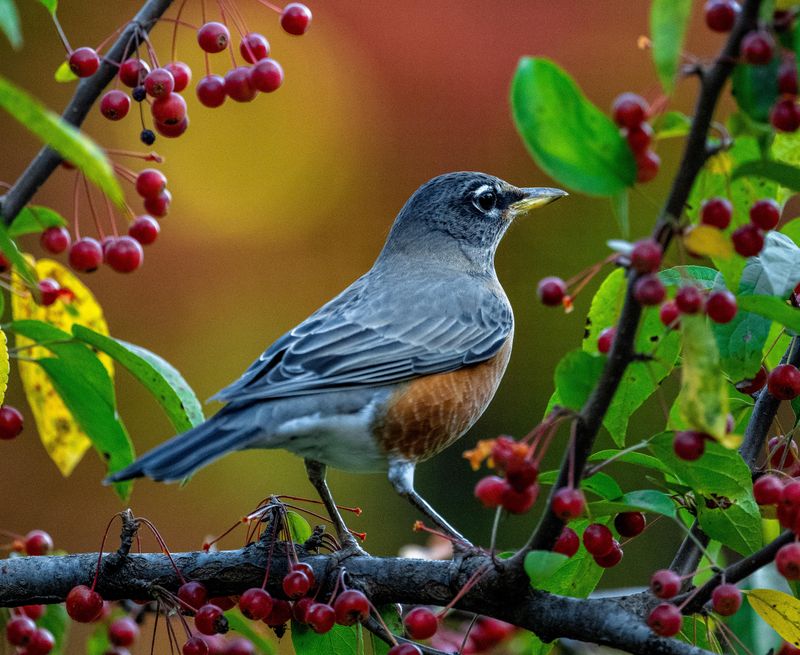
Many people think robins only want worms, but berries are a major part of their diet, especially in late summer and fall when grubs are harder to reach.
Native shrubs loaded with small fruits can turn a yard into a reliable stop on their seasonal route. A well-placed berry shrub near the edge of the lawn is practically an invitation standing in the ground.
Serviceberry, also called Amelanchier, is one of the best choices for Pennsylvania yards. It produces small, sweet berries in early summer that robins actively seek out.
Winterberry holly, native dogwood, and spicebush are also strong picks because they fruit at different times, stretching the food window across multiple months.
Planting a mix of shrubs with staggered fruiting seasons means robins have a reason to keep checking back. One shrub might peak in June while another holds fruit well into October.
That kind of layered food supply is what keeps birds returning rather than just passing through once.
You do not need a large yard to make this work. Even a small cluster of two or three native shrubs along a fence line or garden edge can attract robins reliably.
Skip the ornamental imports and go native for the biggest payoff in bird visits and natural yard balance. A serviceberry in the right spot does more for robin activity than any bird feeder you could put out, and it looks considerably better doing it.
2. Open Lawn Helps Them Spot Grubs
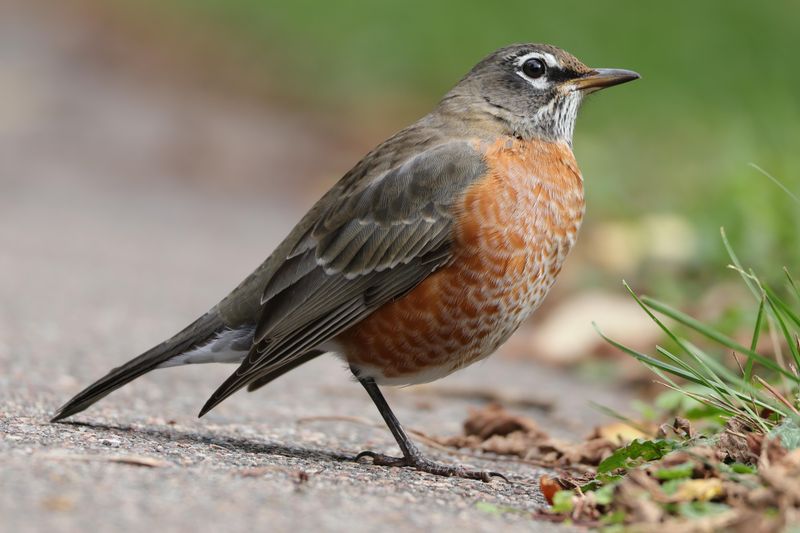
A robin standing perfectly still on your lawn, head tilted at a sharp angle, is not confused. It is hunting.
Robins use sight and sound together to detect movement beneath the surface, and they need open, short turf to do it well. Dense, overgrown grass makes that job considerably harder.
When grass gets thick and long, grubs and worms stay hidden below a mat that robins cannot easily work through.
Keeping the lawn mowed to a moderate height, around two to three inches, gives robins clear sight lines and easier access to the soil surface.
Your Pennsylvania Garden Changes Every Week. Your Plan Should Too.
Gardening in Pennsylvania changes quickly throughout the season. Every Friday you’ll receive a simple weekly plan showing exactly what to plant, prune, fertilize, harvest, and protect so you never miss the right timing.
That simple maintenance habit is one of the most direct things you can do to support foraging activity.
Compacted soil is another obstacle worth addressing. When the ground is packed too tight, worms and insects stay deeper and robins come up empty more often.
Core aeration in fall or spring loosens the soil and allows more moisture to reach deeper layers, which encourages worm activity closer to the surface where robins can actually reach them.
Bare or thin patches in the lawn are not always a problem. Robins actually prefer areas where grass is not too thick because the soil is easier to probe.
A lawn that is healthy but not overly dense gives these birds the best foraging conditions all season. Keep it tidy but not sterile, and the robins will handle a fair amount of the rest on their own schedule.
3. Healthy Soil Keeps Foraging Worthwhile
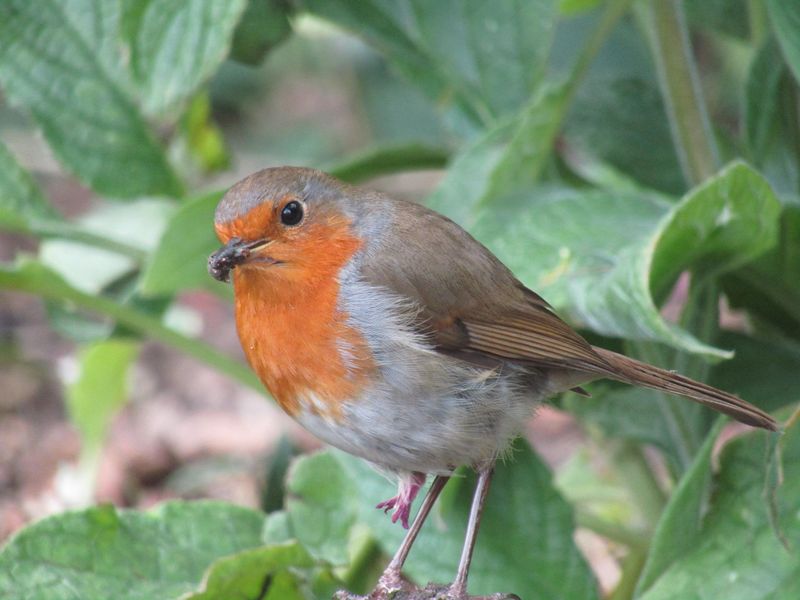
Earthworms are the backbone of a robin’s diet in spring and early summer.
A lawn or garden bed with poor, compacted, or chemically overloaded soil will have fewer worms, which means fewer reasons for robins to visit and fewer reasons to stay long when they do.
Soil health and bird activity are more connected than most gardeners ever think about.
Organic matter is the key to building worm-friendly soil. Compost worked into garden beds and topdressed onto lawns feeds the microorganisms that worms depend on.
Over time, regular composting raises organic content, loosens texture, and creates the moist, crumbly conditions where worms thrive close to the surface.
Synthetic fertilizers that push fast green growth at the expense of soil biology are worth avoiding.
High-nitrogen quick-release products can disrupt the microbial balance that supports worm populations in ways that show up gradually rather than all at once.
Slow-release organic fertilizers are a better fit for yards where you want both a healthy lawn and active bird foraging happening in the same space.
Watering practices matter too. Worms move toward moisture, and during dry Pennsylvania summers they drop deeper into the soil to survive.
A consistent watering schedule, especially in July and August, keeps worms closer to the surface. Deep, infrequent watering is better than shallow daily sprinkles because it encourages worms to stay active in the upper soil layer where robins can actually find them.
Healthy soil is the foundation that makes every robin visit worthwhile rather than a wasted trip.
4. Fewer Broad Sprays Protect Their Food
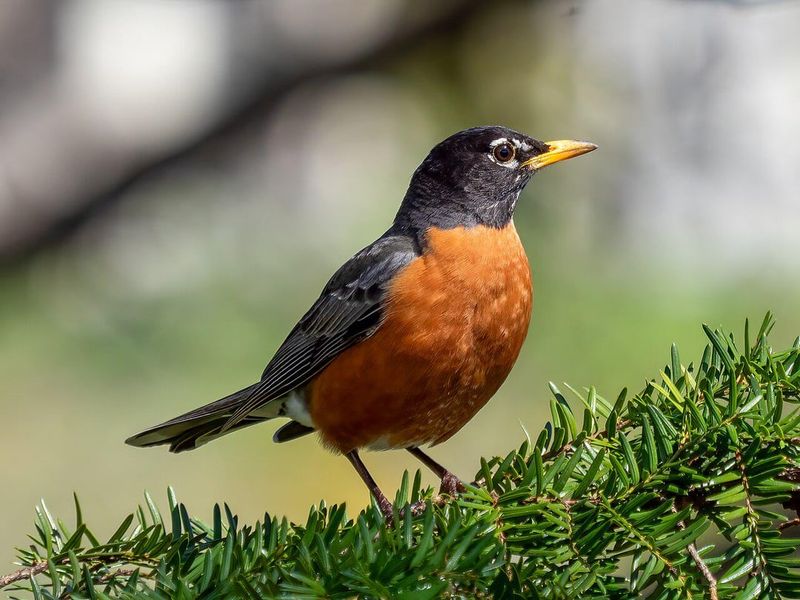
Broad-spectrum insecticides do not choose targets carefully.
When sprayed across a lawn or garden, they reduce insect populations across the board, including the worms, beetles, and grubs that robins depend on for food.
A yard treated heavily and repeatedly with these products becomes a quiet, low-food zone that birds learn to avoid over time.
Grub-specific treatments applied at the right season and rate are a very different story.
If Japanese beetle grubs are genuinely damaging the lawn, targeted biological controls like milky spore or beneficial nematodes address the problem without wiping out the broader insect community.
These options take longer to work but leave the food web considerably more intact.
Timing matters as much as product choice. Applying any pesticide during peak robin foraging periods, especially spring and early summer, can reduce food availability right when robins need it most.
Integrated pest management approaches that combine multiple low-impact strategies tend to preserve more of the insect diversity that supports birds throughout the season.
A yard with a few grubs and a healthy worm population is a yard robins will visit regularly. The goal is not a perfectly grub-free lawn but a lawn in reasonable balance.
Letting some insect life remain while managing only genuine problems gives robins a steady food supply and gives your soil the biological activity it needs to stay productive.
Spray less, watch more, and let the birds contribute to the work.
5. Leaf Litter Feeds The Garden Web
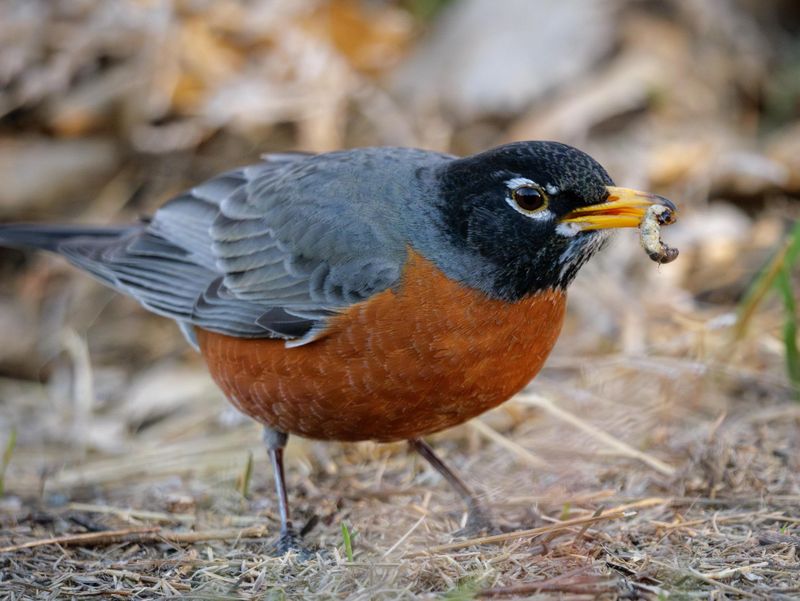
Raking every single leaf off the property each fall feels satisfying, but it removes a layer of habitat that feeds an entire chain of garden life.
Leaf litter breaks down slowly over winter, hosting beetles, moth larvae, spiders, and dozens of other small creatures that become food for robins and other birds in early spring.
That November cleanup has consequences that show up in March.
You do not need to leave leaves piled across the whole lawn. A practical approach is to rake or blow leaves to the edges of garden beds, under shrubs, or along fence lines where they can decompose naturally without smothering grass.
That thin, natural mulch layer at the garden edge is where robins often scratch and poke looking for insects in late winter and early spring before the lawn fully wakes up.
The insects living in leaf litter are part of a food web that supports far more than just robins.
Beetles and worms drawn to decomposing organic matter also improve soil drainage and nutrient cycling, which benefits everything growing in the garden directly.
Leaving some litter behind is a win for the birds and a win for the garden at the same time.
A yard with some intentional messiness at the edges tends to attract more bird activity than one that has been cleaned to bare soil every autumn.
Robins are among the first to take advantage of those leaf-covered foraging zones, and they start showing up in those spots before most gardeners even think about being outside in the morning.
6. Shallow Water Keeps Visits Steady
A birdbath in the right spot can be one of the most reliable tools for keeping robins coming back regularly.
Robins prefer water that is shallow, clean, and easy to access. A bath with just one to two inches of water is ideal because they wade in to drink and bathe rather than perching at the edge like smaller songbirds do.
Placement matters more than most people expect. Robins feel exposed near water because bathing takes their attention away from watching for threats.
Setting a birdbath near low shrubs or within a few feet of cover gives them a quick escape route if something startles them, which makes them considerably more likely to linger and return on a regular basis.
Keeping the water fresh is not optional if you want steady visits. Algae, debris, and stagnant water drive birds away quickly.
Rinsing the basin and refilling it every two to three days through spring and summer keeps the water appealing.
In hot July and August weather, daily refills work better because water evaporates quickly and becomes warm and unappealing to birds that are already managing the heat.
A ground-level birdbath or a very low pedestal model works especially well for robins because they naturally forage close to the ground.
Solar-powered water wigglers or drippers add movement that attracts birds from a surprising distance.
The sound of moving water carries across a yard in a way that pulls robins in before they even spot the bath itself, which is a small detail worth knowing before you decide where to place it.
7. Native Trees Bring More Caterpillars
Oak trees are ecological powerhouses.
A single native oak can support over 500 species of caterpillars and moth larvae, according to research by entomologist Doug Tallamy.
Robins and their nestlings rely heavily on caterpillars during the breeding season because soft-bodied insects are easier for young birds to swallow and digest than hard beetles or tough grubs pulled from the soil.
Planting native trees in a Pennsylvania yard creates a vertical food source that works differently from lawn foraging.
Caterpillars that feed on oak, cherry, or tulip poplar leaves eventually fall to the ground or drop on silk threads, landing right in the zone where robins hunt.
A yard with even one mature native tree produces a surprisingly large amount of this kind of insect activity every spring without any input from the gardener.
Native cherries, including black cherry and chokecherry, are particularly valuable because they feed caterpillars in spring and produce fruit that robins eat in summer.
You get insect activity and berry production from the same tree, which makes it one of the most efficient plantings available for a bird-friendly Pennsylvania yard.
Younger trees take time to grow but begin supporting insects even at small sizes. A two or three year old native oak or cherry planted now will start attracting caterpillars within a few seasons.
Shade, fruit, caterpillars, and nesting spots all come from one well-chosen tree. That is a lot of robin support from a single planting decision made on a Saturday afternoon.