How Summer Heat Is Driving Grasshopper And Spider Mite Problems Across Nevada Yards
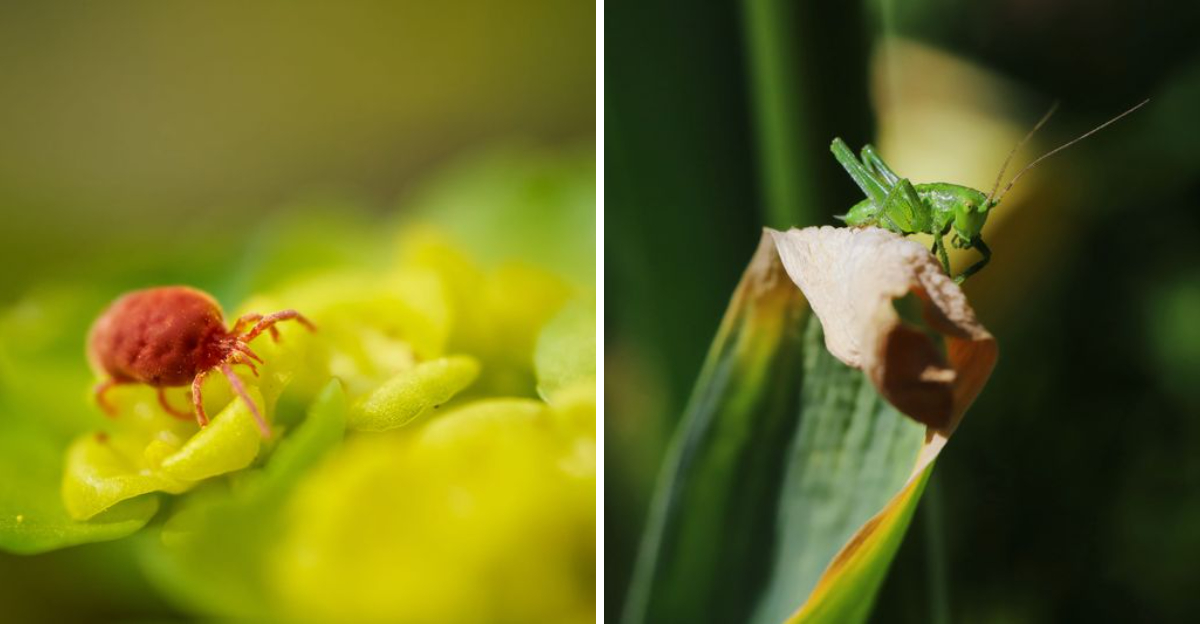
Your leaves are thinning fast, and you barely even notice it happening. Grasshoppers are moving into Nevada yards with appetite you can’t ignore. Spider mites work silently, pulling color from your plants.
Heat opens the door wide for pests racing toward you. Dry air weakens your plants faster than water can fix. Nevada summers push temperatures into ranges that challenge you.
Stress signals rise from your struggling leaves instantly. Pests sense those signals faster than you expect. Moisture drops around you while populations grow within days.
Females lay eggs by the hundreds once your plants weaken. Webbing appears on leaf undersides before you notice anything. Tiny holes spread across your stems overnight unnoticed.
Every degree of added heat raises your risk higher. Timing now determines whether your garden holds up strong. Waiting a single day could cost you dearly. Once you see the signs, there is no time to lose.
1. Extended Heat Speeds Up Mite Reproduction Cycles
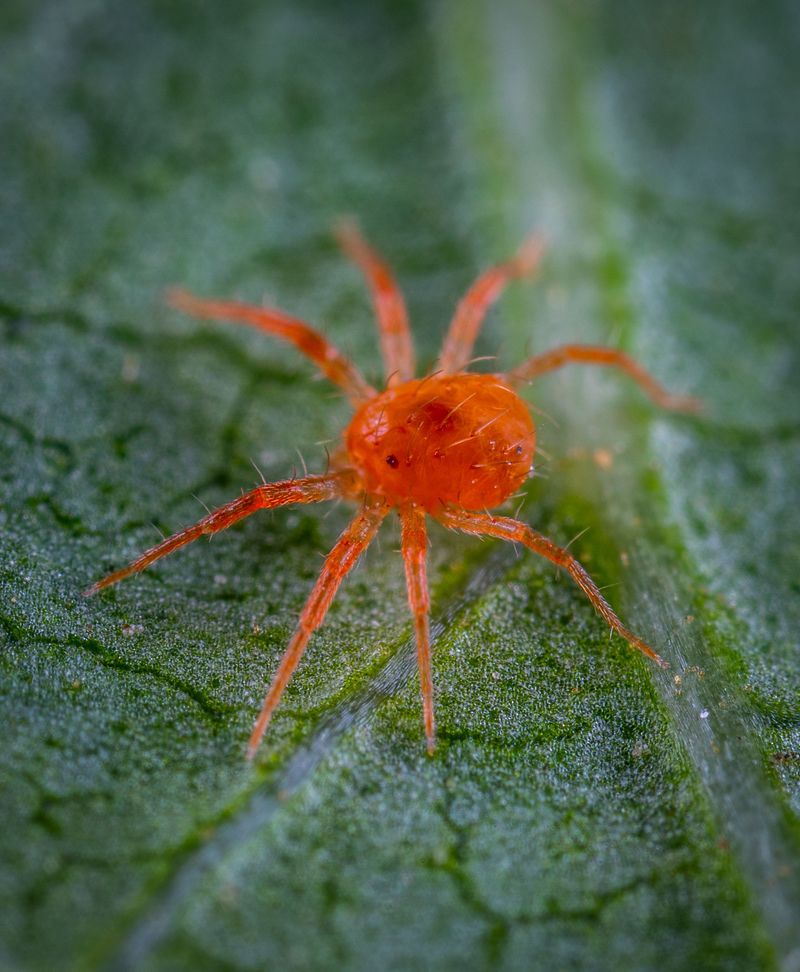
Spider mites are tiny, but their speed is jaw-dropping. When summer heat hits triple digits, these little pests kick their reproduction into overdrive. A single female can lay hundreds of eggs in her short lifetime.
Under normal cooler conditions, mites can take one to two weeks to mature. When temperatures climb well above ninety degrees, that cycle can shorten to under a week. That means populations can grow rapidly within days.
Grasshopper and spider mite problems across Nevada yards get worse because heat removes the natural brakes on reproduction. Cooler nights used to slow things down. Now, with persistent warmth, there is no break in the cycle.
Gardeners often notice the damage before they spot the pest. Leaves start looking dusty, then stippled with tiny pale dots. Fine webbing appears along stems and leaf undersides.
By the time webbing is visible, the population is already massive. Acting early is the smartest move you can make. Spray plants with a strong stream of water every few days to knock mites off leaves.
Neem oil and insecticidal soap are effective treatments when applied consistently. Focus on the undersides of leaves where mites hide and breed. Repeat applications every five to seven days to break the reproductive cycle.
Keeping plants well-watered also reduces mite stress conditions slightly. Mulching around the base of plants helps retain soil moisture. Small actions taken early can prevent a full-blown infestation from taking hold in your yard.
2. Drought Stress Weakens Plants’ Natural Defenses
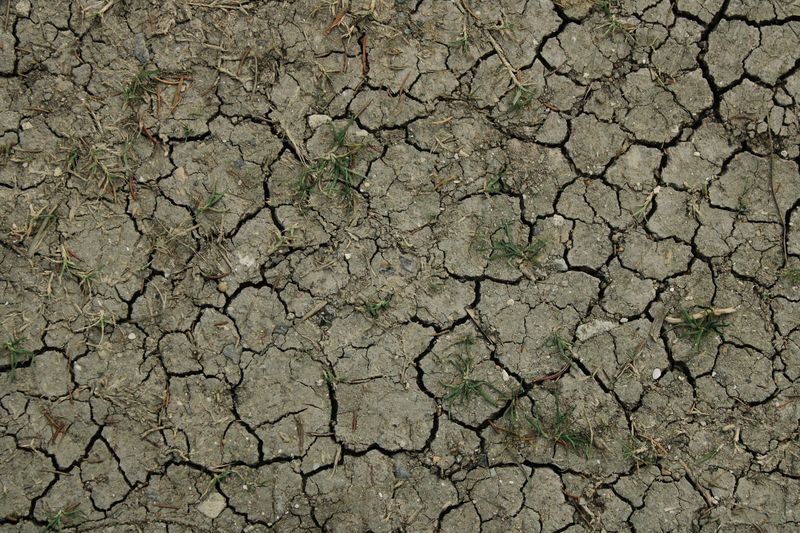
Plants are tougher than they look, but drought pushes them past their limits. When soil dries out, plants stop producing the chemical compounds that naturally repel pests. That is when trouble moves in fast.
Healthy plants release oils, resins, and compounds that make them less appealing to insects. Stressed plants cut back on these defenses to conserve energy and water. Spider mites are tiny, but their reproduction speed is remarkably fast.
Think of it like a weakened immune system in a person. The body is still functioning, but it cannot fight off every threat at once. Drought-stressed plants face the same steep disadvantage against hungry pests.
Your Nevada Garden Changes Every Week. Your Plan Should Too.
Gardening in Nevada changes quickly throughout the season. Every Friday you’ll receive a simple weekly plan showing exactly what to plant, prune, fertilize, harvest, and protect so you never miss the right timing.
Grasshopper and spider mite pressure across Nevada yards intensifies because much of the state receives limited and unpredictable summer rainfall. Irrigation helps, but it rarely replaces natural rainfall completely.
Gaps in watering leave plants vulnerable for days at a time. Root systems shrink during drought, limiting nutrient uptake. Leaves lose their waxy coating that normally blocks pest entry.
Once that barrier is gone, mites and other insects move in without resistance. Deep, infrequent watering encourages roots to grow deeper into cooler soil. Shallow watering keeps roots near the hot surface where stress is highest.
Adjusting your watering schedule can make a real difference in plant resilience. Adding compost to your soil also improves water retention significantly.
Healthier soil means healthier roots and stronger natural defenses. A well-fed plant is a much harder target for any pest.
3. Dry Conditions Push Grasshoppers Toward Irrigated Yards
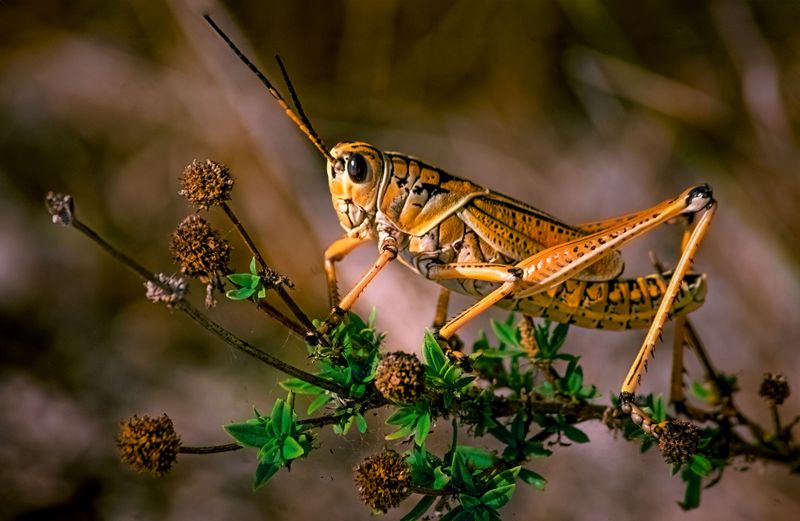
Grasshoppers are survivors, and they follow food and moisture wherever it leads. When the surrounding desert dries out completely, green irrigated yards become irresistible targets. Your lawn stands out as a food source in the surrounding dry landscape.
Wild grasslands and open fields dry up fast in a Nevada summer. Grasshoppers that were living out there suddenly have nothing left to eat. So they migrate toward neighborhoods where lawns, gardens, and trees stay green through irrigation.
This migration pattern happens every summer, but it gets worse during drought years. The contrast between dry desert and green yards grows sharper. More grasshoppers make the jump from open land into residential areas.
Once they arrive, grasshoppers are not picky eaters. They consume grass, vegetable leaves, flowers, and even woody shrubs. A small group can strip a garden bed surprisingly fast.
Grasshopper and spider mite issues across Nevada yards often peak in July and August. That is when desert vegetation is at its driest. The migration pressure on irrigated yards reaches its highest point during those months.
Physical barriers like row covers can protect vegetable gardens from grasshopper feeding. Floating row covers let in light and air while blocking insect access. Securing the edges carefully makes the barrier much more effective.
Kaolin clay sprays create a gritty coating on plants that grasshoppers dislike. Applying it to leaves makes feeding uncomfortable for them. Consistent reapplication after watering keeps the protection active throughout the season.
4. Rising Temperatures Accelerate Grasshopper Development Rates
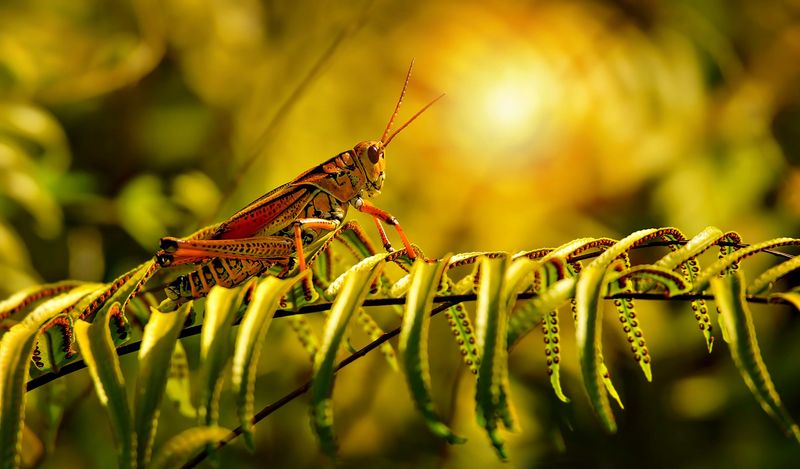
Heat does not just make grasshoppers more active, it speeds up their entire life cycle. Warmer temperatures mean eggs hatch sooner, nymphs mature faster, and adults start feeding earlier in the season.
The whole timeline compresses in noticeable ways. Grasshopper eggs overwinter in the soil and hatch when ground temperatures warm up in spring. In a hotter year, that hatching happens weeks earlier than normal.
Earlier hatching means more time for grasshoppers to grow, feed, and reproduce before fall. Each extra week of warm weather adds another generation to the population. More generations mean exponentially more grasshoppers by midsummer.
The numbers climb quickly once you break it down. Grasshopper and spider mite outbreaks across Nevada yards worsen because the season for active pest feeding grows longer every year.
Milder winters also mean fewer eggs are lost before spring. The starting population each year keeps climbing.
Nymphs are actually more destructive per capita than adults in some ways. They feed constantly to fuel their rapid growth. A yard full of nymphs can show serious damage within just a few days.
Monitoring for nymphs early in the season gives you the best chance to act. Smaller populations are far easier to manage than full adult populations. Early intervention saves a lot of frustration later.
Spinosad-based organic sprays work well against young grasshoppers. Apply in the early morning when grasshoppers are less active.
Targeting nymphs before they reach adulthood cuts the population before it multiplies further.
5. Lack Of Rain Reduces Natural Fungal Predators
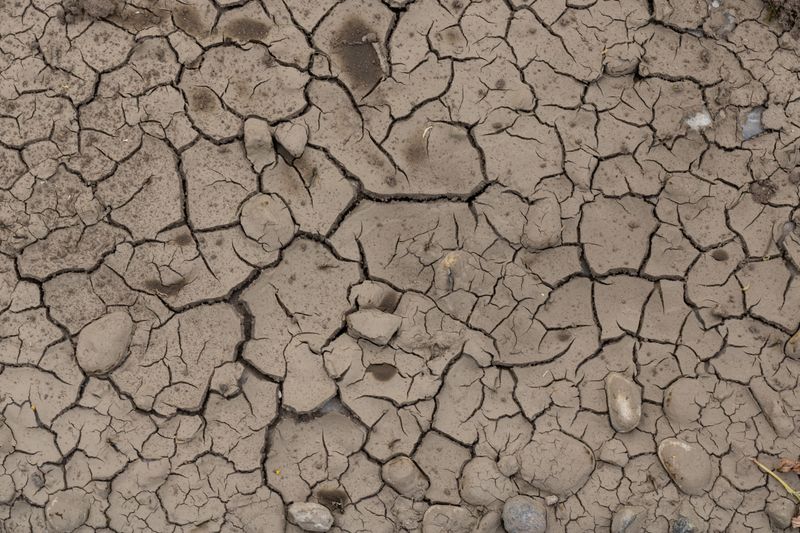
Nature has its own pest control system, and rain is a big part of it. Certain fungi naturally infect and reduce populations of grasshoppers and other insects. Without moisture, those fungi cannot survive or spread effectively.
Beauveria bassiana and Entomophaga grylli are two fungi known to significantly reduce grasshopper populations. They need humid conditions to germinate and infect their hosts. A dry Nevada summer sharply reduces survival for these natural allies.
When beneficial fungi disappear, pest populations lose one of their biggest natural checks. Grasshoppers that would normally be stopped by fungal infection just keep feeding and breeding. The absence of rain removes a quiet but effective form of natural pest control.
Spider mites also benefit from the lack of fungal competition in dry soil. Predatory mites and beneficial microbes that keep pest species in check need moisture to thrive. Dry conditions tilt the balance heavily in favor of the harmful species.
Grasshopper and spider mite surges across Nevada yards are partly a fungal story. When rain disappears for weeks, natural pest control weakens significantly. Gardeners end up shouldering that burden themselves.
You can introduce beneficial fungi to your garden through commercial products. Beauveria bassiana is available as a spray and works best in slightly humid morning conditions. Applying it early when dew is present gives it the best chance to work.
Watering in the evening can create brief humid conditions that support beneficial organisms. Combining biological controls with consistent watering builds a more balanced yard ecosystem. Working with nature, even in a desert, pays off over time.
6. Wilting Grass Attracts Hungry Grasshopper Activity
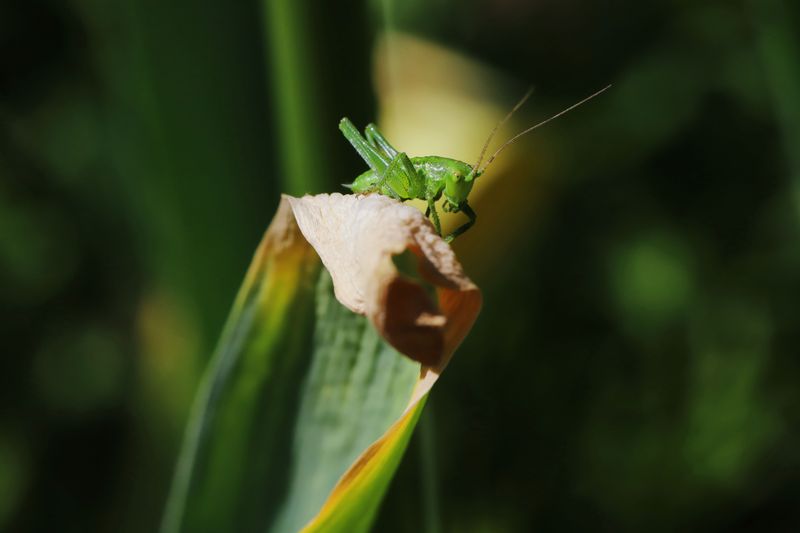
Wilting grass sends out signals that hungry grasshoppers can detect. Stressed turf releases compounds that make it smell and taste more appealing to feeding insects. It sounds strange, but a struggling lawn is actually more attractive to pests than a healthy one.
When grass wilts, its cellular structure weakens and becomes easier to chew. Grasshoppers can consume wilted blades faster and with less effort. From their perspective, a stressed lawn is a perfectly convenient meal.
Lawns in Nevada face serious wilting pressure every summer. Water restrictions, high evaporation rates, and relentless sun all take a toll. Even well-maintained yards can show stress during peak heat weeks.
Grasshopper and spider mite damage across Nevada yards often clusters around the driest patches of lawn first. Those spots attract the most feeding activity. Once grasshoppers establish in one area, they spread outward as they consume available food.
Keeping grass at a slightly taller mowing height helps it retain moisture and stay greener longer. Scalped lawns dry out faster and stress more quickly. Raising your mower blade by just one inch can make a noticeable difference in lawn resilience.
Watering deeply in the early morning gives grass time to absorb moisture before peak heat. Watering at midday loses too much to evaporation. Timing your irrigation smartly reduces wilting without wasting water.
A healthier lawn is genuinely less attractive to grasshoppers. The goal is not perfection, just enough vitality to make your yard a harder target. Small improvements in lawn care stack up into real pest protection.
7. Stressed Plants Become Easier Mite Targets
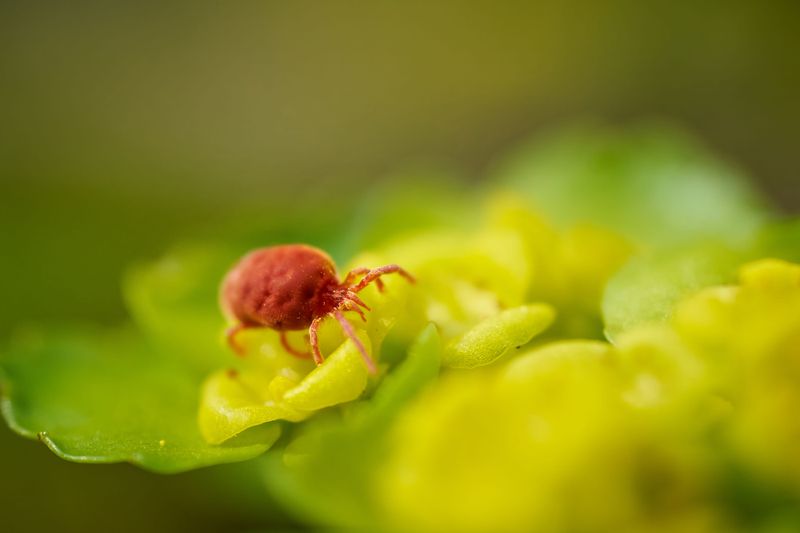
Spider mites have a remarkable ability to find the weakest plant in any yard. Heat-stressed plants emit different chemical signals than healthy ones. Mites pick up on those signals and flock toward the most vulnerable targets.
A plant dealing with heat stress is already burning through its energy reserves. It cannot spare resources to produce defensive chemicals or repair damaged tissue. Mites exploit that exhaustion with notable efficiency.
Roses, tomatoes, beans, and ornamental shrubs are among the most common mite targets in Nevada yards. All of them struggle in extreme heat. All of them become significantly more susceptible to infestation when summer temperatures peak.
Grasshopper and spider mite problems across Nevada yards often overlap on the same plants. Grasshoppers weaken plants through feeding damage.
Mites then move in to feed on the already compromised tissue. The double assault can severely damage a plant that might have survived either pest alone.
Reflective mulch around plant bases can reduce soil temperature and slow mite movement. Silver or white mulch reflects sunlight away from roots and stems. Cooler root zones help plants maintain better overall health during heat waves.
Shade cloth during the hottest afternoon hours reduces plant stress dramatically. Even partial shading between noon and four in the afternoon helps. Less heat stress means stronger plants with more natural resistance to pests.
Consistent fertilization with balanced nutrients keeps plant defenses stronger. Avoid high-nitrogen fertilizers during heat waves, as they push soft new growth that mites love. A steady, moderate feeding schedule builds tougher, more resilient plants.
8. Hot Spells Extend The Breeding Season Length
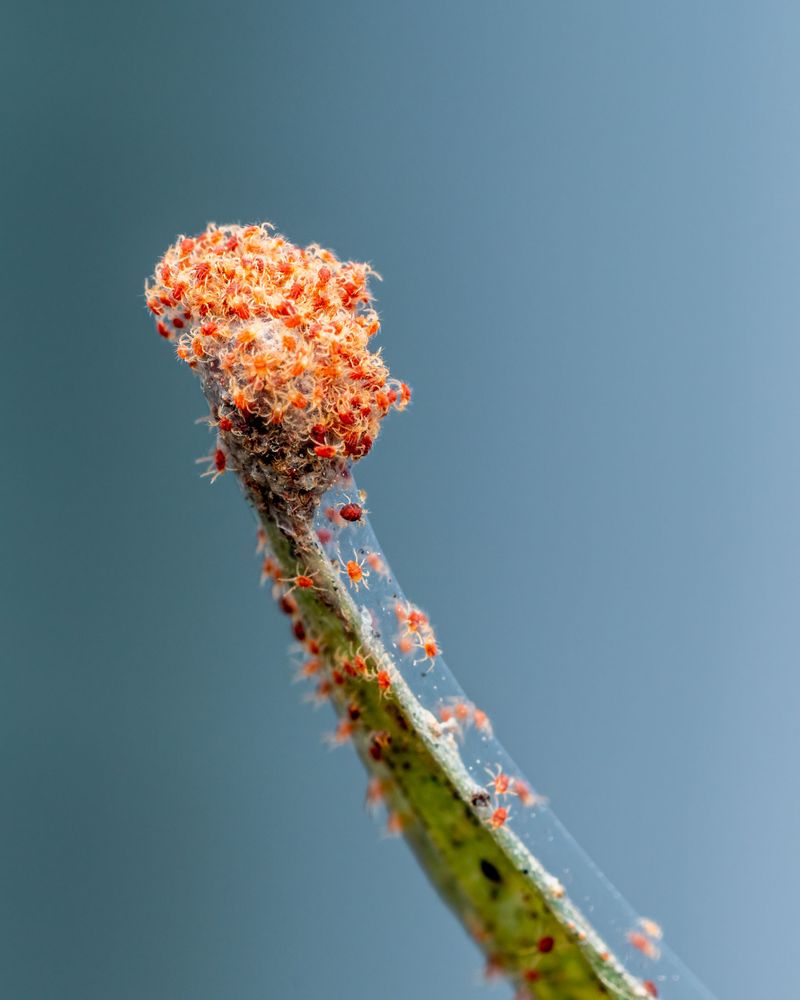
Summer used to have a natural endpoint for pest activity. Cooler fall temperatures would slow reproduction and eventually shut it down. Now, with longer and hotter summers, that endpoint keeps moving further into the year.
Extended hot spells give both grasshoppers and spider mites more time to breed. More breeding cycles mean more generations per season. More generations mean higher populations and more damage to yards and gardens.
Grasshoppers that would normally stop reproducing in September now sometimes continue into October.
Mites that once slowed down in late summer keep going as long as warmth persists. The pest season in Nevada is genuinely getting longer.
Grasshopper and spider mite pressure across Nevada yards does not always peak and fade the way it once did. Gardeners who used to get relief by late August now find themselves dealing with infestations well into fall.
Planning for a longer pest season is now a necessity. Rotating your pest management strategies throughout the season prevents resistance from building up. Using the same spray repeatedly gives pests a chance to adapt.
Alternating between neem oil, insecticidal soap, and spinosad keeps your approach effective longer. Planting pest-resistant varieties of vegetables and flowers adds another layer of protection.
Many seed companies now label varieties specifically bred for heat and pest tolerance. Choosing those plants is one of the smartest investments a Nevada gardener can make.
Staying consistent with monitoring, watering, and treatment through the full season is the key to managing this pest pressure effectively. Pests thrive on neglect and inconsistency.
Steady attention to your yard is the most powerful tool you have against summer heat-driven pest surges.