Aloe Vera Thrives In Nevada With This Simple Watering Routine
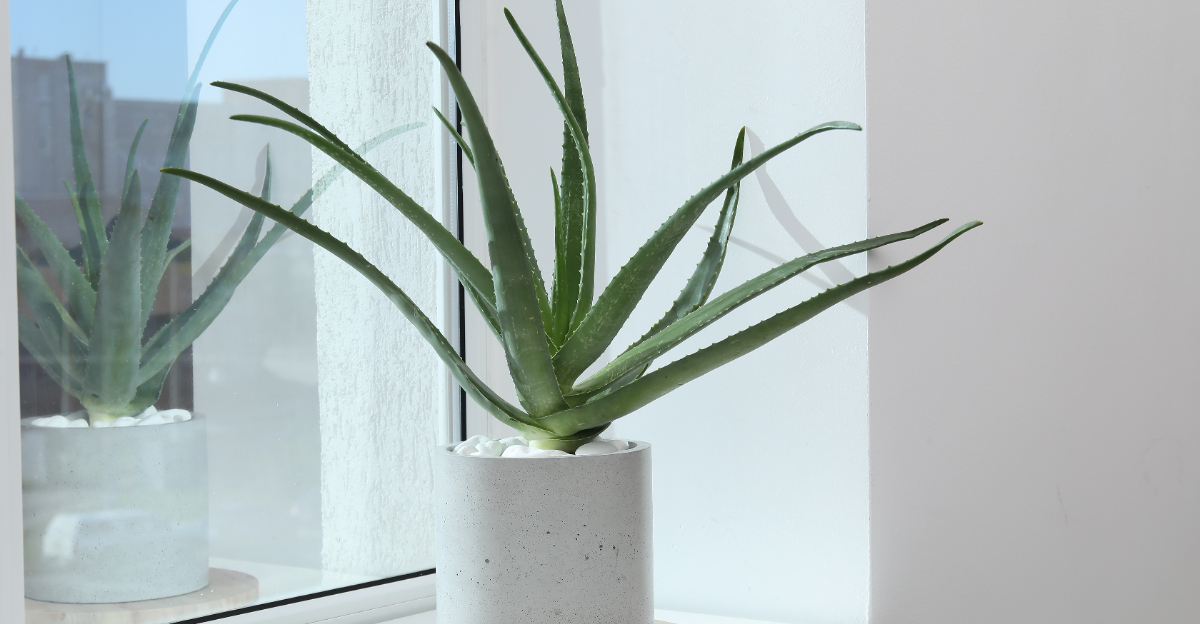
Aloe vera looks tropical, yet Nevada’s dry heat suits it better than almost any climate. Low humidity and bright sun mimic the rocky terrain this succulent evolved in, letting its leaves store water without rotting.
The real threat to a Nevada aloe isn’t the triple-digit afternoons. It’s the hose, since overwatering waterlogs the roots long before the sun ever gets the chance to stress the plant.
Skip a week, check the soil, and resist the urge to treat aloe like a thirsty houseplant. This one thrives on neglect, not attention, and every gardener who learns that lesson early saves themselves a rotted root ball later.
Nail the watering schedule and the reward shows up fast: plump, silvery-green leaves with a waxy sheen that catches the desert light just right.
Deep, Infrequent Watering Mimics The Desert’s Natural Rhythm
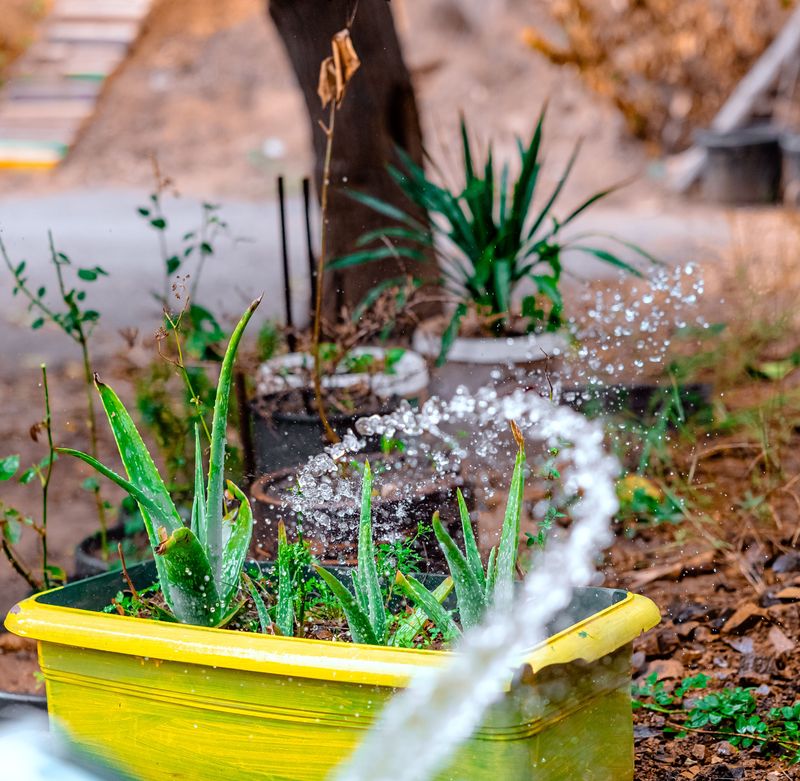
Aloe vera did not evolve in a rainforest. It grew up in places where rain came hard, fast, and then disappeared for weeks.
That backstory matters because it tells you exactly how to water your plant. Shallow, frequent sips confuse aloe and keep its roots weak and shallow.
Deep watering pushes moisture far down into the soil. The roots chase that water downward, growing strong and anchored in the process.
In Nevada, one good soak every ten to fourteen days during spring and fall is usually plenty. Summer dormancy actually stretches that window out, not in.
When you water, soak the soil fully using the method that fits your setup, whether that’s top or bottom watering. A thorough soak either way is your signal that the roots got a proper drink.
Skipping a week feels wrong at first, especially if you are used to babying houseplants. Trust the process, because aloe actually sulks when it gets too much attention.
The aloe vera watering routine that works best mirrors what happens naturally in arid climates. Flood the soil, then walk away and let it dry completely before returning.
Think of yourself less as a caretaker and more as a rainstorm. Show up powerfully, deliver what the plant needs, and then disappear for a while.
That rhythm builds resilience, and resilient aloe is gorgeous aloe. Once you nail the timing, everything else about growing this plant gets easier.
Checking Soil Dryness Beats Any Fixed Schedule
Forget the calendar for a second. Your soil is a better clock than any app or reminder you set on your phone.
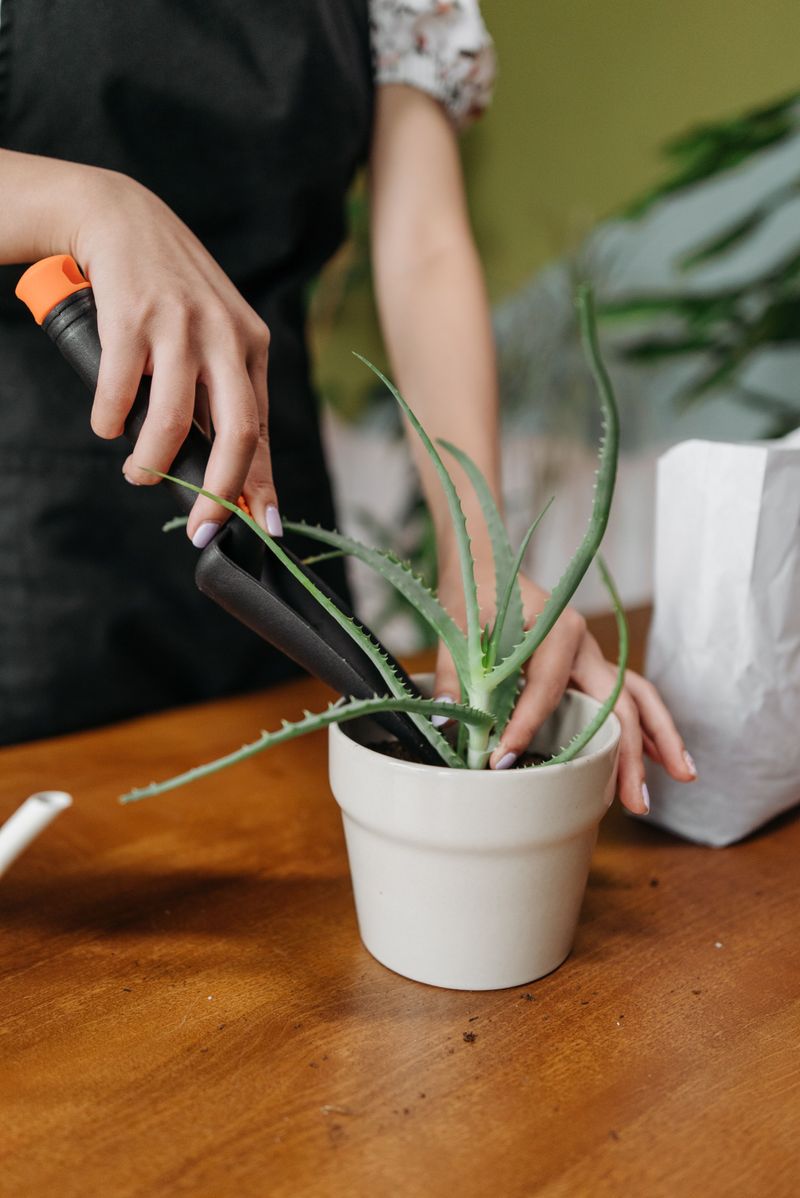
Sticking your finger two inches into the potting mix tells you more than any schedule ever could. If it feels even slightly cool or damp, put down the watering can and walk away.
Nevada homes can vary wildly in humidity, especially between a shaded north-facing room and a sun-blasted south window. Those conditions change how fast soil dries out, sometimes by several days.
A fixed watering schedule ignores all of that real-world variation. Checking the soil manually keeps you responsive to what your plant actually needs right now.
Your Nevada Garden Changes Every Week. Your Plan Should Too.
Gardening in Nevada changes quickly throughout the season. Every Friday you’ll receive a simple weekly plan showing exactly what to plant, prune, fertilize, harvest, and protect so you never miss the right timing.
Dry soil feels light, powdery, and pulls away slightly from the pot edges. Wet soil feels heavy, dense, and clings to your finger like damp sand.
You can also lift the pot after watering and again a week later. The weight difference between a soaked pot and a dry one is surprisingly dramatic.
Some growers use a wooden chopstick pressed two inches deep into the mix. If it comes out clean and dry, watering time has arrived.
The aloe vera watering routine succeeds when you stay curious and observant. No two pots dry out at the exact same rate, even in the same house.
Learning your plant’s personal rhythm takes about a month. After that, you will barely have to think about it at all.
Bottom Watering Prevents Sunburned, Waterlogged Leaves
Pouring water directly onto aloe leaves in Nevada’s blazing sun is a recipe for brown, crispy patches. Wet leaves in direct sun are more prone to scorch marks, especially on succulent tissue.
Bottom watering sidesteps that problem. You simply set the pot in a shallow tray of water and let the soil drink from below.
Roots pull moisture upward through the drainage holes, which encourages them to grow downward toward the water source. That downward growth makes for a sturdier, more drought-tolerant plant overall.
Leave the pot in the tray for about thirty minutes, then lift it out and let excess water drain away. Avoid letting aloe sit in standing water overnight, because soggy roots rot fast.
This method also keeps the top layer of soil drier, which discourages fungus gnats from moving in. Those tiny pests love moist topsoil, and bottom watering denies them their favorite habitat.
One tradeoff is that minerals and salts from tap water tend to accumulate near the soil surface instead of washing out the bottom. That buildup can burn roots over time in ways you might not notice until real damage is done.
Nevada tap water tends to be hard and mineral-heavy, making this especially relevant for local growers. Occasional top watering once a month helps flush any accumulated salts out through the drainage holes.
Bottom watering feels a little unconventional at first. Once you see how much healthier your leaves look, you likely won’t want to go back to splashing from the top.
Nevada Summers Push Aloe Into A Resting Phase
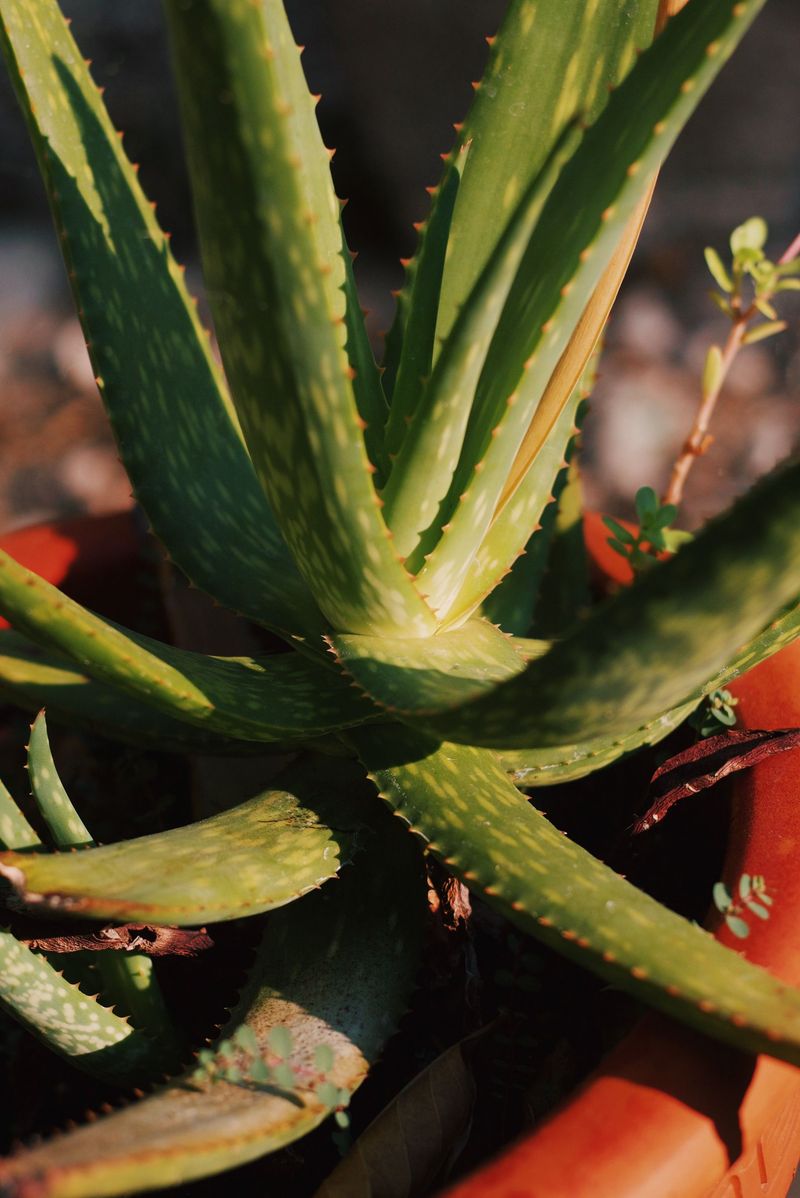
Here is something that surprises most new aloe growers: extreme heat slows aloe down rather than speeding it up. When temperatures climb above 100 degrees, the plant shifts into a low-energy resting mode.
During this phase, aloe stops actively growing and focuses on survival instead. Its water needs actually drop, even though the air feels brutally hot and dry.
Watering more during a Nevada summer feels logical, but it is one of the most common mistakes desert gardeners make. Overwatering a resting plant waterlogs roots that are barely processing moisture.
Scale back to watering once every two to three weeks during peak summer heat. Watch the leaves rather than the thermometer for your best cues.
Leaves that look slightly thinner or show faint vertical lines may be signaling mild thirst. Leaves that look yellow or mushy are screaming that they got too much water.
Moving potted aloe to a spot with bright indirect light during the hottest months also helps. Direct afternoon sun above 105 degrees can stress even the toughest desert plant.
East-facing patios or shaded south walls work beautifully for summer placement. Morning sun energizes the plant, and afternoon shade protects it from the most intense heat of the day.
Think of summer as a quiet season for your aloe, not a crisis to manage. Respect the rest cycle, and the plant will surge with fresh growth once fall temperatures arrive.
Well-Draining Soil Makes Or Breaks This Routine
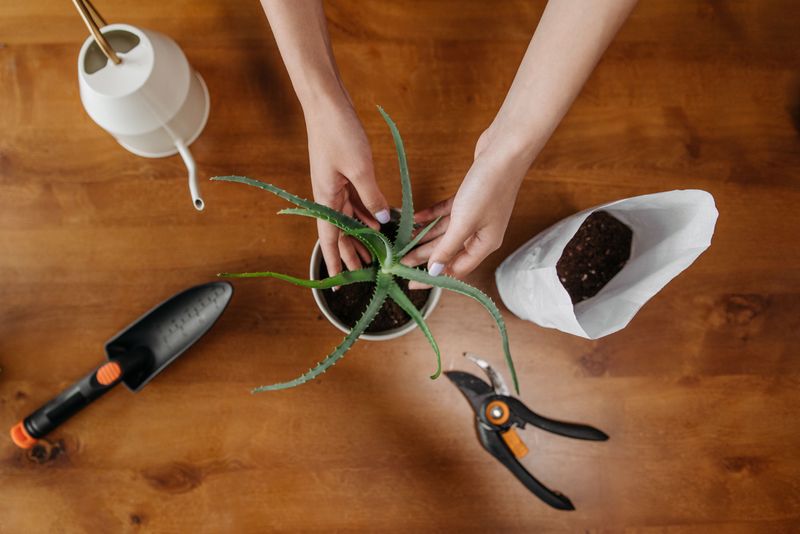
Even the most perfectly timed watering routine fails if the soil holds moisture like a sponge. Aloe roots need air pockets between waterings, and dense soil chokes off the air roots need.
Standard potting mix is too rich and too water-retentive for aloe. It stays damp for days longer than the plant can tolerate without root damage creeping in.
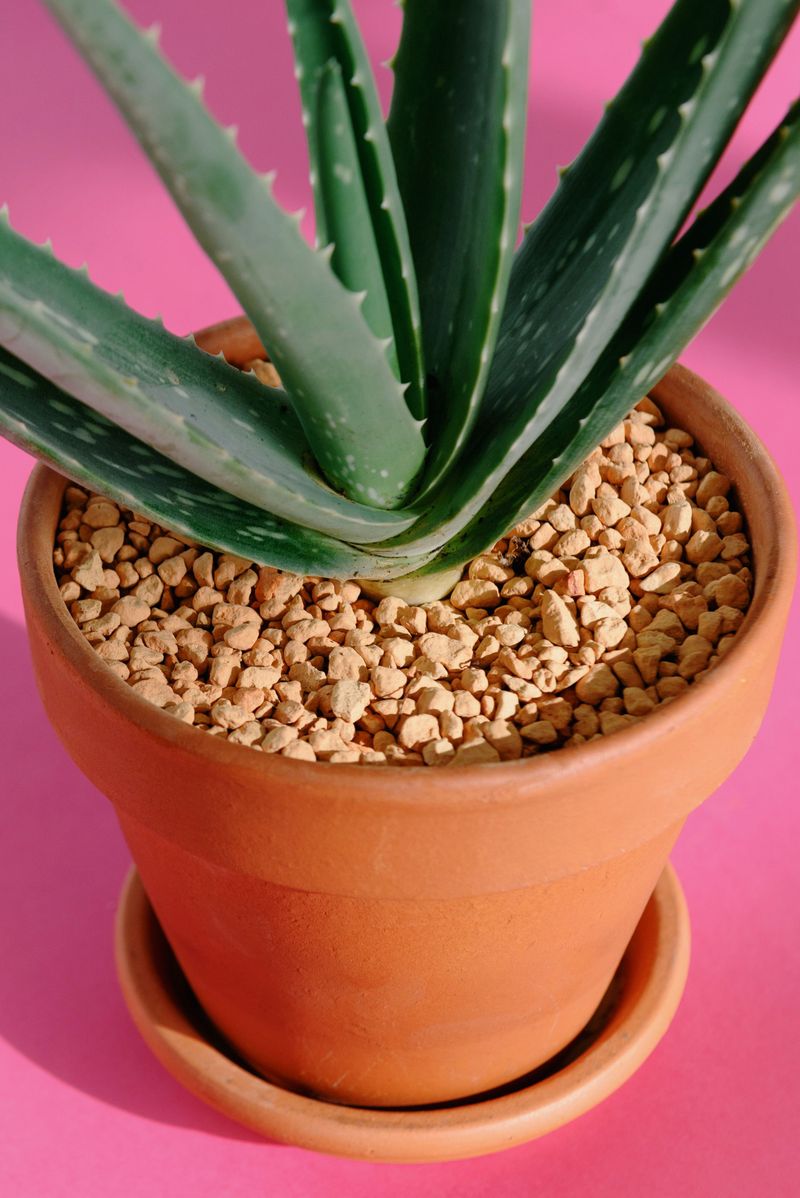
A cactus and succulent mix is the starting point, but adding perlite takes it to the next level. A blend of fifty percent cactus mix and fifty percent perlite drains fast and stays airy.
Coarse sand also works as an additive, though it is heavier than perlite and can compact over time. Perlite stays light and porous through many watering cycles without breaking down.
The pot itself matters just as much as the soil inside it. Terracotta pots are legendary among succulent growers because they pull moisture away from the soil through their porous walls.
Plastic pots hold moisture longer, which works fine in dry climates only if you are especially disciplined about watering frequency. In Nevada, terracotta gives you a helpful buffer against accidental overwatering.
Drainage holes are essential, no way around it. A pot without drainage traps water at the bottom, and aloe roots sitting in that hidden pool will rot before you ever notice a problem.
Getting the soil right transforms the aloe vera watering routine from a guessing game into a reliable system. Healthy soil is the foundation everything else is built on.
Wrinkled Leaves Signal Thirst, Not Neglect
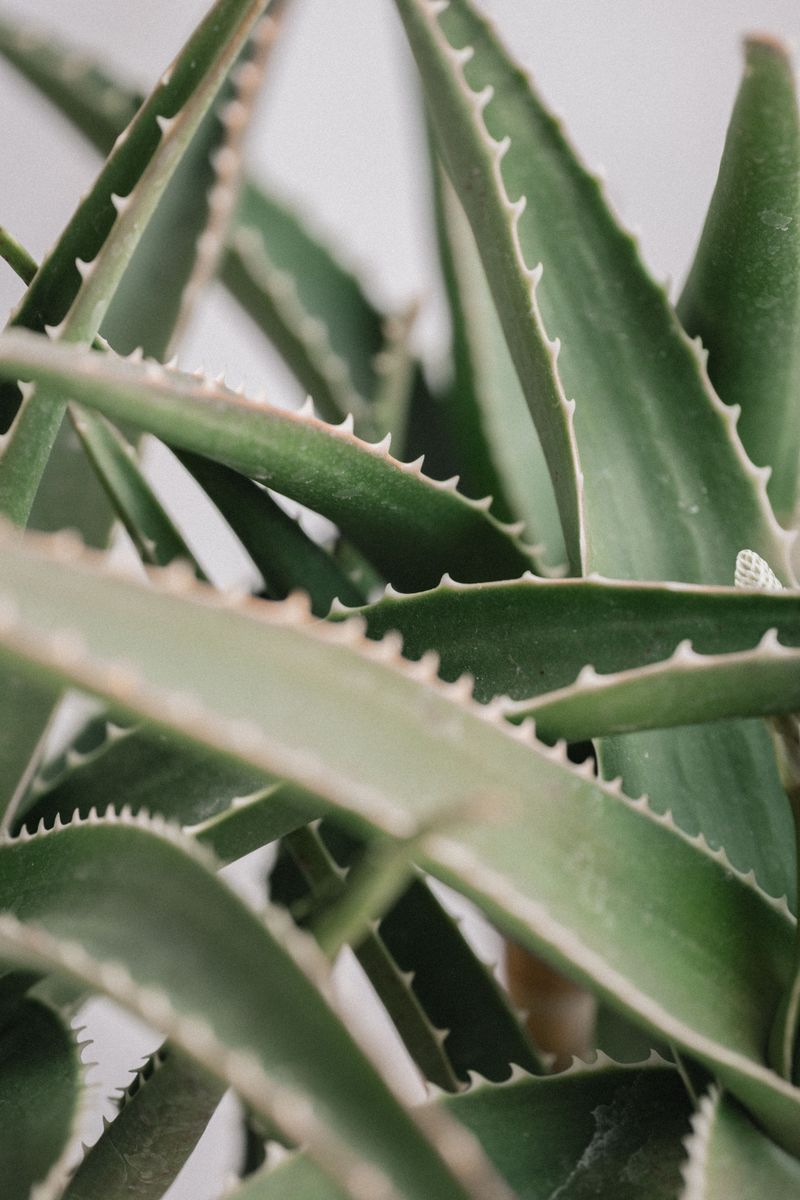
Wrinkled aloe leaves have a way of sending new growers into a panic. Wrinkling is simply your plant talking, not a sign of lasting damage.
Aloe stores water inside its thick leaves, and that stored moisture is the first thing it taps when the soil runs dry. As those reserves deplete, the leaves lose their plump, firm shape and start to look slightly deflated.
That visual cue is actually one of the most useful tools in your growing toolkit. It tells you clearly that watering time has come, with very little guesswork involved.
Give the plant a deep, thorough soak and watch what happens over the next twenty-four to forty-eight hours. The leaves will plump back up, and the plant will look refreshed and satisfied.
Wrinkling that does not recover after watering points to a different problem, usually root rot from previous overwatering. Rotted roots struggle to transport moisture upward, regardless of how much water you add.
If recovery does not happen within two days, unpot the plant and check the roots. Healthy roots are white or light tan, while rotted ones appear brown, mushy, and may smell unpleasant.
Trim away any damaged roots with clean scissors, let the plant dry for a day, then repot in fresh, well-draining mix. Most aloe plants bounce back from root rot if you catch it early enough.
The aloe vera watering routine works beautifully when you stay tuned in to what the leaves are telling you. Wrinkles are a message, and now you know how to read them.