How to Adjust Arizona Citrus Irrigation in October
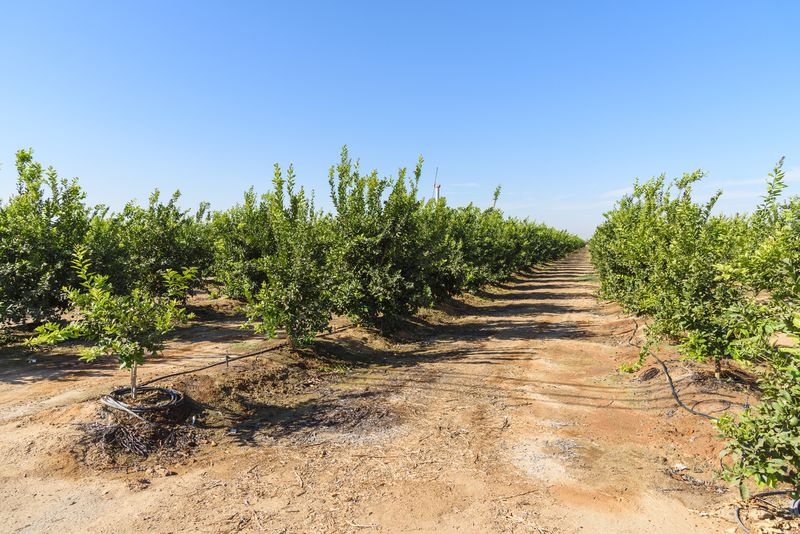
When the first cool mornings arrive in the low desert, your citrus trees start needing a different kind of care. Water is the big piece of that change.
Many owners either keep the summer routine going or shut the hose off too soon. A few simple checks can help you find a better middle ground.
Adjust October irrigation instead of carrying over the summer schedule
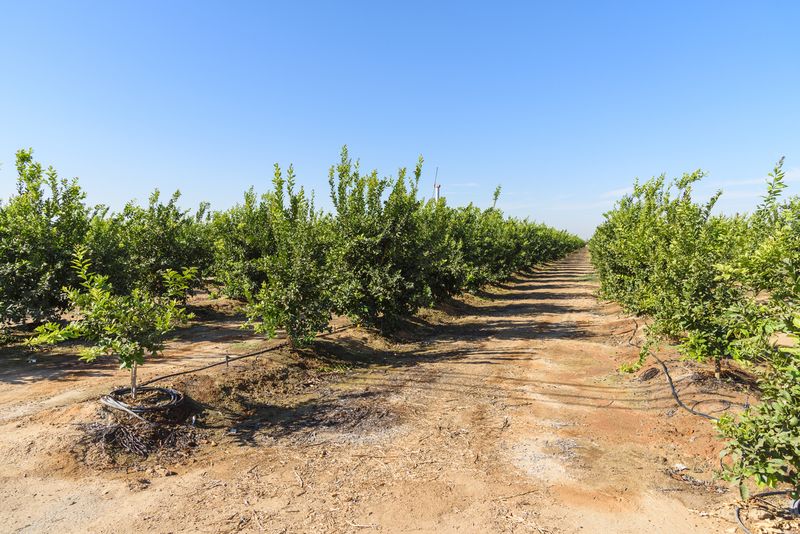
Cooler air means citrus trees lose less water through their leaves, so the summer watering rhythm usually stops fitting. Arizona guidance says to change how often you water in October.
The Pima County October gardening guide points to frequency, not the length of each watering, as the thing to change.
That is a seasonal adjustment, not a reason to stop. Trees still need regular deep drinks, and University of Arizona citrus irrigation guidance says the right schedule depends on soil, weather, tree age, and watering method.
You may have seen claims that one October slip costs owners half of their winter fruit. Nothing in the Arizona guidance backs up a 50 percent loss, a single October cause, or a statewide effect.
The goal here is simpler: support the tree and the fruit already hanging on it, without promising any particular harvest.
Use the established-tree interval as a starting point
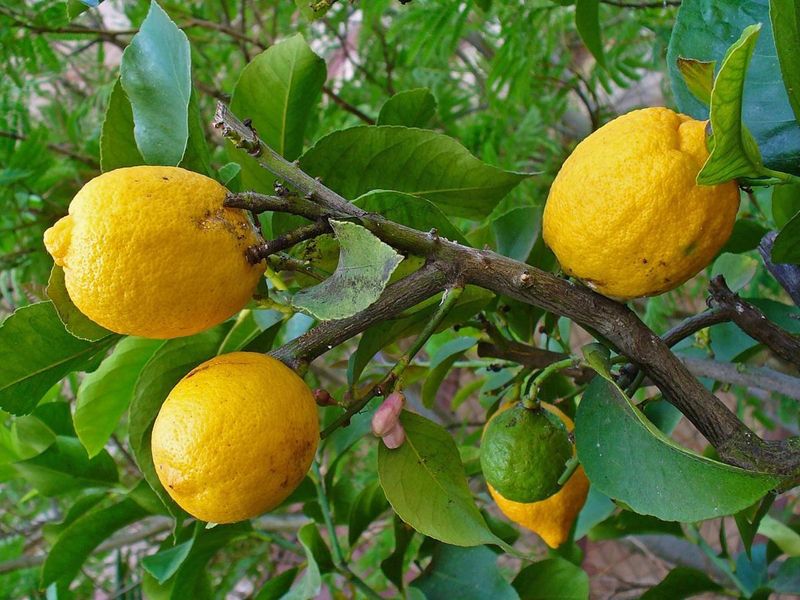
For trees three years old or older, the University of Arizona irrigation table lists roughly 14 to 21 days between waterings in October and November. Think of that range as a place to begin, not a rule to follow blindly.
Younger trees have smaller root systems and are not covered by that established-tree range, so they often need a closer look and more frequent checks.
Several things can nudge your number up or down. Sandy soil drains fast, while heavy or caliche-layered soil holds water longer.
A stretch of unusually warm days may call for earlier watering, and a soaking rain can let you skip a round. Drip lines, basins, and flood irrigation also deliver water differently.
A Tucson yard and a Yuma yard will not land on the same calendar, so try the range, watch what happens, and adjust.
Water deeply, then let the soil dry
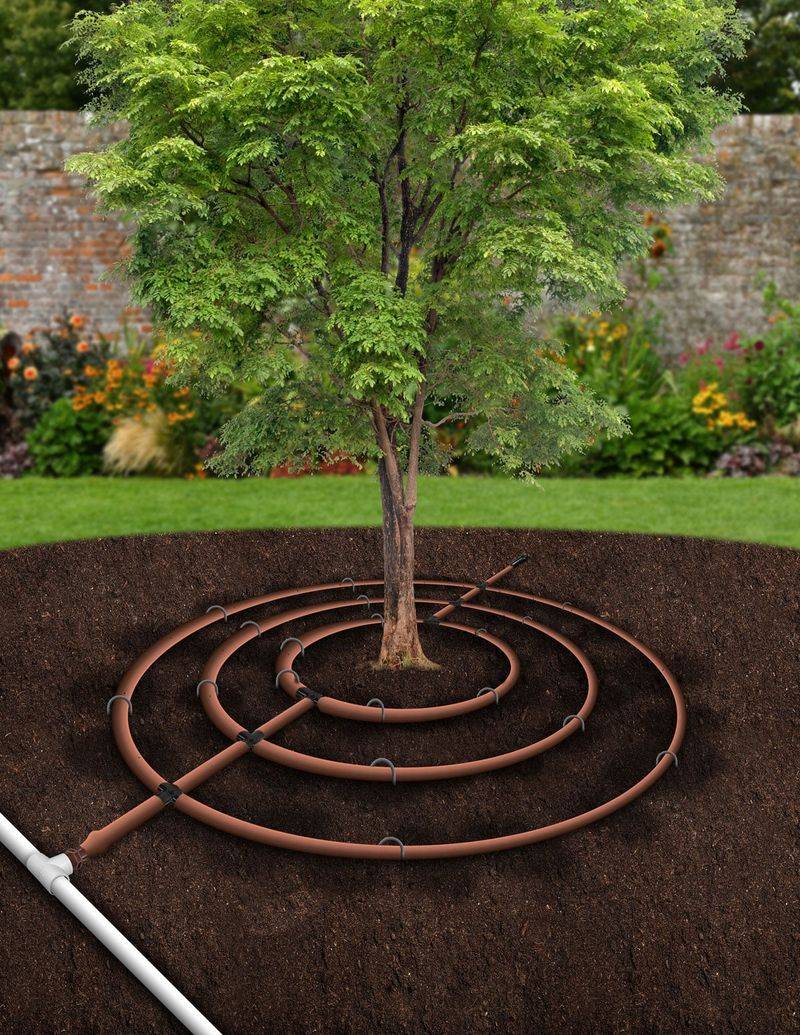
When a watering day comes, the aim is depth. Extension advice is to wet the soil from near the trunk out past the drip line, reaching at least two feet down.
That is where the working roots live.
A quick sprinkle at the surface does not get there. Short, frequent sessions wet only the top layer, which dries out fast and encourages shallow roots.
After a deep soak, give the soil room to breathe. The guidance says to let about six inches of soil dry before irrigating again.
A long screwdriver or a soil probe makes this easy to check: if it slides in easily and comes out damp, wait a bit longer.
Drip systems may need longer runs to reach that depth, and you may need to move emitters outward as the tree grows.
Use tree and soil signs to refine the schedule
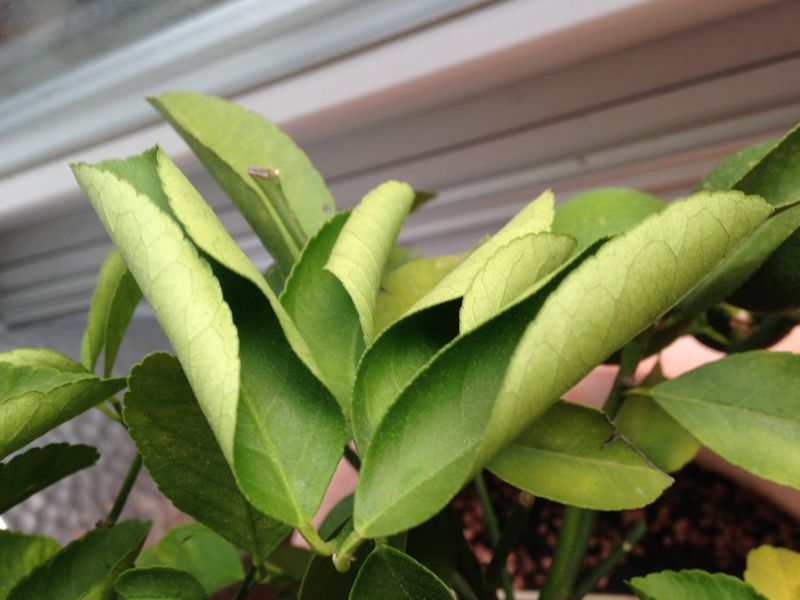
Your tree will often tell you how it is doing. Dry spells can first show up as smaller fruit, which is hard to spot.
Your Arizona Garden Changes Every Week. Your Plan Should Too.
Gardening in Arizona changes quickly throughout the season. Every Friday you’ll receive a simple weekly plan showing exactly what to plant, prune, fertilize, harvest, and protect so you never miss the right timing.
Curling leaves are usually easier to notice.
If stress continues, trees can drop leaves and fruit, according to the same University of Arizona guide. Treat these as warning signs rather than a precise test, since other problems can cause similar symptoms.
Before you change anything, push a probe or trowel into the soil under the canopy. Damp soil at depth means you can wait.
Dry soil well below the surface suggests the interval is too long.
An odd September or October bloom may hint that the tree struggled through summer. It is a cue to review your routine for next year, not a cause for alarm.
Keep notes on dates and conditions so you can fine-tune the schedule.
Fall care cannot reverse spring fruit drop
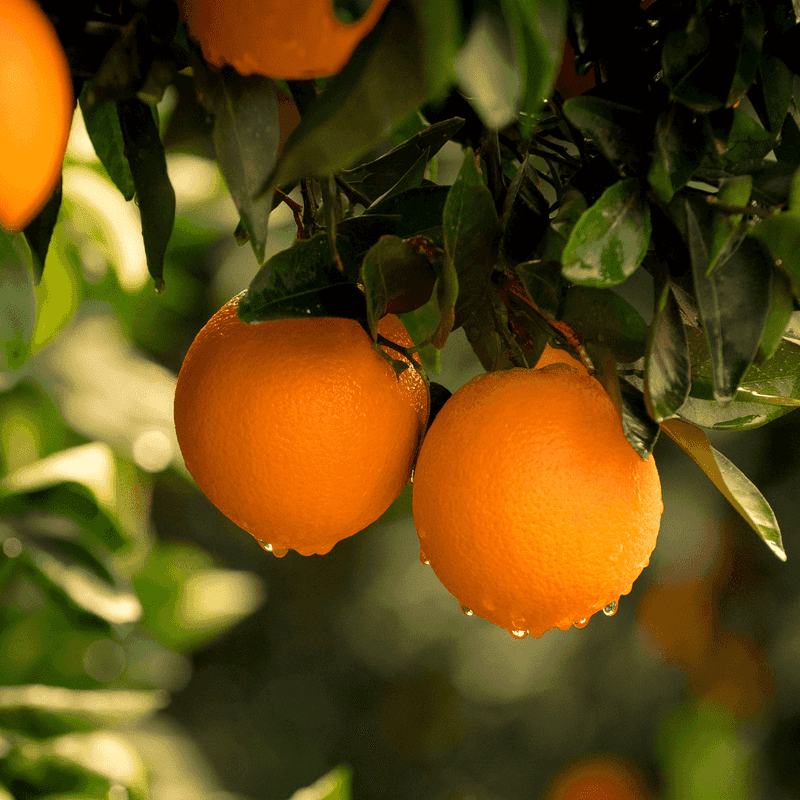
Good October watering helps the fruit still on the tree, but it cannot bring back fruit that dropped months earlier. Timing matters here.
Arizona guidance on oranges for southern Arizona names hot spring weather during bloom and fruit set, along with too little spring irrigation, as drop risks for navel oranges. That finding is specific to navels and, to a lesser degree, early sweet oranges, so it should not be stretched to every citrus type.
It also is not an October story. If your tree lost a lot of fruit in spring, the cause was probably back then.
October irrigation is better seen as ongoing support. Steady moisture helps a tree carry what it has, but it does not set next year’s crop or guarantee any percentage of fruit.
For next season, plan your spring watering early, before the heat arrives.
Make a simple October irrigation check
Start by looking at your current schedule as the weather cools. If it still matches July, it is probably due for a change.
Try an interval near the 14 to 21 days listed in Arizona’s citrus irrigation guidance for established trees, then adjust for your soil, recent rain, and tree age.
When you do water, soak deeply and let the soil dry before the next round. Adjust how often you water rather than how long each session runs, as the Pima County October checklist advises.
Check leaves and soil between waterings, and skip a round after a good rain.
Good irrigation supports your trees but cannot promise a particular winter harvest, and nothing here backs the idea that one October error halves a crop. Steady, thoughtful watering is a quiet habit that pays off all season.