5 Secret Plant Boosters Arizona Gardeners Use For Bigger Fall Vegetable Harvests
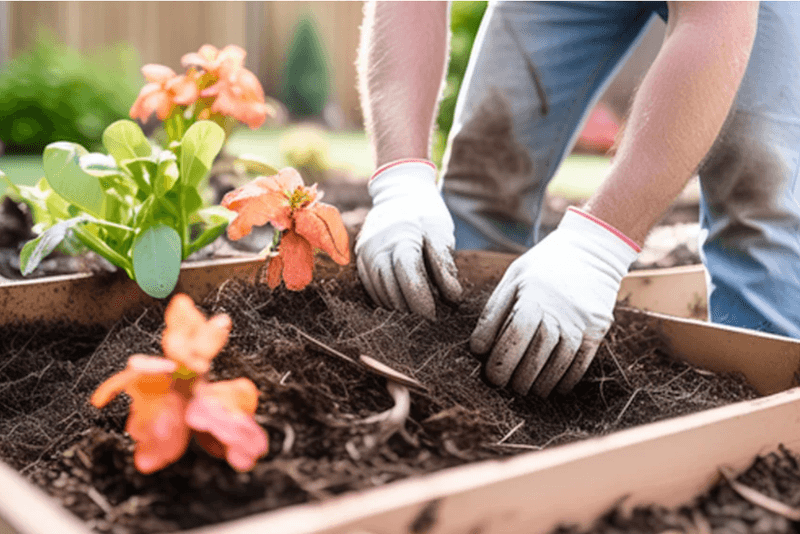
Growing vegetables in the low desert can feel like a battle against blazing sun, rock-hard caliche soil, and precious little water. But savvy Arizona gardeners know a handful of tricks that turn a struggling garden into a fall powerhouse.
These five boosters work with the desert instead of against it, giving your tomatoes, peppers, and greens the strong start they need. Get ready to fill your basket this fall.
1. Enriching Soil With Alfalfa Hay and Organic Matter
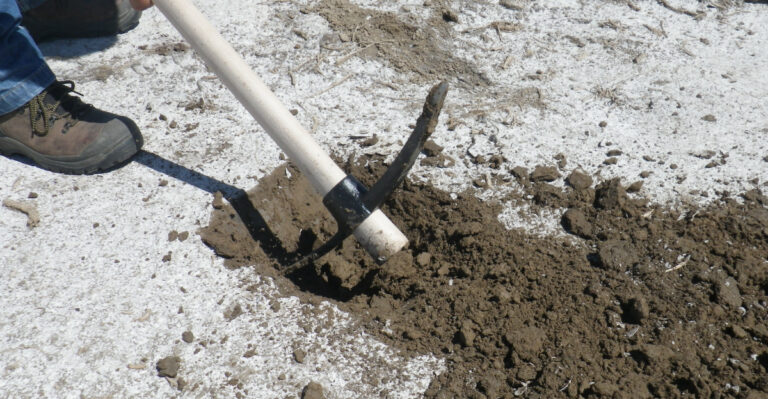
Desert soil rarely does gardeners any favors. Alkaline, compacted, and packed with caliche, it fights root growth every step of the way.
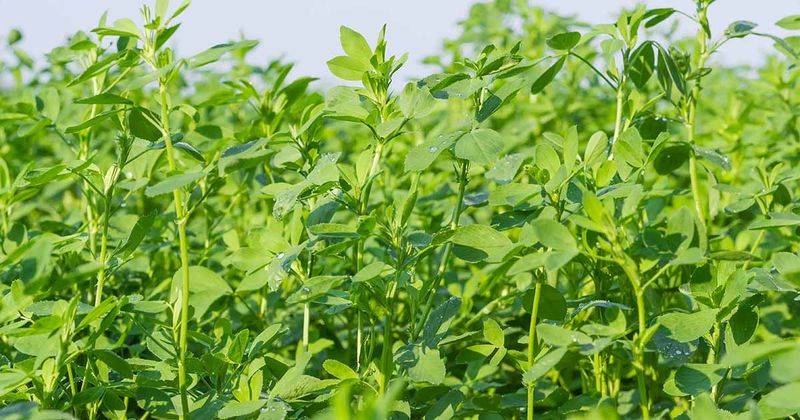
That’s exactly why alfalfa hay has become a quiet hero in Phoenix and Tucson gardens.
Lightly worked into the top two inches of soil, alfalfa slowly breaks down and releases a steady stream of nitrogen right where your fall veggies need it. It also feeds beneficial microorganisms and helps nudge stubborn alkaline pH toward a friendlier range.
Compost and aged manure pull their weight here too, loosening tight ground so water soaks in instead of running off. Better structure means roots can stretch, breathe, and drink more efficiently during those still-warm October days.
Fun tidbit: alfalfa contains a natural growth stimulant called triacontanol, which many longtime desert growers swear gives seedlings an extra push. Spread a thin layer, scratch it in, and water it down before planting.
You’ll be rewarding your leafy greens and root crops with a living, nutrient-rich foundation. In a region where soil is often the biggest obstacle, this simple amendment quietly sets the stage for a heavier harvest.
2. Nitrogen-Fixing Cover Crops Like Black-Eyed Peas and Sunn Hemp
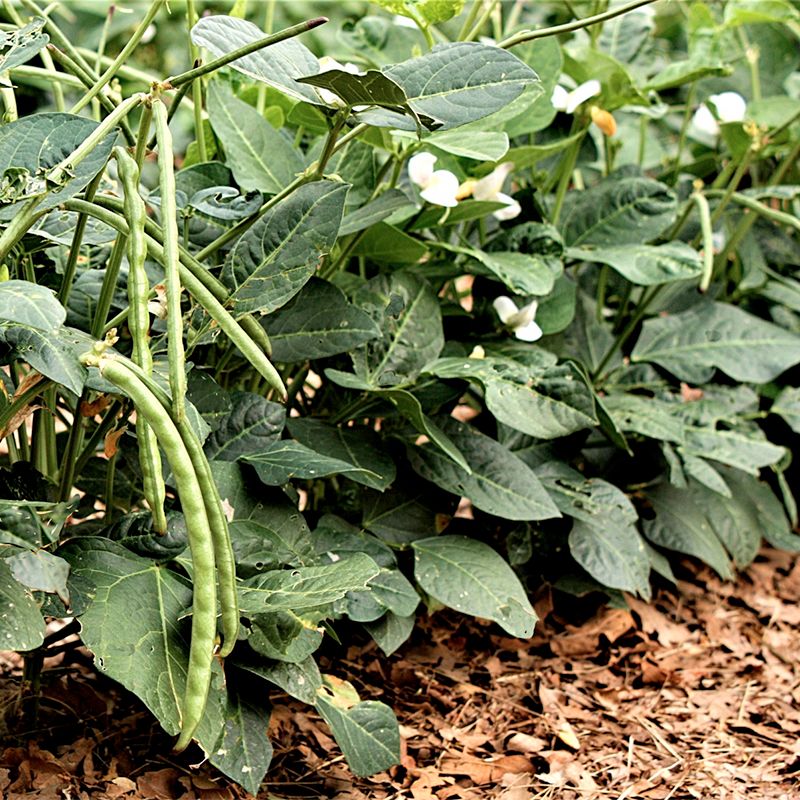
There’s a clever move that happens in the gap between the summer harvest and fall planting, and most passersby would never guess what it’s doing. Cover crops like black-eyed peas and sunn hemp are quietly rebuilding the soil for free.
Both are warm-season legumes, perfectly suited to the leftover heat of an Arizona August. As they grow, tiny nodules on their roots pull nitrogen from the air and lock it into the ground, essentially fertilizing your future garden without a single bag of synthetic feed.
Sunn hemp is a real workhorse, shooting up fast and adding loads of green matter you can chop and drop before it sets seed. Black-eyed peas do double duty, feeding the soil while giving you an edible bonus if you let a few pods mature.
When you turn these plants under, they decompose into rich organic matter that improves texture and holds moisture through dry spells. The result is soil that stays fertile season after season.
For gardeners who care about sustainability and water-wise habits, cover cropping is one of the smartest, lowest-effort boosters around. Plant them, let them work, then plant your fall crops in ground that’s genuinely refreshed.
3. Strategic Companion Planting With Rosemary, Borage, and Dill
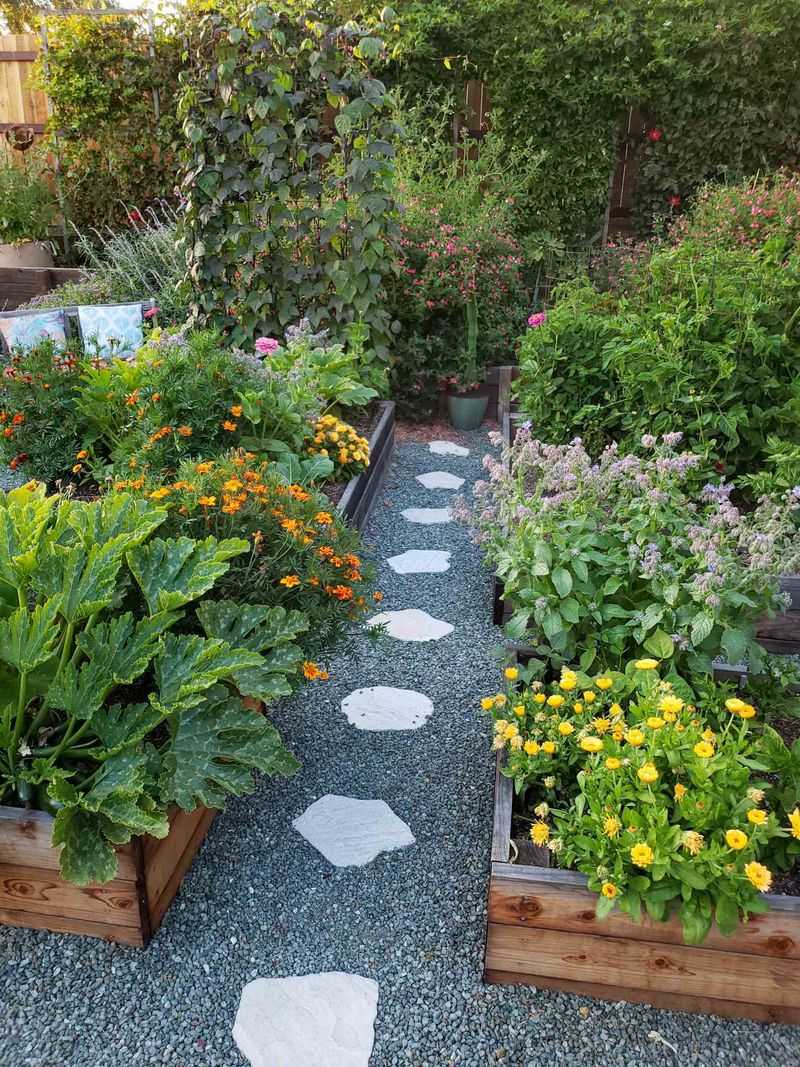
Imagine a garden that defends itself and invites in helpful visitors, all without a drop of pesticide. That’s the magic of companion planting, and it thrives in the desert when you pick the right partners.
Your Arizona Garden Changes Every Week. Your Plan Should Too.
Gardening in Arizona changes quickly throughout the season. Every Friday you’ll receive a simple weekly plan showing exactly what to plant, prune, fertilize, harvest, and protect so you never miss the right timing.
Tuck herbs like rosemary, cilantro, dill, and thyme among your vegetables, and something shifts. Their strong scents confuse and discourage many common pests, while flowers such as borage and cosmos roll out the welcome mat for bees and other pollinators your fruiting crops depend on.
Rosemary deserves a special shout-out. It laughs off Arizona heat, needs little water, and stays evergreen, making it a reliable anchor plant that may help keep certain insects less interested in your tomatoes and peppers.
Borage is another gem, often called the bee magnet for good reason. More pollinator traffic can mean better fruit set, which translates directly into a fuller basket come harvest time.
The beauty here is how functional it feels. You’re not just decorating rows; you’re building a small ecosystem where plants support one another.
Pair thoughtfully, and your fall garden becomes a busier, healthier, more productive place with far fewer headaches from hungry bugs.
4. Efficient Drip Irrigation and Deep, Infrequent Watering
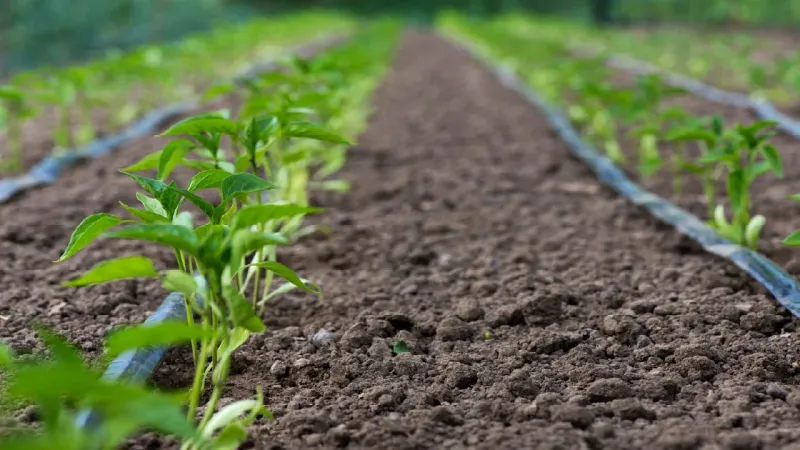
Water is liquid gold in Arizona, and how you deliver it can make or break your harvest. Drip irrigation has earned its reputation as the smartest way to keep desert gardens thriving.
Instead of spraying water into the hot air where it evaporates in seconds, drip lines send moisture straight to the root zone. Less waste, less runoff, and far more of every gallon actually reaching your plants.
Here’s the part many beginners miss: watering deeply but less often trains roots to grow down instead of hugging the dry surface. Those deeper roots make plants tougher, steadier, and better able to shrug off heat spells that would wilt a shallow-rooted garden.
Set your system to run early in the morning, before the day heats up, so plants drink before the sun steals the moisture. A layer of mulch on top slows evaporation even further.
The payoff is twofold. You conserve a precious resource while giving your vegetables the consistent hydration they crave for steady, robust growth.
In a climate this demanding, dialing in your watering rhythm might be the single most powerful booster of them all for a bigger, healthier fall harvest.
5. Shade Cloth for Heat Protection During Early Fall
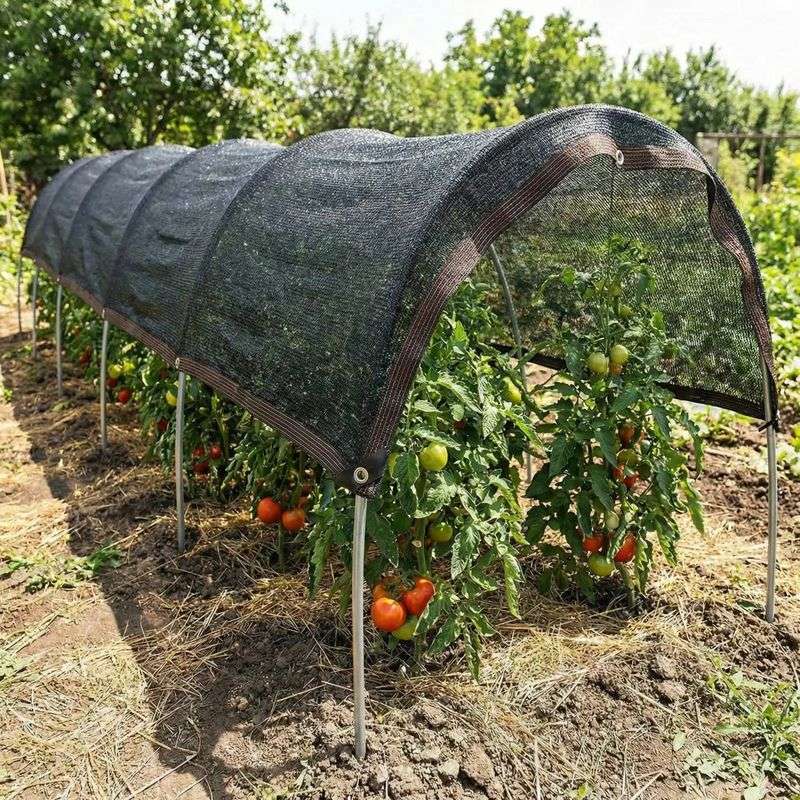
Calendar says fall, thermometer says otherwise. Anyone who gardens in the low desert knows September and early October can still sizzle past 100 degrees, and tender crops feel every bit of it.
That’s where shade cloth becomes a season-saver. Draped over hoops or a simple frame, a 30 to 50 percent cloth filters the harshest rays without starving plants of the light they need.
Warm-season favorites like tomatoes and peppers benefit enormously. Instead of scorching or dropping their blossoms in the heat, they keep setting fruit, stretching your harvest well into the cooler months.
Newly transplanted seedlings also appreciate the break. The gentler light reduces transplant shock and sunburn, helping young plants settle in and establish strong before the real autumn weather arrives.
Think of it as a temporary umbrella for your garden, easy to put up when the sun is brutal and just as easy to pull back once temperatures finally ease. It costs little and takes minutes to install.
For desert growers determined to squeeze more from every plant, shade cloth bridges that tricky gap between summer’s fury and fall’s relief, protecting your investment and boosting your yield.