The Lawn Watering Schedule Missouri Homeowners Need For Healthy Grass In July
Missouri summers shift fast once July hits, and the heat comes on strong right away. One week your yard looks fine. The next, it’s turning dry and brittle under your feet.
That shift catches people off guard every single year. Mostly it’s because the watering routine that worked in May quietly stopped working weeks ago.
Heat this intense changes what your lawn needs, and grass roots feel it before you ever notice a color change on the surface. Here’s the thing most homeowners miss: watering more isn’t the fix, watering smarter is.
A lawn in Missouri during peak summer needs a different rhythm. Timing, soil type, and how fast that afternoon sun cooks moisture out of the ground all play a part.
Skip the guesswork this month. Get the schedule dialed in, and your lawn won’t just get by. It’ll actually look like it’s thriving while everyone else’s yard gives up.
Water Deeply 1-2 Times Per Week, Early Morning
Shallow watering is one of the sneakiest ways to weaken your grass roots. When you water lightly every day, roots stay close to the surface where heat can destroy them fast.
Deep watering, done once or twice a week, trains roots to grow downward. Deeper roots find cooler, moister soil layers that protect the grass during intense July afternoons.
Aim for about one inch of water per session across your entire yard. A simple tuna can placed on the lawn can measure how much your sprinkler delivers.
Early morning is the gold standard for watering time. Temperatures are cooler, winds are calmer, and water soaks into the soil before the sun burns it off.
Watering between 5 a.m. and 9 a.m. gives your grass time to absorb moisture efficiently. Your lawn watering schedule works best when it runs consistently at the same early morning hours each week.
Skipping a session here and there is fine during cooler stretches. But in peak July heat, sticking to your schedule is what keeps the green alive and thriving.
Why July Heat And Humidity In Missouri Make Watering Timing Critical
Missouri summers bring a demanding kind of heat. July regularly climbs into the 90s, and the humidity makes it feel even worse for your grass.
Heat stress kicks in when soil temperatures rise above 85 degrees. At that point, grass slows its growth and starts pulling moisture from its own blades just to survive.
Humidity sounds like it would help, but it actually creates problems. Wet, warm air sitting on grass overnight encourages fungal disease to spread fast across your yard.
This is why the timing of your lawn watering schedule matters so much in July. Water at the wrong hour and you trade drought stress for disease problems.
Midday watering is a trap many homeowners fall into. The sun evaporates water before it reaches the roots, so your sprinkler runs but your grass gets almost nothing useful.
Your Missouri Garden Changes Every Week. Your Plan Should Too.
Gardening in Missouri changes quickly throughout the season. Every Friday you’ll receive a simple weekly plan showing exactly what to plant, prune, fertilize, harvest, and protect so you never miss the right timing.
Evening watering leaves blades wet overnight, which is exactly the environment fungal spores love. Heat and humidity in this state create conditions where poor timing costs you fast.
Knowing your local climate patterns helps you make smarter choices. A well-timed watering session can mean the difference between a thriving lawn and a patchy, stressed-out yard.
How Much Water Your Lawn Actually Needs (Cool-Season Vs. Warm-Season Grass Types)
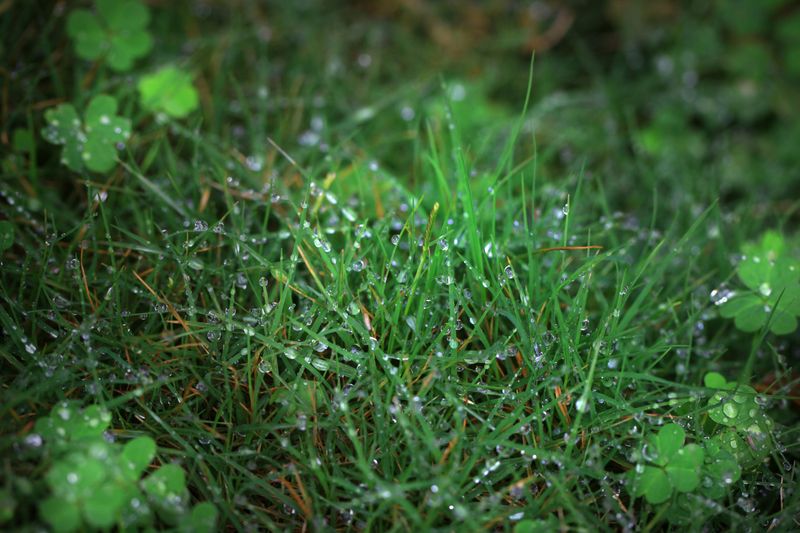
Not all grass is created equal, and Missouri lawns are a mixed bag. Knowing your grass type changes how much water you should apply each week.
Cool-season grasses like tall fescue are common across northern and central parts of the state. These grasses prefer temperatures between 60 and 75 degrees, so July is genuinely hard on them.
Tall fescue typically needs about 1 to 1.5 inches of water per week during peak summer heat, depending on soil and weather conditions. Without that amount, it goes dormant and turns tan, which looks alarming but is not permanent damage.
Warm-season grasses like zoysia and bermuda actually thrive in Missouri’s July heat. They need slightly less water, around one inch per week, because they are built for hot conditions.
Overwatering warm-season grasses causes as many problems as underwatering. Soggy soil suffocates roots and invites disease, so more water is not always better for these tough varieties.
A good rule of thumb is to check your soil moisture before turning on the sprinklers. Stick a screwdriver six inches into the ground and see if the soil feels moist or bone dry.
Your lawn watering schedule should match your specific grass type for the best results all summer.
The Best Time Of Day To Water, And Why Evening Watering Invites Fungal Disease
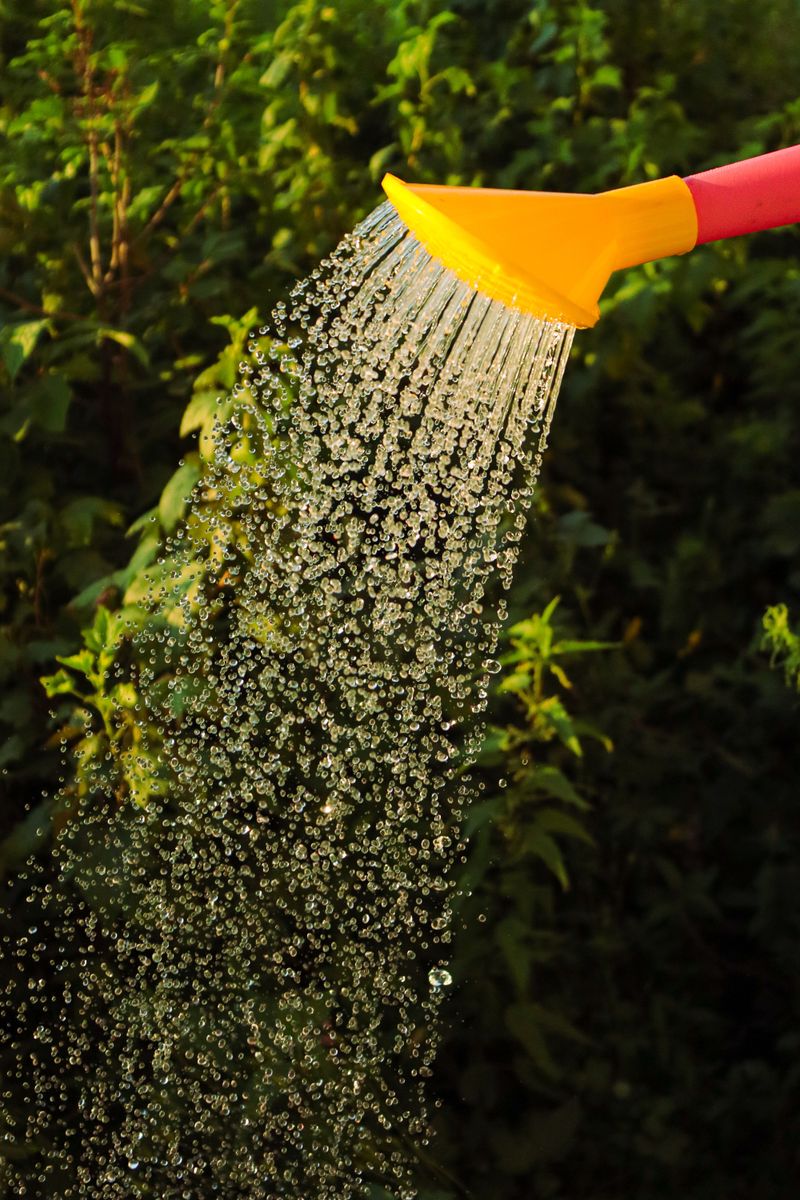
Timing your watering is just as important as how much you apply. The clock on your irrigation system could be protecting your lawn or quietly sabotaging it.
Early morning, between 5 a.m. and 9 a.m., is the absolute best window for watering. Cooler air temperatures reduce evaporation, and grass blades dry off naturally as the day warms up.
Dry grass blades during daylight hours are your first defense against fungal disease. When foliage stays wet for hours, spores have the perfect environment to germinate and spread.
Evening watering is one of the most common mistakes homeowners make in July. Grass stays wet all night long, and with Missouri’s warm, humid nights, fungal problems can develop within days.
Brown patch and dollar spot are two fungal diseases that absolutely love evening-watered lawns. Both spread rapidly in warm, moist conditions and can damage large sections of your yard fast.
Midday watering wastes water without helping your grass much at all. A significant portion of water applied during peak afternoon hours, often estimated around 30 percent, evaporates before reaching the roots.
Adjust your timer to run early, stay consistent, and your lawn watering schedule will keep fungal threats at bay all season long.
Signs Your Missouri Lawn Is Underwatered Or Overwatered In Summer
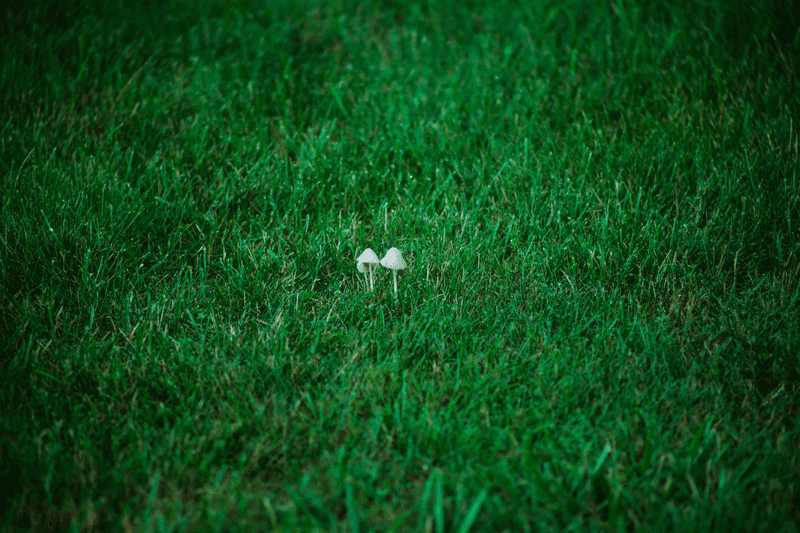
Your lawn is always talking to you. Learning to read the signs saves you from both drought damage and the less obvious problems caused by too much water.
Underwatered grass shows classic stress signals that are easy to spot once you know them. Blades will fold lengthwise, turn a dull bluish-gray color, and footprints will stay visible long after you walk across the yard.
If you step on your grass and the blades spring back up immediately, moisture levels are probably fine. But if those footprints linger for more than a few minutes, your lawn is thirsty.
Overwatering has its own set of warning signs that homeowners often misread as drought stress. Yellowing grass, a spongy feeling underfoot, and mushrooms popping up are all classic signs of too much moisture.
Soggy soil also attracts grubs, which feed on roots just below the surface. A lawn that feels mushy in spots may have root damage from both overwatering and insect activity combined.
Checking soil moisture before each watering session takes about 30 seconds with a screwdriver or soil probe.
This simple habit helps you stop guessing and start responding to what your lawn actually needs. Trust the grass, not just the calendar, to guide your watering decisions in July.
How To Adjust Your Watering Schedule During Drought Or Heat Advisories
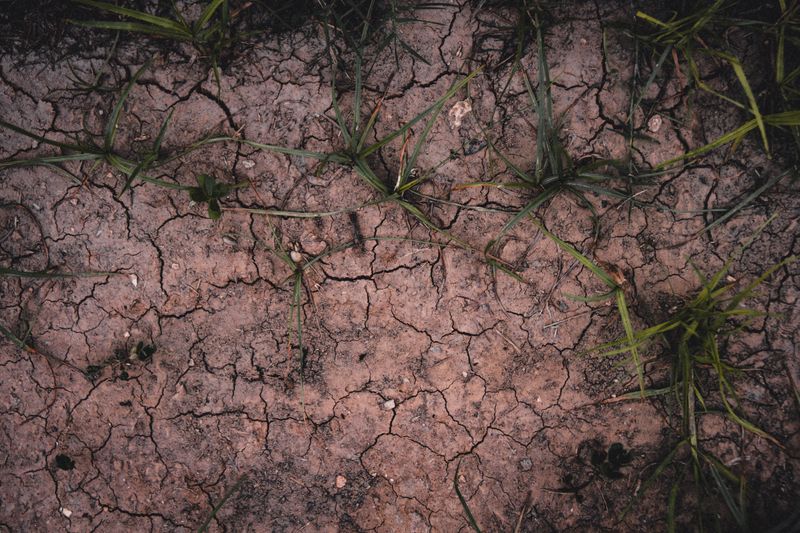
Drought warnings and excessive heat advisories are not rare in Missouri summers. When they hit, your normal watering routine needs a quick and smart adjustment.
During a heat advisory, soil dries out faster than usual because evaporation rates spike. You may need to add a third watering session that week to compensate for that extra moisture loss.
However, many municipalities issue water restrictions during drought conditions. Always check with your local water authority before increasing your usage during a declared drought period.
When restrictions limit outdoor watering, focus on keeping your grass alive rather than looking perfect. Water deeply during your allowed window to push moisture as far down into the root zone as possible.
Letting warm-season grasses like zoysia go slightly dormant during extreme drought is not the end of the world. These tough grasses can survive several weeks without water and bounce back once rain returns.
Cool-season fescue is more vulnerable and needs consistent moisture to avoid permanent damage. If you only have limited water to use, prioritize those areas first before worrying about hardier sections of your yard.
Staying flexible and responsive during heat events is what separates a surviving lawn from one that recovers beautifully after summer ends.
Common July Watering Mistakes That Damage Missouri Lawns (And How To Avoid Them)
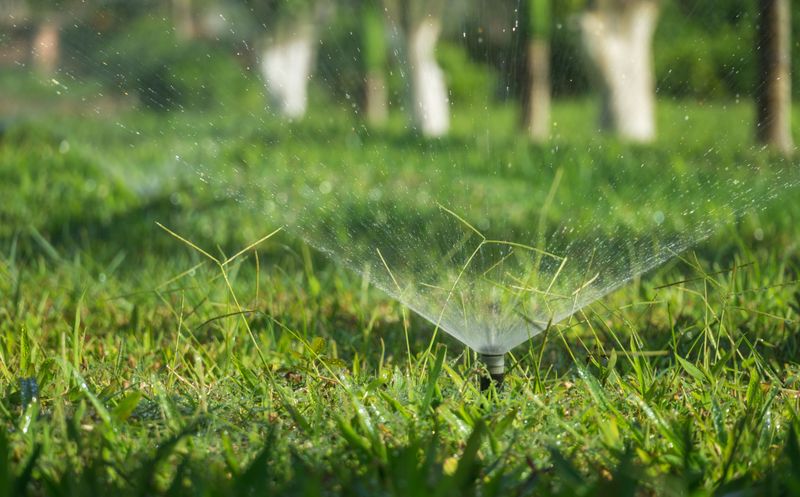
Even well-meaning homeowners damage their lawns every July by repeating the same avoidable mistakes. Knowing what not to do is half the battle when summer heat is at its peak.
Watering too frequently but too shallowly is the number one mistake on the list. Short, daily sprinkler sessions produce weak, shallow roots that cannot handle heat stress or dry spells.
Running sprinklers on a fixed timer without checking the weather is another common error. If it rained two inches the night before, your scheduled morning run just drowned roots that were already saturated.
Ignoring sprinkler coverage gaps leaves dry patches that burn fast in July sun. Walk your yard while the system runs at least once a month to spot heads that are clogged or misaligned.
Mowing too short during a heat wave stresses grass and increases moisture loss dramatically. Keep your mowing height at 3.5 to 4 inches in July to shade the soil and hold moisture longer.
Fertilizing heavily during peak summer heat is another trap that often backfires. Nitrogen pushes new growth that demands even more water, and that tender new growth scorches quickly in extreme heat.
Your lawn watering schedule works best when you pair it with smart mowing and feeding habits throughout the season.
Smart Tools And Upgrades That Make Your Watering Schedule Easier To Manage
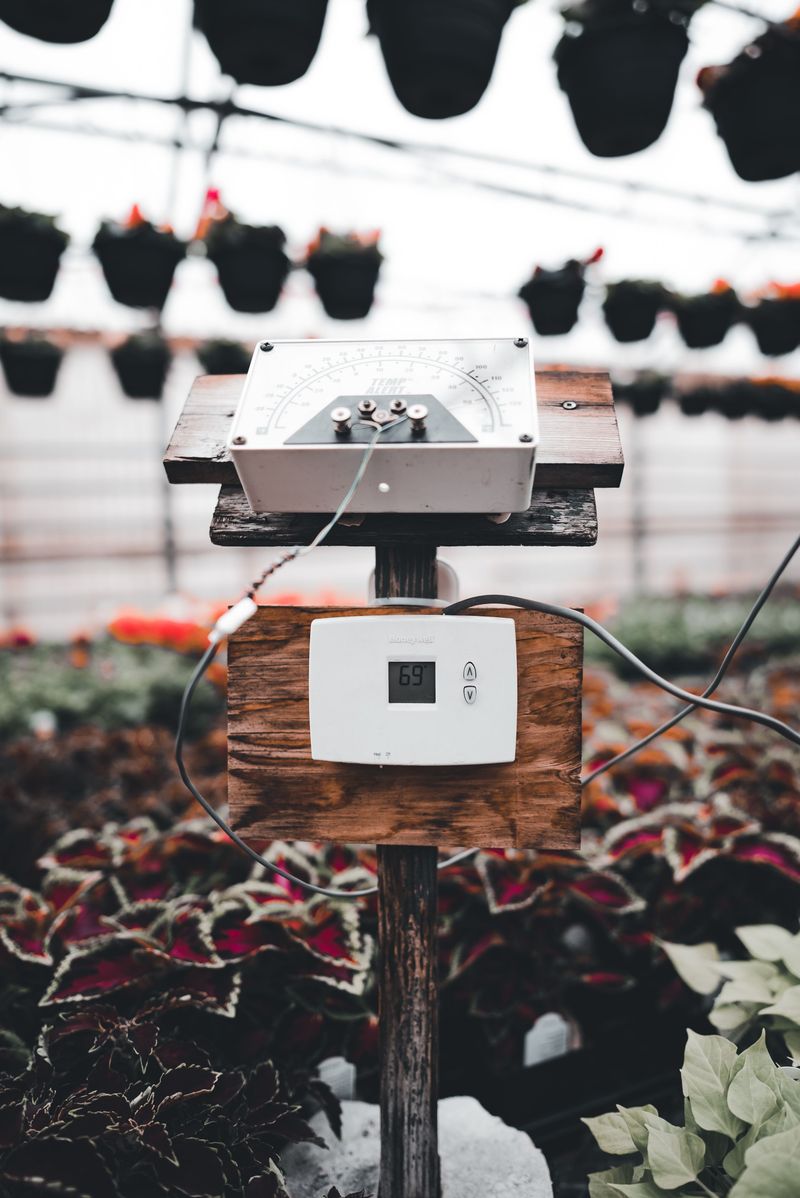
Technology has made lawn care a lot less guesswork and a lot more science. A few smart upgrades can save water, protect your grass, and take the stress out of July watering completely.
A smart irrigation controller connects to local weather data and adjusts your schedule automatically. If rain is coming or temperatures drop, the system skips or shortens a session without you lifting a finger.
Rain sensors are a budget-friendly upgrade that every homeowner should consider adding. They shut off your sprinkler system automatically when rainfall reaches a set threshold, preventing accidental overwatering after storms.
Drip irrigation works beautifully in garden beds and around tree roots where overhead sprinklers waste water. For lawn areas, rotary nozzles apply water more slowly and evenly than standard spray heads, reducing runoff.
Soil moisture sensors take the guesswork out of deciding when to water next. These small devices sit in the ground and send real-time readings to your phone so you always know what the root zone actually needs.
Investing in these tools pays off quickly through lower water bills and healthier grass. A strong lawn watering schedule backed by smart technology is the easiest way to manage Missouri’s demanding July heat.