Sticky Magnolia Branches In Ohio This September? Look Closely For These Giant Scale Insects
Your hand brushes a low branch on the way to grab the mail, and it comes away sticky enough to hold a napkin in place. Somewhere between the driveway and the porch, you start wondering if a soda truck rolled through overnight.
The patio furniture has that same tacky shine, and so does the hood of your car. A cluster of wasps keeps circling one spot on the trunk like it’s the only thing worth visiting in the whole yard.
You check with everyone in the house, and nobody claims responsibility for the mess. The tree itself gives nothing away, standing there looking as calm as ever.
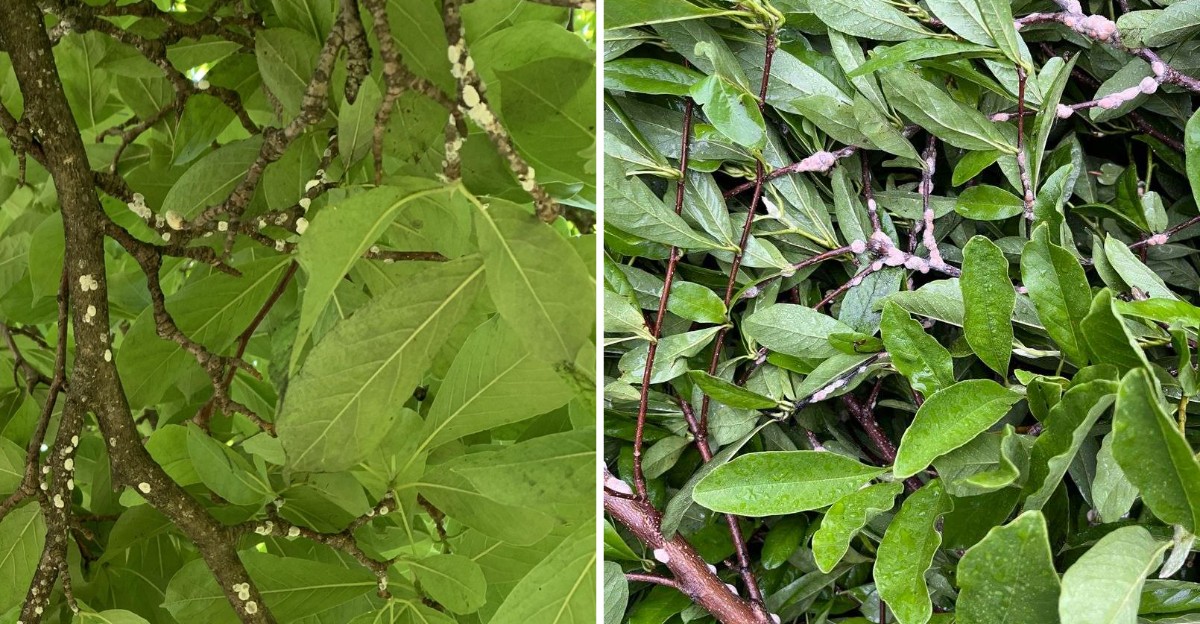
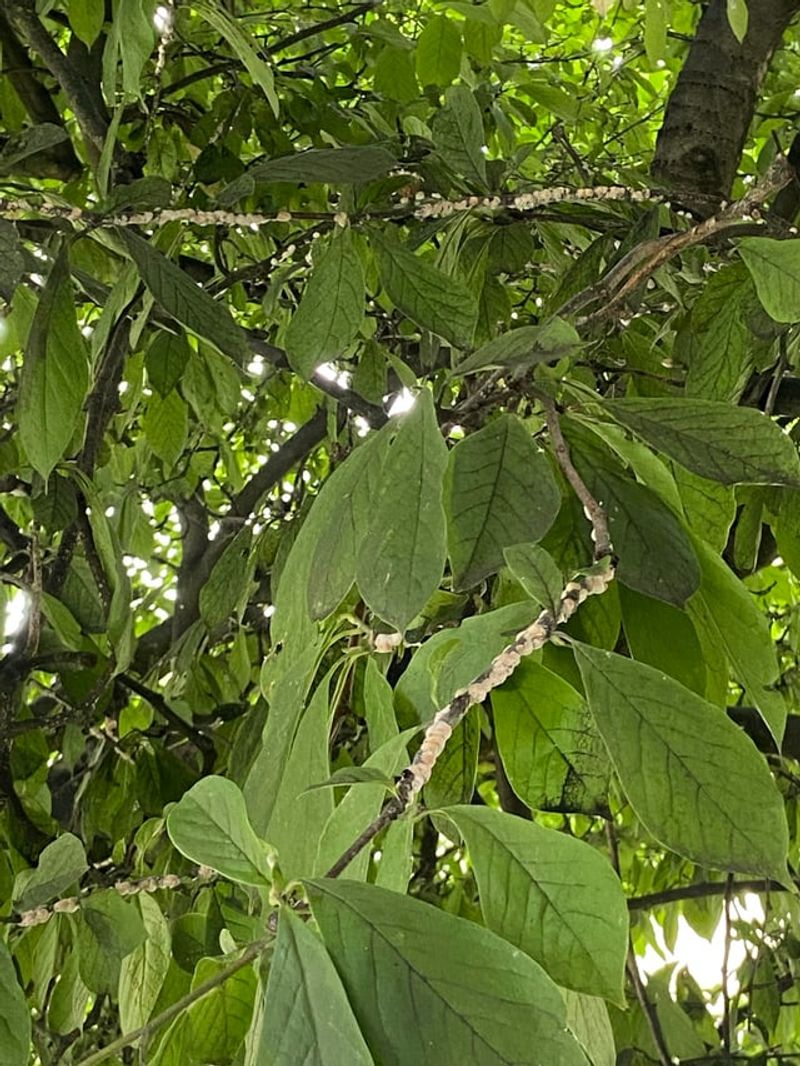
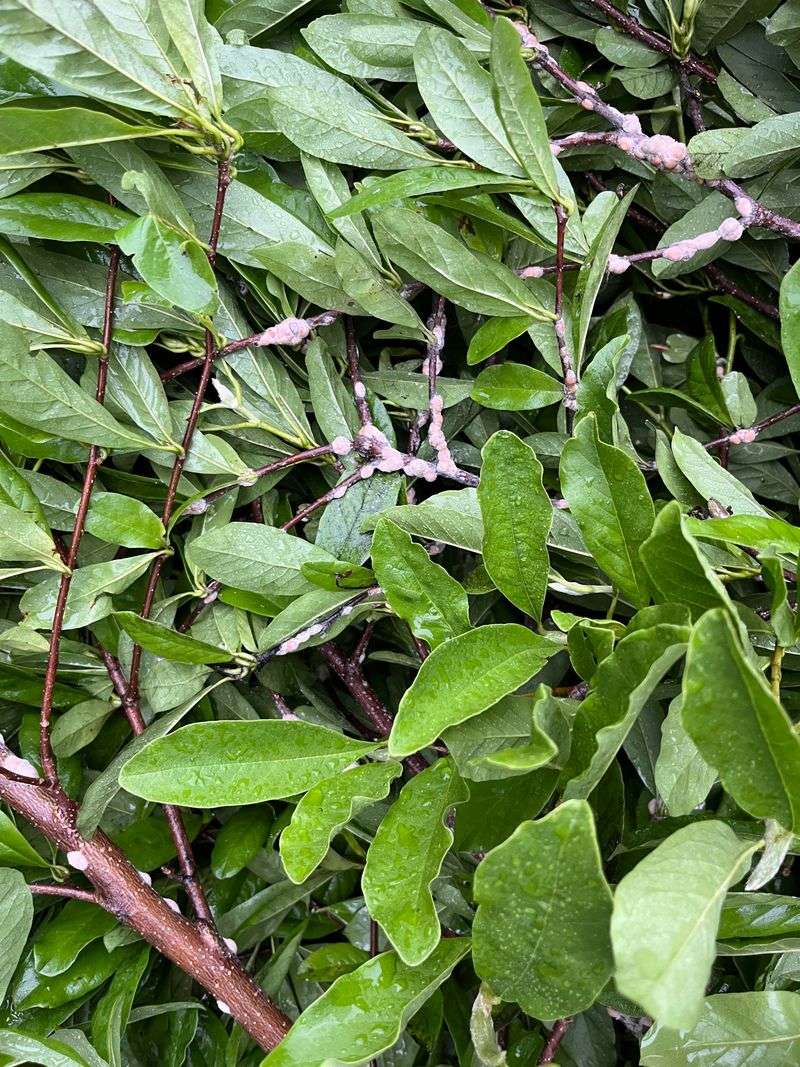
Get in close, though, and the bark tells a different story. Scattered along the twigs are small, rounded lumps that look suspiciously like they’re plotting something.
Magnolia Scale Is The Culprit Behind The Goo
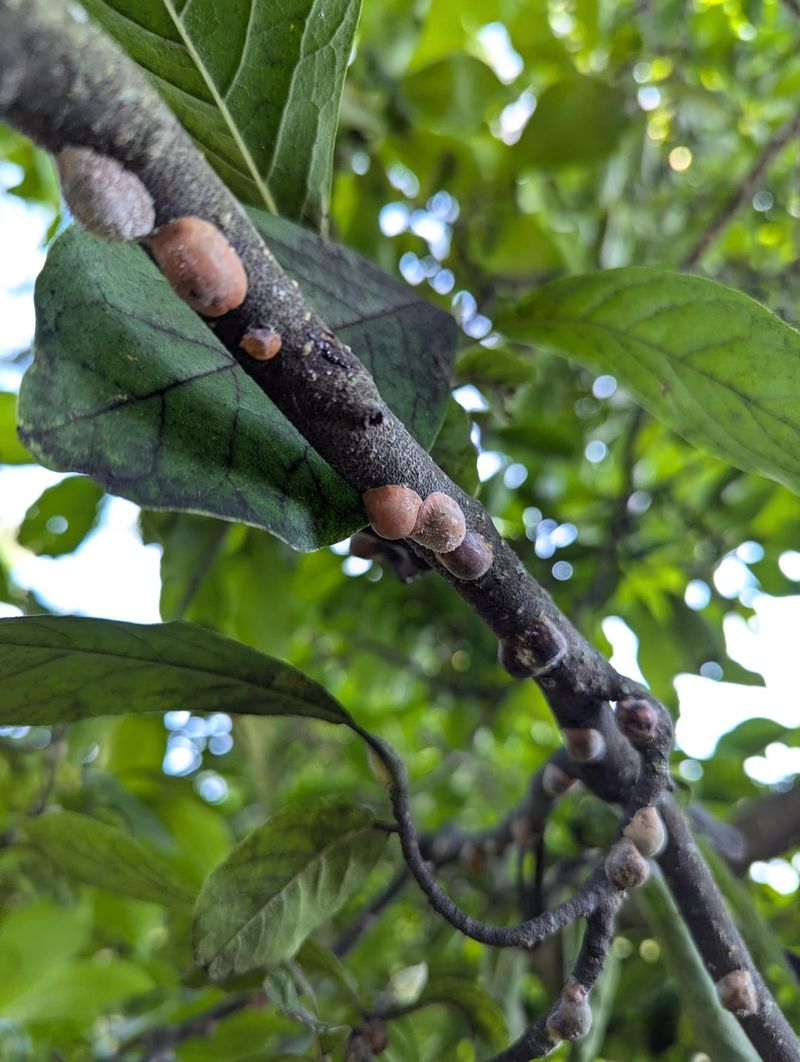
Think of a bug that looks more like a wart than an animal. That is magnolia scale, the largest soft scale insect found in the United States.
Adult females can grow to about half an inch long. They look like smooth, rounded bumps in shades of tan, brown, or pinkish gray.
Many are dusted with a white, waxy powder that makes them look moldy. People often mistake them for buds or a strange bark disease.
These insects poke their mouthparts into twigs and drink the sugary sap inside. They take in far more sugar than their bodies can use.
The extra sugar comes out the back end as a clear, sticky liquid called honeydew. It rains down on leaves, patios, cars, and anyone standing underneath.
Star, saucer, and lily magnolias are some of its favorite hosts in Ohio yards. Southern magnolias tend to attract it less than star or saucer varieties, though they aren’t immune.
To check your tree, run a finger along the undersides of young twigs. Bumps that pop off with a fingernail are almost certainly scale insects.
Squish one, and it may leak a reddish or yellowish goo. Gross, yes, but it confirms exactly what you are dealing with.
Fun fact: a single female can produce hundreds of babies in one season. No wonder a few bumps can turn into a crowded branch so fast.
Heavy infestations can weaken branches over a few seasons, causing thin growth and smaller flowers. Catching the problem early makes a huge difference for your tree.
Tiny Crawlers In The September Window
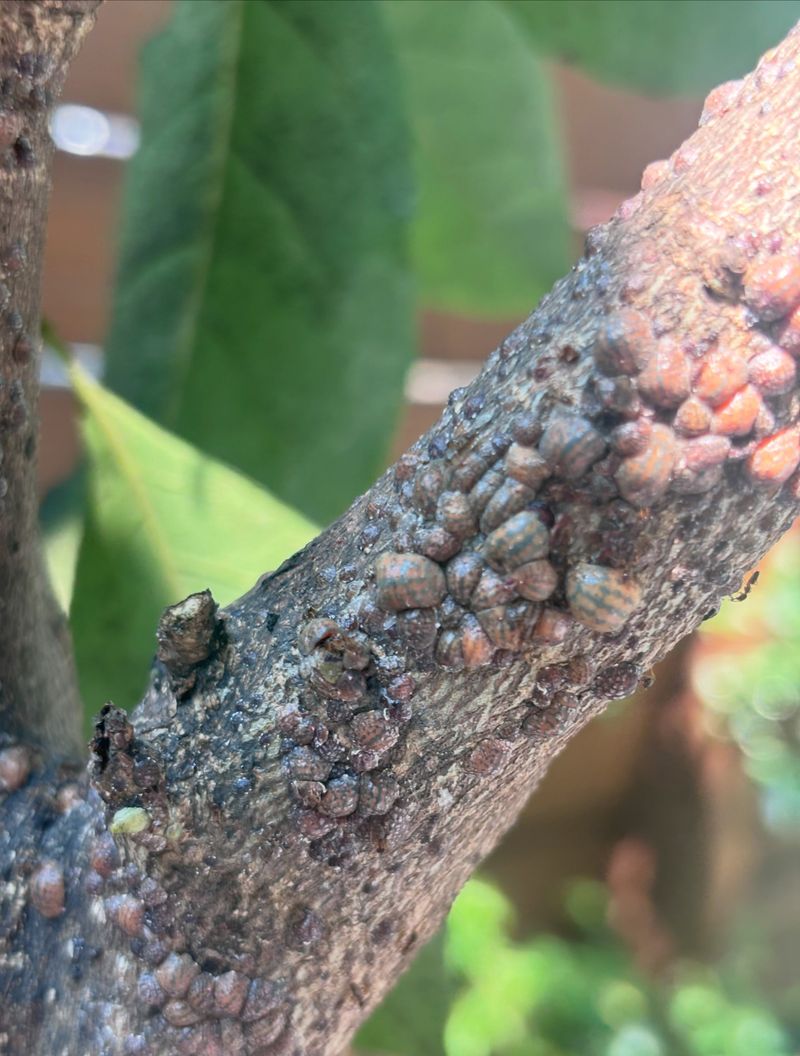
Late summer in Ohio is baby season for magnolia scale. From late August into early October, each swollen female releases a wave of tiny crawlers.
Crawlers are the only stage that can really move around. They look like specks of orange or reddish dust drifting across the bark.
They wander to young twigs, often on the underside, and settle in. Once they find a good spot, they tuck in their legs and stay put.
That settled group spends the winter clinging to the twigs as small, dark nymphs. In spring, they wake up hungry and start feeding on fresh sap again.
Your Ohio Garden Changes Every Week. Your Plan Should Too.
Gardening in Ohio changes quickly throughout the season. Every Friday you’ll receive a simple weekly plan showing exactly what to plant, prune, fertilize, harvest, and protect so you never miss the right timing.
By midsummer, the females balloon to full size and pump out the most honeydew. That explains the sticky branches you notice as summer fades.
September is a special moment because the babies have no waxy armor yet. Their soft bodies are easy targets for gentle sprays and hungry predators.
Want to spot them yourself? Hold a sheet of white paper under a branch and tap it firmly a few times.
Moving specks on the paper are a clear signal that crawlers are active. A cheap magnifying glass makes the whole experience even more fun.
Kids tend to love this part, since it feels like a real science mission. Grab a notebook and record the date you first see movement.
Weather shifts the timing a little each year, so check every week or so. A warm, lingering fall can stretch crawler activity well into mid-October.
The Summer Spray Mistake
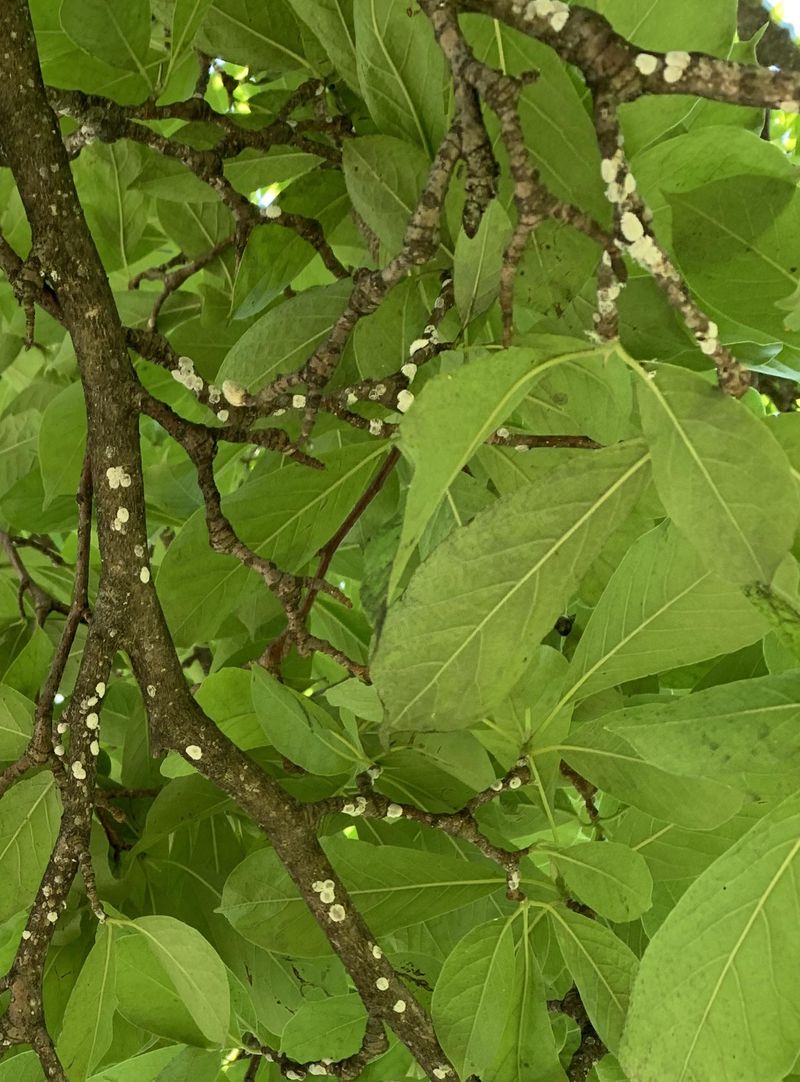
Picture a neighbor spotting fat bumps in July and grabbing the strongest spray in the garage. A week later, the bumps look exactly the same.
Frustrating, right? Grown female scales are wrapped in a tough, waxy shell that shrugs off most contact sprays.
Soaps and oils need to touch the insect’s body to work. Adults are simply too big and too protected for that to happen.
Worse, broad-spectrum sprays can wipe out ladybugs and tiny wasps that eat scale insects for free. Removing those helpers can make next year’s problem bigger.
Heat adds another risk. Horticultural oil sprayed on a hot summer day can scorch magnolia leaves and leave brown, crispy patches.
Many sprays also carry label warnings about temperatures above 90 degrees. Reading that fine print can save your tree from a nasty sunburn.
Another common slip is ignoring the problem because the tree still flowered in spring. Scale damage builds slowly, so a healthy-looking magnolia can hide trouble.
Some folks also scrub the branches with harsh cleaners to remove the stickiness. That can harm the bark and does little about the bugs themselves.
Hosing branches with plain water is fine for cleanup, but it will not solve the root cause. The insects stay glued in place regardless.
The better approach is patience paired with good timing. Save your effort for the weeks when young crawlers are out and unprotected.
If you already sprayed in summer, do not beat yourself up. Plenty of experienced gardeners have learned this lesson the sticky way.
A Crawler Season Treatment Plan
September hands you the easiest shot at controlling magnolia scale all year. Think of it as the insects’ weakest moment.
Start by confirming crawlers are active with the white paper tap test. Treating before they hatch wastes both time and product.
Next, pick up insecticidal soap or a light horticultural oil from a garden center. Both options are gentle on people, pets, and most helpful insects.
Spray on a calm, cool morning when temperatures sit between 45 and 85 degrees. Coat the undersides of twigs thoroughly, since crawlers love hiding there.
Test any spray on a small patch of leaves first. Wait a day, and look for spots or curling before treating the whole tree.
One round usually is not enough. Repeat the spray every 7 to 10 days while crawlers keep showing up on your paper.
For small trees, you can also rub adult scales off by hand with a soft brush. Wear gloves, because the job gets messy fast.
Pruning out the worst branches helps too, especially if they are packed with bumps. Bag those clippings instead of tossing them in a compost pile.
Systemic insecticides exist, but they can harm bees that visit magnolia flowers. Many experts suggest saving them for severe cases and following the label carefully.
Large trees can be tricky to reach from the ground. A certified arborist has the equipment to spray tall branches safely and evenly.
Keep notes on each spray date and what you saw afterward. Those records turn next September into a much smoother operation.
Sooty Mold On The Leaves Below
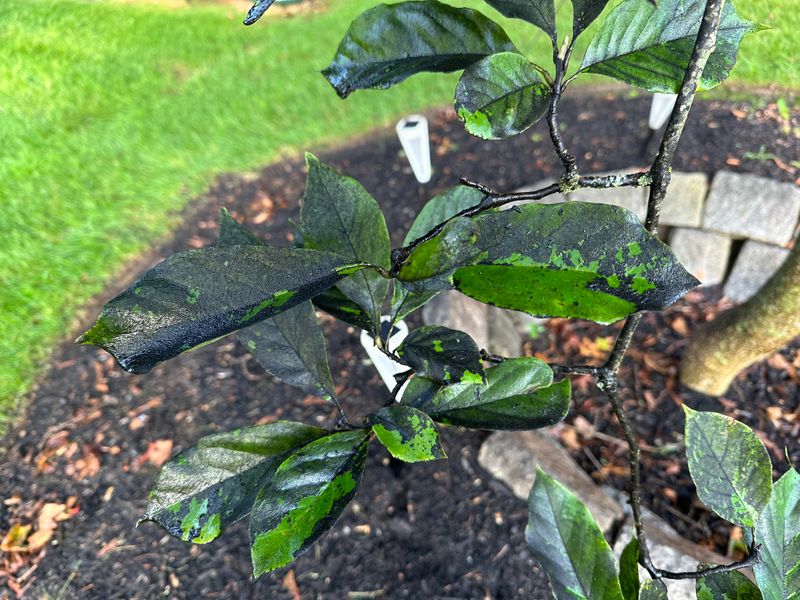
Ever notice leaves that look like someone dusted them with chimney soot? That black coating is sooty mold, and it loves honeydew.
The mold does not feed on the magnolia itself. It grows on the sugary film that scale insects drip onto everything below.
Leaves, shrubs, patio furniture, and even the hood of your car can turn gray or black. Some homeowners first notice the problem on a plant growing under the tree.
Sooty mold is mostly a cosmetic issue, but it can block sunlight. Leaves covered in a thick layer make less food for the tree.
Over time, a heavily infested magnolia may show smaller leaves, fewer blooms, and bare twigs in spring. Serious cases can weaken whole limbs until they stop leafing out.
Honeydew also draws a crowd of wasps, bees, and ants looking for a snack. Ants sometimes guard the scales like tiny farmers protecting their cows.
That protection chases away ladybugs and other helpful hunters. So an ant parade up the trunk is worth paying attention to.
Here is the bright side: sooty mold fades once the honeydew stops. Rain and time wash much of it away within a season.
For quicker results, spray plants below with water mixed with a few drops of mild dish soap. Your car will thank you for a good wash, too.
Fixing the scale problem is the real cure for the black mess. Cleaning without treating the insects just resets the clock for more grime.
A Healthier Magnolia Next Year
A magnolia in full spring bloom is one of the best sights in any Ohio neighborhood. Protecting that show starts long before the first pink petals open.
A dormant oil spray is a strong first step. Apply it in late fall after leaves drop or in early spring before buds swell.
Overwintering nymphs are small and thinly protected at that point. The oil smothers them before they grow into big honeydew factories.
Healthy trees also fight back better against pests. Water deeply during dry spells, especially in hot Ohio summers with little rain.
Spread a few inches of mulch around the base, keeping it away from the trunk. Skip heavy doses of nitrogen fertilizer, since soft new growth attracts sap feeders.
Nature offers some free help as well. Ladybugs, including a tiny black one with two red spots, happily munch on scale insects.
Tiny parasitic wasps lay eggs inside the scales, which stops them from reproducing. Planting flowers like dill, yarrow, and asters invites these helpers to stick around.
Make twig checks part of your routine, maybe once a month from spring through fall. A quick look takes five minutes and catches trouble early.
When buying a new magnolia, inspect the branches closely at the nursery. Bringing home a hitchhiking infestation is an easy mistake to avoid.
With a little steady care, most magnolias bounce back within two or three seasons. Soon enough, the only thing sticky around your tree will be a summer popsicle.