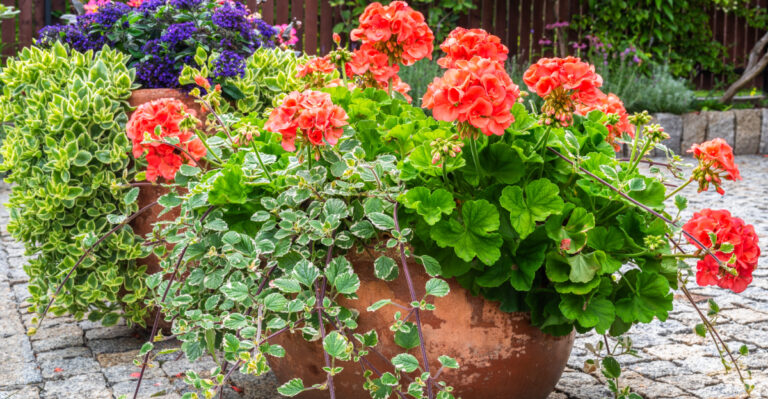
How To Cover Your Plants Before This Weekend’s Ohio Frost (And The Cover That Makes It Worse)
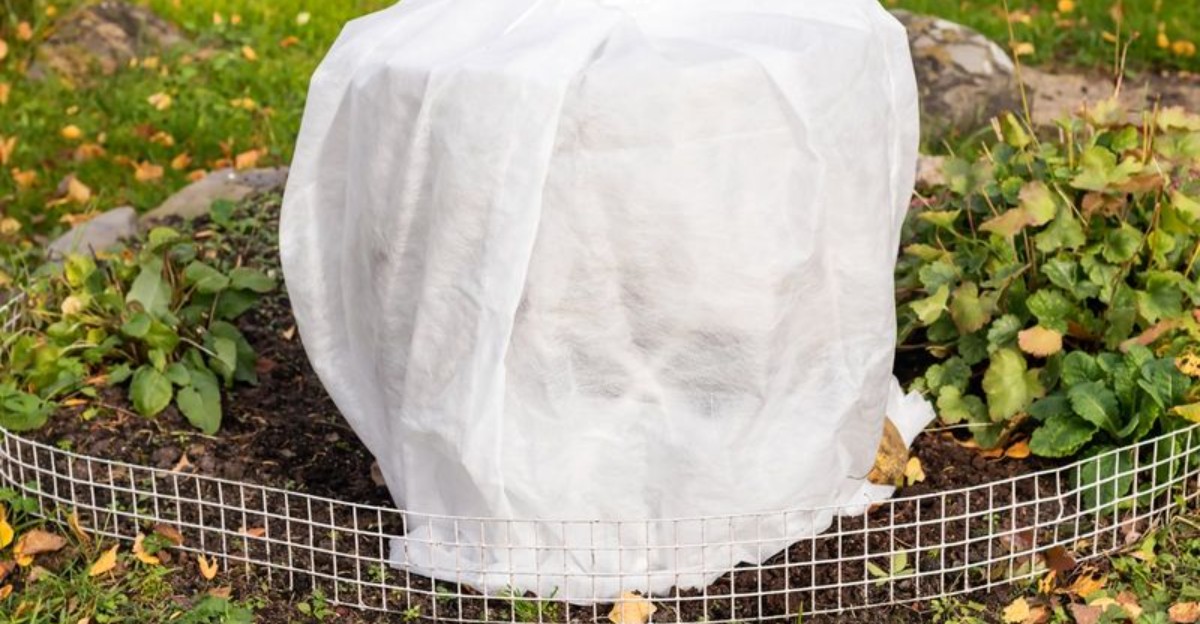
Friday night, a blanket of cold air is heading for your Ohio garden, and the sheet you grab from the linen closet could make or break the morning after.
Covering plants sounds simple. Toss something over the top and call it done.
Gardeners who’ve tried it know the results swing wildly, from perfectly protected to completely fried.
Timing matters. So does how the cover sits, and which plants get the treatment.
One popular material seems like the obvious pick, and it’s the one most likely to leave you with scorched, soggy leaves by lunchtime.
Sundown is the cutoff, not bedtime. Cold settles in before most people finish dinner.
Sort out your supplies this afternoon. A few smart minutes now keep the last of your garden alive.
1. Get Covers On About An Hour Before Sunset
Picture your garden soil as a big battery. All day long, the sun charges it up with warmth.
Once the sun drops, that stored heat starts drifting up into the sky. If you wait until after dark to cover your plants, much of that warmth has already slipped away.
Aim to have covers in place by late afternoon, about an hour before sunset. That timing lets you trap the heat rising from the ground right where your plants need it.
There is a practical bonus, too. Working in daylight means you can see what you are doing and spot any tender plants you might have missed.
Fumbling with a flashlight and a flapping sheet is no fun at all. Ask anyone who has tried it in a chilly Ohio wind, and they will happily agree.
Check the forecast around lunchtime on the day frost is expected. If the low is heading toward 32 degrees or below, start gathering your supplies early.
Lay out sheets, rocks, and stakes near each bed before you begin. A little planning turns a frantic chore into a calm, quick job.
Think of it like tucking a child into bed before they fall asleep. Your plants will be cozy before the cold even shows up.
2. Bed Sheets And Frost Cloth Both Do The Job
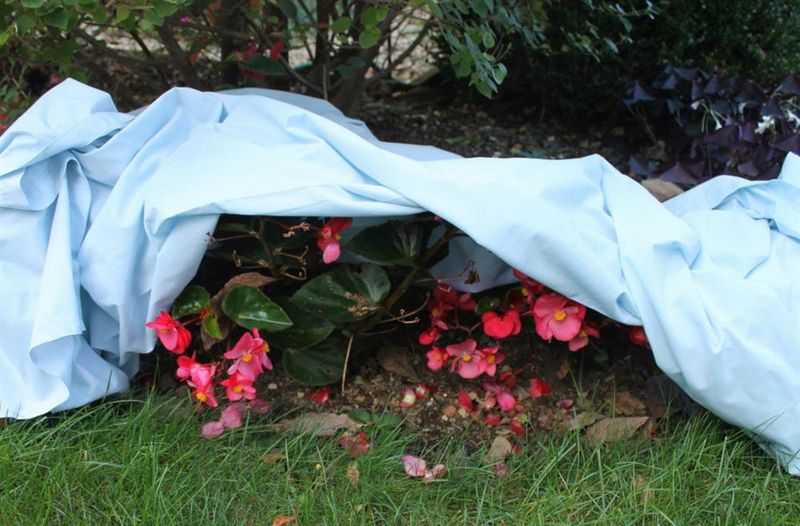
Good news for anyone with a messy linen closet. That old floral sheet from the 1990s might be your garden’s new best friend.
Cotton bed sheets, light blankets, towels, and even burlap all make solid plant covers. They hold in warmth while still letting moisture and a bit of air pass through.
Frost cloth is the store-bought version, and it works beautifully. It is a light woven fabric made just for this purpose, so it lets in light and air while holding heat.
Many garden centers in Ohio sell it by the roll each fall. You can cut it to size and reuse it for several seasons if you store it dry.
Which one should you pick? Honestly, use what you have on hand tonight and buy frost cloth later if you like it.
Heavier fabrics like thick quilts can press down on fragile stems. For those, add a few stakes underneath to hold the weight off the plants.
Your Ohio Garden Changes Every Week. Your Plan Should Too.
Gardening in Ohio changes quickly throughout the season. Every Friday you’ll receive a simple weekly plan showing exactly what to plant, prune, fertilize, harvest, and protect so you never miss the right timing.
Here is a fun bit of history. Long before frost cloth existed, farmers covered crops with straw mats and old burlap feed sacks.
The idea has not changed much over the years. Breathable fabric plus a little care equals happier plants in the morning.
3. Plastic Is The Cover That Makes It Worse
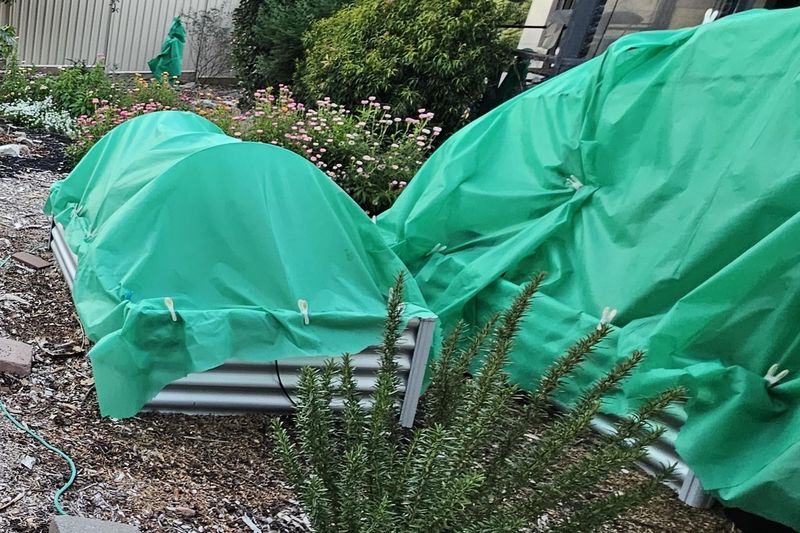
Here it is, the sneaky troublemaker from the title. Plastic sheeting and trash bags seem like a smart choice, but they often backfire.
Plastic is a poor insulator, so it does not hold heat well at all. The cold passes right through it almost as if nothing were there.
It also does not breathe. Moisture from the soil and leaves gets stuck underneath, which can lead to soggy foliage and fungus problems later.
Then the sun comes out the next morning. Under clear or dark plastic, temperatures can shoot up fast, like the inside of a car on a summer day.
That quick jump from icy cold to steamy hot is very hard on plants. Leaves can wilt, scorch, or turn mushy within a few hours.
So why do so many people reach for plastic? It is cheap, it is waterproof, and it is usually sitting right there in the garage.
If plastic is truly your only option, do not let it touch the plants. Build a frame first, and pull it off early the next day.
Better yet, raid the closet for a sheet instead. Your garden will thank you with green, perky leaves rather than brown, droopy ones.
4. Plastic Can Leave Frozen Spots Wherever It Rests
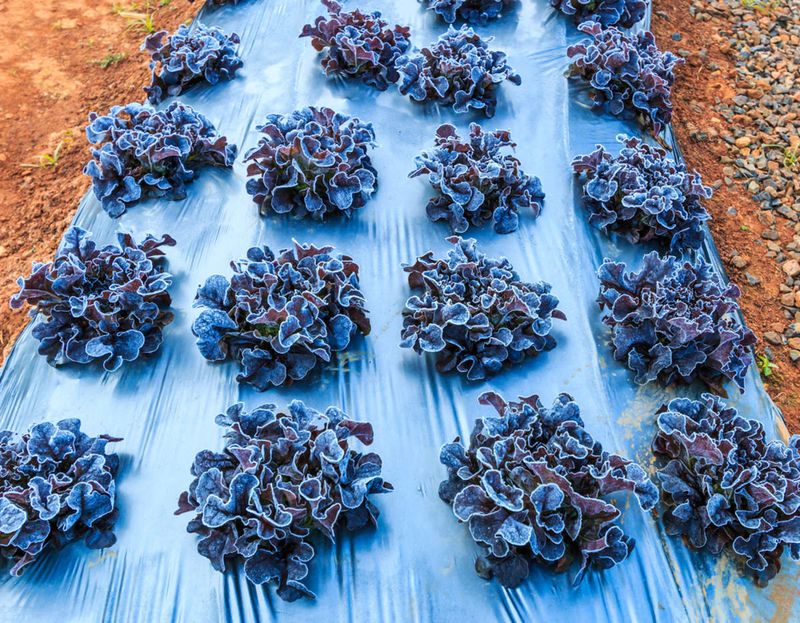
Ever notice odd dark spots on leaves after a cold night under plastic? Those marks often line up perfectly with where the plastic was touching.
The science is pretty simple. Plastic gets very cold overnight, and it pulls heat right out of any leaf it rests against.
That contact spot can drop below freezing even when the air nearby is a bit warmer. Ice crystals form inside the leaf and break apart its tiny cells.
By morning, those patches look water-soaked or blackened. Later they turn brown and crispy, which is a sad sight on a favorite plant.
Think about licking a frozen flagpole, the classic winter mistake. The cold metal grabs your heat fast, and plastic does something similar to tender leaves.
Fabric covers can cause a little of this, too, but far less. Cloth holds warmth better and does not chill down as harshly.
The fix is to create a gap between the cover and the plant. Tomato cages, bamboo stakes, or even upside-down buckets can hold the material up.
Even a few inches of air space helps a lot. That small pocket acts like a buffer, keeping the coldest surface away from the greenery.
5. Build A Tent That Seals At The Soil
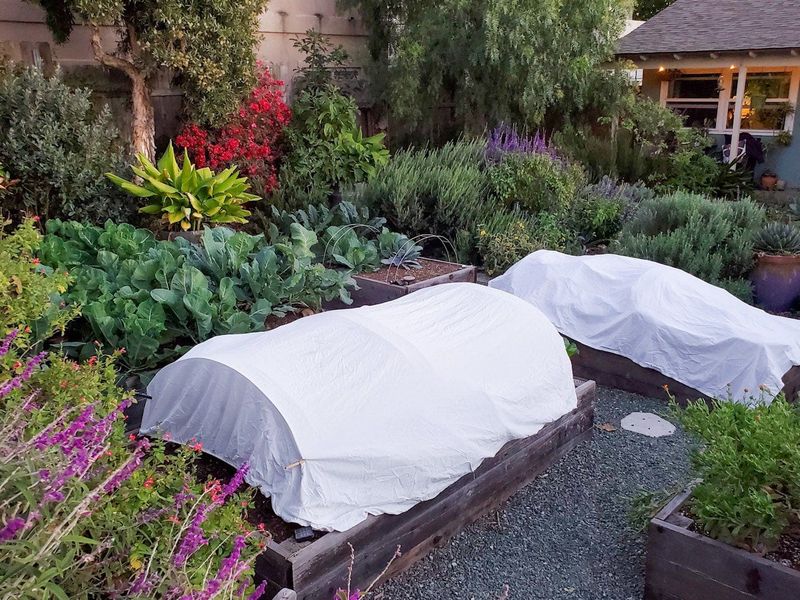
A cover that stops halfway down is a bit like wearing a coat with no buttons. You look prepared, but the cold still sneaks right in.
Remember that the real warmth comes from the soil, not the plant itself. To hold onto that heat, the cover needs to reach the ground on every side.
Think of it as building a little tent. The soil is the heater, and the fabric walls keep that toasty air from escaping.
Once the fabric touches down, weigh the edges so wind cannot lift them. Bricks, rocks, garden staples, or even heavy boards all work well.
Ohio fall nights can bring surprise gusts off the fields. A loose sheet can end up across the yard or wrapped around the fence by morning.
Check for gaps along the corners, too. Cold air tends to slide in at low spots, so tuck the fabric in snugly there.
For long rows, two overlapping sheets usually work better than one stretched tight. Pin them together with clothespins so they stay put.
When you step back, the bed should look sealed up like a cozy package. If you can see bare soil peeking out at the edges, add a bit more fabric.
6. Prop Covers Up Over Late-Season Flowers
Late-season flowers are a real treat in an Ohio autumn. Mums, asters, and the last roses seem to save their best show for October.
Those petals are thin and soft, though. A heavy, cold sheet flopped right on top can bruise them and leave ugly brown edges.
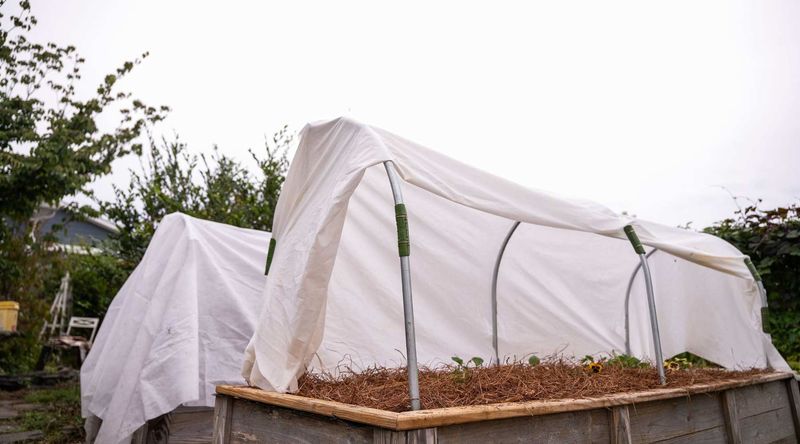
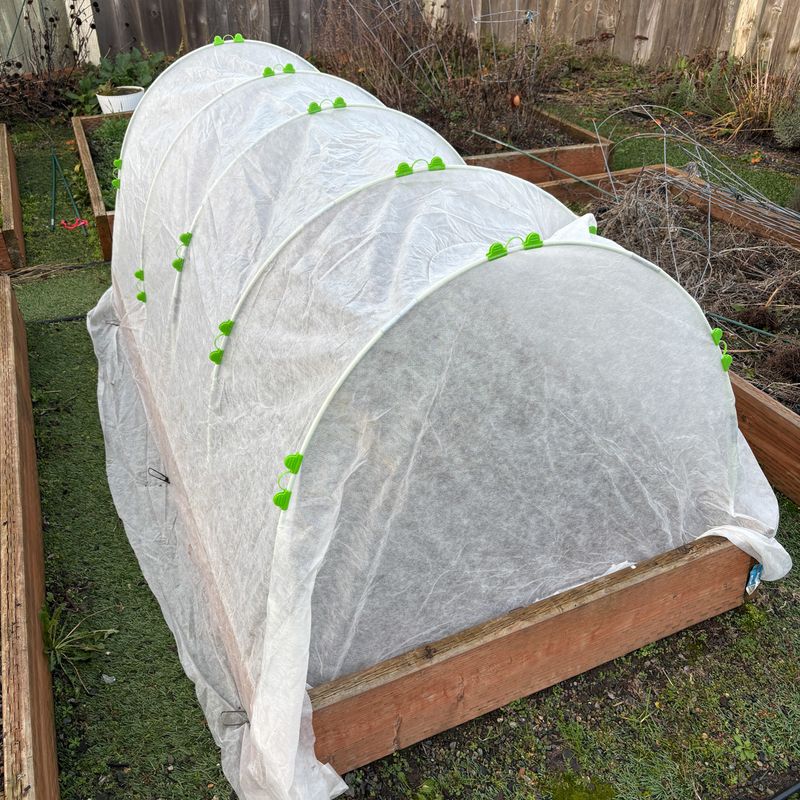
The answer is a simple frame. Push a few stakes into the soil around the plant, or bend wire hoops over the bed.
Then lay your fabric over the frame like a tiny camping tent. The blooms stay snug inside without anything pressing on them.
Short on supplies? Get creative with what you have, because gardeners are clever folks.
Tomato cages, patio chairs, sawhorses, and even laundry baskets can all hold a cover up. One gardener I know uses her kids’ old hula hoops cut in half.
Potted flowers are even easier to handle. Simply carry them into a garage or shed for the night, then set them back outside the next day.
A tented cover also handles frost better overall. The pocket of air inside stays a few degrees warmer, giving fragile flowers extra breathing room until sunrise.
7. Soak Thirsty Beds A Day Or Two Ahead

It sounds backward to water plants before a freeze. Yet damp soil is one of the best heat savers you can give your garden.
Moist ground soaks up more warmth during the day than dry, dusty dirt. At night, it slowly releases that heat like a warm stone beside a campfire.
Here is a neat fact. Water actually gives off a small amount of heat as it turns into ice, which adds a bit of extra protection.
Thirsty plants also handle cold poorly. When roots are dry, leaves lose moisture quickly in chilly wind and can get damaged faster.
So check the soil a day or two before frost arrives. Stick your finger in about an inch, and if it feels dry, give the bed a good soak.
Water earlier in the day rather than right at dusk. That gives moisture time to sink down to the roots instead of sitting on the leaves.
Wet leaves on a freezing night are not helpful. Aim the hose at the base of each plant to keep foliage fairly dry.
Then let the soil do its quiet work overnight. Combined with a good cover, it can keep your garden a few precious degrees warmer.
8. Tuck Low Plants Under A Layer Of Leaves Or Straw

Ohio has no shortage of free mulch in the fall. Just look at the piles of crunchy leaves blowing across every yard on the block.
Mulch works like a fluffy blanket for the soil. It keeps ground temperatures steady and shields roots from sudden temperature drops.
Low plants benefit the most, since they sit so close to the cold ground. Strawberries, herbs, pansies, and young perennials all love a cozy layer.
Spread about two to three inches around each plant. Straw, shredded leaves, pine needles, and bark chips all make fine choices.
If you shred your leaves first, they break down nicely and stay put. A quick pass with the lawn mower usually does the trick.
Keep the mulch an inch or so away from stems and crowns. Piling it right against them can trap too much moisture and invite rot.
Mulch has perks long after the first frost, too. It holds in moisture and helps prevent soil heaving, when freezing and thawing push plants up out of the ground.
For a single tough night, you can even pile loose straw right over very short plants. Rake it back gently once the cold passes and the sun warms things up.
9. Don’t Uncover Until The Frost Melts

Morning after a frost, you might rush outside to check on everything. Hold on a moment and finish that coffee first.
The coldest part of the night often comes just before sunrise. Pulling covers off at dawn can expose plants to the chilliest air of the whole night.
Wait until the sun is up and the temperature climbs above freezing. For most Ohio fall mornings, that lands somewhere around mid-morning.
A good clue is the frost itself. Once the white crystals on your lawn and car have melted, it is usually safe to uncover.
Do not wait too long, either. On bright, sunny days, heat can build under a cover and leave plants stressed or overheated.
Shake off any frost or dew from your sheets before folding them. Hang them over a fence or porch rail to dry in the sun.
Dry fabric is ready to use again tonight if the cold sticks around. Damp sheets can get musty and are heavier to handle.
Then take a slow walk through the garden and enjoy your success. Seeing green, happy plants after a frosty night is one of the best little wins of autumn.