The Native Ohio Flower Pollinators Swarm Before The First Frost
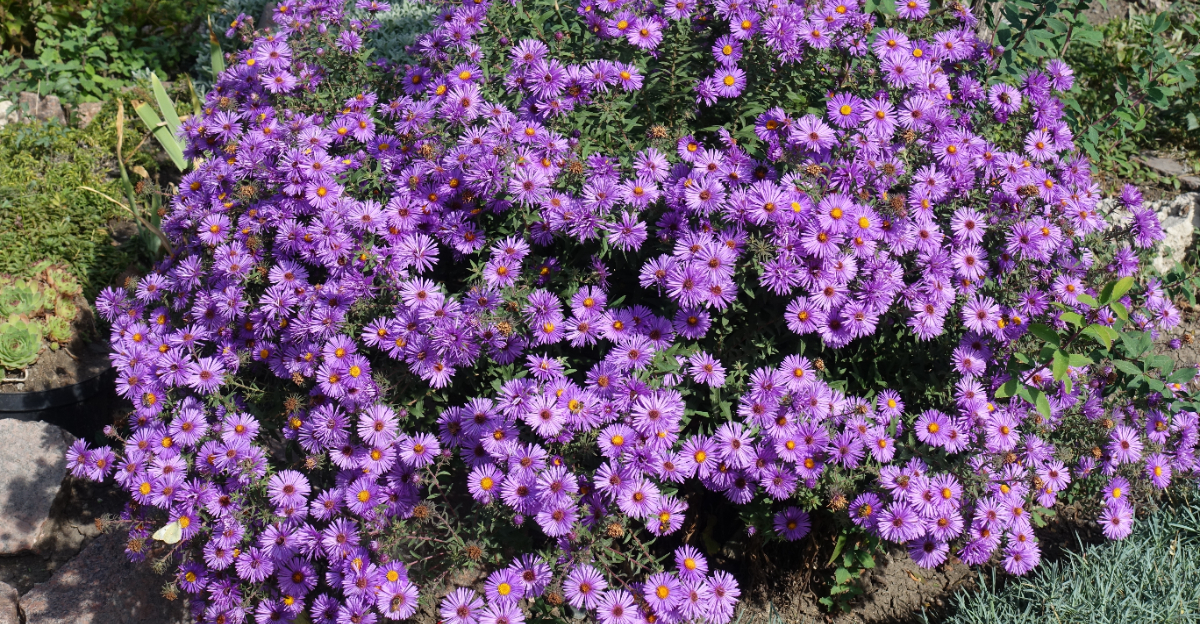
By September, an Ohio flower bed can look like the party is over, yet pollinators may suddenly crowd around a patch that seems to have saved its best act for last. Bees pack the blooms.
Butterflies linger. Even cool mornings fail to empty the scene for long.
That rush of activity is not random. Late in the season, nectar becomes harder to find, and certain native flowers become crucial fuel stops before frost closes the window.
The color catches your eye, but the timing is what makes this bloom so powerful. It arrives when much of the garden has already started to fade, which gives every visitor a reason to stay.
A dense patch can hum with movement while the rest of the yard grows quiet. Pollinators keep coming back for a reason, and once you know what makes this flower so valuable, your September garden can look very different.
1. New England Aster Saves Its Show For Fall
Late summer rolls into fall, and most garden perennials start slowing down fast. Stems go brown, seed heads replace petals, and the yard takes on a quieter look.
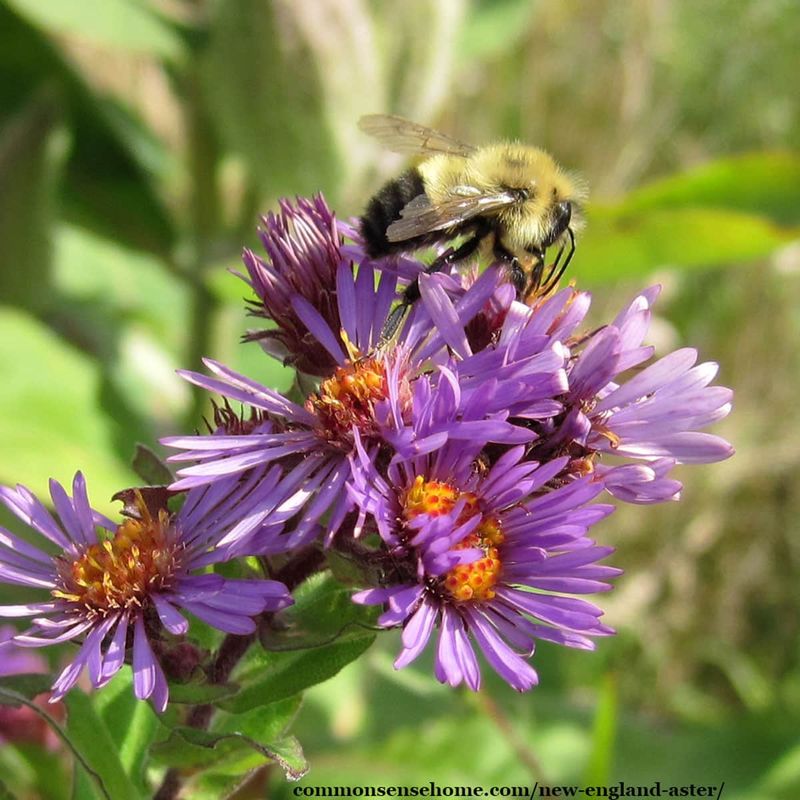
Right around that time, New England Aster steps up and opens its purple-to-violet ray flowers around bright yellow centers, bringing fresh color back to the border.
According to Ohio State University Extension, Symphyotrichum novae-angliae typically blooms from late summer into fall across the region. Exact timing can shift based on weather patterns, plant maturity, soil conditions, and local climate.
A plant growing in a warm, sheltered spot may open earlier than one in a cooler, shadier location.
That late bloom window is exactly what makes this species so useful in a pollinator garden. Most other nectar sources have already wrapped up by the time asters hit their stride.
Bees and butterflies that are still active in September and October need reliable food, and a patch of asters can offer just that.
Gardeners who want to support fall pollinators often find that adding this native plant fills a gap that few other species can cover as naturally or as reliably.
2. Purple Blooms Keep Going Into October
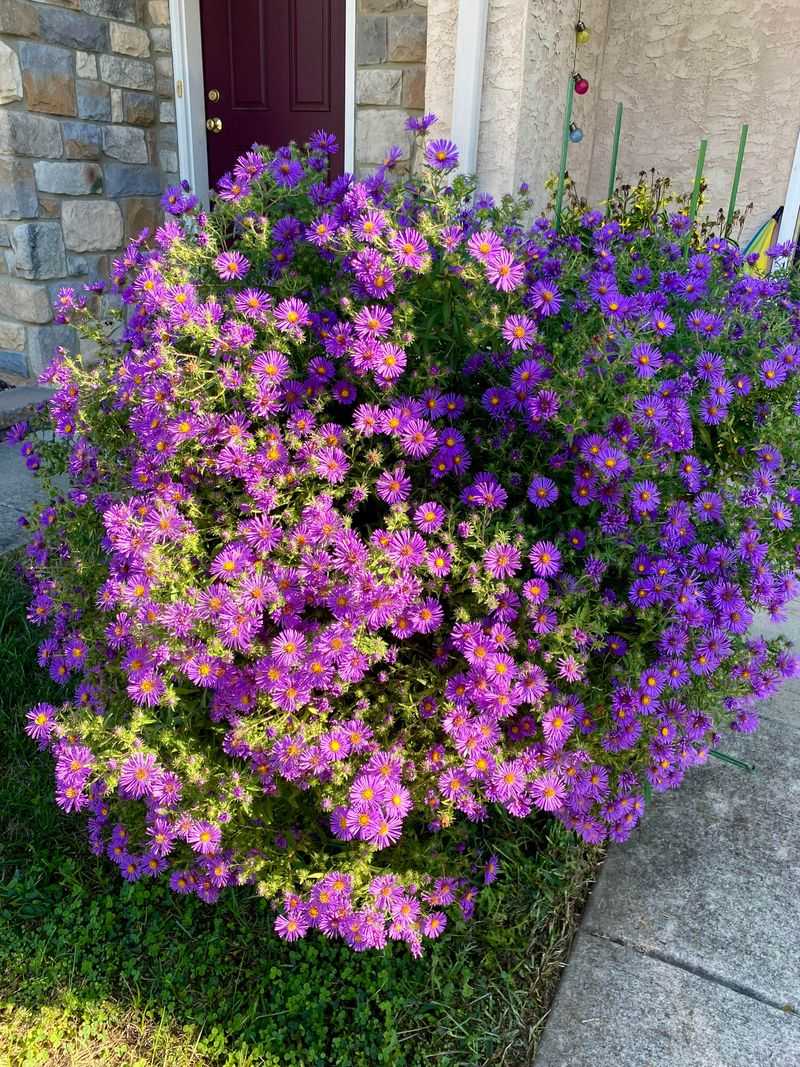
Walk past a summer flower bed in early October and you will likely see mostly bare stems and dried seed heads. Then look over at a healthy clump of New England Aster, and the scene shifts completely.
Those daisy-like purple flowers can still be wide open, holding their color even as nights grow noticeably cooler.
Under suitable growing conditions, plants in many parts of the state can continue flowering well into October. Cooler temperatures and shorter days arrive while the blooms are still active, which creates a striking visual contrast against an otherwise fading garden.
Not every plant will perform identically, since frost timing, local temperatures, and individual plant health all play a role in how long the display lasts.
Across Ohio, first frost dates vary by region and by year. A plant near a building or in a protected corner may keep blooming longer than one exposed to open fields.
Your Ohio Garden Changes Every Week. Your Plan Should Too.
Gardening in Ohio changes quickly throughout the season. Every Friday you’ll receive a simple weekly plan showing exactly what to plant, prune, fertilize, harvest, and protect so you never miss the right timing.
What stays consistent is the general pattern: asters tend to outlast most other flowering perennials in the fall garden. That staying power gives pollinators extra days to gather resources.
It also gives gardeners a reason to look forward to October instead of seeing it as the end of the season.
3. Monarchs Stop In For Late Nectar
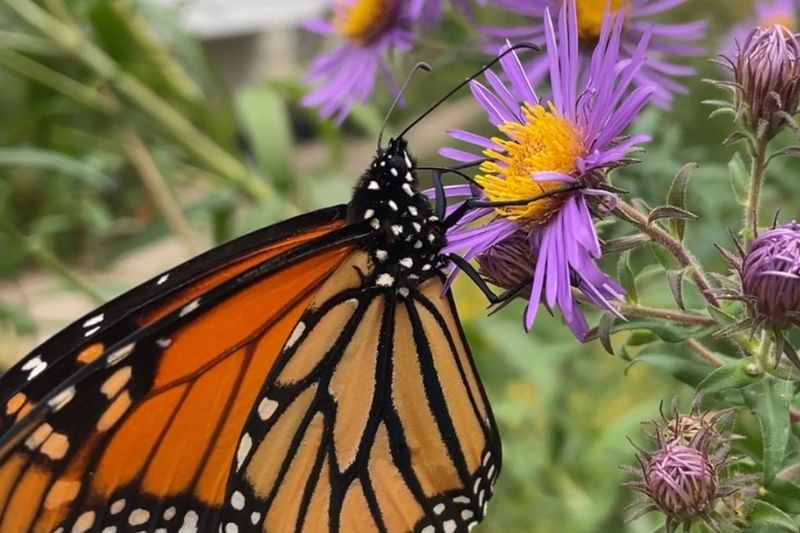
Somewhere along a migration route stretching hundreds of miles south, a monarch butterfly pauses to feed. Finding nectar in fall is not always easy, and a patch of open aster flowers can offer a welcome stop.
The Monarch Joint Venture and Xerces Society recognize New England Aster as a valuable nectar source. It can help fuel monarch butterflies during their fall migration.
Adult monarchs need nectar to fuel their long journey. Milkweeds serve as the larval host plants where monarchs lay eggs and caterpillars feed, but asters play a completely different role.
They supply the energy that adult butterflies need while traveling. That distinction matters, because gardeners sometimes confuse host plants with nectar plants when planning a pollinator-friendly yard.
Monarch sightings on asters are not guaranteed. Migration timing shifts from year to year, local populations vary, and weather strongly influences which routes butterflies take.
A warm fall may bring more monarchs through a given area, while an early cold snap can reduce sightings quickly. Still, planting New England Aster gives migrating adults a better chance of finding fuel when they pass through.
Supporting that small window of opportunity is one of the most practical things a backyard gardener can do for this well-known butterfly.
4. Native Bees Work The Flowers Too
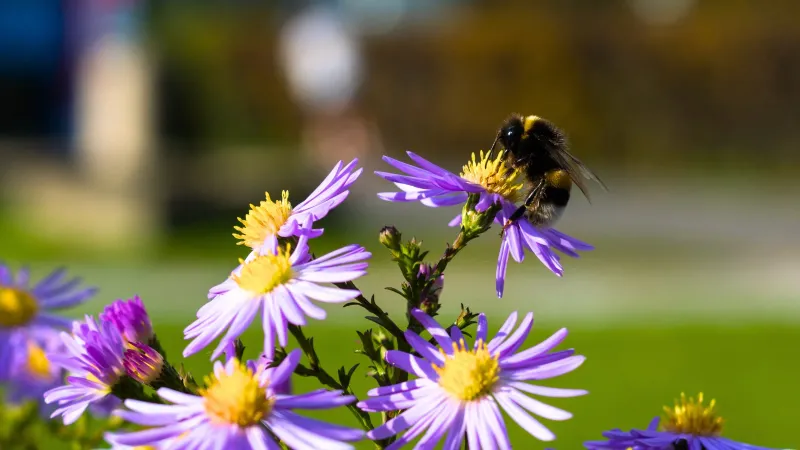
Look closely at an aster patch on a warm fall afternoon and small movements catch your eye almost immediately. A bumble bee moves steadily from one flower head to the next, working the yellow center disk where pollen and nectar are concentrated.
Native bees are among the most consistent visitors to New England Aster during its fall bloom period.
Pollinator specialists and university Extension sources note that asters provide both pollen and nectar. They do so when many other plants have stopped producing either resource.
Bumble bees, sweat bees, and other native bee groups have been documented visiting aster species in the fall. A large clump with many open flower heads gives multiple insects a chance to feed at the same time without competing too heavily for resources.
Not every insect landing on a flower is actively pollinating it, and visitor numbers naturally change with temperature, time of day, and nearby habitat. Sunny, calm afternoons tend to bring out more activity than cool or cloudy mornings.
Planting asters near other native species can also help by supporting a wider variety of insects throughout the season. Few fall-blooming plants match New England Aster for gardeners focused on native bees.
It reliably provides accessible pollen and nectar late in the year.
5. Full Sun Produces A Bigger Floral Display
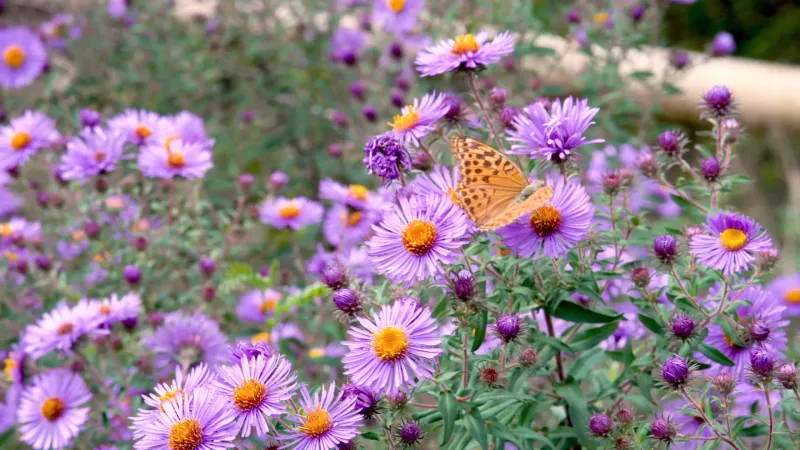
Choosing where to plant can make a noticeable difference in how well New England Aster performs. A sunny border along a fence or driveway will generally produce a fuller, more flower-covered plant.
A spot under a tree with heavy shade is less likely to do so. Ohio State University Extension and other horticultural sources note that this species does best in full sun.
Full sun typically means at least six hours of direct sunlight per day, though some sources suggest more consistent light leads to stronger flowering.
Plants grown in partial shade can still survive and may bloom, but the display tends to be less dense and stems sometimes stretch toward available light.
That stretching can make tall plants floppier than they would be in a sunnier position.
For backyard gardeners trying to decide between a bright open bed and a shadier corner, the sunny spot will almost always give better results for aster flowering. Give the plants morning sun and several additional hours of afternoon light.
That energy helps them produce the many flower heads that make New England Aster useful to pollinators. A well-lit location also tends to keep stems more upright, which means less staking and a tidier look through the long fall bloom period.
6. Moist Soil Keeps Tall Stems Going
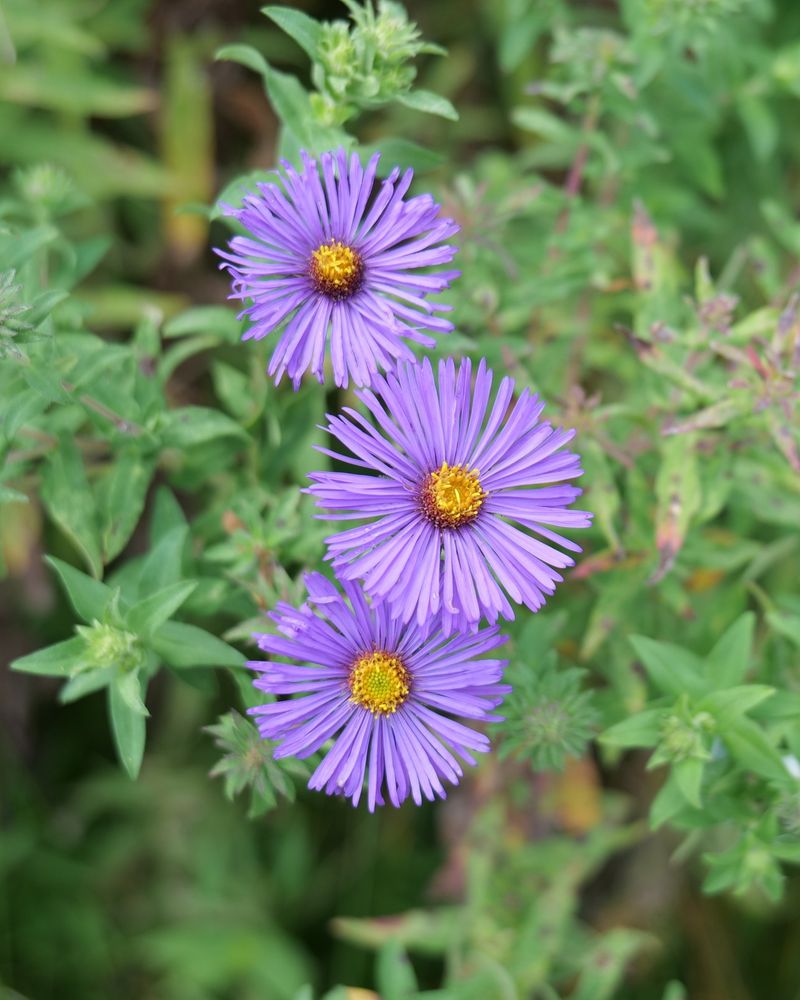
Before checking the flowers, check the soil. New England Aster naturally grows in moist to medium-moisture conditions.
Keeping that moisture available through the growing season helps the plant stay vigorous into fall. Ohio State University Extension and other reliable horticultural sources describe this species as preferring consistently moist, well-drained soil.
Established plants can handle short dry spells better than young transplants, but extended drought can stress the plant and reduce flowering quality. Good drainage matters alongside moisture, since soggy, waterlogged soil creates its own set of problems.
Soil type, rainfall amounts, sun exposure, and plant age all influence how often supplemental watering may be needed in any given yard.
New England Aster is also known for growing quite tall. Plants commonly reach three to six feet in height depending on conditions and the specific cultivar.
Keeping soil moisture steady through summer helps support those tall stems and encourages the plant to produce the many flower heads that open in fall. Mulching around the base of the plant can help retain soil moisture between rain events.
Apply a two-to-three-inch layer of organic mulch a few inches away from the main stem. This helps the plant stay hydrated and ready to bloom when pollinators need it most.
7. Self-Seeding Builds A Larger Patch
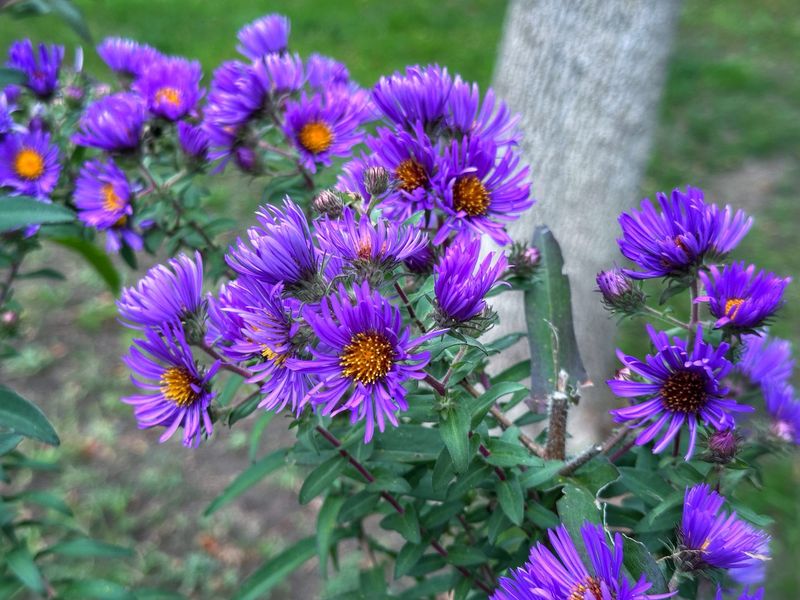
Spot a cluster of small leafy stems appearing a foot or two beyond the original clump next spring, and there is a good chance the aster is spreading on its own.
New England Aster can reproduce from seed, and mature plants produce fluffy seed heads that can drop seeds nearby when conditions are right.
Those seeds may germinate and establish as new plants the following season.
Self-seeding is not the only way the patch can expand. New England Aster also spreads through its root system, forming larger clumps over time.
Distinguishing between a seedling that sprouted from a dropped seed and a new shoot growing from an expanding clump matters when managing the garden.
Seedlings tend to appear in spots with bare or lightly covered soil, where dropped seeds have better contact with the ground.
A spreading patch can be a benefit for gardeners who want more coverage and more flowers for pollinators. For those with limited space, unwanted seedlings are easy to remove when they are small.
Pulling or transplanting young plants early in the season takes little effort and gives gardeners control over where the aster grows.
Letting a few extra seedlings develop in open areas can naturally build a larger display over several years without purchasing additional plants or doing much extra work.
8. Leave The Last Blooms For Hungry Pollinators
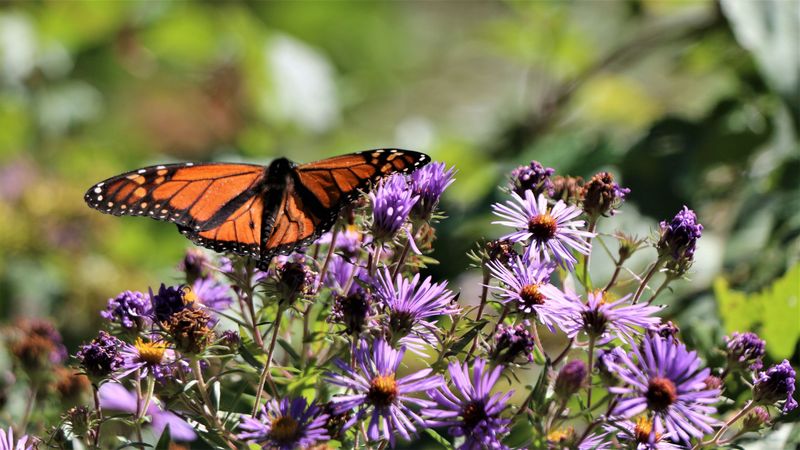
Resist the urge to tidy up the aster patch while flowers are still open. Late-season blooms serve a real purpose for insects still active before frost arrives.
Guidance from organizations like the Xerces Society encourages gardeners to leave flowers available while they remain open and productive. Avoid removing them ahead of schedule.
Trimming spent flowers too early can cut off a food source at exactly the moment pollinators need it most. Bees and butterflies working in October have fewer options than they did in July.
Every open flower head still offering pollen or nectar extends the window of available resources. Waiting until blooms have genuinely finished before doing any cleanup keeps that window open as long as possible.
Leaving stems and seed heads standing through winter can provide habitat for certain insects and birds. Check regional guidance before deciding how much material to leave in place.
The core idea is straightforward: New England Aster produces useful flowers late in the year. By then, most other nectar sources have already finished blooming.
Let those final blooms run their course instead of removing them early. This is one of the simplest ways to support insects still active before cold weather closes the season.