This Underrated North Carolina Native Groundcover Fills Bare Spots Without Creating A Tick Haven
Bare spots in a North Carolina yard have a way of filling themselves with exactly the wrong things if a deliberate choice does not get there first.
Weedy growth, leaf litter accumulation, and the kind of dense low ground cover that ticks move through freely all tend to colonize open soil faster than most homeowners can keep up with.
The instinct to grab whatever groundcover establishes quickly often creates a tick habitat problem in the exact spots it was meant to solve a cosmetic one.
One native North Carolina groundcover fills bare areas with genuine speed while actively working against the moisture retention and ground-level conditions that make a space hospitable to ticks in the first place.
1. Frogfruit Is The Underrated Native Groundcover
Somewhere between a lawn plant and a wildflower, frogfruit sits in a category all its own.
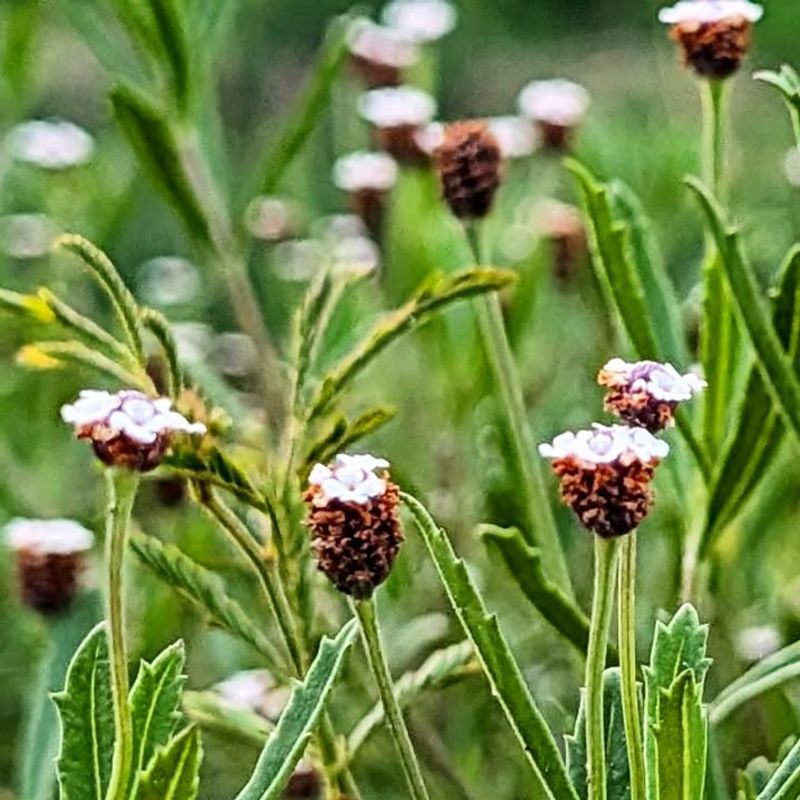
Its scientific name is Phyla nodiflora, and once you know it, you start spotting it everywhere, hugging roadsides, creeping along sunny edges, and quietly filling spaces that other plants simply skip over.
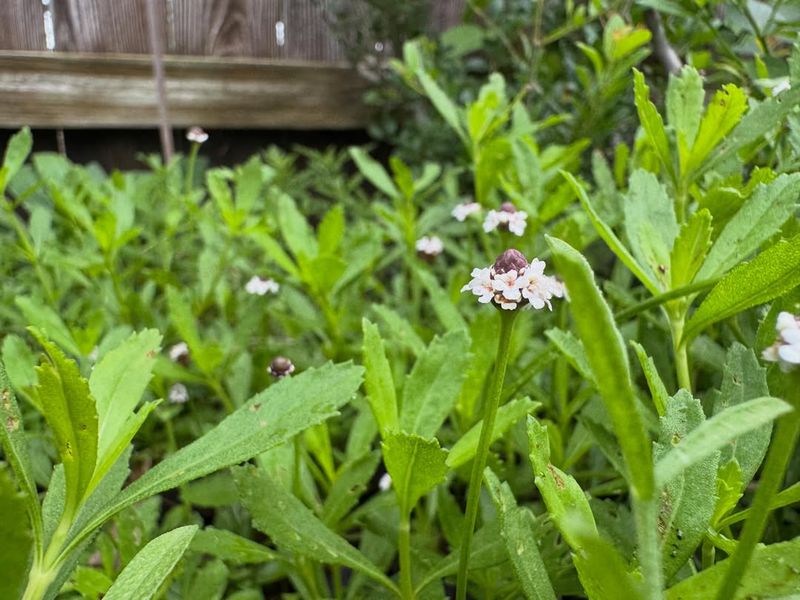
It grows extremely low to the ground, rarely reaching more than a few inches tall, which makes it stand out from taller, bushier groundcovers that can quickly feel out of control.
What makes frogfruit especially interesting is how it spreads. The stems creep outward along the soil surface and root right at the nodes, which are the small joints along each stem.
That rooting habit means it anchors itself as it grows, creating a connected mat of coverage rather than a loose tangle of weeds. It fills bare spots gradually and steadily, without suddenly taking over in a chaotic way.
North Carolina gardeners often overlook it because it does not have the flashy appearance of ornamental groundcovers sold at garden centers.
But native plants like frogfruit bring something more valuable than looks alone.
They are already adapted to local soils, heat, and rainfall patterns, so they require far less babying once established.
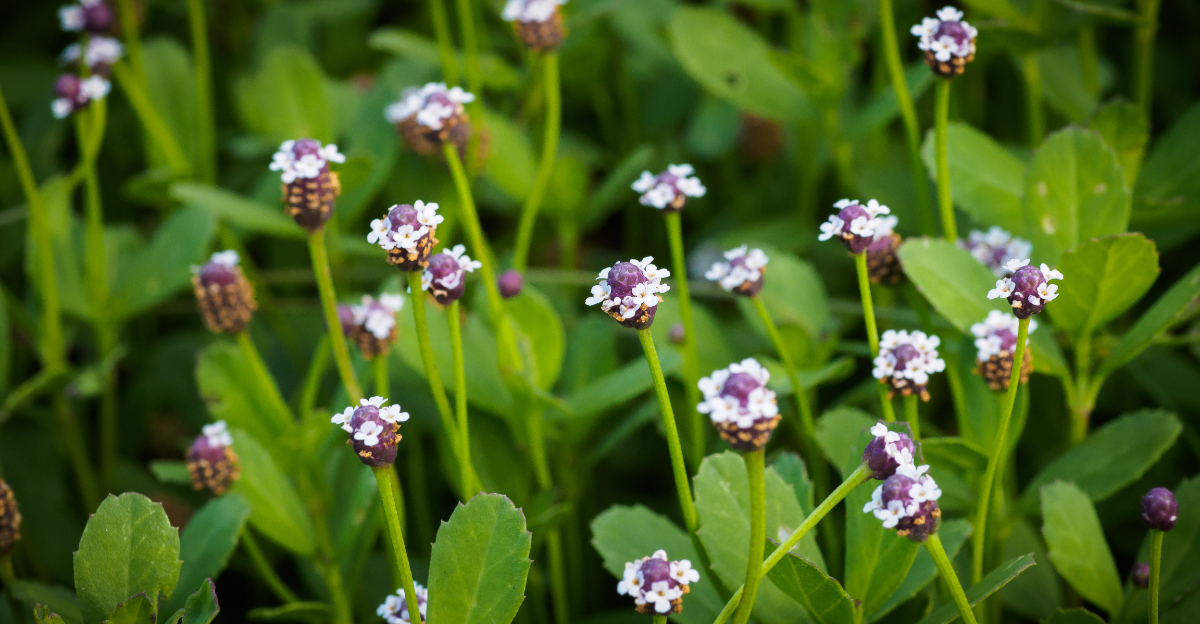
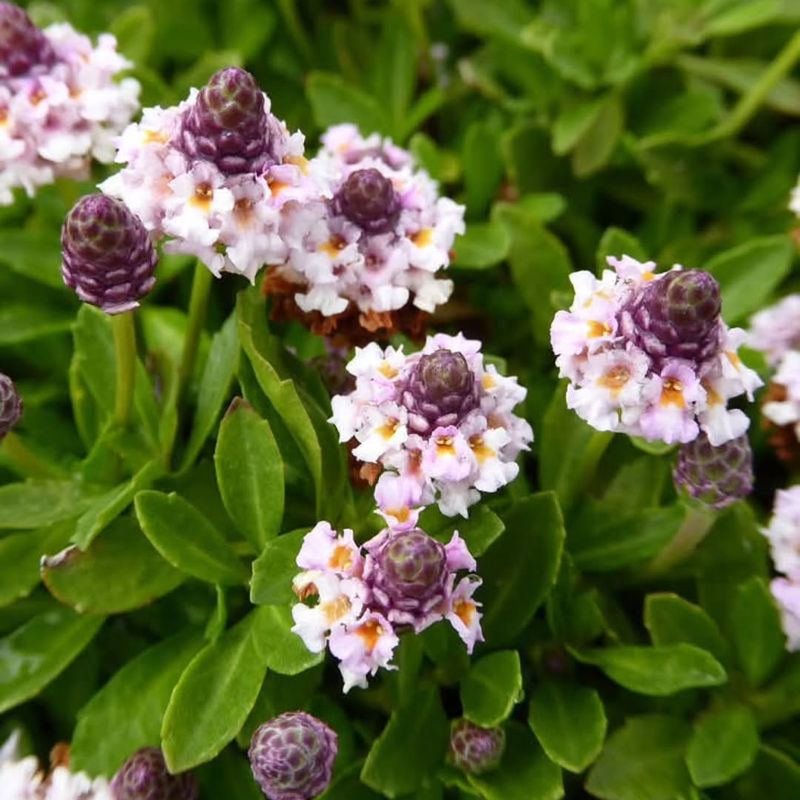
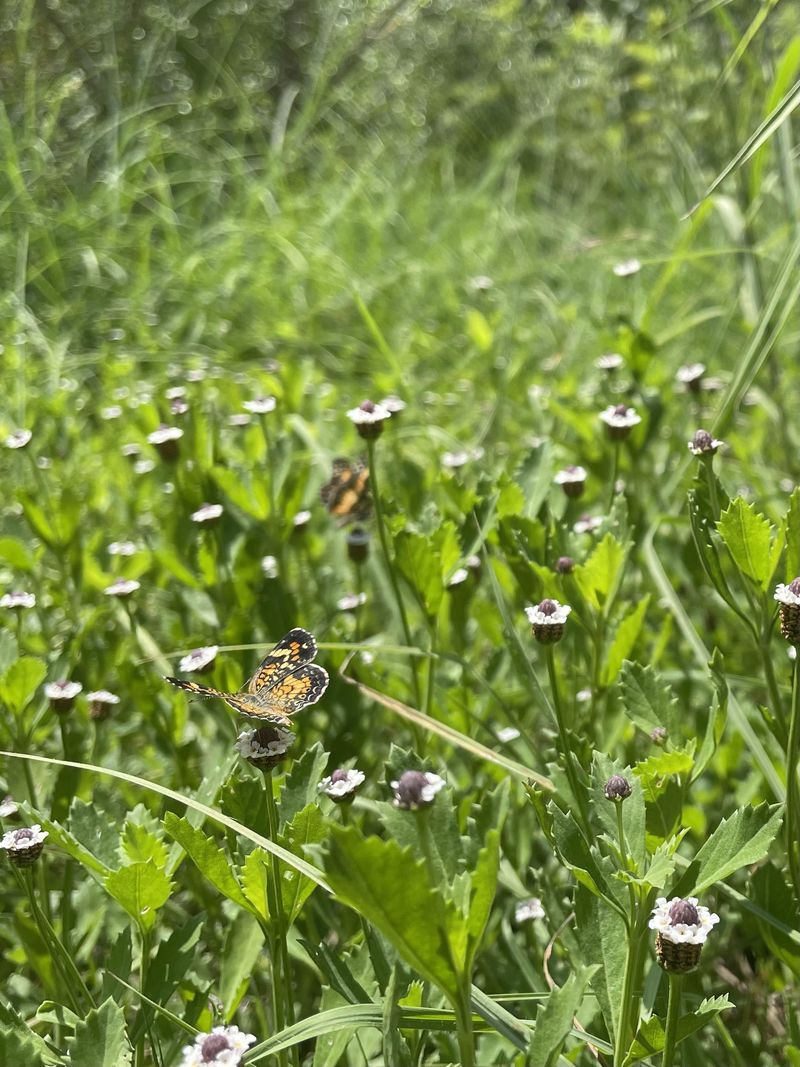
The small white and pink flowers it produces also attract native bees and butterflies, adding quiet ecological value to your yard without any extra effort on your part.
Frogfruit rewards patient gardeners who give it room to do its thing.
2. It Fills Open Bare Spots Naturally
Bare patches in the yard are frustrating. Rain hits exposed soil and causes erosion, weeds rush in to claim the space, and the whole area looks unfinished no matter how much effort you put into the rest of the garden.
Frogfruit offers a genuinely practical fix for exactly this kind of problem, spreading steadily across open ground without growing tall or turning into a brushy mess that raises other concerns.
Because frogfruit creeps along the ground and roots as it goes, it moves into bare sunny or partly sunny spaces in a controlled, low way.
It does not shoot up like crabgrass or grow into thick clumps that block sightlines. Instead, it forms a soft, even mat of green that covers soil gradually and holds it in place.
That spreading habit is one of its most useful qualities for gardeners dealing with patchy or exposed areas in full sun.
Your North Carolina Garden Changes Every Week. Your Plan Should Too.
Gardening in North Carolina changes quickly throughout the season. Every Friday you’ll receive a simple weekly plan showing exactly what to plant, prune, fertilize, harvest, and protect so you never miss the right timing.
It works especially well in spots where traditional lawn grass struggles, like dry sandy areas, compacted edges near walkways, or open patches between garden beds. Rather than fighting the conditions, frogfruit adapts to them.
It tolerates heat, handles dry spells once established, and keeps growing even when the soil is not particularly rich.
Gardeners who have tried multiple groundcovers in tough sunny spots often find that frogfruit simply outperforms them all, not by being aggressive, but by being genuinely suited to those conditions.
Coverage without chaos is exactly what bare spots need, and frogfruit delivers that reliably.
3. It Works Best In Managed Sunny Areas
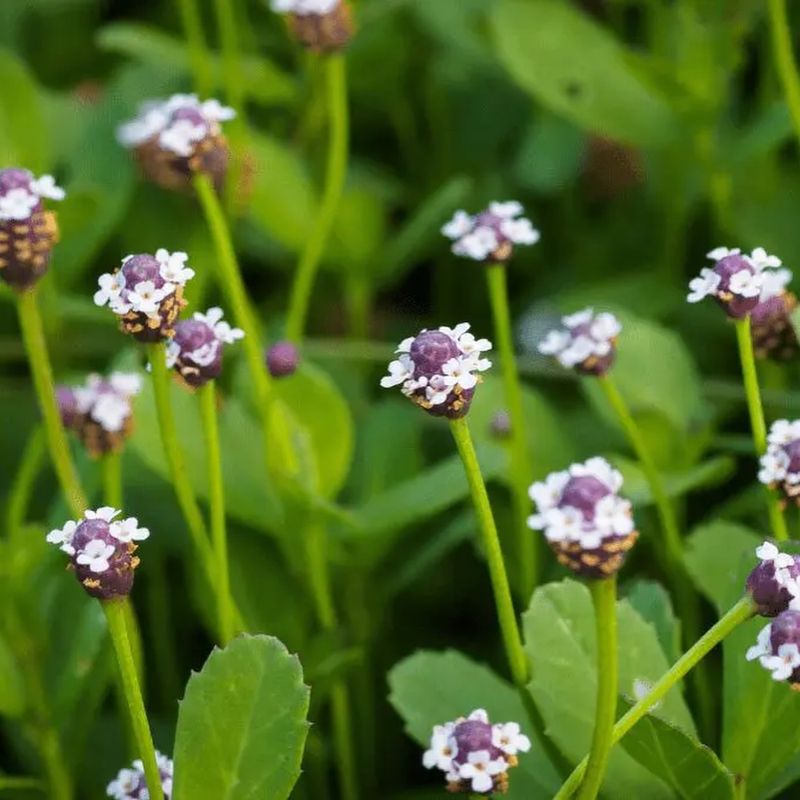
One of the smartest things a gardener can do is think about yard design with tick awareness in mind. Ticks are not randomly distributed across a yard.
They tend to cluster in specific environments, particularly tall grass, dense brush, wooded edges, and thick layers of leaf litter where humidity stays high and conditions are favorable for them.
Open, sunny, well-managed spaces are far less appealing to them, and that is exactly where frogfruit thrives.
Using frogfruit in sunny, maintained areas fits naturally into a yard plan that keeps things low, visible, and tidy.
Because it grows flat against the ground and stays short, it does not create the kind of shaded, humid microenvironment that taller vegetation can produce.
Keeping the planting area open and exposed to sunlight is the key factor here, and frogfruit’s growth habit supports that goal without much effort from the gardener.
The design principle is straightforward: place frogfruit in spots that already get good sun, keep the surrounding area mowed and clear, and avoid letting nearby plants grow tall or weedy around the edges of the frogfruit patch.
When it is managed well and kept in open areas rather than shaded corners or wooded zones, frogfruit fits beautifully into a broader yard strategy focused on keeping active spaces clean and accessible.
It is not a miracle solution on its own, but as part of a thoughtfully managed landscape, it genuinely earns its place. Sunny, neat, and low is the winning combination for making frogfruit work at its best.
4. It Should Not Be Sold As A Tick Repellent
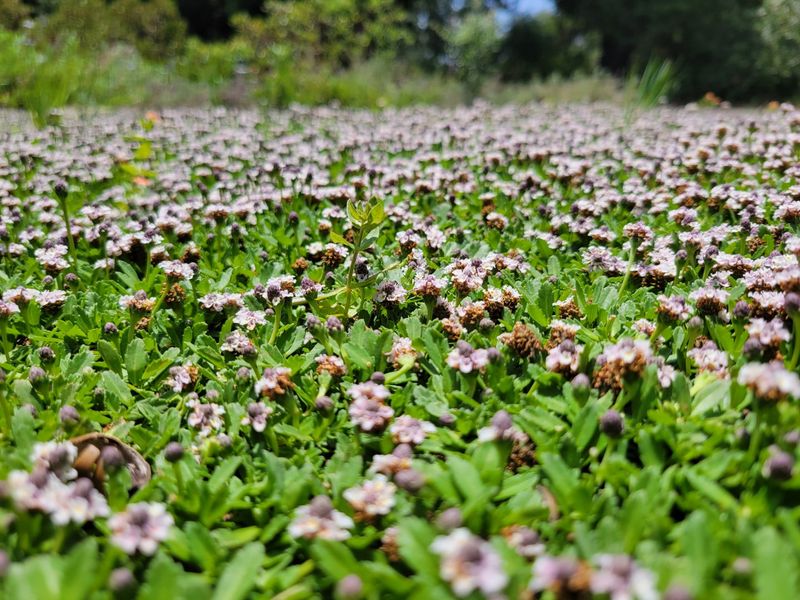
Frogfruit has real value for North Carolina gardeners, but honesty matters when talking about what it can and cannot do.
Some gardeners have started sharing the idea that planting frogfruit somehow repels ticks, but that claim goes further than the evidence supports.
Frogfruit does not emit any chemical that drives ticks away, and treating it like a spray or barrier product would give gardeners a false sense of security that could actually backfire.
The real benefit of frogfruit is much more grounded and practical. It replaces bare dirt and weedy patches with a low, native, managed groundcover that may help create better yard conditions overall.
When open soil gets covered with a tidy, low-growing mat instead of tall weeds or brush, the environment becomes less hospitable to ticks in a general sense, simply because the vegetation stays short and the area stays visible and dry.
That is a meaningful difference, but it is not the same as repelling ticks directly.
Gardeners should feel confident planting frogfruit for the right reasons: it is native, it is low-growing, it covers bare spots, it supports pollinators, and it fits well into a managed sunny yard.
Framing it honestly keeps expectations realistic and helps people make smarter choices about their overall yard care routine.
Pairing frogfruit with other good habits, like clearing leaf litter and mowing regularly, creates a yard that is genuinely better managed.
The plant earns its spot through practical performance, not through promises it was never designed to keep.
5. It Can Handle Lawn Like Spaces
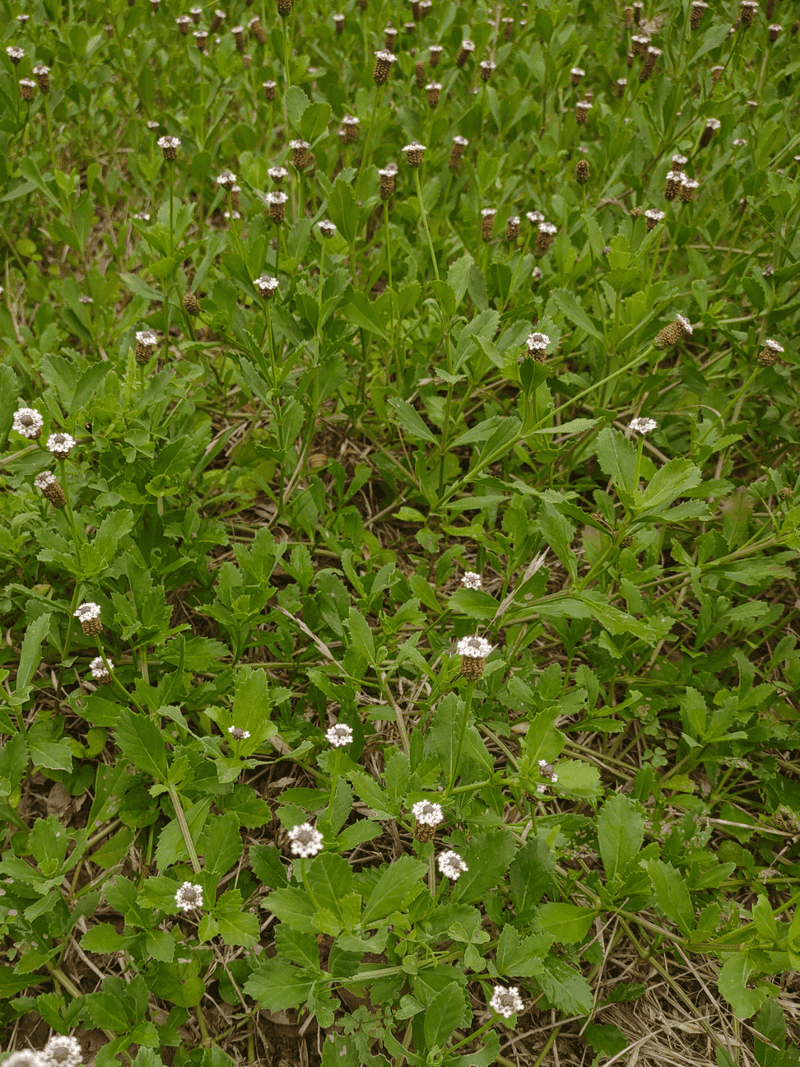
Not every groundcover can hold its own in tough, real-world conditions.
Some look great in a nursery pot but struggle the moment they hit compacted soil, sandy edges, or spots that get walked on occasionally. Frogfruit is built differently.
It naturally grows in lawns, roadsides, coastal dunes, open clearings, and disturbed areas, which means it already knows how to handle the kinds of spaces most gardeners are trying to cover.
In North Carolina, that toughness translates directly into practical usefulness.
Sandy openings near the coast, dry lawn edges in the Piedmont, informal paths through a backyard, and sunny spots along driveways are all places where frogfruit can settle in and perform well.
It does not need rich, amended soil or constant watering to get going.
Once it roots and starts spreading, it handles heat and drought better than many more delicate groundcover options that require careful babying to survive.
What makes frogfruit feel especially practical is that it does not look out of place in these tougher settings.
It blends naturally into lawn-like spaces without demanding that the surrounding area be perfectly manicured.
You can use it to soften a gravel path, fill a sandy corner, or connect two planted areas across a sunny gap, and it looks like it belongs there.
That adaptability is genuinely rare in a native groundcover. Most plants either need ideal conditions or they fade fast.
Frogfruit just keeps creeping forward and doing its job, which is exactly the kind of reliability a busy gardener can appreciate.
6. It Needs Edging And Occasional Trimming
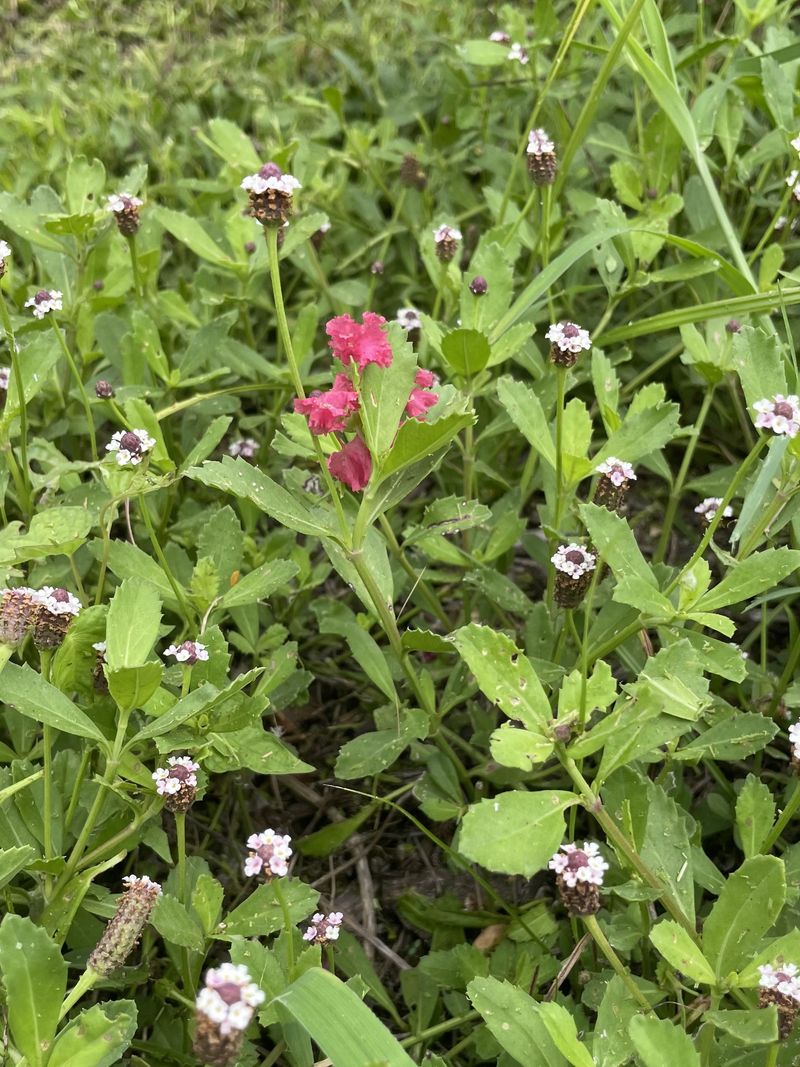
Low-growing does not mean zero maintenance, and frogfruit is no exception to that rule.
Because it spreads by creeping stems that root at the nodes, it will move into whatever space is available if no one redirects it.
Left completely on its own, it can wander into garden beds, edge into areas where you did not plan for it, or start mingling with other plantings in ways that get messy over time.
A little regular attention keeps all of that from becoming a problem. Edging is the most important management task for frogfruit.
Running a simple hand edger or garden spade along the border of the planting a few times each season keeps the creeping stems from crossing into spots where they are not welcome.
It takes only a few minutes once you get into the habit, and it makes a noticeable difference in how tidy the area looks.
Trimming the surface occasionally also helps keep the mat from getting uneven or patchy in places where growth is uneven.
Another thing worth watching for is leaf litter and debris collecting on top of the frogfruit mat.
Fallen leaves that pile up can smother sections of the plant and also create the kind of moist, shaded layer that makes any garden space less tidy.
Raking or blowing debris off the frogfruit patch regularly keeps it looking fresh and prevents buildup.
Managing frogfruit well is genuinely easy once you understand its habits. A few simple tasks throughout the season are all it takes to keep this groundcover performing exactly the way you want it to.
7. It Supports A Cleaner Pet And Path Area
Anyone with a dog knows the yard inspection routine. Before heading outside, especially during warmer months, you want to know what your pet is walking through.
Tall weeds, overgrown brush, and thick patches of unmowed grass near paths and walkways are exactly the kinds of spaces that make that check-in stressful.
A low, managed groundcover like frogfruit changes the feel of those areas in a genuinely useful way.
Frogfruit planted along sunny pet paths, near stepping stones, or around garden walkways keeps the ground covered without letting vegetation get tall and dense.
Because it stays flat and short, you can actually see the surface of the area rather than guessing what might be lurking underneath.
That visibility alone makes a difference when you are trying to keep track of what your pets are walking through and where they are spending time in the yard.
Beyond the practical inspection benefit, frogfruit simply looks better than bare dirt or patchy weeds. It creates a soft, green, natural-looking surface that feels intentional and cared for.
Stepping stones set into a frogfruit mat look polished and purposeful rather than randomly placed on exposed soil.
Paths edged with this low native groundcover feel like part of a designed outdoor space rather than an afterthought.
For households with kids and pets who use the yard regularly, having a groundcover that is easy to see through, easy to manage, and pleasant to look at is a genuine quality-of-life upgrade.
Frogfruit checks all three boxes without requiring a complicated maintenance routine to keep it that way.
8. It Works Best With Good Tick Smart Habits
Frogfruit is a smart addition to a well-managed yard, but it works best when it is part of a bigger picture.
No single plant, no matter how well-suited to the landscape, replaces the value of consistent yard habits that keep the whole outdoor space cleaner and more comfortable.
Thinking of frogfruit as one tool in a full routine makes it far more effective than treating it as a standalone fix.
Removing leaf litter regularly is one of the most important habits to pair with any groundcover planting.
Leaves that pile up along garden edges, under shrubs, and near wooded borders create exactly the kind of moist, shaded layer that makes those spots less inviting for outdoor activity.
Keeping lawn areas mowed and clearing tall grass and brush near patios, play areas, and walkways reduces the overall density of vegetation in active spaces, which is a meaningful part of smart yard management.
Gravel or wood chip barriers placed where garden beds meet wooded edges add another layer of separation between managed and unmanaged areas.
These simple transitions create a visible boundary and keep the two zones from blending together in ways that make the garden harder to maintain.
When frogfruit fills the sunny, open areas of the yard while these other habits handle the edges and borders, the entire landscape benefits.
The goal is a yard that feels open, clean, and easy to enjoy rather than overgrown or neglected.
Frogfruit fits naturally into that vision when it is supported by the kind of regular, thoughtful care that makes any garden genuinely shine.