How To Find And Scrape Spotted Lanternfly Egg Masses In New York Before Spring
You just brushed past a gray smear that hatches an invasion. New York first found the lanternfly on Staten Island, and the pests have multiplied since.
Each female coats her eggs in a putty-like gray shield. Look for these shields on bark, fences, stones, and even patio chairs.
Warmth hatches them, and you face crowds that feed on grapevines and maples. A plastic card anchors your basic toolkit.
Swipe it firmly along the shield, and you spill the eggs before they hatch. Fall through early spring gives you a scraping window.
Drop the scrapings into a bag of rubbing alcohol. Masses roughly an inch long still carry enough eggs to found a colony.
Officials in New York track sightings, so your photo can shape the response. Grab a card and check your vehicle’s undercarriage, where hitchhikers ride into new counties.
1. Learn What The Egg Masses Look Like
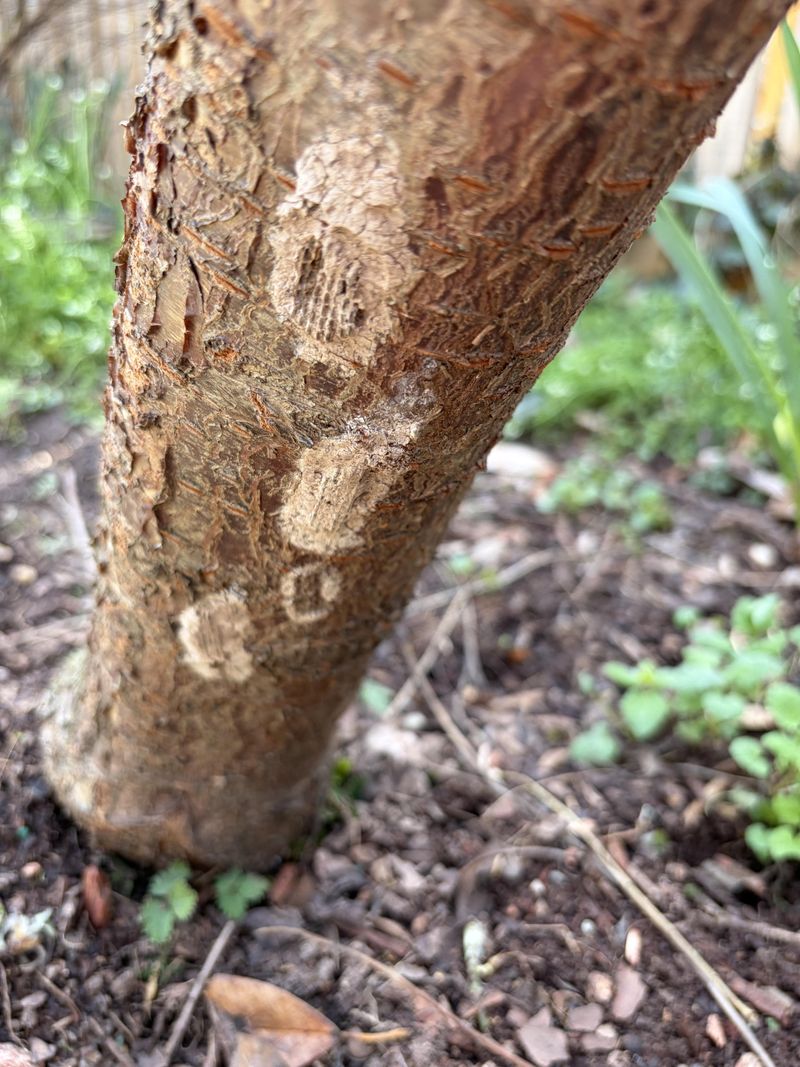
Imagine someone smeared gray putty on a tree and walked away. That is close to what a fresh egg mass looks like.
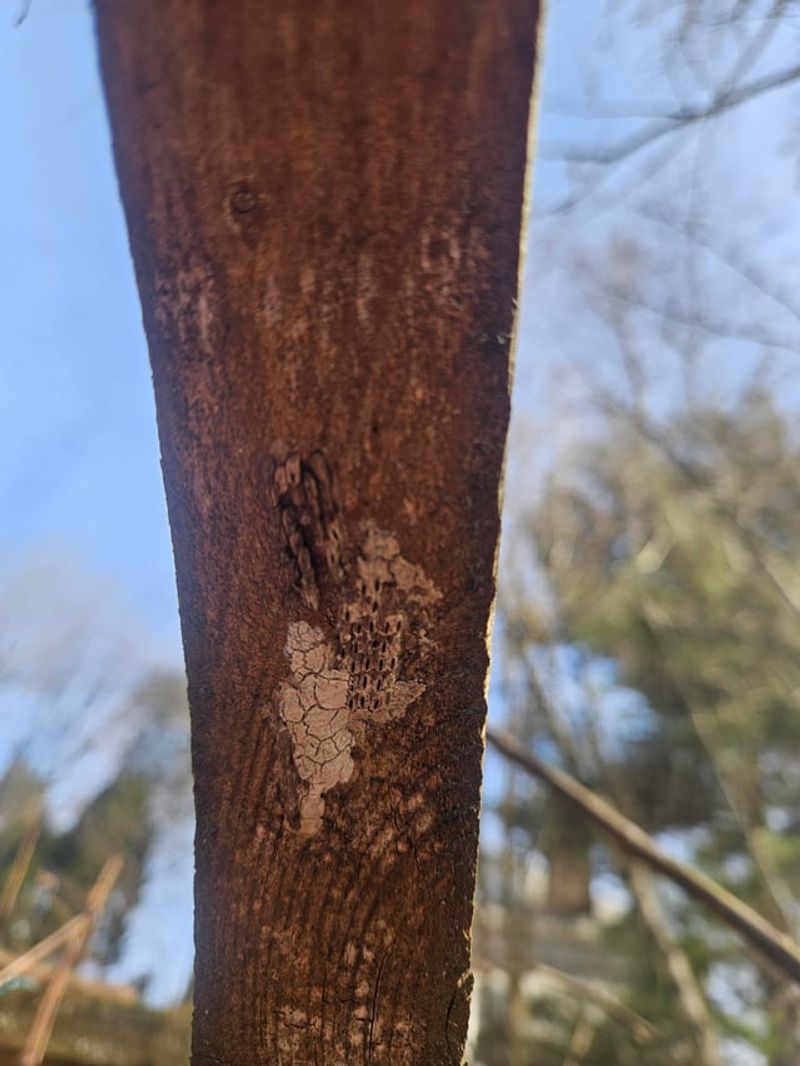
Each mass is about an inch long and shaped like a rough oval. Fresh ones look creamy white and putty-like, then turn pinkish gray as they dry.
Older masses darken to tan and crack over a few weeks. The coating can flake and show rows of small, seed-like eggs underneath.
Those rows look a bit like brown grains of rice lined up neatly. Spotting those lines helps you know you found the real thing.
A single mass can hold up to about fifty eggs. Removing one mass means fewer feeding nymphs next year.
Many people confuse egg masses with lichen, bird droppings, or dried sap. Lichen is often green or crusty, and droppings are usually white and splashy.
Try touching a suspected mass gently with a stick. Real egg masses feel firm and a little waxy, not soft or powdery.
Hatched masses have tiny holes where the young bugs escaped. Those are old news and do not need scraping right away.
Snap a photo of your first find for practice. Comparing later discoveries to that picture will train your eyes quickly.
Online guides from New York State show clear photos too. Study them for a few minutes before heading outside.
Once you know the look, you will start seeing them in surprising places. Your walks will turn into a treasure hunt with a purpose.
2. Check Tree Of Heaven And Other Favorite Trees
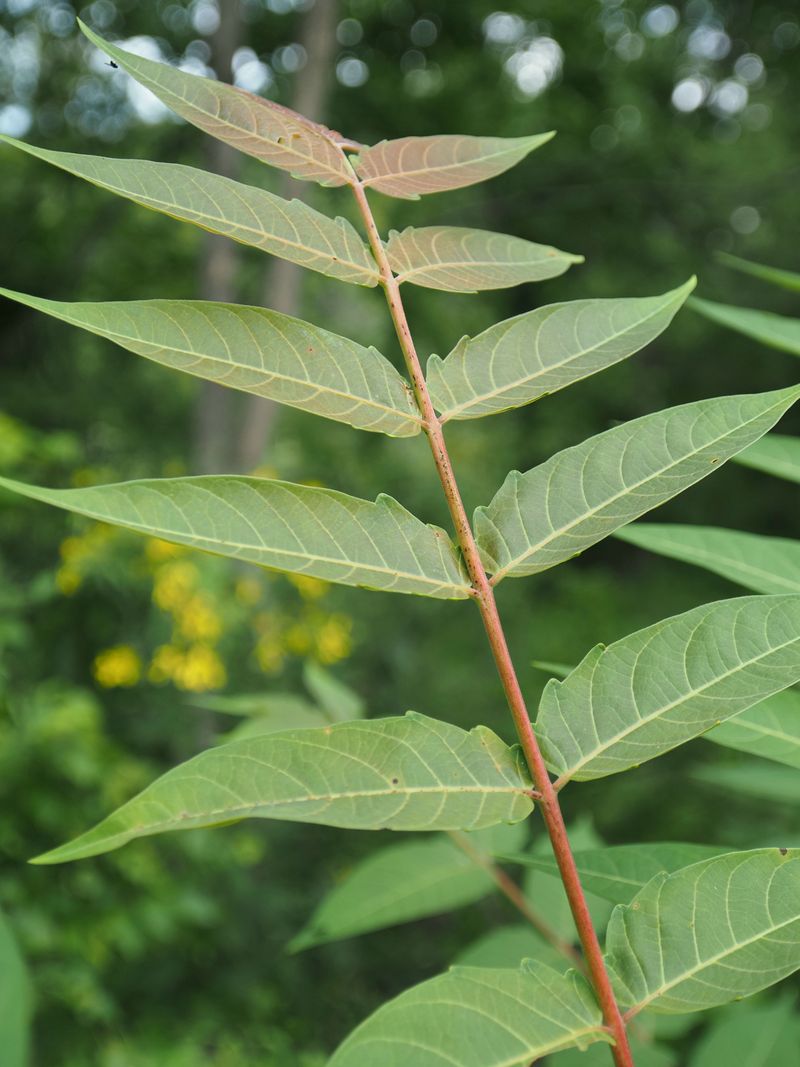
Lanternflies strongly prefer tree of heaven. The tree grows fast along roads, railroad tracks, and empty lots.
Tree of heaven has long leaves made of many small leaflets. Crush a leaf, and it smells like burnt peanut butter or rotten peanuts.
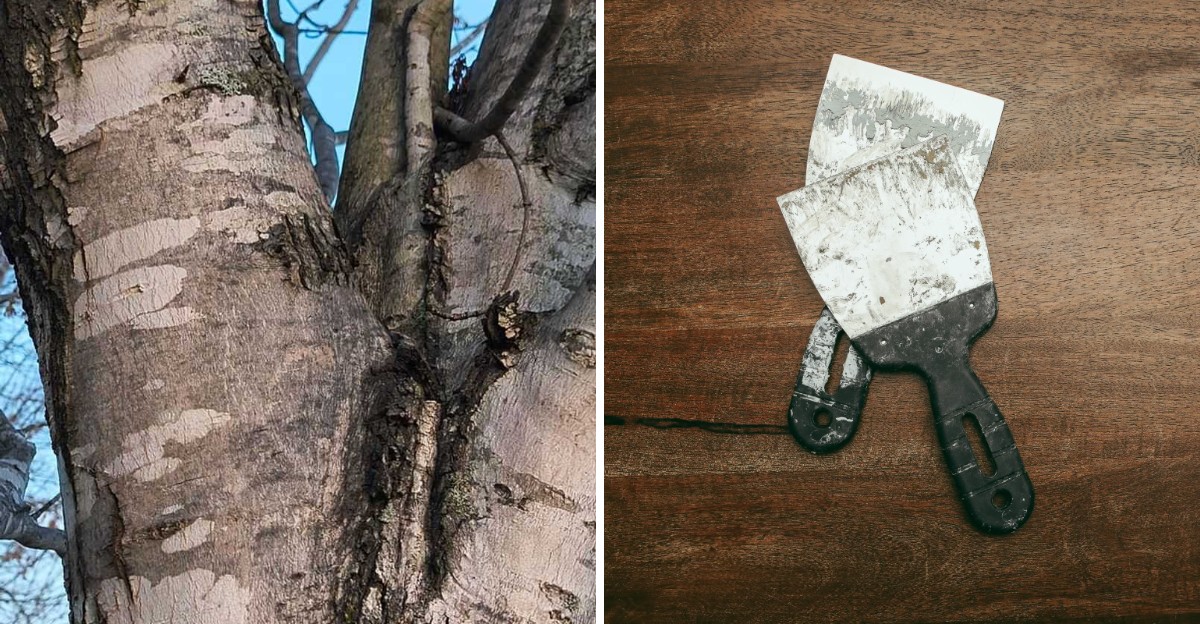
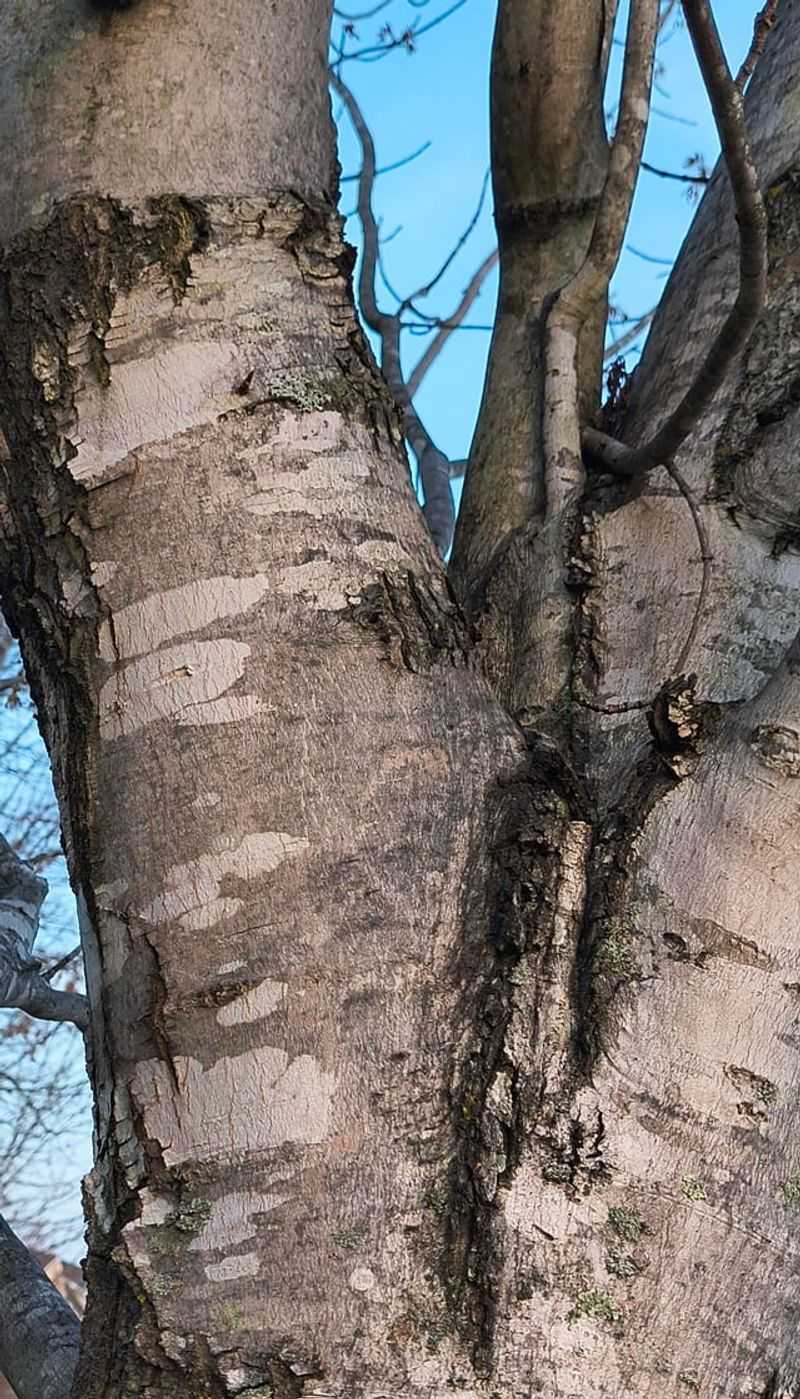
Its bark is smooth and pale gray, with light stripes like a cantaloupe. Those smooth trunks make egg masses easier to see.
Lanternflies also lay eggs on maples, black walnut, birch, and willow. Red maples and silver maples are common targets for egg laying.
Look closely at the lower trunk first. Masses can sit from ground level to high branches, but low ones are easiest to reach.
Your New York Garden Changes Every Week. Your Plan Should Too.
Gardening in New York changes quickly throughout the season. Every Friday you’ll receive a simple weekly plan showing exactly what to plant, prune, fertilize, harvest, and protect so you never miss the right timing.
Then scan the undersides of thick branches. Bugs like sheltered spots that block wind and snow. Grab binoculars if the tree is tall. Some masses sit high up, but you can still report them.
Trees near parking lots and highways deserve extra attention. Adults often ride cars and trucks, then hop off nearby.
Mark trees with past activity in a notebook or phone app. Bugs tend to return to the same areas year after year.
Check the same maple weekly, and you can clear new masses before the first snow. Picking the right trees saves time and energy. You will find more masses with less wandering around.
3. Search Outdoor Objects Around The Yard
Lanternflies lay eggs on many kinds of surfaces. Patio furniture, grills, and even kids’ bikes can hold egg masses.
Flat, hard surfaces are preferred egg-laying sites. Stone walls, fences, and wooden decks get plenty of visits.
Flip over lawn chairs and check the bottoms. The underside of a table can hide several masses at once.
Look along the edges of sheds and garages too. Corners and ledges block wind and keep eggs cozy.
Vehicles deserve a careful look before road trips. Check wheel wells, bumpers, and trailers, especially when leaving areas with known lanternfly activity.
Firewood piles are another easily overlooked spot. Moving firewood can carry eggs into brand new towns.
Stacks of bricks, old tires, and pallets need a check as well. Clutter gives bugs many places to tuck away. Outdoor toys left out all fall can surprise you. Plastic slides can hold egg masses too.
Make a simple checklist of yard objects to inspect. Walk through it once a week from October through March.
Bringing items into a garage for winter helps too. Just scan them carefully before moving them inside.
Treat this search like a scavenger hunt with the family. Kids can spot things adults overlook, since they are closer to the ground.
A tidy yard leaves fewer hiding spots for eggs. Clearing clutter now removes places eggs can hide.
4. Gather The Right Scraping Tools

Good news for your wallet, since the best tool might already be in it. An old gift card or expired credit card works great.
Plastic putty knives are another handy choice. They are cheap, sturdy, and gentle on bark. Avoid sharp metal blades on living trees. They can cut bark and leave openings for disease.
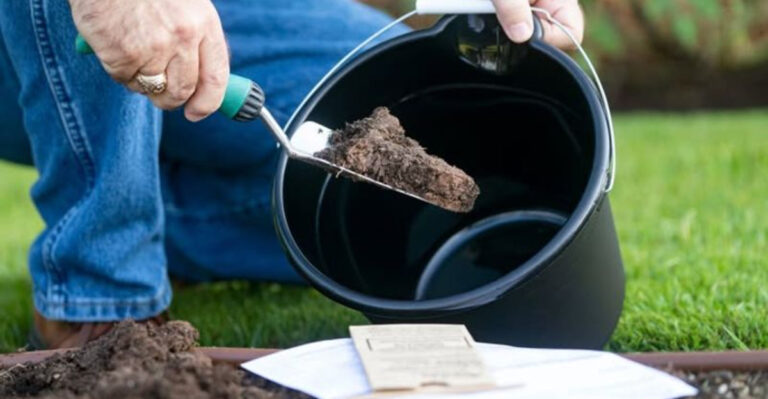
Next, grab a zip-top bag or small jar. Fill it partway with rubbing alcohol or hand sanitizer. Alcohol stops eggs from hatching after you scrape them. It is the step that seals the deal.
Gloves help keep sticky goo off your hands. Garden gloves or thin rubber gloves both work fine. A small flashlight helps on gray, cloudy days. Shadows on bark can hide masses surprisingly well.
Toss in a marker for labeling bags with dates and places. That record helps when reporting finds to the state.
Some people build a simple scraping kit in a shoebox. Keep it by the door so grabbing it takes seconds.
Kids enjoy having their own kit with a colorful card. Ownership makes them more eager to help.
A long-handled scraper can reach low branches safely. Stay off ladders unless an adult helps and holds it steady. With these simple items, you are ready to work. The whole kit usually costs very little.
5. Scrape Egg Masses Safely And Effectively
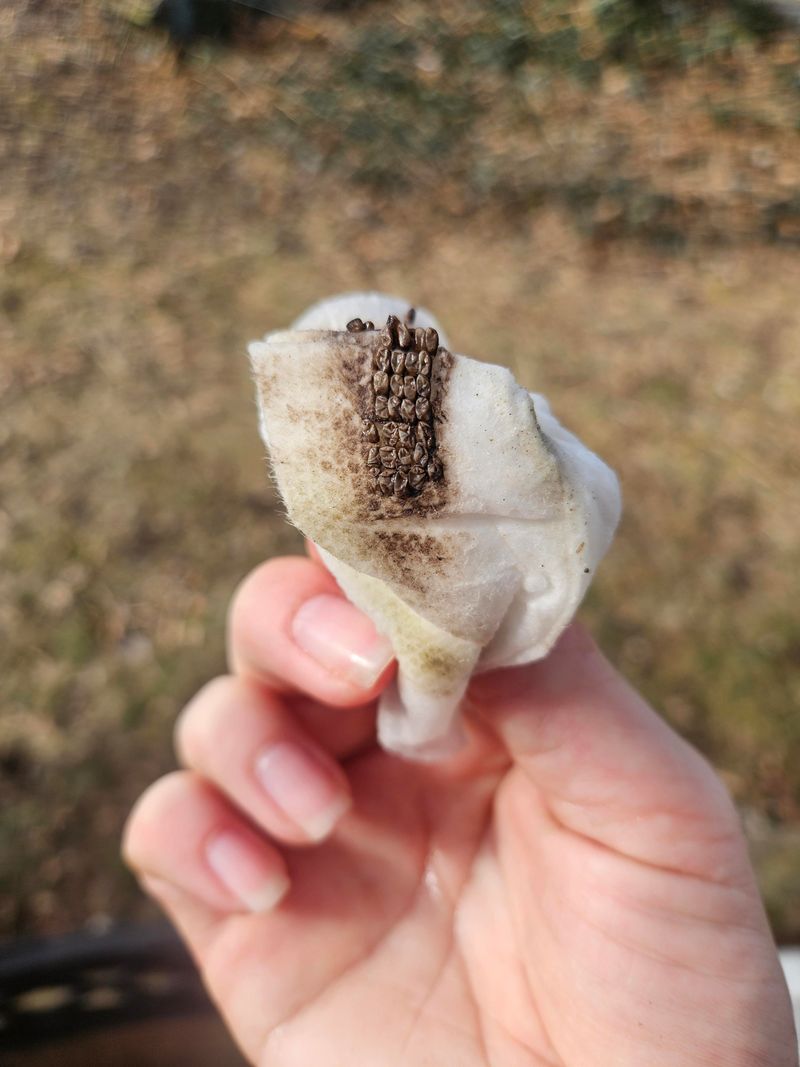
Think of scraping like buttering toast in reverse. You press firmly and pull the gunk off in smooth strokes. Hold your bag or jar right under the mass. This catches eggs before they tumble into the grass.
Place the card edge at the top of the mass. Push downward with steady pressure so eggs fall into the container. Eggs should pop out and drop easily. You may hear a soft cracking sound as they break apart.
Scrape the spot a second time to catch leftovers. Missed eggs can still hatch later. Seal the bag tightly once the eggs are inside. Squish it a little so alcohol coats every egg.
Leave the eggs in the alcohol, seal the bag, and toss it in the regular trash. Do not just scrape eggs onto the ground. Many will survive the fall and hatch in spring.
Some people smash eggs with a stick instead. That works, but bagging them is more reliable. Wash the card afterward so it stays clean. A quick rinse keeps it ready for the next mass.
Take your time, especially on rough bark. Short, careful strokes usually work better than fast, sloppy ones.
Before long, you will scrape like a pro. Each mass removed means fewer pests feeding on New York’s trees.
6. Time Your Search From October Through March
Timing matters in this job. Adult lanternflies start laying eggs in September in New York.
Egg laying continues until the first hard frost. That often lands in November across much of the state.
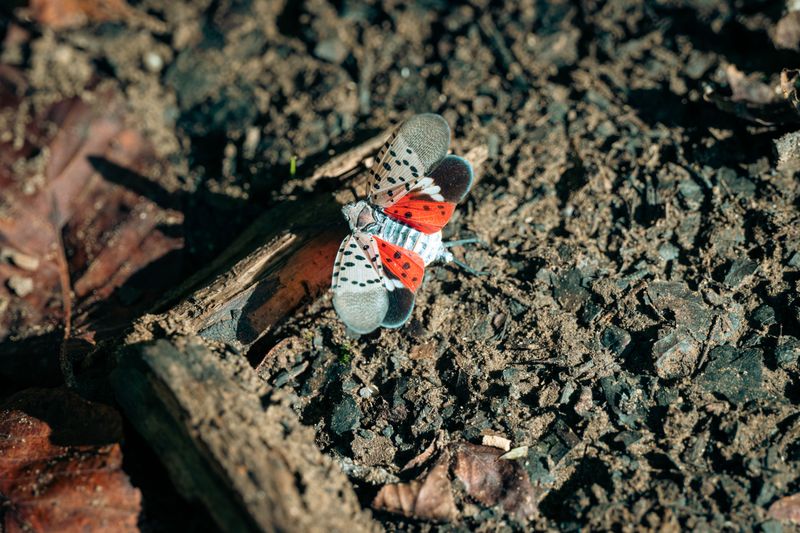
Adults remain active from July through December, so you may see live insects while you scrape.
October is a great month to begin checking. Fresh masses are easier to spot while they still look pale and creamy.
Masses darken to tan and crack after a few weeks, so older ones blend into bark. Winter is also prime scraping season. Leaves are gone, so trunks and branches are easy to see.
Eggs usually start hatching in late April or May. Your goal is to scrape before that warm-weather wake-up call. Pick mild winter days for your searches. Cold fingers make scraping slow and clumsy.
Plan a weekly check on weekends. A short fifteen-minute walk can uncover a surprising number of masses. Record the date and place of each find in your phone notes.
Snow can actually help your search. Tan and gray masses stand out against bright white backgrounds. After big storms, check fallen branches too. Eggs can survive on limbs lying on the ground.
Set phone reminders so you do not forget. Busy holidays can make weeks slip away quickly. In March, do one final sweep of your yard. Late finds still count, since unhatched eggs are worth removing.
Staying consistent across the cold months can reduce local numbers. Fewer nymphs may then show up in spring.
7. Report Your Finds To New York State
Scientists cannot be everywhere, so your eyes matter. Reports from regular people help New York track where these pests spread.
The New York State Department of Agriculture and Markets collects sightings. You can submit a report online in just a few minutes.
Residents of upstate and western counties are asked to report sightings through the state’s online form. Check current instructions, since requests can change.
Before scraping, snap a clear photo of the mass. Include something for size, like a coin or your finger. Collect a sample, then store it in a freezer or a jar with rubbing alcohol or hand sanitizer.
Write down the address or use your phone’s location. Include the date you found it, since timing helps inspectors track movement. Exact spots help experts map new problem areas.
New counties with first sightings are especially important. Early reports can lead to faster action in those places.
Cornell Cooperative Extension offices can answer questions too. They offer local advice for every county in the state.
Teachers sometimes turn reporting into a class project. Students love seeing their data used by real scientists. Keep your photos organized in a folder. They make great records for future seasons.
After reporting, go ahead and scrape the mass. Then you have done double duty for your community.
Lanternflies feed on over one hundred plant species, so early warnings protect far more than grapevines.
Small actions add up across a big state. Your report could protect vineyards, orchards, and parks far from home.
8. Team Up With Neighbors For Bigger Results
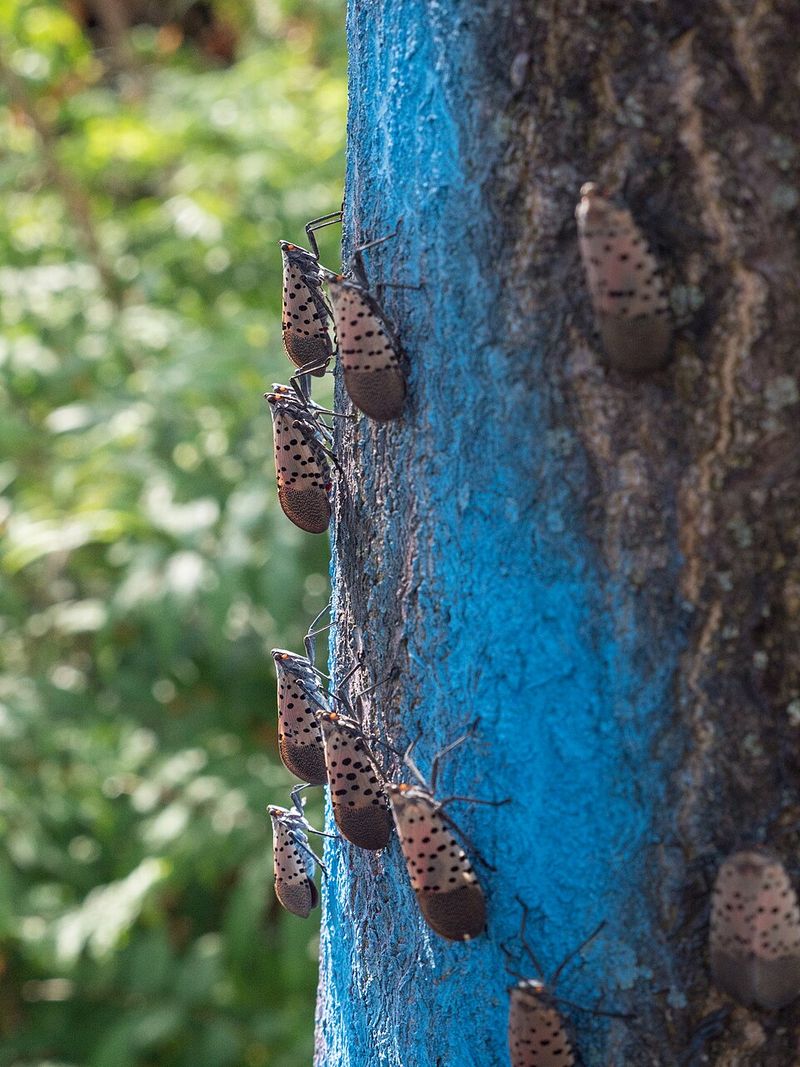
One person can clear a yard, but a whole street can clear a neighborhood. Lanternflies hop fences, so teamwork really pays off.
Start by chatting with neighbors about what you found. Many people have no idea what egg masses look like.
Share photos so others can learn quickly. A group text or community board works nicely. Plan a weekend scraping day in a local park. Bring extra cards, bags, and a jug of sanitizer.
Schools, scout troops, and garden clubs make great partners. Young volunteers often bring big energy and sharp eyes. Check with park managers before scraping public trees. Most will be glad for the help.
Hot cocoa can turn a chilly morning into a party. People stick around longer when snacks are involved.
Keep a tally of masses removed by the group. Big numbers feel rewarding and inspire people to return. Group counts add up fast, and a shared tally shows neighbors what their effort achieves.
Elderly neighbors may need help checking their yards. Offering a hand builds friendships along the way.
Celebrate your wins at the end of winter. A small potluck or photo slideshow keeps everyone motivated.
Working together spreads both the work and the knowledge. Next fall, your neighbors may be teaching the newcomers.