How to Get a Christmas Cactus to Bloom Right on Time in New York
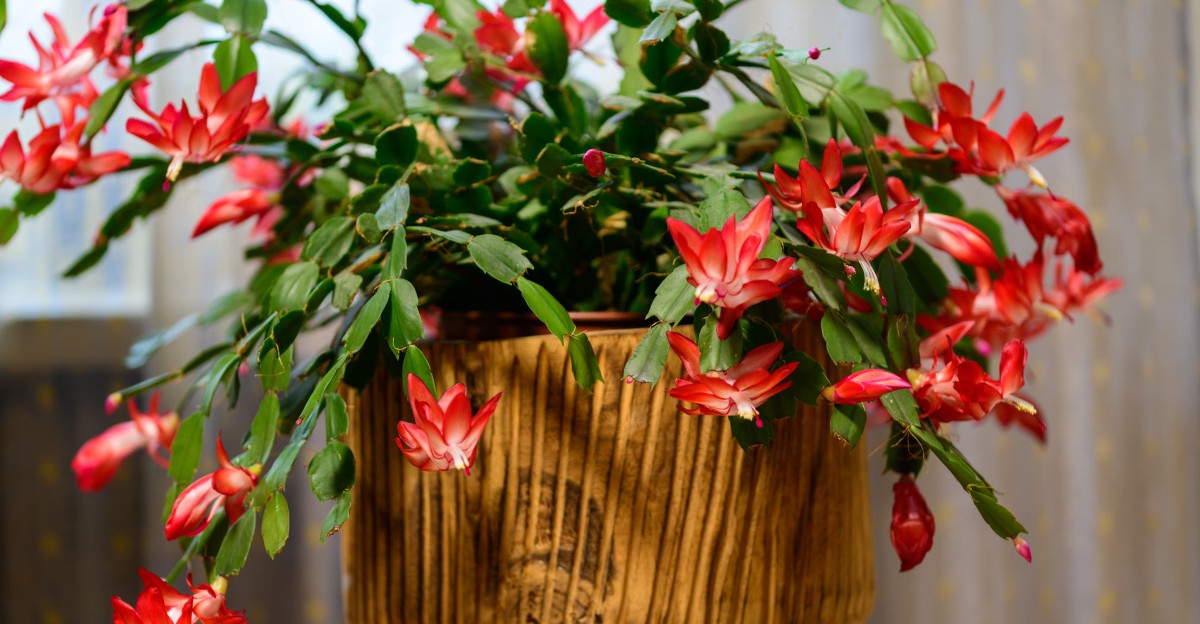
A few weeks of long, dark nights can decide if your holiday table gets flowers or just green stems. I learned that the hard way. One stray lamp in my living room cost me an entire season of blooms.
This plant comes from the misty mountain forests of Brazil. It grows on tree branches there, not in sandy deserts. That origin explains almost every odd thing it asks of you.
Here in New York, fall hands you the perfect setup. Cool nights and short days arrive right on schedule. You just need to stop your cozy, bright home from getting in the way.
I believe timing these flowers feels a little like magic. A few small changes in October can pay off with bright pink buds by December.
So what is your plant quietly waiting for?
Your Christmas Cactus Is Already Reading the Calendar
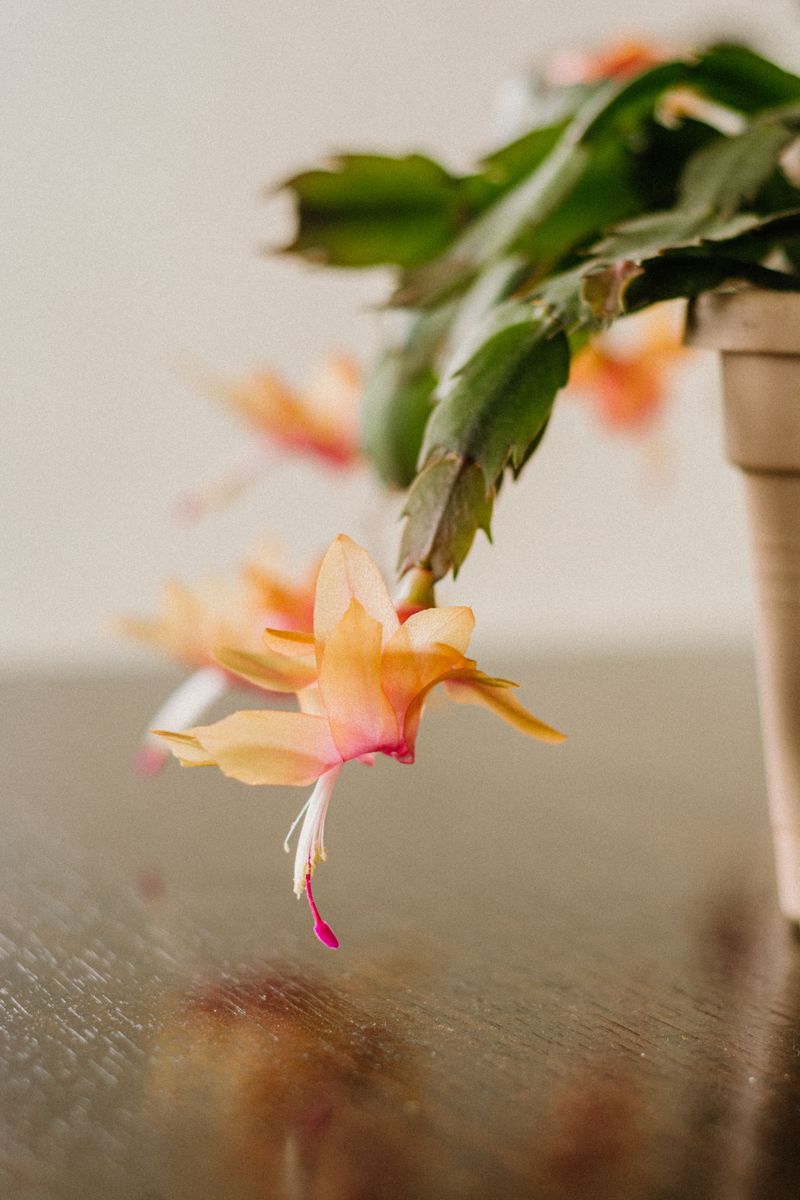
Deep in the cloud forests of southeastern Brazil, holiday cacti cling to tree branches and soak up filtered light. Their flowering is tied to the seasons there.
That habit traveled with them into our living rooms.
Your plant does not care about the date on your phone. It watches two things closely: how long the nights last and how cool they feel.
When nights stretch out and temperatures drop, it starts building flower buds at the tips of its flat stems.
Botanists call this response photoperiodism. In plain words, the plant measures darkness like a tiny timer.
Once it senses enough long nights in a row, the bloom process switches on.
New York gives you a head start. Our fall days shrink fast, and nights turn crisp by October.
Outdoors, the signals are clear and strong.
The trouble starts inside. Lamps, TV screens, and warm heaters can blur those signals.
Your plant may get confused and keep growing leaves instead of flowers.
So the main job is simple. You help the plant feel the real season outside your walls.
Get that right, and buds usually show up about six to eight weeks later, often just in time for December gatherings.
Give Your Holiday Cactus the Long Dark Nights It Craves
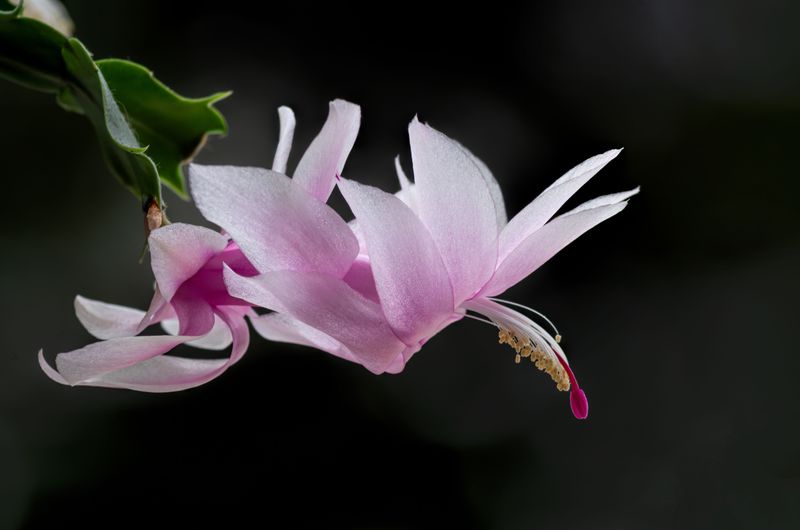
Darkness is the real secret ingredient. Holiday cacti need around 12 to 14 hours of steady darkness each night to set buds.
Even a short burst of light can reset the clock.
Start in late September or early October. For blooms around Christmas, many growers begin by mid-October.
Keep it up for about six weeks, or until you see small buds.
A spare bedroom works great if nobody flips on the light at night. An unused closet works too.
Just move the plant back to a bright spot each morning so it still gets daytime light.
Some folks cover the plant with a cardboard box from about 5 p.m. to 8 a.m. That method works, but you have to stay consistent.
Missing several nights can slow things down.
Watch out for sneaky light sources. Streetlights through the window matter, especially in busy New York neighborhoods.
Your New York Garden Changes Every Week. Your Plan Should Too.
Gardening in New York changes quickly throughout the season. Every Friday you’ll receive a simple weekly plan showing exactly what to plant, prune, fertilize, harvest, and protect so you never miss the right timing.
A glowing phone charger or nightlight can also interrupt the dark period.
Once buds reach about the size of a grain of rice, you can relax a bit. The plant has made its decision by then.
Normal room light in the evening is usually fine after that point.
Cool Nights Push Christmas Cactus Buds Into Gear
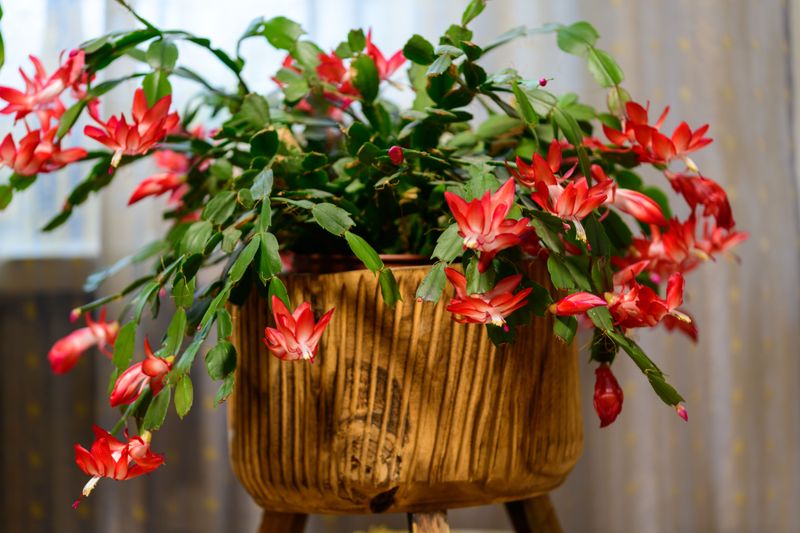
Chilly nights are a gift for this plant. Temperatures between 50 and 60 degrees Fahrenheit help trigger strong bud growth.
Cool weather can even make up for imperfect darkness.
Research from university extension programs shows something neat. At around 55 degrees, holiday cacti often set buds no matter how long the nights are.
Warmer rooms make the darkness step much more important.
Many New York homes run warm once the heat kicks on. That cozy 70-degree living room may feel nice to you, but it sends mixed messages to your plant.
A cooler room helps a lot.
Try an enclosed porch, a sunroom, or a bright spot near a cool window. Just keep leaves from touching cold glass.
A basement room with a window can also work if it stays bright during the day.
Leaving the plant outside in early fall is fine for a while. Bring it in before nights fall below about 45 to 50 degrees.
Frost can harm the tender segments quickly.
Upstate gardeners usually face that cutoff in late September. Down near the city, you might have until mid-October.
Check the forecast often and move the pot indoors before a sudden cold snap.
A Little Less Water Gets Those Christmas Cactus Buds Started
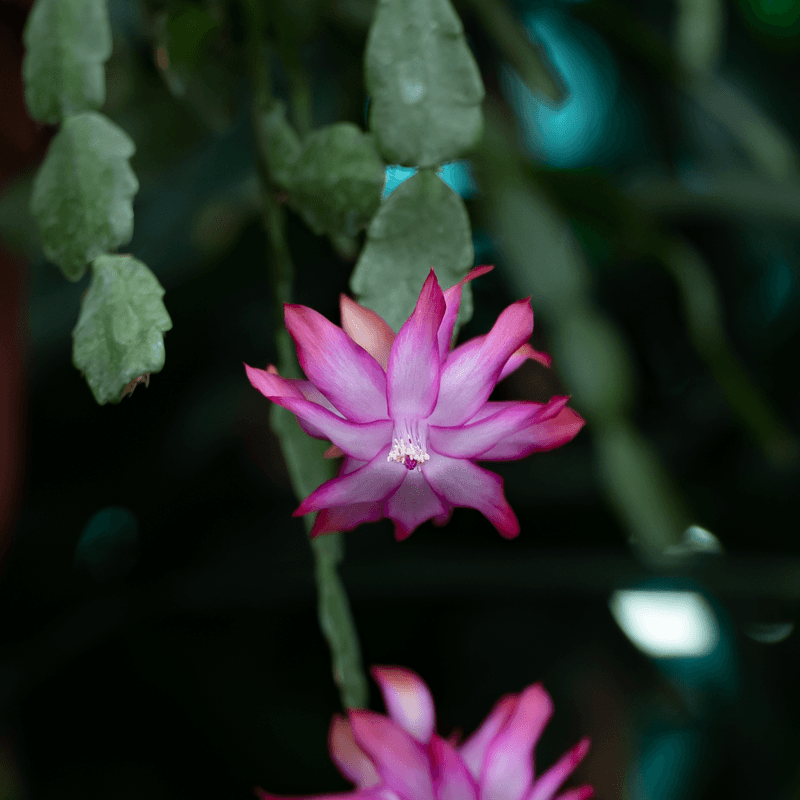
Thirsty plants sometimes bloom better. During fall, holiday cacti like a short rest period with drier soil.
Cutting back on water nudges them away from leaf growth and toward flowers.
Around late September, let the top inch or two of soil dry out before watering. Push your finger into the pot to check.
If it feels damp, wait a few more days.
Do not let the plant shrivel, though. These are forest plants, not desert cacti.
Slightly wrinkled or limp segments mean it needs a drink.
When you do water, soak the soil well and let the extra drain away. Empty the saucer after about fifteen minutes.
Soggy roots can rot fast, especially in cooler rooms.
Once buds appear, go back to more regular watering. Keep the soil lightly moist while the plant blooms.
Dry soil at this stage can cause buds to drop.
A quick tip I love: use room-temperature water. Cold water straight from the tap on a winter morning can shock the roots.
Let a jug sit out overnight first.
Steam heat in older apartments dries the air too. A tray of pebbles and water under the pot adds gentle humidity without making the soil soggy.
Skip the Fertilizer and Watch the Flowers Take Over
Feeding your plant feels like the kind thing to do. In fall, though, extra food can work against you.
Fertilizer tells the plant to grow new leaves, not flowers.
Spring and summer are the right time to feed. A balanced houseplant fertilizer every few weeks keeps stems healthy and green.
That growth builds the base for next winter’s blooms.
By late August or early September, stop feeding. Hold off until after the flowers fade in winter.
This pause helps the plant shift its energy into making buds.
Some growers like to add a little Epsom salt in summer. Holiday cacti have a slightly higher need for magnesium than many houseplants.
A teaspoon per gallon of water once a month is a common suggestion, but it is optional.
Do not try to rush blooms with a bloom booster in October. High-phosphorus mixes rarely speed things up for this plant.
Light and temperature are what really control the timing.
Think of fall as nap time for your cactus. It does not need snacks right now.
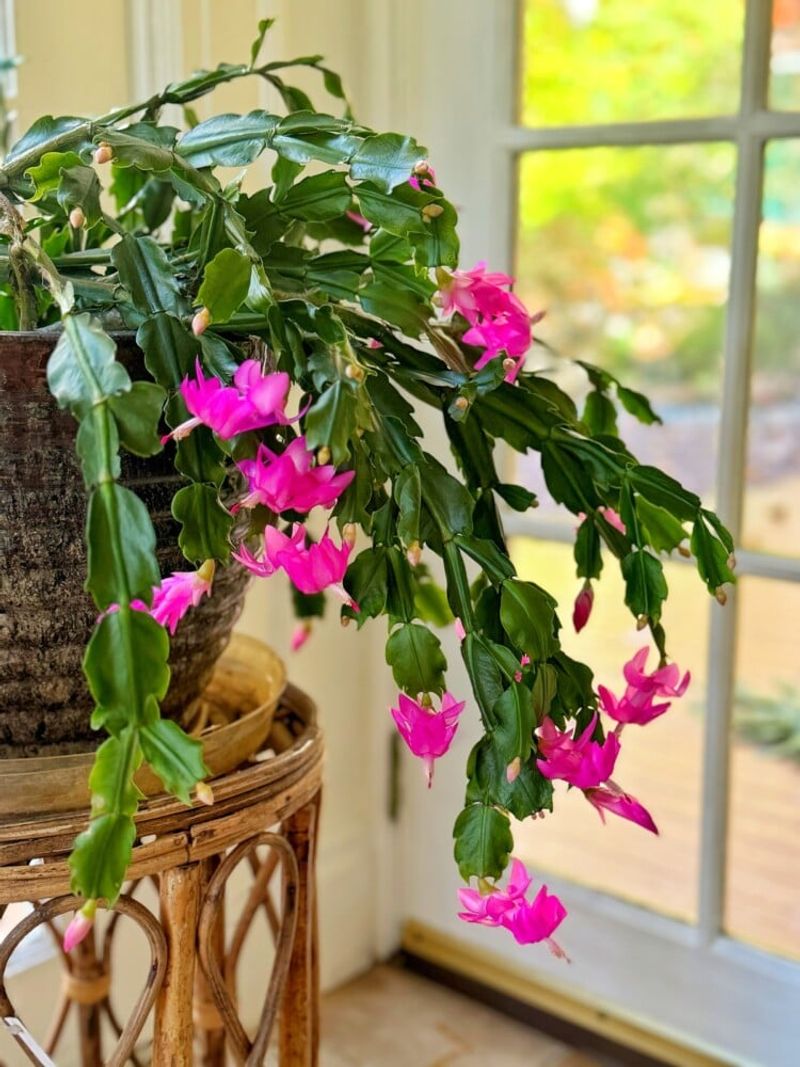
It needs calm, quiet conditions, and the reward comes later in a shower of bright tubular flowers.
You Should Definitely Avoid These Bud Drop Mistakes
Nothing stings like watching fat pink buds fall onto the windowsill. I have been there, and it hurts.
Most bud drop comes from sudden change.
Holiday cacti dislike being moved once buds form. Pick a spot and leave it there.
Even turning the pot can upset it.
Drafts are another big problem. Keep the plant away from front doors, heating vents, and radiators.
New York radiators can blast hot, dry air that stresses buds.
Temperature swings matter too. A room that is 75 degrees by day and 50 at night can cause trouble.
Aim for steady conditions.
Watering mistakes play a role. Both bone-dry soil and soggy roots can trigger drop.
Check the soil a couple of times a week.
Here is a fun twist. Your plant may not be a Christmas cactus at all.
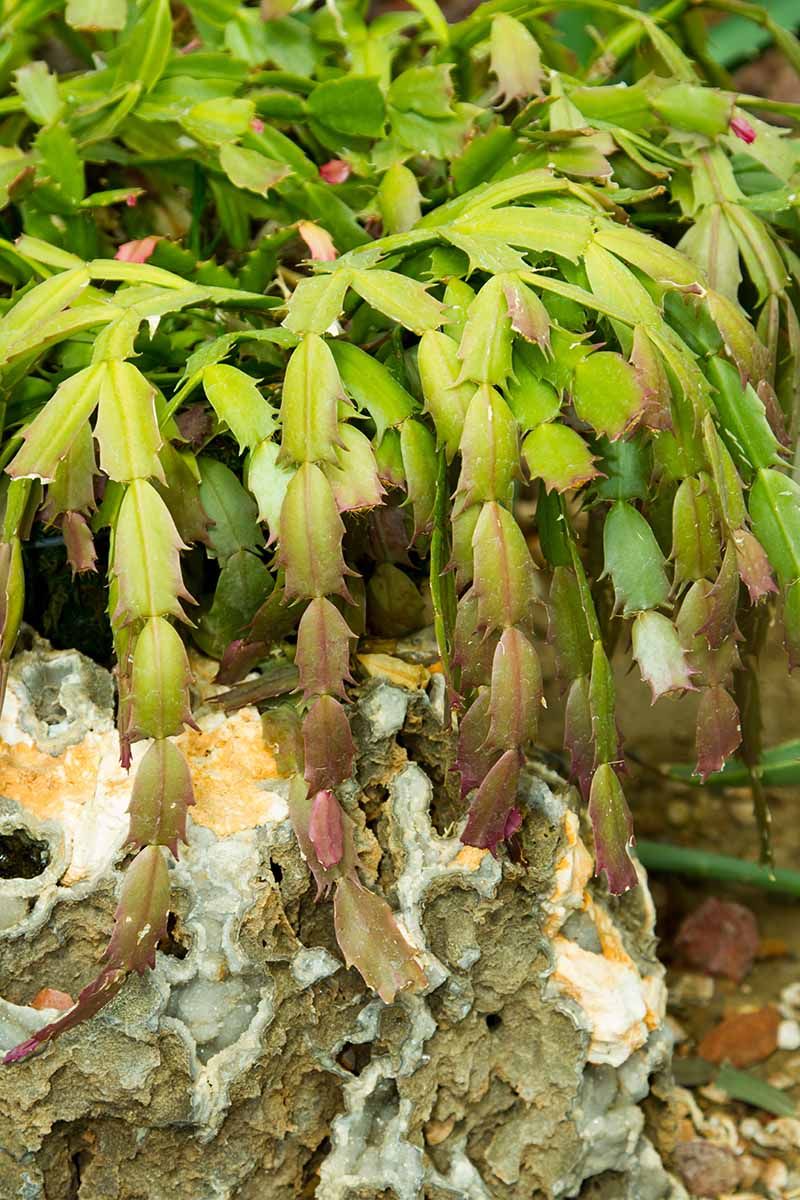
Many stores sell Thanksgiving cactus, which has pointed, claw-like edges on its segments. True Christmas cactus has smoother, rounded edges.
A Thanksgiving cactus naturally blooms about a month earlier. If yours flowers in November, it may simply be following its own schedule.
Care is nearly the same for both, so your efforts still pay off.
Year-Round Care Keeps Those Cascading Stems Ready for December
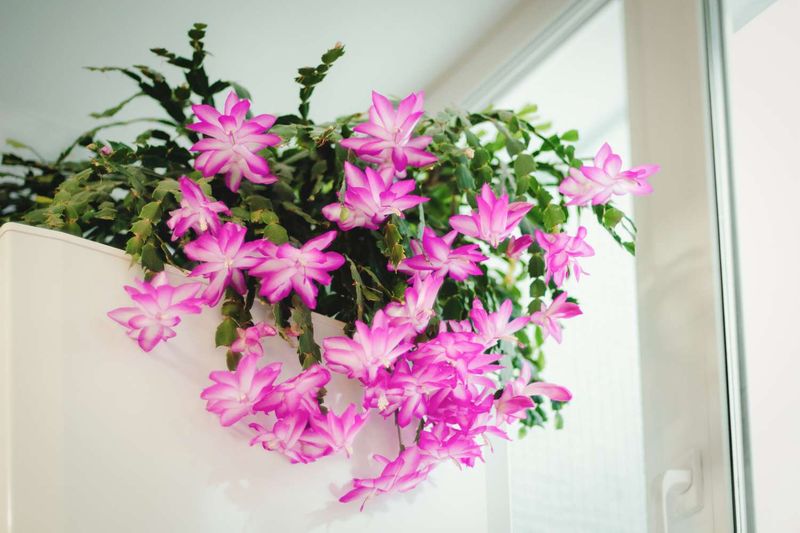
Some families pass these plants down for decades. A well-loved holiday cactus can live fifty years or more.
Good daily care is what makes that possible.
Bright, indirect light suits it best. An east-facing window is ideal.
Harsh afternoon sun can turn the segments reddish or pale.
Summer is a great time to move it outside. Place it in a shady spot under a tree or on a covered porch.
Many New York gardeners do this from late May through September.
Use a well-draining potting mix. A blend of regular potting soil with some perlite or orchid bark works nicely.
These plants like a snug pot, so repot only every few years.
After blooming ends, give the plant a short rest. Then trim a few segments in late spring to encourage fuller, bushier growth.
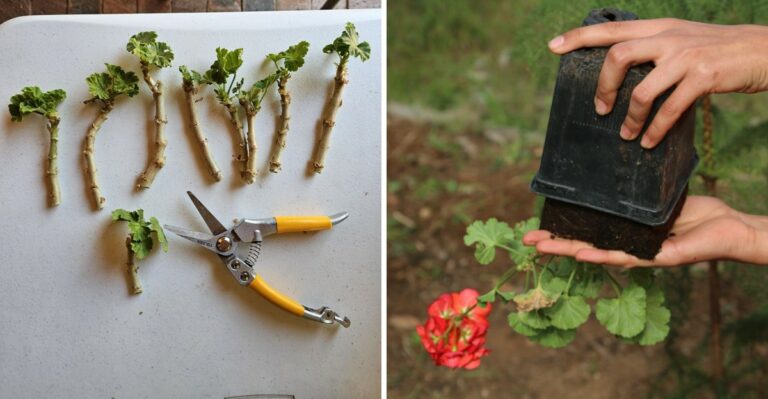
Twist off one to three segments at a joint.
Those cuttings root easily in moist soil. You can share them with friends or start a new pot for yourself.
Keep an eye out for mealybugs, which look like tiny cotton tufts. Dab them with a cotton swab dipped in rubbing alcohol.
With steady care, your plant can reward you every single winter.