The Easy Basil Freezing Trick That Skips The Ice Cube Trays Completely
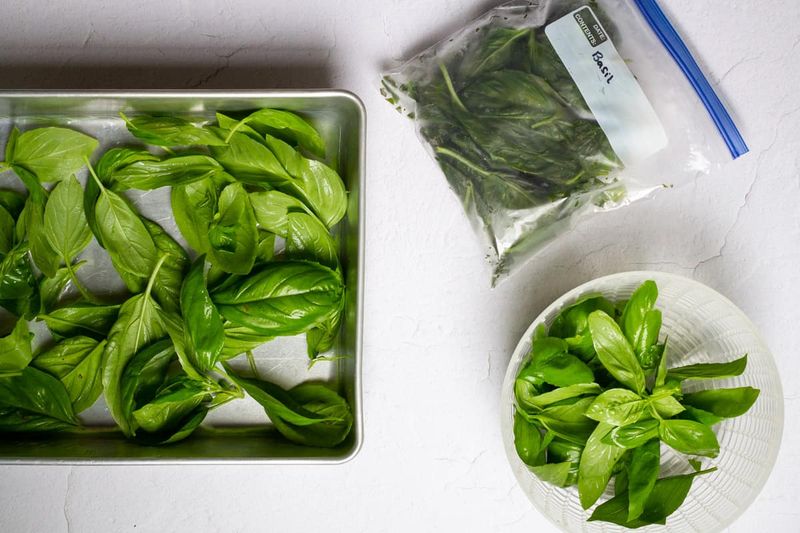
Basil is a summer favorite, but it does not stay happy for long once the nights turn cold. If you have a plant full of leaves and a forecast that worries you, there is a simple way to save them.
You only need a baking sheet, a freezer bag, and a little patience. Here is how to keep that last harvest ready for winter cooking.
Harvest before cold weather reaches your garden
Basil does not like the cold. Illinois Extension describes basil as cold-sensitive, which means a chilly night can damage leaves that looked perfect the day before.
That is why many gardeners pick their plants ahead of a cold snap. Penn State Extension advises harvesting basil when cold weather is predicted, so the weather forecast is your best calendar.
There is no single date that works everywhere. A gardener in a mild coastal town may have weeks to spare, while someone in a high, cool valley may need to pick much sooner.
Check the forecast for your own area and watch for any night when temperatures are expected to drop sharply.
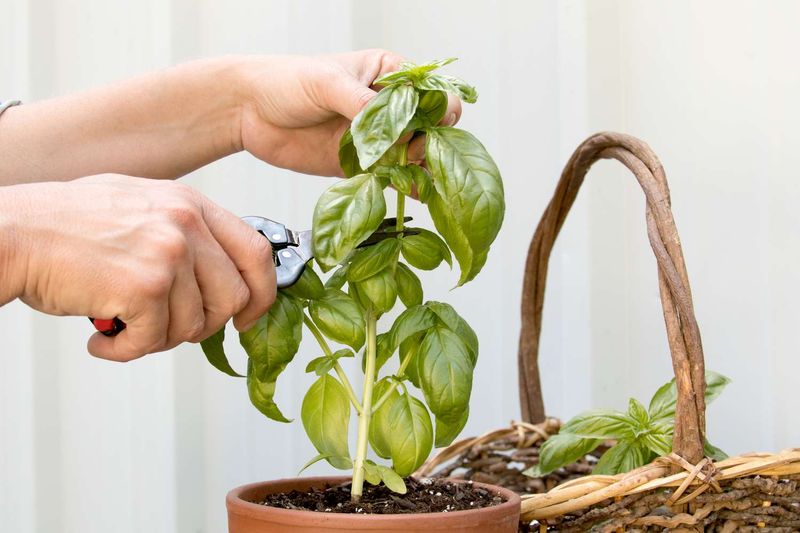
When the forecast says it is time, cut healthy stems in the morning after any dew has dried. Choose leaves that look clean and firm, and skip any that are spotted or wilted.
Then take them straight to the kitchen, where the freezing method begins.
Skip the ice-cube tray, not the flat freeze
Picture a baking sheet where the ice-cube tray used to be. That is the whole idea.
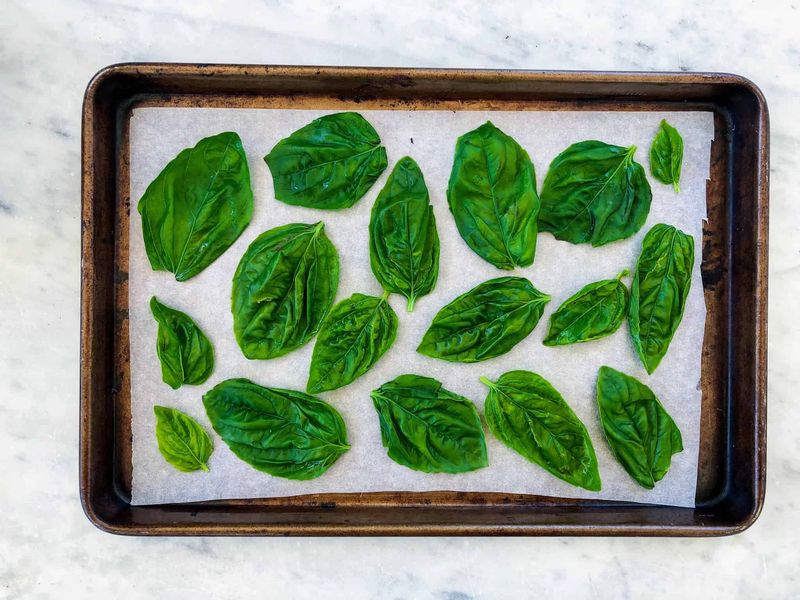
You freeze whole leaves one by one on a flat pan, instead of chopping them, mixing them with water or oil, and pressing them into little cubes.
The flat sheet still matters. Penn State Extension describes spreading leaves on a cookie sheet to freeze , then moving them into a bag or container once they are solid.
Because the leaves freeze separately, you can pull out just a few when a recipe calls for them.
You may have heard of blanching, which means dipping leaves briefly in boiling water and then in ice water. Penn State lists it as an option that stops enzyme reactions.
It is not required for this method, and it is simply one more step.
Skipping it makes the process faster, though the leaves may darken or lose some quality in the freezer. Think of the flat freeze as the easy route, not a promise of bright-green leaves.
Wash and dry the leaves thoroughly
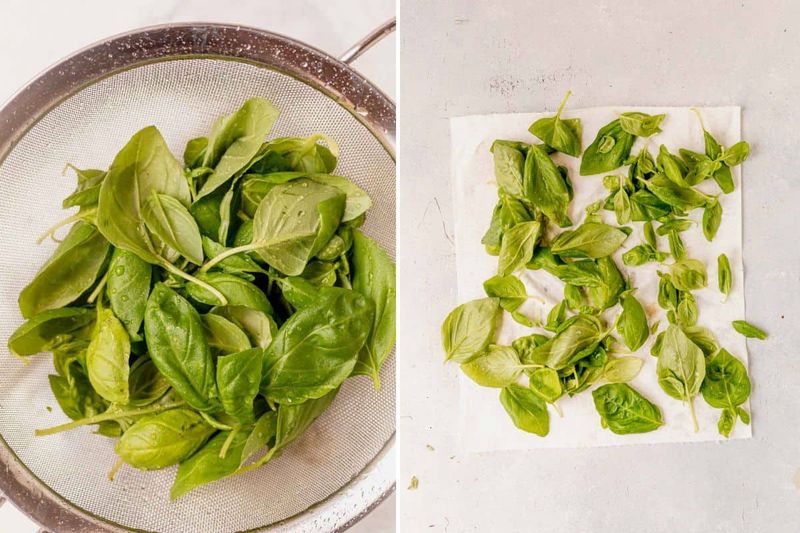
Water is the enemy of a good freeze. Start by pulling the leaves off the stems, keeping them whole if you can.
Then rinse them gently under cool water to remove dirt and any tiny garden visitors.
Purdue Extension advises gently washing basil and patting it dry. A salad spinner also works well, and it is kind to delicate leaves.
Penn State gives the same pat-or-spin advice for herbs in general.
Drying matters because any water left on the leaves turns to ice. Wet leaves tend to stick to the pan and to each other, and they can leave frost inside your storage bag.
Your Arizona Garden Changes Every Week. Your Plan Should Too.
Gardening in Arizona changes quickly throughout the season. Every Friday you’ll receive a simple weekly plan showing exactly what to plant, prune, fertilize, harvest, and protect so you never miss the right timing.
Lay the leaves on a clean towel or paper towels in a single layer. Blot the tops, flip them, and blot again.
Give them a few minutes to air-dry if they still feel damp. When the surface looks matte rather than shiny, they are ready.
Spread the leaves in a single layer
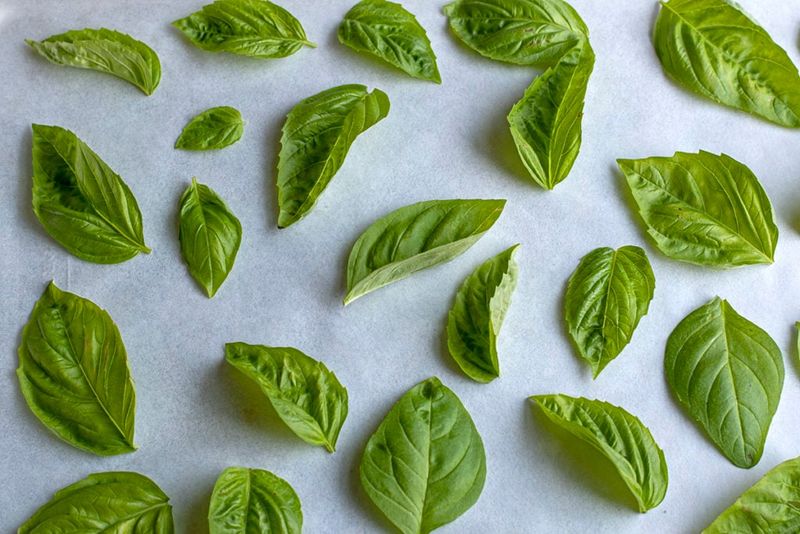
Now comes the part where a little space pays off. Cover a baking sheet or cookie sheet with your dry leaves, laying them out so that none overlap.
Parchment paper is a handy extra if you have it, though the method does not depend on it.
Slide the pan into the freezer on a level shelf. Leave it until the leaves are firm and crisp to the touch.
Small basil leaves may take only a couple of hours, while big ones can need longer, so check them rather than trusting the clock.
This single layer is what keeps the leaves from freezing into one green lump. Penn State Extension notes that freezing them this way lets you remove portions as you need them.
Do not mistake the pan for storage, though. An open sheet leaves the basil exposed to freezer air, and it can pick up odors from nearby foods.
Treat the baking sheet as a quick first step, then get ready to package the leaves right away.
Transfer the frozen leaves to sealed storage
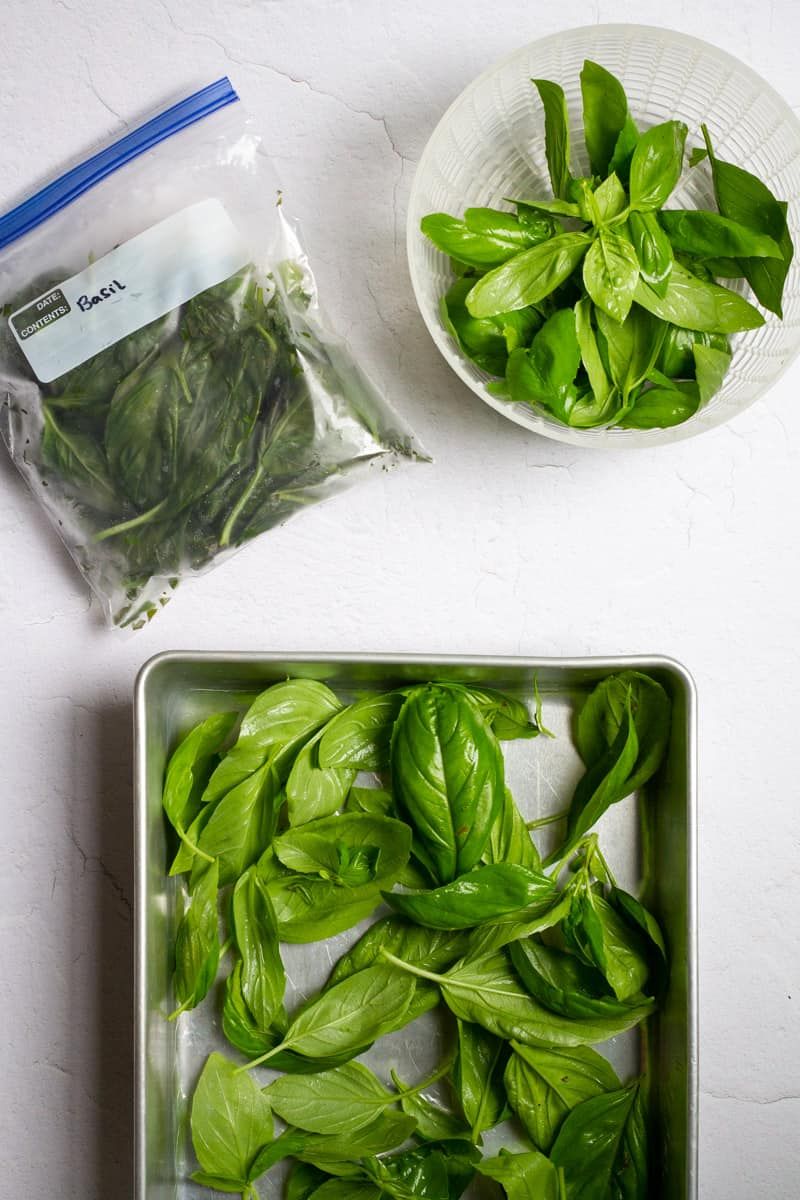
Speed counts here. Once the leaves are firm, pull the pan out and move them into a freezer bag or an airtight container right away.
Frozen leaves warm up fast, and when they begin to thaw they can stick together.
Work with the bag open on the counter and slide the leaves in with a spatula or your clean, cold hands. Press out as much air as you can before closing the seal.
If you use a rigid container, fill it fairly full and fit the lid snugly.
Write the contents and the date on the package with a permanent marker. A label saves you from guessing later, when frozen green leaves can look a lot like other herbs.
Penn State Extension also cautions that herbs can transfer odors to other freezer foods. A tight seal, a freezer jar, or a second layer of wrapping keeps your basil from smelling like last month’s leftovers, and keeps the freezer from smelling like basil.
Use frozen basil in cooked dishes
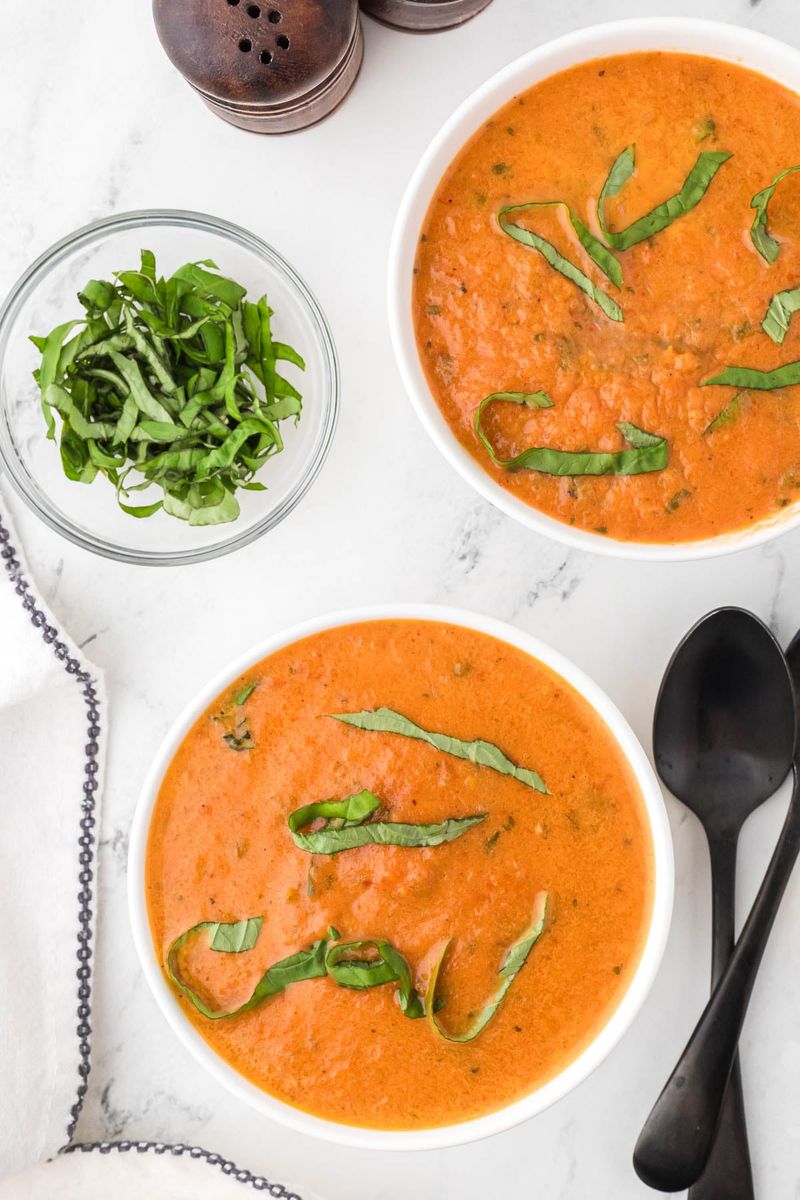
Frozen basil earns its place in the pot. Drop a handful of leaves into simmering tomato sauce, soup, stew, or a pasta bake, and they will melt into the dish and flavor it.
There is no need to thaw them first for most cooked recipes.
Be honest about the texture, though. Penn State Extension says thawed herbs turn limp and generally are not attractive as garnishes.
Expect leaves that are soft and possibly darker than fresh ones, and expect the flavor to be milder or different from a just-picked sprig.
That means frozen basil is not the right choice for a caprese salad or a pizza topped with whole fresh leaves. Save a small pot on the windowsill if you want those fresh touches.
If you ever pack basil in oil, keep it in the refrigerator or freezer, never on the counter. For the plain leaves, the path is simple: pick, dry, freeze flat, and seal.
A summer herb really can taste good in January.