What Swarms Of Tiny Bugs Around Georgia Foundations Mean After Rain
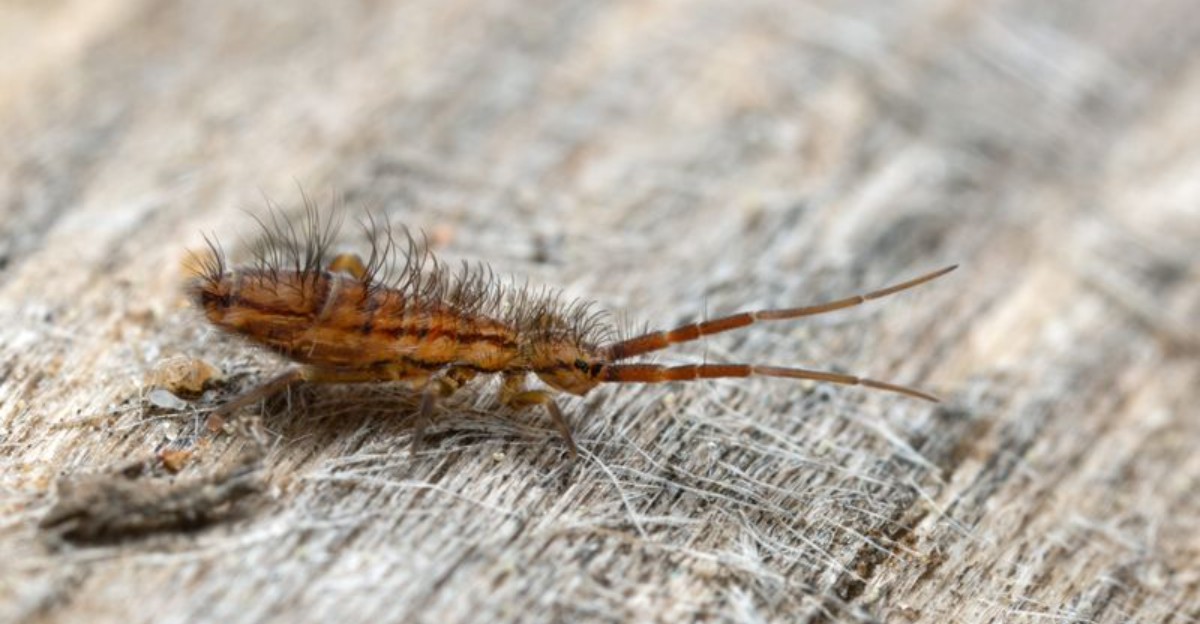
After a heavy rain, you may notice what looks like pepper sprinkled along your foundation or sidewalk. Look closer, and some of those specks start jumping.
Those swarms can be unsettling, especially when the specks begin showing up on your porch and near your back door.
In most cases, those bugs are drawn by moisture in the ground rather than by anything inside your home.
Soggy mulch and damp soil against the house create exactly the conditions these bugs look for. After a rainy stretch in Georgia, their numbers can rise almost overnight.
Their sudden appearance can look alarming, but it usually says more about conditions in your yard than your house.
Check how wet the soil stays along your foundation a day or two after the next good rain.
1. Specks Along The Sidewalk Seem To Vanish When You Lean In Close
Crouch down for a better look, and half the specks seem to blink out of sight. That odd little trick is your first real clue about what you are seeing.
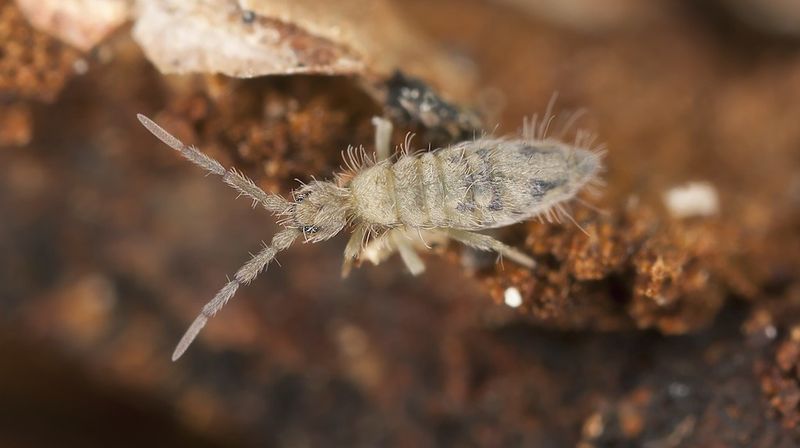
Those dots are most likely springtails, tiny soil creatures usually smaller than a grain of rice.
Most kinds found around homes look dark gray, black, or bluish, though some appear brown or pale. Under a magnifying glass, you can see a short body, stubby antennae, and six legs.
They are not true insects by most modern definitions, but they are close relatives.
In Georgia, homeowners often notice them on driveways, porch steps, and the lower edge of brick or siding after a heavy rain. Sometimes they gather in patches so thick the concrete looks sooty.
A quick way to check is to set a sheet of white paper beside a cluster.
Tap the ground gently, and watch whether the specks leap onto the paper or scatter in random directions. Fleas can jump too, but they rarely appear in huge outdoor mats on wet pavement.
Snapping a close photo with your phone camera and zooming in helps a lot.
If you can see wings, a pinched waist, or long antennae, you may be looking at something else. Keep that photo handy, since it makes a pest professional’s job much easier if you need one.
2. A Spring-Loaded Appendage Explains The Sudden Disappearing Act
Picture a mousetrap folded under a bug’s belly. That is roughly how springtails pull off their vanishing act.
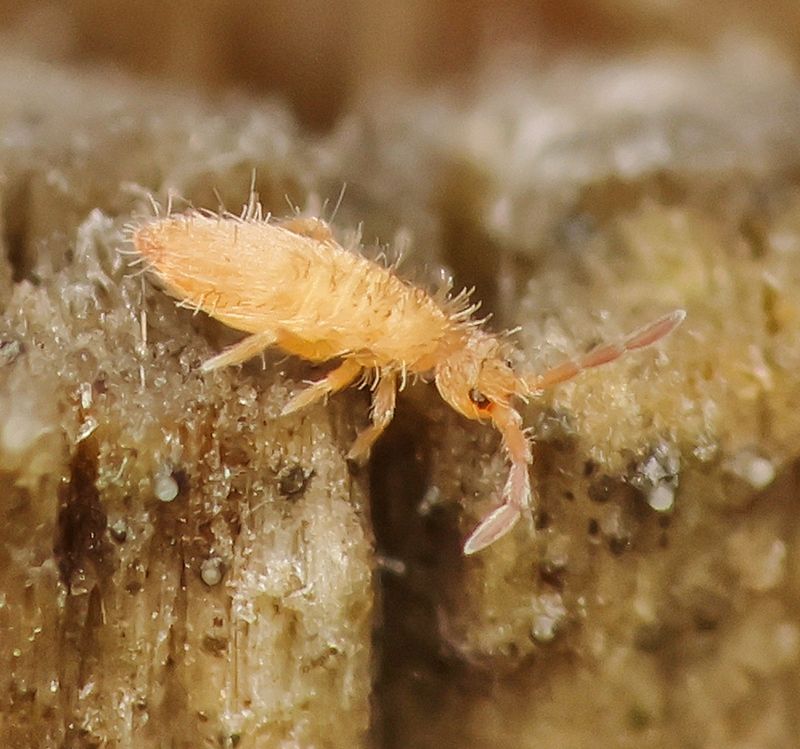
Tucked beneath the body is a forked part called a furcula, held in place by a tiny latch.
When the latch lets go, the furcula snaps down against the ground and flings the springtail into the air. It all happens faster than your eye can follow, which is why they seem to disappear.
Some springtails can jump many times their own body length in a single launch.
Steering is not their strong point, though. They tumble through the air and land wherever they land, which explains why a cluster looks like it scatters in every direction at once.
Around Georgia homes, this habit matters because it makes them hard to sweep or vacuum neatly. A broom often just sends them bouncing into cracks and under door thresholds.
Your Georgia Garden Changes Every Week. Your Plan Should Too.
Gardening in Georgia changes quickly throughout the season. Every Friday you’ll receive a simple weekly plan showing exactly what to plant, prune, fertilize, harvest, and protect so you never miss the right timing.
A wet-dry vacuum usually works better if a few wander inside, since the suction catches jumpers before they launch.
Outdoors, there is little reason to chase them at all. Their jumping helps them escape spiders, ants, and other small hunters, and it shows you are dealing with a creature built for survival in soil, not for damaging wood.
3. Wet Conditions Can Bring Them Out Of Mulch And Leaf Litter
Rain changes everything in the top few inches of your yard. Soil that felt dusty yesterday can turn soggy in an hour during a Georgia thunderstorm.
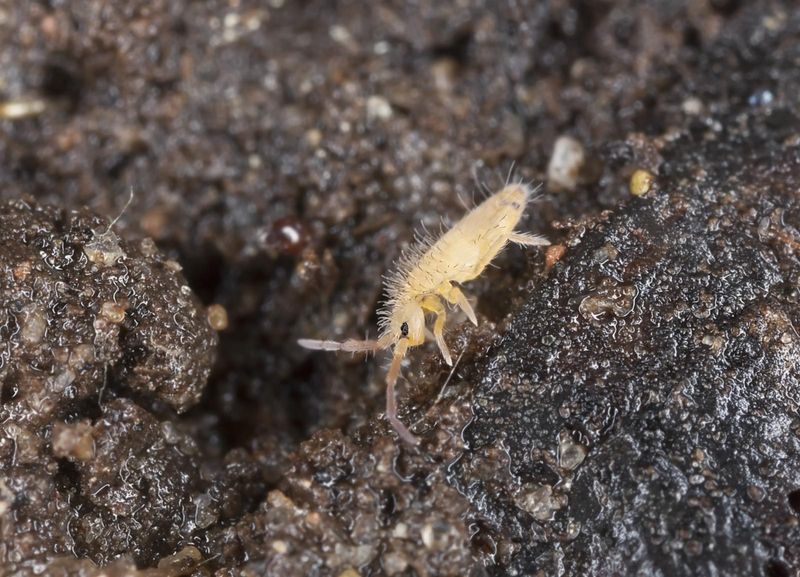
Springtails live in that damp layer all year, often in numbers you would never guess.
When water fills the tiny air spaces in soil and mulch, many of them move upward and outward. Hard surfaces like sidewalks and foundation ledges become temporary resting spots, so that is where you notice them.
Timing varies from yard to yard.
Some homeowners see crowds the morning after a downpour, while others notice them during long humid stretches in late spring and summer. Dry spells can also push them toward damp spots, including the shaded ground right against your house.
Deep beds of pine straw or hardwood mulch hold moisture for days, which gives them a comfortable home base.
Leaf piles, soggy flower beds, and low spots where gutters dump water tend to host the biggest groups. If one side of your house gets more shade and runoff, you may find springtails there far more often than anywhere else.
Walk your property a day after the next rain and note where they gather. That simple habit shows you exactly which damp zones are feeding the crowds.
4. Fungi And Decaying Organic Matter Make Up Much Of Their Diet
Mold is their idea of a good meal.
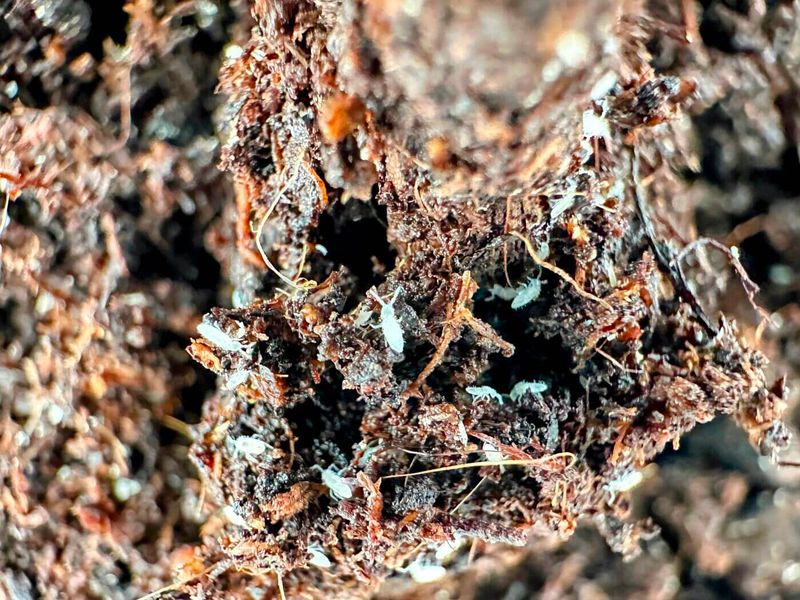
Springtails feed mostly on fungi, mold, algae, bacteria, and bits of rotting plant material. In other words, they eat the fuzzy, soggy stuff most of us would rather not touch.
That diet explains why they cluster where organic matter breaks down.
Old mulch, rotting leaves, wet firewood, and damp potting soil all grow the tiny fungi they graze on. Georgia’s warm, muggy climate speeds up that decay, so there is usually plenty on the menu from spring through fall.
Gardeners actually get a small benefit from them.
As springtails chew through decaying matter, they help break it down and return nutrients to the soil. Some experts also believe they help spread helpful fungal spores, although their role varies by species and setting.
Indoors, a sudden group of springtails can be a useful warning sign.
If you find them near a sink, a bathtub, or a houseplant, look for hidden moisture or mold growth nearby. A slow plumbing leak or overwatered pot often turns out to be the real problem.
Letting houseplant soil dry a bit between waterings can make a noticeable difference. Fixing drips under cabinets helps even more, since it removes the food source rather than just the visitors.
5. Despite Their Numbers, Springtails Do Not Damage Homes
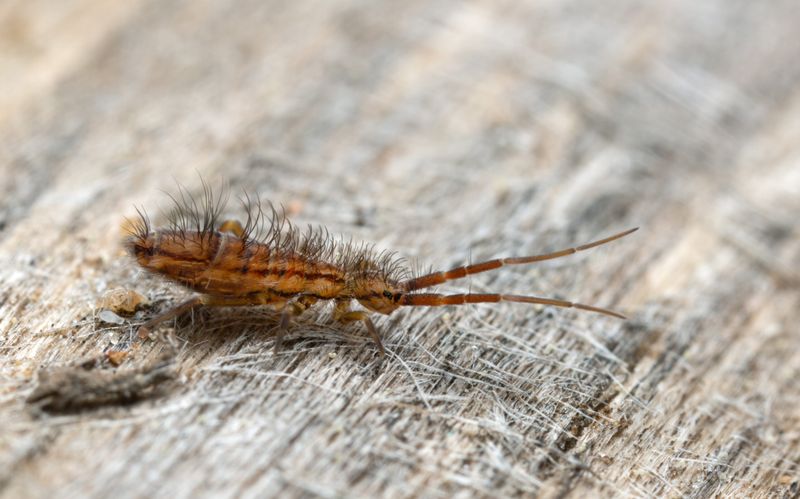
Thousands of bugs on your foundation sounds like a crisis. With springtails, it usually amounts to an annoyance and nothing more.
They do not chew wood, eat drywall, or tunnel into concrete the way some pests can.
Springtails also do not bite people or pets, and they are not known to spread disease. A crowd on your porch may look unpleasant, but it does not mean your house is under attack.
Plenty of Georgia homeowners spend money on sprays they may not need.
Broad pesticide treatments often give short relief at best, because more springtails move in as long as the ground stays damp. Moisture control tends to work better than chemicals for this particular visitor.
Inside the house, they usually do not last long without steady dampness.
Most will dry out within a short time in a normal air-conditioned room. Seeing them indoors for weeks is a sign that some spot, like a crawl space or a leaky window frame, is staying wet.
A dehumidifier in a basement or damp room can help in those cases.
Treat springtails as a moisture messenger rather than a menace. They point you to wet areas that could cause bigger trouble later, such as mold or wood rot, if left alone.
6. Winged Swarmers Near Wood Are A Different Story
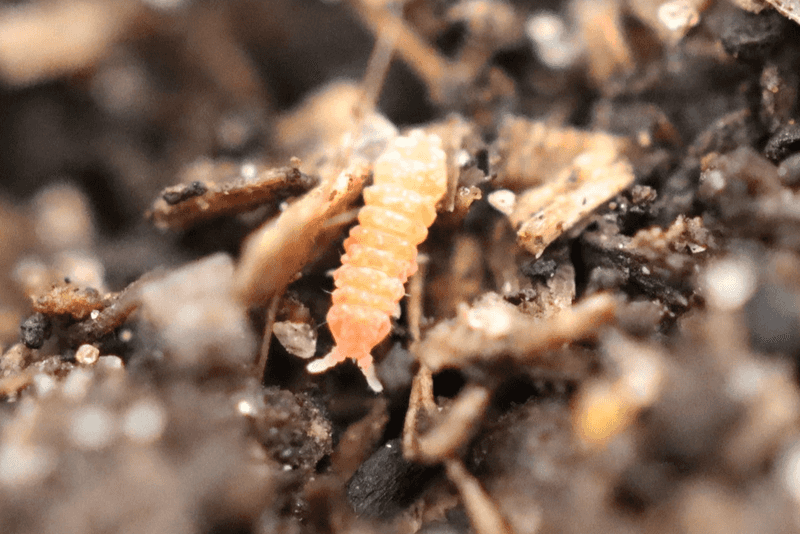
Wings change the whole conversation.
If the tiny black bugs near your foundation have wings, you could be looking at termite swarmers or flying ants. Both can show up after warm spring rains, which is why people mix them up with springtails.
Eastern subterranean termites are common across Georgia, and their swarms often happen in late winter or spring.
Swarmers are dark, slender, and about a quarter to three-eighths of an inch long, much bigger than a springtail. Their four wings are equal in length and often break off, leaving little piles near windows, doors, and light fixtures.
Flying ants have a pinched waist, elbowed antennae, and front wings longer than the back pair.
Termites, by contrast, have a thick waist and straight, bead-like antennae. A clear phone photo usually makes the difference easy to spot.
Also check for mud tubes, which are pencil-width tunnels climbing up foundation walls or piers.
Swarmers inside the house, especially near wooden trim, deserve a call to a licensed pest professional. Many companies offer inspections, and catching activity early can limit repair costs.
Save a few of the insects in a sealed bag if you can. Having a real sample makes identification quicker and more accurate.
7. Thinner Mulch And Better Drainage Can Reduce Activity Near The House
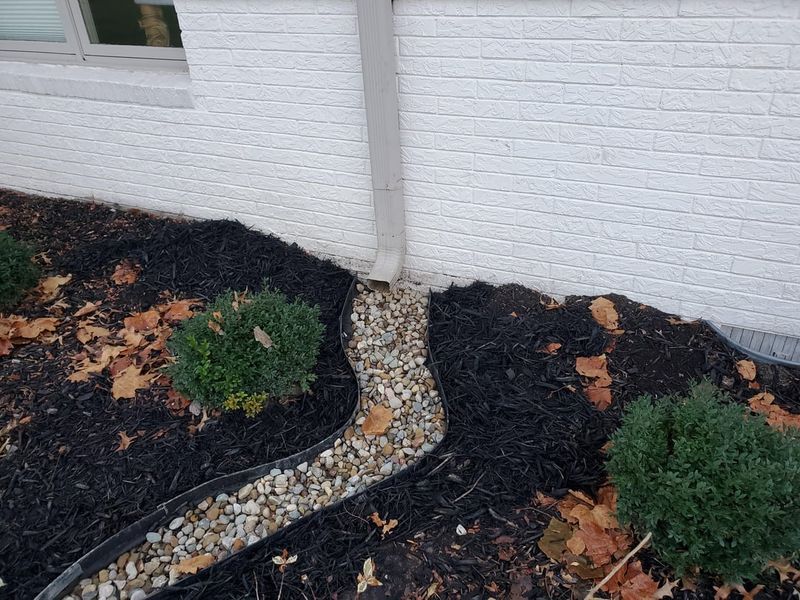
Small changes in the yard can make a big dent in springtail crowds. Most fixes cost little and come down to one goal, which is drier ground near your walls.
Start with mulch, since it often sits too thick against Georgia foundations.
A layer of about two to three inches is usually plenty for garden beds. Pull it back several inches from the foundation, leaving a bare or gravel strip that dries faster after storms.
Gutters come next.
Clogged gutters overflow and soak the soil right where you least want water. Clean them, and add downspout extensions that carry runoff at least a few feet away from the house.
Check the grade around your home as well.
Soil should slope gently away from the foundation so rain does not pool there. Low spots can often be built up with a bit of topsoil, although serious drainage issues may need a landscaper.
Rake up heavy leaf piles, store firewood off the ground and away from walls, and trim shrubs so sunlight and air can reach damp corners.
Results depend on your soil, shade, and weather, so some springtails may still appear after big storms. Even so, most homeowners notice far fewer specks once the edges of the house stay drier.