How To Get Rid Of Clover In A California Lawn (And The Mistakes That Make It Worse)
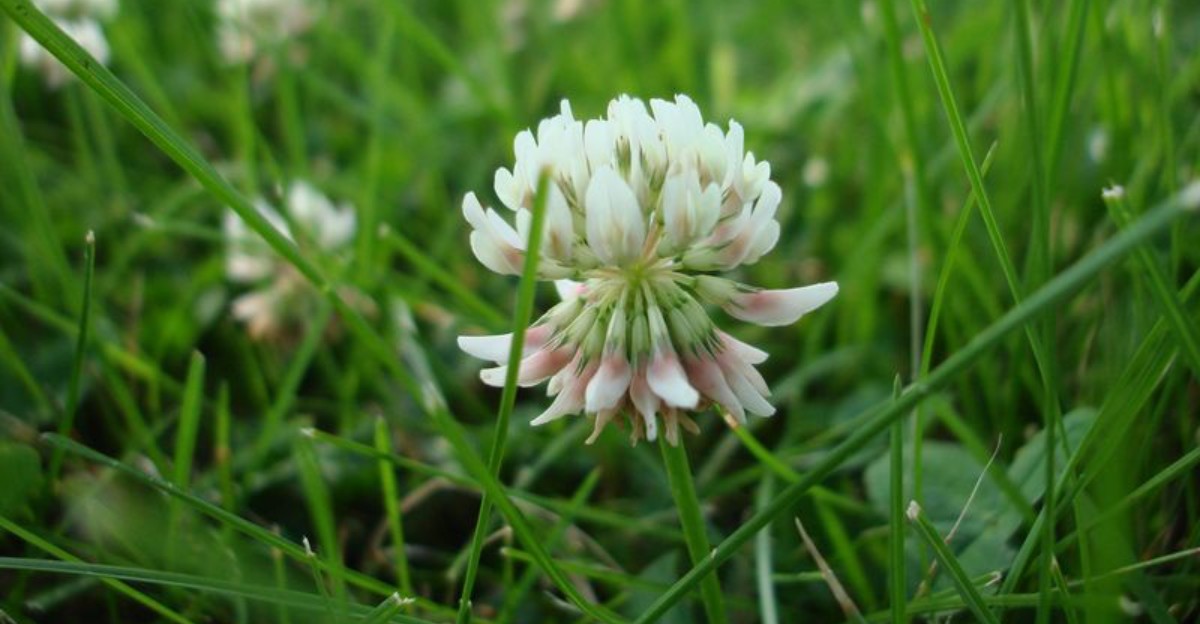
Small round blooms scattered across a lawn can look charming at first glance. Bees seem to agree, drifting from one to the next on sunny afternoons.
A closer look, though, often shows the turf in between telling a different story. Thin, pale patches hint that something below the surface has shifted.
Those cheerful little invaders rarely arrive by accident. Their presence usually says more about the grass than about the visitors themselves.
Common lawn habits can tilt the balance further, sometimes without anyone noticing.
The good news involves more patience than chemistry. Small changes in routine can shift the advantage back where it belongs.
A thicker, healthier lawn might be the most polite eviction notice a yard can send.
1. Feed The Lawn So Grass Beats Clover
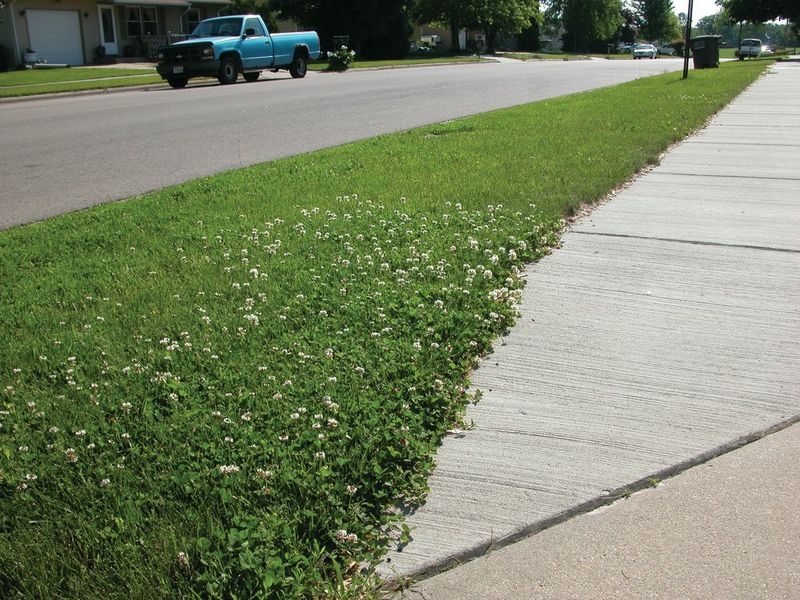
A lawn speckled with white blossoms often carries a hidden message. The UC Statewide IPM Program links white clover to turf with low nitrogen fertility, which means hungry grass and an empty plate ready to be filled.
Clover holds a trick most grasses lack. Bacteria living in nodules on its roots pull nitrogen from the air and turn it into plant food.
When soil runs low, grass slows down while clover keeps cruising along. Feeding the lawn flips that advantage.
UC IPM lists a rate of 1 pound of actual nitrogen per 1,000 square feet per application, up to four times a year. Actual nitrogen differs from pounds of product.
A bag labeled 20 percent nitrogen needs 5 pounds to deliver 1 pound of nitrogen. That quick math prevents both underfeeding and overdoing it.
Timing depends on the grass. Cool-season types like tall fescue, common across much of California, grow best in fall and spring, which makes October a prime feeding window.
Warm-season grasses like bermudagrass and St. Augustinegrass want food from late spring through summer. UC IPM lawn guides help confirm rates and timing for each type.
A spreader distributes fertilizer evenly, and a light watering afterward moves it into the soil. Granules swept off sidewalks and driveways stay out of storm drains.
A well-fed lawn thickens up quickly. Thick grass makes clover’s least favorite neighbor, crowding it out one blade at a time.
2. Mow Higher To Shade Out Runners
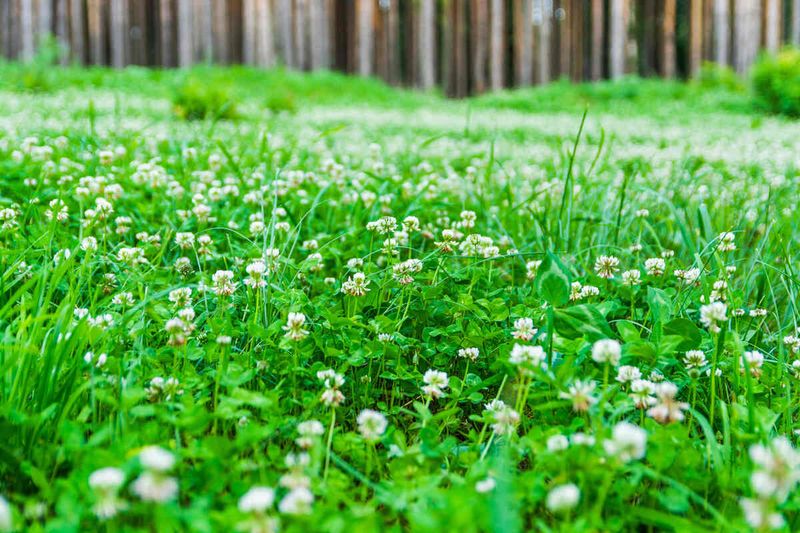
Raising the mower deck a notch or two quietly starts the battle. Clover hugs the ground, with leaves and creeping stems staying low to soak up sunlight that hits the soil surface.
Taller grass blocks that light. Each blade casts a little shade, and together they form a canopy over the soil.
Clover runners growing under that cover get less sun. They spread more slowly and gradually lose ground to the grass week after week.
Height matters by grass type. Tall fescue does well around 2 to 3 inches, and many California homeowners keep it near the top of that range.
Kentucky bluegrass and perennial ryegrass also like the higher side. Bermudagrass and zoysia are often cut lower, so UC IPM recommendations help set the right height for each turf.
The one-third rule matters, too. Removing more than a third of the blade in a single mowing is best avoided, since cutting too much at once stresses grass and slows root growth.
Your California Garden Changes Every Week. Your Plan Should Too.
Gardening in California changes quickly throughout the season. Every Friday you’ll receive a simple weekly plan showing exactly what to plant, prune, fertilize, harvest, and protect so you never miss the right timing.
A sharp mower blade makes a difference as well. Dull blades tear grass tips, leaving ragged brown edges that invite disease.
Clean cuts heal fast and keep the lawn looking crisp. Taller grass also shades the soil and holds moisture better during hot California summers, often trimming water needs a little.
In the end, raising the bar on mowing height raises the bar for clover, too.
3. Pull Small Patches Including The Runners
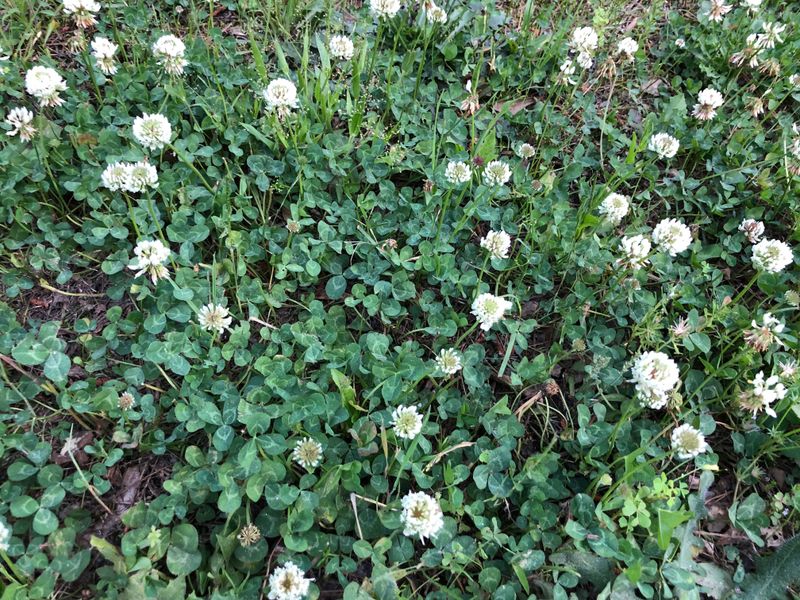
Patches the size of a dinner plate stay easy to handle by hand. Sprays and special gear aren’t necessary, since gloves, a weeding tool, and a little patience do the job.
White clover spreads by stolons, creeping stems that run along the ground and root at their nodes. Snapping off only the leaves keeps those stems in the ground, ready to sprout again within weeks.
The center of the plant makes the best starting point. Lifting it gently, then following each runner outward with the fingers, keeps stems intact.
Slow, steady pulling helps stems come up whole instead of breaking off. A forked weeder pries up rooted sections nicely.
Moist soil makes everything easier. The day after watering or a rain offers ideal conditions for the job.
Dry, hard soil grabs roots and snaps stems, leaving pieces in the ground. Those fragments often regrow within a few weeks.
Pulled plants belong in a bag rather than left on the lawn. Stray bits of stem can root again when they touch moist soil.
A check every week or two catches new leaves from missed pieces. Pulling them early, before they build fresh runners, lets the patch fade.
Bare spots left behind benefit from a little grass seed. Empty soil offers an open invitation for the next weed to move in.
October’s mild weather suits that seeding nicely for cool-season lawns.
4. Water Deeply And Less Often
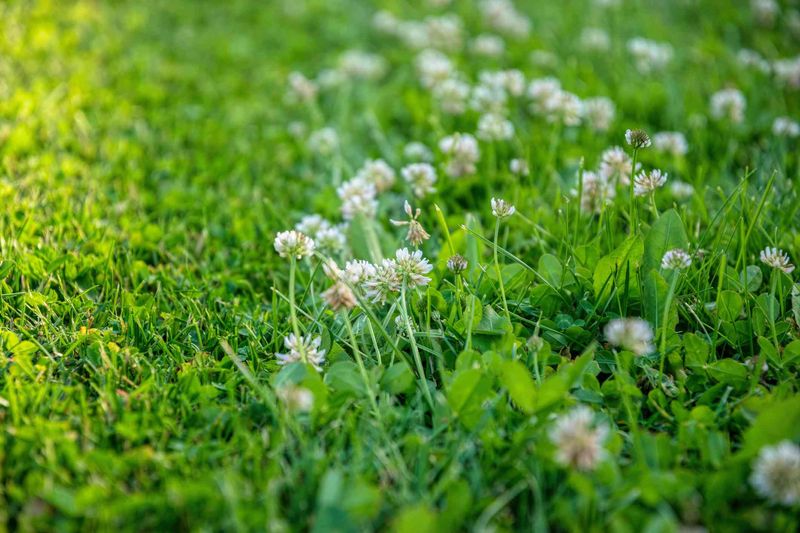
Short, daily sprinkles feel helpful, but they tend to spoil shallow roots. Grass gets lazy and keeps its roots near the surface, then struggles once a hot Santa Ana week arrives.
Deep, less frequent watering trains roots to reach down into the soil. Deeper roots find stored moisture, so the lawn stays thicker through heat and drought.
A dense, sturdy lawn leaves less room for clover to spread. Water habits, in other words, shape the weed picture.
Wetting the soil to the depth of the root zone, often around 6 inches for many lawns, makes a good target. The next watering can wait until the top inch or two dries.
A screwdriver offers a simple test. A tool that slides in easily means the soil still holds water.
The tuna can trick reveals how much sprinklers deliver. A few empty cans set around the lawn collect water during a normal run, and measuring them guides timer adjustments.
Early morning watering works best. Less water evaporates, and grass dries off during the day, which helps prevent disease.
Clay soils, common in many California yards, soak up water slowly. Runoff signals a need for cycle and soak, with sprinklers running a few minutes, pausing, then running again.
As fall weather cools, lawns need less water overall. Trimming the schedule now keeps soil from staying soggy while still supporting deep, healthy roots.
Both the water bill and the lawn benefit.
5. Treat Large Patches With A Selective Broadleaf Product
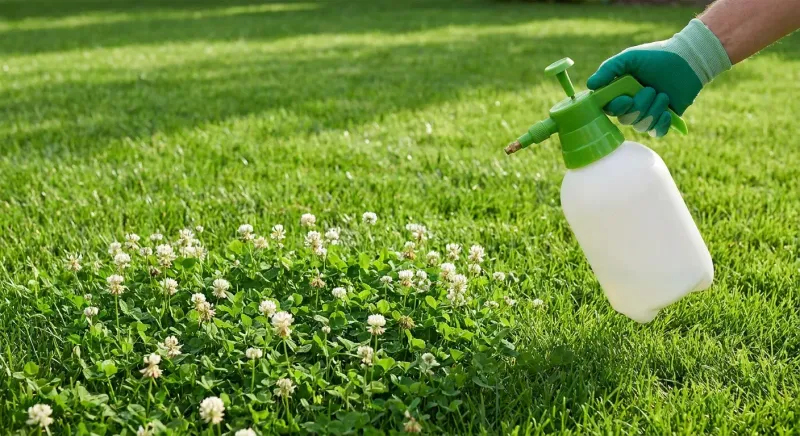
Some lawns hold more clover than grass. Hand pulling a patch the size of a parking space asks a lot, and a selective broadleaf herbicide can help when the problem outgrows fingers.
Selective means the product targets broadleaf plants like clover while leaving most lawn grasses unharmed. Not every grass handles every product, though.
St. Augustinegrass, for example, can be sensitive to some broadleaf chemicals. A product labeled for the specific grass type makes the safe choice.
The label works like a recipe. It lists the right amount, the temperature range, and how long to wait before mowing or watering.
Many products work poorly or harm the lawn in high heat. Scorching afternoons are best skipped, while mild fall days suit most labels nicely.
Wind matters, too. Calm days keep droplets from drifting onto vegetable beds, shrubs, or a neighbor’s roses.
Spot treating clover patches beats covering the whole yard, especially near flower beds. Less product means less risk and lower cost.
Timing can make a big difference. Fall applications often work especially well, since plants move food down to their roots and carry the herbicide along. That makes this month a smart window.
Children and pets are best kept off treated areas until the label says otherwise. A spray only clears space.
Feeding, mowing high, and smart watering keep clover from returning over the long run.
6. Mowing Too Short Opens The Door
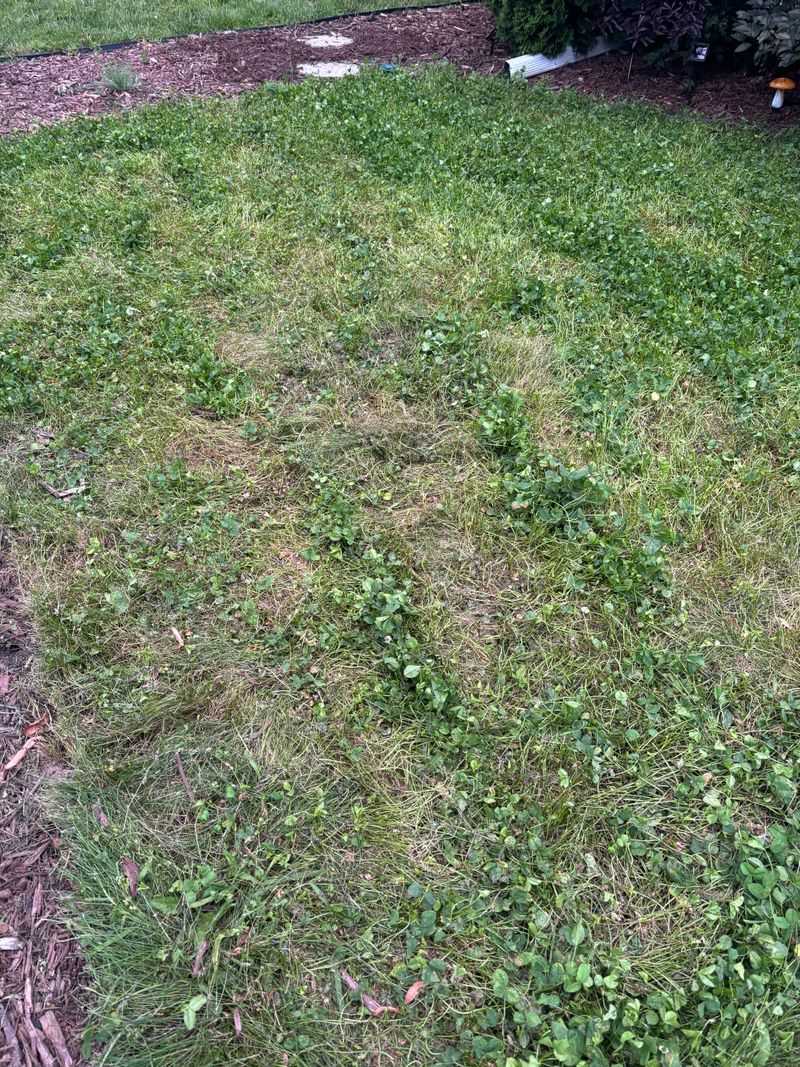
A buzz cut might look neat on day one. By week three, though, a scalped lawn often shows brown spots, thin areas, and fresh clover leaves creeping in.
Short mowing ranks among the most common ways homeowners accidentally roll out a welcome mat for weeds. The damage builds quietly.
Grass blades work like tiny solar panels, making the food that feeds the roots. Cut too short, the plant has less leaf area to make energy, and roots grow weaker and shallower.
Meanwhile, sunlight pours straight onto the soil, and clover loves that. Its low leaves and runners sit below most mower blades, so a short cut barely touches it.
The grass takes the hit while the clover keeps soaking up rays. That imbalance grows with every mowing.
Short lawns also dry out faster. In California’s hot, dry summers, a scalped lawn loses water quickly and stresses even more.
Stressed grass thins out, and thin grass leaves gaps for clover to fill. One problem feeds the next.
Warning signs are easy to spot. Yellow or brown stubble after mowing, visible soil between blades, and clover appearing where the mower dips all offer clues.
The fix stays simple. Raising the mower to the right height for the grass type, mowing more often during fast growth, and letting go of the golf course look all help.
A lawn hardly needs to be a putting green to look great.
7. Skipping Fertilizer Feeds The Clover
Two neighboring lawns with the same grass can end up looking very different by June. One gets fed a few times a year, while the other gets skipped to save time and money.
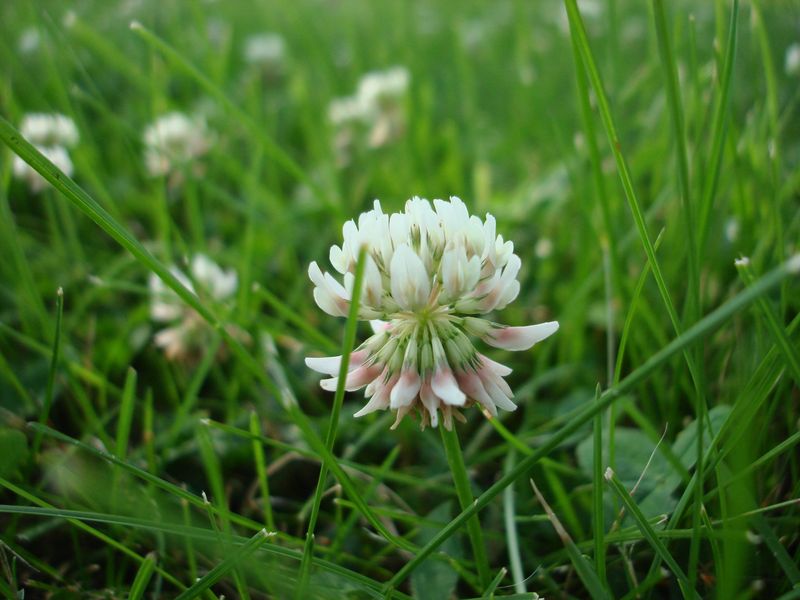
The second usually ends up covered in clover blossoms. Skipping fertilizer is a quiet mistake with loud results.
As grass uses up nitrogen in the soil, it grows slower and paler. Clover hardly minds, since it makes its own nitrogen with help from root bacteria.
Before long, it holds the upper hand. The UC Statewide IPM Program connects white clover with low nitrogen fertility for exactly this reason.
A clover takeover often says less about the weed and more about a hungry lawn.
Some homeowners feed once and call it done. One application may not last through the growing season, especially on sandy soil where nutrients wash away.
UC IPM lists up to four applications a year at 1 pound of actual nitrogen per 1,000 square feet each time. The best plan depends on grass type.
Overdoing it creates its own trouble. Too much fertilizer can burn grass, feed disease, and wash into storm drains, so measured amounts work best.
A soil test reveals what a lawn truly needs. UC ANR resources and local nurseries can point toward testing options nearby.
Smart feeding helps grass claim the space clover wanted. A fall feeding for cool-season lawns this month gives that effort a strong head start.
8. Leaving Bare Soil Invites New Seedlings
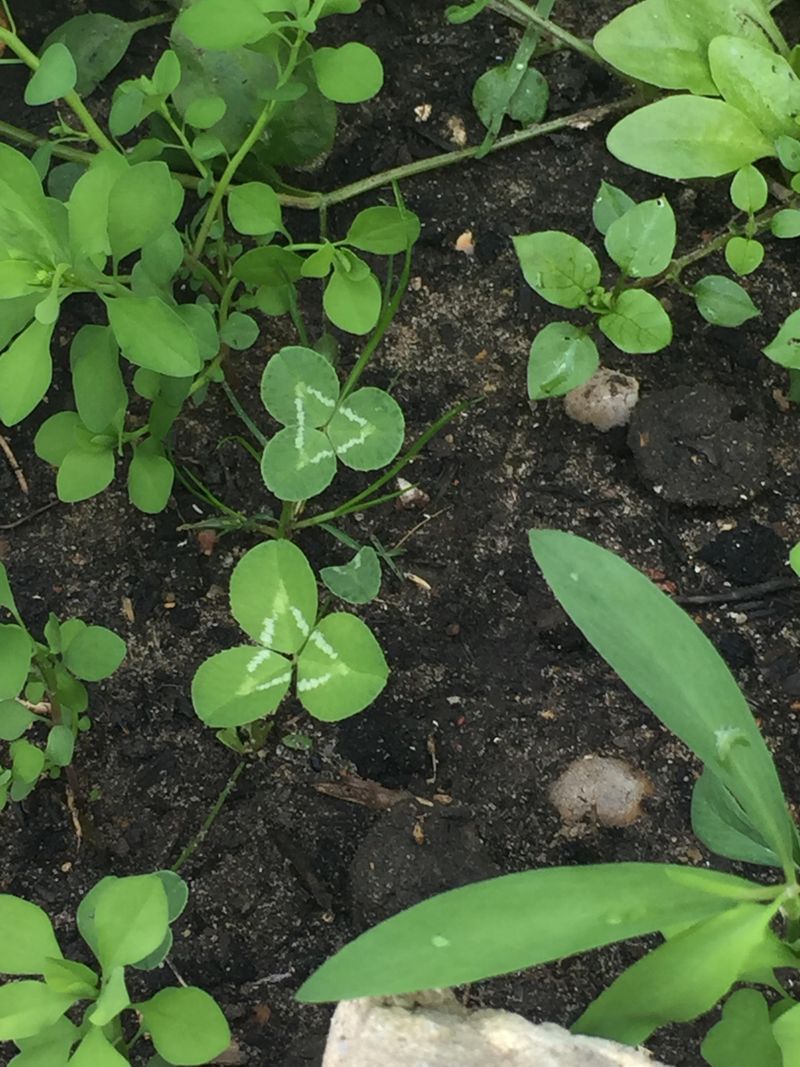
Bare dirt rarely stays empty for long. Nature dislikes a vacancy, and clover seeds always seem ready to sign a lease.
A patch of open soil left after weeding, digging, or a dog’s favorite running path makes prime real estate. Weeds tend to find it first.
White clover produces plenty of seeds, and they can sit in the soil for years. Once sunlight hits bare ground and water arrives, those seeds sprout.
Without grass to compete, new seedlings settle in fast. Quick patching makes all the difference.
Three main choices exist: seed, sod, or plugs. Seed costs little and works well for cool-season grasses like tall fescue, especially during the mild days of fall.
Loosening the top inch of soil, sprinkling seed evenly, raking lightly, and keeping it moist until it sprouts sets new grass up for success.
Sod offers instant cover, pressed firmly onto loosened soil and watered daily for the first couple of weeks.
Plugs work nicely for warm-season grasses like St. Augustinegrass and zoysia, which spread to fill gaps over time. Matching the patch to the existing lawn keeps colors and textures blending smoothly.
Mixed grass types can end up looking like a patchwork quilt. Consistency pays off visually.
Balance deserves a final word. Clover flowers feed honeybees and other pollinators, so some gardeners happily tolerate a little in the lawn.
A thick lawn dotted with a few blossoms can still look lovely.