How To Get Rid Of Crabgrass In Your Michigan Lawn Before It Spreads
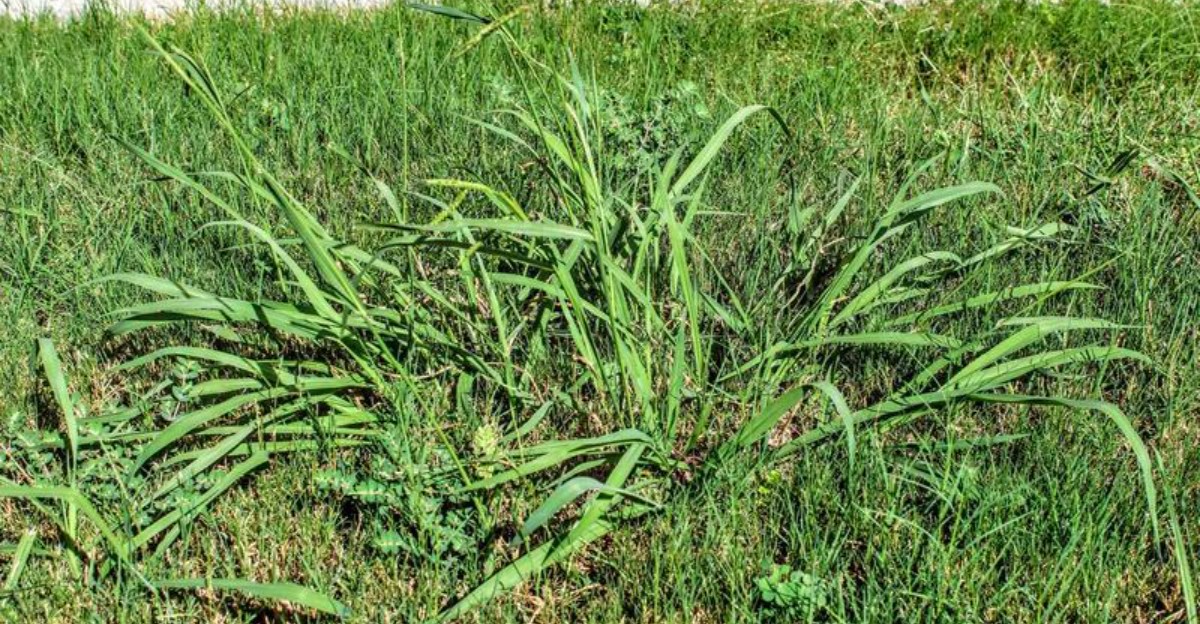
Crabgrass has a way of taking over a Michigan lawn quickly once it gets established, spreading low and wide to crowd out desirable grass before most homeowners even notice it’s there.
This aggressive annual weed germinates from seed each year, meaning a single season of poor control can leave behind enough seed to cause problems for several years afterward.
Because crabgrass thrives in thin, stressed turf, improving overall lawn health through proper mowing height and watering can make it much harder for the weed to gain a foothold in the first place.
Timing matters too, since certain treatment windows are far more effective than others depending on the crabgrass’s stage of growth.
Acting before it fully spreads gives Michigan homeowners a much better shot at reclaiming a clean, healthy lawn.
1. Pull Small Crabgrass Plants Before They Seed
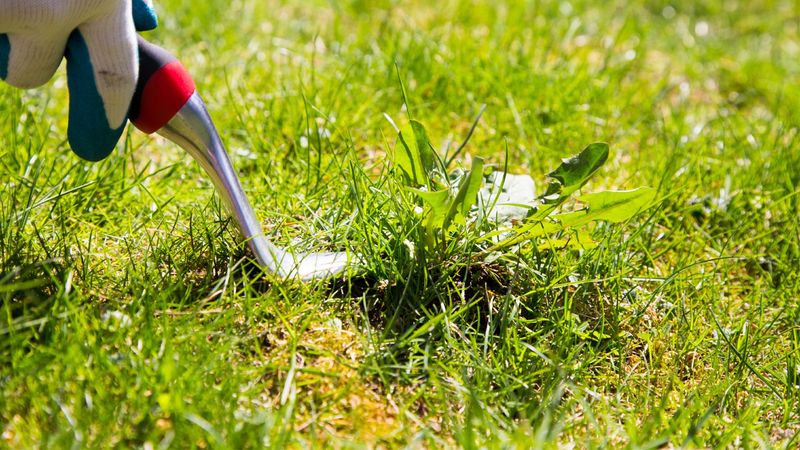
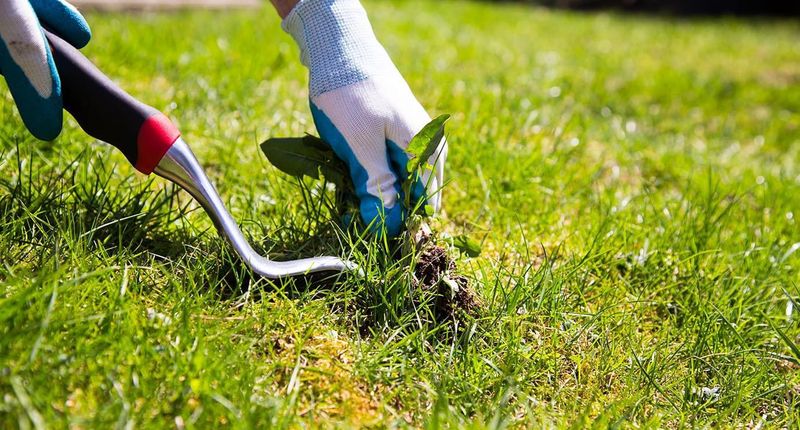
Catching crabgrass while it is still young gives you a huge head start. Small plants have shallow roots, so they slide out of moist soil with a gentle tug.
When only a few patches are scattered around your yard, hand-pulling becomes one of the easiest fixes you have. Grab each plant near its base and lift slowly so the whole root comes up with it.
Timing matters more than people think. A young crabgrass plant has not made seeds yet, which means removing it stops thousands of future seeds from ever reaching your soil.
Wet the ground first if it feels hard and dry. Watering the area an hour before you weed loosens the dirt and helps the roots release without snapping.
After you pull a plant, check the spot for tiny seedlings hiding nearby. Crabgrass often grows in clusters, so one visible plant usually has a few smaller neighbors.
Try walking your lawn once a week during early summer. Quick, regular checks keep small patches from turning into large invasions that take over open ground.
Dispose of pulled plants before mature seedheads can spread, since established plants may already contain developing seeds.
Staying ahead of crabgrass while it is small saves you hours of work later. A little effort now protects the smooth, thick lawn you want to enjoy all season long.
2. Do Not Let Mature Plants Drop Seed
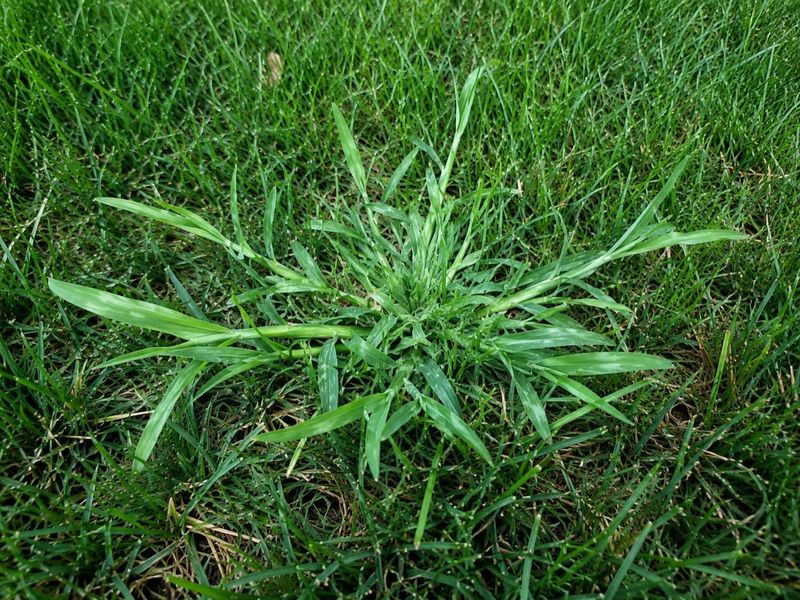
A single grown crabgrass plant can be shockingly productive. Some plants release tens of thousands of seeds in just one season, and every one of those seeds waits patiently in the soil for spring.
That is why mature plants deserve your fastest attention. Once those finger-like seedheads form and open, the plant scatters its seeds across your yard with every breeze and every mower pass.
Look closely at older crabgrass and you will notice thin stalks reaching upward. Those stalks carry the seeds, so removing the plant before they ripen breaks the whole cycle.
If you spot seedheads that have already formed, handle the plant gently. Rough pulling can shake ripe seeds loose and spread them exactly where you do not want them.
Bag every mature plant right after you remove it. Carrying it carefully to the trash keeps loose seeds from falling back onto the lawn during cleanup.
Your Michigan Garden Changes Every Week. Your Plan Should Too.
Gardening in Michigan changes quickly throughout the season. Every Friday you’ll receive a simple weekly plan showing exactly what to plant, prune, fertilize, harvest, and protect so you never miss the right timing.
Late summer is prime seeding time in Michigan, so check your yard often during August and September. Warm days push crabgrass to finish its life cycle quickly.
Even a few overlooked plants can undo your hard work. One missed seedhead in a corner can start a fresh patch next year without warning.
Clearing mature crabgrass before it drops seed is one of the smartest moves you can make. You are not just cleaning up this year, you are protecting the lawn you will enjoy next summer too.
3. Bag Heavy Crabgrass Clippings
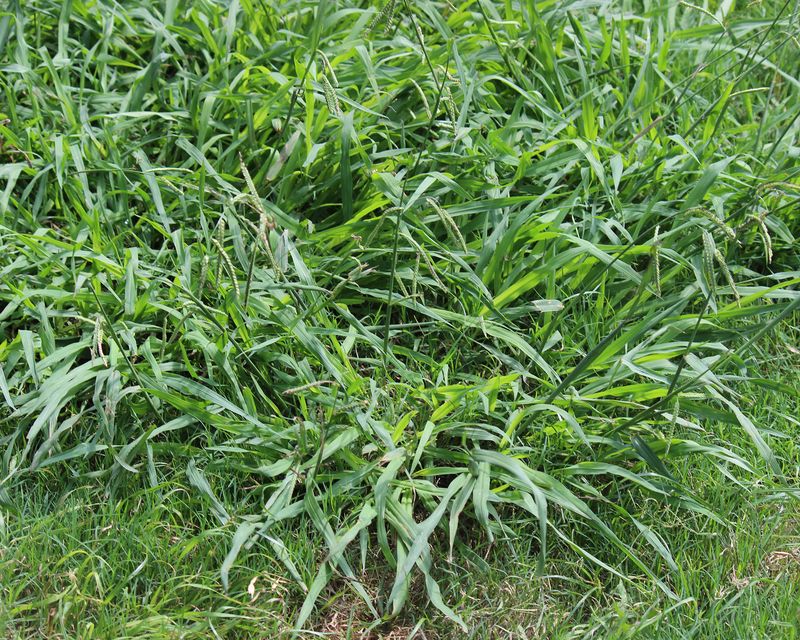
Mowing feels routine, but it can quietly spread crabgrass across your whole yard. When plants are loaded with seeds, your mower blades fling those seeds far and wide.
Attaching a bag to your mower changes everything. Collecting the clippings instead of leaving them behind keeps seed-filled material from settling into open spots in the grass.
Heavy crabgrass patches are the real problem. These thick, mature areas carry the most seeds, so bagging clippings there stops a huge amount of future growth.
Normally, leaving grass clippings on the lawn is a good habit that feeds the soil. During a crabgrass invasion, though, that same habit spreads the weed around.
Think about the path your mower takes. Each pass drags bits of plant material forward, planting seeds in fresh areas without you even noticing.
Empty the bag into a sealed trash bag rather than a compost pile. If your compost pile does not reliably reach hot-compost temperatures, avoid adding seed-filled crabgrass plants because seeds may survive.
Clean your mower deck after cutting a heavily infested lawn. Seeds and plant bits stick to the underside and can travel to other parts of your yard.
Once the crabgrass is gone and your lawn looks thick again, you can go back to mulching clippings. Until then, bagging is your best defense.
A little extra effort during mowing season pays off big. Keeping those seeds contained means fewer weeds fighting your grass next year.
4. Strengthen Thin Areas Of The Lawn
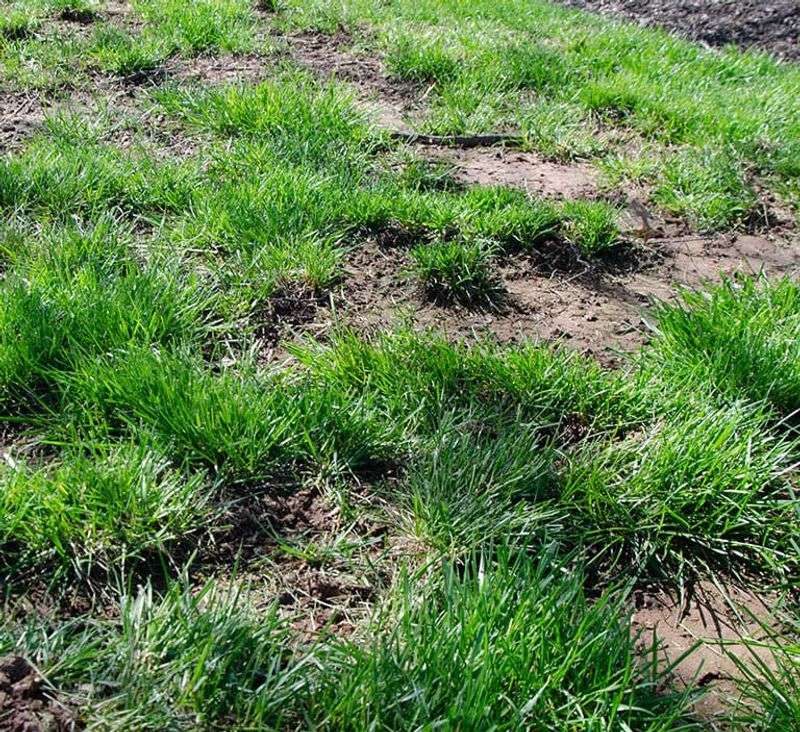
Crabgrass loves an opening. Bare spots and thin patches give this weed the sunlight and space it needs to settle in and take over.
Thick, healthy turf does the opposite. When your cool-season grass grows dense, it crowds out crabgrass seedlings before they ever get a real start.
Michigan lawns usually feature grasses like Kentucky bluegrass and fescue. These cool-season types spread and fill in gaps when they are fed, watered, and cared for properly.
Walk your yard and look for tired, sparse areas. Spots near sidewalks, driveways, and heavy foot traffic often thin out first and invite weeds.
Fixing those weak areas early keeps crabgrass from finding a home. Loosen the soil, add fresh seed, and keep the ground moist until new grass fills in.
Healthy soil helps too. A quick soil test tells you what your lawn needs, so you can add the right nutrients instead of guessing.
Deep, less frequent watering builds stronger roots than light daily sprinkles. Strong roots help your grass compete when summer heat stresses the lawn.
Shade also plays a role. In areas where grass struggles under trees, consider shade-friendly seed blends that can still form a thick cover.
Every gap you close is one less place for crabgrass to grow. A full, green lawn is the simplest natural barrier you can build against this stubborn weed. Focus on density, and the crabgrass will find fewer chances to spread.
5. Overseed At The Proper Michigan Fall Window
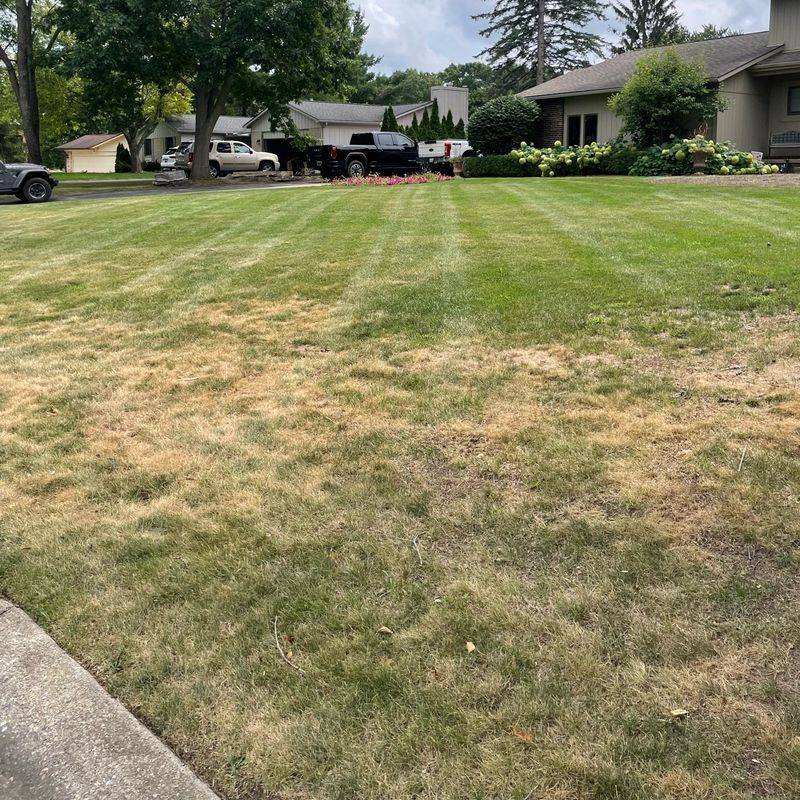
Fall is the secret weapon for a thick Michigan lawn. Cool nights, warm soil, and steady moisture create perfect conditions for new grass to sprout and settle in.
Overseeding means spreading fresh grass seed over your existing lawn. Doing this in fall fills thin areas before winter, leaving fewer gaps for crabgrass to claim in spring.
Timing is the key part. In most of Michigan, late August through mid-September gives new grass enough warm days to grow strong roots before cold weather arrives.
Seed too late and the young grass may not establish in time. A weak stand going into winter often thins out, which opens the door for weeds.
Prepare the ground first for the best results. Rake away debris, loosen compacted soil, and make sure seeds can touch bare dirt where they land.
Choose a seed blend that fits Michigan lawns, like Kentucky bluegrass, perennial ryegrass, or fescue. These cool-season types thrive in the state’s climate.
Keep the seeded area lightly moist for a couple of weeks. New seedlings need steady moisture, so water gently once or twice a day until they sprout.
A thin layer of straw or compost can hold moisture and protect the seeds. It also keeps birds from snacking on your hard work.
By the time spring arrives, your fall-seeded lawn will be thicker and tougher. That dense growth becomes a living shield that keeps crabgrass from finding room to grow.
6. Mow At The Proper Height
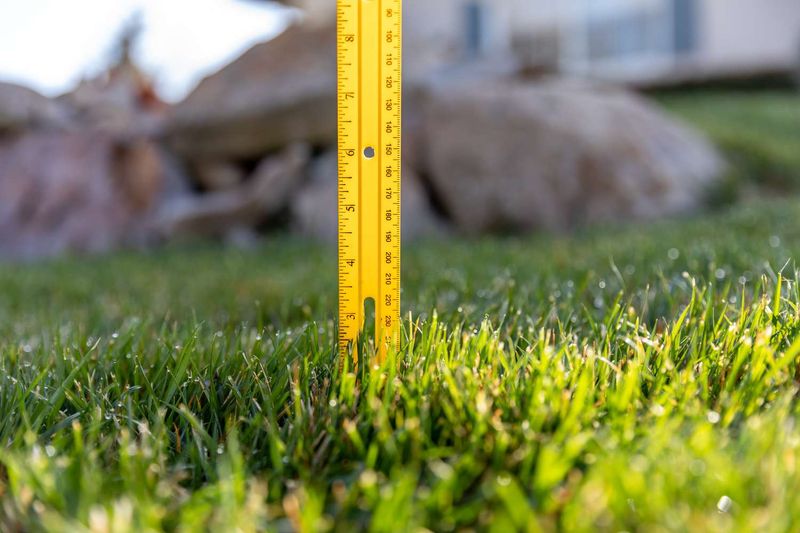
How you mow matters just as much as when you mow. Cutting your grass too short is one of the easiest ways to invite crabgrass into your lawn.
Short grass exposes the soil to sunlight. Crabgrass seeds need that warmth and light to sprout, so a bare, sunny surface is exactly what they want.
Taller grass blocks that light. When you leave your cool-season grass a bit longer, the blades shade the soil and cool it down, making it harder for weed seeds to grow.
Most Michigan lawns do best around three to three and a half inches tall. That height keeps the turf strong while still looking neat and tidy.
Sharp mower blades help too. Clean cuts keep grass healthy, while dull blades tear the tips and stress the plant, leaving it weaker against weeds.
Follow the one-third rule when you cut. Removing more than a third of the blade height at once shocks the grass and slows its recovery.
Taller grass also grows deeper roots. Those stronger roots pull water and nutrients from further down, helping your lawn stay green during dry Michigan summers.
Change your mowing pattern now and then. Rotating directions keeps the grass standing upright and prevents ruts from forming in the soil.
Small changes in mowing habits add up fast. By keeping your grass a little longer and healthier, you build a thick canopy that quietly keeps crabgrass from taking hold.
7. Plan Pre-Emergent Control For Spring
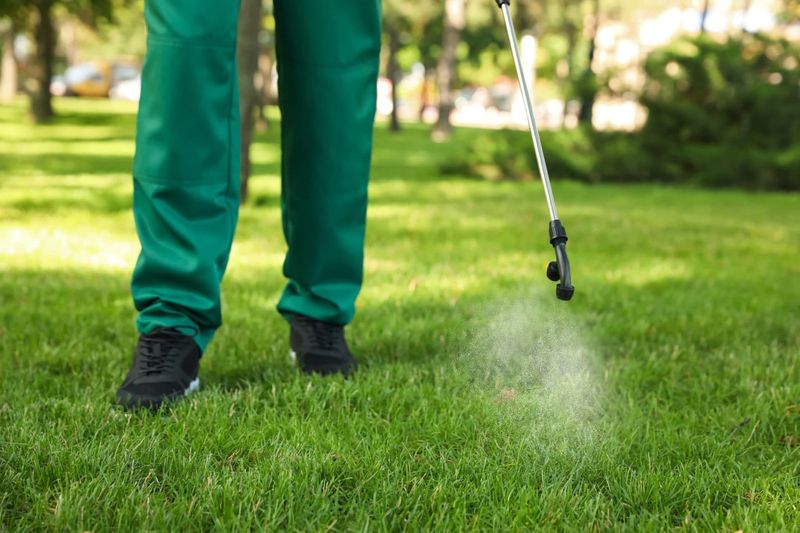
Spring is when the real crabgrass battle begins. This weed sprouts from seed as the soil warms, and the best way to stop it is before it ever appears.
Pre-emergent herbicides work by creating a barrier in the soil. That barrier stops crabgrass seeds from growing, but only if you apply it before the seeds germinate.
Timing is everything with this method. Once you see crabgrass plants above the ground, pre-emergent products can no longer help against those plants.
In Michigan, gardeners often watch for a natural signal. When forsythia bushes finish blooming and the soil warms, crabgrass seeds are close to sprouting.
Applying too early can let the barrier fade before the seeds wake up. Applying too late lets the crabgrass slip through and grow anyway.
Soil temperature offers a reliable clue. Crabgrass usually begins sprouting when the top inch of soil holds steady around fifty-five degrees for several days.
Water the product in after you spread it. A light watering activates the barrier and moves it down into the soil where the seeds sit.
Follow the label directions carefully for your specific lawn. Rates, timing, and watering steps vary between products, so reading the instructions saves you trouble.
Skip pre-emergent in areas where you plan to plant new grass seed. The same barrier that stops crabgrass will also stop your good grass from sprouting.
A well-timed spring application stops crabgrass before it starts, making the rest of your lawn care much easier.
8. Prevent Next Year’s Crabgrass Cycle
Beating crabgrass is not a one-time job. Real success comes from a year-round plan that keeps this weed from ever gaining ground again.
Fall cleanup sets the stage. Raking leaves, clearing debris, and removing the last mature plants keeps seeds from settling into your soil over winter.
Overseeding builds on that clean start. A thick fall lawn fills the gaps where crabgrass would try to sprout once spring warmth returns.
Mowing habits carry the plan forward. Keeping your grass at the right height through the season shades the soil and keeps weed seeds in the dark.
Feeding your lawn matters too. A soil test shows exactly what nutrients your grass needs, so you can fertilize based on real results instead of guesswork.
Balanced feeding grows strong, dense turf. That thick growth becomes your best natural defense, crowding out weeds before they can take hold.
Spring brings the final piece. A well-timed pre-emergent application stops new crabgrass seeds from sprouting just as the soil warms.
Each step supports the others. Fall care, smart mowing, proper feeding, and spring planning form a cycle that steadily lowers crabgrass pressure year after year.
Keep records of what you do and when. Noting your dates and results helps you fine-tune the plan for your own Michigan yard.
Stick with the routine, and the rewards grow over time. A little effort in every season builds a lawn so thick and healthy that crabgrass simply cannot find room to move in.