The Fall Lawn Disease Ohio Homeowners Often Mistake For Drought Stress
Brown patches show up on your lawn this fall, and you reach for the hose without realizing water isn’t the problem at all.
Ohio homeowners see dry-looking grass and assume drought stress every time, especially after a long summer of watering habits. But a specific fungal disease mimics that exact look, spreading in cooler, damp conditions that actually show up more in fall than summer.
Water it more, thinking you’re helping, and you hand that fungus exactly the moist environment it needs to spread even faster.
The real giveaway sits in the pattern. Drought stress spreads evenly across your yard.
This disease shows up in rings or patches that expand outward over days, not weeks.
Check the shape before you check your sprinkler schedule. Treating the wrong problem this fall could leave you fighting the same brown patches straight through next spring.
1. Recognize Lawn Rust Before Blaming Dry Soil
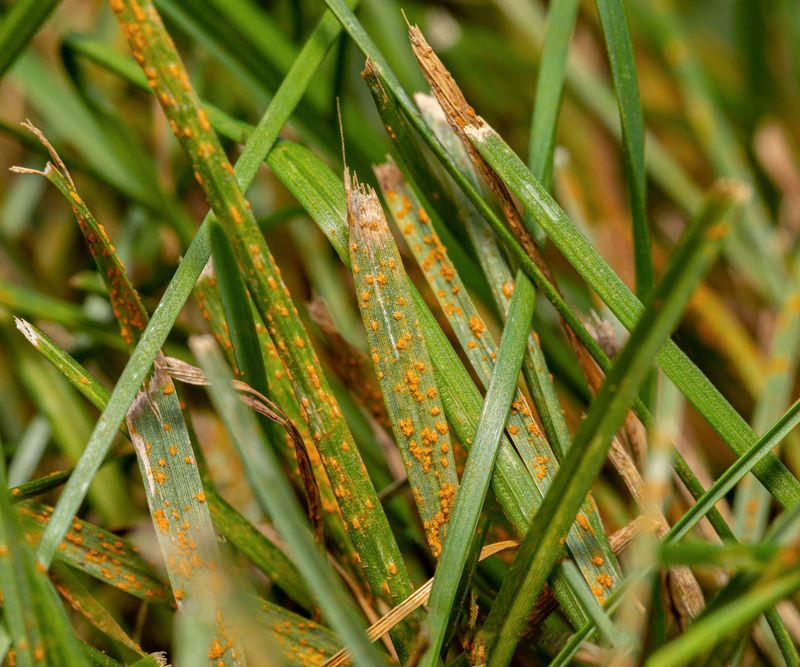
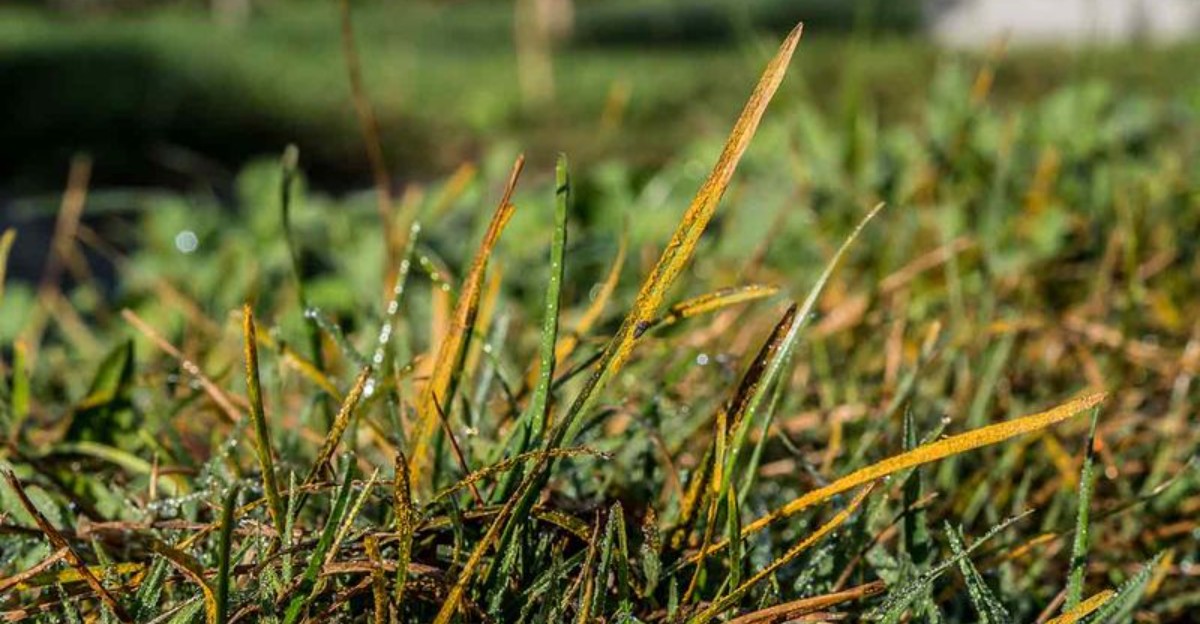
Picture this: you kneel down expecting crunchy, thirsty grass, and instead your fingertips come up dusted in orange. That powdery surprise is lawn rust, a fungus that shows up across Ohio yards from late summer into fall.
Drought-stressed turf usually fades in a fairly even way, turning a gray-blue or dull green before browning. Rust behaves differently, painting uneven patches with a yellow or orange cast that can look almost metallic in slanted afternoon light.
Ohio conditions can favor lawn rust, especially in yards growing cool-season grasses like Kentucky bluegrass and perennial ryegrass. Add cool nights, heavy dew, and slower growth in September, and conditions line up nicely for spores.
A quick test saves a lot of watering. Walk across the questionable area in dark shoes, then check the toes and laces for a rusty film.
Tug gently on a handful of blades, too. Grass suffering from dry soil often pulls up loosely with shallow roots, while rust-affected grass usually stays anchored firmly.
Fun bit of trivia: those spores travel by wind, shoes, and pet fur, which is why rust seems to appear along walkways first. Naming the problem correctly means your next steps actually help rather than feeding the fungus more moisture.
2. Spot Yellowing That Comes From Disease
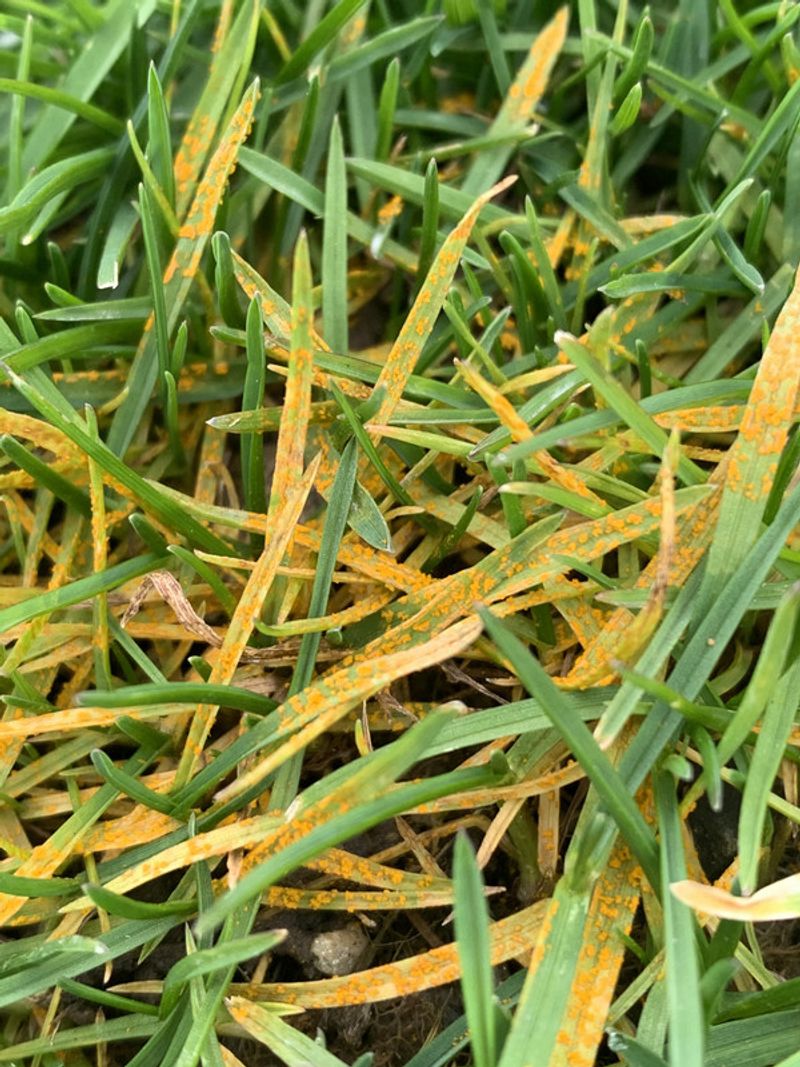
Yellow grass is not one single story. Turf short on water leans toward a dusty, grayish cast that spreads broadly, while rust-related yellowing shows up in blotches and speckles.
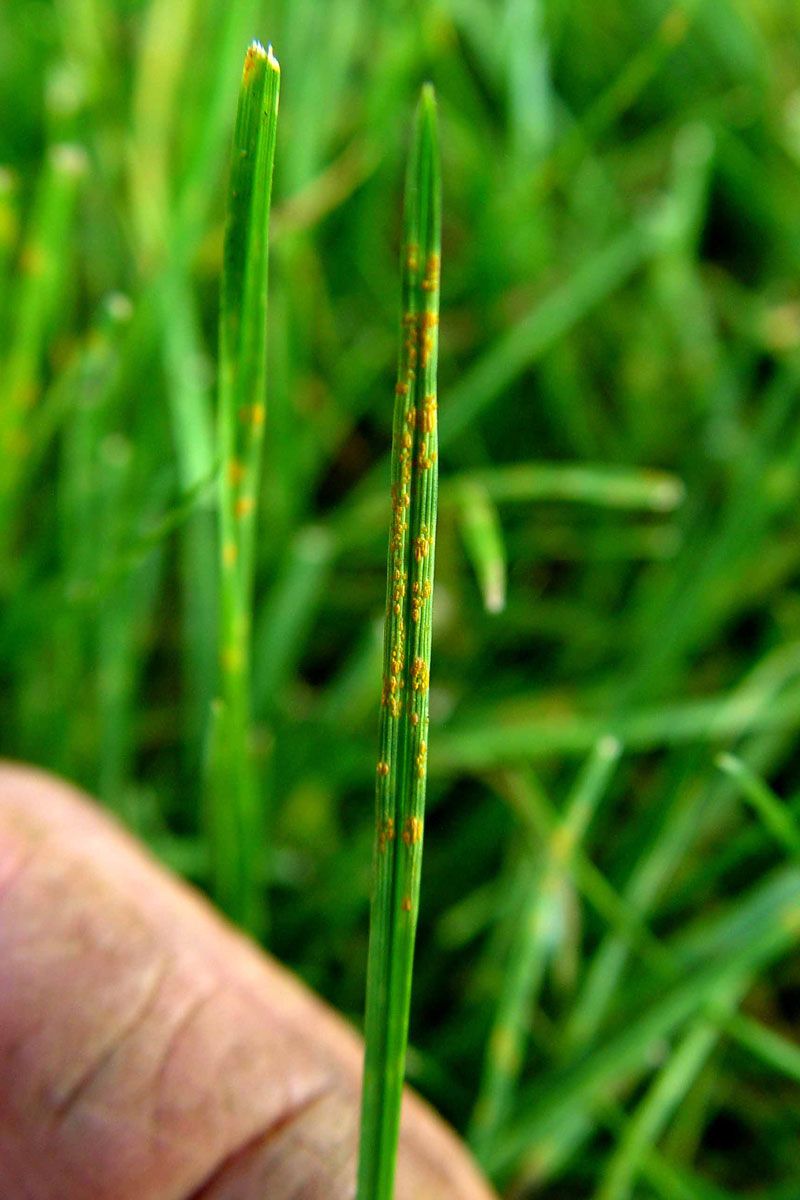
Look closely at the blades. Rust begins as tiny light-yellow flecks that swell into raised bumps, then ripen into orange or reddish-brown pustules that break open and release dust.
Thinning often follows. Infected plants spend energy fighting the fungus instead of growing, so the stand looks weak, ragged, and patchy even while soil underneath stays slightly damp.
Here is a handy comparison. Dig a small plug with a trowel and feel the soil three inches down; if it is moist and cool, dryness is not driving the color change.
Shady corners along fences, north-facing slopes, and spots under trees usually show yellowing first because dew lingers there longest. Sunny, breezy areas of the same yard may stay green, which is another strong hint that a fungus is involved.
Your Ohio Garden Changes Every Week. Your Plan Should Too.
Gardening in Ohio changes quickly throughout the season. Every Friday you’ll receive a simple weekly plan showing exactly what to plant, prune, fertilize, harvest, and protect so you never miss the right timing.
Timing matters as well. Drought symptoms tend to peak during hot, rainless July stretches, while rust discoloration builds through September and October in much of Ohio.
Once you separate disease yellowing from thirst, you stop guessing and start giving the lawn what it actually needs.
3. Check Grass Blades For Telltale Symptoms
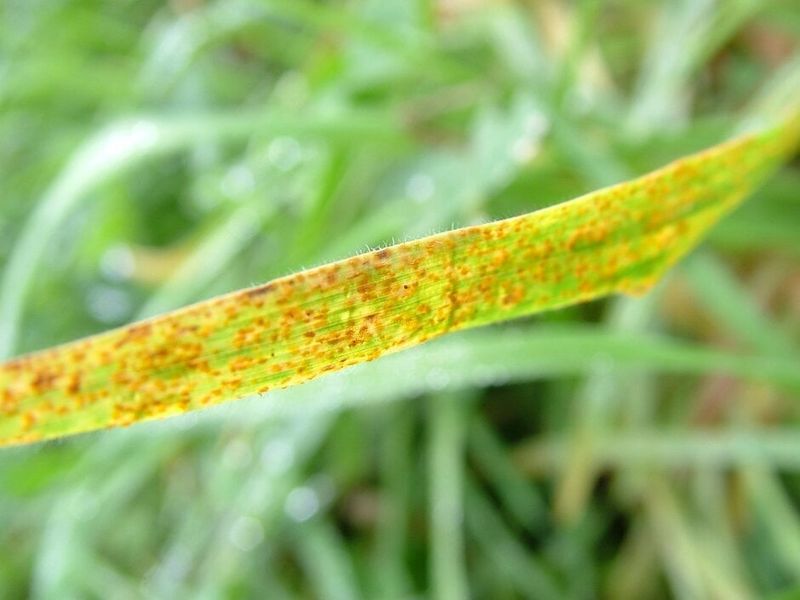
Grab a few blades, rub them between your thumb and finger, and the diagnosis often makes itself. Rust spores smear like chalk pastel, leaving an orange stain that washes off skin but clings stubbornly to sneakers.
Hold a blade up to good light for the full picture. Expect small raised pustules lined up along the length of the blade, sometimes on the stems too, each one packed with powdery spores.
Color tells the story of timing. Fresh spots start pale yellow, mature into bright orange, and later darken toward reddish brown as the season cools.
Homeowners frequently notice the evidence indoors before the outdoors. Orange smudges on white socks, a rusty film on the mower deck, or dusty pet paws are all common first alerts.
Compare that with drought damage, where blades fold, curl, or feel brittle and papery without any bumps or dust. Footprints also linger in water-starved turf because the blades lose their spring.
Keep a simple habit through September: once a week, pluck blades from three different areas of the yard and inspect them side by side.
Early detection usually means light treatment, better airflow, and a well-timed feeding are enough to turn things around before the stand thins out.
4. Understand Why Cool Weather Favors Disease
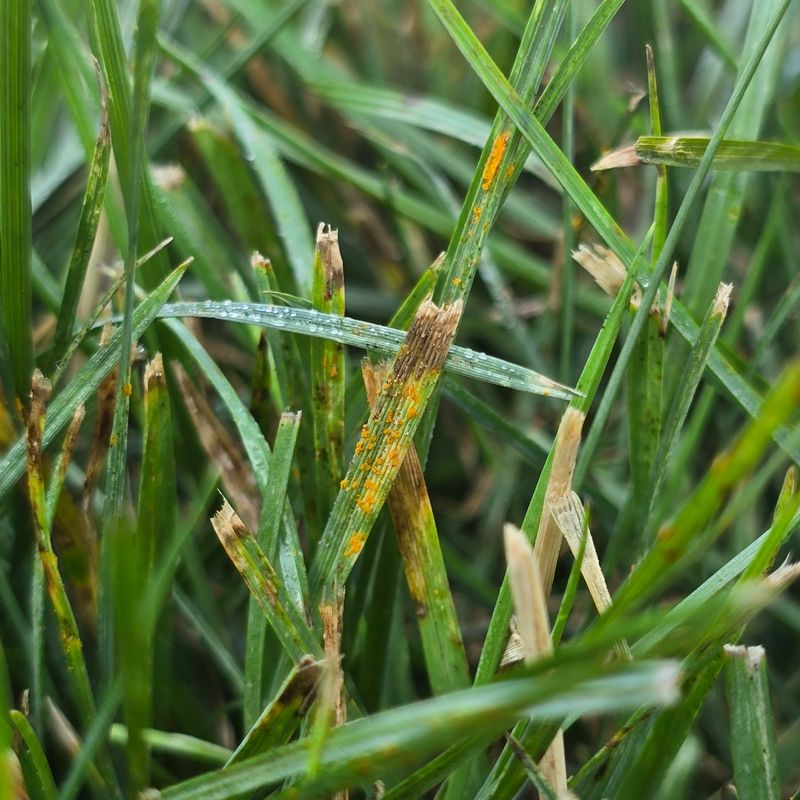
Fungi are picky about weather, and rust has a clear wish list. Moderate temperatures, combined with long periods of leaf wetness and heavy dew, can create favorable conditions for rust.
Leaf wetness is the real driver. When blades stay damp for more than about ten hours, spores get plenty of time to sprout and take hold.
Ohio autumns deliver that combination generously. Warm afternoons, chilly nights, heavy morning dew, and gray drizzly stretches all keep grass surfaces wet far longer than in midsummer.
Slow growth adds to the trouble. Turf coasting on low nitrogen after a hot, dry August cannot replace infected blades quickly, so symptoms build instead of getting mowed away.
Shade plays a role too. Fence lines, dense shrubs, and low spots hold humidity, which explains why rust patterns often trace the shaded edges of a yard.
Knowing the recipe gives you leverage. Anything that shortens the time blades stay wet, including morning watering, better airflow, and prompt leaf removal, chips away at the fungus.
Worth remembering: rust rarely harms a healthy lawn long term. Vigorous growth usually outpaces the fungus, and a hard freeze puts the whole cycle on pause until next season.
5. Avoid Overwatering Stressed-Looking Turf
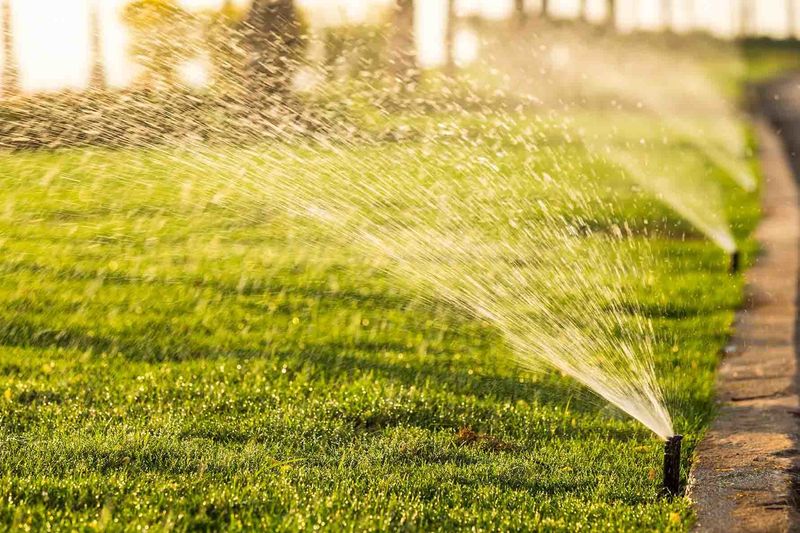
The instinct to water a tired-looking lawn is understandable, and it can backfire. Extra moisture on the blades is exactly what rust spores are hoping for.
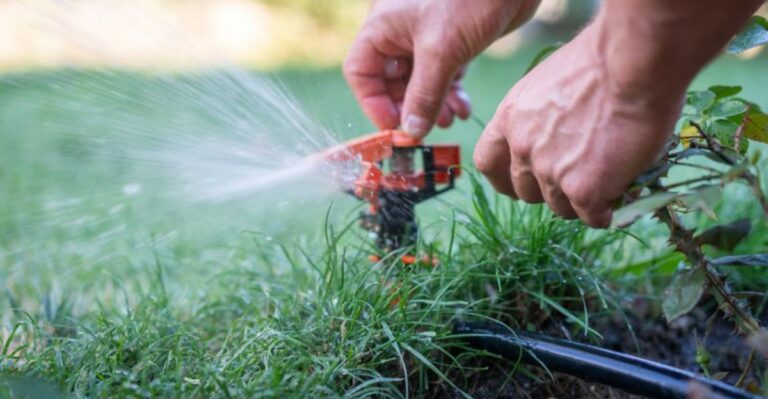
Evening irrigation is the biggest culprit. Water applied at dusk sits on the grass through the night, then dew extends that wetness until midmorning.
Shift the schedule instead. Running sprinklers just after sunrise lets sun and breeze dry the blades within a couple of hours, which shortens the window the fungus needs.
Depth beats frequency. Roughly one inch per week, delivered in one or two longer sessions, encourages roots to reach deeper and lets the top layer of soil dry between drinks.
Measuring takes almost no effort. Set a tuna can or a cheap rain gauge on the lawn, run the sprinkler, and time how long filling one inch actually takes.
Light daily sprinkles cause the most damage overall. Shallow roots, constantly damp blades, and soft growth make a lawn easier for disease to settle into.
Also watch where sprinkler heads spray. Overlapping zones, mist hitting fences, and puddles near downspouts create soggy pockets where rust and other fungal issues concentrate.
A little restraint with the hose often does more good in fall than any bottle from the garden center.
6. Improve Airflow Through Proper Mowing
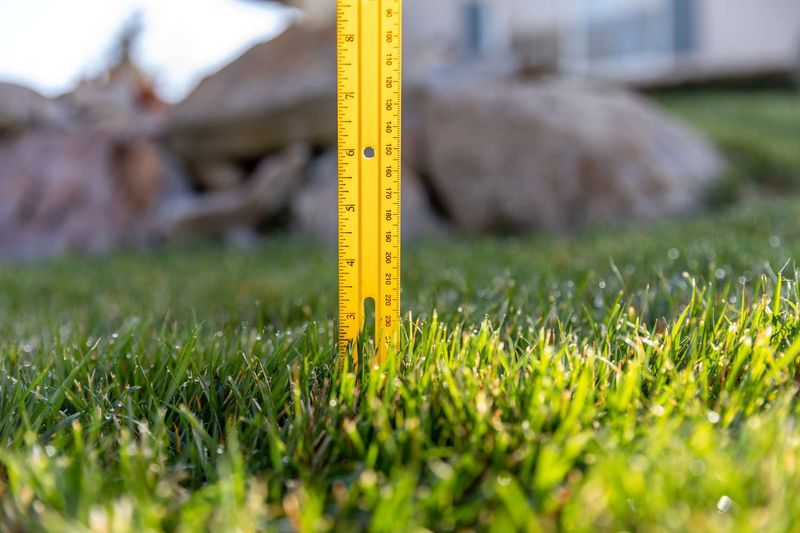
Mowing is quiet medicine for a rust problem. Each pass removes infected blade tips and encourages fresh, clean growth to replace them.
Height deserves attention, though. Cool-season grasses do best around three to three and a half inches, and scalping stresses turf right when it needs strength.
Follow the one-third rule. Removing more than a third of the blade at once shocks the plant and slows the recovery you are trying to speed up.
Sharp blades matter more than most folks realize. Dull edges tear grass into frayed, ragged tissue that loses water faster and gives fungi easy entry points.
When rust is active, bagging clippings from affected areas makes sense. Spores hitch a ride on grass debris, and hauling them off reduces how much inoculum stays behind.
Rinse the mower deck afterward as well. An orange-coated underside is a rolling spore dispenser that spreads the issue to clean parts of the yard.
Mowing frequency helps too. During cool, moist stretches when grass perks up, cutting every five to seven days keeps the canopy open so air moves through instead of stalling.
Little adjustments stack up. Taller, cleanly cut, regularly trimmed turf dries faster, shades out weeds, and shrugs off rust far better than a shaggy or scalped lawn.
7. Reduce Leaf Cover That Traps Moisture
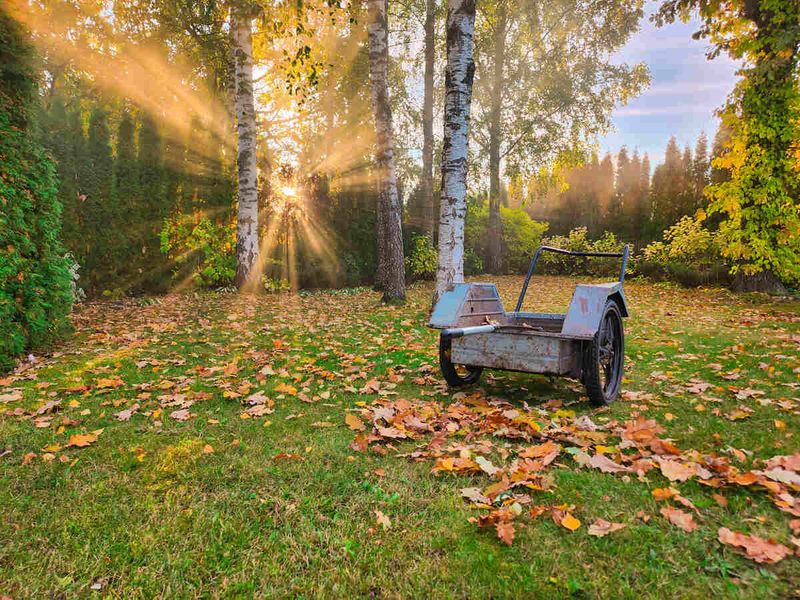
A blanket of soggy maple leaves feels cozy to look at and terrible for grass underneath. Wet foliage traps humidity, blocks light, and stops breezes from drying the turf canopy.
Matted areas show the effect quickly. Lift a pile that has sat for a week and the grass beneath looks pale, limp, and primed for fungal trouble.
Staying ahead is easier than catching up. Raking or mulch-mowing every few days during peak leaf drop keeps coverage thin enough for air to circulate.
Mulch mowing has a bonus. Chopped leaves break down into the soil, feeding earthworms and adding organic matter, as long as the layer stays light.
Look up as well as down. Trimming low tree limbs and thinning crowded shrubs along fences lets morning sun and wind reach shaded strips that stay damp the longest.
Thatch belongs in the conversation too. When that spongy layer of stems and roots gets past half an inch, it holds water at the soil surface and restricts airflow.
Core aeration in the right fall window can help address both concerns. Pulling plugs relieves compaction, breaks up thatch, and helps the root zone breathe going into winter.
Tidy, open turf simply dries faster, and faster drying means fewer chances for rust to settle in.
8. Use Fall Fertilizer At The Right Time
Here is a detail that surprises people: rust often shows up on hungry lawns. Low nitrogen slows growth, and slow growth lets infected blades hang around instead of being replaced.
Fall feeding is the heavyweight of the lawn year in Ohio. Nutrients applied now build roots, store energy for winter, and set up a strong green-up next spring.
Timing generally falls between late August and mid-October. Ohio State University Extension points toward September and November applications as the priorities for cool-season turf.
Go light when rust is present. A moderate fall nitrogen application can encourage healthy new growth without pushing overly tender turf.
Heavy doses can create a different headache. Lush, tender blades are appealing to several turf diseases, so moderation serves you better than a big single application.
Hold off if the weather turns hot and rainless. Feeding drought-stressed grass during a dry spell adds pressure the plants do not need.
Read the spreader settings and calibrate on the driveway first. Uneven passes leave striped results that look almost as odd as the disease itself.
Water lightly after granules go down, then let the surface dry. Steady nutrition plus dry blades is a combination rust rarely enjoys.
9. Repair Damaged Areas When Growth Returns
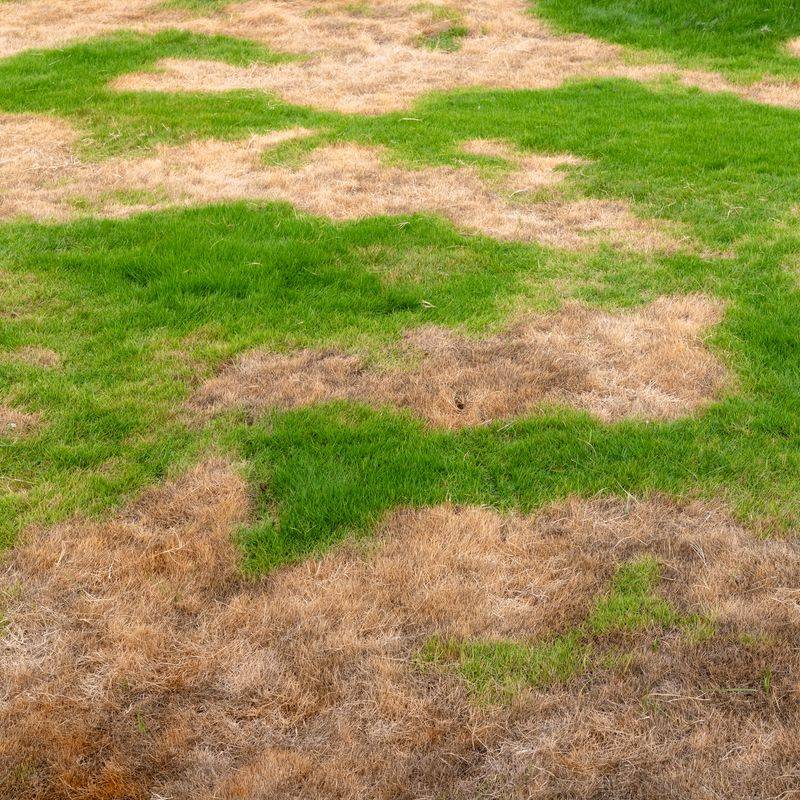
Recovery is usually the happy ending of a rust story. Once temperatures cool and growth picks up, the fungus fades and grass begins filling in on its own.
Thin spots sometimes need a nudge, though. Severe infections leave patchy areas that benefit from overseeding with climate-adapted bluegrass, ryegrass, or fescue blends suited to Ohio.
Prep work decides the outcome. Clear debris, rake the surface to loosen the top quarter inch of soil, and press seed into firm contact with the ground.
Seed-to-soil contact is the whole game. A thin layer of compost or topsoil over the seed holds moisture and keeps birds from treating your project like a buffet.
Keep new seedlings evenly moist for two to three weeks, then taper toward deeper, less frequent watering. Soggy soil invites the same problems you just worked through.
Bigger jobs may call for a full refresh. Aeration, dethatching, and overseeding together rebuild lawns that have struggled for several seasons.
A starter fertilizer supports young roots as they establish. Wait to mow until new grass reaches about three inches, and use sharp blades for that first cut.
Mark your calendar for next August. A little prevention then means far less patching the following autumn.