How To Grow Container Tomatoes In Ohio
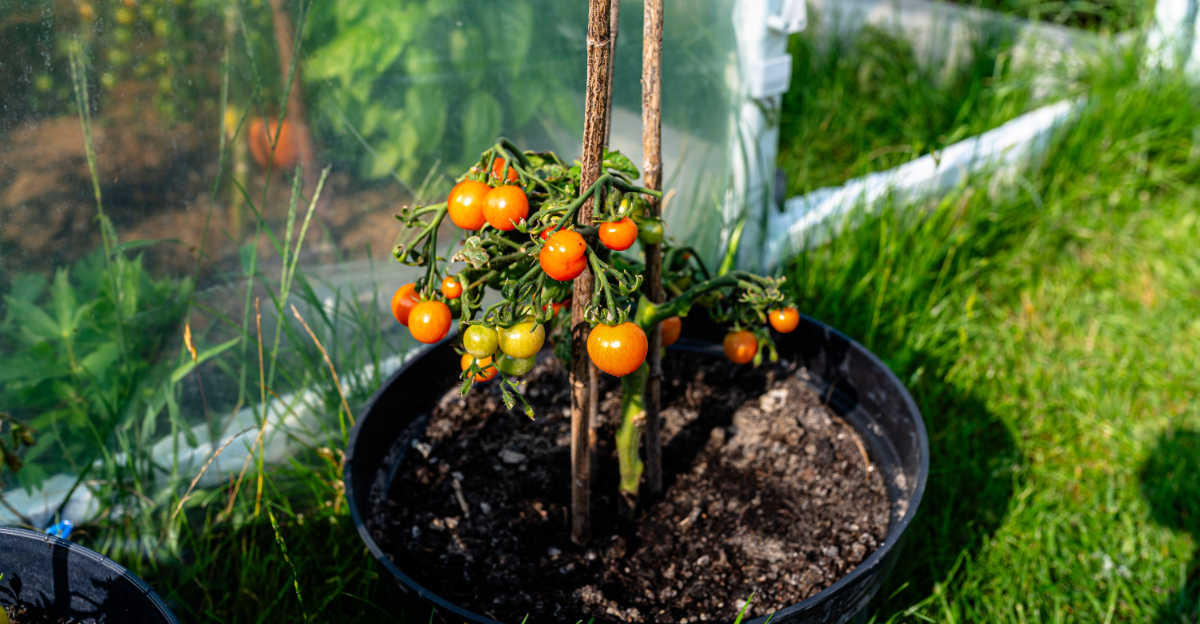
Tomatoes have a way of drawing people into gardening. There is something about picking one straight from the plant that feels worth the effort, even for beginners.
In Ohio, container growing makes that experience more accessible. You do not need a large yard or perfect soil to grow healthy tomato plants.
A good container setup can handle many of the challenges that come with in-ground planting.
That flexibility makes it easier to control water, sunlight, and spacing. It also helps avoid some of the common issues that show up in traditional garden beds, especially during unpredictable weather.
Container tomatoes still need attention, though. The right balance of care early on can shape how productive those plants become later in the season.
Once the basics fall into place, it becomes much easier to keep them growing strong and producing steadily.
1. Pick A Sunny Spot
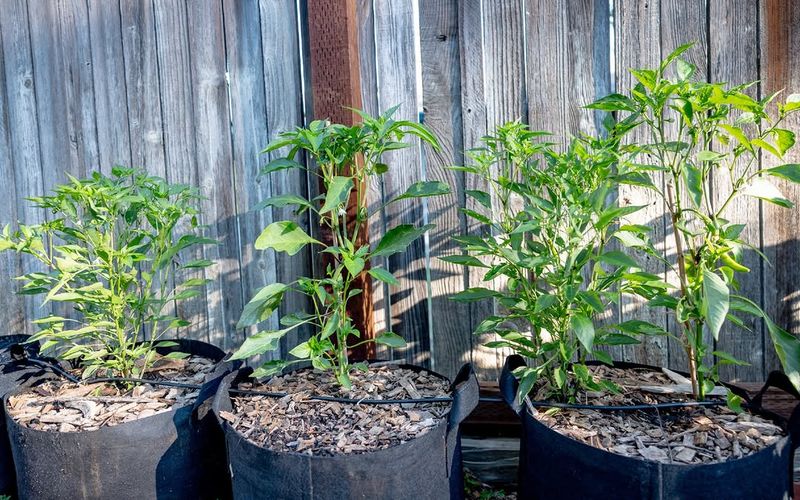
Sunlight is the secret ingredient behind every great tomato harvest. Tomatoes are sun-loving plants that need at least six to eight hours of direct sunlight every single day to grow strong and produce fruit.
In Ohio, finding a south-facing spot on your patio, deck, or driveway gives your container plants the best possible light exposure throughout the growing season.
One of the biggest perks of growing tomatoes in containers is that you can move them around. If a spot gets shaded by a tree or building during part of the day, simply roll or carry your pots to a sunnier location.
A wheeled plant caddy makes repositioning large containers much easier on your back.
Avoid placing containers near air conditioning units or in spots with heavy shade from fences. Even a few hours less of sunlight each day can noticeably reduce how many tomatoes your plants produce.
Pay attention to how light moves across your outdoor space in the morning and afternoon. Spending one afternoon observing your yard before placing your containers can save you a whole season of frustration and help you get the most out of your Ohio container garden.
2. Wait Until Frost Danger Has Passed
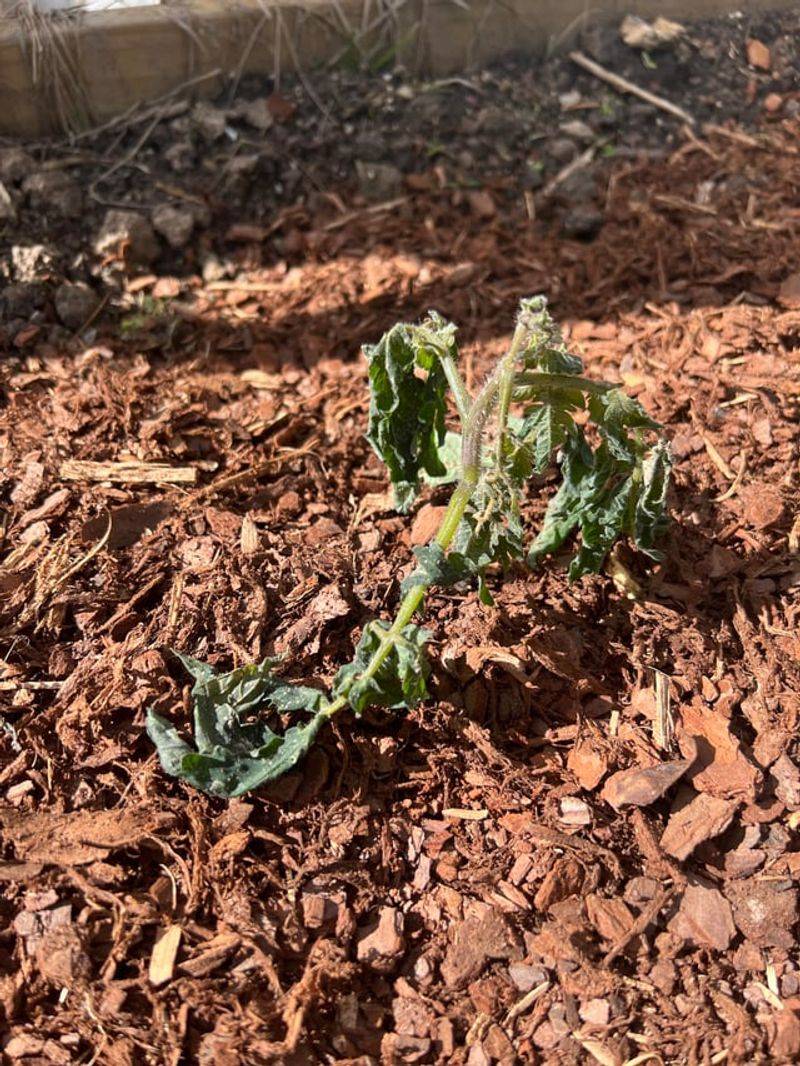
Ohio winters can linger longer than most gardeners expect, and a single surprise frost can wipe out young tomato plants overnight. Across most of Ohio, the last average frost date falls somewhere between late April and mid-May, depending on whether you live in the northern part of the state near Lake Erie or further south.
Always check your local county extension office or a reliable weather app before moving plants outside.
Tomatoes are warm-season vegetables that truly struggle when temperatures drop below 50 degrees Fahrenheit, even without a frost. Cold nights can cause blossom drop and slow growth considerably.
A good rule of thumb is to wait until nighttime temperatures consistently stay above 50 degrees before placing your containers outdoors permanently.
If you are eager to get started early, consider hardening off your seedlings first. Hardening off means gradually introducing young plants to outdoor conditions over seven to ten days by setting them outside for a few hours at a time.
Your Ohio Garden Changes Every Week. Your Plan Should Too.
Gardening in Ohio changes quickly throughout the season. Every Friday you’ll receive a simple weekly plan showing exactly what to plant, prune, fertilize, harvest, and protect so you never miss the right timing.
Bring them back inside each night. Starting this process in late April gives Ohio gardeners a head start while still keeping plants safe from unexpected cold snaps that can pop up even in early May.
3. Use A Large Container With Good Drainage
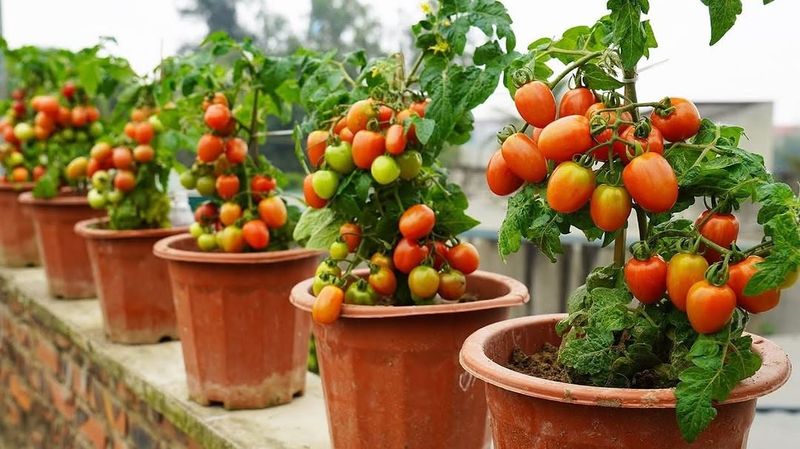
Container size matters more than most beginner gardeners realize. Tomato roots need plenty of room to spread out and anchor the plant properly.
A container that is too small will restrict root growth, stress the plant, and lead to smaller harvests. For most tomato varieties, a container holding at least five gallons of soil is the minimum, and going bigger, like ten or fifteen gallons, gives even better results.
Drainage is just as important as size. Without holes in the bottom of your container, water builds up around the roots and causes root rot, which weakens plants quickly.
Most nursery pots come with drainage holes already, but if you are repurposing a bucket or decorative planter, grab a drill and add several holes yourself before filling it with soil.
In Ohio’s sometimes rainy spring and summer, good drainage protects your tomato plants from being waterlogged during heavy downpours. Elevating containers slightly on bricks or a pot riser also helps water drain away freely rather than pooling underneath.
Clay and ceramic pots look beautiful but can be heavy, while lightweight fabric grow bags offer excellent drainage and air pruning of roots, which actually encourages stronger, healthier root systems all season long.
4. Start With Potting Mix, Not Garden Soil
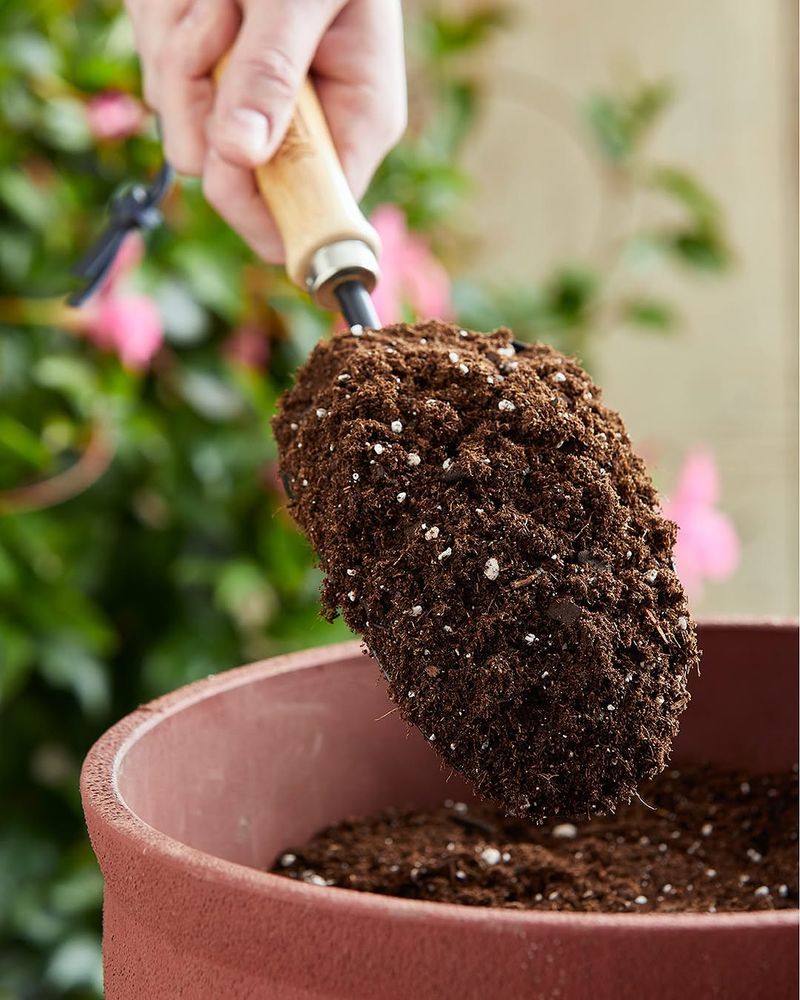
Reaching into your backyard and scooping garden soil into a container might seem like a logical shortcut, but it is one of the most common mistakes new container gardeners make. Garden soil compacts tightly inside pots, squeezing out the air pockets that roots need to breathe and grow.
Over time, compacted soil prevents water from draining properly and creates a heavy, dense environment that stunts tomato plants significantly.
A quality potting mix designed for vegetables is a much better choice. These mixes are lightweight, well-aerated, and often contain added nutrients or slow-release fertilizers that give your plants a strong start.
Look for a mix that includes perlite or vermiculite, which helps maintain drainage and prevents compaction even after repeated watering throughout the Ohio growing season.
Some gardeners in Ohio like to customize their potting mix by blending in a handful of compost for added nutrients and beneficial microbes. This can boost plant health and improve moisture retention without making the mix too heavy.
Avoid mixes labeled for seed starting, as these are too fine and light for established tomato transplants. Investing in a good bag of potting mix at the start of the season pays off with healthier plants and a much more productive harvest come summer.
5. Choose A Determinate Variety For Easier Pot Growing
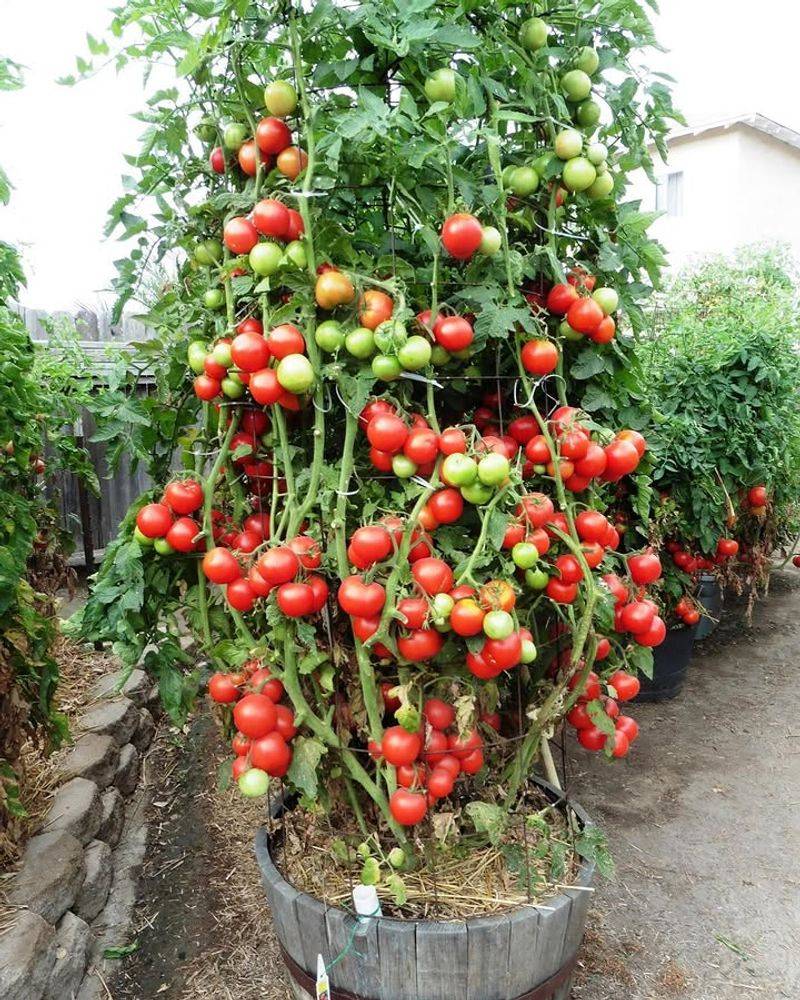
Not every tomato variety behaves the same way in a container. Indeterminate tomatoes, like many heirloom types, grow tall and keep growing all season long, sometimes reaching six feet or more.
While they can be grown in containers with enough support, they require a lot of effort to manage. Determinate varieties, on the other hand, grow to a set size, produce most of their fruit within a concentrated period, and then slow down naturally.
For Ohio container gardeners, determinate varieties offer a much more manageable experience. Compact options like Bush Early Girl, Patio Choice Yellow, and Tumbling Tom are favorites because they stay small, produce well, and fit comfortably in a five to ten gallon pot.
Celebrity and Rutgers are also solid determinate choices that Ohio gardeners have trusted for decades.
Choosing the right variety also affects how much support your plant will need. Smaller determinate plants often need just a simple cage rather than tall stakes and heavy-duty ties.
Check the plant tag or seed packet before buying to confirm whether a variety is determinate or indeterminate. Making that small check at the nursery or garden center can save you a lot of headaches later and set your entire Ohio container tomato season up for success right from the start.
6. Cage Or Stake Plants Early
Waiting too long to support your tomato plants is a mistake that is easy to make and hard to fix. Once a tomato plant gets large and top-heavy with fruit, trying to wrestle a cage around it without snapping branches becomes a frustrating experience.
Getting your cage or stake in place early, ideally at planting time, protects the plant and saves you a lot of trouble down the road.
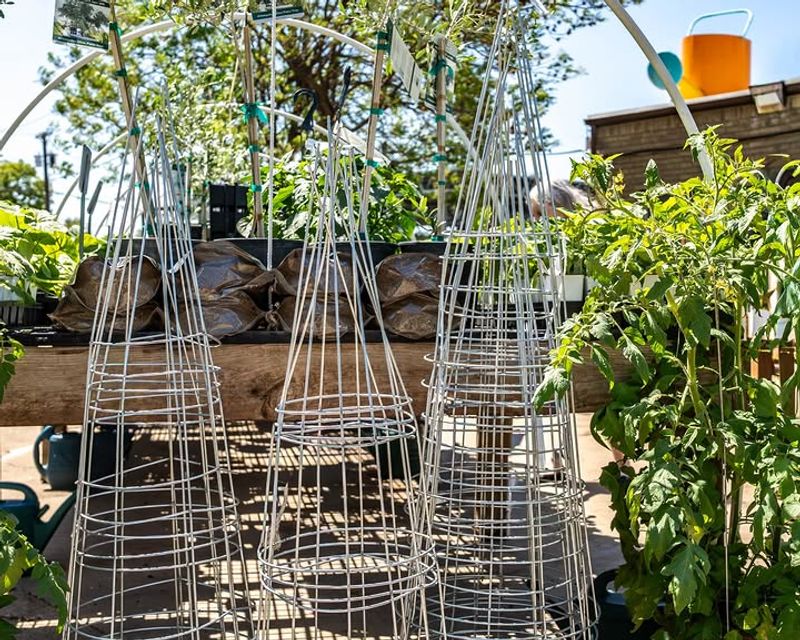
Tomato cages work well for most determinate container varieties grown in Ohio. Look for sturdy cages that are at least four feet tall and wide enough to fit around your container.
Flimsy wire cages sold at discount stores often bend under the weight of a loaded plant, so spending a little extra on a heavy-gauge cage is worth it. Wooden stakes tied with soft plant ties or strips of old pantyhose also work great for taller plants.
Supporting your plants keeps fruit off the soil or container rim, which reduces the chance of disease and pest damage. Good air circulation around supported plants also helps prevent common fungal issues like early blight, which is frequently seen in Ohio during humid summer stretches.
A well-supported plant simply looks better, grows more upright, and channels its energy into producing fruit rather than sprawling across your patio or deck uncontrolled.
7. Water Evenly And Consistently
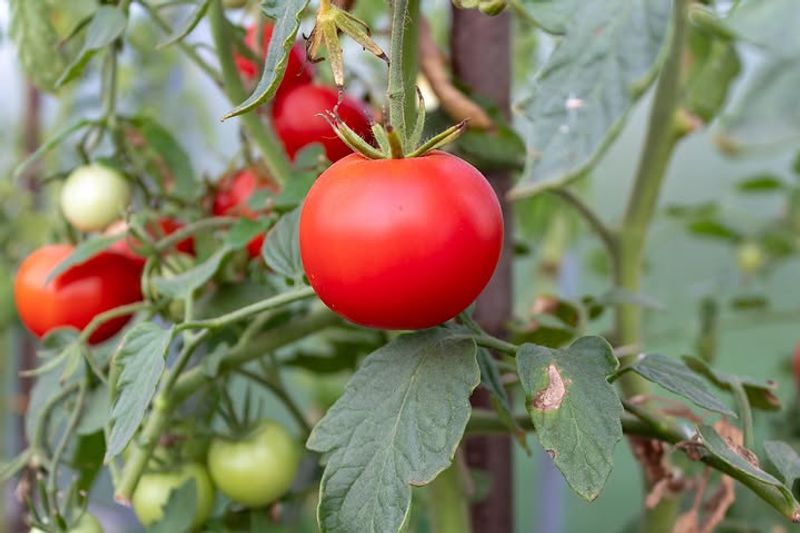
Container tomatoes are thirsty plants, and Ohio summers can get surprisingly hot and dry between rain events. Unlike tomatoes planted in the ground, container plants cannot pull moisture from the surrounding soil.
Everything they need comes from what you give them, which means a consistent watering routine is absolutely essential for healthy growth and good fruit development.
The general rule is to water deeply and evenly until you see water running freely out of the drainage holes at the bottom of the pot. Shallow watering only wets the top layer of soil and encourages shallow root growth, which makes plants more vulnerable to heat stress.
Stick your finger about an inch into the soil before watering. If it feels dry at that depth, it is time to water.
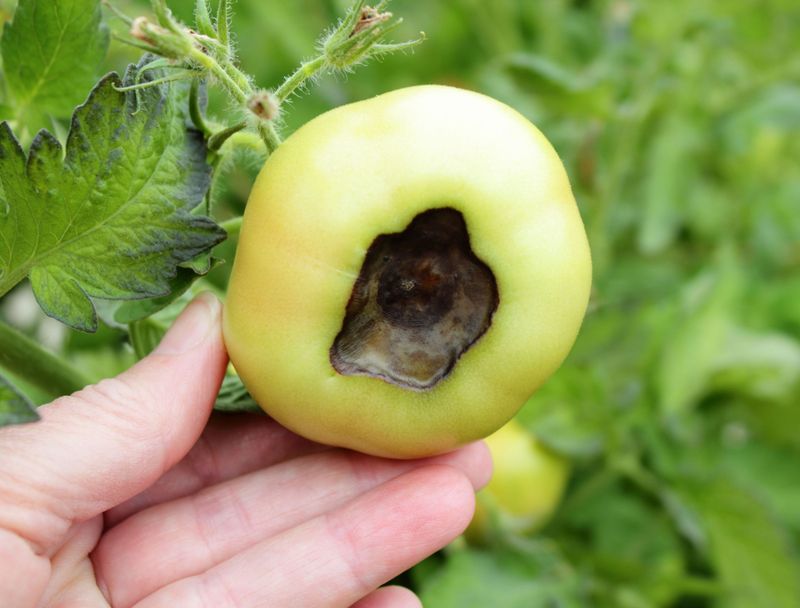
During the hottest weeks of an Ohio summer, container tomatoes may need watering once or even twice a day. Uneven watering, where plants go from bone dry to soaking wet repeatedly, leads to a frustrating problem called blossom end rot, where the bottom of the tomato turns dark and leathery.
A drip irrigation system or self-watering container insert can take the guesswork out of watering and keep soil moisture steady throughout the entire growing season without constant monitoring.
8. Mulch To Help Prevent Moisture Swings
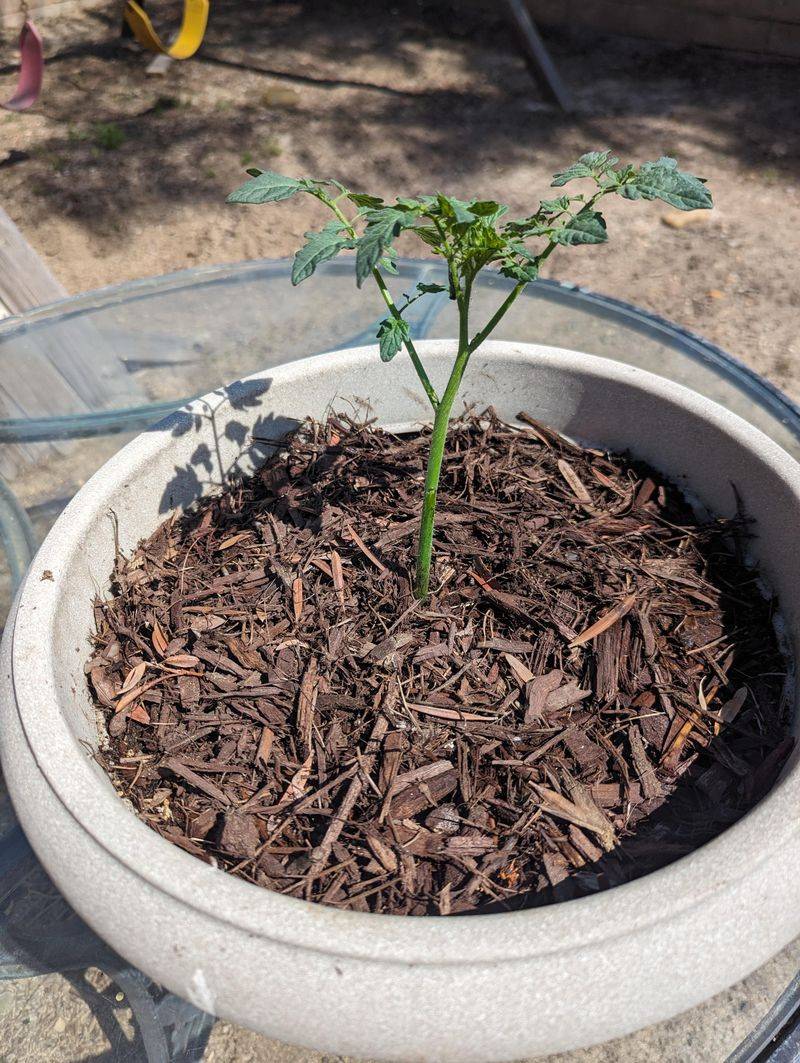
Mulching is one of those simple garden tricks that delivers surprisingly big results with very little effort. Spreading a layer of organic mulch across the top of your container soil helps slow down evaporation, which means the soil stays moist longer between waterings.
In Ohio, where summer afternoons can get blazing hot, this extra moisture protection can make a real difference in how well your container tomatoes perform.
Straw, shredded leaves, and untreated wood chips all work well as mulch in containers. Aim for a layer about one to two inches deep, but keep the mulch pulled back slightly from the main stem of the plant to prevent moisture from sitting directly against it.
Too much moisture against the stem can encourage rot or fungal issues at the soil line.
Beyond retaining moisture, mulch also helps regulate soil temperature. Containers heat up quickly in direct sunlight, and extremely hot soil can stress roots and interfere with nutrient uptake.
A mulch layer acts like a light blanket that buffers those temperature swings throughout the day. Ohio gardeners who add mulch to their container tomatoes often report fewer watering emergencies on hot afternoons and more consistent fruit development from blossom to harvest.
It is a small step with a noticeably positive payoff.
9. Watch For Heat And Cold Stress During Flowering
Flowering time is one of the most critical stages in your tomato plant’s life, and temperature plays a huge role in whether those flowers become fruit. Tomato blossoms are sensitive to both extreme heat and unexpected cold.
When daytime temperatures climb above about 90 degrees Fahrenheit or nighttime temperatures stay below about 55 degrees, tomato flowers may drop without setting fruit, leaving your plant looking healthy but producing little.
Ohio weather is famous for being unpredictable, and both of these temperature extremes can happen within the same week during spring and early summer. Watching the forecast closely during the flowering period gives you time to act before damage occurs.
On scorching hot days, move containers to a spot with afternoon shade to reduce heat stress on the blossoms.
On unexpectedly cool nights in early June, covering plants with a light frost cloth or bringing smaller containers indoors protects tender flowers from cold damage. Gently shaking flowering plants once a day or using a small electric toothbrush against the main stem can help pollinate flowers when bee activity is low due to cool or rainy weather.
Container growing gives Ohio gardeners a real advantage here because mobility means you can respond to weather changes quickly and protect your investment right when your tomatoes need it most.