How To Grow Plumeria In Pots In California For Healthy Summer Growth
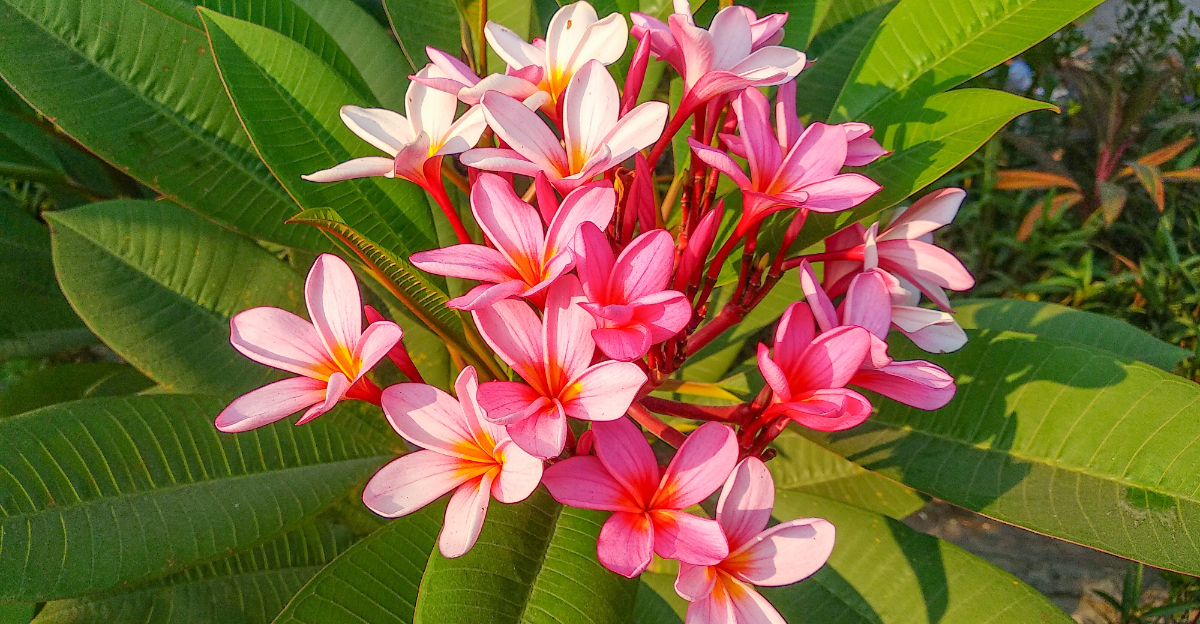
One look at a plumeria in full bloom and you completely understand why people become obsessed with this plant. Those thick, waxy flowers.
That fragrance that somehow smells like a Hawaiian vacation and a five-star spa at the same time. It’s a lot. In the best possible way. And the best part?
You don’t need a tropical climate or a sprawling garden to grow one. A pot works beautifully.
California is genuinely one of the best places outside the tropics to grow plumeria in containers, but there’s a catch. This plant has opinions.
Strong ones. Get the pot size wrong, overwater it once too often, or skip the right soil mix and plumeria will make sure you know about it.
Nail the setup though, and you’ll have a stunning, fragrant showstopper that absolutely thrives through the California summer and makes every single person who sees it ask where you got it.
1. Pick A Sunny Patio Spot
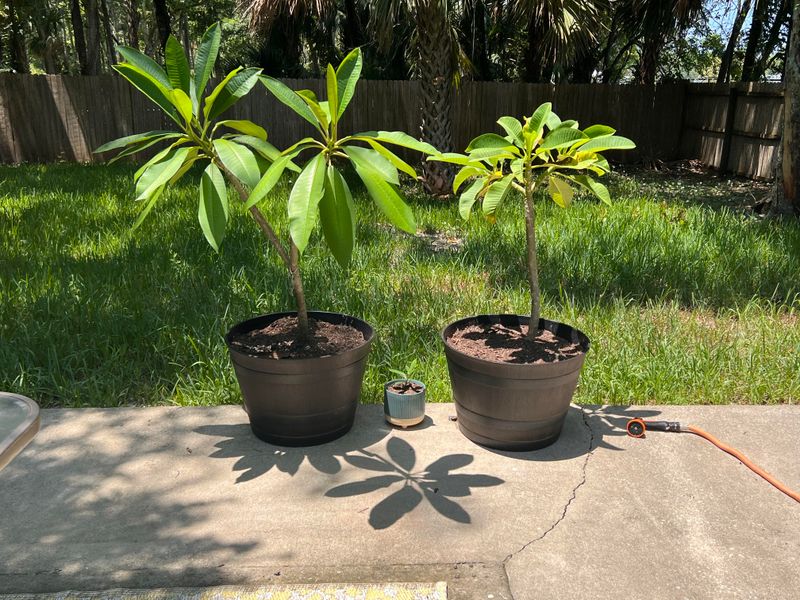
Sunlight is everything when it comes to plumeria. These plants are sun lovers through and through, and in California, you have plenty of that to go around.
Look for a spot on your patio or balcony that gets at least six to eight hours of direct sunlight every day.
South-facing or west-facing spots tend to work best in most parts of California, especially in cities like Riverside or Fresno where the sun is strong and steady. Morning sun with a little afternoon shade can also work well in hotter inland areas.
The key is consistency, not perfection.
Avoid placing your pot near large trees, walls, or fences that block light for most of the day. Plumeria that does not get enough sun will grow slowly and may not bloom at all.
Once you find the right sunny corner, stick with it. Your plant will thank you with thick, healthy branches and beautiful blooms all summer long.
2. Use A Fast-Draining Potting Mix
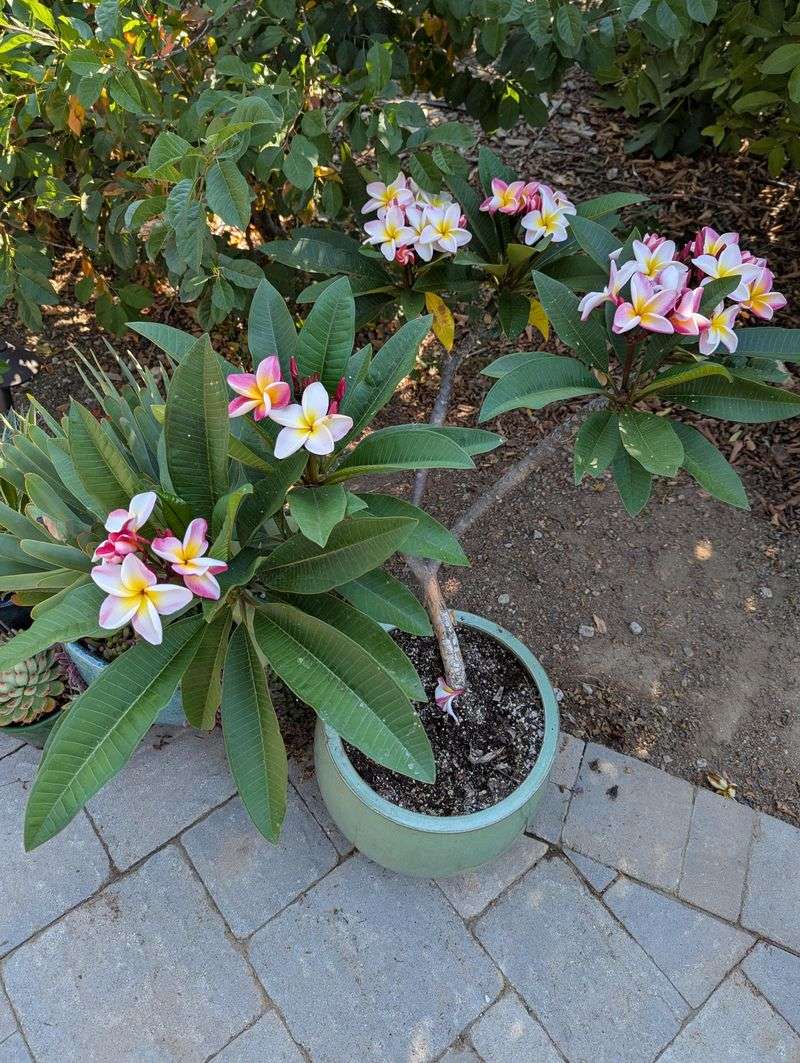
Soggy soil is one of the fastest ways to harm a plumeria plant. The roots need air just as much as they need water, so the type of potting mix you use really matters.
A fast-draining mix keeps roots healthy and strong through the long California summer.
Look for a cactus and succulent potting mix at your local garden center. You can also make your own by mixing regular potting soil with perlite or coarse sand at a ratio of about one part soil to one part perlite.
This creates a light, airy mix that drains quickly after watering.
Avoid heavy garden soil or mixes that stay wet for a long time. In California’s warm climate, plumeria roots sitting in damp soil can develop rot very quickly.
Refresh your potting mix every one to two years to keep nutrients available and drainage working properly. Getting the soil right from the start gives your plumeria the strong foundation it needs for healthy summer growth.
3. Choose A Pot With Drainage
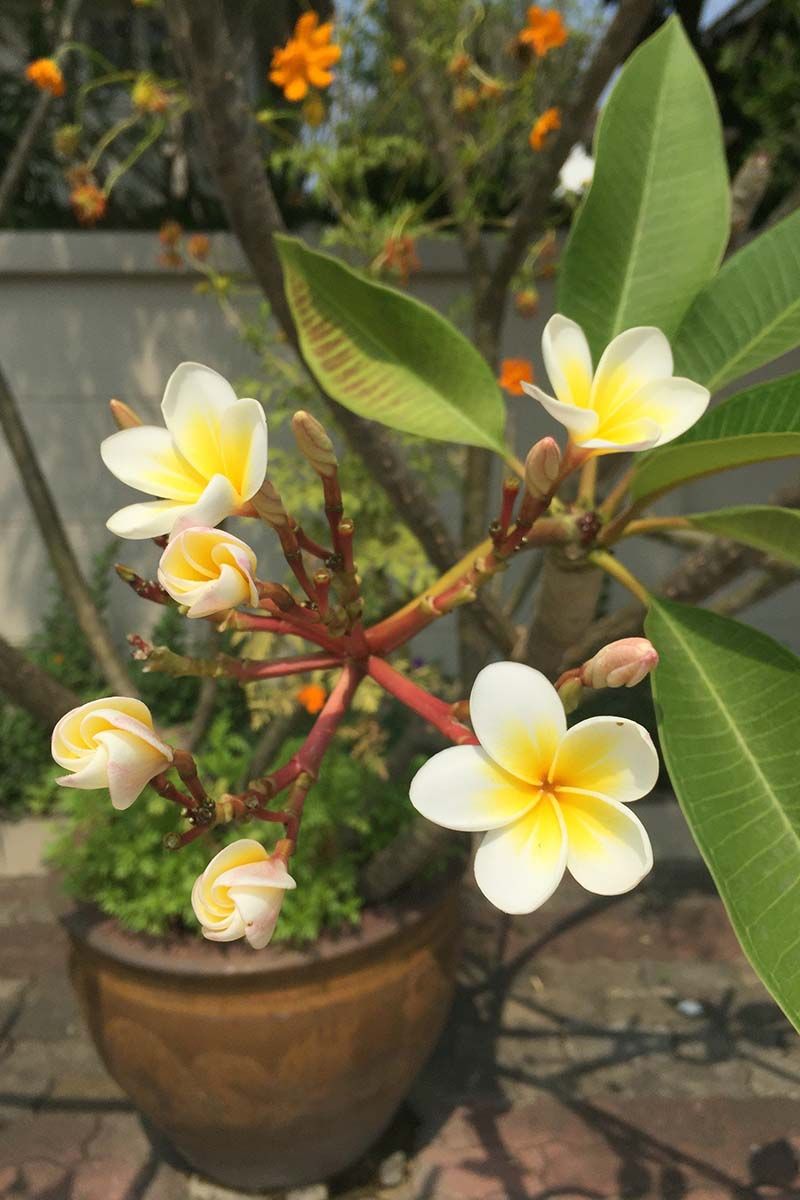
Not all pots are created equal when it comes to growing plumeria. The container you choose can make or break your plant’s health.
Your California Garden Changes Every Week. Your Plan Should Too.
Gardening in California changes quickly throughout the season. Every Friday you’ll receive a simple weekly plan showing exactly what to plant, prune, fertilize, harvest, and protect so you never miss the right timing.
Always pick a pot that has at least one large drainage hole at the bottom, because standing water around the roots causes serious problems fast.
Terracotta pots are a popular choice among California gardeners because they are breathable and help wick away extra moisture from the soil. Plastic pots work too, but they tend to hold water longer, so you will need to be more careful with how often you water.
Choose a pot that is about twelve to sixteen inches wide for a young plumeria.
As your plant grows, you can move it up to a larger container every two to three years. Going too big too soon can actually slow growth because the extra soil stays wet for too long.
A well-chosen pot paired with good drainage holes gives your plumeria the breathing room it needs to grow confidently all through the California summer season.
4. Water Deeply, Then Let Dry
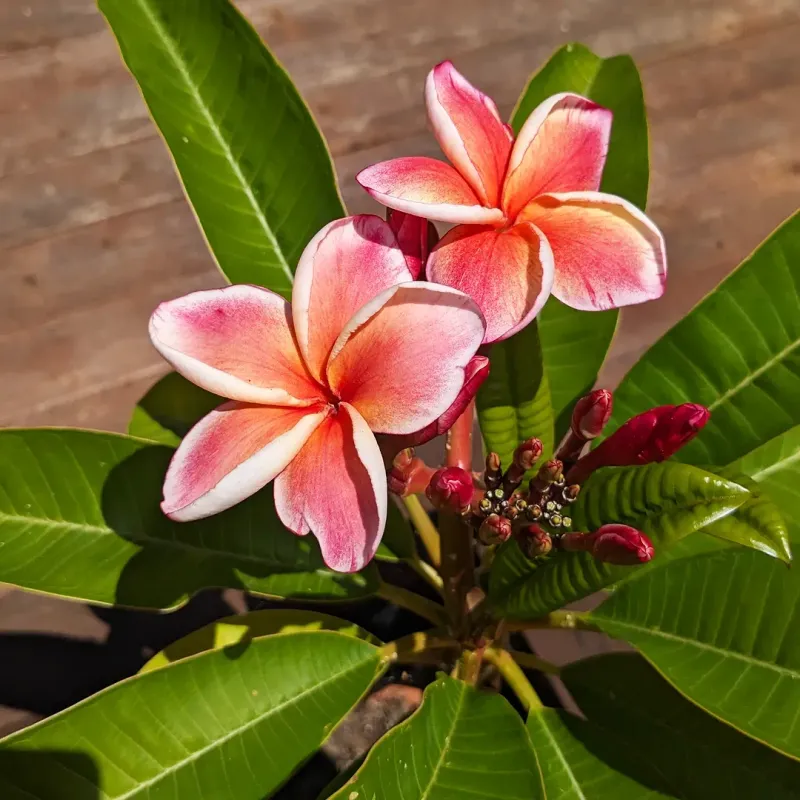
Watering plumeria correctly is one of the most important skills to learn. The best method is simple: water deeply and then wait until the soil dries out before watering again.
This cycle mimics the natural rainfall patterns of tropical regions where plumeria originally comes from.
During the hot California summer, you may need to water your potted plumeria every four to seven days depending on your location and the size of your pot. In coastal areas like Santa Barbara, you may water less often than in dry inland spots like Palm Springs.
Stick your finger about two inches into the soil. If it still feels damp, wait a couple more days.
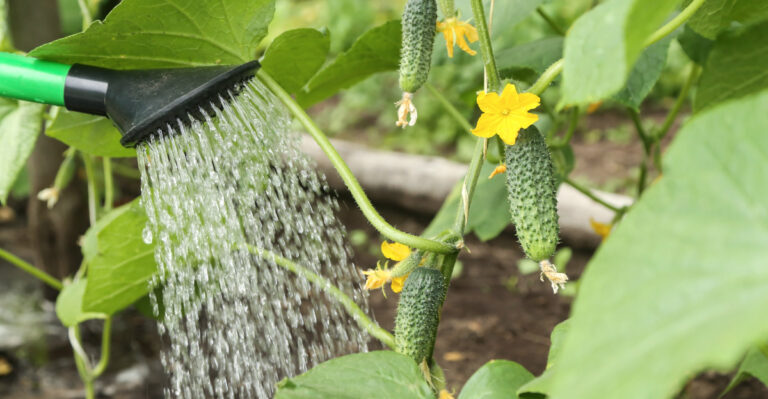
When you do water, pour slowly and steadily until water flows freely from the drainage holes at the bottom. This ensures the entire root zone gets moisture.
Avoid light, frequent watering because it encourages shallow roots. Deep watering builds strong roots that anchor the plant and help it handle summer heat with ease.
Getting this rhythm right makes a big difference in how well your plumeria grows.
5. Feed Lightly In Warm Months
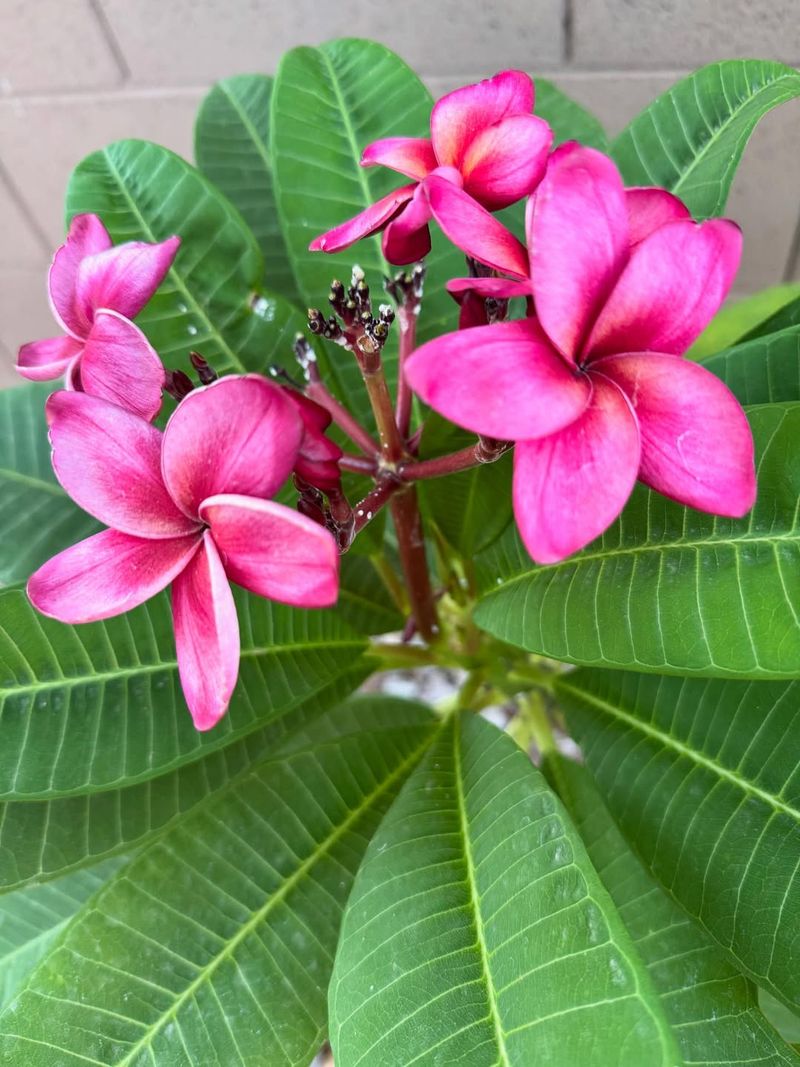
Feeding your plumeria the right way during the warm months can lead to more blooms and stronger growth. Plumeria responds well to fertilizers that are high in phosphorus, which is the middle number on a fertilizer label.
A ratio like 10-30-10 or similar works really well for encouraging flowers.
Start fertilizing in early spring when new leaves begin to appear, and continue through late summer. In California, that usually means feeding from around March through September.
Apply fertilizer every two to three weeks, but keep the amounts light. Too much fertilizer, especially nitrogen, can cause lots of leafy growth but very few flowers.
Granular fertilizers can be sprinkled on the soil surface and watered in gently. Liquid fertilizers diluted to half strength are another easy option.
Always water your plant before applying any fertilizer to avoid stressing the roots. Stop feeding as fall approaches because the plant starts to slow down and rest during cooler months.
Feeding on a steady, light schedule through summer gives your California plumeria the energy boost it needs to shine.
6. Protect From Cold Nights
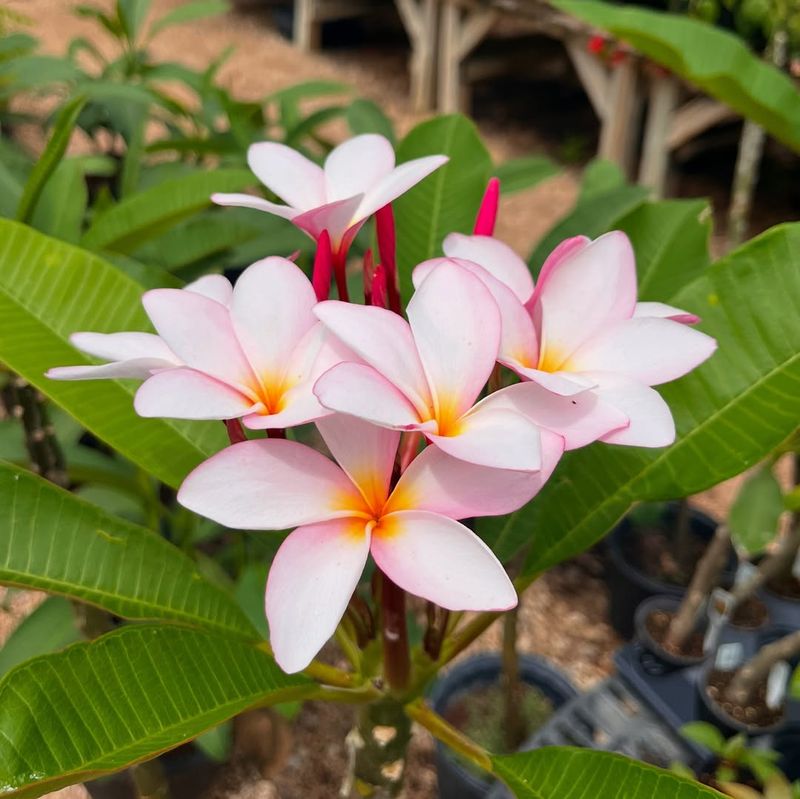
Even in sunny California, nighttime temperatures can drop enough to stress a plumeria plant. Plumeria is sensitive to cold and does not handle temperatures below 40 degrees Fahrenheit very well.
Northern California gardeners in areas like Sacramento or the Bay Area need to pay especially close attention to nighttime lows in early spring and late fall.
When cold nights are in the forecast, move your potted plumeria indoors or into a garage where temperatures stay warmer. One of the great advantages of growing plumeria in pots is that you can move them easily.
A light frost cloth or plant blanket draped over the plant can also offer short-term protection on unexpectedly chilly nights.
If your plant drops its leaves in cooler months, do not panic. Plumeria is naturally deciduous and will lose its leaves as it enters a rest period.
Keep the soil almost completely dry during this time and avoid watering until new growth begins to appear in spring. Protecting your plant from cold nights ensures it comes back healthy and ready to grow strong once warm California weather returns.
7. Prune For Stronger Branches
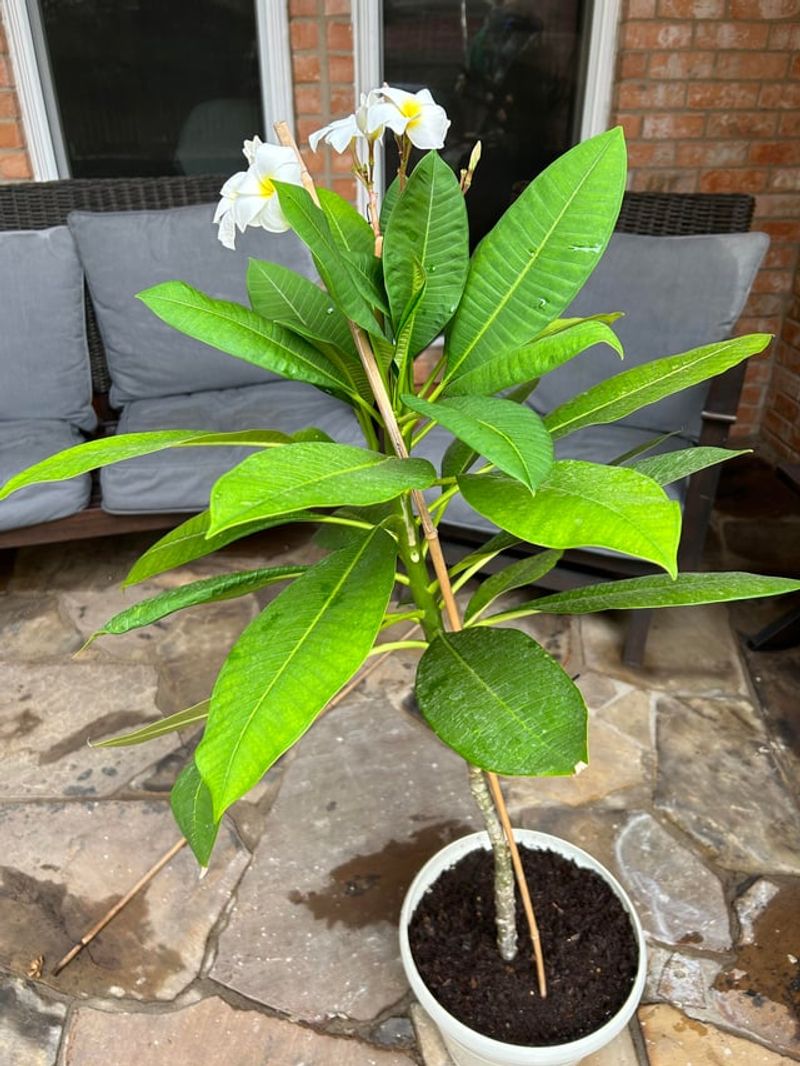
Pruning might sound intimidating, but it is one of the best things you can do to help your plumeria grow better. When done at the right time, pruning encourages the plant to branch out and produce more flowers.
More branches almost always means more blooms by summer.
The best time to prune plumeria in California is in late winter or very early spring, just before new growth begins. Use clean, sharp pruning shears to make smooth cuts.
Cutting just above a leaf node or bud encourages two or three new branches to grow from that spot. Avoid cutting into old, thick wood unless you have a specific reason to do so.
After pruning, let the cut ends dry out in the open air for a day or two before watering. This helps the wound seal naturally and lowers the risk of any issues.
You can also dip the cut end in powdered cinnamon as a natural option. Keep pruning tools clean between cuts to avoid spreading any problems from one branch to another.
A little pruning each year keeps your California potted plumeria looking full, balanced, and blooming beautifully.
8. Watch For Pests Early
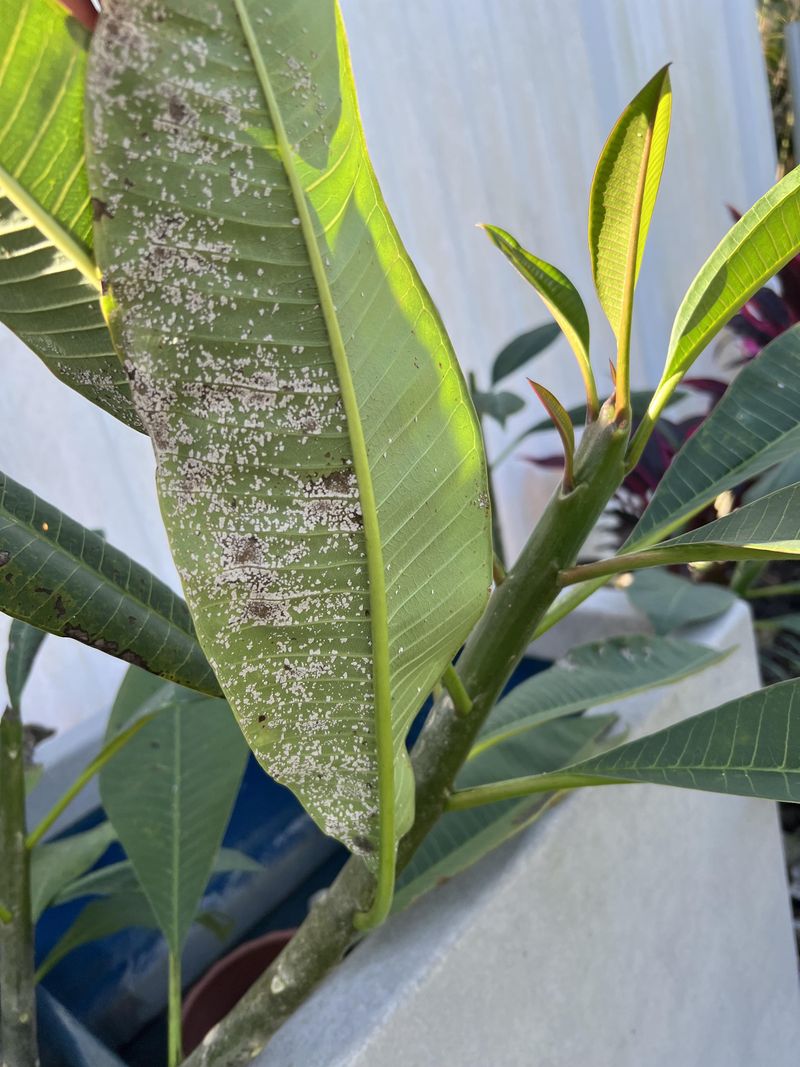
Catching pest problems early is a lot easier than dealing with a full-blown infestation later. Plumeria grown in pots in California can attract a handful of common pests, especially during the warm summer months when plants are actively growing.
The most common troublemakers are spider mites, mealybugs, and whiteflies.
Spider mites love hot and dry conditions, which makes inland California areas like the Inland Empire especially prone to them. Check the undersides of leaves regularly for tiny webs or specks.
Mealybugs show up as white, cottony clusters near stems and leaf joints. Whiteflies tend to flutter up when you brush against the plant.
For small infestations, a strong spray of water can knock pests off the plant. Neem oil mixed with water and a drop of dish soap is a popular and effective treatment for most of these pests.
Apply it in the early morning or evening to avoid leaf burn in the California sun. Check your plant at least once a week during summer.
Staying on top of pest checks keeps your plumeria healthy, green, and blooming without interruption all season long.