Why Maryland Gardeners Keep Choosing Rose Of Sharon, And What Natives Offer Instead
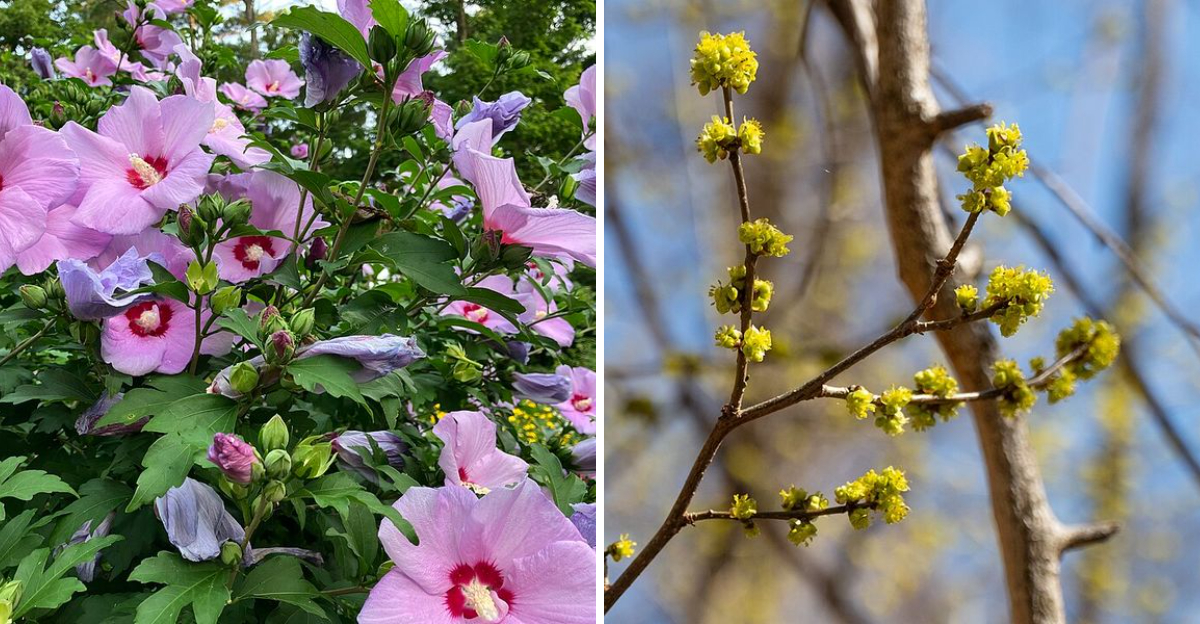
That gorgeous shrub crowding your neighbor’s fence has become increasingly common in Maryland backyards. You have seen it everywhere, blooming loud and spreading without permission.
Rose of Sharon looks stunning, yet it spreads gradually and persistently. Every summer it multiplies fast, claiming sunlight from plants that actually belong here.
Birds mostly ignore it, pollinators barely tolerate it, and soil quietly weakens. Maryland gardeners keep planting it, unaware of what their yards are losing.
Native shrubs already exist that rival its color and outshine its impact. These alternatives feed birds, support pollinators, and refuse to spread uncontrollably.
Nothing about them forces you to trade beauty for responsibility. Your yard could become a thriving habitat instead of a monoculture.
Some of these shrubs bloom bigger, brighter, and longer than expected. Local wildlife notices the difference almost immediately once you make the switch today. Once you see what is possible, turning back feels impossible.
Blooms Profusely Through Late Summer Heat
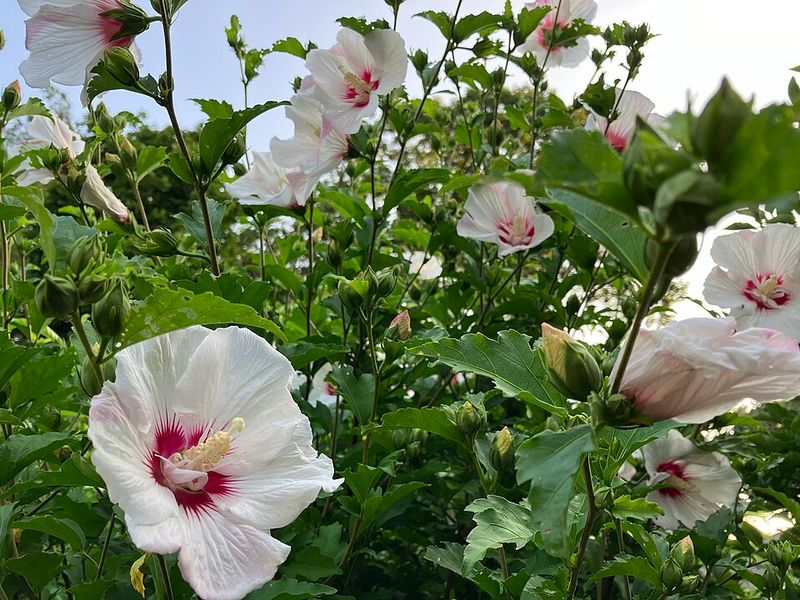
Picture this: it is the hottest week of August, every other plant looks exhausted, and Rose of Sharon is absolutely thriving.
That staying power is one big reason why Rose of Sharon became so common in Maryland yards. When neighbors saw those cheerful blooms while everything else wilted, they wanted one too.
The flowers come in white, pink, purple, and deep red. They open fresh every single morning, giving the plant a lively, constantly renewed look. Pollinators do visit, though non-native honeybees tend to be the most frequent visitors.
The blooming window stretches from July through September, which is genuinely impressive. Most flowering shrubs are done by June, leaving a long visual gap in the garden. Rose of Sharon fills that gap with strong, reliable blooming.
Here is the catch though: each flower produces a seed capsule, and one mature shrub can produce a large number of seeds each year.
Those seeds sprout everywhere, in sidewalk cracks, garden beds, and lawn edges. Pulling seedlings becomes a regular summer task.
Native alternatives like Buttonbush and Sweetspire also bloom during warm months and skip the seeding chaos entirely. They offer color and texture with less ongoing maintenance.
Choosing natives means you get the late-summer show without sacrificing your whole weekend to weeding.
Tolerates Poor Soil And Neglect Easily
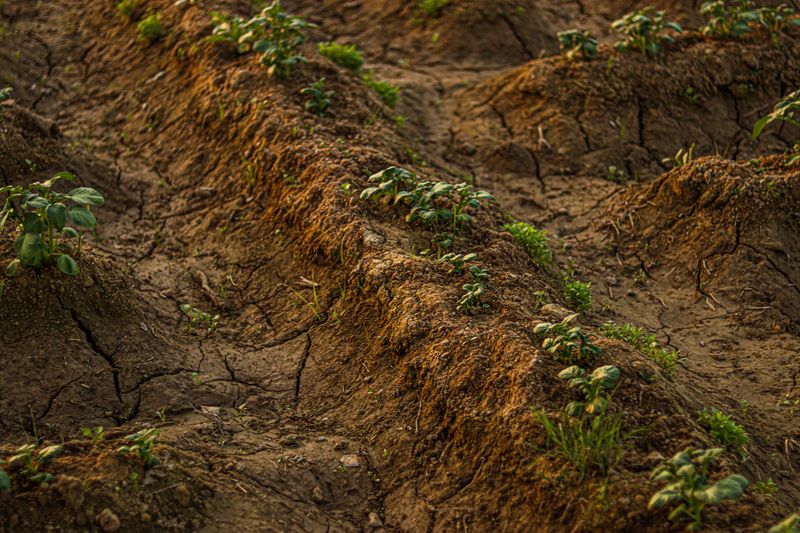
Honestly, Rose of Sharon is the plant equivalent of someone who thrives on no sleep and fast food. It roots into clay, sand, rocky ground, and compacted soil without complaint.
That toughness made it wildly popular with busy homeowners who did not want high-maintenance plants.
It handles drought once established, shrugs off humidity, and bounces back from hard pruning. You can ignore it for a full season and come back to a perfectly healthy shrub. That kind of resilience is rare and genuinely appealing.
The problem is that toughness also means it competes aggressively with everything around it. Weaker native plants get crowded out when Rose of Sharon moves into a space. The soil conditions that challenge other shrubs simply do not slow this one down.
Your Maryland Garden Changes Every Week. Your Plan Should Too.
Gardening in Maryland changes quickly throughout the season. Every Friday you’ll receive a simple weekly plan showing exactly what to plant, prune, fertilize, harvest, and protect so you never miss the right timing.
Native Spicebush is also surprisingly adaptable and grows well in average to poor soils across the mid-Atlantic region. It handles shade, moisture variation, and neglect with quiet confidence.
Unlike Rose of Sharon, Spicebush feeds specialist native insects that have evolved alongside it for thousands of years.
Winterberry holly is another tough native that handles wet, poorly drained spots better than almost anything else. Gardeners often struggle with low-lying boggy areas, and Winterberry turns those problem zones into winter showstoppers.
Choosing adaptable natives means your yard works harder for local ecosystems without you working harder at all.
Grows Quickly Into A Full Hedge
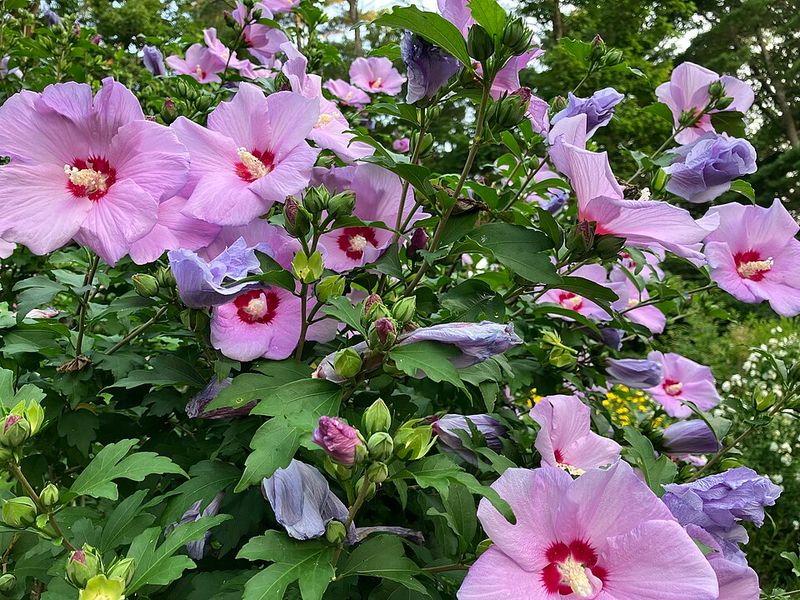
Speed matters when you want privacy fast, and Rose of Sharon delivers it. A young plant can grow at a fast pace under decent conditions. Within a few seasons, a scraggly row of sticks turns into a full, leafy privacy screen.
That rapid growth made it a go-to choice for homeowners wanting to block a neighbor’s view or define a property line. Nurseries stocked it heavily because demand stayed high year after year. Its upright, columnar shape naturally lends itself to hedge planting.
The downside shows up at the base of that hedge every spring. Hundreds of seedlings emerge from dropped seeds, and they spread outward into lawn and garden beds. What started as a tidy hedge line can become dense and overgrown if left unmanaged.
Native Sweetspire grows at a moderate pace and spreads through root suckers in a controlled, manageable way. It forms a dense, attractive mass that works beautifully as an informal screen.
The fall foliage turns brilliant red and orange, giving it a second season of serious visual impact. Buttonbush also fills space efficiently and grows into a rounded, multi-stemmed shrub that works as a natural boundary.
It supports an extraordinary range of native bees, beetles, and butterflies. Swapping one fast grower for another makes practical sense, especially when the replacement actually gives back to your local environment.
Widely Available And Cheap At Nurseries
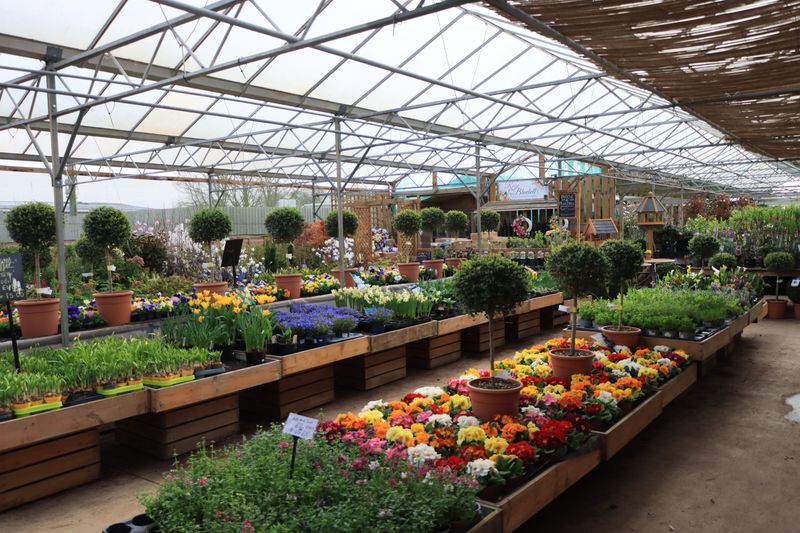
Walk into any garden center between April and June and you will find Rose of Sharon stacked near the entrance, priced low, and available in a dozen color varieties.
That accessibility played a massive role in how it spread across so many Maryland yards. When a plant is cheap, pretty, and easy to find, people buy it by the cartload.
Big-box stores carry it alongside tomatoes and annuals, making it feel as normal as any garden staple. Homeowners who might never visit a specialty nursery still walk out with one. Availability drives planting decisions more than most gardeners realize.
The sheer volume of sales over decades created a landscape where Rose of Sharon became the default flowering shrub for millions of American yards. That cultural momentum can be slow to shift. Trends in gardening, like trends in fashion, take generations to fully shift.
Native plant nurseries are growing fast though, and finding Sweetspire, Buttonbush, and Spicebush has never been easier. Many local conservation districts sell native shrubs at subsidized prices during spring plant sales.
Some Maryland counties offer native shrubs at reduced prices through local conservation programs. Online native plant retailers ship directly to your door, removing the last excuse for defaulting to invasive options.
Investing in natives now means spending less time managing problems later. The price gap between conventional and native shrubs appears to be narrowing over time.
Choose Sweetspire For Stunning Fall Color
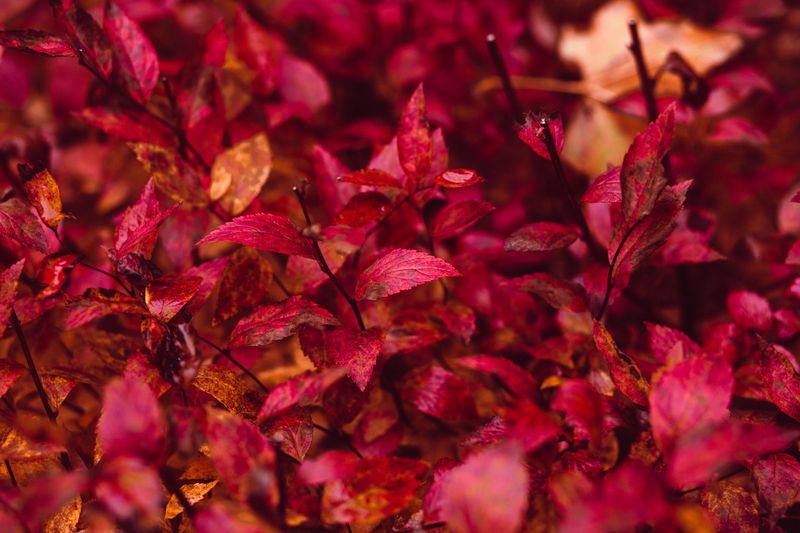
Virginia Sweetspire does not ask for much attention, but come October, it absolutely demands yours.
The leaves shift from green to deep crimson, burgundy, and burnt orange in a display that rivals any maple. For a shrub that many people overlook at the nursery, the fall display is genuinely striking.
Native to the eastern United States, Sweetspire grows naturally along stream banks and woodland edges across the mid-Atlantic region.
It tolerates wet feet, dry spells, full sun, and heavy shade with equal ease. That flexibility makes it one of the most versatile native shrubs available to Maryland gardeners.
In early summer, it produces arching clusters of small white flowers that smell lightly sweet.
Native bees and butterflies visit those blooms regularly, making it a quiet hub of pollinator activity. The plant earns its keep across three full seasons without a single dramatic flaw.
Unlike Rose of Sharon, Sweetspire spreads slowly through root suckers rather than seed. You can control its spread easily by removing unwanted shoots each spring. That predictable behavior makes it a much friendlier neighbor to the rest of your garden.
Planting Sweetspire in a mass grouping creates a bold, low-maintenance ground layer that suppresses weeds naturally.
Pair it with native ferns or wild ginger for a layered, lush look. Gardeners who make the switch from Rose of Sharon to Sweetspire often prefer the results.
Plant Buttonbush To Support Local Pollinators
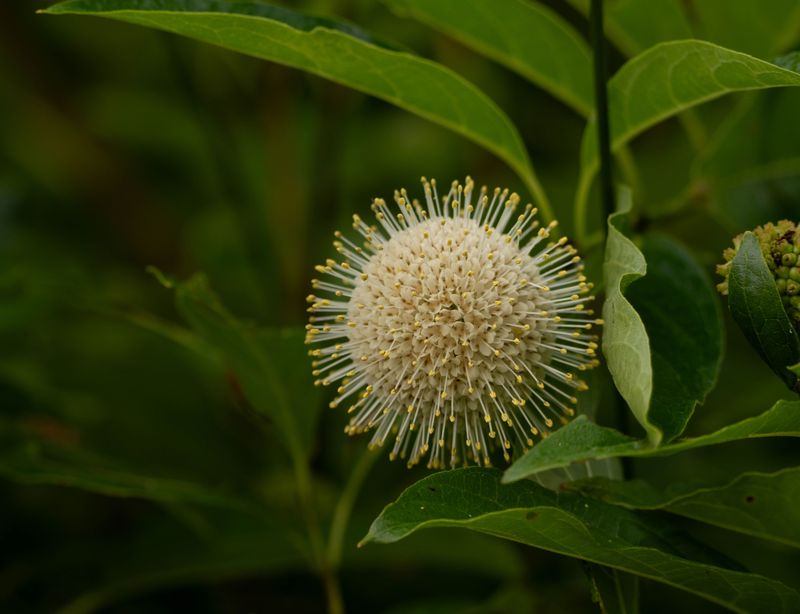
No native shrub throws a pollinator party quite like Buttonbush. Those strange, spiky white spheres that bloom in midsummer have a distinctive, unusual appearance.
But to native bees, butterflies, and hummingbirds, they are a reliable food source. Buttonbush grows naturally along stream banks, pond edges, and wet lowlands across eastern North America.
If your yard has a soggy corner that drowns most plants, Buttonbush will treat it like prime real estate. Wet conditions that frustrate other shrubs are exactly where this native thrives.
Buttonbush is known to attract a wide range of native bee species. Swamp rose beetles, skippers, and multiple butterfly species also rely on it heavily during summer. Planting one shrub effectively creates a valuable wildlife habitat feature in your yard.
After the flowers fade, round seed clusters form and persist into winter. Waterfowl and songbirds eat those seeds during the colder months, extending the plant’s ecological value well past bloom season.
One shrub supports wildlife across multiple seasons without any extra effort from you. Buttonbush grows vigorously and can reach six to twelve feet tall in moist conditions. Pruning in early spring keeps it compact and encourages fresh, productive growth.
For anyone wanting to replace Rose of Sharon with something that genuinely outperforms it for wildlife, Buttonbush is a top-tier choice every single time.
Add Winterberry For Bright Winter Interest
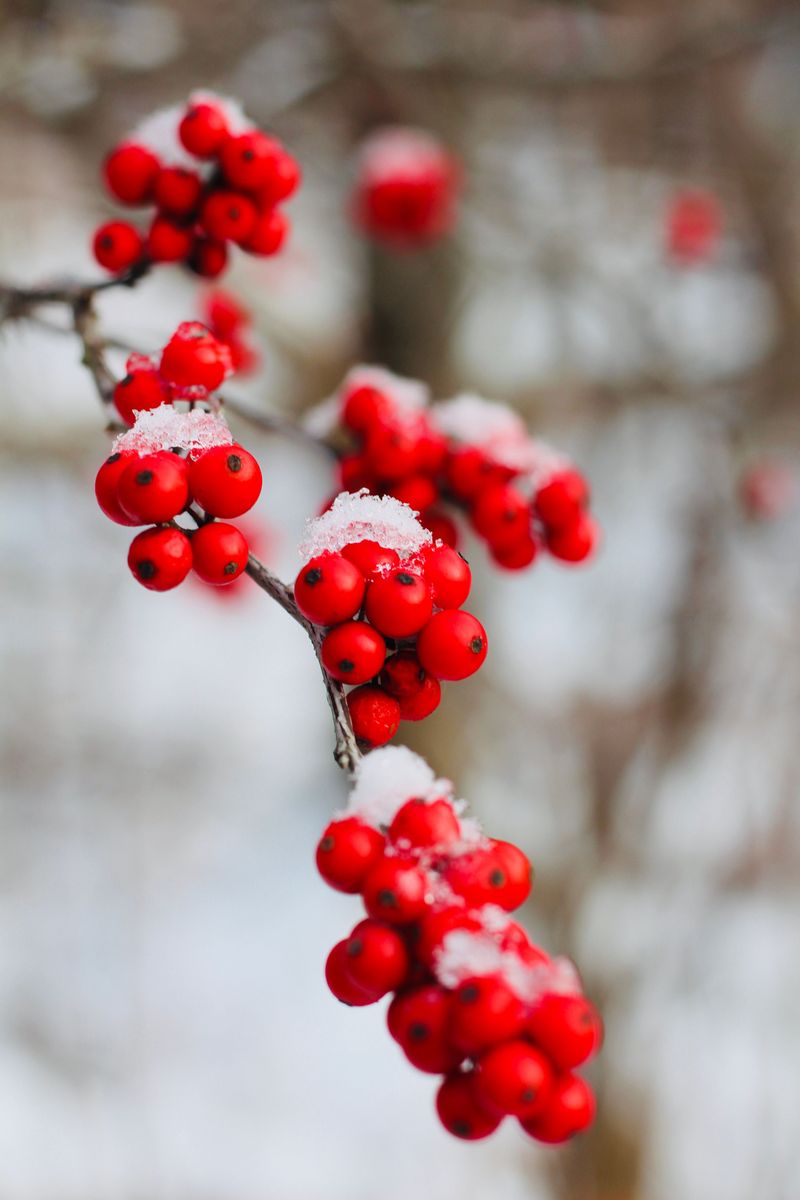
Most shrubs look like sad sticks from December through February. Winterberry holly looks like someone strung it with tiny red Christmas lights and forgot to take them down.
The berry clusters are so vivid against bare branches and snow that the shrub becomes a landmark in any winter garden.
Winterberry is a native holly that drops its leaves in fall, which is unusual for hollies. That deciduous habit reveals the full brilliance of the berry display once the foliage clears.
Bare branches covered in dense red clusters create one of the most striking winter scenes in any American landscape.
Birds absolutely flock to Winterberry berries, especially robins, cedar waxwings, and bluebirds. The fruit persists through the coldest months, providing critical nutrition when other food sources are buried under snow.
Installing a few Winterberry shrubs can make your yard more attractive to birds from November through March.
One important planting note: Winterberry needs both male and female plants to produce berries. A single male plant can pollinate several nearby females, making the ratio efficient.
Most native plant nurseries sell them labeled clearly by gender, making selection straightforward.
Winterberry handles wet soil, clay, and part shade without complaint, fitting into tricky spots where other plants struggle. It grows at a moderate pace and rarely needs pruning.
Swapping out a seedy Rose of Sharon for Winterberry gives your yard year-round structure and a strong winter display.
Include Spicebush For Early Spring Blooms
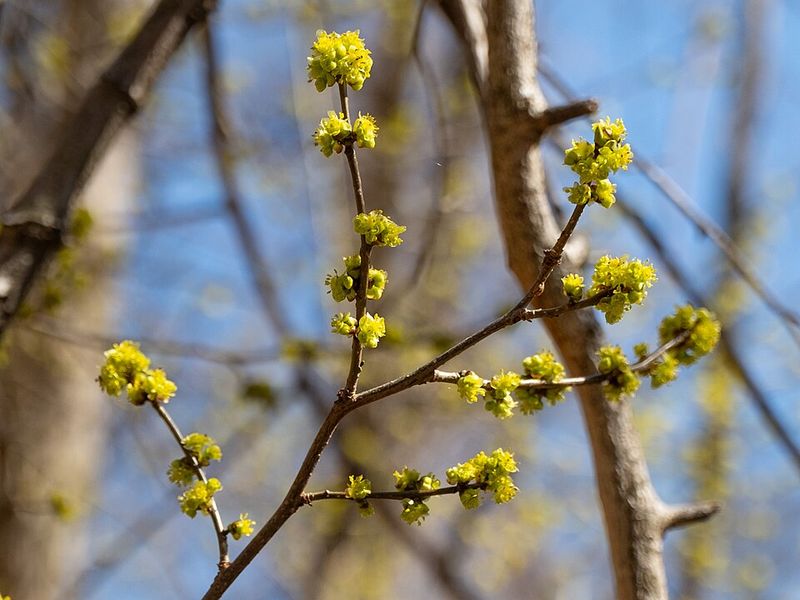
Before most plants have even thought about waking up, Spicebush is already covered in tiny yellow flowers. Those cheerful blooms appear on bare branches in March, making Spicebush one of the earliest native shrubs to signal that spring is coming.
For gardeners tired of gray winter landscapes, that early show feels like a gift. Spicebush grows naturally in the understory of eastern forests, which means it is perfectly adapted to the shady, moist conditions found in many Maryland yards.
It handles filtered light beautifully and pairs well with native ferns, trilliums, and wild ginger. Shady spots that stump most gardeners are where Spicebush quietly excels.
The foliage smells spicy and citrusy when crushed, adding a pleasant sensory detail to any garden walk. That fragrance also deters deer browsing to a meaningful degree.
In deer-heavy suburbs, that natural resistance can reduce plant damage significantly. Spicebush is the host plant for the Spicebush Swallowtail butterfly, one of the most beautiful species in the eastern United States.
Female butterflies lay eggs exclusively on this shrub, and the caterpillars depend on its leaves entirely. Planting Spicebush means directly supporting that butterfly’s entire life cycle in your own yard.
Female plants produce glossy red berries in fall that birds devour quickly. The combination of early blooms, butterfly habitat, deer resistance, and bird-friendly fruit makes Spicebush one of the strongest all-around replacements for Rose of Sharon in any Maryland garden.