The Best Time To Cut Back Asparagus (Most Gardeners Get It Wrong)
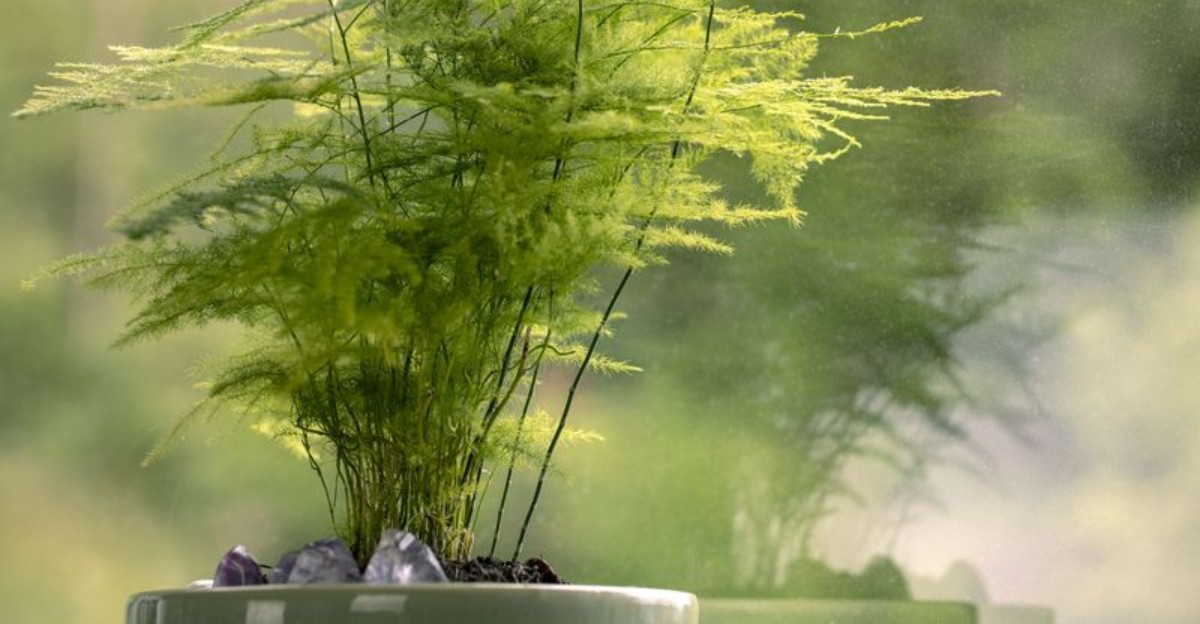
The scruffiest patch in my fall garden is quietly packing lunch for next spring. Those tall, feathery asparagus ferns look finished by October, yet the crowns below are still stocking up.
As the foliage yellows, the plant pulls its sugars down into the roots, and those reserves fuel next spring’s spears.
I used to snip the ferns down the moment they flopped over. That neat little chore was robbing the crowns of stored energy. Thinner spears showed up the next spring, and I blamed the weather.
Plenty of gardeners grab the pruners on the first cool weekend, and you may notice your neighbors doing the same. The bed looks tidy for about two days, and the crowns quietly pay for it later.
Those Feathery Asparagus Ferns Are Running a Hidden Food Factory
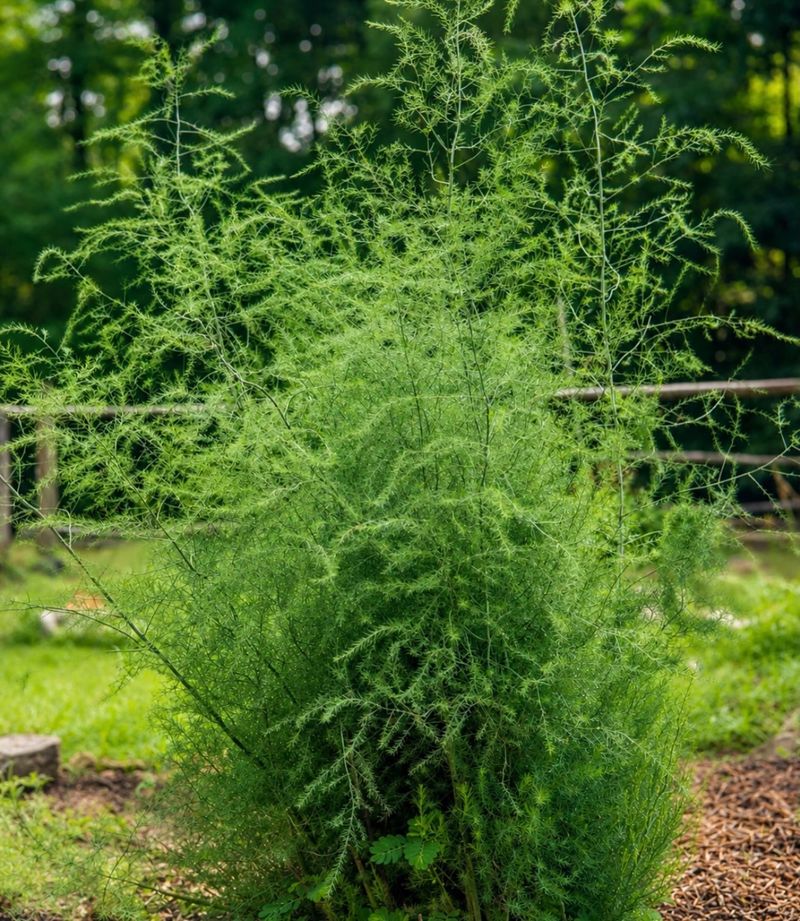
My first asparagus bed taught me a humbling lesson. Those wispy summer ferns are not leftovers from harvest season. They are the real engine of the whole plant.
After you stop picking spears in late spring, the remaining shoots grow into tall, airy fronds. Every one of those tiny needle-like branches soaks up sunlight. Through photosynthesis, the plant turns that light into sugars and carbohydrates.
Where does all that energy go? Straight down into the fleshy crown and the thick storage roots below the soil.
University extension specialists explain that these stored reserves power the first spears that pop up next spring.
In other words, the spears you snap off in April were built the summer and fall before. A strong fern season means a strong spear season. A short or damaged fern season often means skinny, sparse spears.
That changes how you look at the bed in September. Those swaying green plumes might seem messy next to your tidy tomato cages. Still, they are quietly filling a pantry you will raid in a few months.
So the question is not just when to cut. It is how long you let that food factory keep working before you shut it down.
Wait Until Asparagus Ferns Turn Golden Brown After a Hard Frost
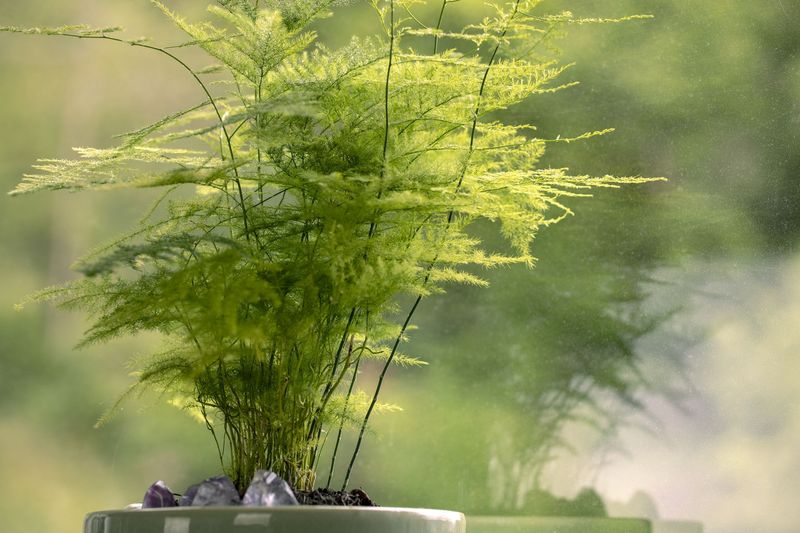
Color is your best clock here, not the calendar. The right moment to cut back asparagus arrives when the ferns turn yellow, then tan or brown, and the stems feel dry and brittle.
Iowa State University Extension and other Midwest experts agree on this point. Leave the foliage standing until a hard frost has browned it.
In most of Iowa, that happens sometime in October or early November, depending on whether you garden near Decorah or down by Keokuk.
Why wait so long? Even pale yellow fronds are still moving their last sugars down to the roots. Cutting while any green remains stops that transfer early.
A simple test helps. Bend a stem gently between your fingers. If it snaps cleanly and looks straw-colored inside, the plant has finished its work for the year.
If it bends and oozes a bit of moisture, give it another week or two. Patience costs you nothing here.
I keep a little note on my fridge now that says one word, brown. It saves me from my own itchy pruning fingers every fall, and my spring spears have been noticeably thicker since I started listening to it.
Brown Asparagus Stalks Can Stay Standing Until Early Spring
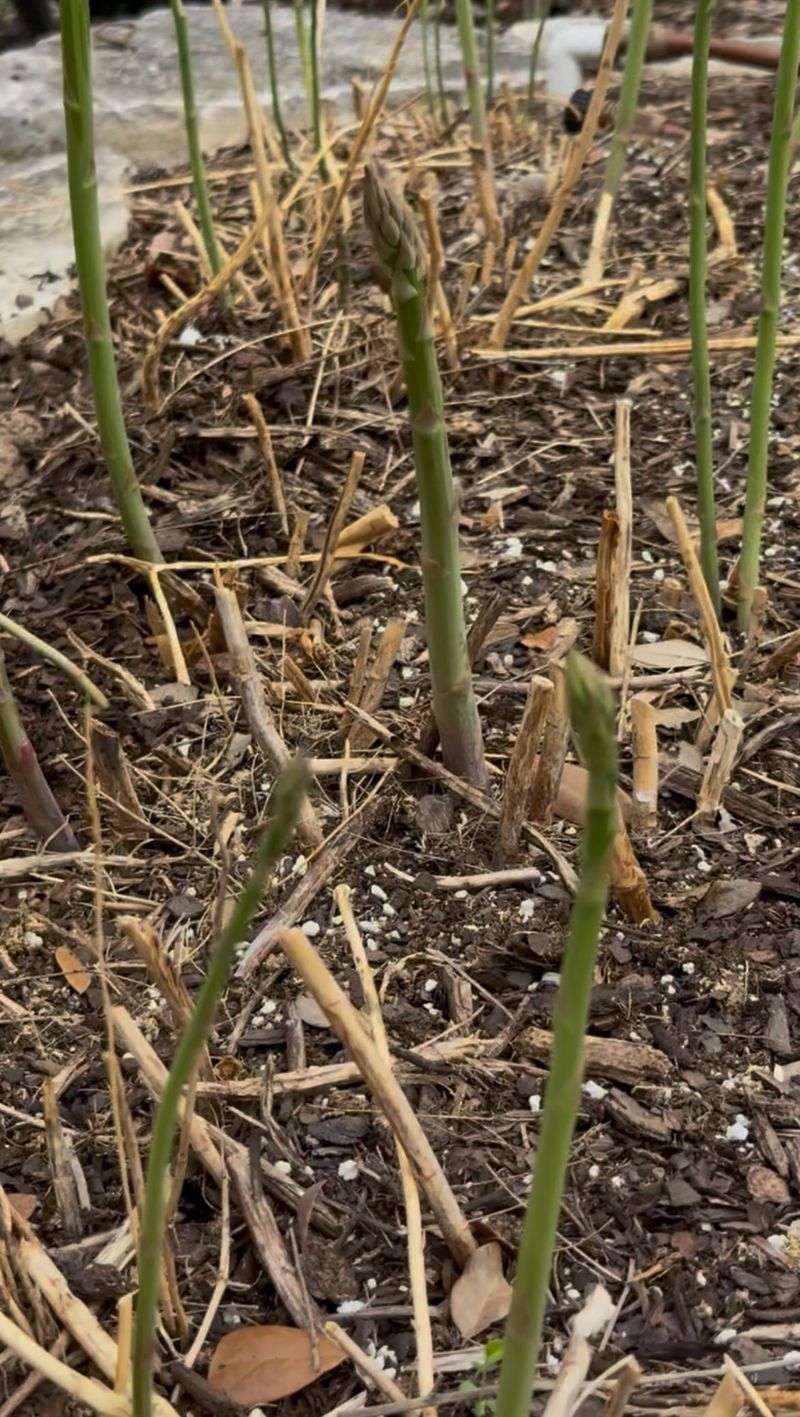
Lazy gardeners, rejoice. Cutting your asparagus in late fall is fine, but leaving those brown stalks up all winter is a perfectly good choice too.
Plenty of extension guides list both options. Some growers prefer the winter approach because the stiff stems catch blowing snow. That snow acts like a fluffy blanket over the crowns during harsh cold snaps.
Standing stalks also mark exactly where your rows are. That makes it easier to avoid stepping on the bed or digging into it by accident during spring chores.
The key rule for spring cutting is timing. Clip the old stalks to the ground before new spears start poking through, usually in March or early April across Iowa. Wait too long, and you risk snapping fresh tips while you work.
So which method should you pick? Healthy beds with no pest or disease trouble are good candidates for winter standing.
Beds with beetle or rust problems usually benefit from fall removal, which the next sections explain.
Either way, the core idea stays the same. Never rush green or yellow foliage, and let the plant finish its job first. After that, the calendar gives you some wiggle room.
Striped Asparagus Beetles Love Wintering in Old Stems
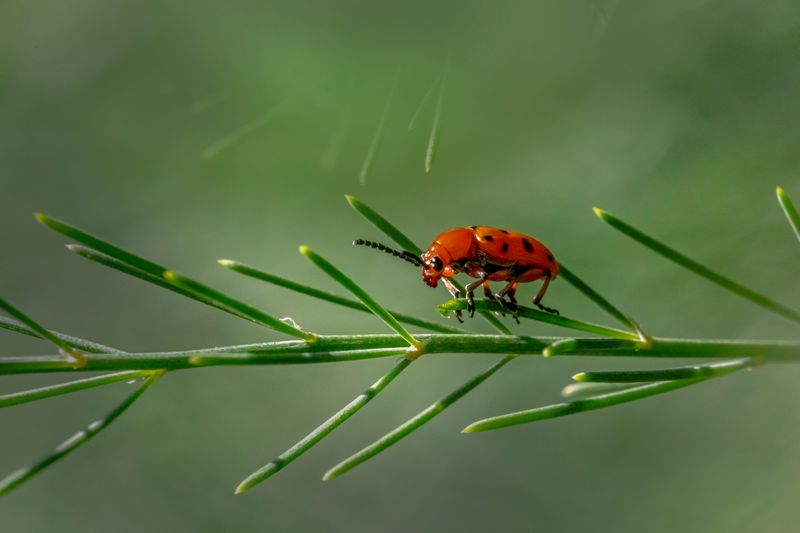
Meet the tiny troublemaker with a fancy coat. The common asparagus beetle wears black wings with cream-colored spots and a reddish-orange border, and it has a big appetite for your plants.
Adults spend winter tucked into sheltered spots. Garden debris, old asparagus stems, and nearby leaf litter make cozy hiding places.
When spring warms up, they crawl out right on time to chew on fresh spears and lay rows of dark eggs on the tips.
Their gray, slug-like larvae then feed on the summer ferns. Heavy feeding weakens the very foliage your crowns depend on for stored energy.
Fall cleanup gives you an easy advantage. Removing brown stalks and raking up debris after frost takes away some of those winter shelters.
University extension sources list sanitation as one of the first steps for managing these pests.
It will not wipe out every beetle, since some shelter in hedges and weedy edges. Still, fewer overwintering adults often means a calmer spring.
A fun bonus fact: beetle eggs stand on end like tiny dark pegs. Once you know what to look for, you can wipe them off spears by hand in spring before they hatch.
Rusty Orange Spots on Asparagus Ferns Change Your Cleanup Plan
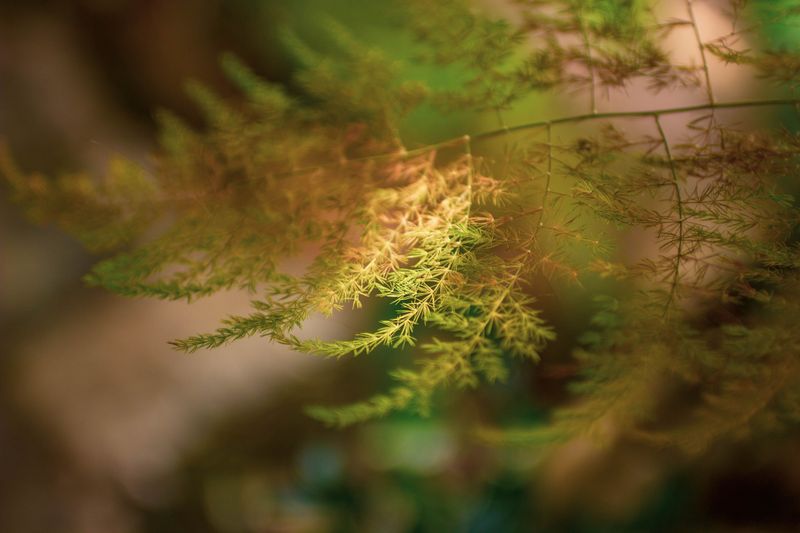
Spotted something that looks like orange powder on your ferns this summer? That could be asparagus rust, a fungal disease caused by Puccinia asparagi.
Rust shows up as reddish-orange blisters on stems and needles. Later in the season, those spots turn dark brown to black.
The infected foliage often yellows early, which cuts the fern season short and weakens the crowns.
The fungus spends winter on old infected stems. That is why rust changes the timing rules a bit.
If your bed had rust, cutting and removing the stalks in late fall makes more sense than leaving them up until spring.
Cut them low, near the soil line, and bag them or burn them where allowed. Skip the compost pile, since many home piles do not get hot enough to break down fungal spores.
Prevention helps too. Plant rust-resistant varieties like Jersey Knight, Jersey Supreme, or Millennium if you are starting a new bed. Space rows so air can flow freely, and water at the base instead of overhead.
I learned this one the hard way with an old heirloom patch. A careful fall cleanup made a clear difference the very next summer.
Mowing Down Green Asparagus Ferns in Summer Shrinks Next Year’s Spears
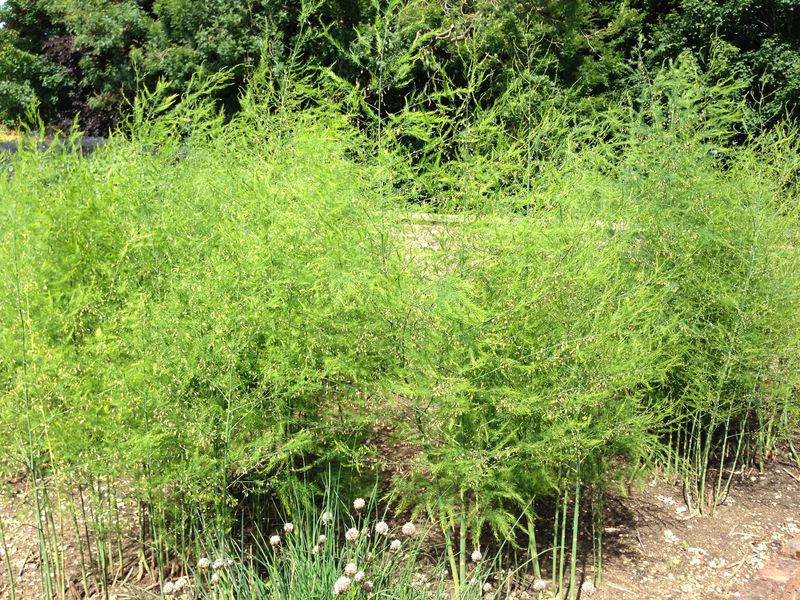
Honestly, the most common slip-up does not happen in fall at all. It happens in July, when the ferns get tall, floppy, and start leaning into the walking path.
Plenty of gardeners whack them back to make room or tidy up. Some even run the mower over a patch that looks overgrown.
That green foliage is the plant at its busiest, so cutting it mid-season drains the crowns of energy they will need next spring.
Instead, try gentle support. A few stakes and some garden twine strung along each side of the row can hold ferns upright. That keeps paths clear without sacrificing a single frond.
Harvest timing matters too. In most of Iowa, picking usually wraps up by late May or June, after about six to eight weeks for an established bed. Stop sooner when spears turn pencil-thin, since that is the plant asking for a break.
Young beds need extra kindness. Skip harvest the first year after planting crowns, and pick lightly the second year.
Treat summer ferns like a savings account. Every week you leave them alone adds a little more to next spring’s balance.
Fresh Mulch Over the Trimmed Asparagus Bed Sets Up a Great Spring
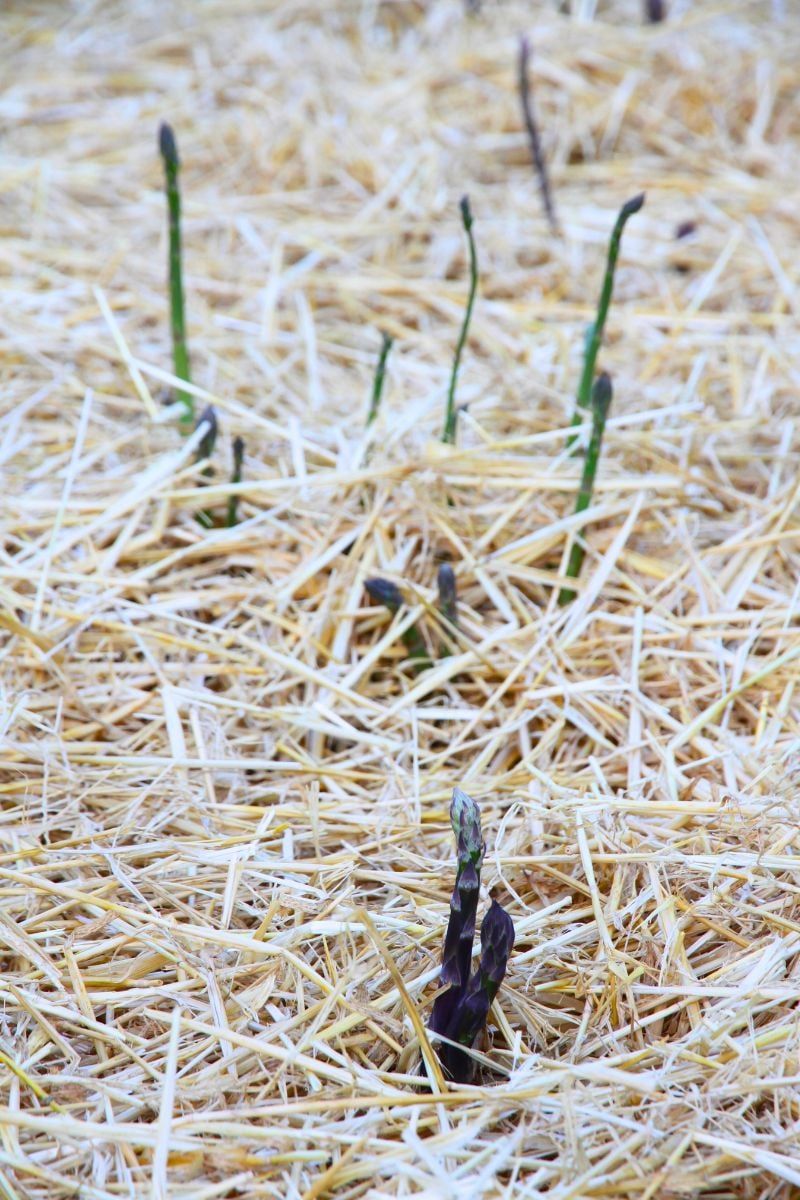
Once the brown stalks come down, your bed is ready for its winter coat. A little effort now pays off when the first purple-tipped spears show up.
Start by cutting stems to about one or two inches above the soil, or right at ground level if you dealt with rust or beetles. Rake out loose debris and pull any weeds hiding along the rows.
Watch for red berries on female plants too. Those seeds sprout into crowded seedlings that compete with your main crowns, so clear them away.
Next, spread a few inches of compost, shredded leaves, or clean straw over the bed. Mulch smooths out freeze and thaw swings across an Iowa winter and helps hold back spring weeds.
When the soil starts warming in early spring, pull back some of that mulch. Darker, exposed soil warms faster and nudges spears to emerge sooner.
A healthy asparagus bed can keep producing for 15 years or more. That is a long relationship, and it rewards patience.
Wait for brown, clean up with purpose, and tuck the crowns in well, and you will have plenty of fat spears for the frying pan.