How to Keep a Thanksgiving Cactus Blooming in Florida’s Humid Fall Weather
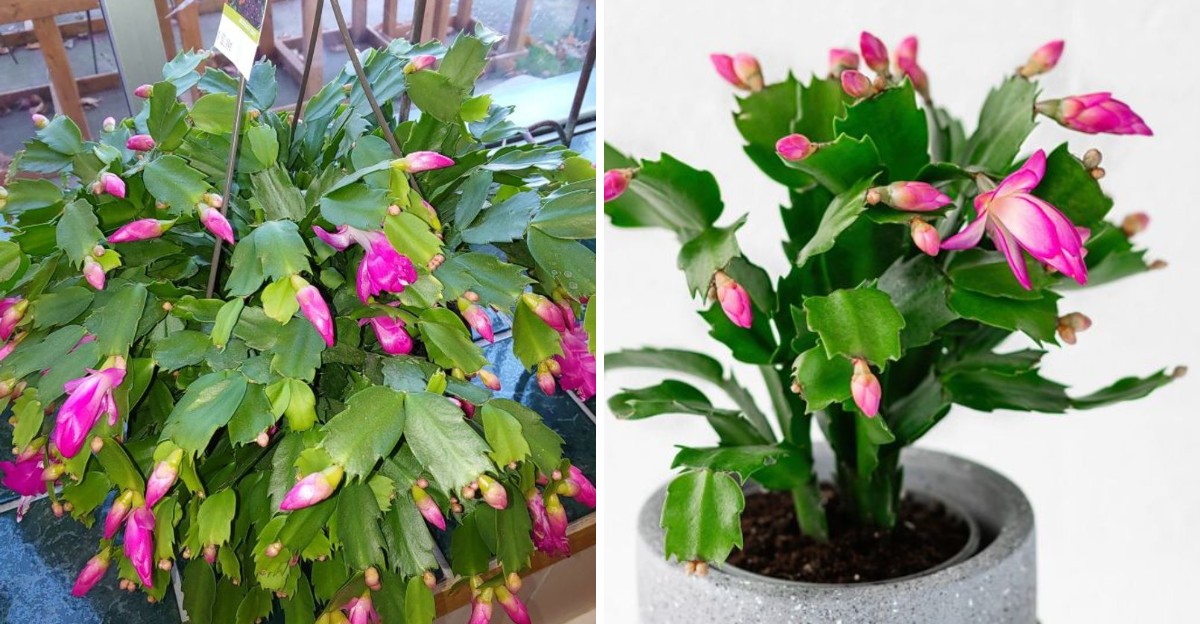
A cactus that grows on tree branches in a Brazilian cloud forest sounds made up. It isn’t, and that odd little detail explains why my sticky Florida porch suits this plant better than most people expect.
In the wild, it clings to bark and mossy rocks in the coastal mountains near Rio de Janeiro. Its stems are flat, jointed segments with pointy, claw-like teeth on the edges.
The flowers pop out from the tips in shades of hot pink, salmon, white, and even soft yellow.
Nothing beats a plant that shows off right when the holiday table gets crowded. You need to know one thing, though.
Warm autumn nights can quietly stall the whole show, and plenty of gardeners blame themselves for the wrong reason.
Give this jungle oddball what it really wants, and your porch could be glowing pink just in time for turkey and pie.
Those Flat Jointed Cactus Stems Are Waiting for a Signal
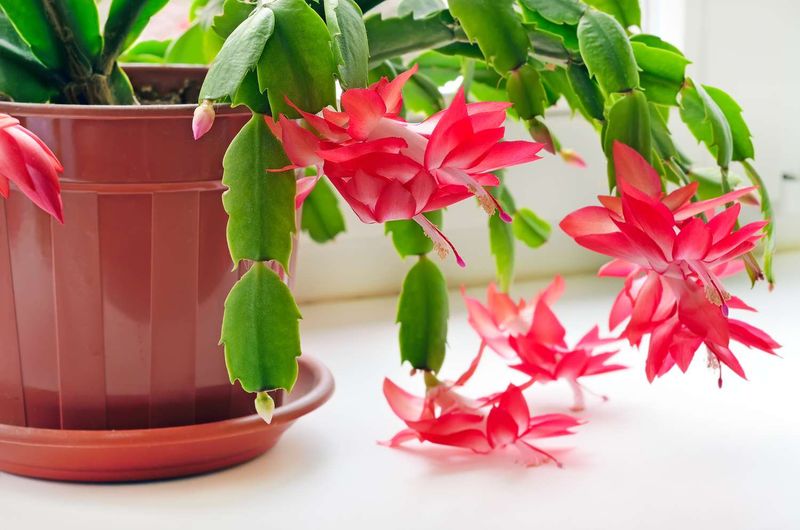
Rainforest plants rarely bloom on a whim, and this one is no exception. Your Thanksgiving cactus is basically sitting around in September, waiting for nature to tap it on the shoulder.
That tap comes from two cues working together. Longer nights and cooler temperatures tell the plant that its flowering season has arrived.
University extension experts at places like the University of Minnesota and NC State point to these same two triggers again and again.
Here in Florida, the night cue shows up on schedule, since days shorten everywhere in fall. The cooler air, though, can lag behind by weeks, especially in Miami or Fort Myers.
North Florida gardeners in Tallahassee or Gainesville usually get that chill much sooner.
Once you understand this, the mystery fades fast. A plant that refuses to bud is often not sick at all.
It simply has not received both messages yet.
I find that reassuring, honestly. Instead of guessing, you can watch for buds and adjust one cue at a time.
The steps ahead show you how to give the plant clear darkness, a cooler spot, and steady care, so those claw-shaped stems finally burst into color.
Give Your Holiday Cactus Long, Dark Nights for Six Weeks
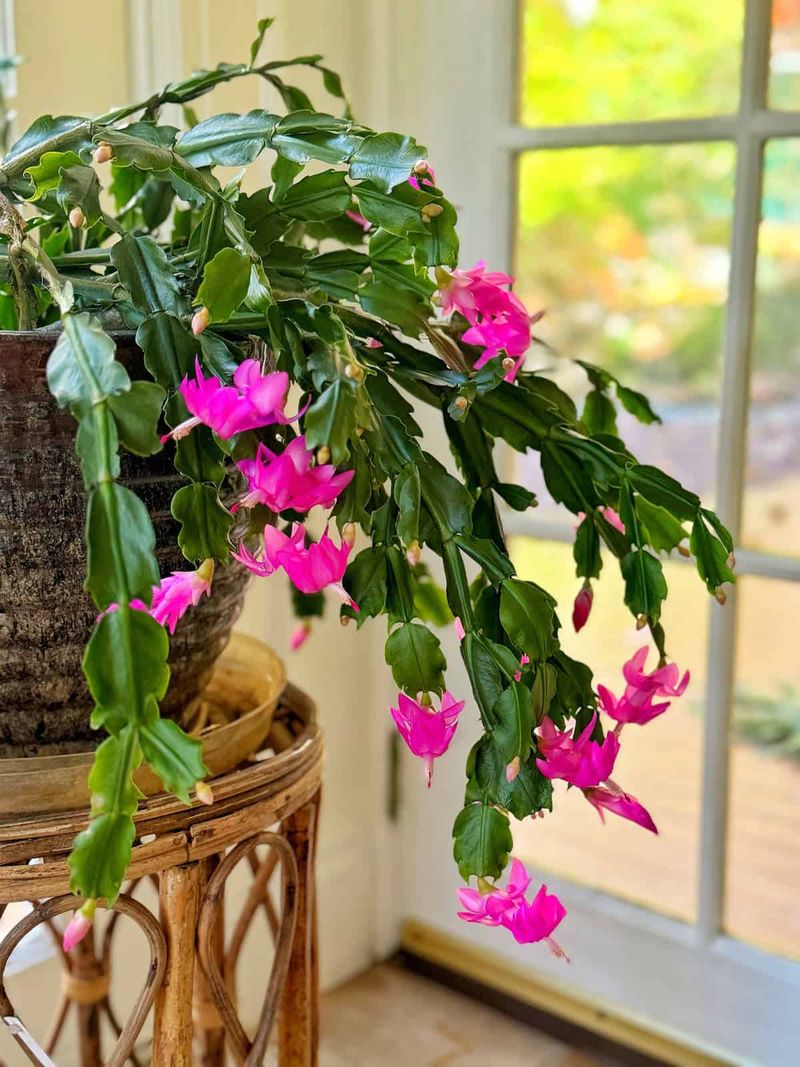
Darkness is the main ingredient here, and it costs nothing. Thanksgiving cactus is a short-day plant, which means it sets flower buds when nights stretch long and stay unbroken.
Aim for about 12 to 14 hours of real darkness each night for roughly six weeks. Starting in mid to late September works well if you want flowers near Thanksgiving.
A spare room, a covered porch corner, or a closet you open each morning can all do the job.
Watch out for sneaky light. A porch bulb, a TV glow, or even a streetlight through the blinds can interrupt the signal.
I once kept mine beside a hallway nightlight and wondered why nothing happened until December.
Days still matter too. Give the plant bright, indirect light during the daytime so it has energy to build buds.
An east-facing window is a lovely choice, since harsh afternoon Florida sun can bleach or redden the stems.
Once you spot tiny buds at the tips of the segments, you can relax the strict schedule. At that point, the plant has already made its decision.
Your job shifts to keeping it comfortable while those buds swell.
Cooler Night Air Helps Thanksgiving Cactus Buds Form
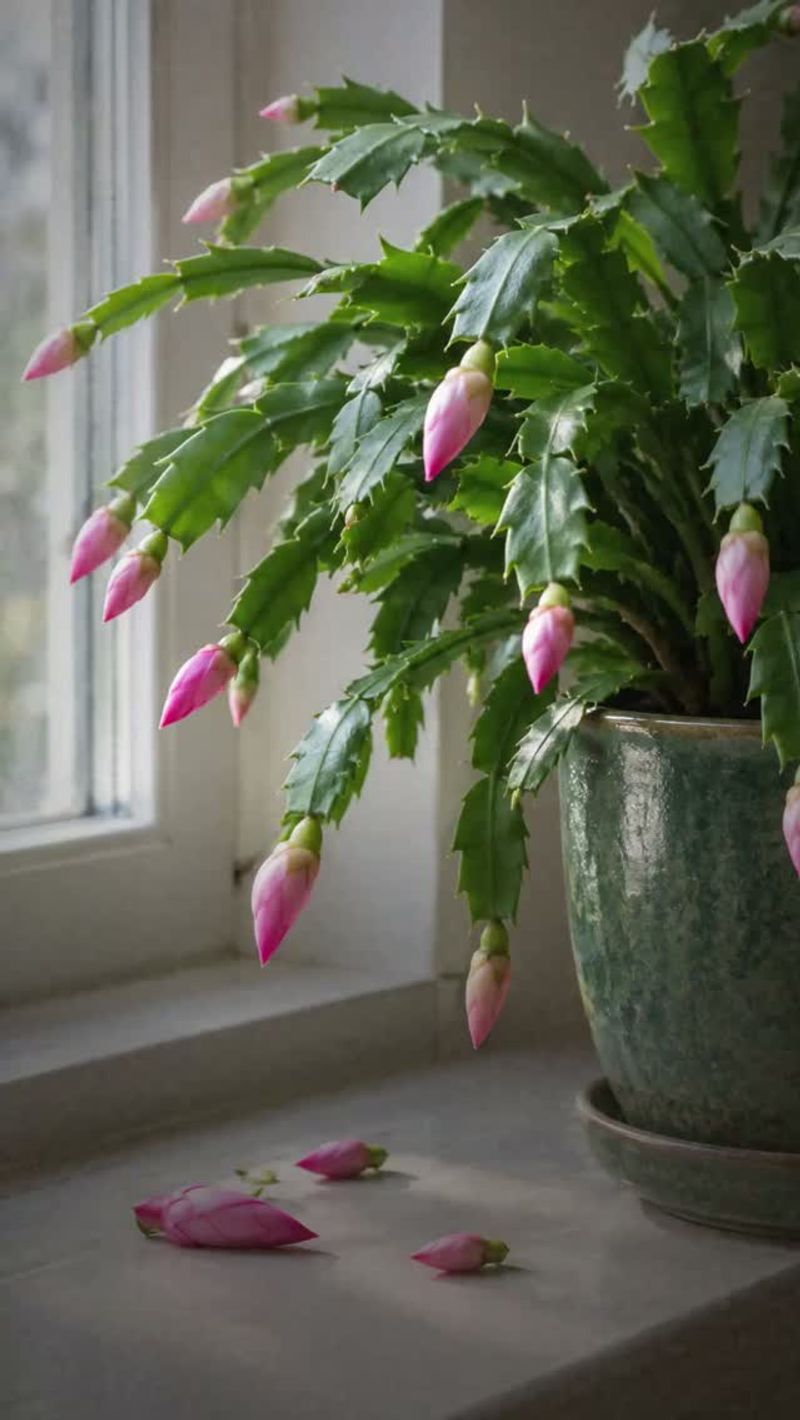
Sixty degrees at night sounds lovely to most Floridians, and your cactus agrees. Nights in roughly the 50s to low 60s Fahrenheit strongly encourage bud formation, according to extension guidance.
Many experts note that at cool temperatures around 50 to 55 degrees, the plant may bud even without strict darkness. That gives North Florida growers a handy shortcut once fall fronts arrive.
South and Central Florida are trickier. Nights there can stay in the 70s well into October and beyond.
In those spots, darkness does most of the heavy lifting, so be extra careful with that light schedule.
A few tricks help. Try a north-side screened porch, a shaded patio, or a room you keep cooler with air conditioning at night.
Bring the plant inside if temperatures dip toward 40 degrees, since this tropical native dislikes cold snaps.
Avoid parking it next to an air vent, though. Blasts of cold, dry air can stress the plant and cause trouble later.
Gentle, steady coolness works far better than sudden swings.
Think of this as fine-tuning, not a strict rule. Even modest cooling, paired with long nights, often gets buds going.
Muggy Florida Air Is Actually a Gift for This Epiphytic Cactus
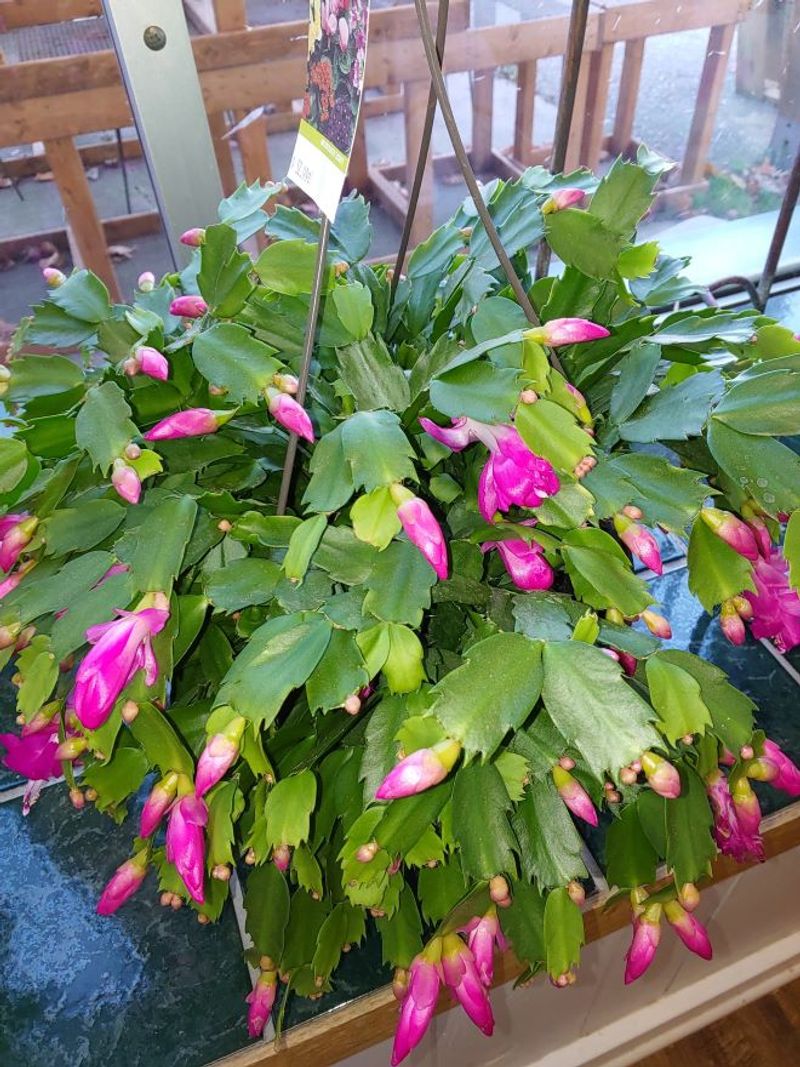
Plenty of folks hear the word cactus and picture Arizona. Honestly, this plant wouldn’t like Arizona.
Schlumbergera grows as an epiphyte, perched on trees and rocks in humid Brazilian forests. It pulls moisture from damp air and catches water that drips through the canopy.
That background makes Florida’s sticky fall weather feel pretty familiar.
Humidity helps most while buds develop. Dry indoor air, especially near AC vents, can sometimes contribute to bud drop.
If your plant lives inside, grouping it with other houseplants or setting it on a pebble tray filled with water can raise moisture nearby.
There is a catch, of course. Humid air plus wet soil plus poor airflow can invite fungal and root problems.
Keep the leaves dry when you water, and give the plant a little breathing room on the porch rather than squeezing it into a crowded corner.
Outdoors, a shaded screened lanai or a spot under a tree canopy mimics its forest home nicely. Just protect it from heavy, nonstop rain during storm season.
So enjoy that muggy weather for once. Your frizzy hair may complain, but this little jungle cactus is quietly thrilled.
A Light Hand With the Watering Can Keeps Roots Healthy
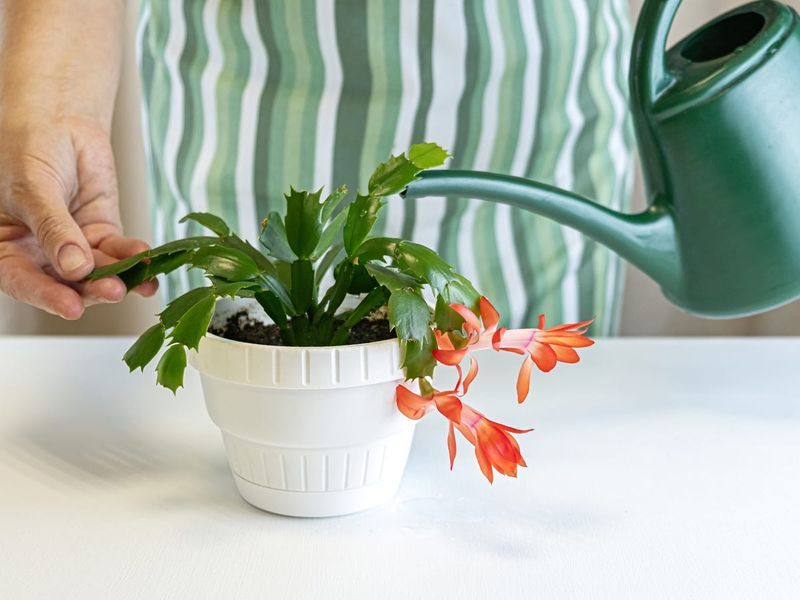
Here is a quick test I use every few days. Push a finger about an inch into the potting mix, and water only when that top layer feels dry.
During the weeks of darkness and cooler nights, ease up a bit. Slightly drier soil in early fall supports bud set, though the stems should stay plump, not shriveled.
Wrinkly segments usually mean the plant is too thirsty.
Once buds appear, switch back to steady moisture. Water thoroughly, let the extra drain away, and empty the saucer.
Soil that swings from bone dry to soaked is a common reason buds fall off.
Florida adds its own wrinkle. High humidity slows drying, so your plant may need water less often than you expect.
Outdoor pots after a rainy week may need nothing at all for a while.
Overwatering is the bigger risk in our climate. Soggy roots can rot, and limp, mushy stems at the base are an early warning.
Catching that early gives you time to repot into fresh mix.
Keeping things moist but airy is the sweet spot. It sounds fussy, yet after a few weeks it becomes second nature.
Fast-Draining Potting Mix and Smart Fertilizer Timing Pay Off
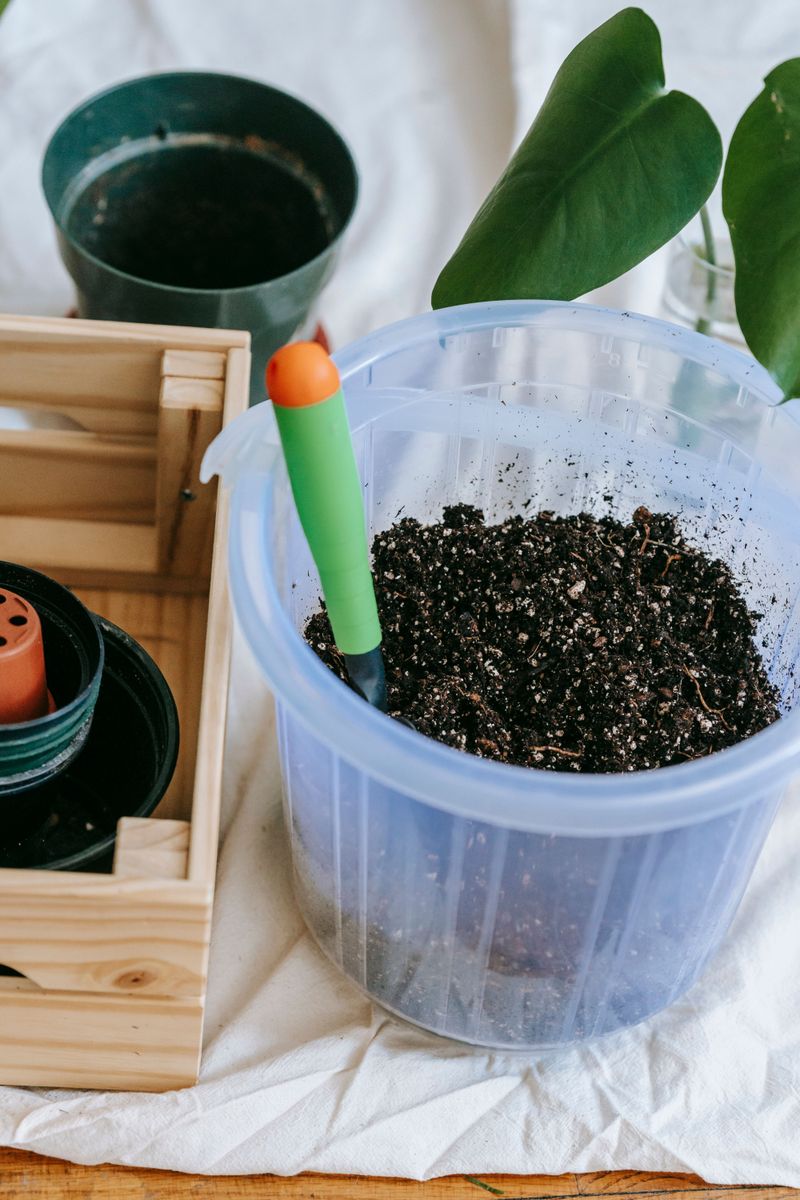
Picky roots, meet chunky soil. Because this plant grows on trees in nature, its roots like air as much as water.
A quality potting mix blended with extra perlite works nicely. Some growers add a handful of orchid bark for even more airflow.
Make sure the pot has drainage holes, and choose one only slightly bigger than the root ball, since this cactus blooms happily when a bit snug.
Repotting is best done in spring after blooming ends, not in fall. Disturbing the roots now can upset bud formation.
Fertilizer timing matters too. Feed with a balanced houseplant fertilizer about once a month during spring and summer growth.
Many extension sources suggest tapering off in late summer or early fall, so the plant puts energy into buds instead of fresh green segments.
Did you know? Some experts recommend a little magnesium during the growing season, since Schlumbergera can use more of it than many houseplants.
Follow label directions, and skip the guesswork with homemade mixes.
Good soil and well-timed feeding work quietly in the background. You rarely notice them, but your blooms definitely do.
Leave Those Swelling Pink Buds Alone to Prevent Bud Drop
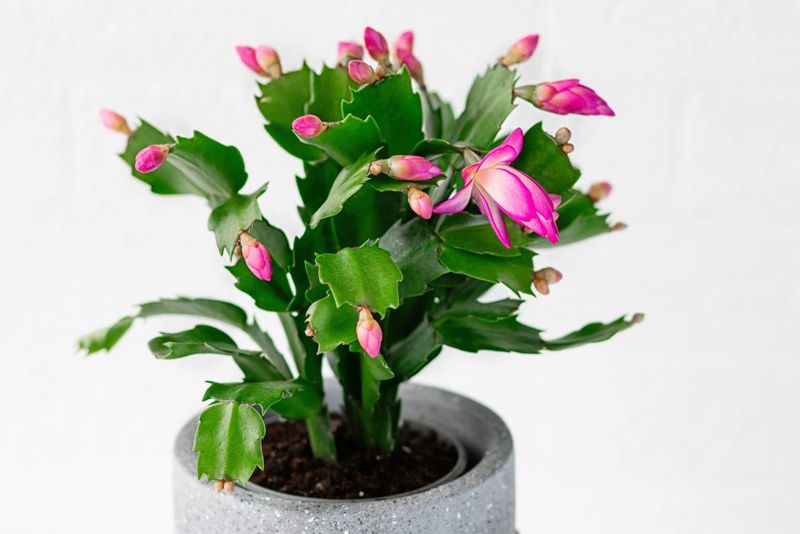
Patience feels hard when buds are fattening up. Still, the best thing you can do now is mostly nothing.
Buds often drop when the plant gets moved, bumped, or shifted into new light. Drafts, sudden temperature swings, and uneven watering are other usual suspects.
Pick a spot with bright, indirect light and steady conditions, then let it be.
I know the temptation. You want those blooms front and center on the dining table.
Try moving the plant there before buds form, or wait until the first flowers open and then shift it gently.
After blooming, give the plant a short rest with a bit less water. In spring, a light trim of a few segments encourages bushier growth and more tips for next year’s flowers.
Those cuttings root easily, so you can pass them along to friends.
Some Florida growers even move plants to a shaded porch for summer. That fresh air and warmth fuel strong growth before the fall routine starts again.
Treat this as a yearly rhythm, not a one-time trick. Darkness, cool nights, careful watering, and calm surroundings can reward you with brighter blooms every single November.