Pennsylvania Entry Path Plants That Look Expensive And Need Little Water
The front entry sets the tone for the whole house. In Pennsylvania, that small stretch near the walkway or steps can make a place feel polished, welcoming, and cared for before anyone even gets to the door.
It is also one of the first spots people notice when plant choices feel dated, overgrown, or like they need constant attention to stay presentable.
That is why low-water plants with a refined look are such a smart move. They give an entry path structure and style without turning it into another high-maintenance chore during summer.
For busy homeowners, that balance matters. Most people want something that looks crisp and intentional, not a planting bed that starts asking for help every other day.
A more upscale look does not have to depend on thirsty annuals or fussy shrubs. The plants coming up can hold their own near a front walk and still keep the workload refreshingly light.
1. Fothergilla Brings Four Season Beauty
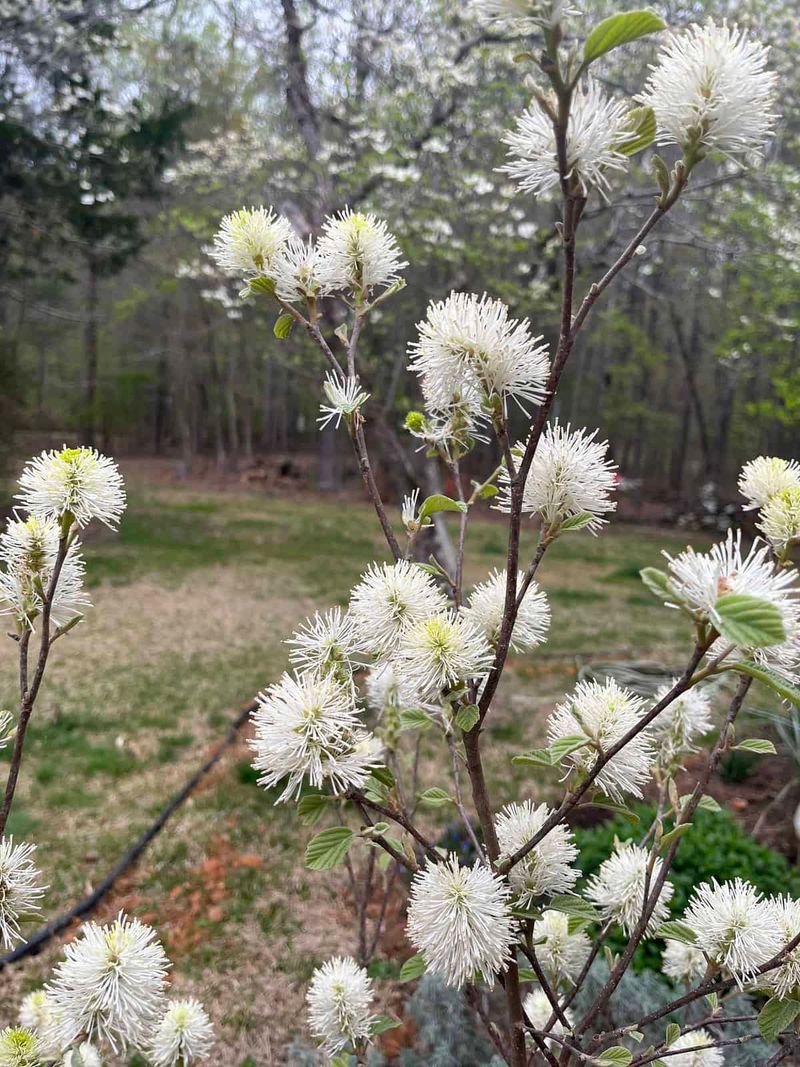
Few shrubs turn heads quite like Fothergilla, a shrub native to the southeastern United States that blooms with fluffy white bottlebrush flowers every spring before its leaves even fully open. The fragrance alone is worth planting it near your front walkway, where visitors will catch a sweet honey-like scent as they approach your door.
It is one of those plants that looks like it came straight from an upscale garden center catalog.
Fothergilla grows slowly and stays compact, usually reaching about three to five feet tall, which makes it ideal for framing an entry path without overwhelming the space. It thrives in well-drained, slightly acidic soil and handles full sun to partial shade beautifully.
Once established in Pennsylvania’s climate, it needs very little supplemental watering, even during dry summer stretches.
Come fall, the foliage transforms into a stunning display of orange, yellow, and red that rivals any ornamental plant on the market. Pollinators absolutely love the spring blooms, so you get the bonus of attracting bees and butterflies to your yard.
Native to the eastern United States, Fothergilla has deep roots in Pennsylvania’s natural landscape, making it perfectly adapted to local weather patterns. It requires almost no pruning and stays tidy on its own, giving your entryway a refined, effortlessly elegant look throughout every season of the year.
2. Pennsylvania Sedge Softens The Path Beautifully
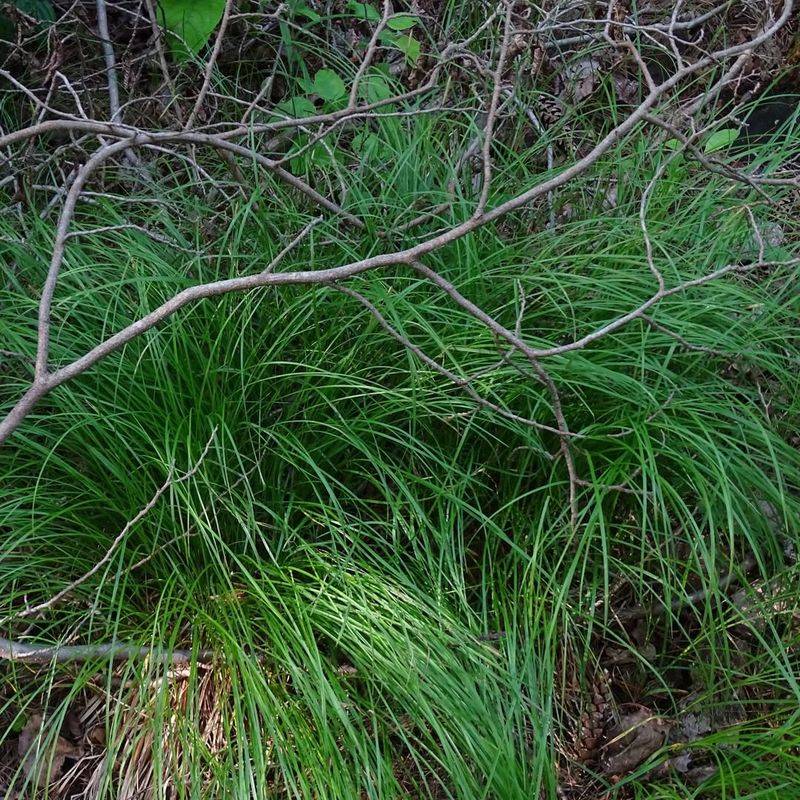
Imagine a plant that looks like a professional landscaper installed it, but you barely have to lift a finger to keep it looking that way. Pennsylvania Sedge is exactly that kind of plant.
This low-growing native grass forms beautiful, arching clumps of fine green foliage that spill elegantly along entry paths, creating a soft and polished look that feels both natural and intentional.
One of the biggest selling points for Pennsylvania homeowners is how well this plant handles shade. Most entry paths have at least some tree coverage, and Pennsylvania Sedge thrives in those conditions where other plants struggle.
It stays green well into winter in many parts of the state, giving your walkway year-round visual appeal without any extra work from you.
Your Pennsylvania Garden Changes Every Week. Your Plan Should Too.
Gardening in Pennsylvania changes quickly throughout the season. Every Friday you’ll receive a simple weekly plan showing exactly what to plant, prune, fertilize, harvest, and protect so you never miss the right timing.
Once it is established, Pennsylvania Sedge is remarkably drought tolerant for a shade plant, needing only occasional watering during prolonged dry spells. It grows slowly and does not spread aggressively, so you will not spend weekends pulling it back from places it does not belong.
It pairs beautifully with larger native shrubs like Fothergilla or Serviceberry, creating layered plantings that look like they belong in a botanical garden. Fun fact: this sedge is actually named after our very own state, making it a proud Pennsylvania native through and through.
3. Little Bluestem Adds Grace And Warm Color
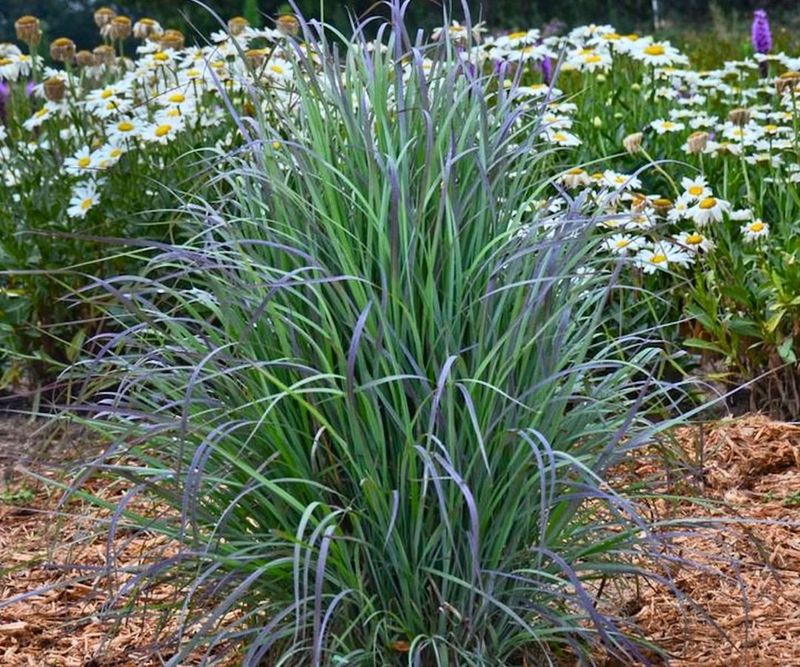
Walk past a patch of Little Bluestem in October and you will stop in your tracks. This native grass starts the season with a cool blue-green color that gives your entry path a calm, sophisticated feel, then gradually shifts to a warm reddish-bronze in fall that looks absolutely stunning against the Pennsylvania sky.
It is one of the most visually dynamic plants you can add to your front landscape.
Little Bluestem grows upright and forms tidy clumps, usually reaching two to four feet tall, which adds great vertical structure along a walkway without blocking sightlines to your home. It loves full sun and well-drained soil, two conditions that are easy to find along most Pennsylvania entry paths.
Once rooted in, it handles drought like a champion and rarely needs any supplemental water at all.
Beyond its looks, Little Bluestem is a powerhouse for wildlife. Birds flock to the fluffy seed heads throughout winter, which means your entry path stays lively and interesting even in the coldest months.
It requires almost zero maintenance, no dividing, no fertilizing, and no fussing. Simply plant it and let it do its thing.
For Pennsylvania gardeners who want a high-impact, low-effort plant that looks like it cost a fortune, Little Bluestem is a perfect choice that delivers season after season.
4. Prairie Dropseed Keeps It Soft And Stylish
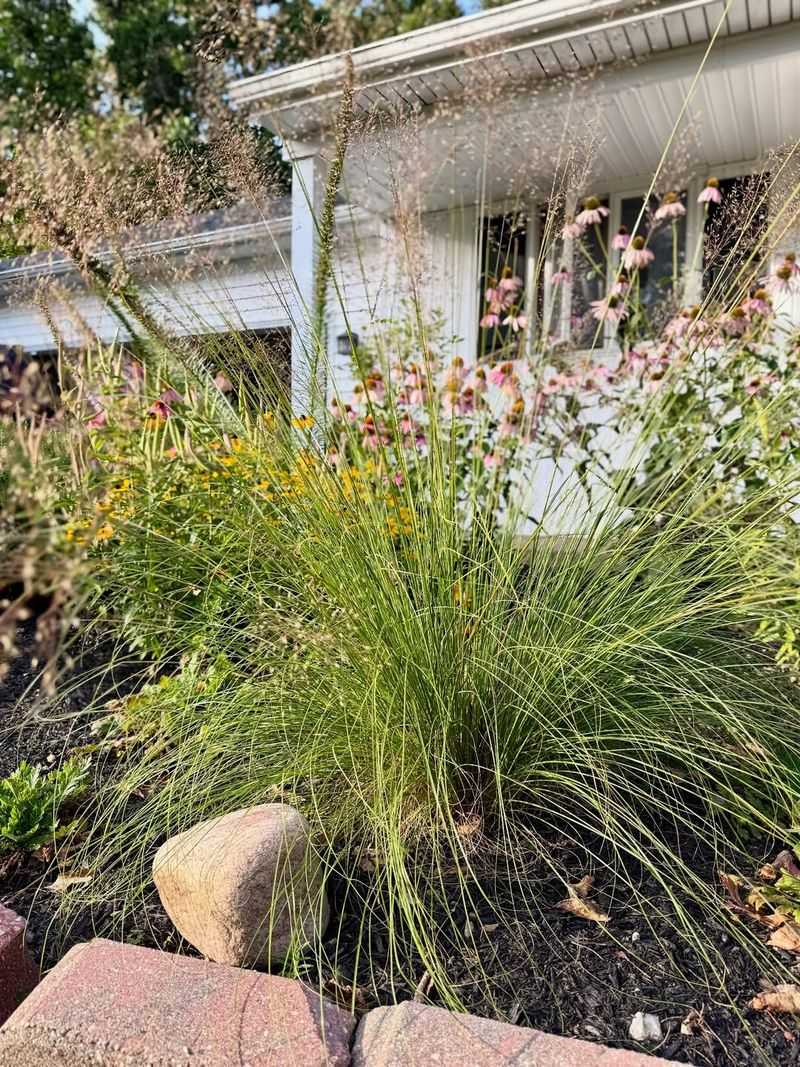
There is something almost magical about Prairie Dropseed. Its incredibly fine, hair-like foliage forms perfect fountain-shaped mounds that look like they were styled by a professional designer.
Along a Pennsylvania entry path, these graceful clumps create a flowing, elegant border that makes the whole front yard look polished and put-together without much effort at all.
Prairie Dropseed is a native grass that thrives in full sun and well-drained soil, which makes it a natural fit for sunny entry paths across Pennsylvania. In late summer, it sends up airy flower spikes with a surprisingly pleasant fragrance, often described as buttery or coriander-like.
The blooms are delicate and wispy, adding a soft romantic texture to your landscape that you simply cannot get from most ornamental plants.
Come fall, the foliage turns a warm golden-orange that glows beautifully in the afternoon light. It is also one of the most drought-tolerant native grasses available, requiring very little water once it has settled into the ground.
Slow to establish but incredibly long-lived, Prairie Dropseed can thrive in the same spot for decades with almost no intervention. It stays compact and never becomes invasive, so your entry path stays neat and tidy.
For a plant that looks expensive but costs very little in time and water, Prairie Dropseed deserves a front-row spot along your walkway.
5. Appalachian Sedge Fits Tight Spaces Naturally
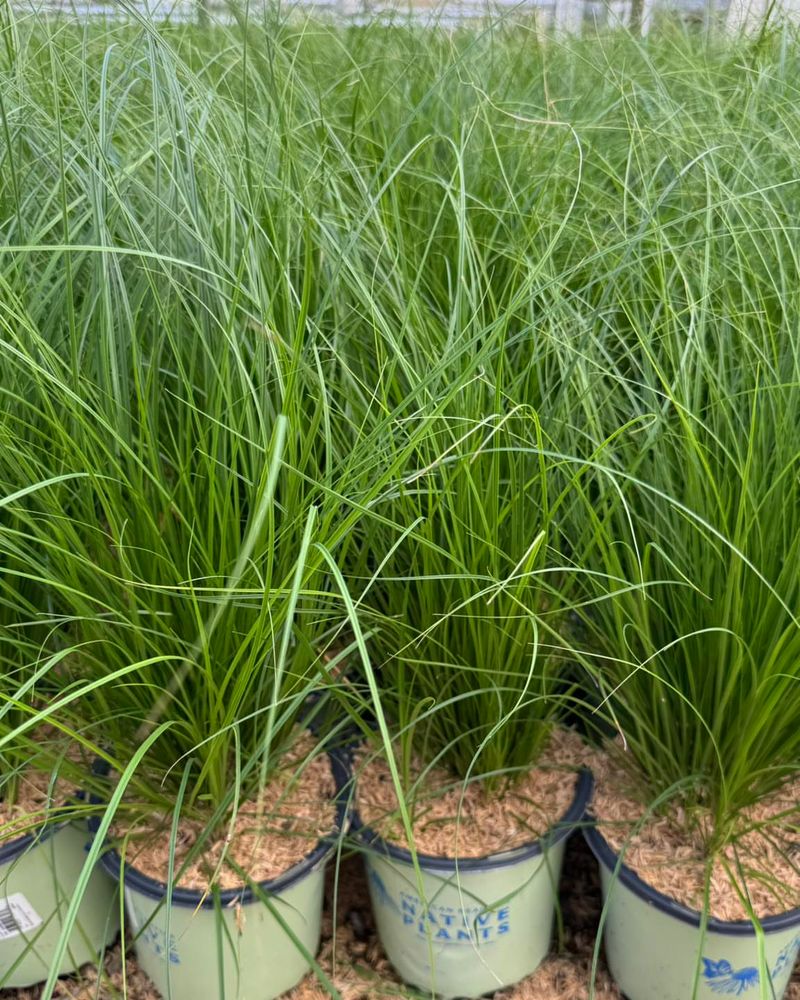
Appalachian Sedge is the quiet overachiever of the native plant world. While it does not shout for attention with big showy flowers, its dense, arching mounds of dark green foliage create a rich, lush carpet effect along entry paths that looks incredibly sophisticated.
It is the kind of plant that makes visitors think you hired a landscape architect when really you just made one smart planting decision.
Native to the Appalachian region, this sedge is perfectly at home in Pennsylvania’s varied climate and soil conditions. It thrives in partial to full shade, making it ideal for entry paths that run beneath large trees or along the shaded side of a home.
Unlike many ground covers, Appalachian Sedge stays green well into late fall and even through mild winters, giving your front walkway a polished look when everything else has gone dormant.
Water-wise gardeners will love how little attention this plant demands once it gets established. It handles dry shade conditions better than almost any other native plant, a rare quality that makes it incredibly practical for Pennsylvania landscapes.
It also stays low, usually under a foot tall, so it never blocks your front door or windows. Pair it with spring-blooming bulbs for a stunning seasonal display that looks professionally curated.
Appalachian Sedge is truly a set-it-and-forget-it plant that rewards you with year-round elegance.
6. Smooth Aster Adds Late Season Glow
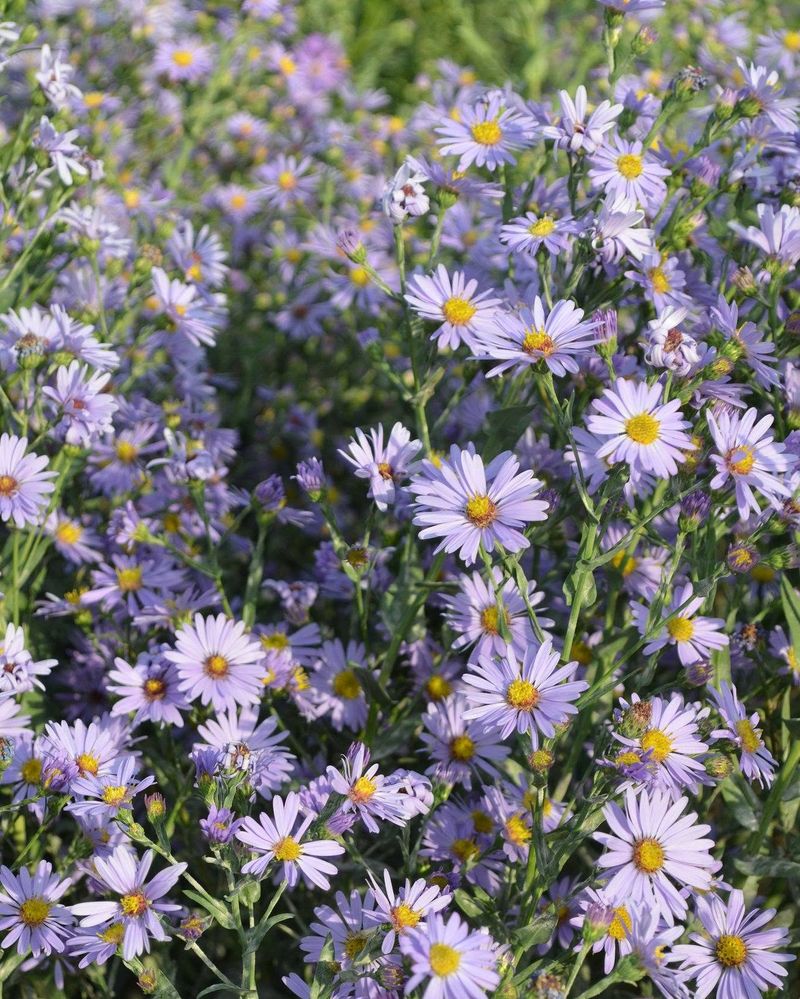
Late summer is when most gardens start looking tired, but Smooth Aster is just hitting its stride. Covered in clouds of small lavender-purple flowers with bright yellow centers, this native Pennsylvania wildflower transforms an entry path into something that looks like it belongs on the cover of a gardening magazine.
The blue-green foliage looks tidy and attractive even before the blooms arrive.
Smooth Aster earns its name from its smooth, hairless leaves, which give it a cleaner, more refined appearance than many of its aster relatives. It grows to about two to four feet tall and blooms from late summer well into fall, filling the gap when spring and summer flowers have finished their show.
For Pennsylvania gardeners who want color stretching into October, this plant is an absolute treasure.
Pollinators go wild for Smooth Aster. Bees, butterflies, and even migrating monarchs visit the blooms regularly, turning your entry path into a lively and dynamic scene.
Once established, it is highly drought tolerant and requires minimal watering, even during Pennsylvania’s occasionally dry late summers. It spreads slowly by seed and rhizome, gradually filling in gaps along your walkway in a natural, organic way.
No fussy deadheading or fertilizing is needed. Just give it full sun to light shade and well-drained soil, and Smooth Aster will reward you with years of stunning seasonal color.
7. Sweetshrub Brings Fragrance And Quiet Charm
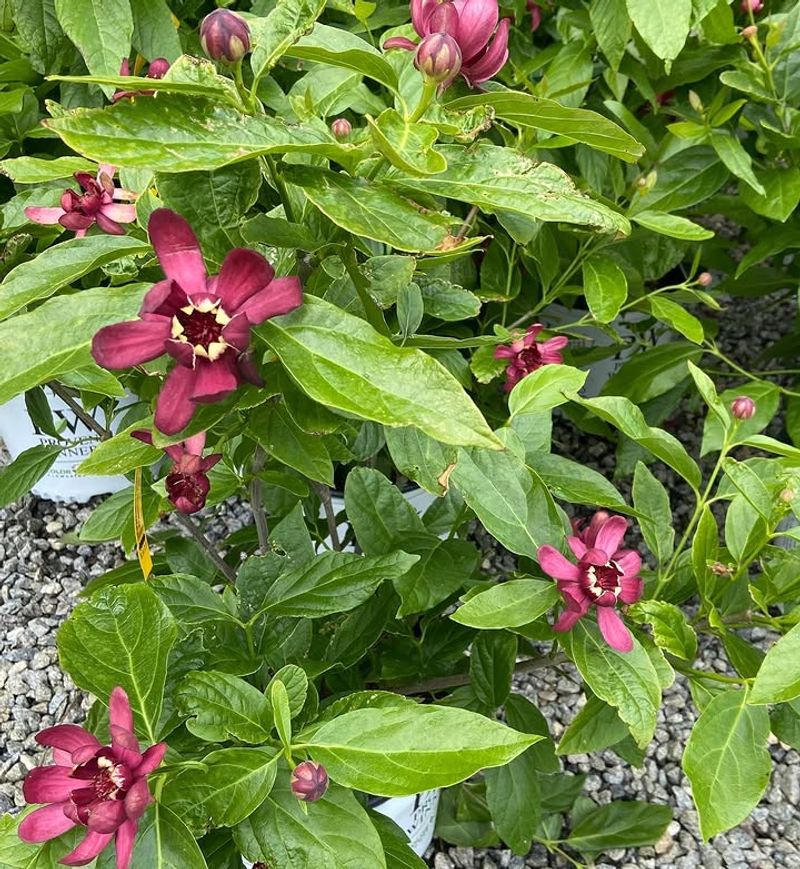
If you have ever walked past a Sweetshrub in bloom and stopped to sniff the flowers, you already know why gardeners across Pennsylvania are obsessed with this plant. The deep burgundy-red flowers smell like a combination of ripe strawberries and cantaloupe, making your entry path feel like a sensory experience rather than just a visual one.
It is one of those plants that creates a genuine wow moment for every visitor.
Sweetshrub is a native deciduous shrub that grows four to six feet tall and wide, forming a rounded, full shape that looks intentional and well-designed without any pruning. It thrives in a wide range of conditions, from full sun to partial shade, and adapts to most Pennsylvania soil types.
Once established, it can handle some dry periods, but it is not especially drought tolerant and may still need supplemental watering in dry weather.
The foliage is attractive all season long, with glossy dark green leaves that hold their color well through summer. In fall, the leaves turn a pleasant golden yellow before dropping.
Sweetshrub also has a charming history: it was one of the first American native plants sent to European botanical gardens in the 1600s, where it became a prized ornamental. Planting it along your Pennsylvania entry path connects you to that long tradition of appreciating this truly special shrub.
It is low-maintenance, fragrant, and undeniably beautiful from spring through fall.
8. Serviceberry Delivers Beauty In Every Season
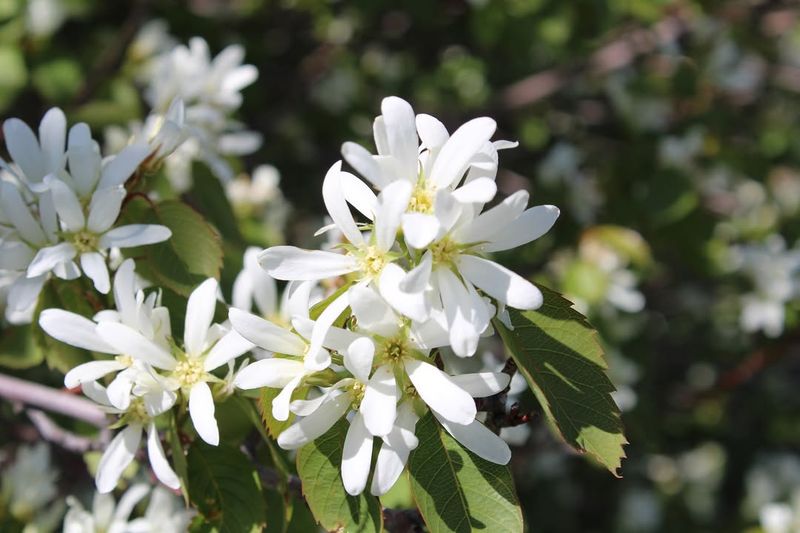
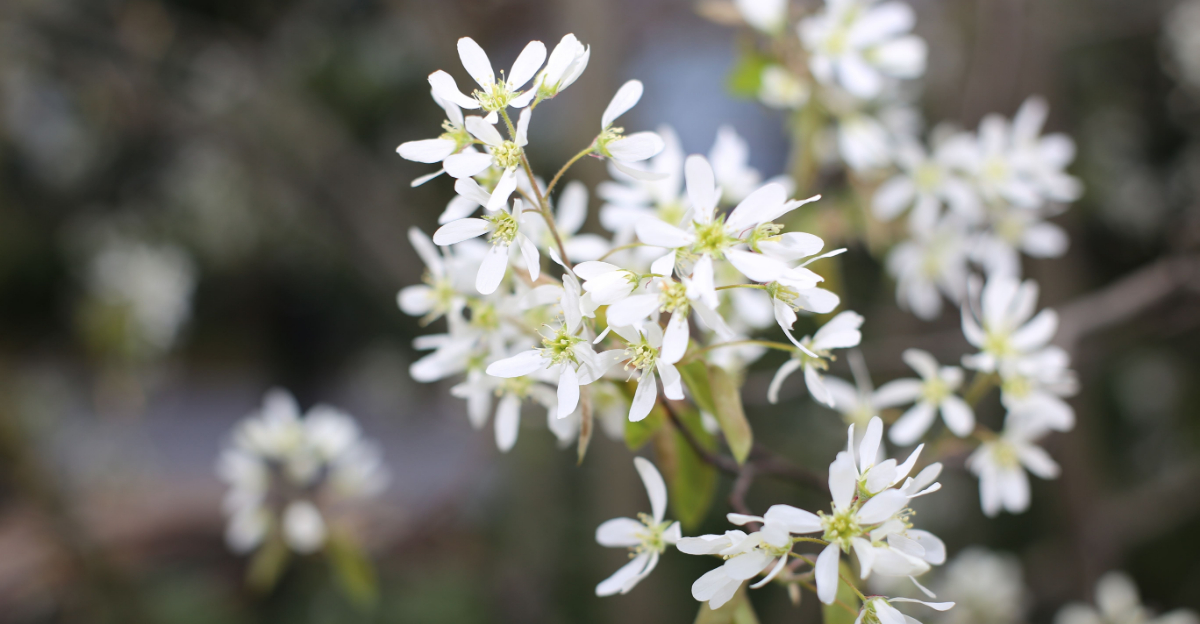
Serviceberry might just be the most underrated plant in Pennsylvania landscaping. Every single season brings something worth celebrating with this small native tree: clouds of delicate white flowers in early spring, sweet edible berries in early summer that birds absolutely devour, rich green foliage through the warm months, and then a breathtaking display of orange and red fall color.
Not many plants earn their keep in all four seasons quite like this one.
Along an entry path, Serviceberry works beautifully as a focal point or as part of a layered planting. It grows as either a single-trunk small tree or a multi-stem shrub, usually reaching ten to twenty-five feet, giving you flexibility in how you use it.
It adapts well to a variety of soil types and light conditions, from full sun to partial shade, which makes it easy to fit into almost any Pennsylvania front yard layout.
Drought tolerance is solid once the plant is established, and it rarely needs much attention beyond its first year or two. The berries, which look like small blueberries, are genuinely delicious and can be used in jams, pies, or enjoyed straight off the branch.
Wildlife benefits enormously from Serviceberry plantings, with many bird species known to eat the fruit. For a plant that looks like it belongs in a designer garden and practically cares for itself, Serviceberry is hard to beat.
9. Dwarf Crested Iris Brightens The Edge Fast
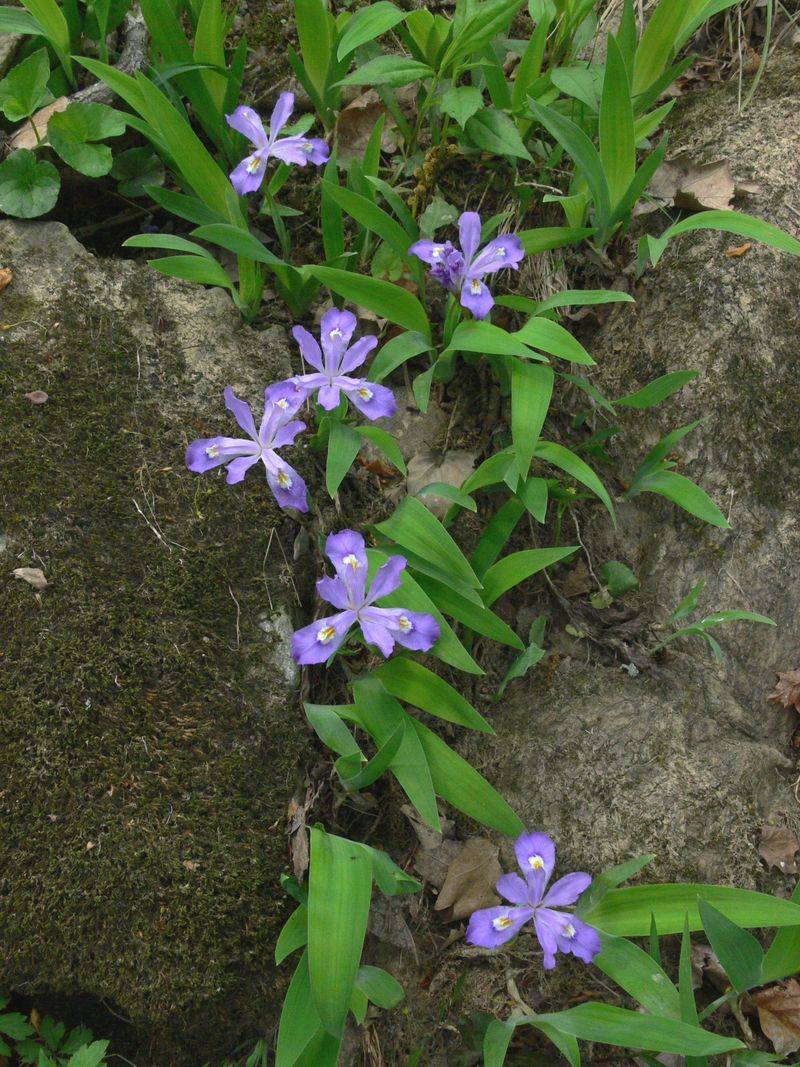
Tucked low along the edge of a stone entry path, Dwarf Crested Iris looks like something out of a fairy tale. Each small flower is a masterpiece of purple, lavender, and white with delicate yellow and white crests that catch the light in a way that feels almost unreal.
Despite its dainty appearance, this native Pennsylvania wildflower is surprisingly tough and adaptable.
Dwarf Crested Iris grows only four to nine inches tall, which makes it perfect for edging a walkway without crowding the path or blocking views. It spreads gently by rhizomes, slowly filling in gaps along your entry path with a low, weed-suppressing mat of sword-shaped green leaves.
The foliage stays attractive long after the spring blooms fade, keeping your walkway looking neat and intentional throughout the growing season.
Shade tolerance is one of its strongest features. While it can handle some sun, Dwarf Crested Iris truly shines in the dappled light beneath trees, a common condition for many Pennsylvania entry paths.
Once established, it needs very little water and thrives on natural rainfall alone in most years. It is also deer resistant, which is a major bonus for Pennsylvania homeowners dealing with frequent wildlife visits.
Pairing it with taller plants like Fothergilla or Sweetshrub creates a layered look that feels rich, thoughtful, and genuinely beautiful from the moment spring arrives each year.