Why Michigan Gardeners Must Stop Leaving Thick Mats Of Fall Leaves On The Lawn
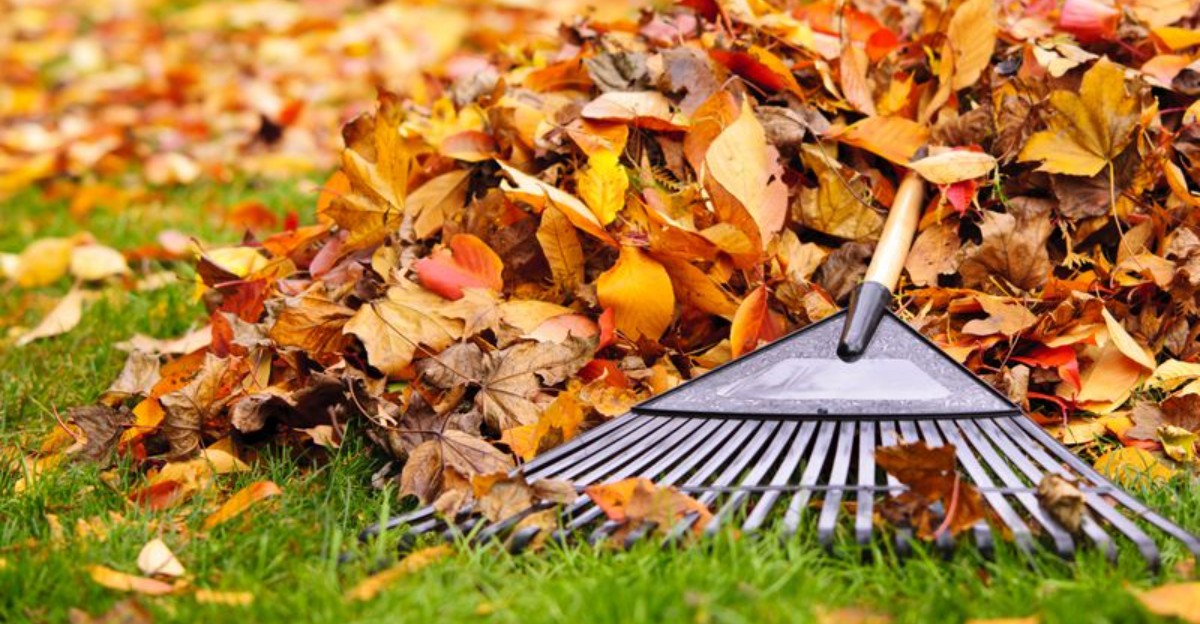
Every October, Michigan yards turn into a crunchy carpet of red, orange, and gold that smells like crisp autumn air. Kids leap into piles, dogs sniff every corner, and most of us happily let the mess wait.
That colorful layer looks harmless, even charming, as it settles over the grass after a breezy night. Yet underneath, something quiet is happening that many homeowners do not notice until the snow finally melts.
Picture lifting a wet bath towel off the floor after a week and catching that musty, stale smell. Your lawn can feel a lot like that floor when it stays covered through long, chilly months.
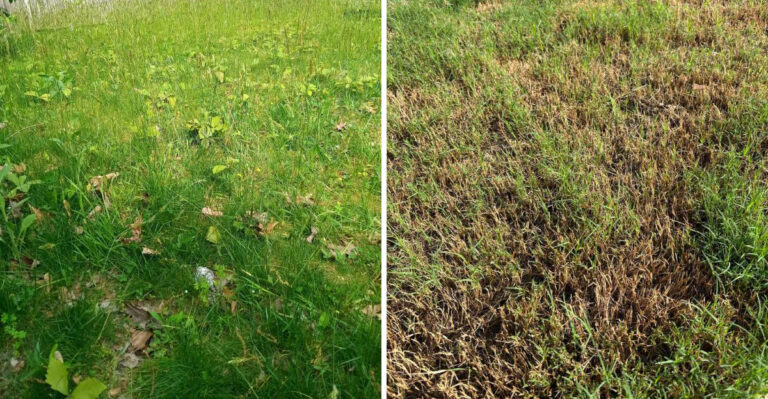
Michigan winters are long, gray, and heavy with snow, which makes any trapped moisture stick around even longer. By April, some yards greet their owners with flat, matted patches that look more brown than green.
Smothered Grass Under A Soggy Blanket
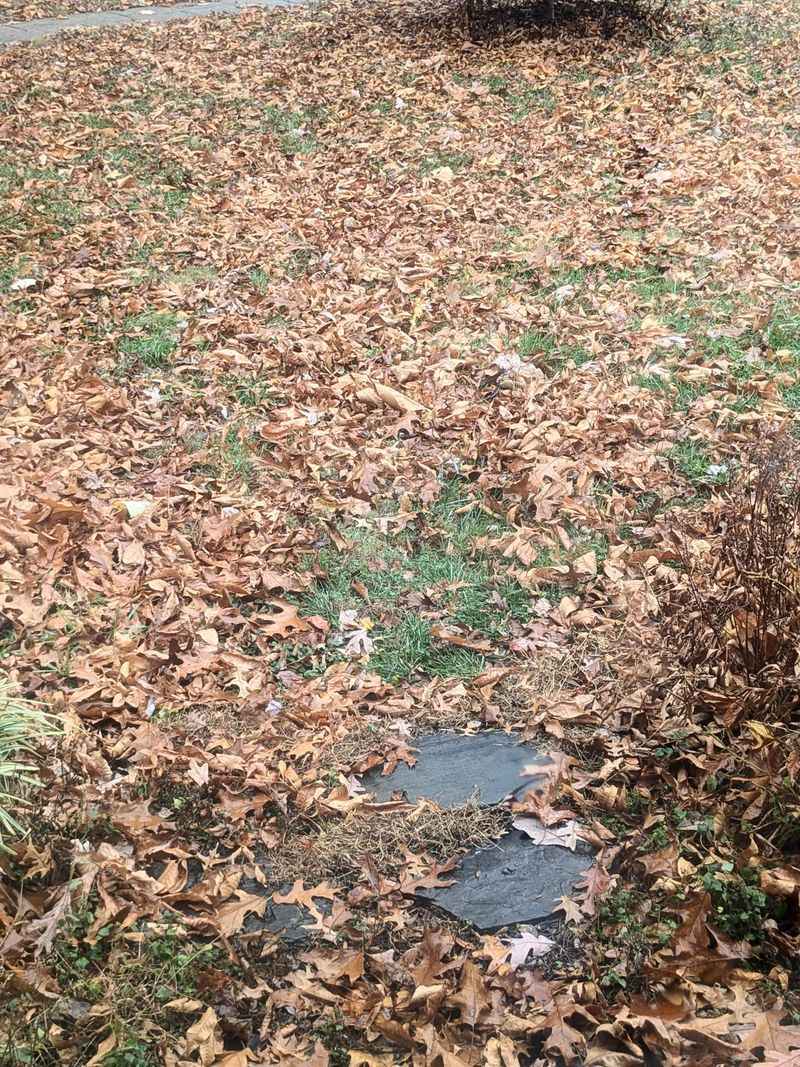
Think of grass blades as tiny solar panels that need sunlight every single day to stay strong and green. A thick mat of wet leaves blocks that light, so the lawn slowly weakens while the leaves stay put.
Fall is actually a busy season for turf, even though the yard looks sleepy from your kitchen window. Cool-season grasses in Michigan store energy in their roots right now to survive the cold months ahead.
When leaves pile up two or three inches deep, they trap moisture and cut off fresh air. Rain packs them down like wet newspaper, and the grass underneath turns pale, yellow, and weak.
Kentucky bluegrass and fescue, the most common lawn grasses here, struggle badly when they sit in darkness for weeks. Thin spots often show up first under maple trees, where the heaviest leaf drops tend to land.
A quick test can tell you a lot about what is happening on your own lawn this week. Lift a section of leaves and look for grass that feels slimy, flattened, or lighter green than usual.
A light scattering of leaves is fine, especially if you can still see plenty of green blades poking through. Trouble starts when the ground disappears under a solid layer that looks like a brown, crinkly quilt.
Clearing those heavy layers lets sunlight reach the blades during the short, bright days of early fall. Your grass will thank you with thicker growth and a stronger start once the snow finally melts away.
Snow Mold Lurking Beneath Winter Drifts
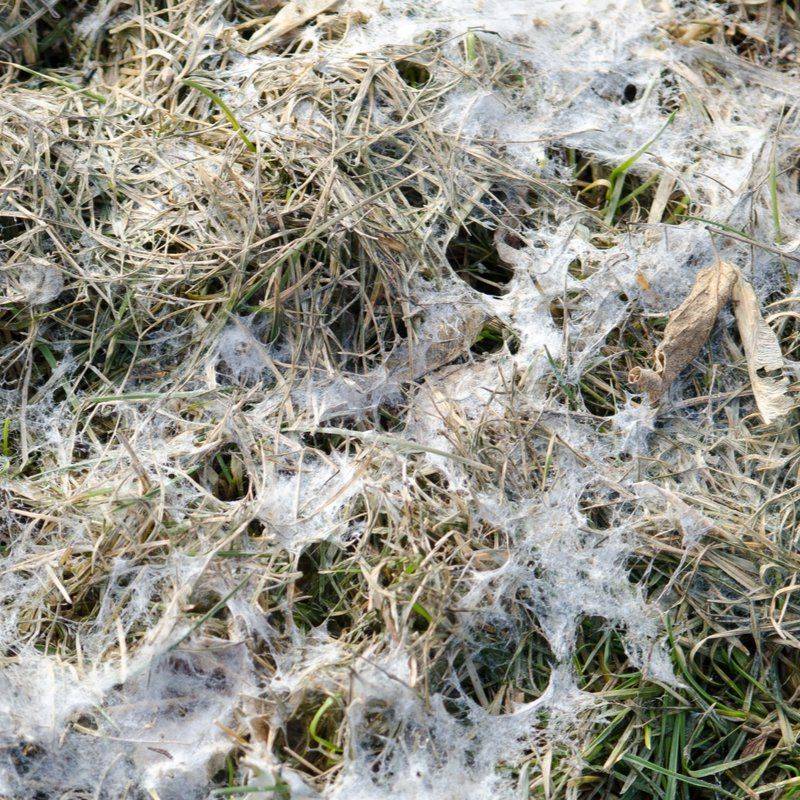
Few lawn problems have a name as memorable as snow mold, and it tends to show up after the leaves have settled in. This fungus loves cold, damp hiding spots, and a thick leaf mat gives it a cozy home.
Two kinds show up in Michigan yards, called gray snow mold and pink snow mold by turf experts. Both grow best when grass stays wet and chilly under a cover that rarely dries out all winter.
Leaves left on the lawn soak up moisture, then snow piles on top and seals everything in tight. Underneath that frozen lid, the fungus spreads slowly for months while you shovel the driveway above it.
Your Michigan Garden Changes Every Week. Your Plan Should Too.
Gardening in Michigan changes quickly throughout the season. Every Friday you’ll receive a simple weekly plan showing exactly what to plant, prune, fertilize, harvest, and protect so you never miss the right timing.
Spring melt reveals the damage as round, matted circles that can stretch from a few inches to several feet. Some patches have a fuzzy, cobweb look in gray or pinkish tones, a bit like faded cotton candy.
Gray snow mold mostly harms the leaf blades, so grass often recovers once the soil warms up. Pink snow mold can reach the crowns and roots, which means some spots may need reseeding later.
Removing heavy leaf layers before the first lasting snow is one of the easiest ways to reduce risk. Skipping a heavy nitrogen feeding late in fall also helps, since soft, lush grass invites fungal trouble.
Fun fact for curious gardeners, snow mold can stay active at temperatures just above freezing, when many other fungi slow down. Giving it fewer places to hide is a smart, low-cost move that pays off in April.
Smart Timing Before The First Snow
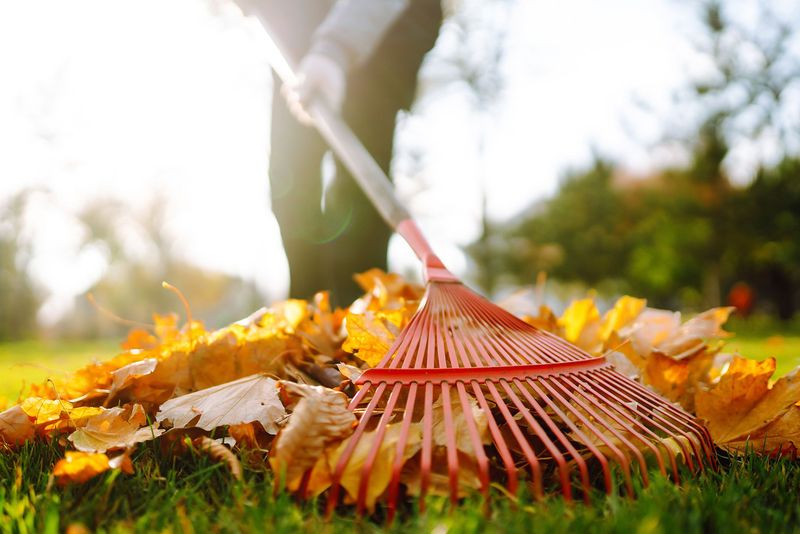
Timing matters more than most people expect, because a lawn cleanup in late November is often too late. October is a sweet spot in Michigan, when leaves are coming down but grass is still growing.
Instead of waiting for every last leaf to fall, try clearing the lawn once a week this month. Smaller loads are easier to handle, and the grass rarely sits in darkness long enough to suffer.
Northern Michigan and the Upper Peninsula often see peak color in late September or the first days of October. Southern parts of the state, like Detroit or Grand Rapids, usually hit their peak a couple weeks later.
Dry afternoons make the job much easier, since crisp leaves blow, rake, and shred far better than soggy ones. Check the forecast and plan your cleanup for a sunny day after a few hours of drying wind.
Mark one final cleanup on your calendar for right before the first lasting snow, usually in November. Oaks hold their leaves later than many other trees, so yards with big oak trees may need an extra pass.
Pair leaf work with the last mow of the season, cutting the grass to about two and a half inches. Shorter grass is less likely to flop over and mat down under heavy snow later this winter.
A steady weekly rhythm turns a dreaded chore into a short, pleasant stroll around the yard with coffee. Your back, your lawn, and your weekend plans will all feel much better by the end of fall.
The Leaf Pile Mistake Near The Curb
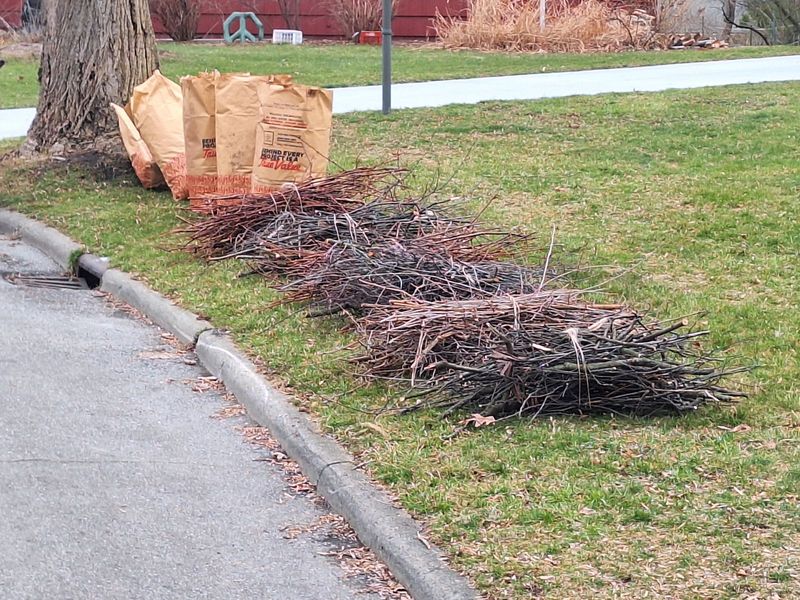
Confession time, plenty of us rake everything into one giant pile and then let it sit for weeks. That forgotten mound may feel like progress, but the grass beneath it suffers even more than before.
A big pile holds water like a sponge, and the center can stay wet and dark for months. When you finally move it in spring, you might find a bare, brown circle roughly the size of the heap.
Another common slip is raking leaves into the street, where rain washes them toward storm drains and local lakes. Rotting leaves release phosphorus into the water, which can feed algae blooms in Michigan rivers and inland lakes.
Many Michigan cities ask residents to use paper yard waste bags, so check your local pickup rules before raking. Michigan also bans yard waste from regular landfills, which is why many towns offer separate seasonal collection.
Burning leaves might seem like a quick shortcut, but smoke irritates lungs and many communities restrict it. Neighbors with asthma will appreciate it if you skip the burn barrel and choose a cleaner option.
The fix for this mistake is simple, move piles off the lawn within a day or two. Bag them, haul them to a compost bin, or spread them as mulch over empty garden beds.
Treat leaves as a resource that just happens to be sitting in the wrong place on the grass. Once they are relocated, they can feed your soil instead of smothering the lawn you worked hard on.
The Mulching Mower Shortcut
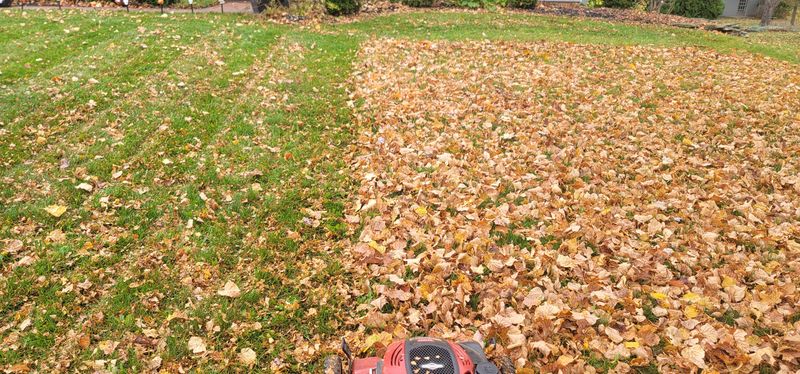
Researchers at Michigan State University found that shredding leaves into a lawn can actually help it. Their studies showed fewer dandelions and no harm to turf quality after years of mowing leaves back into the grass.
The trick works because a mower chops leaves into dime-sized flakes that slip down between the grass blades. Worms and soil microbes slowly break those bits down, turning them into natural plant food.
A mulching blade works best, but a regular mower with the bag removed can still do a decent job. Set the deck around three inches high and mow slowly so the blades have time to shred.
After one pass, look down and see if about half of the grass is peeking through. If the lawn still looks buried, run the mower over it again in a different direction.
Very heavy drops, like those under a huge silver maple, may be too much for mowing alone. In that case, rake off part of the pile first, then mulch the rest right into the lawn.
Mowing dry leaves gives the best results, since wet ones clump together and clog the mower deck quickly. Wait for a dry afternoon, and the whole job often goes faster than raking.
Extra shredded leaves can go straight into a compost bin or around shrubs as a cozy winter blanket. Nothing goes to waste, and your yard ends up richer, softer, and greener without a single bag.
A Greener Lawn By Next May
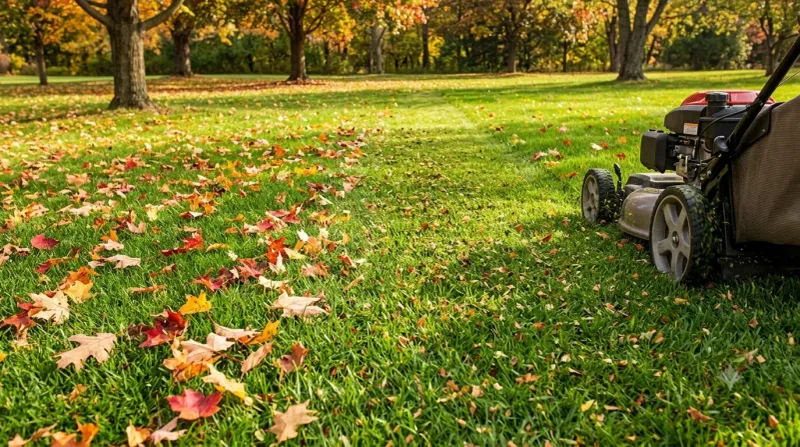
Remember that first warm Saturday in May, when the whole neighborhood smells like fresh-cut grass and lilacs? Lawns that went into winter clean and uncovered usually green up earlier and look healthier.
Grass that soaked up autumn sunlight stored extra sugars in its roots, like a squirrel hiding acorns. Those reserves help it green up quickly once the soil warms, often earlier than lawns that stayed covered.
Fewer bare patches also means fewer openings for crabgrass, dandelions, and creeping Charlie to move in. A thick lawn crowds out weeds on its own, which saves you money on sprays and seed.
Keeping that success going year after year starts with a few easy habits each fall season. Mow or rake weekly during peak drop, and clear the lawn one last time before snow arrives.
Late summer to early fall is the best time to core aerate, since loosened soil lets air and water reach roots. Overseeding thin spots right afterward helps new grass settle in before Michigan’s ground freezes, so plan it for next September if this year’s window has passed.
Consider planting trees with smaller leaves or placing garden beds under big maples where leaves can stay put. Leaves resting on a flower bed act as mulch, while leaves on turf mostly act as a lid.
A few crisp October afternoons spent on yard care can shape how your lawn looks all next summer. Picture bare feet on soft, springy grass, and that cool green carpet suddenly feels worth every rake stroke.