The One Thing You Must Stop Doing To Michigan Houseplants When The Heat Kicks On
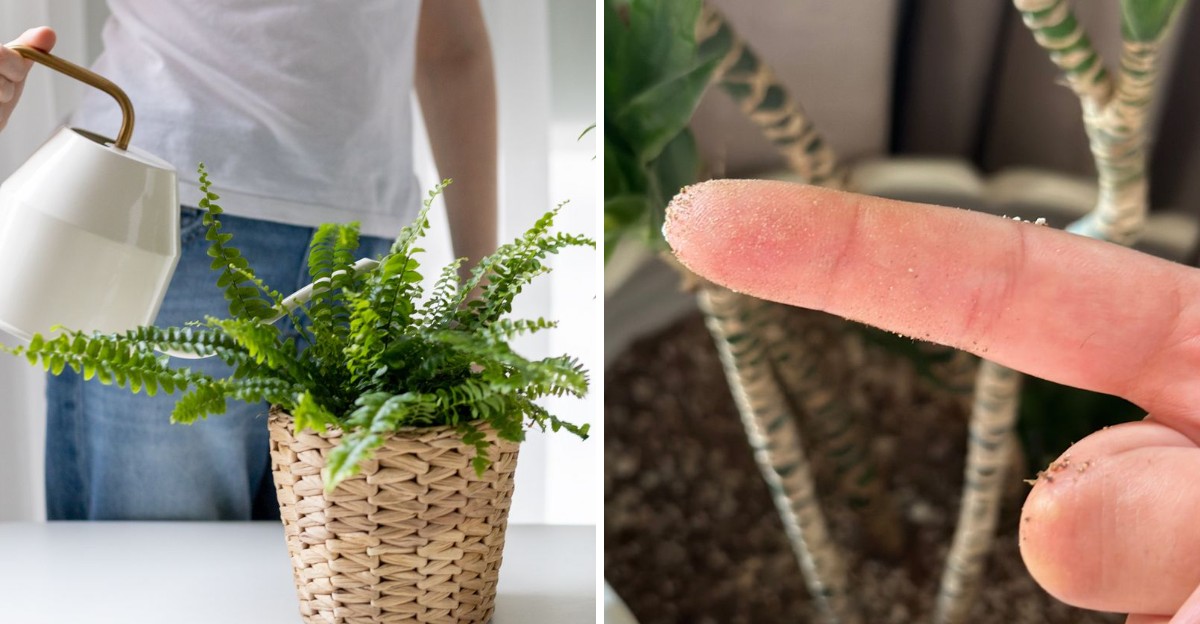
A forced-air furnace can push indoor humidity below 20 percent, which is drier than parts of the Sahara on a typical afternoon. Your living room might feel cozy, yet your leafy roommates are quietly gasping.
I’m always surprised by how fast the trouble shows up. Crispy brown leaf tips appear within days, and the soil feels bone dry on top.
Most of us respond the same way, with a big drink from the watering can.
Here’s what caught my attention after a few Michigan winters.
That instinct often makes things worse, because shorter days slow plant growth and roots sip far less water than they did in July. Soggy pots plus weak light is a recipe for rot.
So the real fix sits somewhere other than the watering can. Could the spot your plant loves most be the very spot causing the damage?
1. That Crispy Fern Isn’t Begging For A Bigger Drink
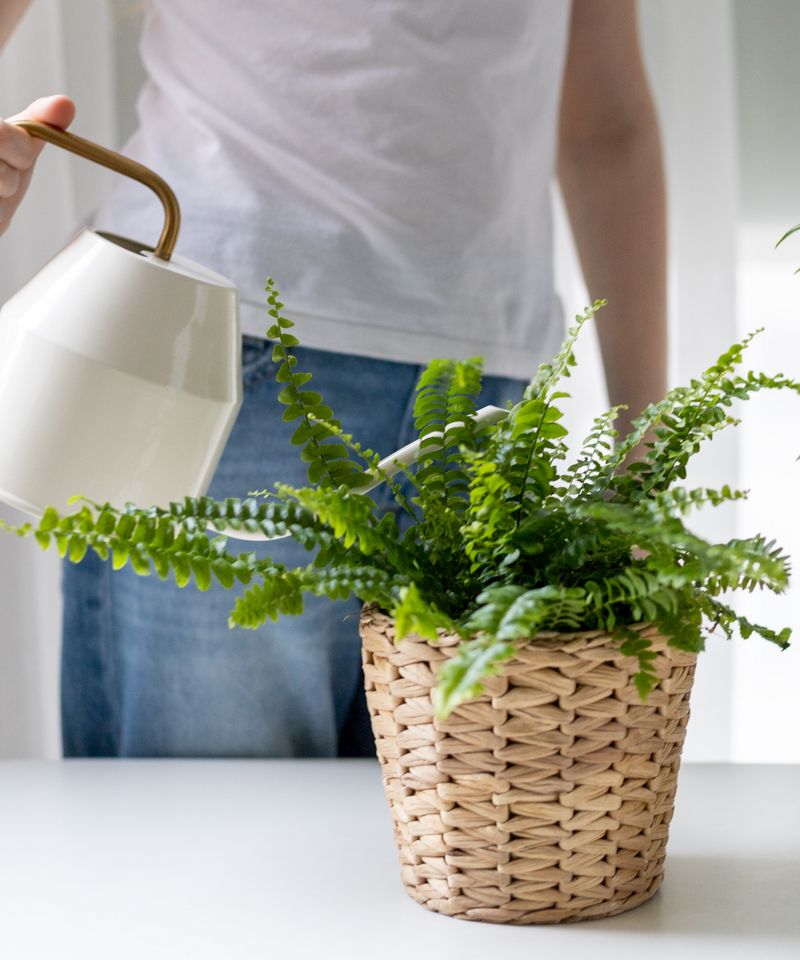
Brown, papery fern fronds look thirsty, so most people grab the watering can. I did the same thing for years before figuring out the soil was already damp underneath.
Those crunchy edges usually come from dry air, not dry roots. Once the furnace runs steadily, moisture gets pulled out of leaves faster than roots can replace it.
Pouring in more water does nothing for the air around the foliage.
The one thing to stop is overwatering on autopilot. Many gardeners keep their summer schedule into November, and that habit causes more winter plant trouble than almost anything else.
Michigan State University Extension notes that houseplants grow slowly in winter and need less frequent watering.
Overwatered roots sit in cold, soggy soil without enough oxygen. Root rot follows, and the leaves start yellowing or wilting, which tricks you into watering even more.
It becomes a frustrating loop.
Try this simple check instead. Push your finger about an inch into the soil before every watering.
If it feels moist, wait a few more days and look again.
A cheap moisture meter helps too, especially for big floor pots where the top layer dries quickly while the bottom stays wet. Your plants will thank you with steadier, greener growth.
2. Your Watering Can Needs A Winter Schedule Change
Summer plants drink like marathon runners. Winter plants behave more like folks napping on the couch, and their water needs drop accordingly.
Shorter days are the main reason. Michigan gets only around nine hours of daylight near the winter solstice, so photosynthesis slows way down.
Less growth means roots pull up much less water.
For most tropical houseplants, stretching the time between waterings works well. A pothos you watered weekly in July might only need a drink every ten to fourteen days now.
Succulents and snake plants can often go three or four weeks.
Let your plant tell you, not the calendar. Lift the pot after watering and notice how heavy it feels.
When it feels noticeably lighter, it’s usually ready again.
Water thoroughly when you do water, until some drains from the bottom. Then empty the saucer within about fifteen minutes so roots aren’t soaking.
Room-temperature water is kinder than icy tap water straight from a cold winter pipe. Chilly water can shock roots of tender plants like calatheas.
Small adjustments like these keep roots healthy while the plant rests. Come spring, you’ll have a strong, rot-free root system ready to push out fresh leaves.
3. Move That Monstera Away From The Heat Vent
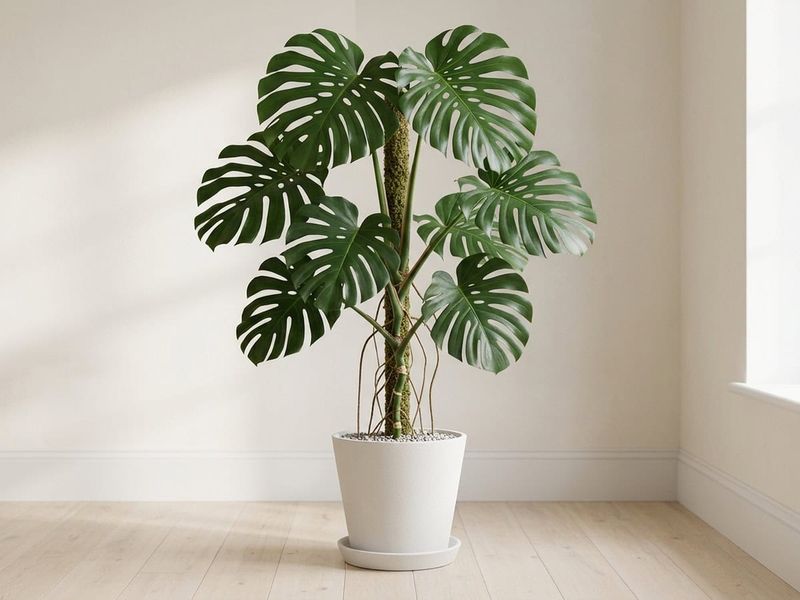
Ever notice one side of a plant browning while the other side looks perfect? Chances are it’s parked right next to a heat register.
Forced-air vents blow hot, bone-dry air straight onto foliage. Leaves lose moisture quickly, edges scorch, and the soil dries unevenly.
Radiators and baseboard heaters cause similar damage through steady radiant heat.
Most tropical houseplants like temperatures between about 65 and 75 degrees. A spot right beside a vent can run much hotter during each heating cycle, then cool off when the furnace stops.
Shift plants at least three feet from any vent, radiator, fireplace, or space heater. If you can’t move a big monstera, try a plastic vent deflector to point airflow toward the ceiling instead.
Watch for the opposite problem too. Cold drafts from leaky windows and exterior doors can chill leaves, especially on nights near zero.
A good rule is to keep foliage from touching cold glass. Pull plants back a few inches on frigid nights, then slide them closer to the light during the day.
Finding that sweet spot takes a little experimenting. Once you do, many leaf problems you blamed on watering simply fade away.
4. Dry Furnace Air Leaves Telltale Clues On Leaves
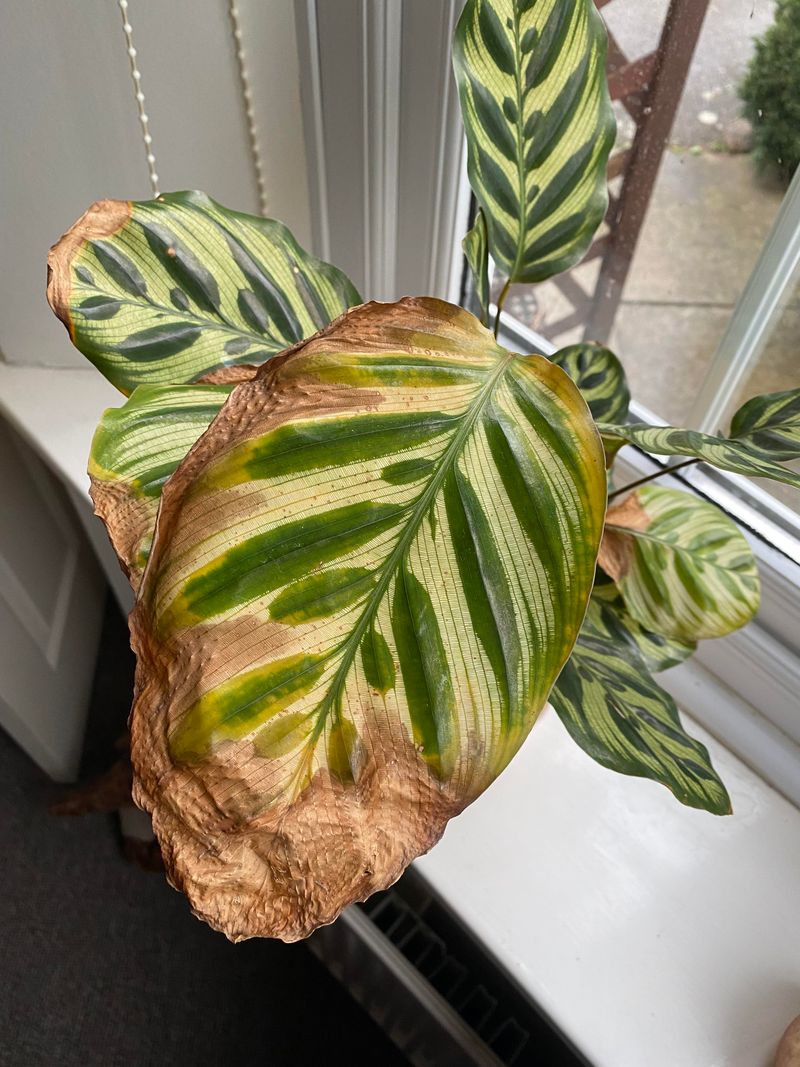
Calatheas are the drama queens of the winter houseplant world. Their leaves curl, crisp, and brown at the edges the minute indoor air turns dry.
Low humidity shows up in a few predictable ways. Watch for brown leaf tips, curled leaves, flower buds that drop before opening, and new leaves that tear as they unfurl.
Many heated homes fall to 10 to 30 percent humidity in deep winter. Tropical plants often prefer 40 to 60 percent, so the gap is real.
Overwatering looks different, which helps you tell them apart. Yellowing lower leaves, mushy stems, a sour soil smell, and soil that stays wet for days point toward too much water instead.
Buy an inexpensive digital hygrometer and set it near your plants. Seeing the actual number takes the guesswork out of the problem.
Some plants handle dry air well. Snake plants, ZZ plants, and cacti shrug off winter conditions, so they make great choices for the driest rooms.
Once you learn these signals, you stop treating every brown tip with water. That single shift saves a surprising number of plants each season.
5. Grouping Houseplants Together Creates A Cozy Humid Pocket
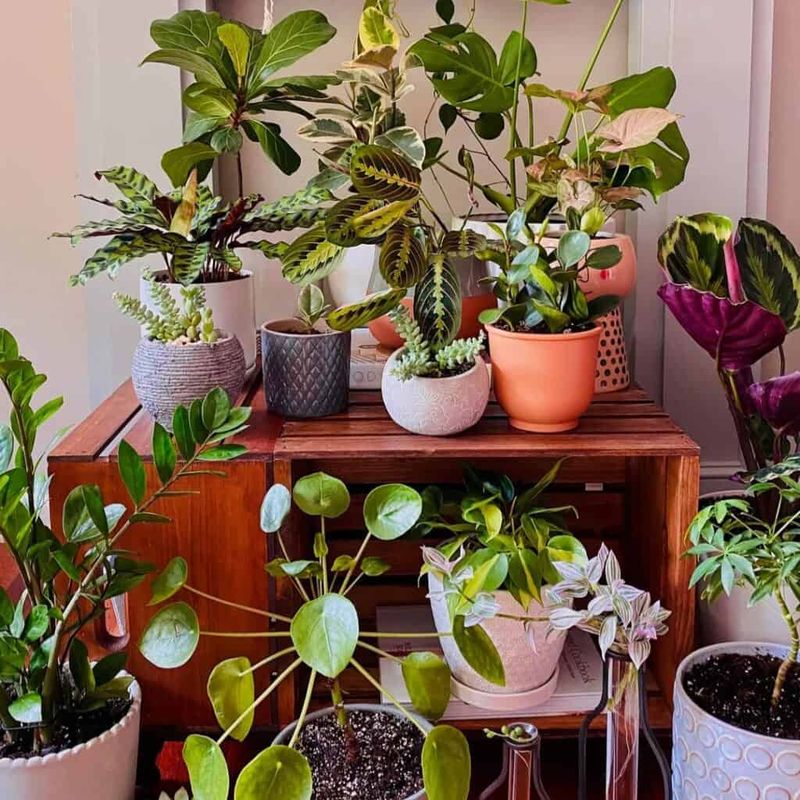
Plants are social creatures, at least when it comes to moisture. Clustering them together builds a tiny pocket of humid air.
Every leaf releases water vapor through a process called transpiration. When several plants sit close, that moisture lingers around the group instead of drifting away into the dry room.
Pebble trays add another boost. Fill a shallow tray with gravel, add water just below the top of the stones, and set pots on top so they don’t sit in the water.
A room humidifier makes the biggest difference by far. Running a cool-mist unit near your plant corner can raise humidity noticeably, and your own dry skin will appreciate it too.
Misting gets a lot of love, but research suggests its effect fades within minutes. It’s fine for fun, though it won’t solve the problem on its own.
Bathrooms and kitchens tend to stay more humid naturally. A bright bathroom window can turn into a happy winter home for ferns and orchids.
Leave a little space between leaves for airflow. Crowding too tightly can invite fungal spots, so aim for snug rather than squished.
6. Spider Mites Love Your Toasty Living Room
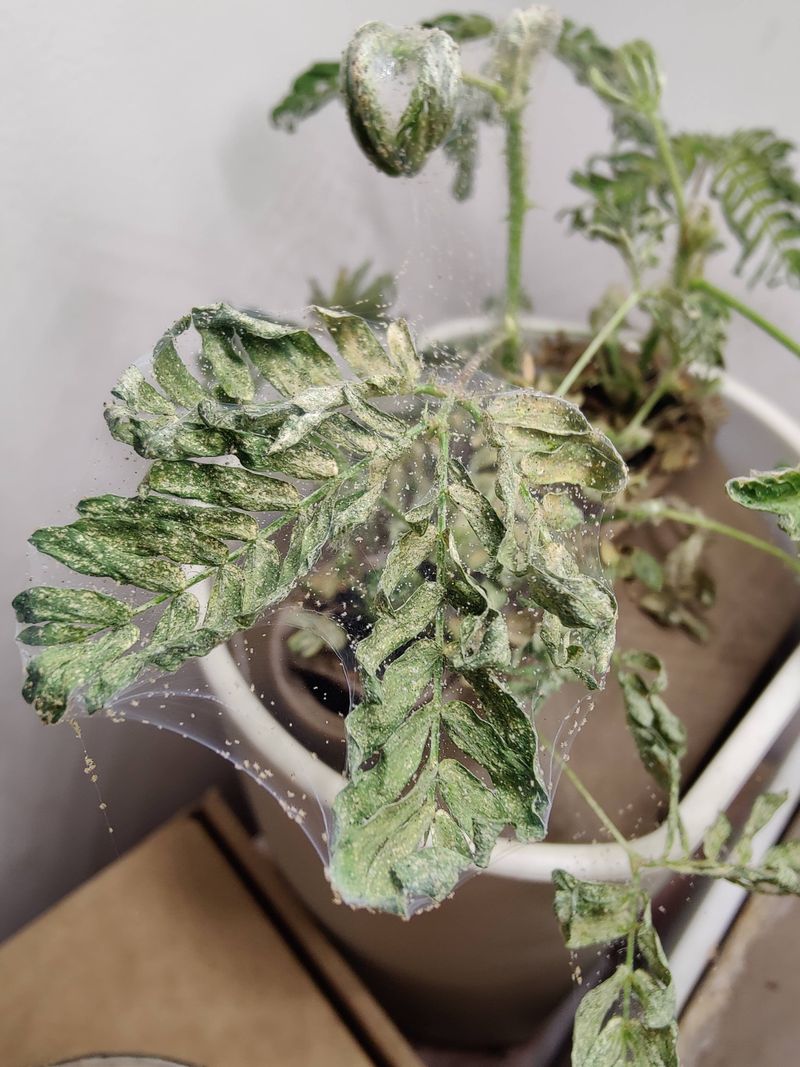
Tiny, hungry, and fond of dry heat, spider mites throw a party every winter. Warm, low-humidity rooms are basically their dream vacation spot.
These pests are barely visible to the naked eye. You’ll more likely spot fine webbing between leaves, or tiny yellow speckles called stippling across the leaf surface.
Plants stressed by soggy roots or dry air become easier targets. That’s another reason to stop overwatering and start managing humidity instead.
Check leaf undersides weekly while you test soil moisture. Hold a white sheet of paper under a branch and tap it, then watch for moving specks.
Caught early, mites are manageable. Rinse plants in the shower with lukewarm water, wipe leaves gently, and isolate any infested plant from the rest.
Insecticidal soap or horticultural oil works for stubborn cases. Follow label directions and repeat treatments, since eggs keep hatching for a while.
Fungus gnats are the other winter nuisance, and they adore wet soil. Letting the top inch dry out cuts down their numbers fast, which proves once again that easing up on water pays off.
7. Skip The Fertilizer Until Spring Days Get Longer
Feeding a resting plant is a bit like serving dinner to someone fast asleep. The food just sits there.
Most houseplants slow their growth from late fall through winter because light levels drop. Without active growth, they can’t use much fertilizer.
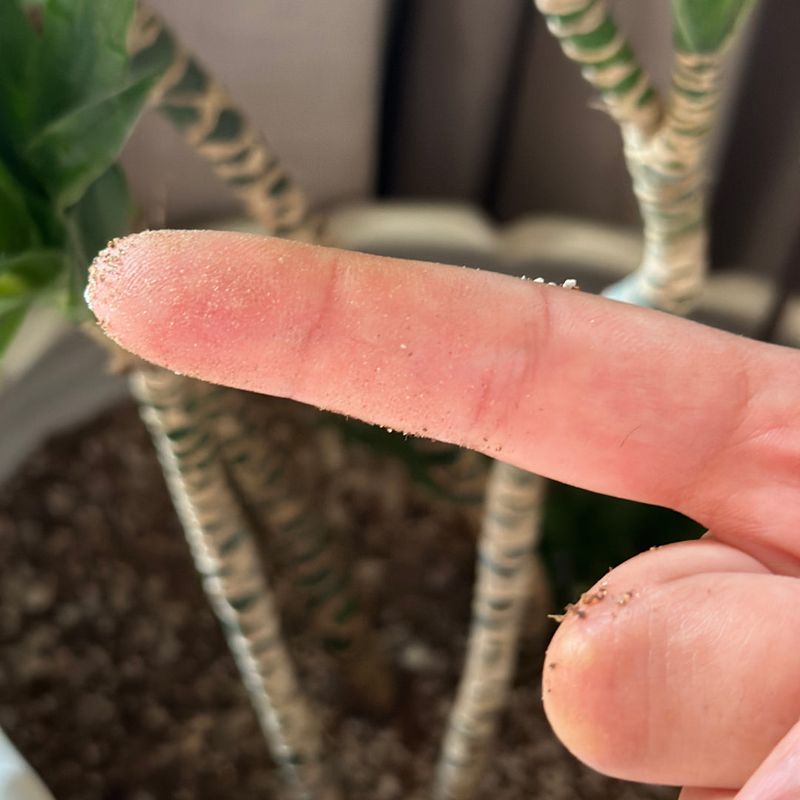
Unused fertilizer salts build up in the soil over time. Too much buildup can burn roots and leave a white crust on the soil surface or pot rim.
Many university extension services recommend pausing or sharply reducing feeding from about November through February. Resume in March or April when you see fresh leaves appearing.
Plants growing under strong grow lights are the exception. If they’re putting out new growth steadily, a diluted feeding once a month is usually fine.
Spotting crusty white deposits? Flush the soil by running plenty of water through the pot in a sink, letting it drain completely afterward.
Hold off on repotting too, unless roots are truly bursting out. Spring is a far better time for that job, since plants recover quickly once growth kicks back in.
Patience now means a healthier, more vigorous plant later.
8. A South Window And Grow Light Brighten Michigan Winters
Gray skies are part of life around the Great Lakes. Lake-effect clouds can hide the sun for days, which leaves houseplants short on energy.
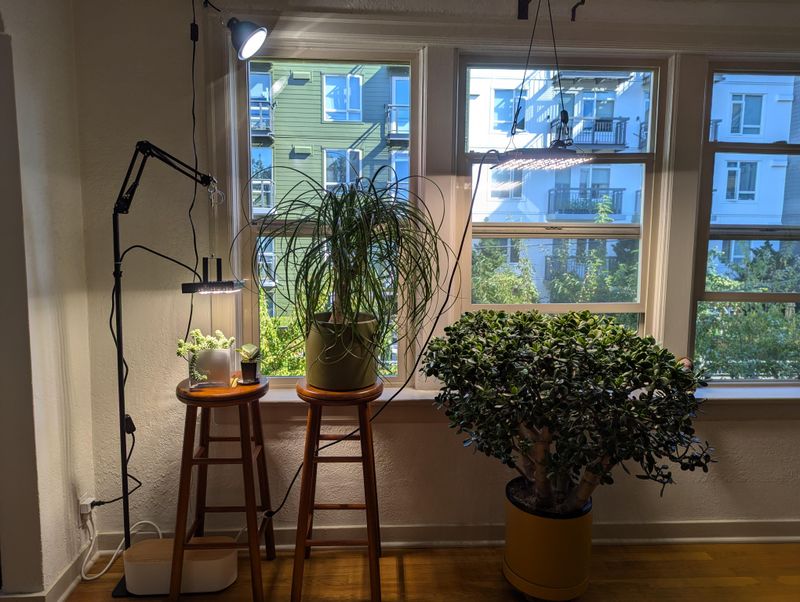
Moving plants closer to bright windows helps a lot. South-facing windows deliver the strongest winter light, while west and east windows work well for many medium-light plants.
Clean dusty leaves with a damp cloth so they soak up every bit of sunshine. Wash the windows too, since grime blocks more light than you’d expect.
An affordable LED grow light can turn a dim corner into a thriving spot. Run it about 12 to 14 hours a day on a timer for steady results.
More light also means your plants use water a little faster. That balance is exactly why one fixed watering schedule rarely works across a whole house.
So here’s the takeaway for this Michigan winter. Stop reaching for the watering can out of habit, check the soil first, and focus on humidity, placement, and light instead.
Treat each plant as its own little personality. Pay attention, adjust slowly, and you’ll greet spring with lush, healthy greenery.