Seal These Spots Now Before Virginia Stink Bugs Move Onto Your Walls
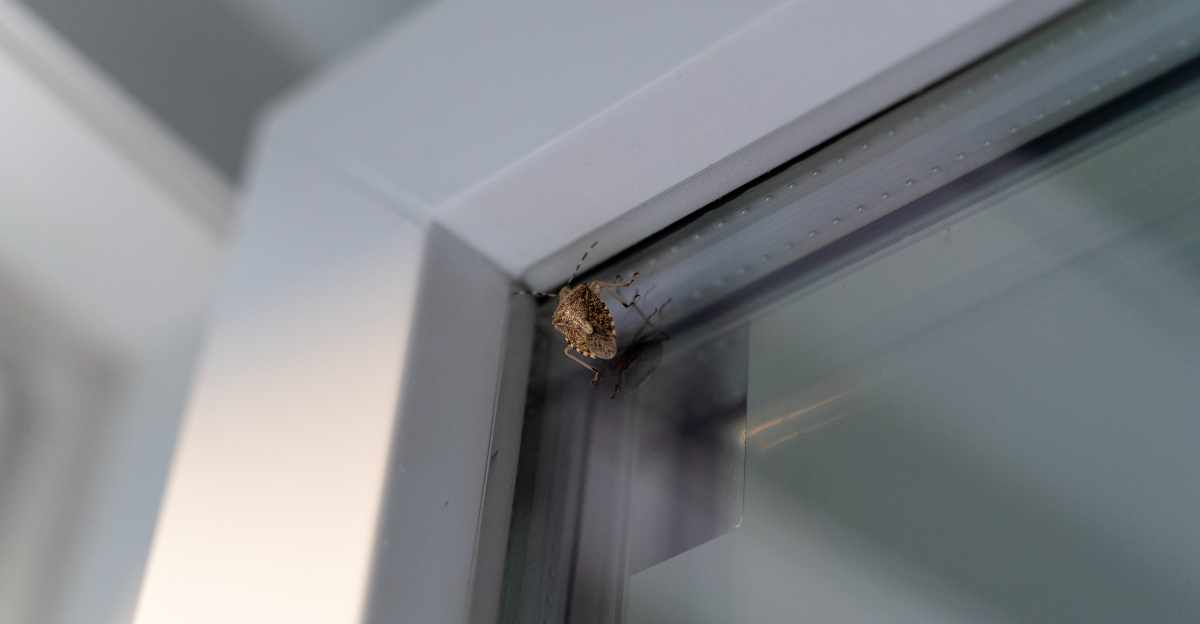
There’s a sound every Virginia homeowner learns to recognize in October. It’s that clumsy, helicopter-like buzz bouncing off a lampshade at nine at night.
You flip on the light and spot a shield-shaped hitchhiker clinging to the ceiling. Nudge it wrong and your whole living room smells like burnt cilantro.
These guests didn’t sneak in through an open door. They squeezed through gaps you walk past every single day without a second glance.
Autumn sun warms your siding, and thousands of little bodies gather on the sunny side looking for a crack to slip behind. Once they settle inside your walls, getting them out becomes a spring-long headache.
You should know that a caulk gun, some screen patches, and one weekend afternoon can shut most of them out. Here are the eight spots worth sealing before the first cold snap arrives.
1. Sneaky Sash Line Gaps
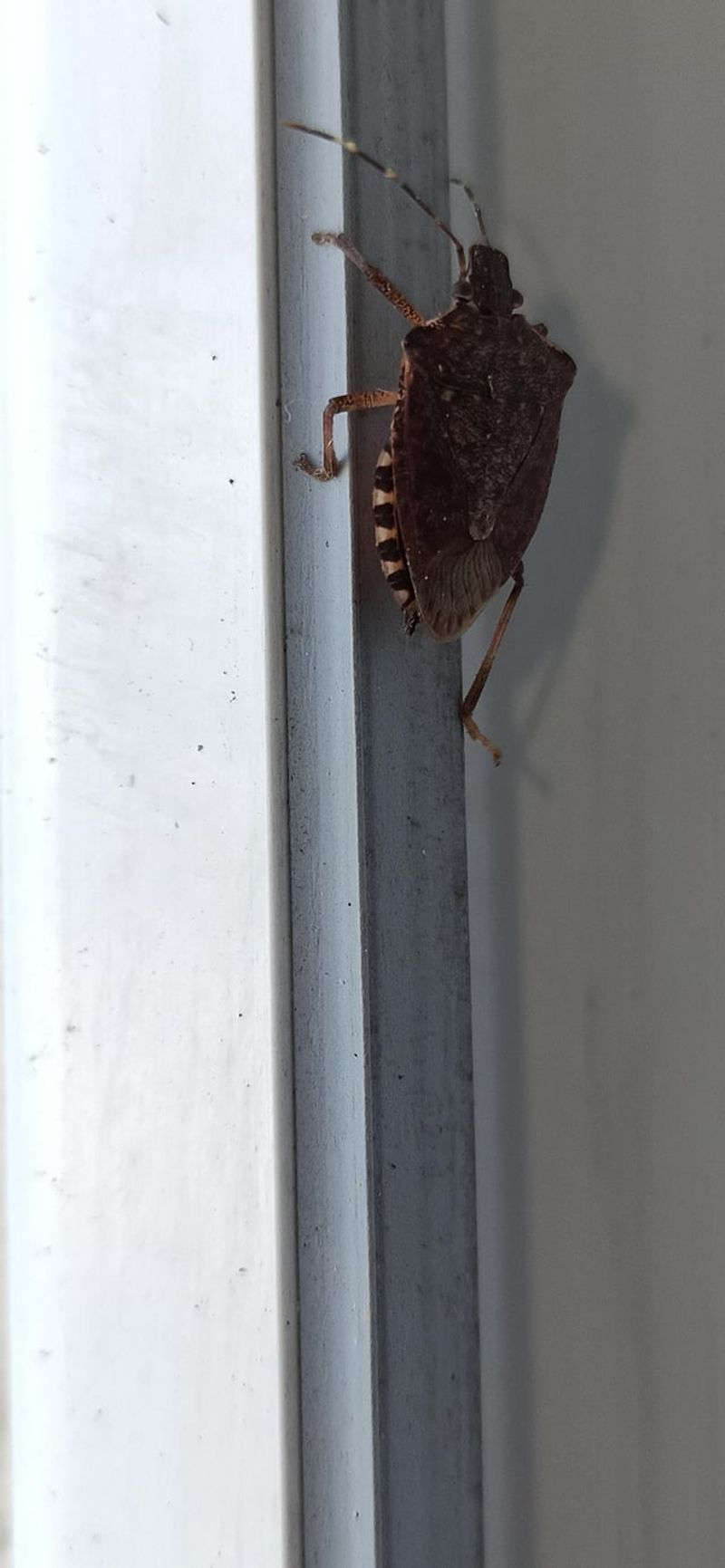
Ask any pest control tech in the Shenandoah Valley where stink bugs get in, and windows top the list. The gap between the frame and the siding is often thinner than a pencil, which is plenty of room for a flattened insect body.
Brown marmorated stink bugs are built like tiny shields, and that shape lets them slide into openings around one-eighth of an inch wide. They also love windows because the glass holds afternoon warmth, drawing them in as temperatures drop.
Start by running your fingers along the outside edge of each frame on a breezy day. If you feel air moving, that spot needs attention.
Exterior-grade silicone or a paintable siliconized acrylic caulk works well here. Clean out crumbling old caulk with a putty knife first, wipe the surface dry, then lay a smooth bead where the frame meets the wall.
Don’t forget the sash itself on older double-hung windows. Those weight pockets on either side connect straight into your wall cavity, and worn ropes leave openings behind the trim.
Foam weatherstripping tape along the sash meeting rail closes that route cheaply. Rope caulk is another handy option since you can peel it off in spring.
Older homes around Winchester and Charlottesville tend to have some of the wider window gaps in the region. A single afternoon spent sealing them usually cuts your indoor sightings noticeably, and your heating bill may drop as a bonus.
2. Torn Or Loose Window Screens
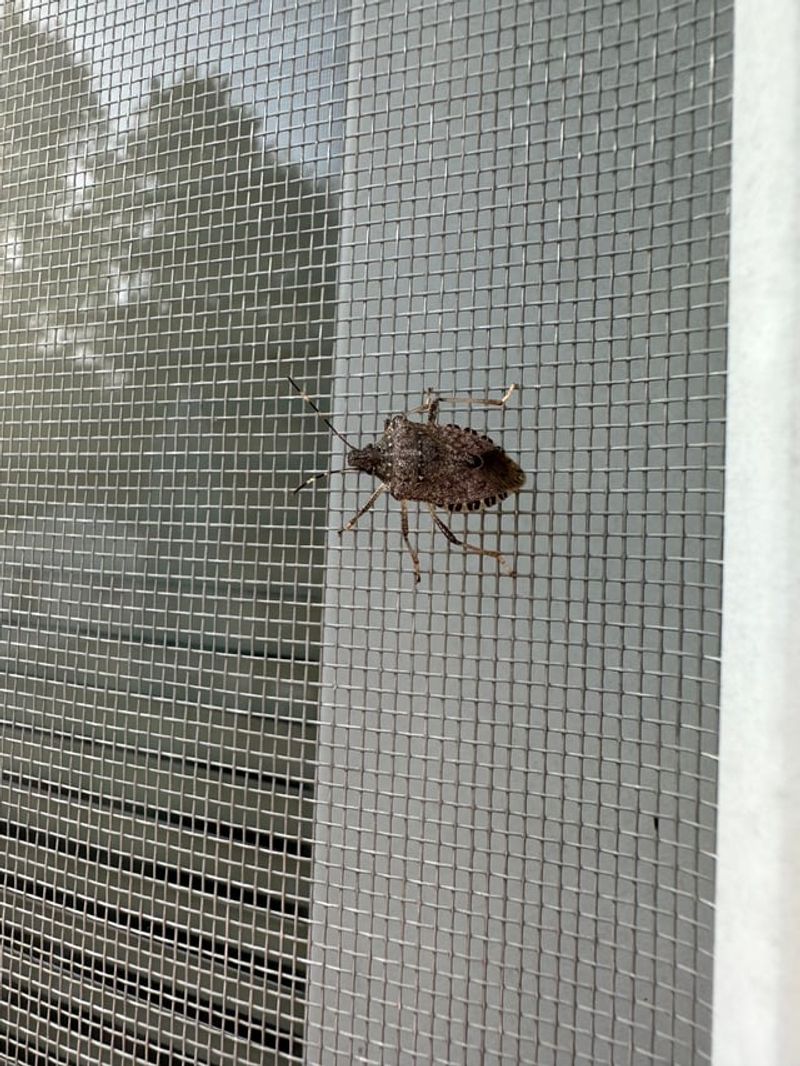
A screen with one pinhole tear is basically a welcome mat. Stink bugs find that hole quickly, and once one gets through, more tend to follow.
Screens fail in three ways: the mesh rips, the spline that holds the mesh pops out of its groove, or the whole frame warps and stops sitting flush. Any one of those creates a doorway.
Pull each screen out and hold it up to the light. Bright pinpricks show you exactly where the damage is hiding.
Small tears patch nicely with a self-adhesive screen repair square, sold for a couple of dollars at any hardware store. For anything bigger than a quarter, re-screening the frame with new mesh and a spline roller takes about fifteen minutes and costs less than a pizza.
Your Virginia Garden Changes Every Week. Your Plan Should Too.
Gardening in Virginia changes quickly throughout the season. Every Friday you’ll receive a simple weekly plan showing exactly what to plant, prune, fertilize, harvest, and protect so you never miss the right timing.
Check that the frame still sits tight in its track. Warped aluminum leaves a sliver of space along the edges, and foam weatherstrip tape along the frame lip fixes that neatly.
Here’s something a lot of folks miss: the little pull tabs and finger holes on screen frames can act as tunnels. Stuffing them with a dab of clear silicone solves it.
Attic and gable vent screens deserve the same inspection. They rust out quietly and let bugs pour into spaces you rarely visit.
Fresh screening across the whole house is one of the highest-payoff jobs on this list, especially for homes surrounded by soybean fields or orchards.
3. Utility Line And Pipe Penetrations
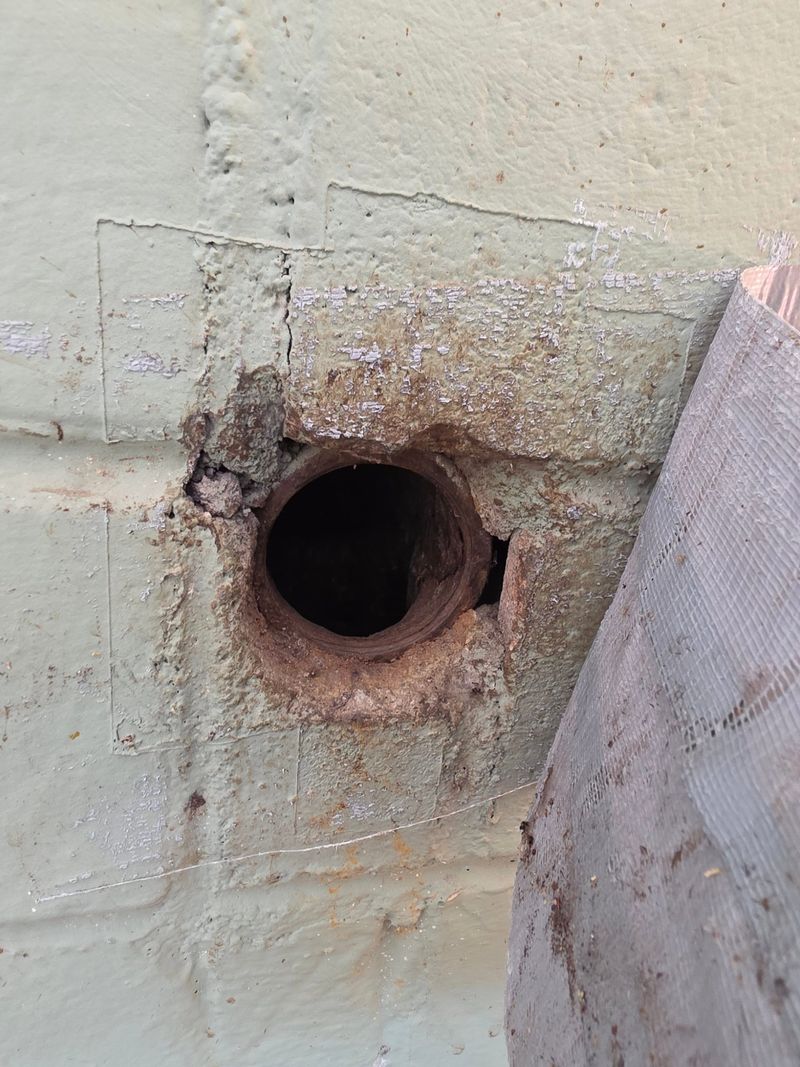
Every wire, pipe, and cable that enters your house punched a hole through the wall to get there. Whoever drilled that hole almost certainly made it bigger than needed.
Walk your foundation and outside walls with a notepad. You’ll find the air conditioner refrigerant line, the electric meter conduit, the cable and internet drops, outdoor spigots, dryer vents, and the gas line.
Each of those spots typically has a ragged gap around it, sometimes stuffed with a scrap of foam that crumbled years ago. In Virginia homes especially, stink bugs treat those openings like easy access points into your wall cavity.
For gaps under a quarter inch, exterior silicone caulk does the job. Anything wider calls for a two-step approach: pack the opening with copper mesh or stainless steel wool, then cover it with expanding foam or caulk.
Copper mesh matters because rodents chew right through plain foam, and where mice go, bigger gaps follow. Steel wool rusts and stains siding, so copper is the better pick.
Pay extra attention behind outdoor faucets and around the dryer vent hood. Both are known for hidden gaps you only notice when you crouch down.
A tip from the field: run your hand around each penetration on a windy day. Moving air means a bug-sized passage.
Sealing these takes maybe an hour total, and it’s the sort of small fix that quietly pays off from October through March.
4. Soffit Seams Worth A Second Look
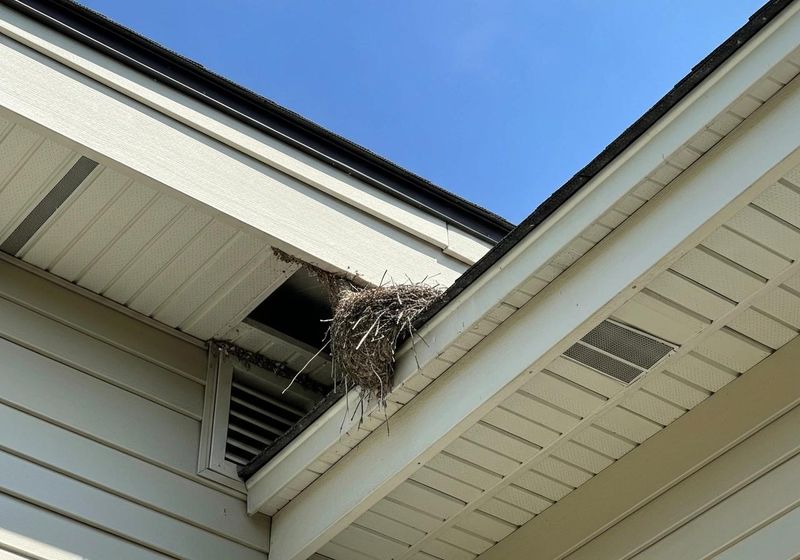
Look up. That strip of material tucked under your roof overhang is one of the busiest bug entrances on the whole house, and nobody ever checks it.
Soffit panels are usually vinyl or aluminum, and they snap into channels along the fascia board. Over time those panels shift, shrink in cold weather, and leave slim gaps at the seams.
Stink bugs riding warm air currents up your siding hit that overhang and slip right in. From there it’s a short trip into the attic, then down through light fixtures and ceiling seams into your bedroom.
Grab binoculars if you’d rather not climb. Scan the full perimeter for dark lines, missing panels, or spots where the soffit meets a corner or a gable end.
Corners are the usual troublemakers. Where two runs of soffit meet at an angle, installers often leave a triangular hole that never got trimmed properly.
Aluminum flashing cut to size and secured with short screws covers larger gaps. Smaller seams take a bead of exterior caulk applied with a steady hand.
Skip the temptation to seal ventilated soffit holes. Those perforations let your attic breathe, and blocking them invites moisture problems.
Instead, staple fine fiberglass mesh across the inside face of ventilated panels if you can reach the attic side. Air keeps flowing while insects stay out.
Homes with deep overhangs across northern Virginia benefit most from this one.
5. Attic Vents Bugs Love Most
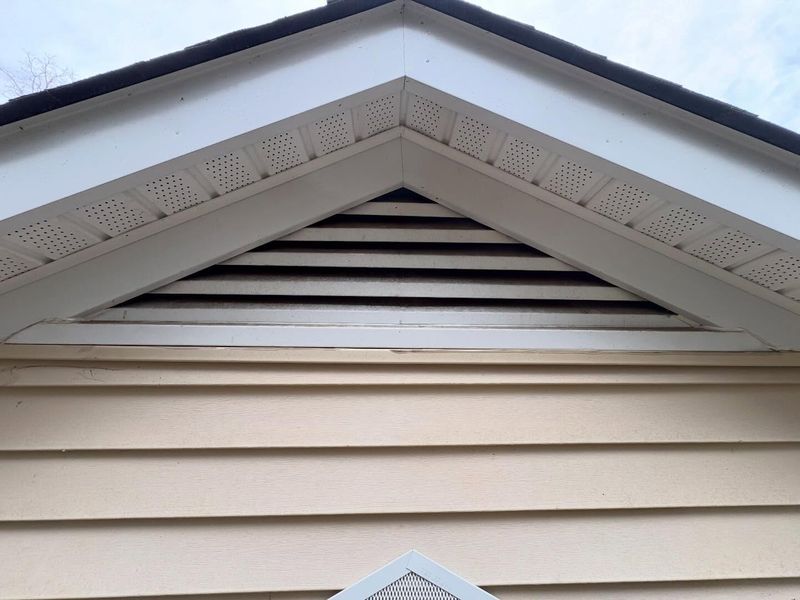
Attics are warm in the day, dark, quiet, and untouched for months at a time, which makes them a favorite hideout for stink bugs. Gable and ridge vents are how they check in.
Those louvered triangles on the upper walls of your house were designed with a screen behind them. On homes older than fifteen years, that screen has often rusted through or torn loose at the staples.
Head into a Virginia attic on a sunny afternoon and turn off your flashlight. Any daylight you see marks an opening worth patching.
Replacement screening should be fine mesh, around sixteen by sixteen threads per inch. Aluminum or fiberglass both work, though aluminum holds its shape better against wind.
Staple the new screen to the inside frame of each vent, overlapping the edges by an inch. Add a strip of thin wood lath over the staples so wind can’t peel it back.
Ridge vents along the roof peak need their own look. The plastic baffle can lift or crack, and roofing nails sometimes miss, leaving a channel straight into the attic.
While you’re up there, scan the insulation for clusters of bugs already settled in. A shop vacuum with a knee-high stocking rubber-banded inside the hose captures them without the smell spreading.
Empty the stocking outdoors far from the house. Sealing vents after clearing existing clusters gives you a much quieter spring.
6. Threshold Gaps And Weak Weatherstripping
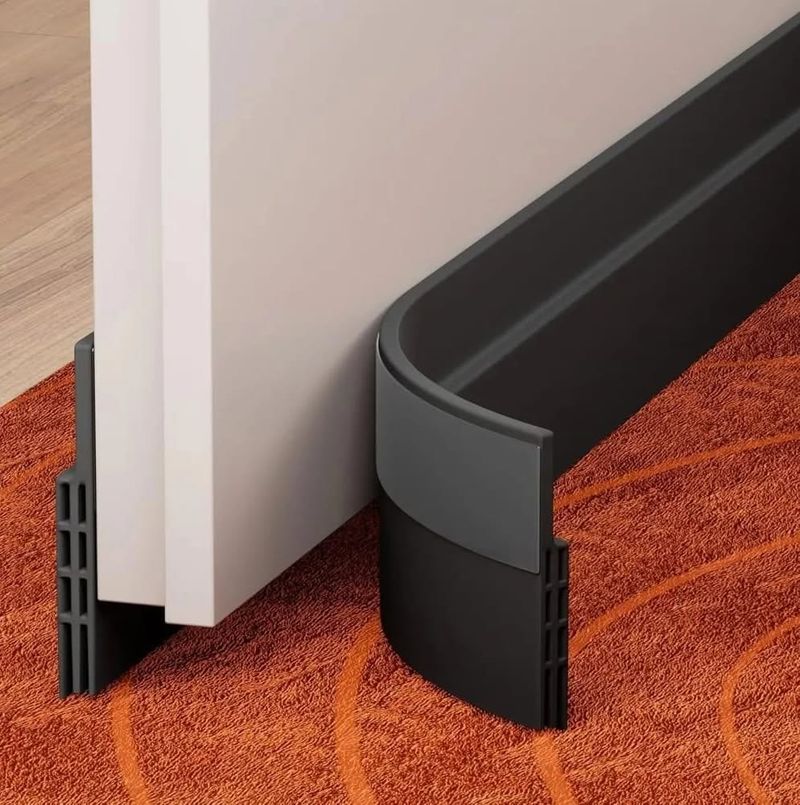
Here’s a quick test that surprises people. Close your front door, turn off the porch light, and look at the bottom edge from inside during daylight.
If you see a line of light, insects see an invitation. Even a gap the thickness of two credit cards lets stink bugs walk right through.
Door sweeps wear out fast, especially on doors that get used a dozen times a day. The rubber or bristle strip flattens, cracks, and eventually stops touching the threshold at all.
Replacements cost around fifteen dollars and install with a screwdriver. Aluminum sweeps with a vinyl bulb hold up better than the flimsy stick-on foam kind.
Adjustable thresholds have screws along the top that raise or lower the metal plate. Turning each one a quarter turn until the door drags slightly, then backing off a hair, gets you a snug fit.
Side and top weatherstripping matters just as much. Compressed foam or worn V-strip leaves gaps at the hinge side, which is where bugs tend to squeeze in unnoticed.
Sliding glass doors are their own project. The bottom track collects debris that props the panel open, and the brush seals along the edges thin out over the years.
Garage doors round this out. A fresh bottom seal and side weatherstripping on the garage cuts off one of the largest openings any Virginia house has.
7. Siding Seams Hiding In Plain Sight
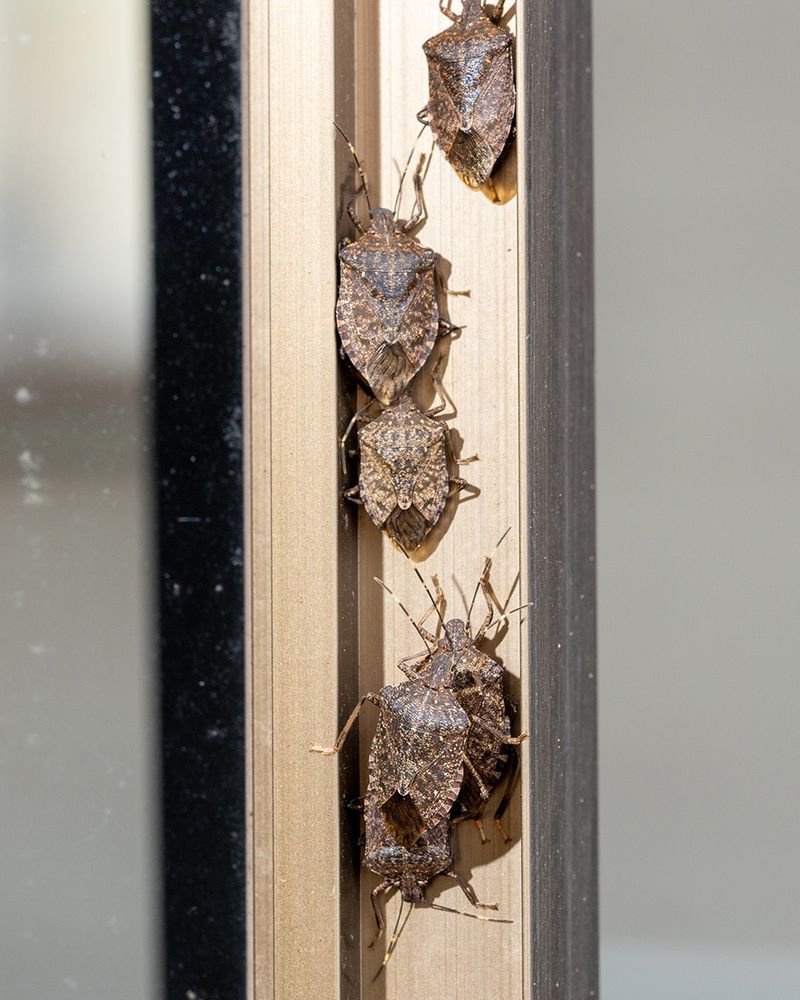
Sun-warmed siding on the south and west walls draws stink bugs by the hundreds on mild Virginia autumn days, and they start probing for a way behind the surface soon after landing.
Vinyl siding is designed to hang loosely so it can expand and contract. That flexibility means the bottom edge of every course has an opening, and there’s not much to be done about it.
What you can seal are the trim joints. Corner posts, J-channel around windows, and the seams where siding meets a deck ledger or a chimney chase all leave real gaps.
Behind those trim pieces sits your house wrap, and any tear in it becomes an open door. Run a bead of caulk where trim meets brick, stone, or a different siding material.
Wood and fiber cement siding show different problems. Look for split boards, popped nails, and butt joints that have opened up as the wood shrank.
Prime bare wood before caulking so the sealant grips properly. Skipping that step means redoing the work in two years.
Check where the siding meets the foundation, too. That transition strip often has a gap wide enough for a whole cluster of insects.
Painting light-colored siding a darker shade won’t help much, but planting shade trees on the west side reduces the sun that draws them in.
8. Chimney And Vent Blind Spots
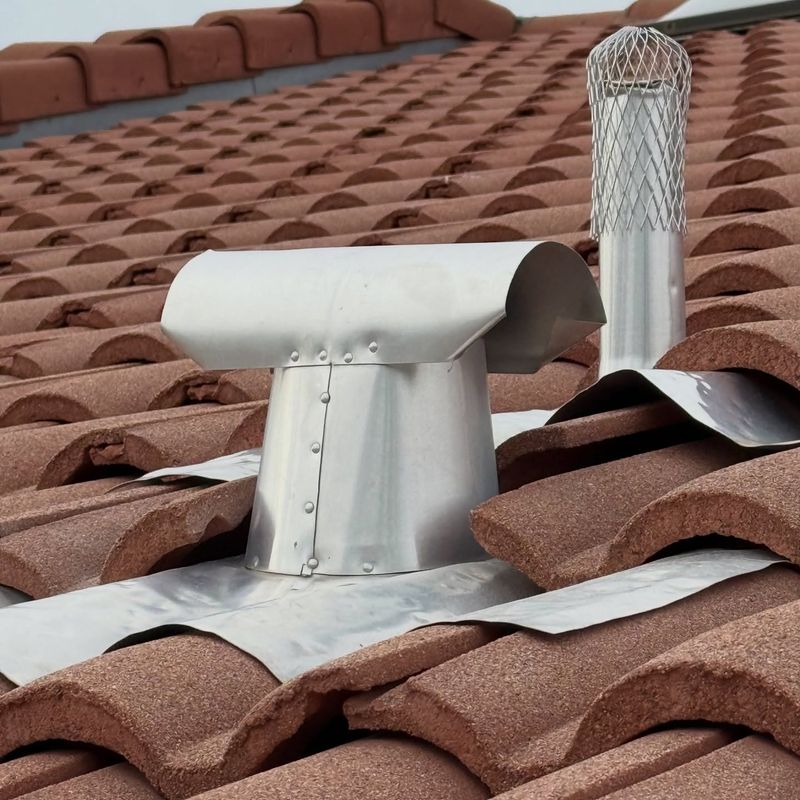
Nobody thinks about the chimney until a stink bug turns up in the living room. By then, the bugs may have been living in the flue for weeks.
An open chimney is a wide-open shaft straight into your living room, and older Virginia masonry chimneys see this often. A stainless steel chimney cap with mesh sides solves it and keeps rain and squirrels out too.
Prefab metal chimneys wrapped in a siding chase have extra weak spots. The chase cover on top rusts and develops pinholes, and the joint where the chase meets the roof often has failing flashing.
Bathroom and kitchen exhaust vents work the same way. Each one ends in a hood on your roof or sidewall with a little flapper door that’s supposed to close when the fan is off.
Those flappers stick open constantly. Lint, paint drips, and warped plastic keep them from sealing, and insects stroll in.
Swapping in a vent hood with a spring-loaded damper fixes the problem for about twenty-five dollars. Some models include a built-in screen, though screens on dryer vents clog with lint and become a fire risk, so skip mesh there.
Range hood vents on exterior walls deserve a look as well. Grease-caked flappers hang open year-round.
Set aside twenty minutes to test each one by hand. A flapper that swings shut with a soft click is doing its job.